
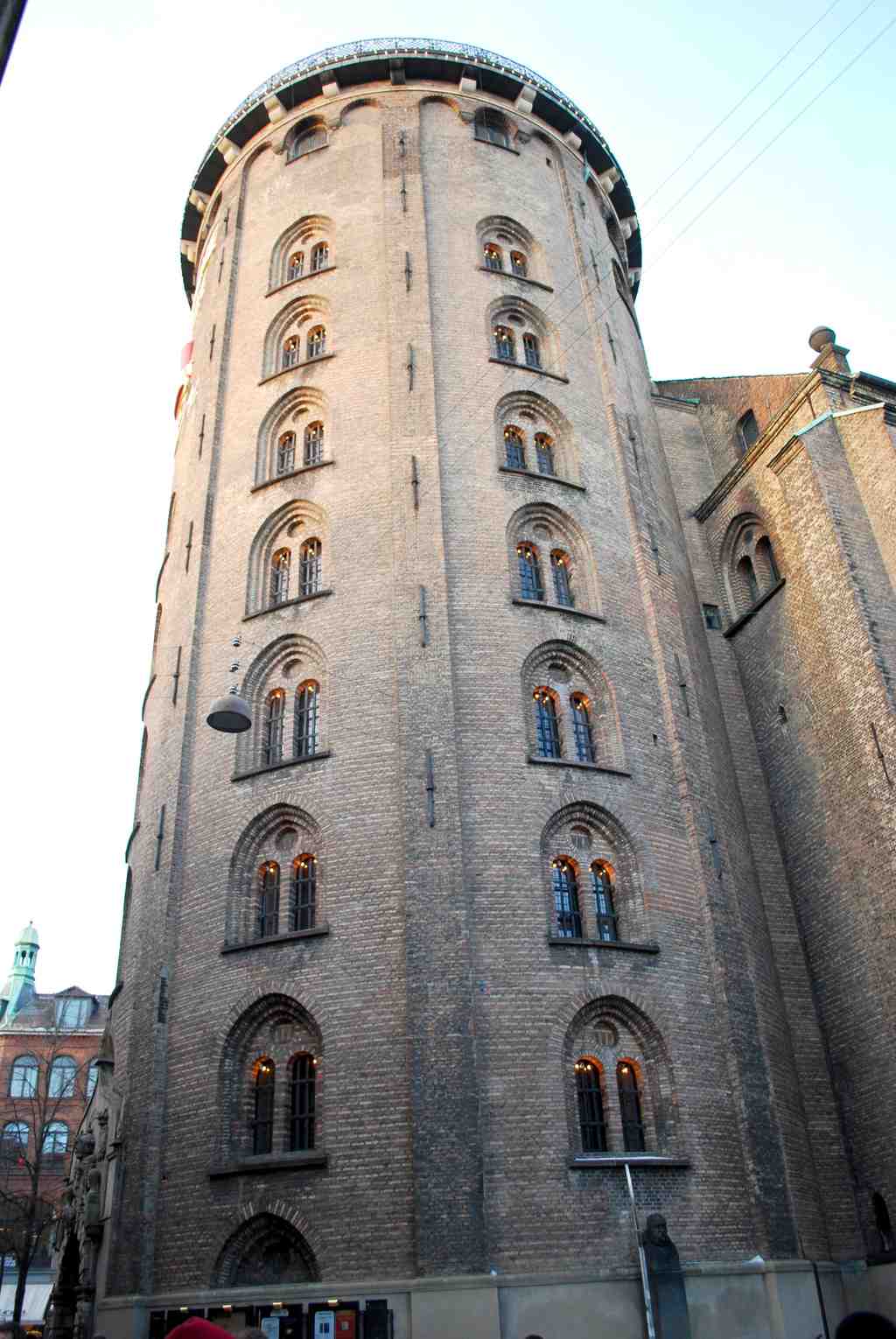
On your right stands a massive cylindrical tower built of light brown brick, featuring columns of deeply recessed arched windows that curve their way up to a wrought-iron viewing platform at the top. Take a look at the image on your device. My digital database seems to have suffered a rather magnificent glitch here, abruptly pivoting from Danish architecture to an Anglo-Saxon king of East Anglia named Rædwald. But since his story of sheer survival is fantastic, we are going to dive into it anyway.
Rædwald, whose name translates from Old English as 'power in counsel', ruled from around five ninety-nine to six twenty-four. He was a member of the Wuffingas dynasty. Historical details are a bit scarce because Viking invasions in the ninth century destroyed the local monasteries where all the paperwork was kept. But the fragments we do have paint a picture of a man who survived through brilliant, if slightly chaotic, pragmatism.
Early on, Rædwald ruled under the authority of Æthelberht, the king of Kent. Through this political connection, Rædwald became the first king of the East Angles to convert to Christianity, getting baptized sometime before six hundred and five. However, he was a deeply practical man. Not wanting to infuriate his pagan wife or alienate his household, he set up a temple with two altars. One was dedicated to Christ, and right next to it, another was dedicated to the old pagan gods. Just hedging his bets.
His ultimate test of character came when a royal exile named Edwin arrived at his door. Edwin was running from his rival, Æthelfrith of Northumbria, and sought asylum. Æthelfrith sent messengers offering massive amounts of silver to have Edwin assassinated. Rædwald declined. Æthelfrith tried a second and third time, offering even more wealth and promising immediate war if Rædwald refused. The king actually caved and considered handing his guest over, but his pagan queen fiercely intervened. She reminded him that selling a desperate friend for cash was completely dishonorable. Shamed into doing the right thing, Rædwald refused the silver and chose war.
In six sixteen, Rædwald marched his army north to the River Idle. The battle was an absolute bloodbath. Rædwald's son, Rægenhere, was killed in the chaos. Enraged by the terrible loss, Rædwald smashed through the enemy lines himself and killed Æthelfrith, securing a decisive victory.
This triumph made Rædwald the most powerful English king south of the Humber estuary. He was later recognized as a bretwalda, an Old English term meaning 'wide-ruler' or high king. When he died around six twenty-four, historians believe he became the man buried in the famous Sutton Hoo ship-burial, a massive mound excavated in nineteen thirty-nine that contained a whole ship filled with gold, garnets, and symbols of immense imperial power.
This tower is open to visitors every day from ten A-M to eight P-M. Take your time reflecting on that rather unexpected history, and we will catch up at the next location.





