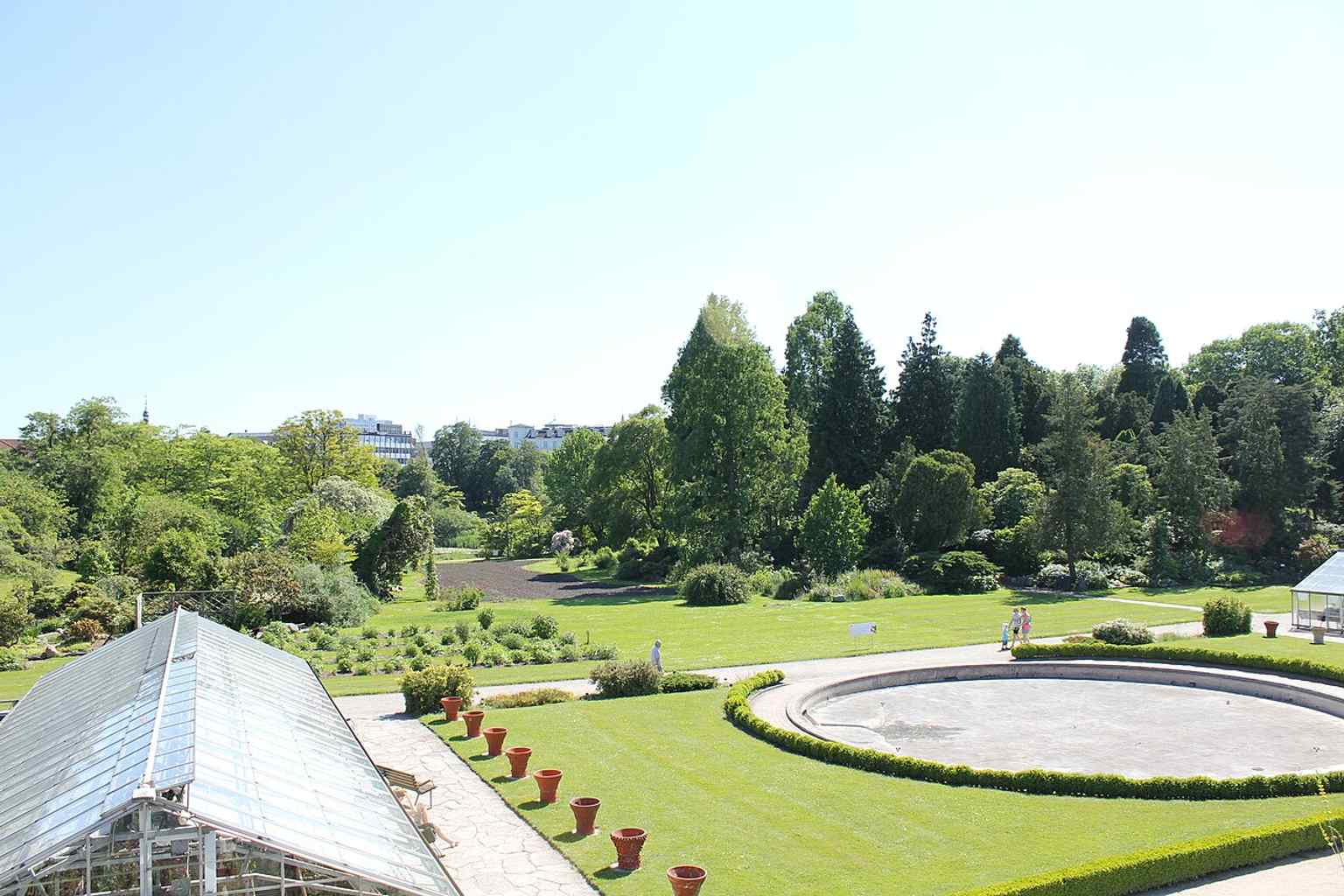
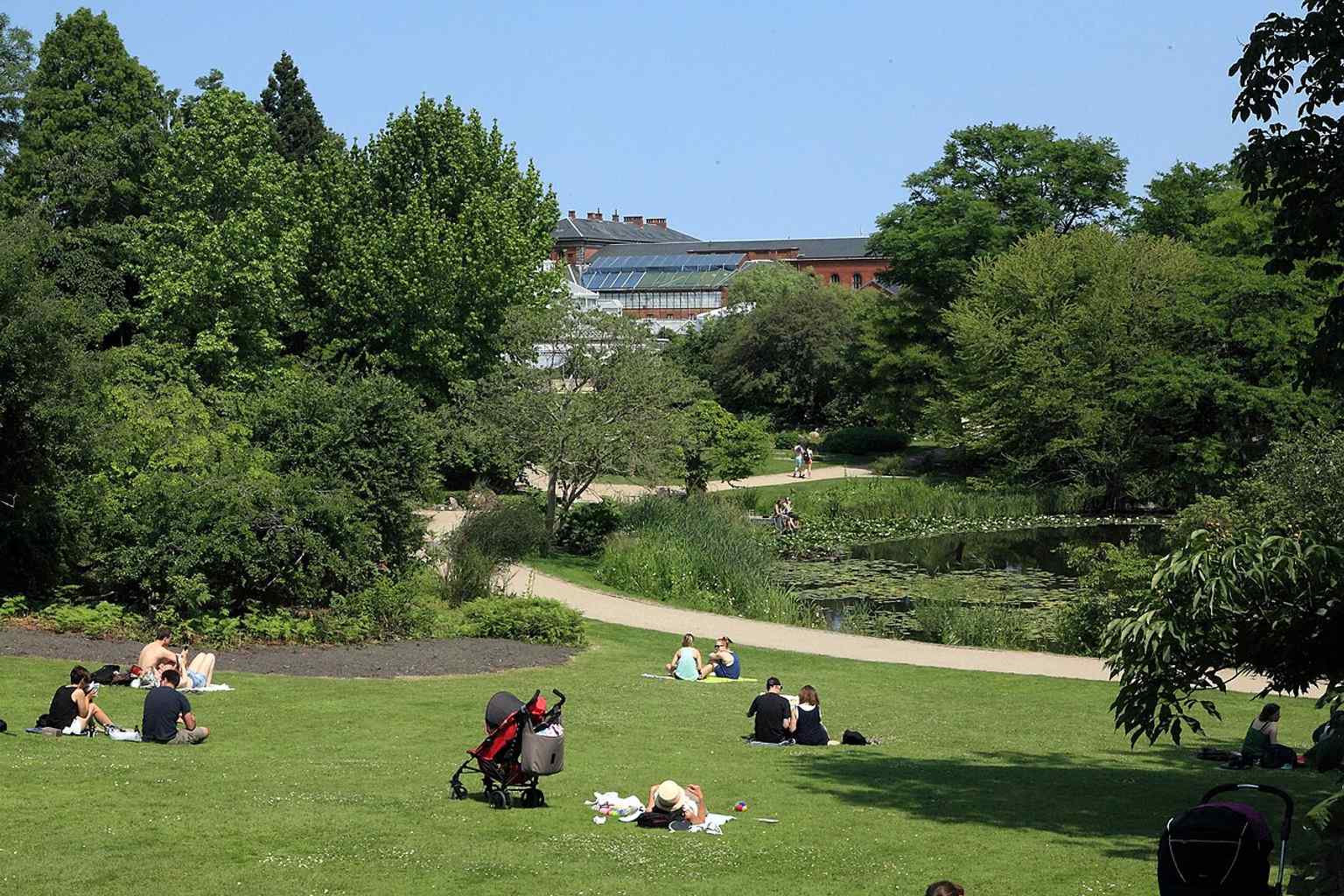
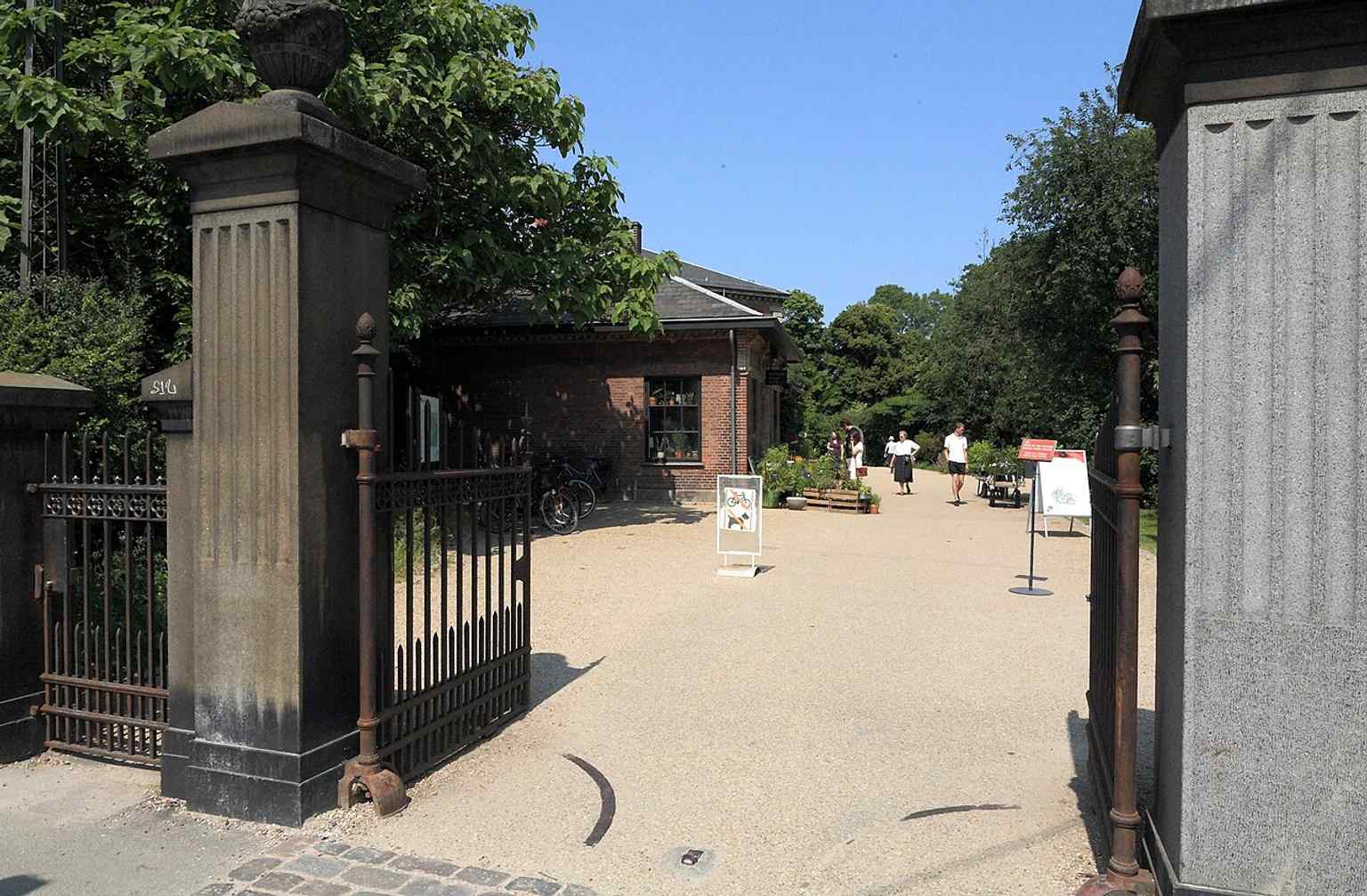
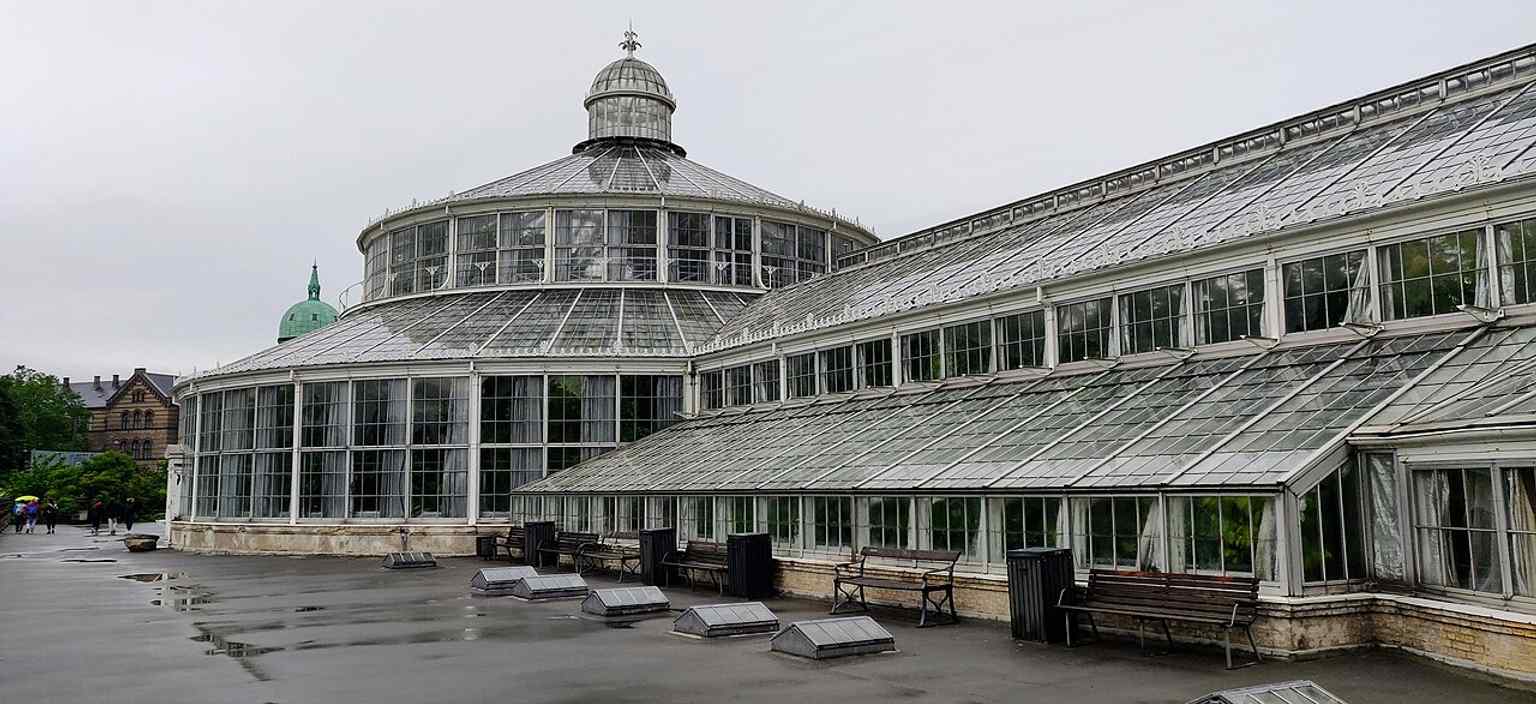
Before you stands a magnificent white iron-and-glass structure featuring a soaring central domed rotunda, all approached by a sweeping, wide stone staircase. I am Axel, and I will be your guide through Copenhagen today. We are starting off strong with the University of Copenhagen Botanical Garden. What you are looking at is ten hectares of meticulous horticultural engineering, crowned by that stunning conservatory complex from eighteen seventy-four.
This garden has some serious baggage. Literally. The entire collection has been packed up and moved across the city twice. The original garden was founded back in the year sixteen hundred by King Christian the Fourth. After the Reformation, when many Catholic convents and their medicinal gardens were dismantled, the king needed a secure supply of medicinal plants. So, he set aside a plot of land and commanded a university professor to tend it.
Naturally, a university professor was thrilled to suddenly be doing manual agricultural labor.
Eventually, the garden was relocated and expanded under the direction of a botanist named Georg Christian Oeder in seventeen fifty-two. Oeder began an ambitious project called Flora Danica, a massive illustrated encyclopedia describing all Danish and Norwegian plants. But things did not end well for him. He was fired in seventeen seventy-one after getting tangled up in the political fallout of the Johann Friedrich Struensee affair, a chaotic moment where the king's physician essentially took control of the Danish government before being dramatically overthrown.
By seventeen seventy-eight, the garden moved again, this time to a low, waterlogged area behind Charlottenborg Palace. It was cramped, damp, and completely inadequate for housing sensitive foreign plants. Finally, in eighteen seventy, the garden landed right where you are standing.
Four years later, J-C Jacobsen, the founder of the Carlsberg brewery, decided the capital needed something spectacular. He funded these glasshouses, drawing heavy inspiration from the famous Crystal Palace built in London for the Great Exhibition of eighteen fifty-one. Take a glance at your screen to see inside the central Palm House. Notice the incredibly narrow, cast-iron spiral staircase winding its way up the sixteen-meter-tall dome. It is a brilliant piece of Victorian-era industrial design, allowing visitors to climb right into the canopy to view a palm tree that has been growing here since eighteen twenty-four.
Today, the garden is a living archive holding over thirteen thousand plant species, from a fifty-meter-long glasshouse just for cacti to an air-conditioned greenhouse designed to perfectly replicate Arctic environments.
Check the app once more to see the Social Sciences Faculty Library, located just at the edge of the gardens. Johan Daniel Herholdt designed it in eighteen eighty-eight as a botanical laboratory, modeling it after Italian palazzi, the grand, fortress-like stone palaces of Renaissance Italy.
The garden operates every day of the week from eight thirty in the morning until six in the evening, giving you free admission to wander the grounds. Take a moment to soak in the scale of this botanical masterpiece. When you are ready, we can head over to our next stop, the Østervold Observatory.