
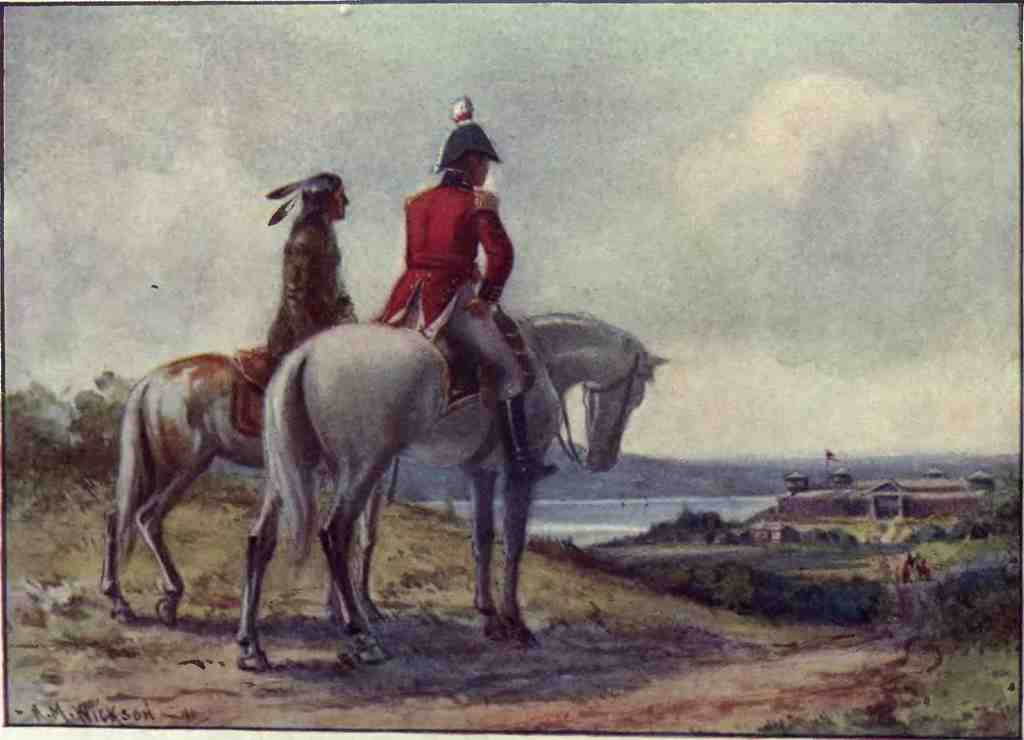
To spot the site of historic Fort Shelby, look toward where Fort Street meets Shelby Street-the ground where you’re standing is where the original fort once stood, though today you’ll see the tall Theodore Levin United States Courthouse and other downtown buildings.
Alright, time to imagine we’re stepping back in time-close your eyes for a moment and let’s turn the city noises into the echoes of soldiers’ boots and clopping hooves. Fort Shelby began its life under a different name: Fort Lernoult. Picture a chilly November in 1778, British soldiers led by Captain Richard Lernoult tramping up the muddy slope, worried that the old French fort just wasn’t quite up to snuff against any angry Americans. So, they built themselves a brand-new stronghold right here, hauling logs and earth to make a massive, spiky wall-4 feet of tree trunks stacked like a beaver dam, then sharpened stakes poking up another 8 feet above that, and the whole shebang finished off with an 11-foot-high dirt wall as thick as two cars parked end-to-end. It’s like they were building the world’s prickliest birthday cake… but with more cannons.
As the years passed, the stars-and-stripes started showing up around here, but the British just couldn’t say goodbye to their favorite forts. Even after the American Revolution wrapped up-or at least, you know, *officially* ended-the British hung on for more than a decade, cracking open their umbrellas and pretending negotiations weren’t happening. Finally, the Jay Treaty sorted things out: in 1796, the British packed up, mumbled a few stiff upper-lip goodbyes, and handed over the fort to the Americans, who gave it their own twist by renaming it Fort Detroit.
Things were about to get dramatic: it’s 1812 and the world’s turned upside down. The British are back across the river in Canada, traders and soldiers are squinting suspiciously at each other, and a thunderstorm of war is brewing. American commander William Hull is in charge, but things are tense-he actually leaves the fort to try to invade Canada, only to turn back after he hears that the British have nabbed another American stronghold. Meanwhile, British General Isaac Brock is plotting, his red coat flashing in the sunlight, flanked by hundreds of soldiers and Native American allies banging their drums and howling battle cries. The tension is so thick you could cut it with a bayonet.
On one fateful August morning, with cannonballs already whizzing overhead, General Brock sends Hull a letter demanding surrender, not-so-subtly warning him about Native warriors ready to rain chaos if the fight drags on. Hull, still feeling bold, replies he’s not scared-he’s ready for anything. Well, the next morning, with the sound of cannon fire shaking the air and British troops splashing across the river, Hull looks at his terrified soldiers and decides, “You know what? Maybe today’s not a good day for a massacre.” He surrenders the fort-and all of Detroit-without another shot. Spoiler: the folks back home are *not* impressed. In fact, the U.S. courts sentence Hull to be shot for cowardice, but President Madison gives him a pardon instead. I guess you could say it was a *get-out-of-fort-free* card!
The fort stayed in British hands for over a year, but everything changes after the Americans win a wild naval battle on Lake Erie. The British retreat, and the Americans reclaim the fort, renaming it Fort Shelby after Kentucky’s own Governor Isaac Shelby who came galloping in with fresh volunteers. For a while, the fort’s just kind of…there, getting soggier and sadder each year until Congress gives it away to the booming city of Detroit. In 1827, they tore down what was left-imagine a thunder of axes and tumbling timbers-and history got buried by streets and skyscrapers.
If you want proof that any of this happened, just think of the time in 1961 when construction workers digging here found an old wooden post and thousands of artifacts. Bits of story, buried under your feet. So today, as you stand by the busy courthouse, maybe you can still hear a distant bugle, or the clatter of panicked boots, or just the distant laughter of Detroit’s soldiers trying to stay warm and brave on a forgotten frontier.


