
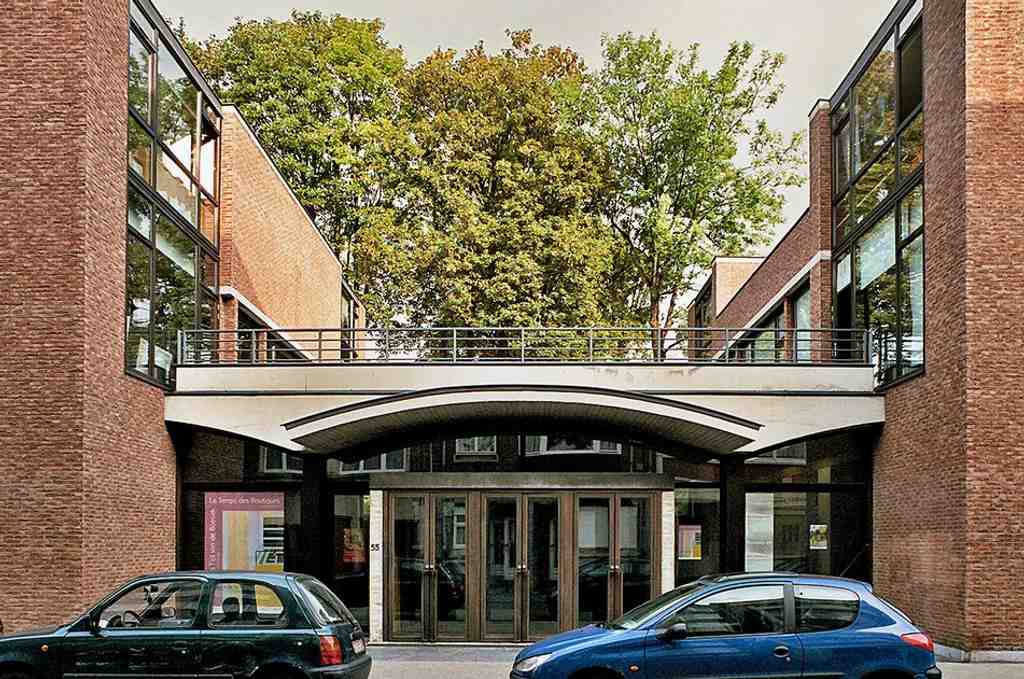
To spot CIVA, look for a modern brick building with big glass windows and a distinctive arched walkway above the entrance, nestled between two trees straight ahead of you.
Imagine Brussels in the 1960s and 70s, a city where bulldozers rolled right through old neighborhoods, tearing down beautiful homes and pushing out whole communities. It wasn’t exactly the kind of urban planning that won any popularity contests. Local architects and city lovers started gathering everything they could-old protest flyers, surreal blueprints for dream buildings, sketches, and radical manifestos. They were determined not to let Brussels forget its architectural soul, even if they had to stash it all away in mysterious archives and dusty drawers. From these passionate rebels, two key groups emerged: the Archives d’Architecture Moderne and the Sint-Lukasarchief. Their mission? To record every quirky cornice, every garden plan, every lost vision of what the city *could* have been.
Fast forward to the 1980s and a new obsession blooms: gardens and landscapes. Landscape architect René Pechère didn’t just have a green thumb-he had a Bibliophile’s brain! He filled a library with over 10,000 books-including gems from the 16th and 17th centuries-and handed them over, making sure anyone with a spark of curiosity could wander through centuries of botanical dreams.
By the time 1999 rolled around, architects, librarians, and even a few politicians decided to pool all this creative energy. They fused libraries, archives, and centers into one delightful hodgepodge: CIVA. Since then, CIVA has become the city’s own HQ for curious minds. Here, you’ll find exhibitions, debates, wild plans for greener futures, and heaps of architectural secrets. Brussels’ story of loss, protest, and rediscovery still buzzes in the air-only now, it’s all on show, and you don’t even need to sneak past a librarian to see it!


