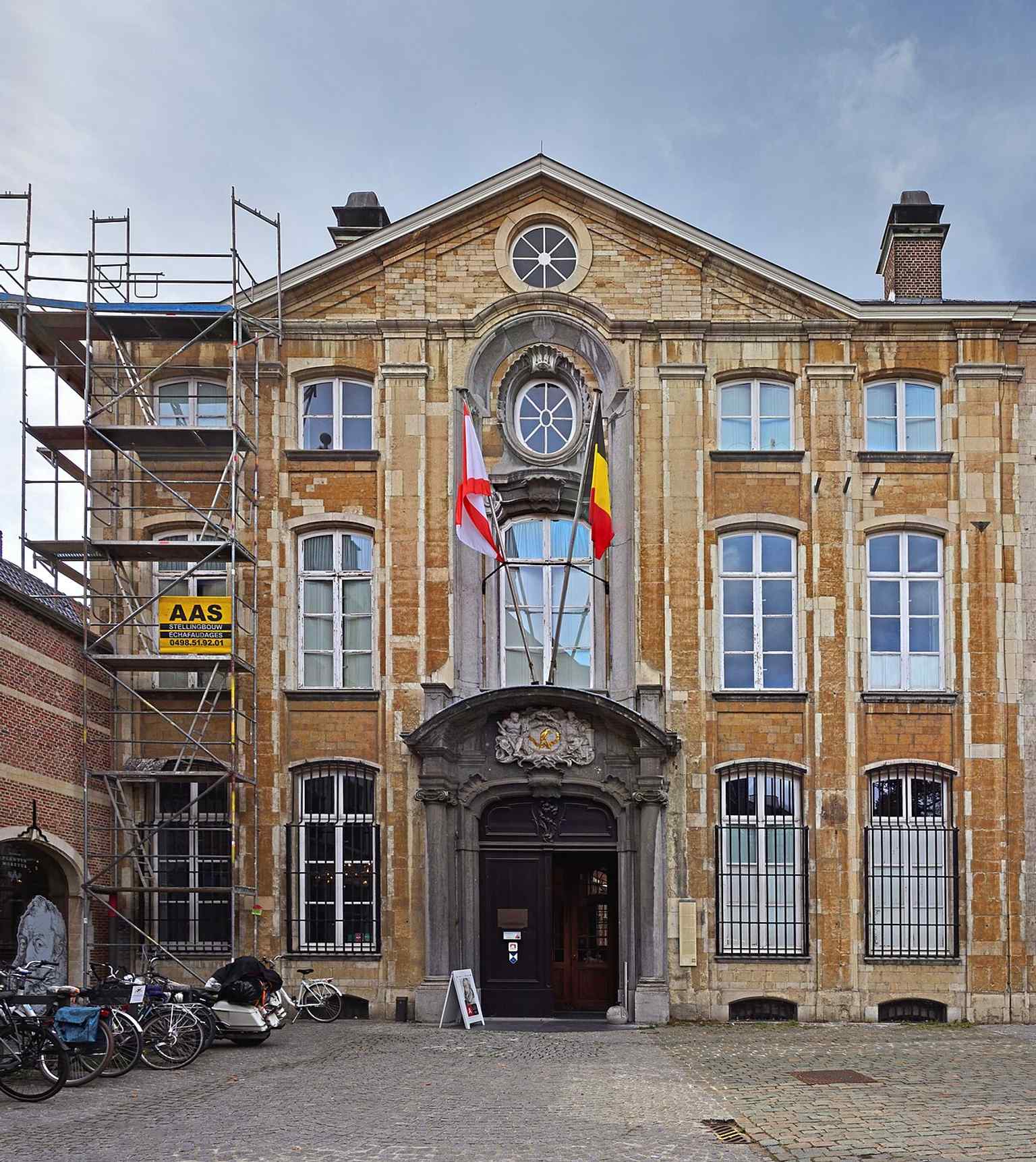
On your right, look for a long brick-and-stone townhouse facade with tall rectangular windows and a carved arched doorway, the sober front of a house that once hid one of Europe’s greatest printing workshops.
This is the Plantin Moretus Museum, and what makes it remarkable is wonderfully simple: it is not a museum about printing placed in some modern shell, but the actual home and business where books were designed, set, inked, pressed, sold, argued over, and carefully preserved.
Christophe Plantin founded the press here in the sixteenth century and turned Antwerp into one of the great capitals of the printed word. He bought type from the finest makers in Paris and printed works for scholars, doctors, mapmakers, and churchmen. Plantin belonged to the world of humanism, a movement that prized languages, learning, and the close study of texts. His boldest project was the Plantin Polyglot Bible, a “polyglot” book printed in many languages, with Hebrew, Aramaic, Greek, and Syriac set side by side. It was one of the most difficult printing jobs of the age.
The urgency behind that Bible was personal. In fifteen sixty-two, Spanish authorities investigated his press for printing a Calvinist work, in other words a Protestant text they saw as dangerous. Plantin fled to Paris. While he was away, three of his skilled workers were arrested, and his equipment was auctioned off to pay supposed creditors, who turned out to be friends quietly protecting his property. To clear his name, Plantin offered King Philip the Second that vast Bible project. The king promised twenty-one thousand two hundred florins, an immense subsidy worth roughly several million euros in modern terms, and ordered thirteen copies on parchment. Then, with a certain royal predictability, he failed to pay the full amount, and Plantin carried the financial strain himself.
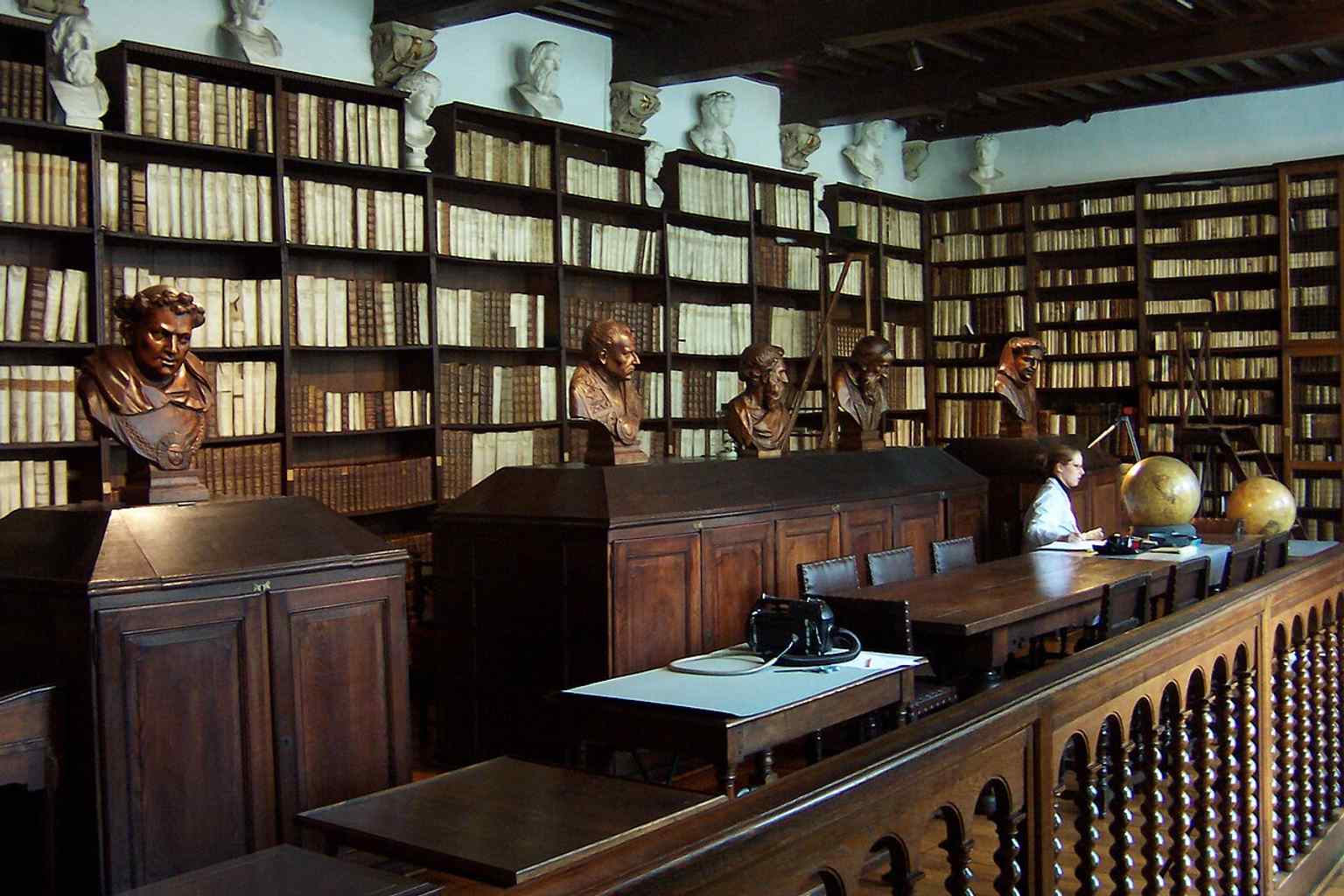
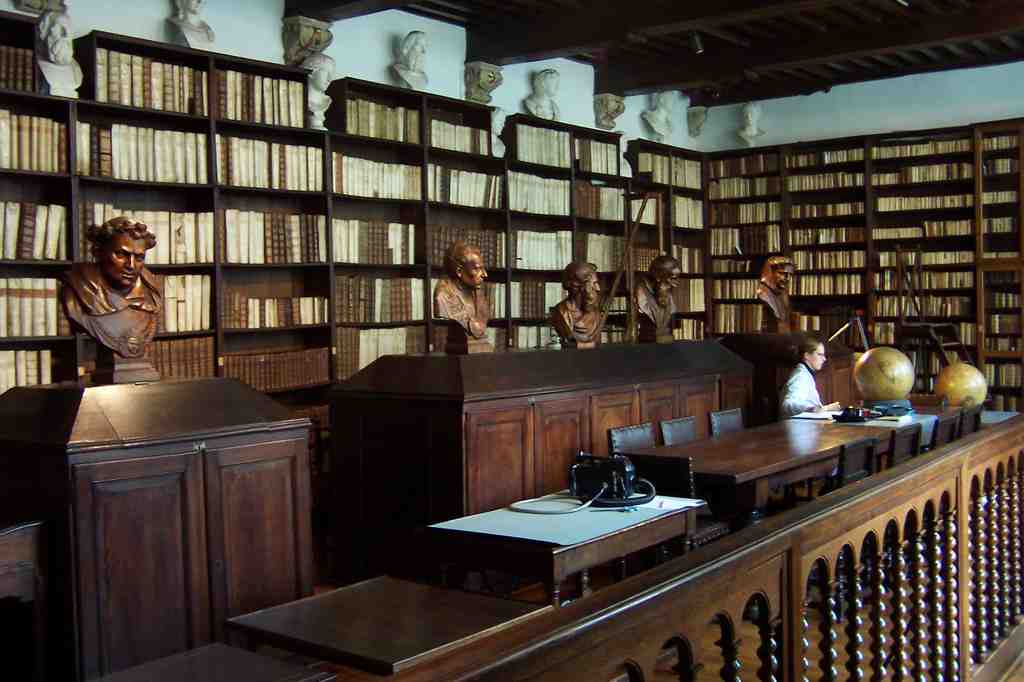
After Plantin died, his son-in-law Jan Moretus continued the business, and the family did something very rare: they refused to throw away old tools when fashions changed. Because of that stubborn loyalty, the Industrial Revolution largely passed this place by. If you glance at the image on your phone, the printing room still holds two of the oldest surviving printing presses in the world, dating from around sixteen hundred, in a workshop that looks much as it did four centuries ago.
This was also a house of formidable women. Martina Plantin took over after Jan Moretus died and steered the company through the Eighty Years’ War. Anna Goos rescued the business when its biggest Spanish client stopped paying by taking charge of the books and sending her son to Spain to force a settlement. Anna Maria de Neuf later reduced working hours for employees, a strikingly humane decision for her time.
There was culture here as well as commerce. Balthasar Moretus grew up as a friend of Peter Paul Rubens, and Rubens painted members of the family, including Christophe Plantin holding a compass, a nod to the firm’s emblem, the Golden Compass.
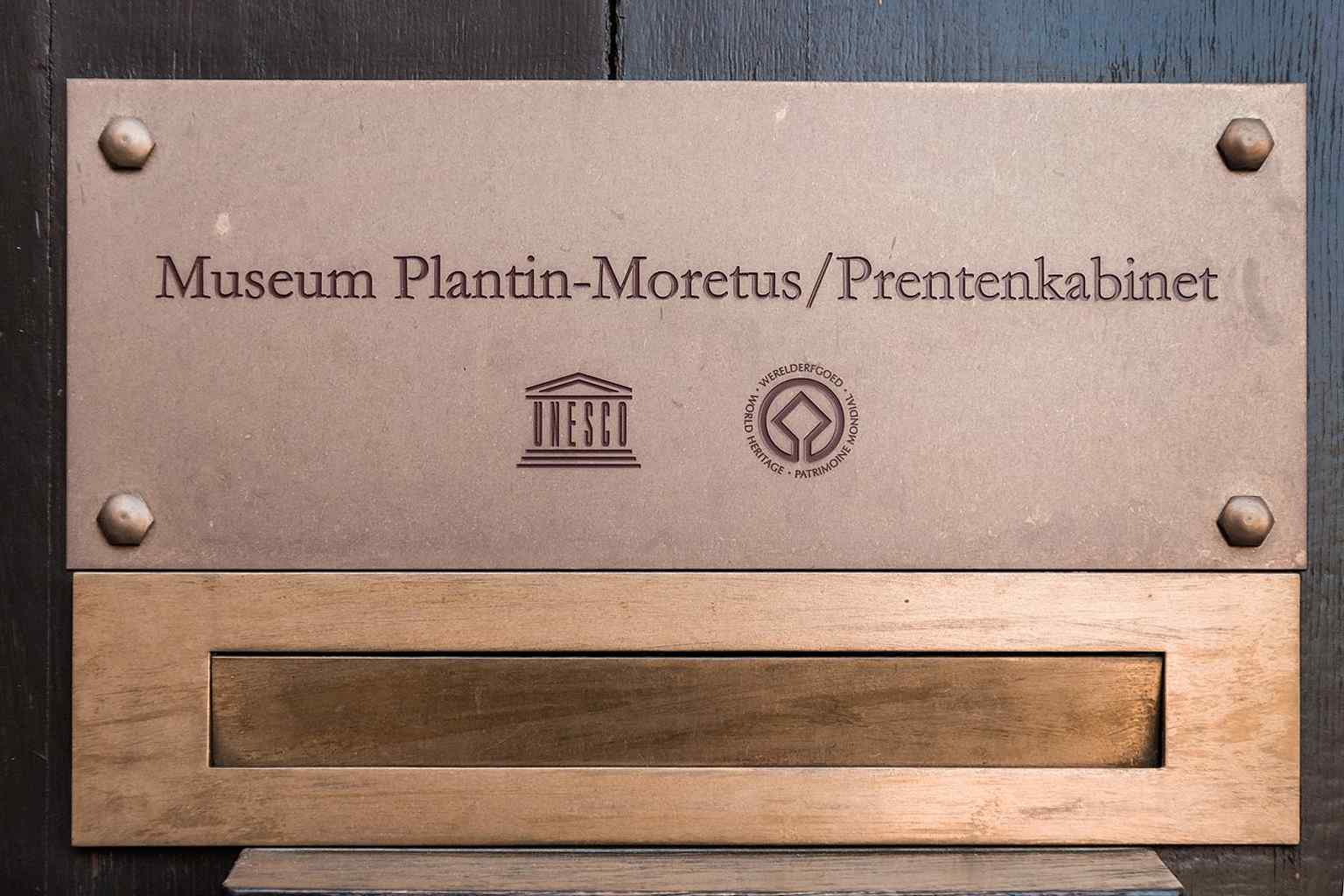
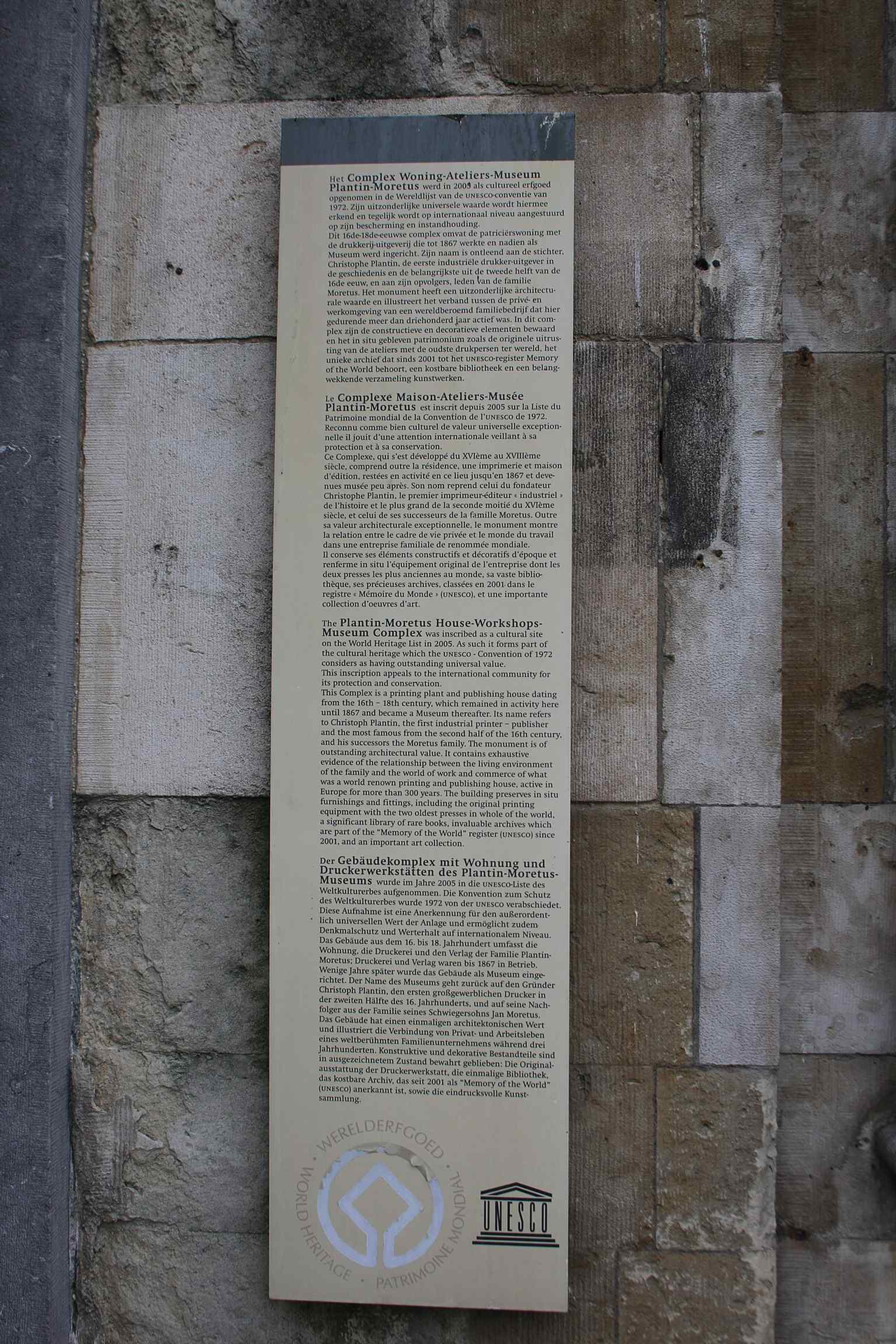
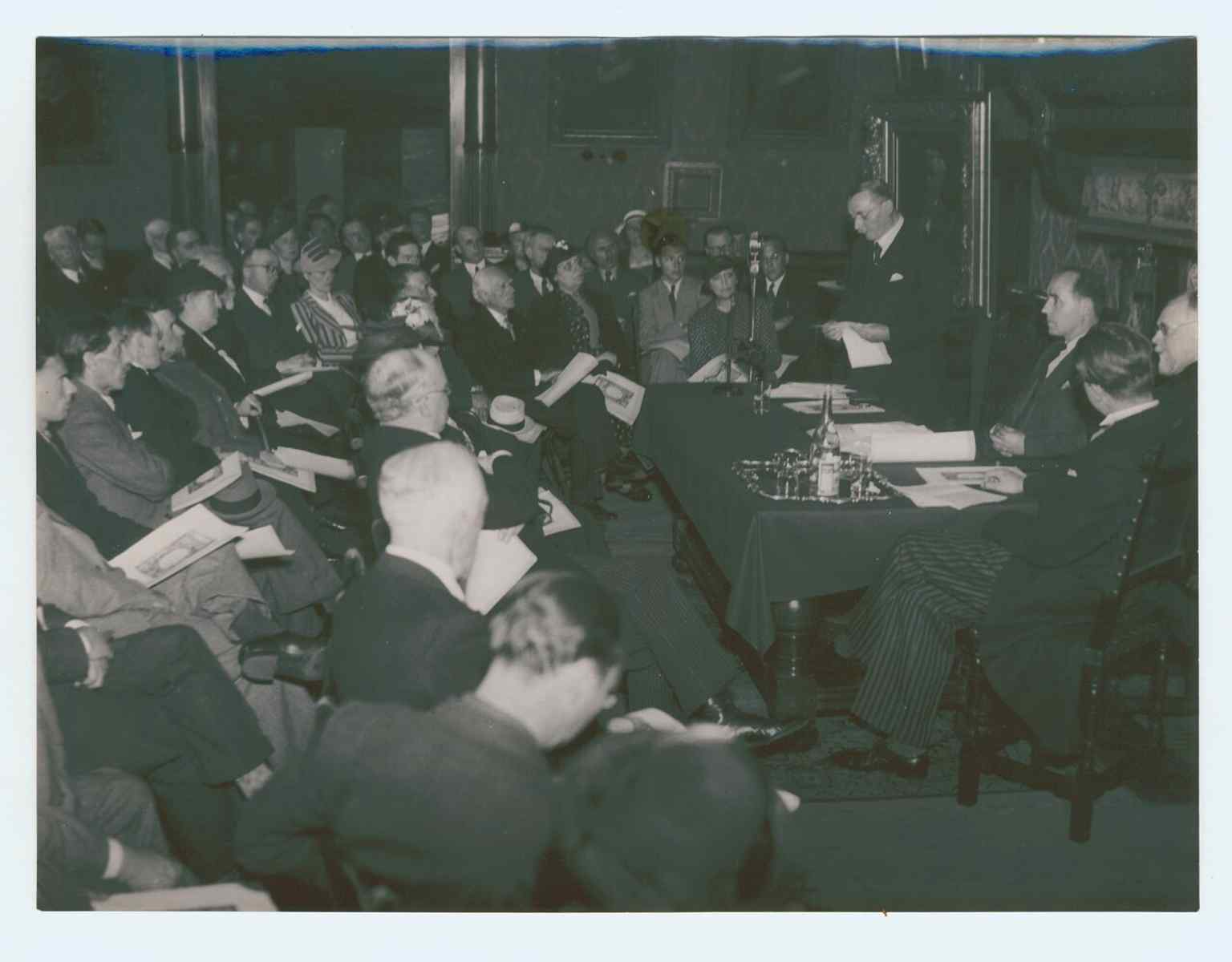
The house survived another danger in the winter of nineteen forty-four, when a V-two rocket hit the square opposite and damaged the building. Even so, the archive endured, and that is why UNESCO, the United Nations Educational, Scientific and Cultural Organization, later recognised both the site and its records as world treasures.
If you want to go inside later, the museum is open from ten to five Tuesday through Sunday, and closed on Monday.
Plantin turned print into power, and this house still carries the quiet confidence of that achievement. When you are ready, continue on toward the next stop and let Antwerp tell you what happened after the books left the press.