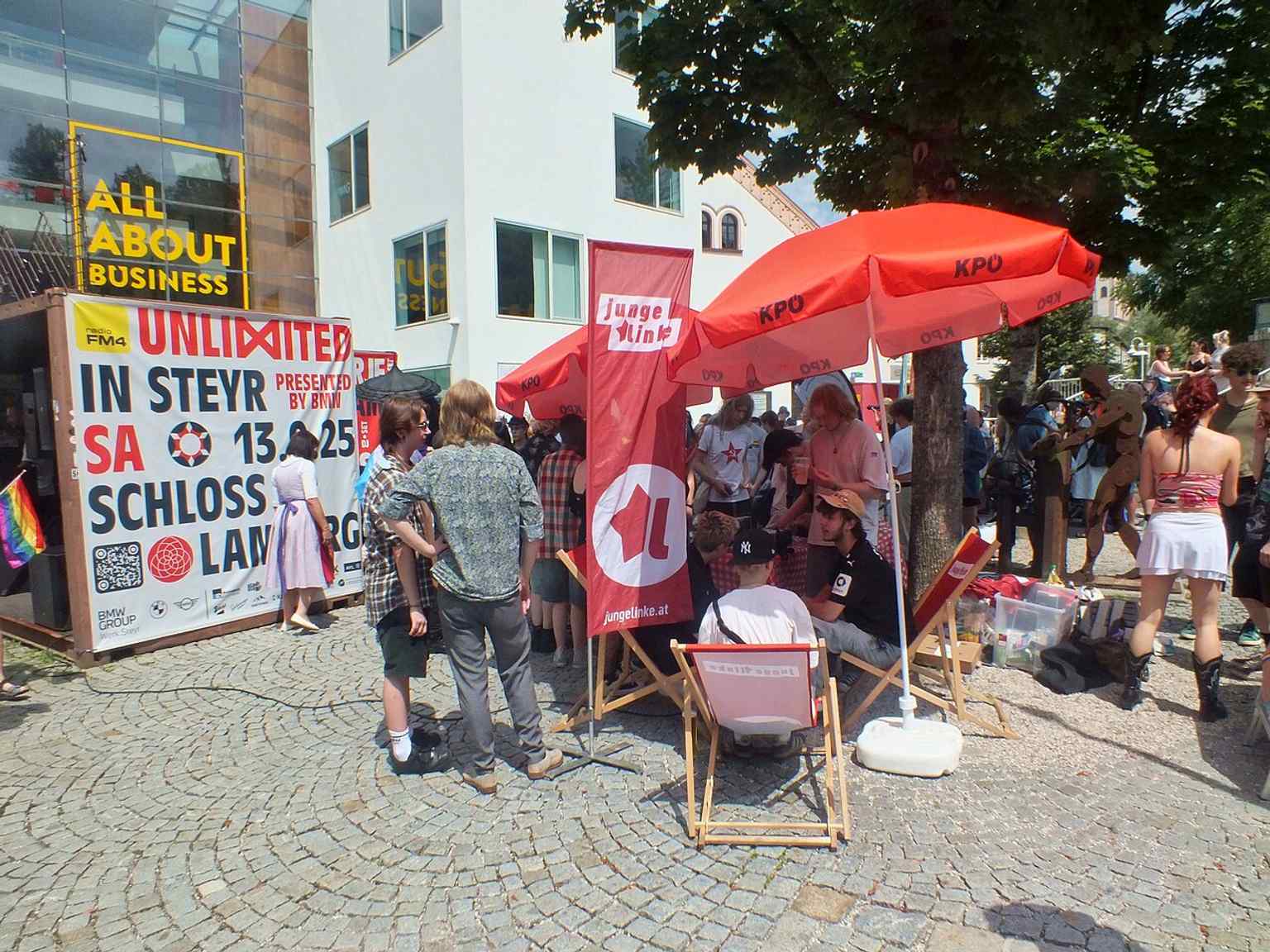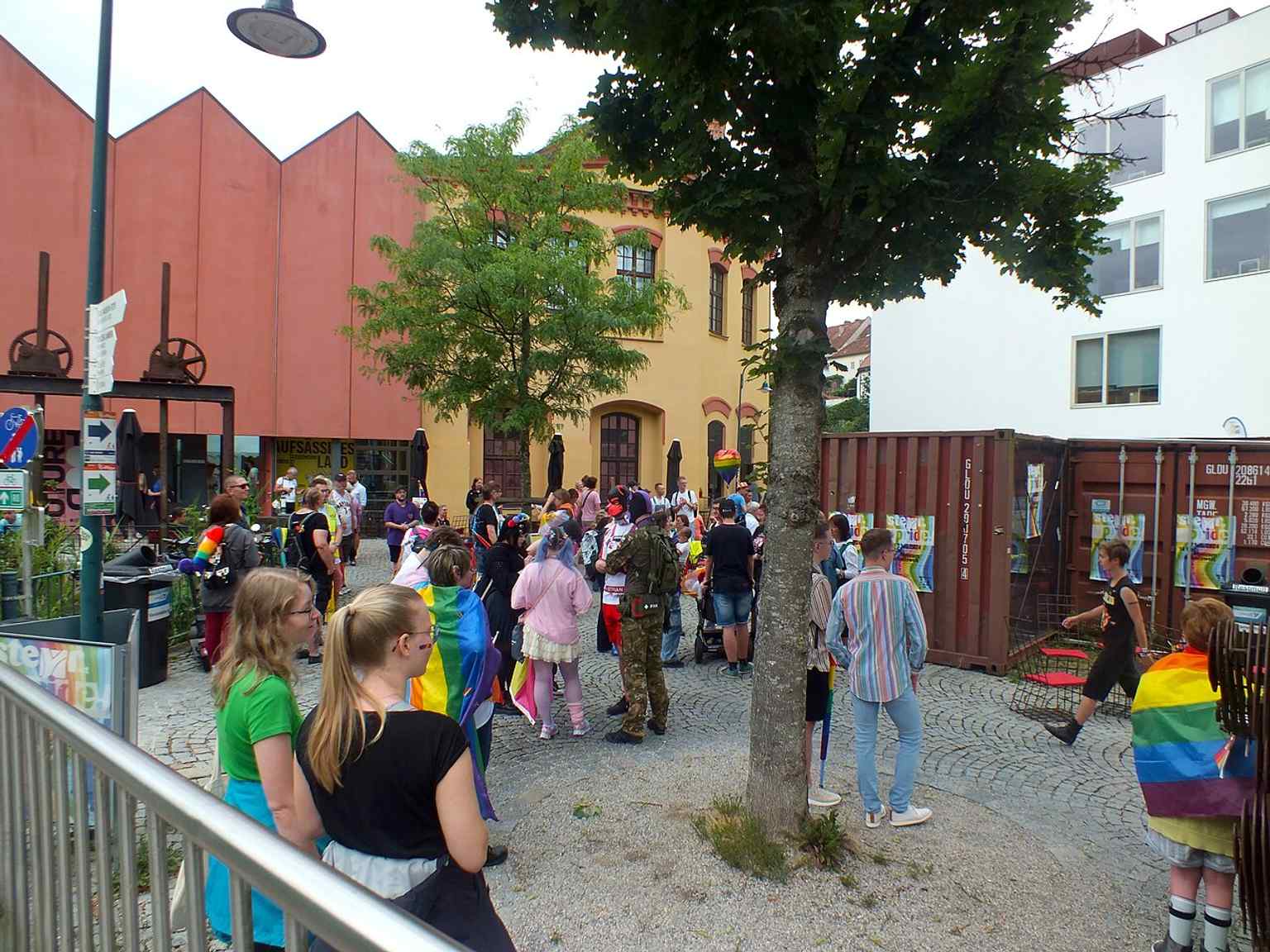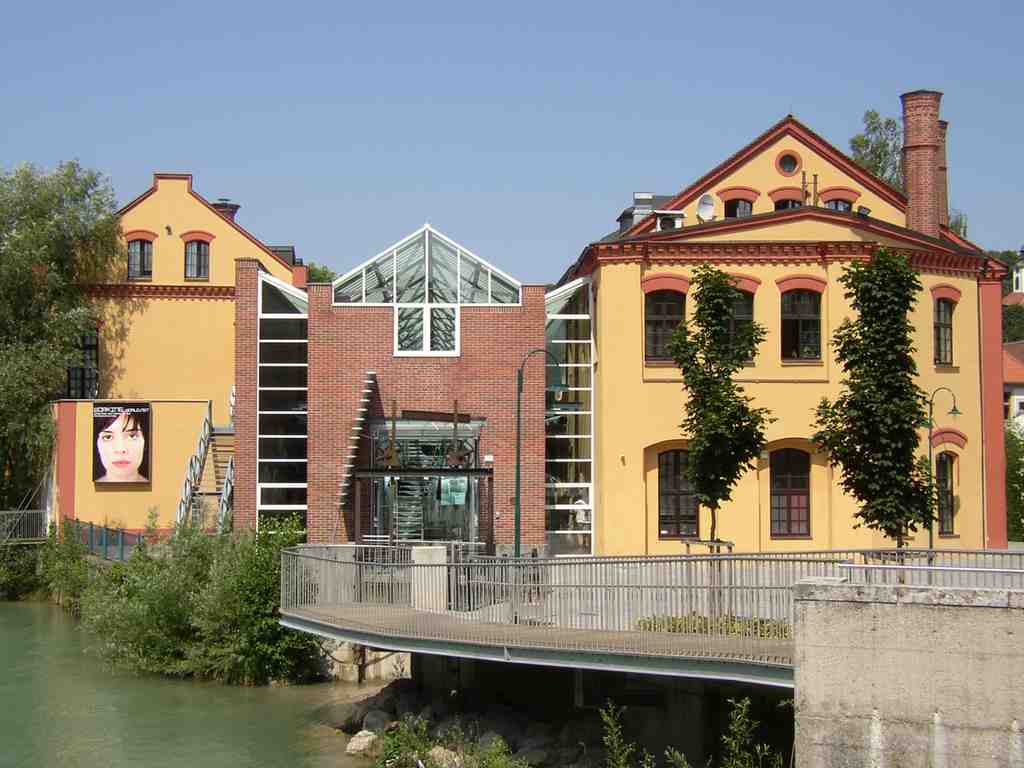
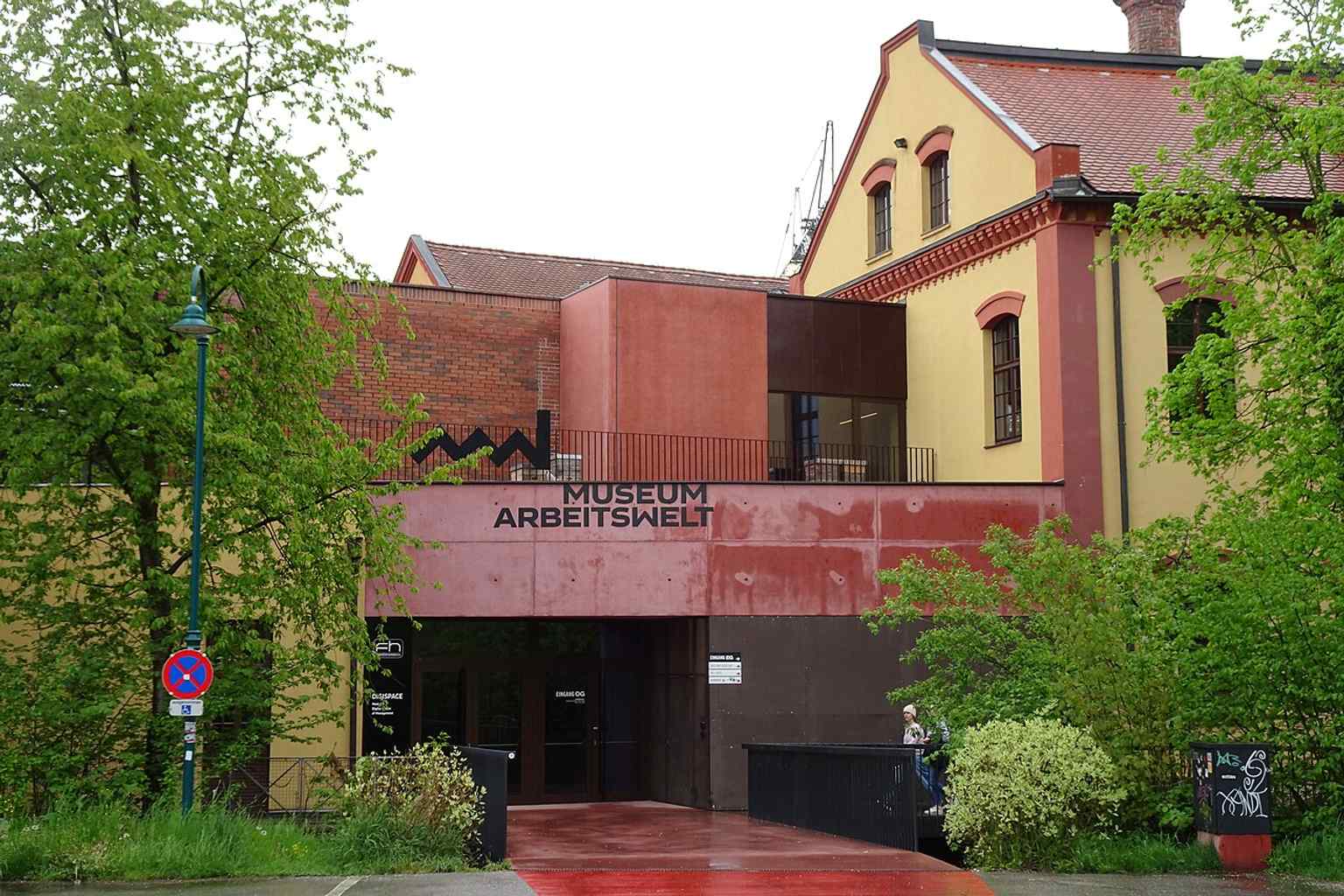
On your left, the Museum Arbeitswelt looks like a long brick-and-plaster factory block with tall rectangular windows and the unmistakable profile of a nineteenth-century industrial complex beside the Steyr River.
This place began life in revitalized factory buildings from the mid-nineteenth century, which is fitting... a museum about work should probably not live in a ballroom. It opened in nineteen eighty-seven for the Upper Austrian state exhibition called “Work, Human, Machine: The Road into Industrial Society.” The idea came from industrial museums that started appearing in England in the late nineteen seventies, and here in Steyr the first exhibition worked so well that the museum stayed for good.
Its subject is not one machine, one company, or one heroic inventor. It tracks how life and work have changed since industrialization, which means it deals with factories, technology, politics, inequality, and the awkward fact that progress usually sends somebody the bill. Over the years, exhibitions tackled robots, the history of the computer, H-I-V and AIDS, migration, invisible work, future food, and in twenty twenty-four, protest and strikes in the countryside.
Then came disaster. In two thousand and two, the Steyr flooded and destroyed the entire exhibition area. If you check the app, image one shows the damage after the water tore through the site. The museum rebuilt and kept going, which feels very Steyr.
Since two thousand and nine, its Politikwerkstatt, literally a “politics workshop,” has offered programs on democracy, racism, migration, and participation. In other words, this museum expects visitors to think, which is bold. It also helps run the Stollen der Erinnerung, the “Tunnel of Remembrance,” opened in twenty thirteen in a former air-raid bunker under Lamberg Castle, with an exhibition on forced labor, concentration camps in Steyr, resistance, and the city’s reckoning with the Nazi past. And in twenty nineteen, Austria gave the museum its national museum prize. Fair enough.
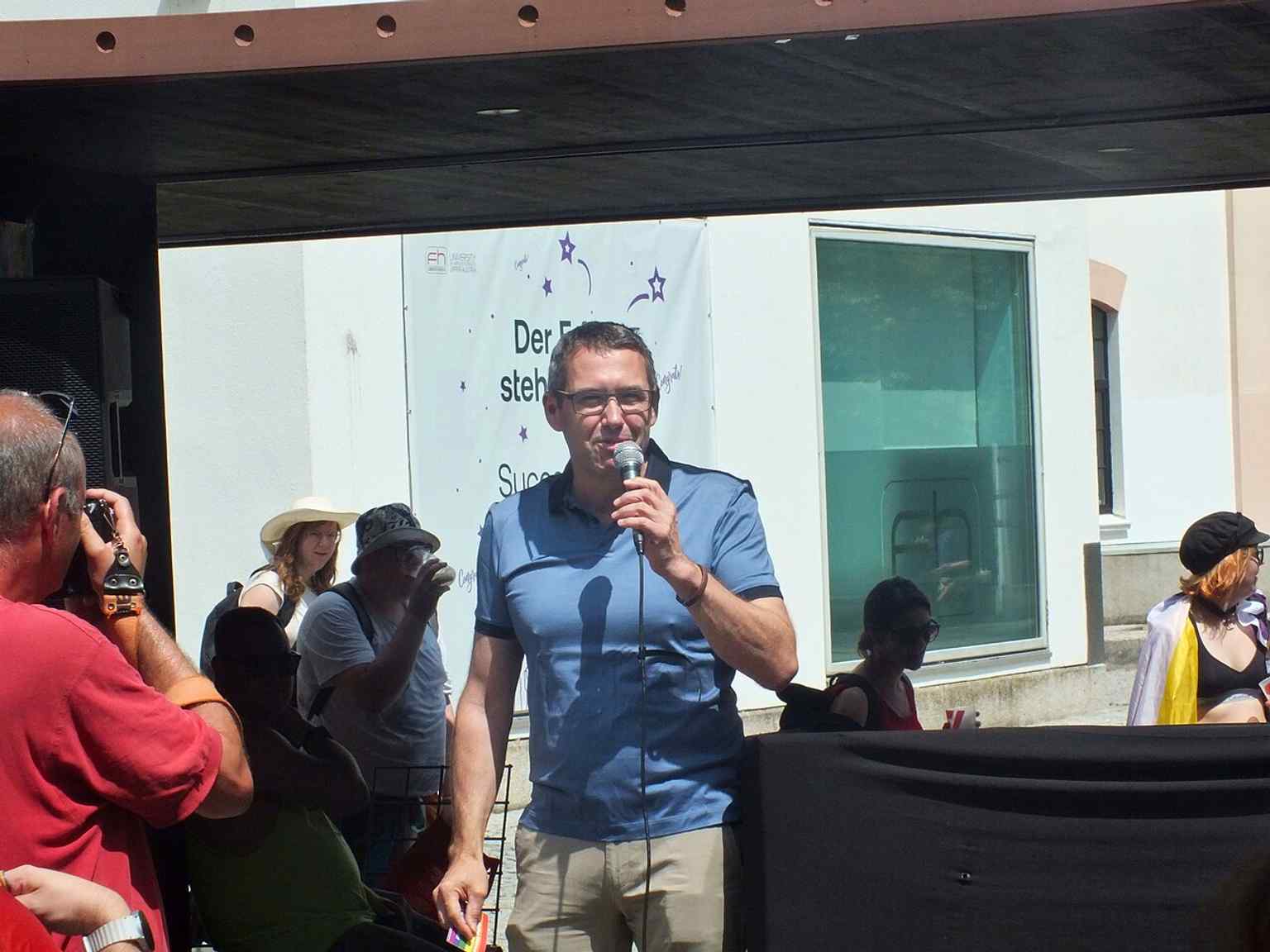
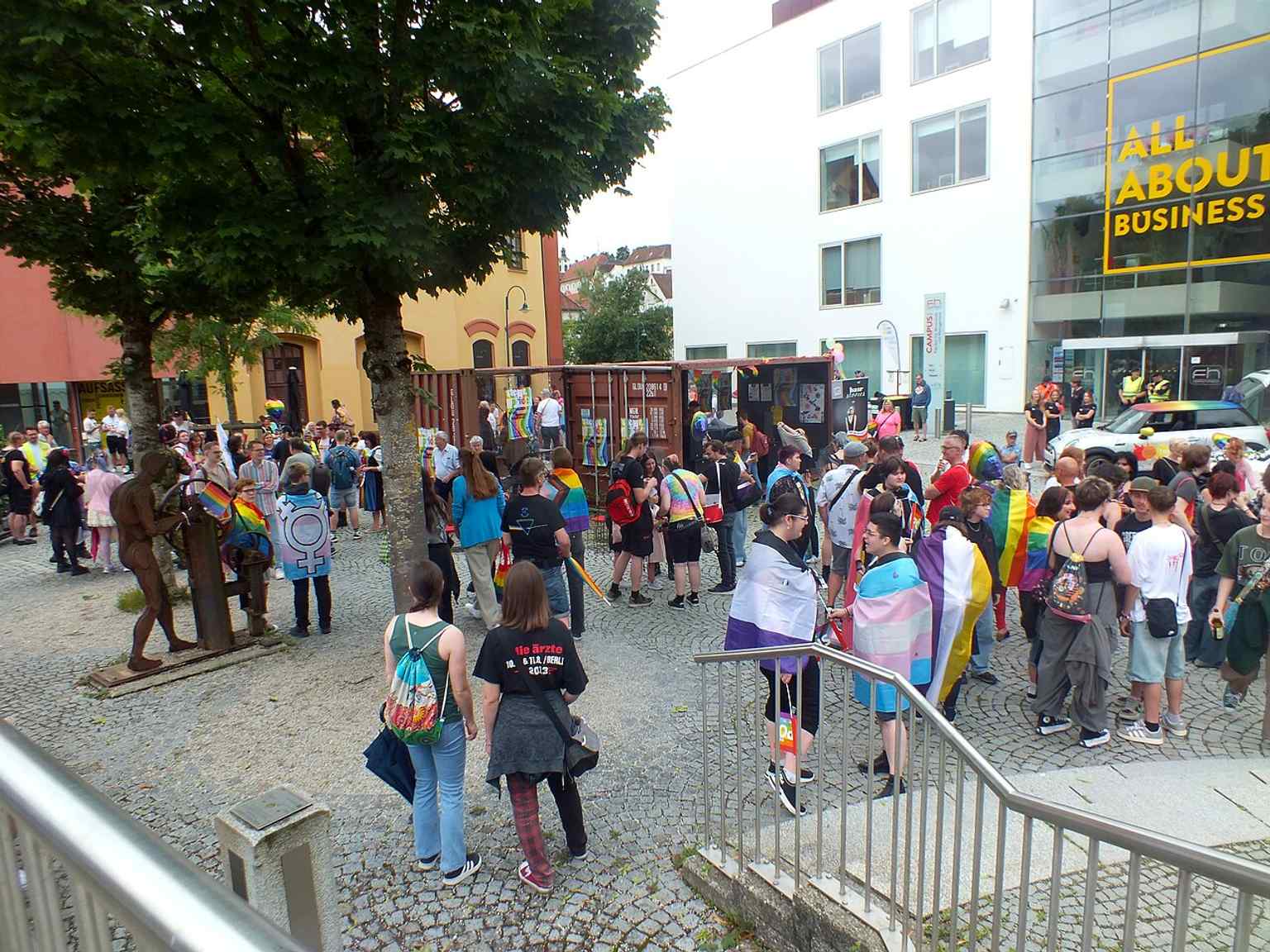
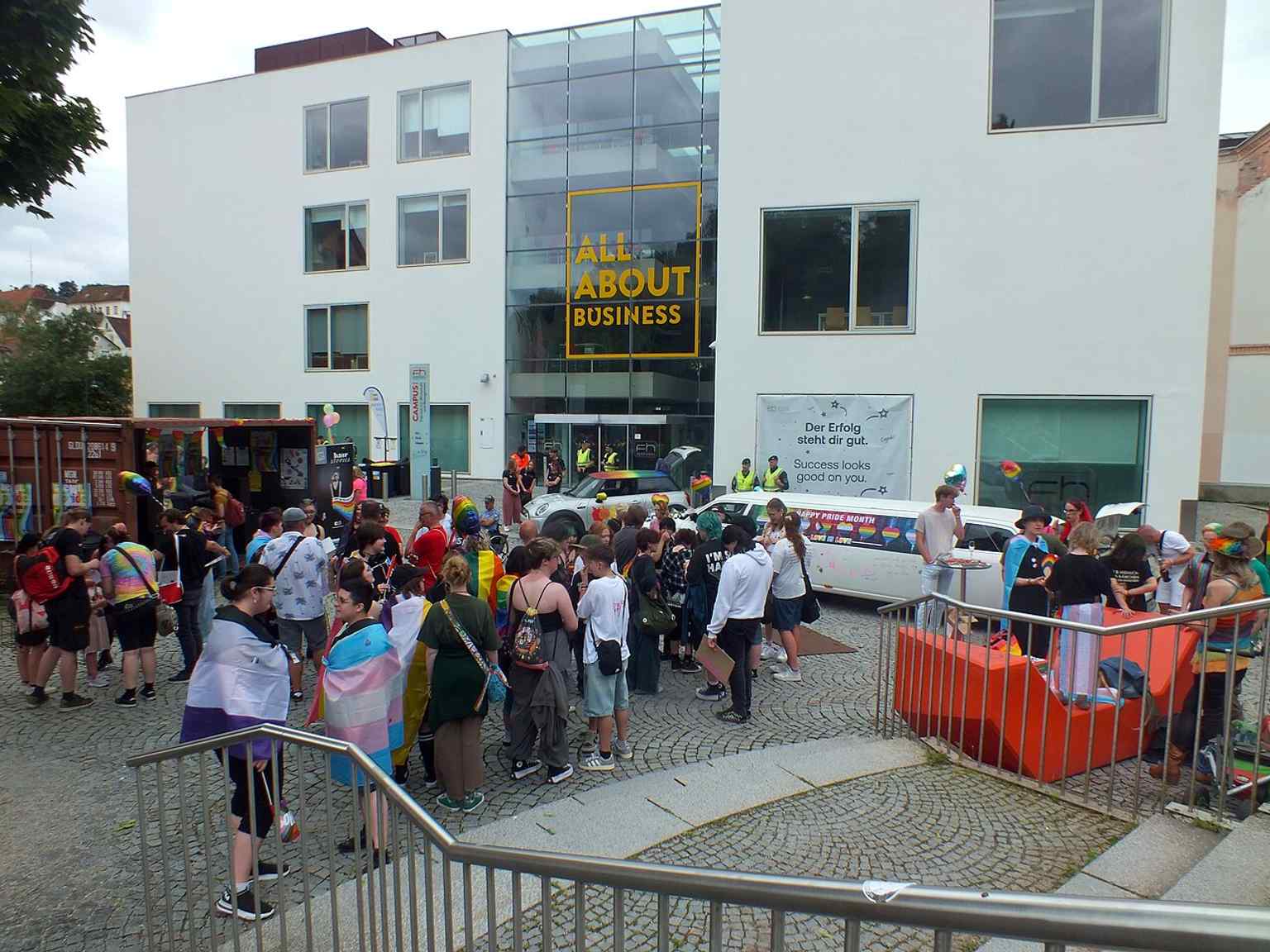
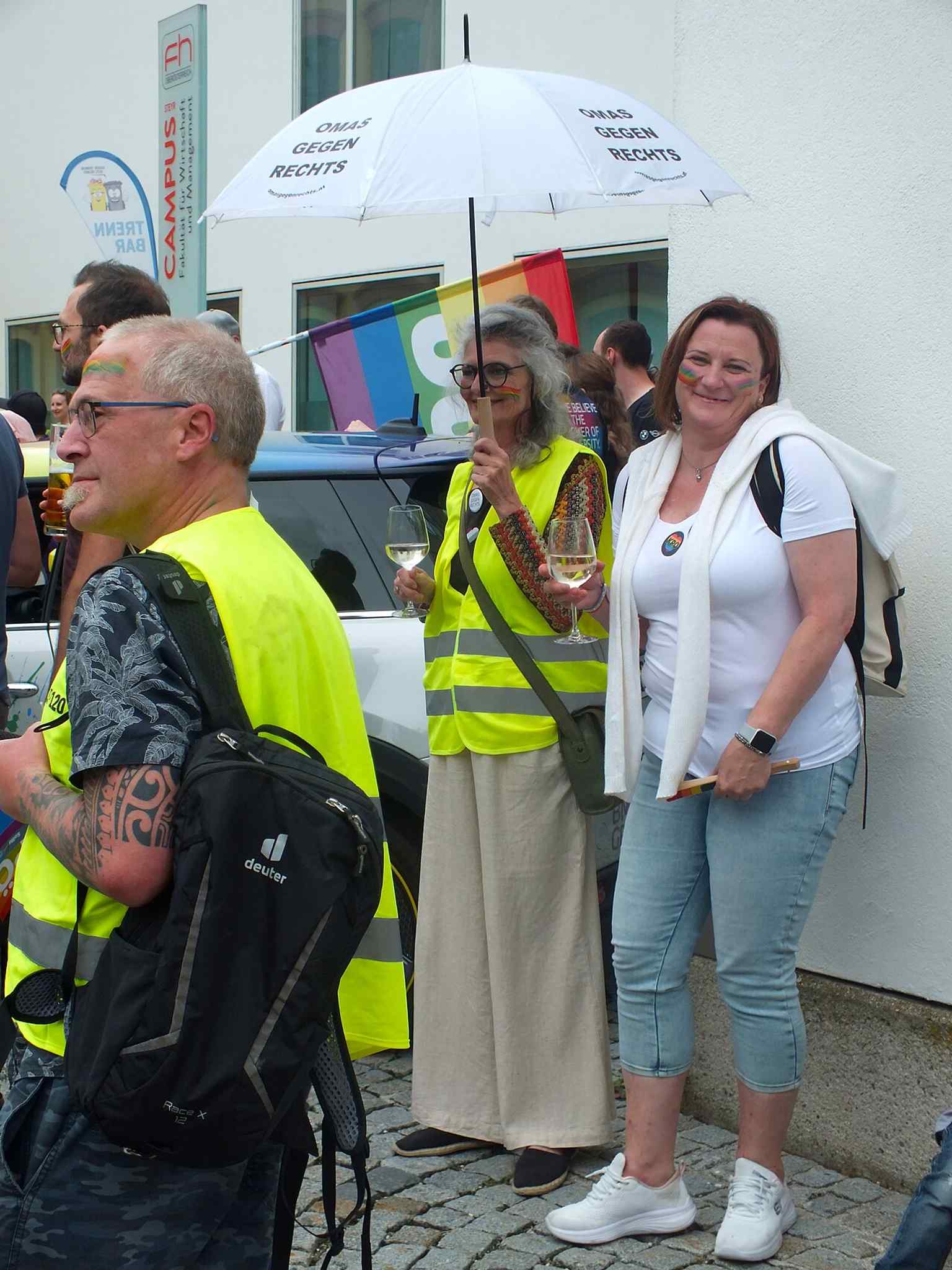
On your screen, image two shows the building doing its other job too: serving as a public meeting place for debate, culture, and civic life. If you want to go inside later, it is closed Monday and Tuesday, open Wednesday through Friday from nine to five, and Saturday and Sunday from ten to five.
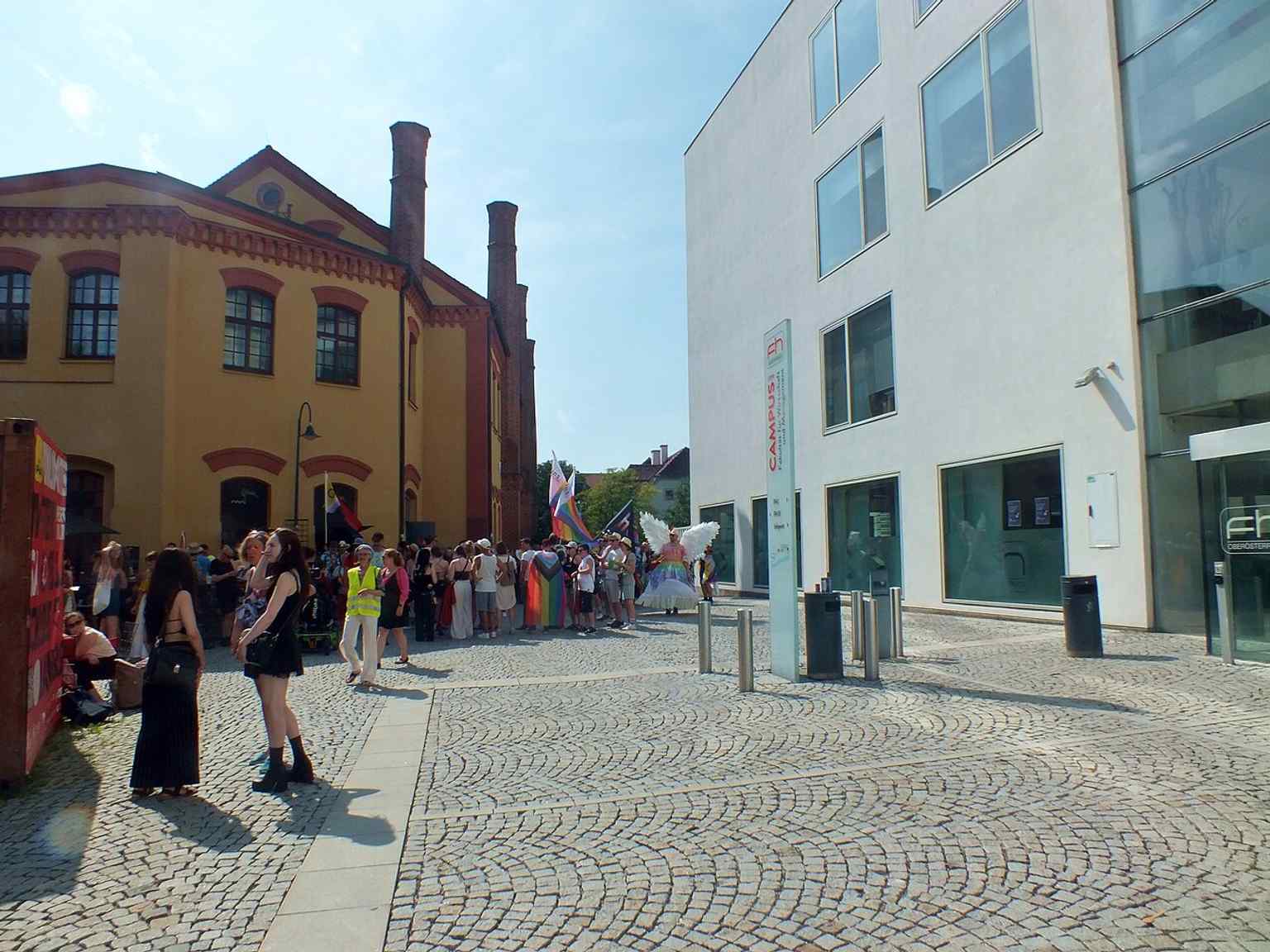
This is Steyr thinking out loud about work, power, and memory.
Take your time here, and when you’re ready, we can continue to the next stop.