
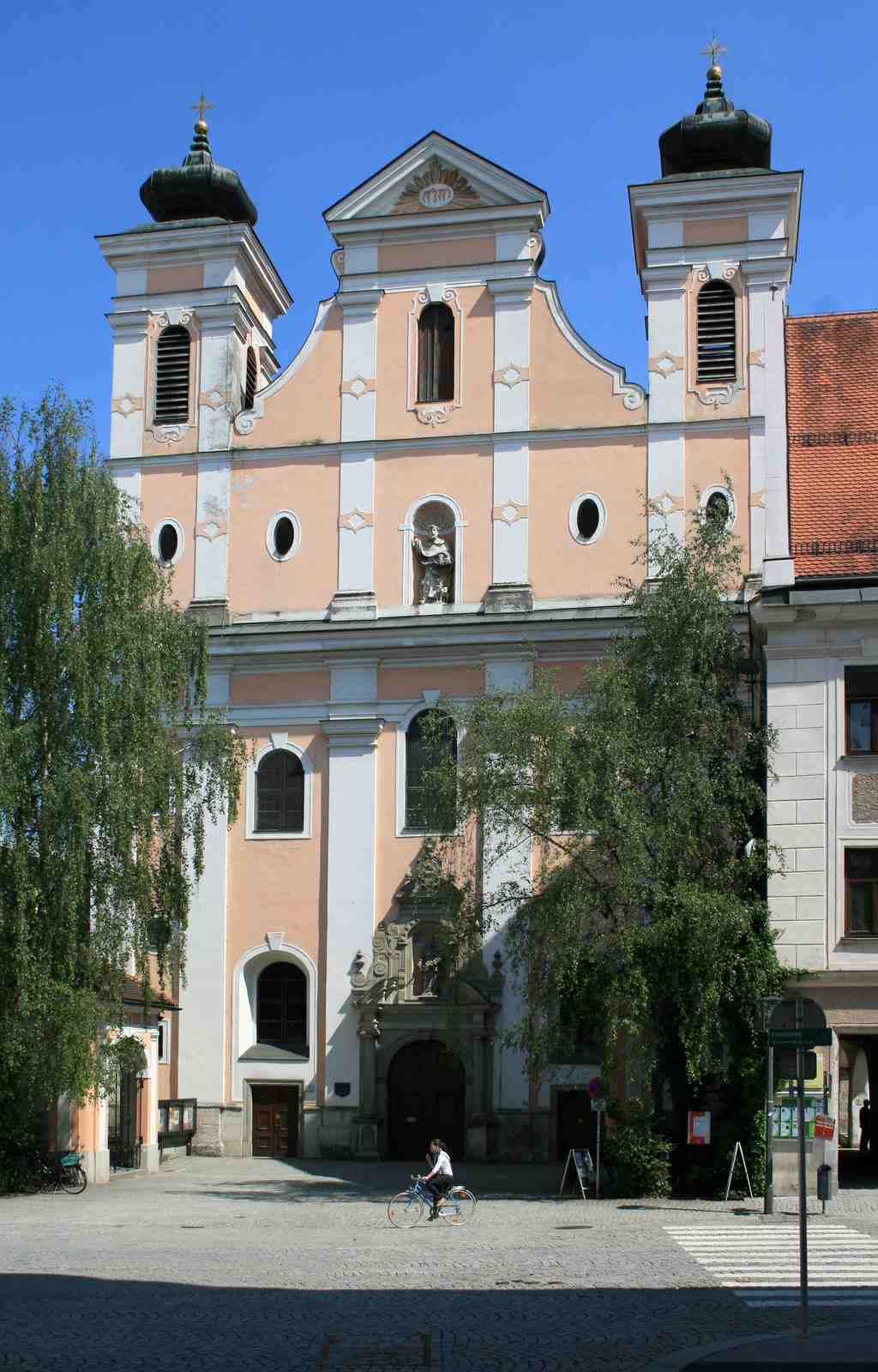
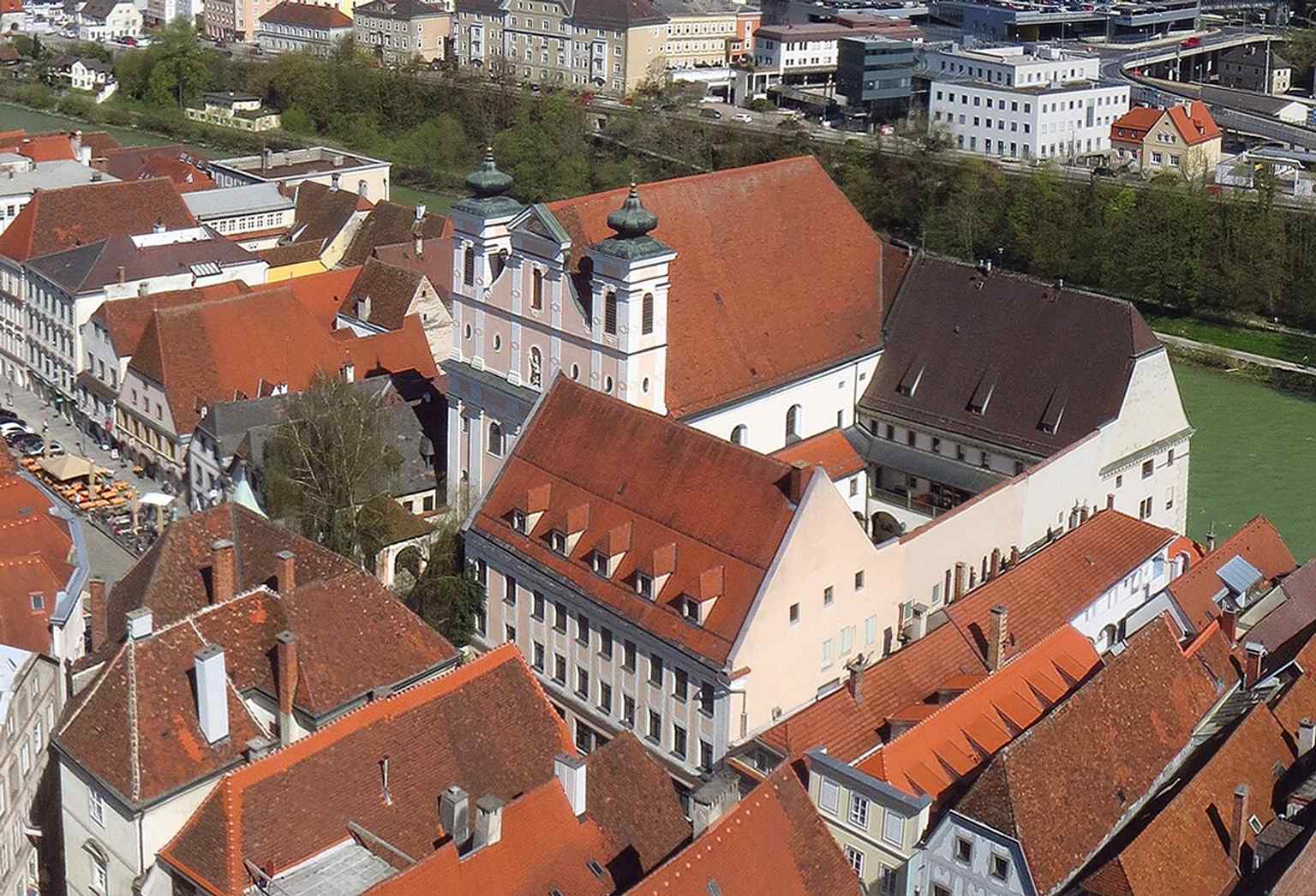
Look for the pale stone facade set slightly back from the square, with two towers flanking a triangular gable and a statue of the Virgin above the round-arched main portal.
Despite its prime spot on the Stadtplatz, Saint Mary’s is not Steyr’s parish church. It is the city parish’s daughter church, which means it serves worshippers from several nearby parishes, while baptisms, weddings, and funerals happen here only rarely.
Dominicans from Krems arrived in fourteen seventy-two and bought a house here from Georg and Wilhelm von Losenstein. They finished the church in fourteen seventy-eight... and then Steyr’s city fire of fifteen twenty-two wiped out both church and monastery. In fifteen fifty-nine, Emperor Ferdinand the First let the citizens rebuild the complex for an evangelical Latin school, the era’s serious academic school. The deal came with a clause only a lawyer could love: if the Dominicans ever needed it back, they could reclaim it for compensation. In fifteen seventy-two, the flood helped the argument along by collapsing the school’s eastern wing. All sixty students living there escaped just in time.
During the Counter-Reformation, the Catholic campaign to win ground back from Protestantism, the Dominicans returned: the church in sixteen twenty-four, the monastery in sixteen twenty-five. In the early sixteen forties, master mason Hans Tanner gave the church its baroque character, taking Munich’s Saint Michael as a model. Above you, Mary stands over the portal; higher up, Saint Dominic occupies the gable, just in case ownership needed clarifying.
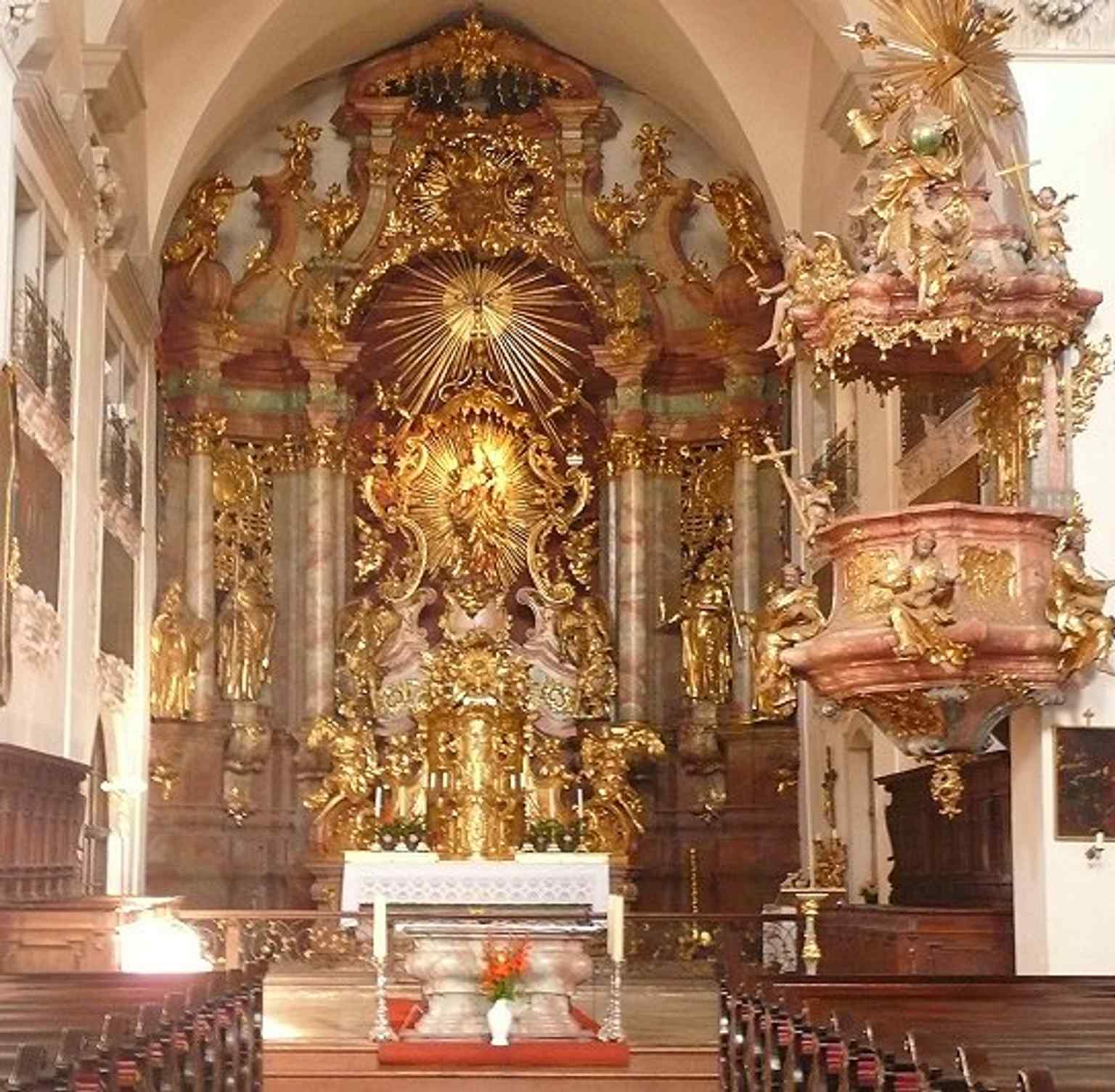
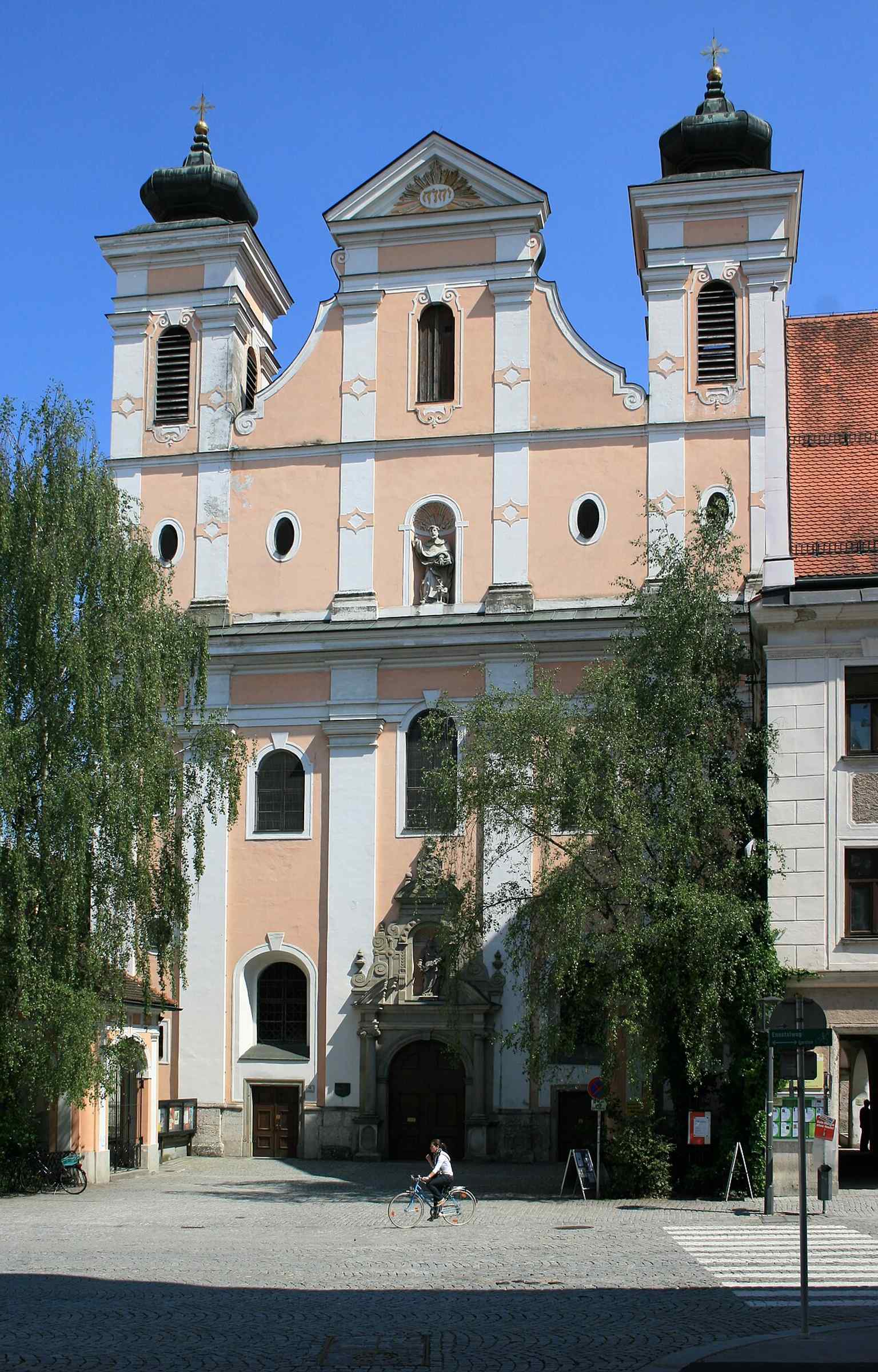
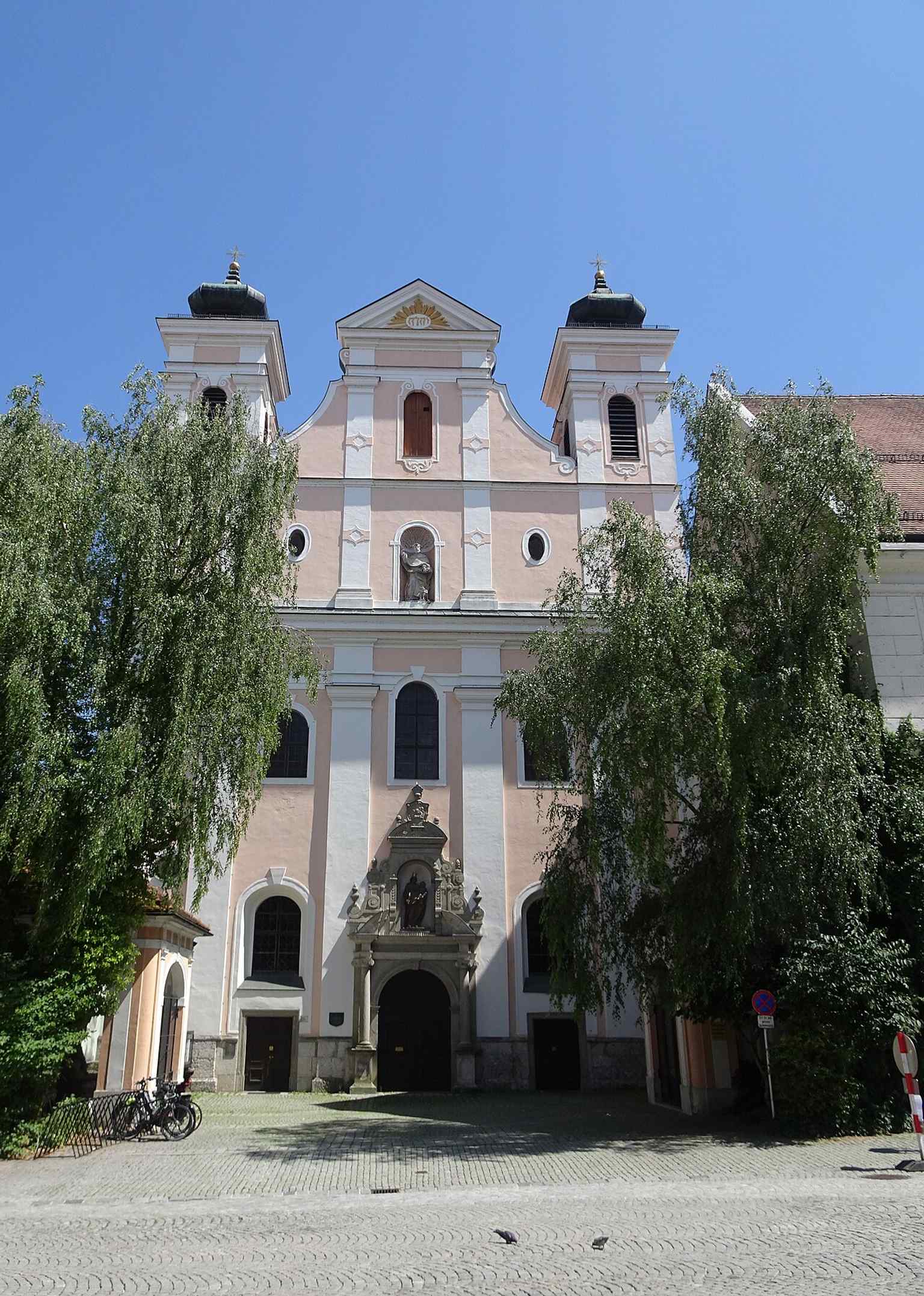
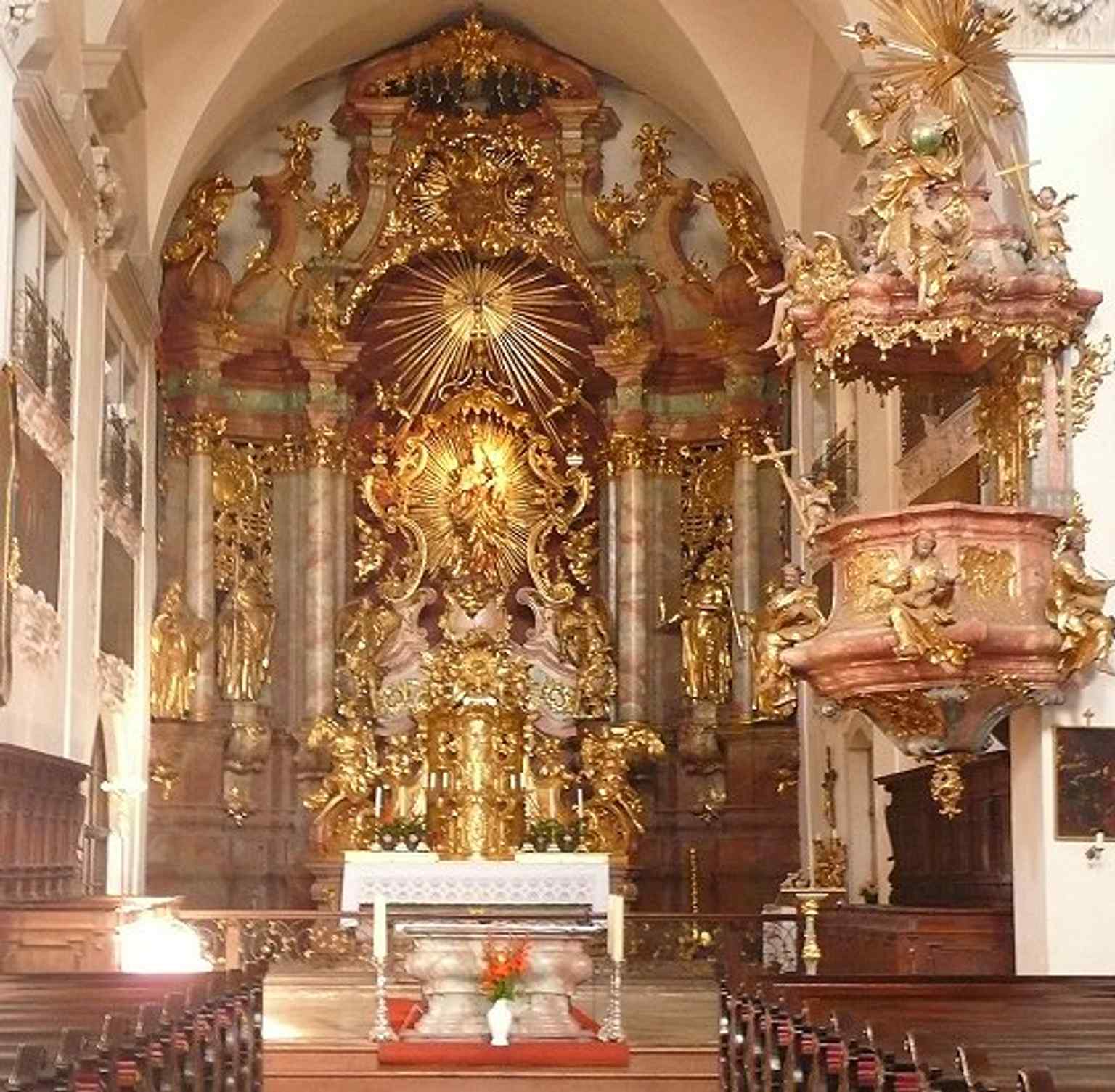
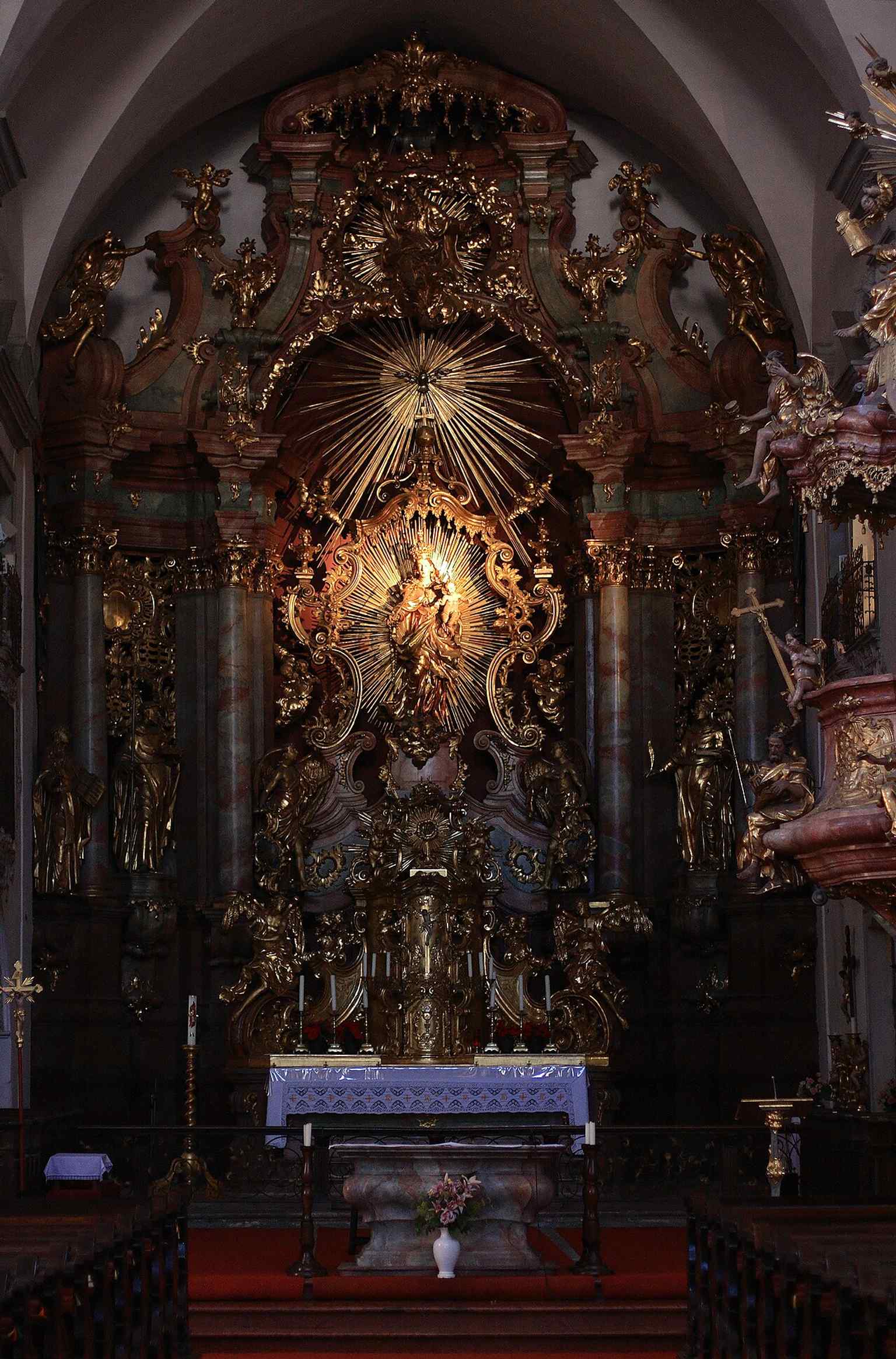
If you check the before-and-after image, you’ll see the church barely changed while the square around it quietly moved into the present. On your screen, the interior photo shows the Rococo high altar and the packed, theatrical pulpit added in the seventeen seventies.
Later, the Jesuits took over, the front monastery wing became a post office, and the old refectory - the monks’ dining hall - spent years as a machine workshop. Efficient, if not exactly contemplative.
Saint Mary’s has changed roles repeatedly, but it still keeps its composure. Take a last look at the twin towers, and when you’re ready, we can head on to the next stop.






.jpg)
.jpg)
