AudaTours logoAudaTours

Stop 13 of 15

Urn Cemetery Steyr Tabor

Urn Cemetery Steyr Tabor
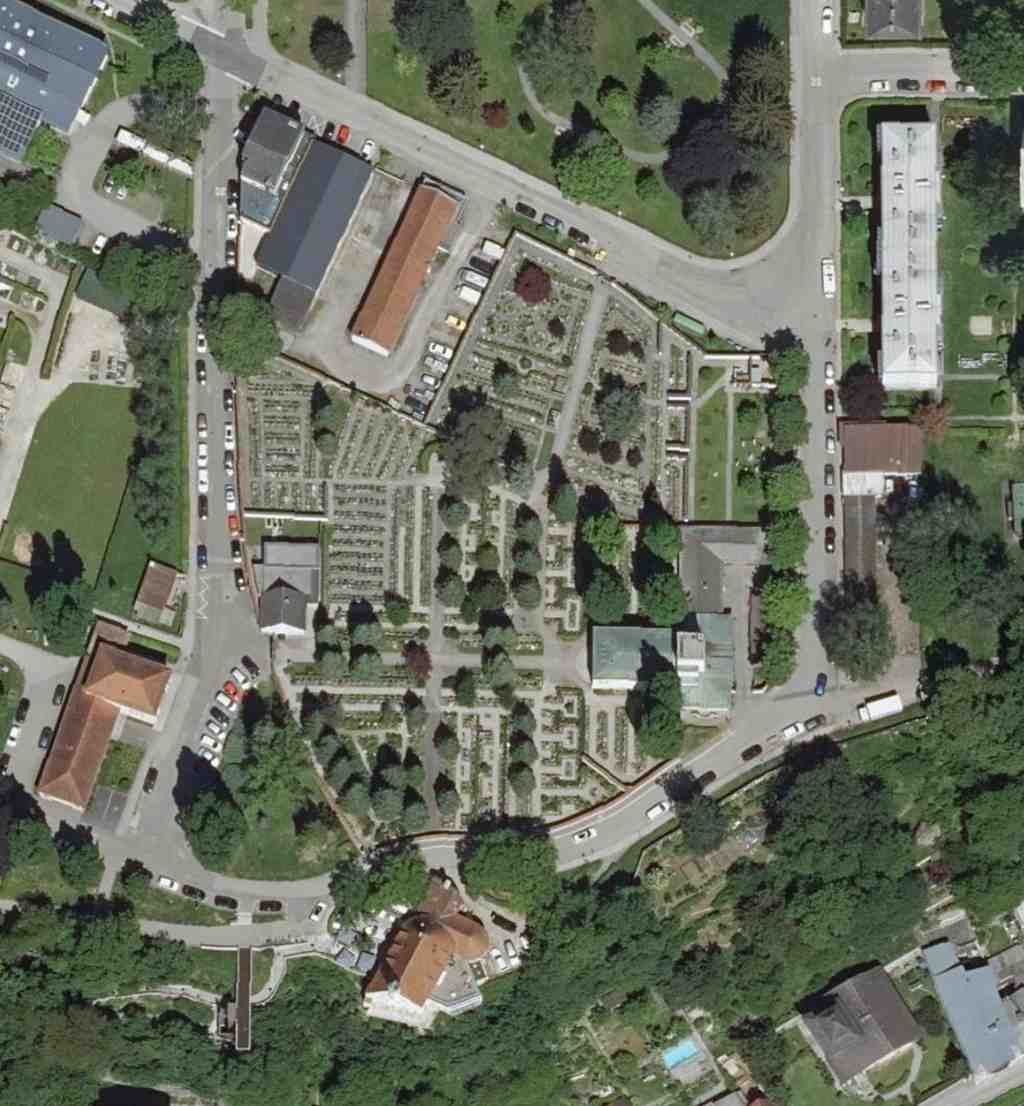
Urn cemetery at Tabor
Urn cemetery at TaborPhoto: Fotosː BEV - Bundesamt für Eich- und Vermessungswesen / Bearbeitung (Stitch, Tonwertkorrektur)ː Christoph Waghubinger, Wikimedia Commons, CC BY 4.0. Cropped & resized.

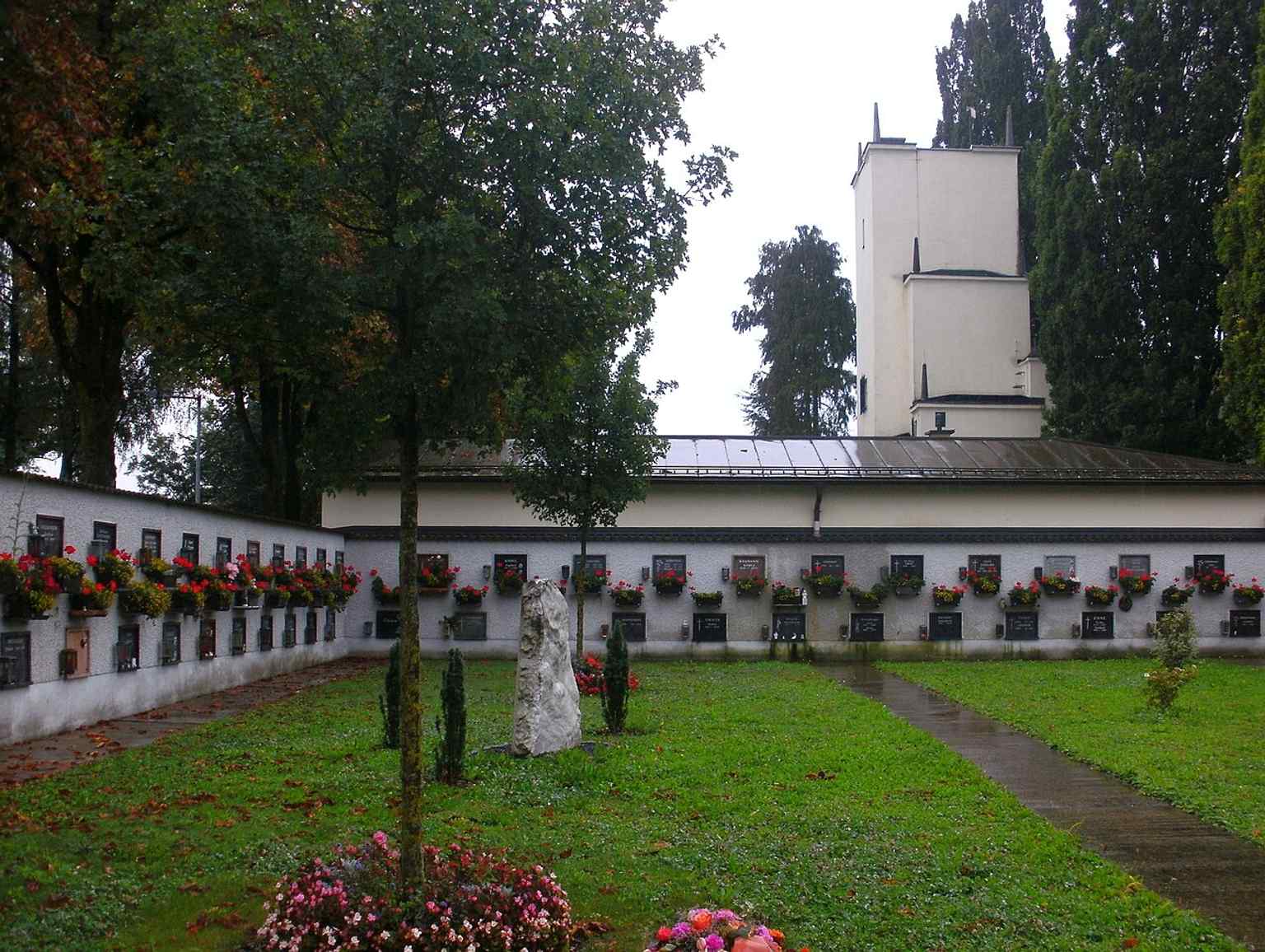
On your left, look for a light-plastered crematorium with a low rectangular form, a dark pitched roof, and orderly rows of stone urn graves gathered around it.

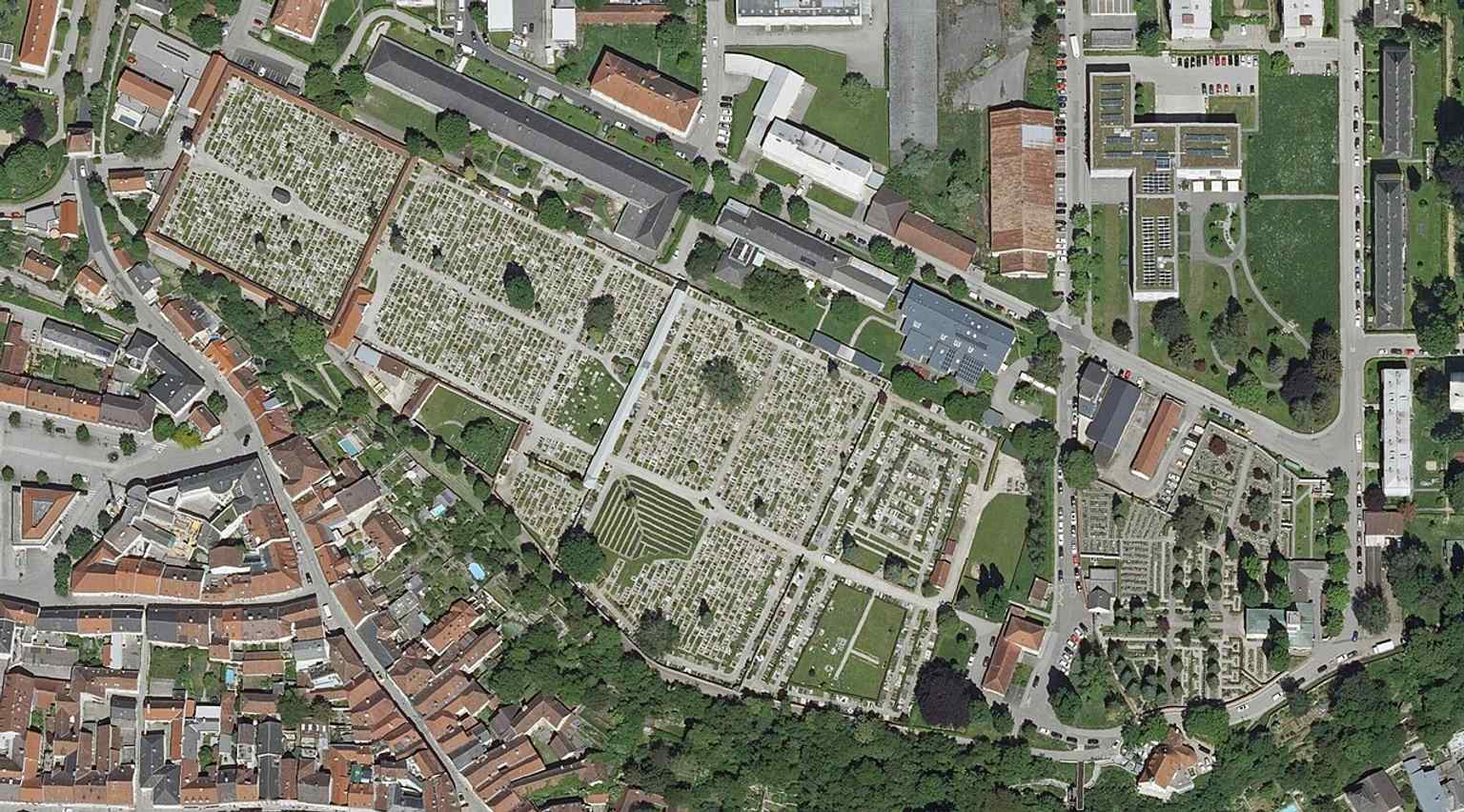
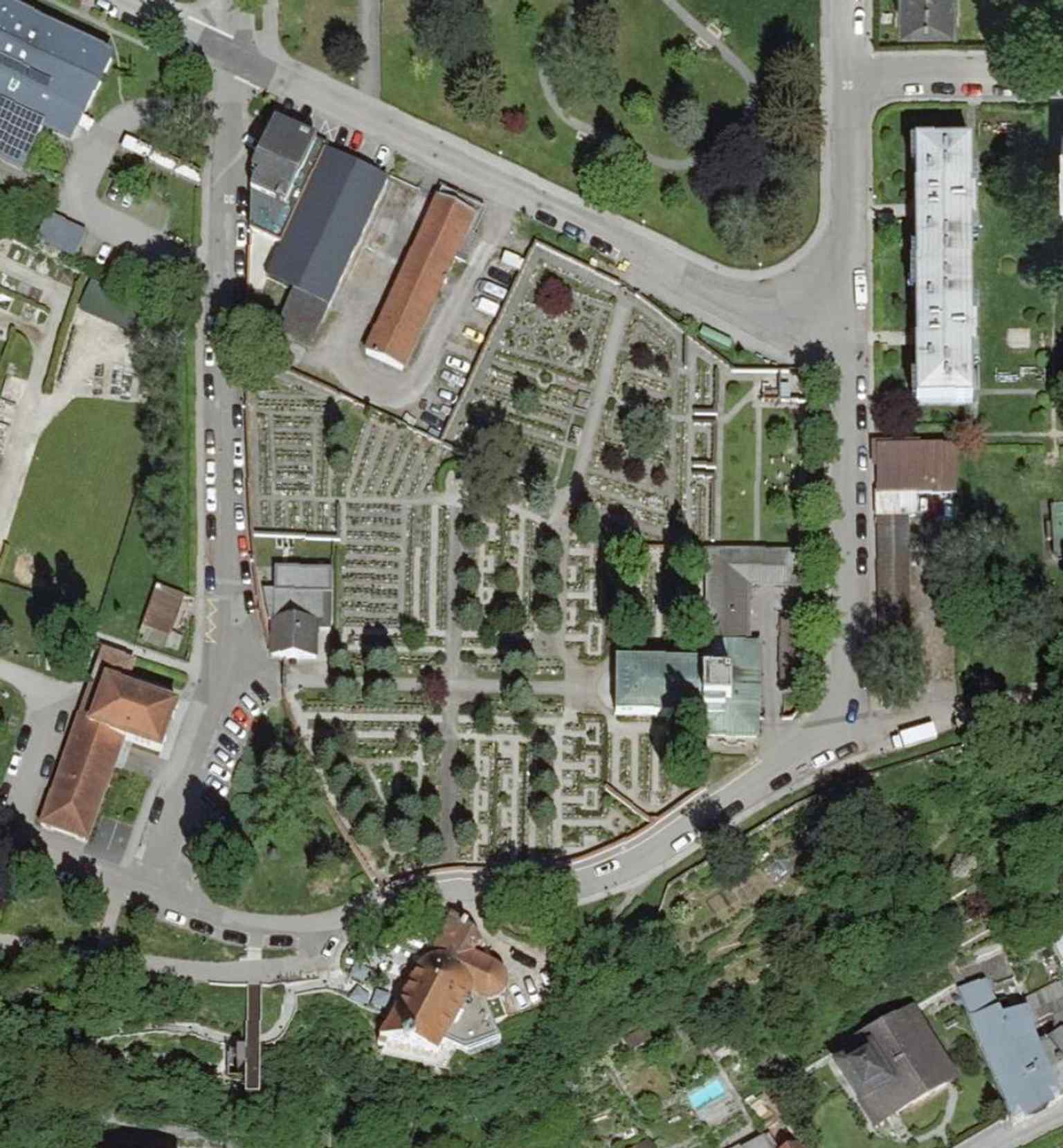
This quiet complex changed how Steyr handled one of life’s biggest thresholds. In the nineteen twenties, Josef Wokral founded the association Flamme - “Flame” - to campaign for cremation, or fire burial instead of burial in the ground. That idea stirred real resistance. The Catholic Church strongly opposed cremation and pushed back hard against placing a crematorium inside the Tabor Cemetery, so on the eleventh of July, nineteen twenty-six, the city council gave Flamme a neighboring plot instead. Architect Franz Koppelhuber designed the crematorium here, and when it opened on the twenty-sixth of June, nineteen twenty-seven, it became only the second crematorium in Austria, after Vienna’s Feuerhalle Simmering. If you check the aerial view on your screen, you can see how tightly this site fits beside the older cemetery rather than inside it.

A wider 2022 aerial shot of the Tabor cemetery and the Urn Cemetery, useful for understanding the site’s position in Steyr.
A wider 2022 aerial shot of the Tabor cemetery and the Urn Cemetery, useful for understanding the site’s position in Steyr.Photo: Fotosː BEV - Bundesamt für Eich- und Vermessungswesen / Bearbeitung (Stitch, Tonwertkorrektur)ː Christoph Waghubinger, Wikimedia Commons, CC BY 4.0. Cropped & resized.

The first recorded cremation here followed not long after: Hedwig Mitterberger, who died on the twelfth of August, nineteen twenty-seven. It’s a small note in a death register, but it marks a big shift in local custom. The city took over the site in late nineteen thirty-nine, and the whole ensemble is now protected as a historic monument.

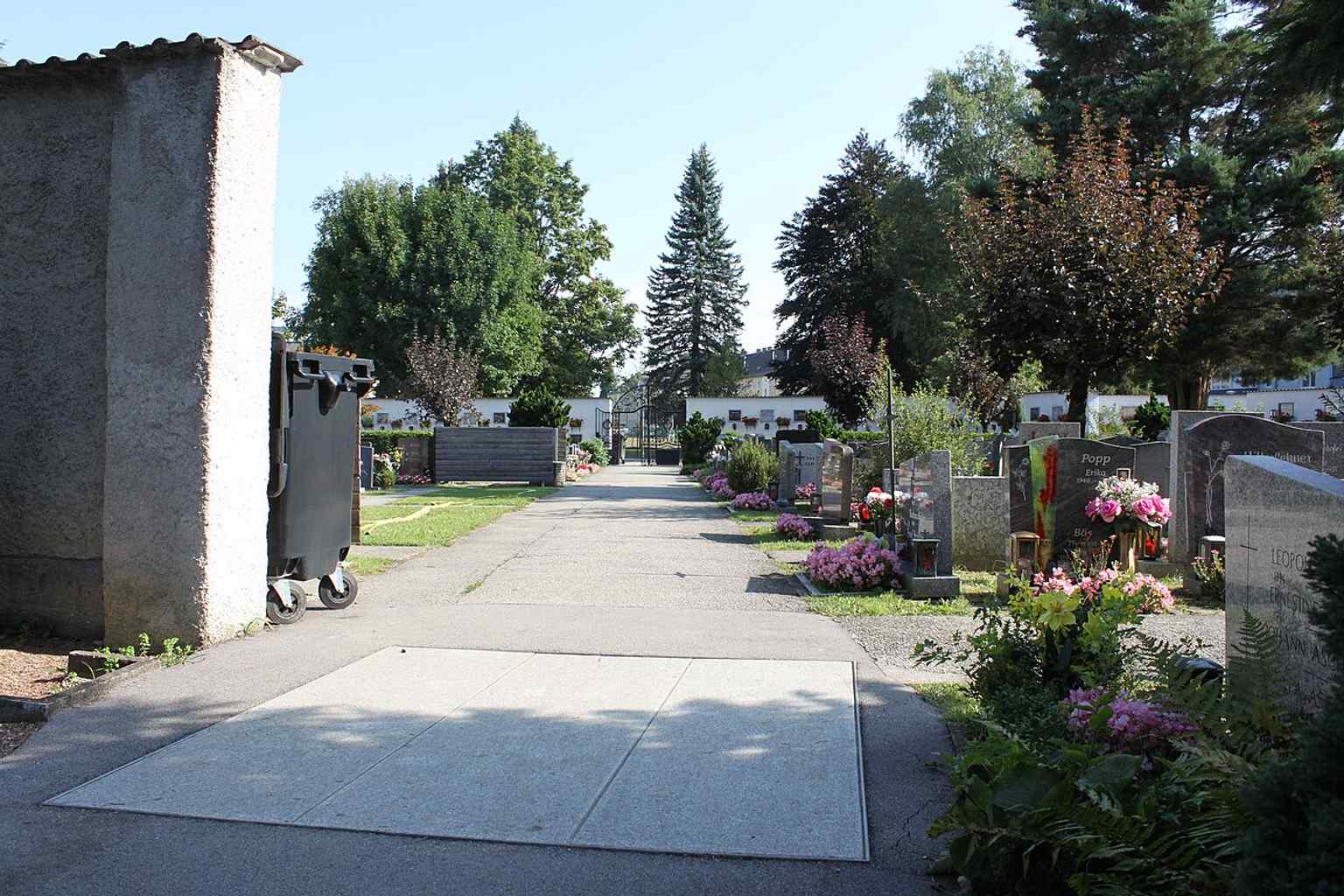
Then comes the part that asks for stillness. During the Nazi period, this crematorium also served, at least until nineteen forty-one, to cremate prisoners from Mauthausen concentration camp and its satellite camps. In nineteen forty-eight, more than one thousand urns were buried here near the end of a connecting path. Later expansion covered that burial place with asphalt. Only in two thousand eleven did people rediscover the site, after the initiative of a grandson of Wiktor Ormicki. The marker is stark and deliberate: a three-part granite cover, shown in the close-up on your phone.

The marked site of the mass urn burial for KZ prisoners’ ashes, rediscovered in 2011 and now identified by a granite cover.
The marked site of the mass urn burial for KZ prisoners’ ashes, rediscovered in 2011 and now identified by a granite cover.Photo: Anton-kurt, Wikimedia Commons, CC BY-SA 3.0 at. Cropped & resized.

If you want to return inside the grounds another time, they are open daily from seven in the morning to eight in the evening. This place holds reform, memory, and grief in the same frame. When you're ready, we can continue on to Tabor Cemetery.

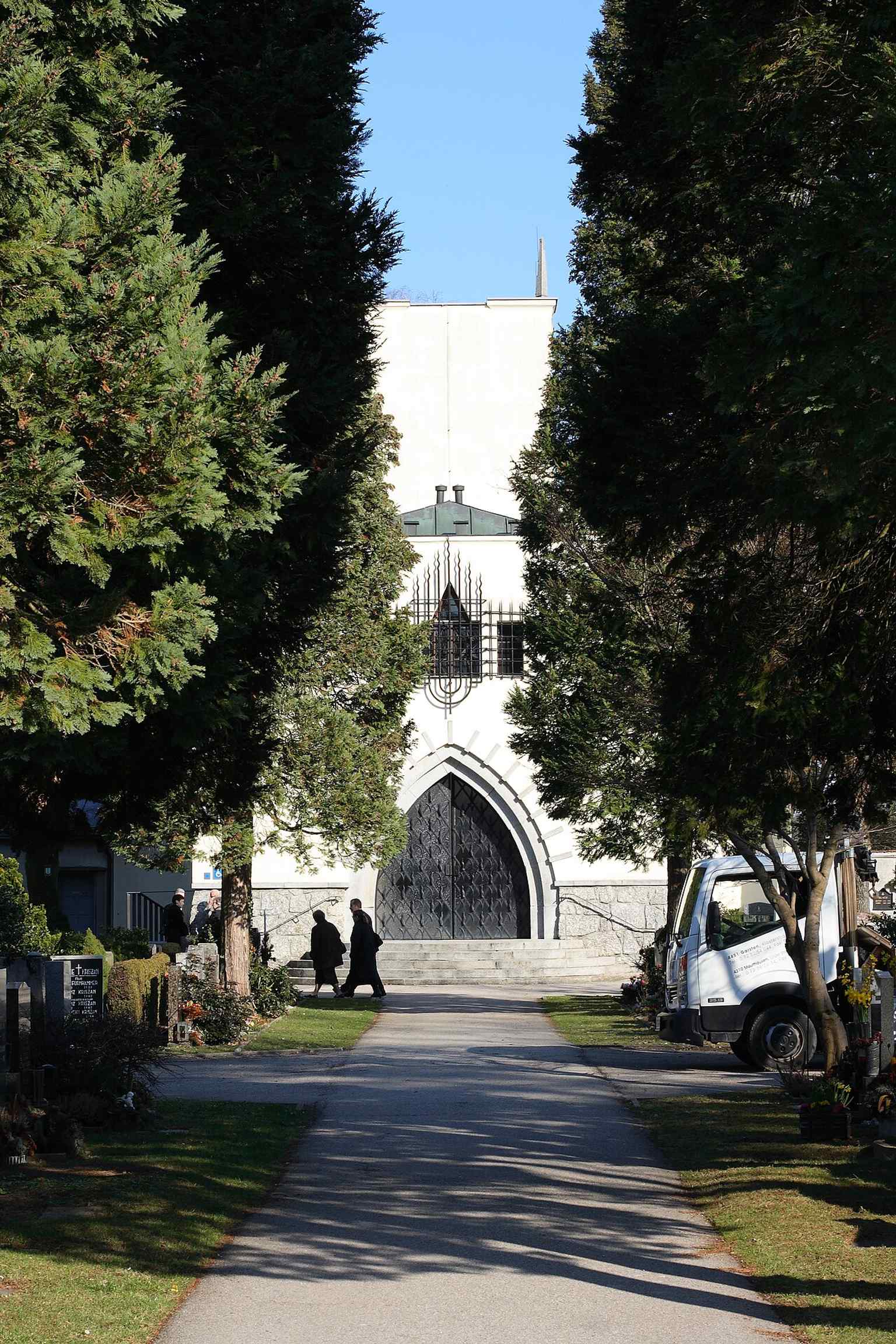
The crematorium and farewell hall at the heart of the site — opened in 1927, it was the second crematorium in Austria.
The crematorium and farewell hall at the heart of the site — opened in 1927, it was the second crematorium in Austria.Photo: Christoph Waghubinger (Lewenstein), Wikimedia Commons, CC BY-SA 3.0 at. Cropped & resized.
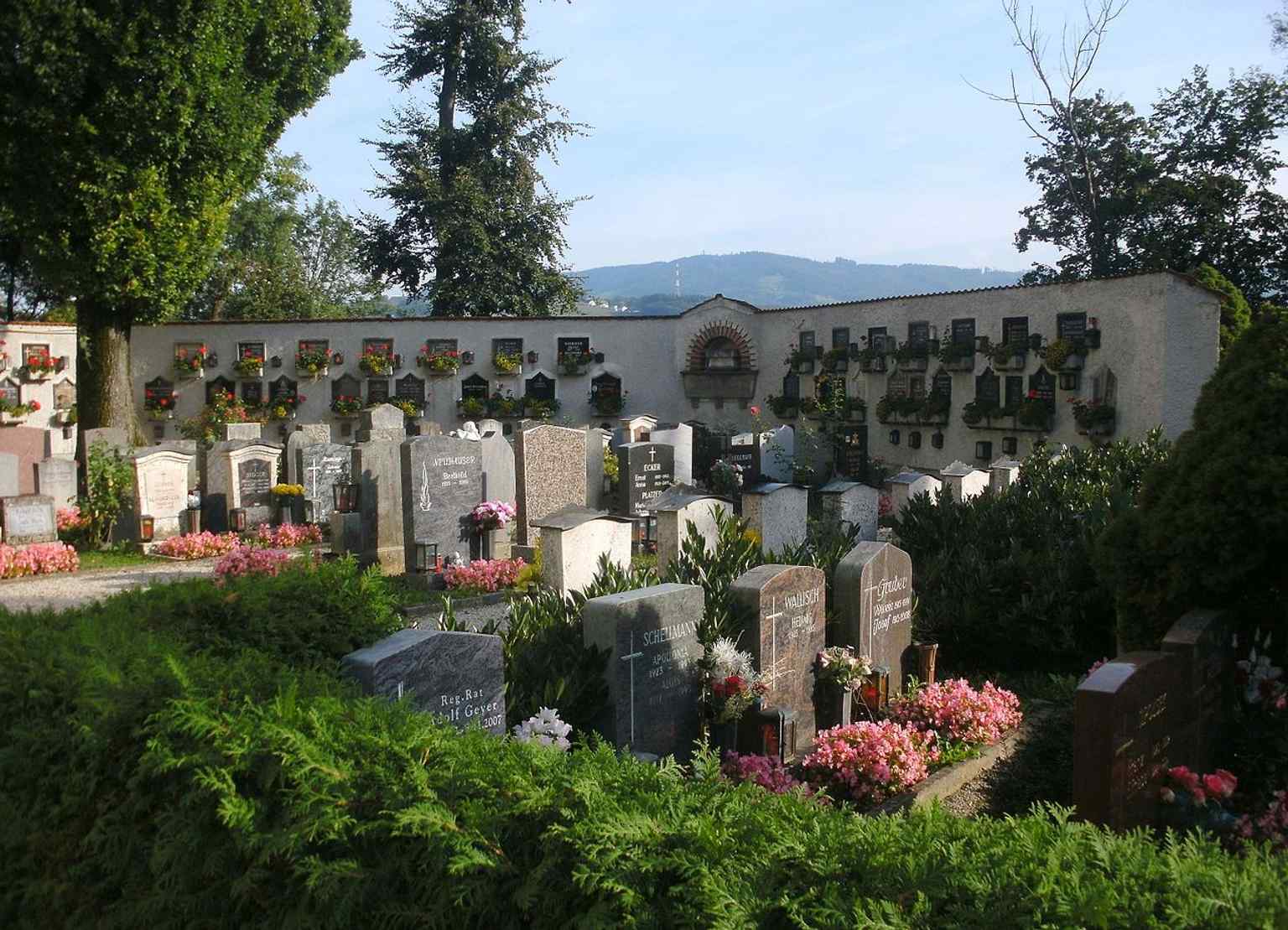
A clear view of the crematorium and urn cemetery together, highlighting the complex as a protected monument ensemble.
A clear view of the crematorium and urn cemetery together, highlighting the complex as a protected monument ensemble.Photo: Cyan22, Wikimedia Commons, CC BY-SA 4.0. Cropped & resized.
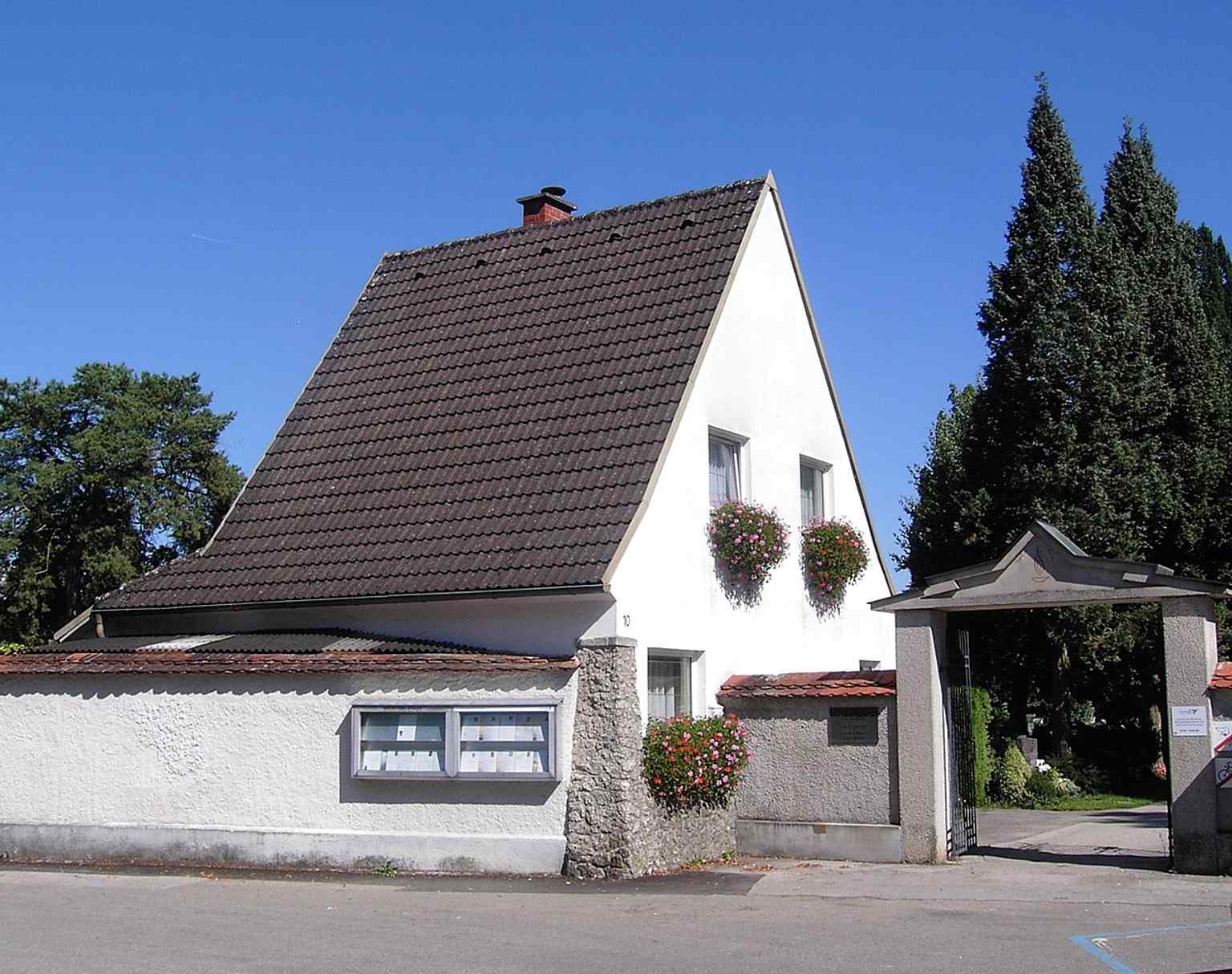
The small house at Taborweg 10 next to the crematorium, part of the original 1926/27 facility.
The small house at Taborweg 10 next to the crematorium, part of the original 1926/27 facility.Photo: Bodory Thomas, Wikimedia Commons, CC BY-SA 3.0. Cropped & resized.
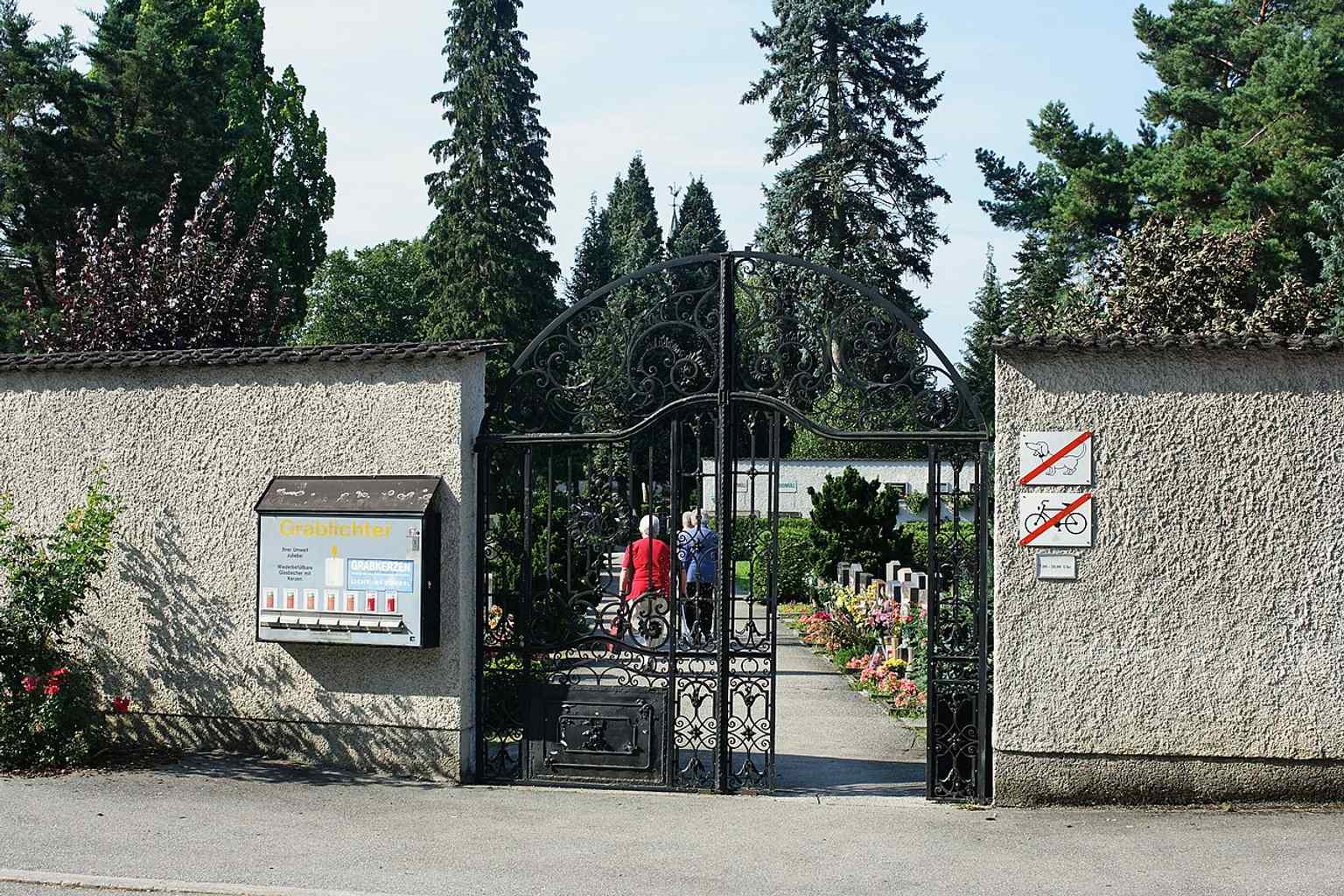
The entrance from Industriestraße, one of the access points into the cemetery grounds.
The entrance from Industriestraße, one of the access points into the cemetery grounds.Photo: Christoph Waghubinger (Lewenstein), Wikimedia Commons, CC BY-SA 3.0 at. Cropped & resized.
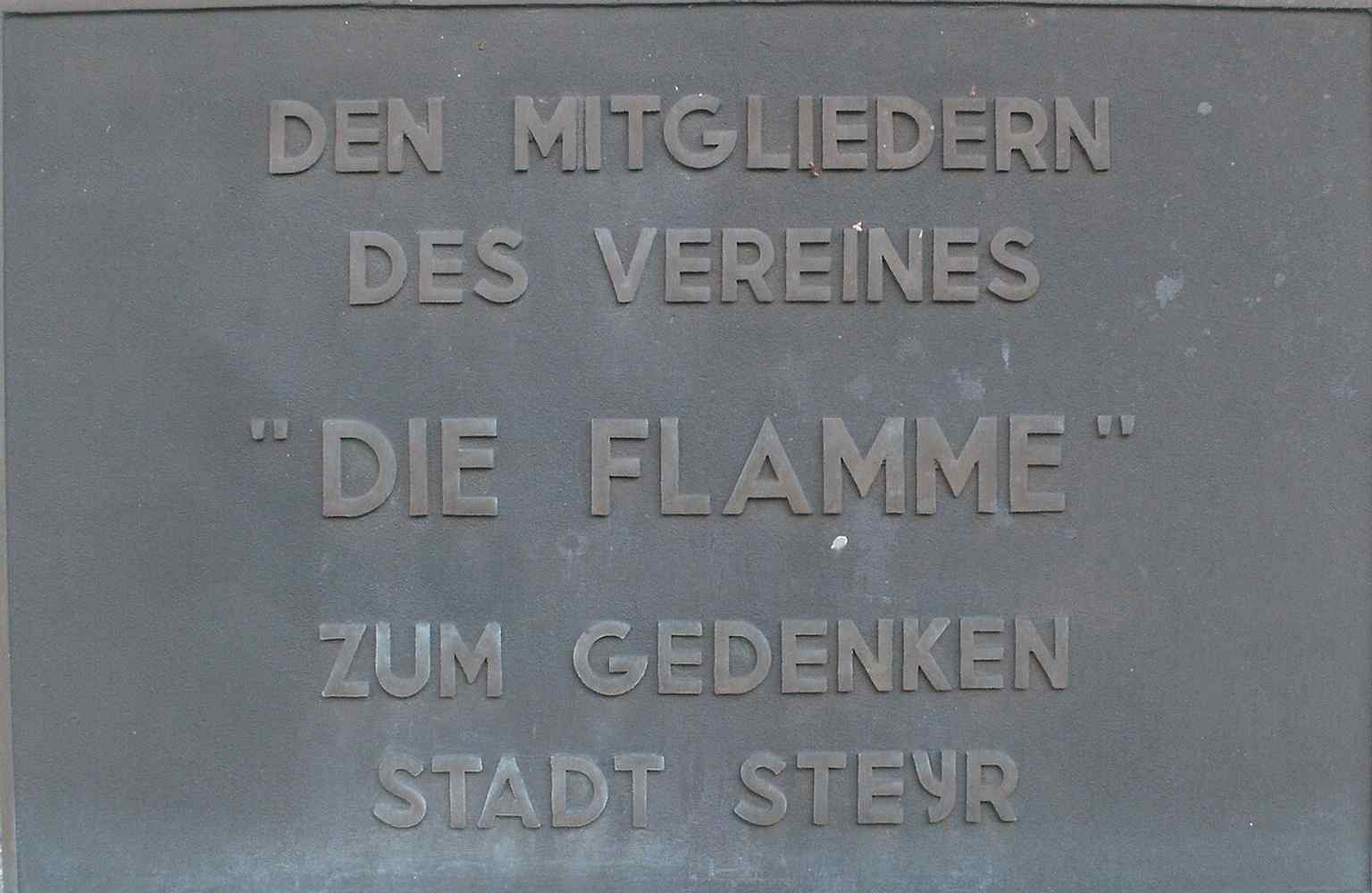
The memorial plaque at the Taborweg entrance, tying the place to the history of the fire-cremation association Flamme.
The memorial plaque at the Taborweg entrance, tying the place to the history of the fire-cremation association Flamme.Photo: Cyan22, Wikimedia Commons, CC BY-SA 4.0. Cropped & resized.
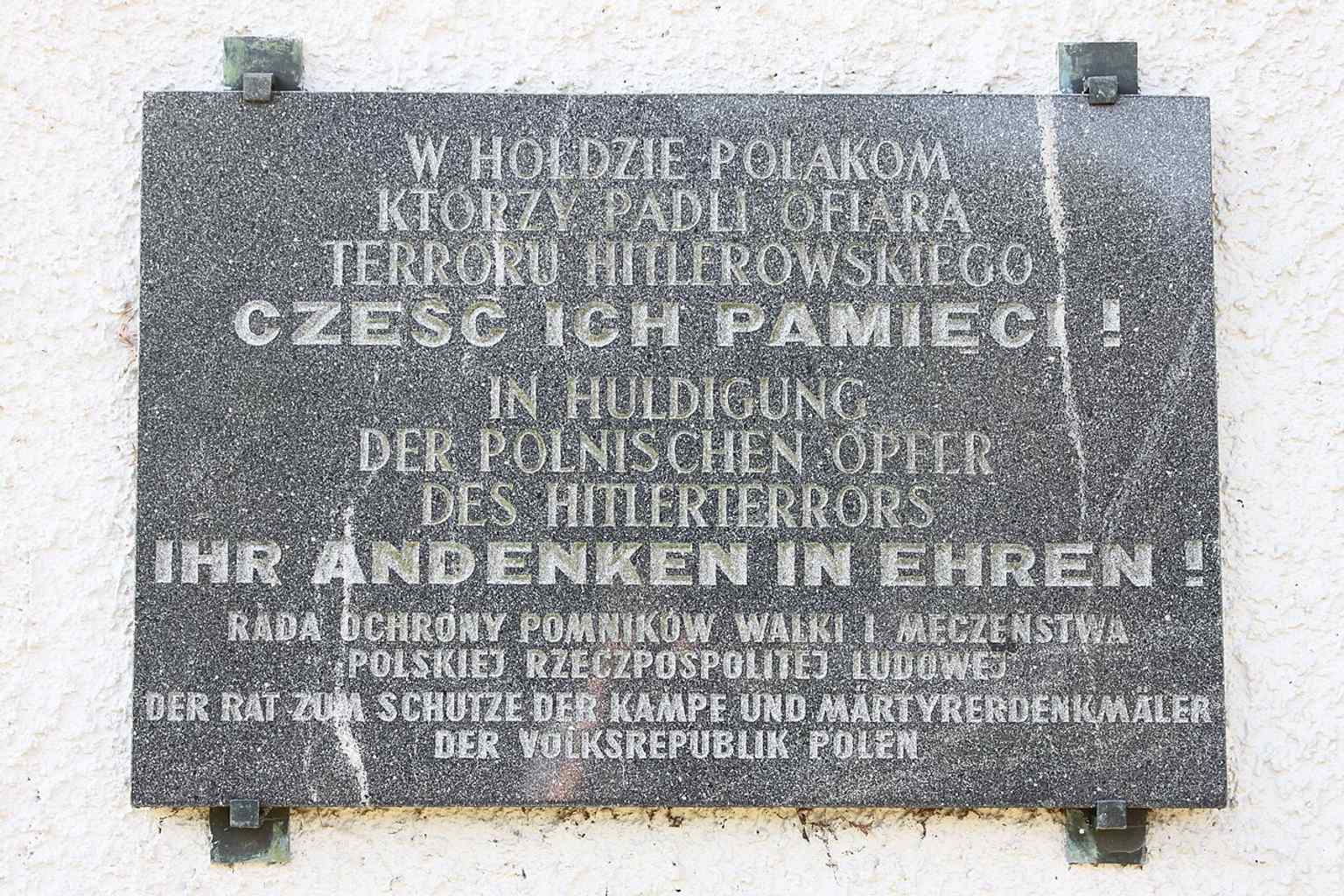
A memorial to the Republic of Poland at the crematorium wall, recalling victims from the Nazi period and the site’s broader wartime history.
A memorial to the Republic of Poland at the crematorium wall, recalling victims from the Nazi period and the site’s broader wartime history.Photo: Anton-kurt, Wikimedia Commons, CC BY-SA 3.0 at. Cropped & resized.
The grave of Josef Wokral, founder of the Flamme association and a key figure behind Steyr’s crematorium.
The grave of Josef Wokral, founder of the Flamme association and a key figure behind Steyr’s crematorium.Photo: Cyan22, Wikimedia Commons, CC BY-SA 4.0. Cropped & resized.
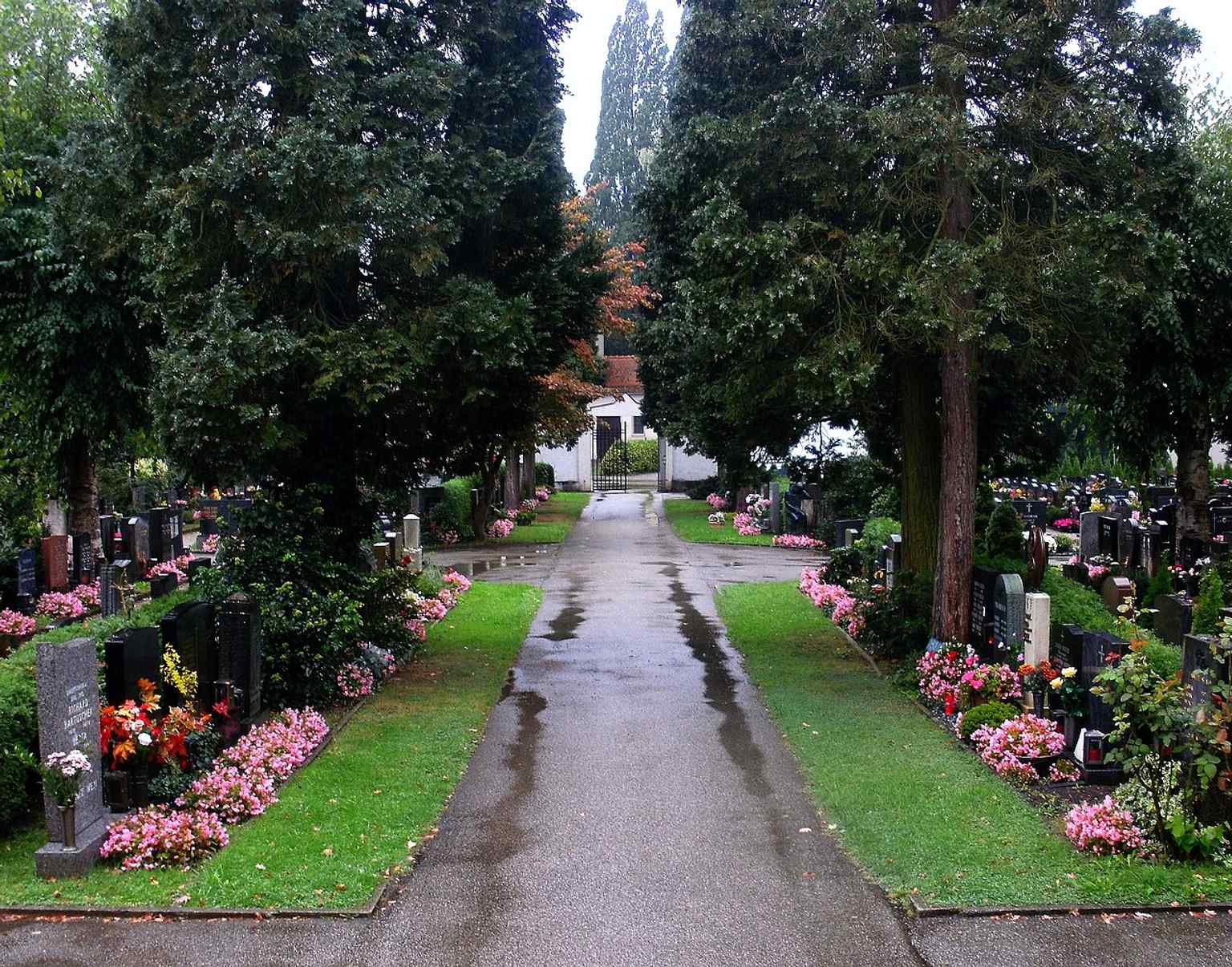
View toward the entrance from inside the cemetery, linking the crematorium grounds with the Taborweg access.
View toward the entrance from inside the cemetery, linking the crematorium grounds with the Taborweg access.Photo: Cyan22, Wikimedia Commons, CC BY-SA 4.0. Cropped & resized.
A close aerial view of the urn cemetery, showing the compact footprint of the protected site.
A close aerial view of the urn cemetery, showing the compact footprint of the protected site.Photo: Fotosː BEV - Bundesamt für Eich- und Vermessungswesen / Bearbeitung (Stitch, Tonwertkorrektur)ː Christoph Waghubinger, Wikimedia Commons, CC BY 4.0. Cropped & resized.
arrow_back Back to Steyr Audio Tour: Castles, Cemeteries, and Stories by the River
Loved by travellers

Thousands of tours started.
Plenty of opinions.

4.8 across the App Store and Google Play. Here's a few we keep coming back to.

starstarstarstarstar
This was a solid way to get to know Brighton without feeling like a tourist. The narration had depth and context, but didn't overdo it.
Christoph
Christoph
Brighton Tour
starstarstarstarstar
Started this tour with a croissant in one hand and zero expectations. The app just vibes with you, no pressure, just you, your headphones, and some cool stories.
download Get the app

Pop your headphones in.
Step outside.

Free to download. Tours in every city. Start in 60 seconds — no account, no card.

Download on the App StoreGet it on Google Play
starstarstarstarstar_half
4.8
AudaTours app icon
headphones
~ 4 min until your first tour starts
public
1,000+ cities worldwide
all_inclusive
AudaTours
Unlimited

Every tour. Every city. One subscription.

3096 tours2272 cities138 countries50+ languages