
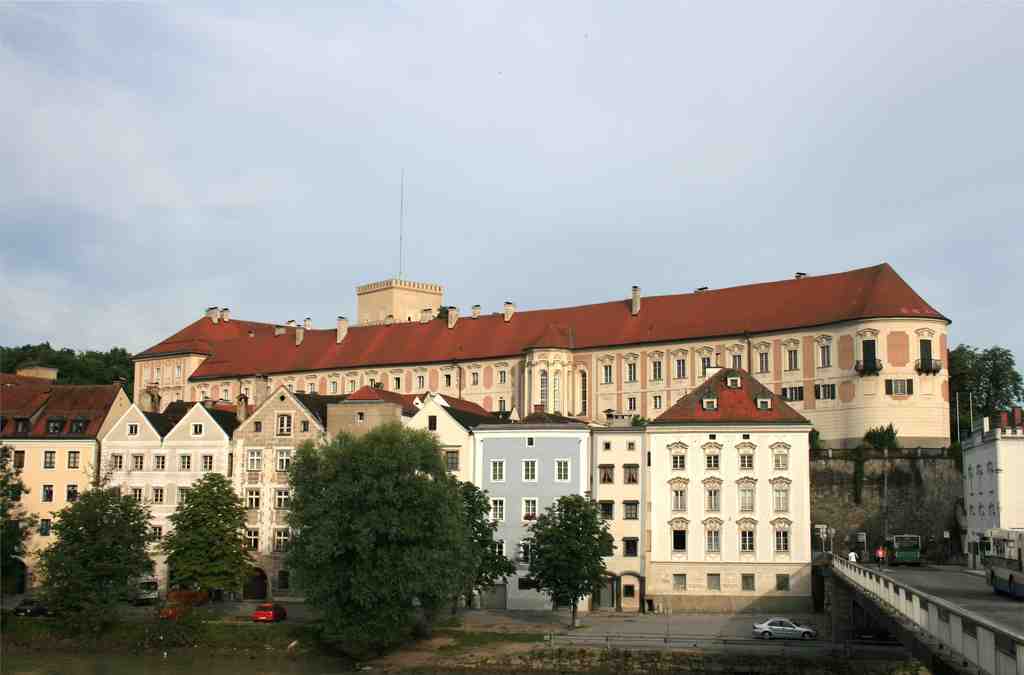
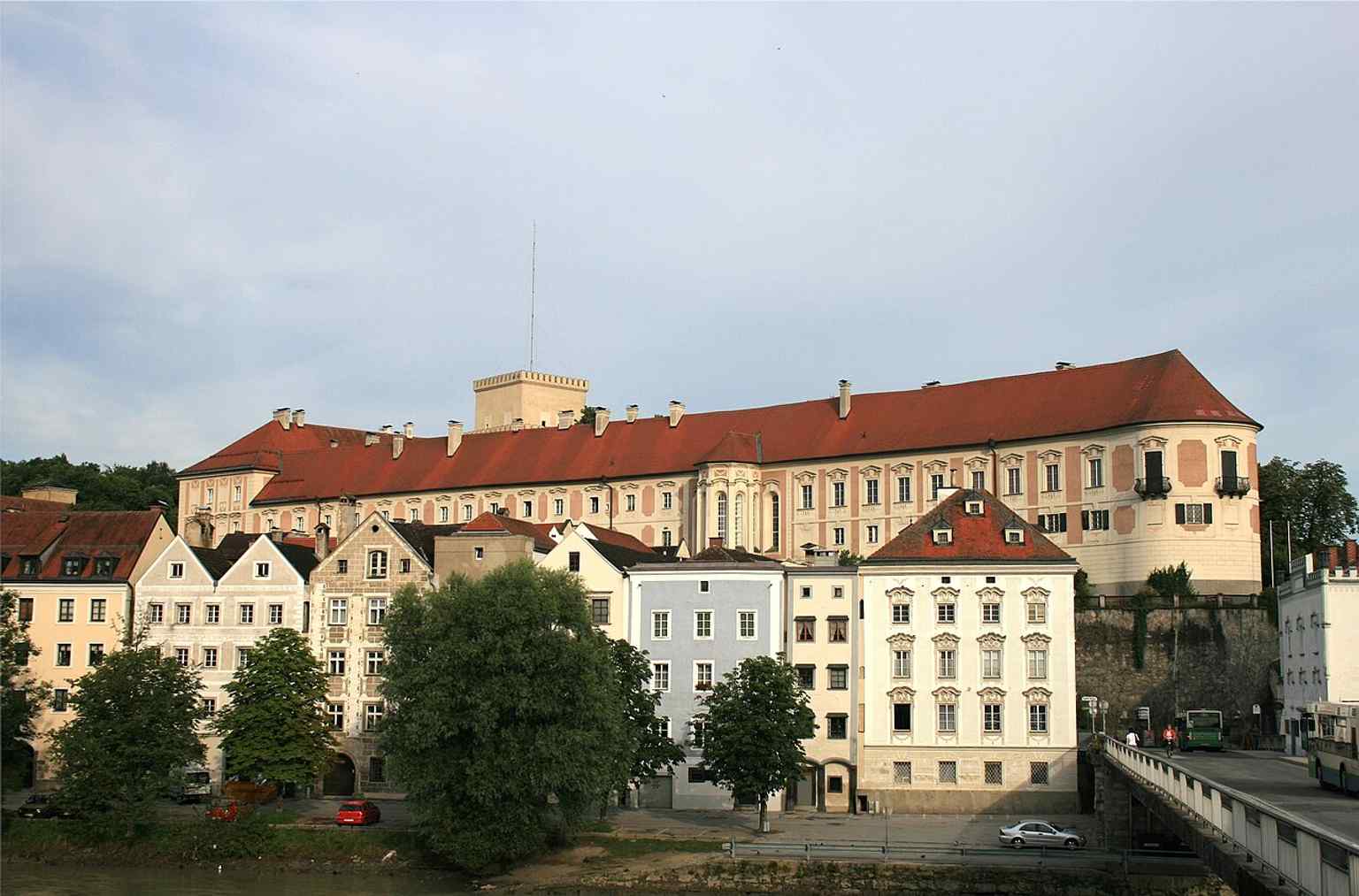
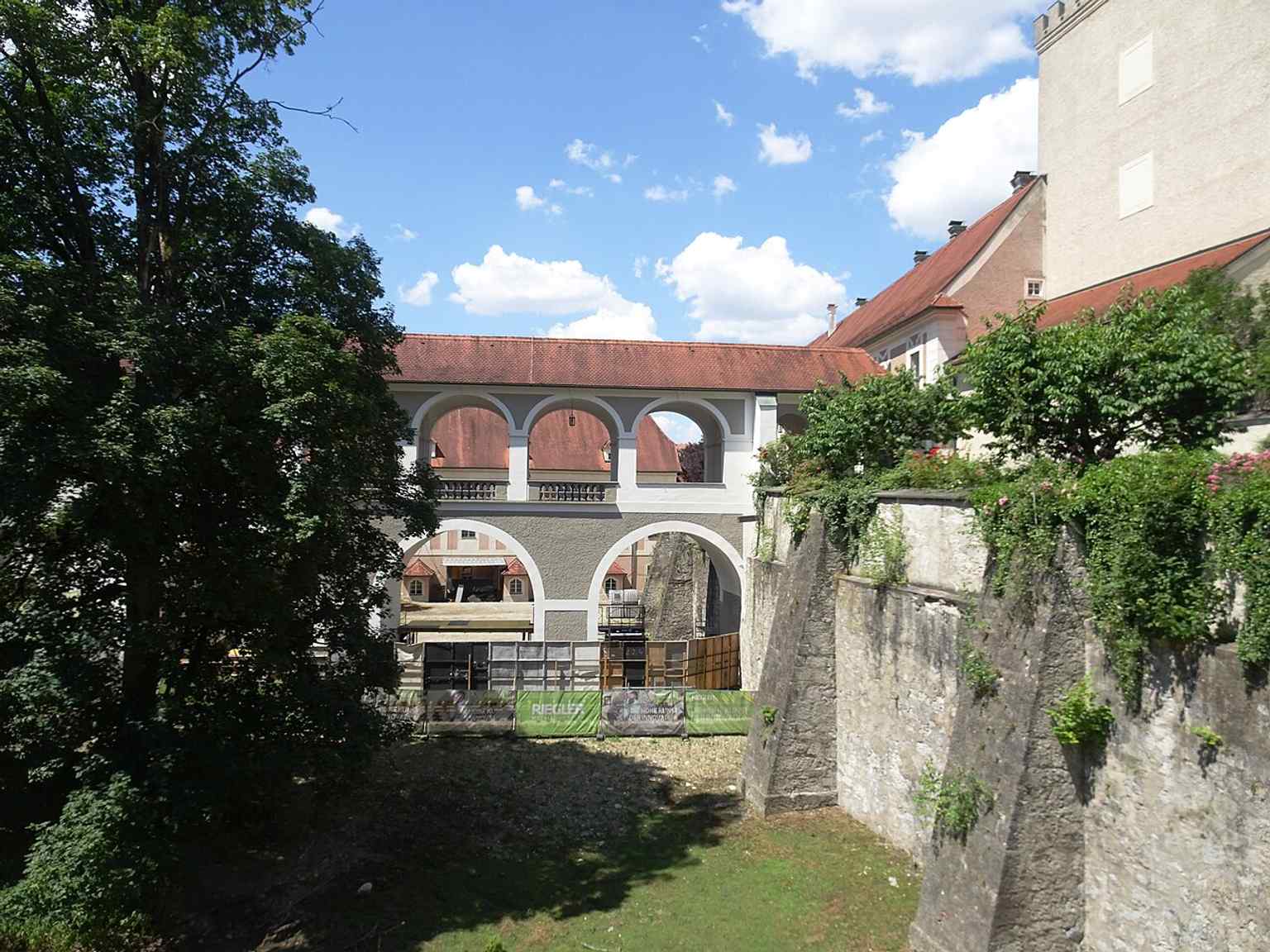
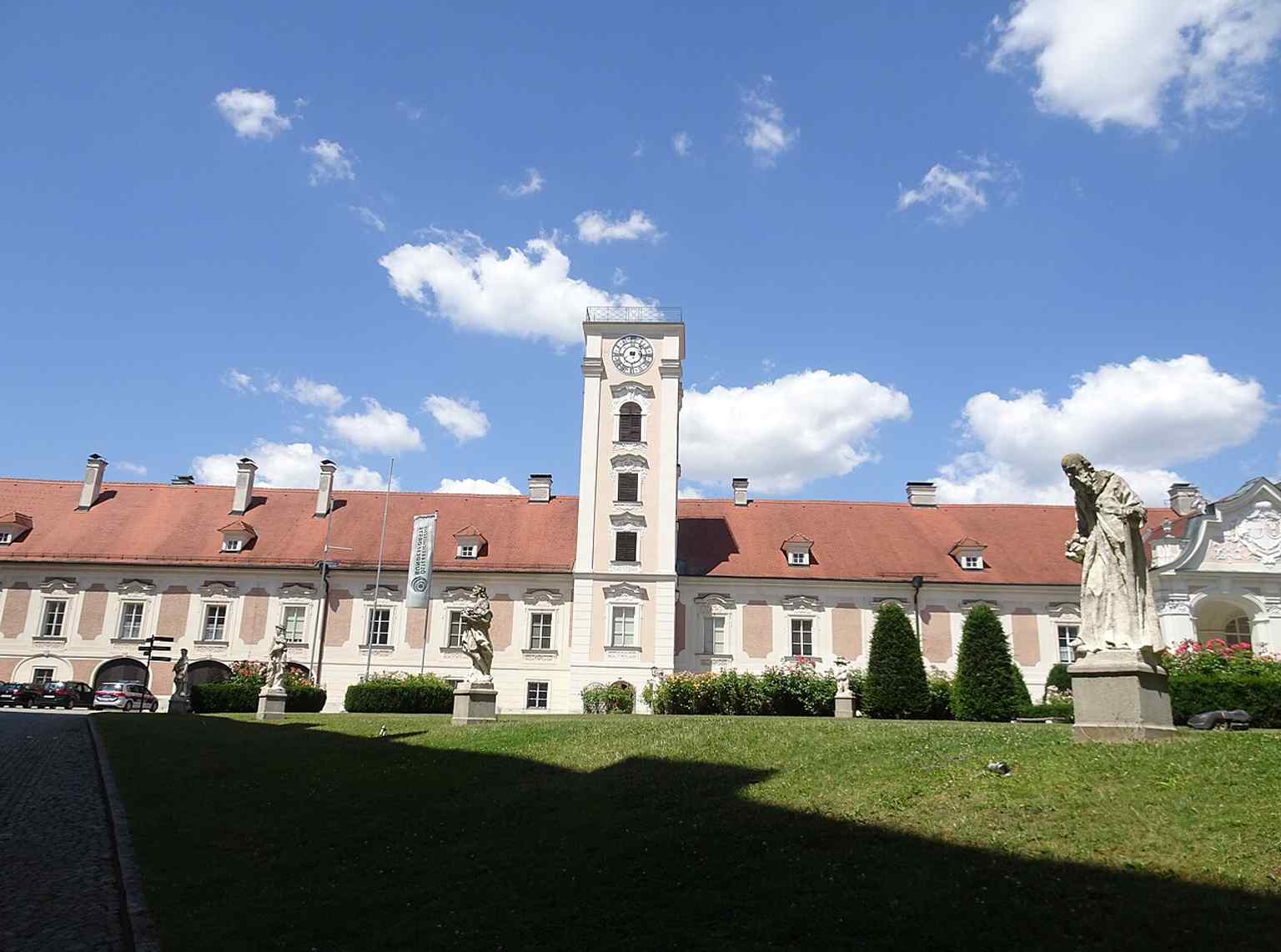
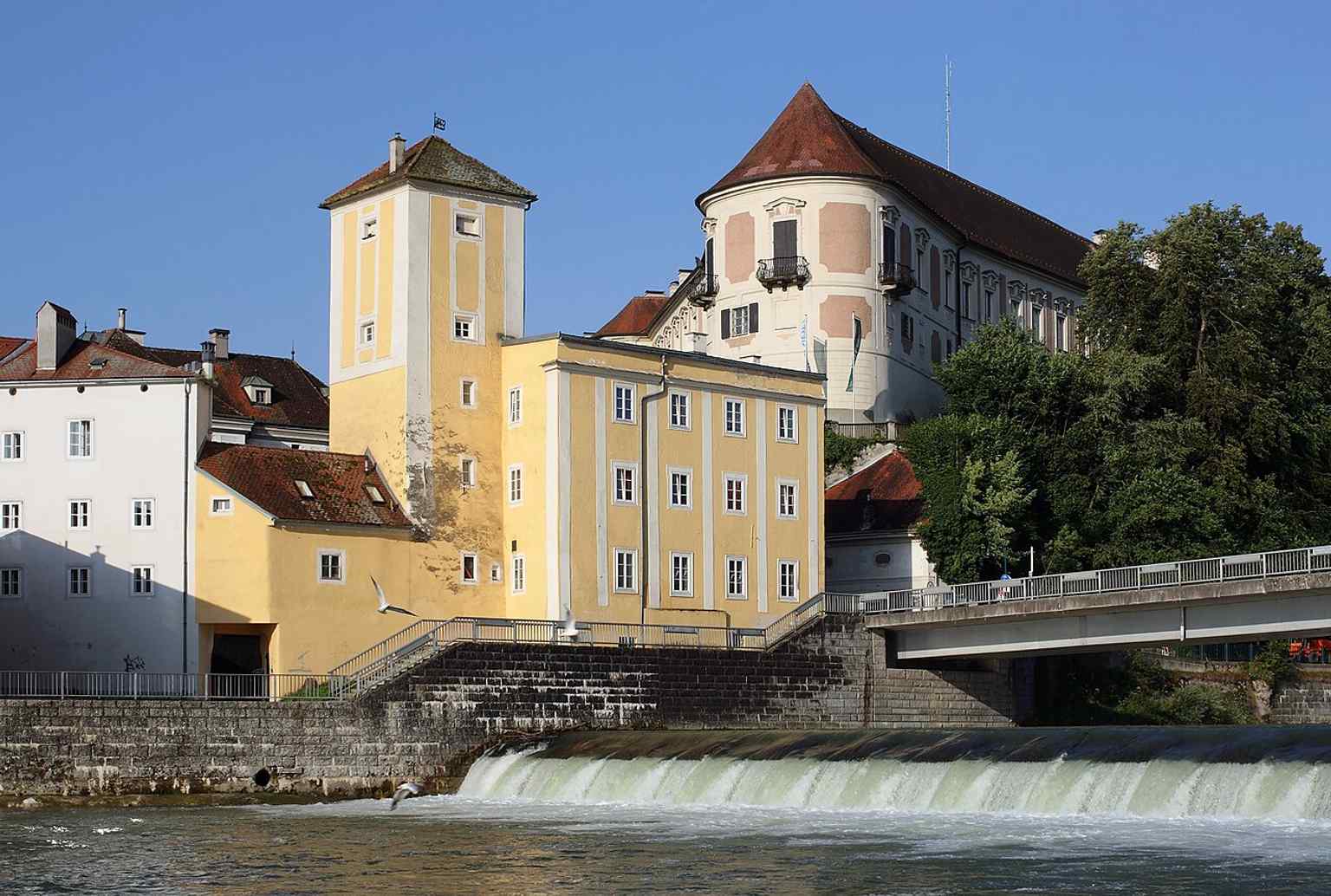
Ahead of you is a pale baroque castle with angular wings of stuccoed masonry, perched on a rocky terrace, and marked by the crenellated Römerturm rising like an older, tougher survivor.
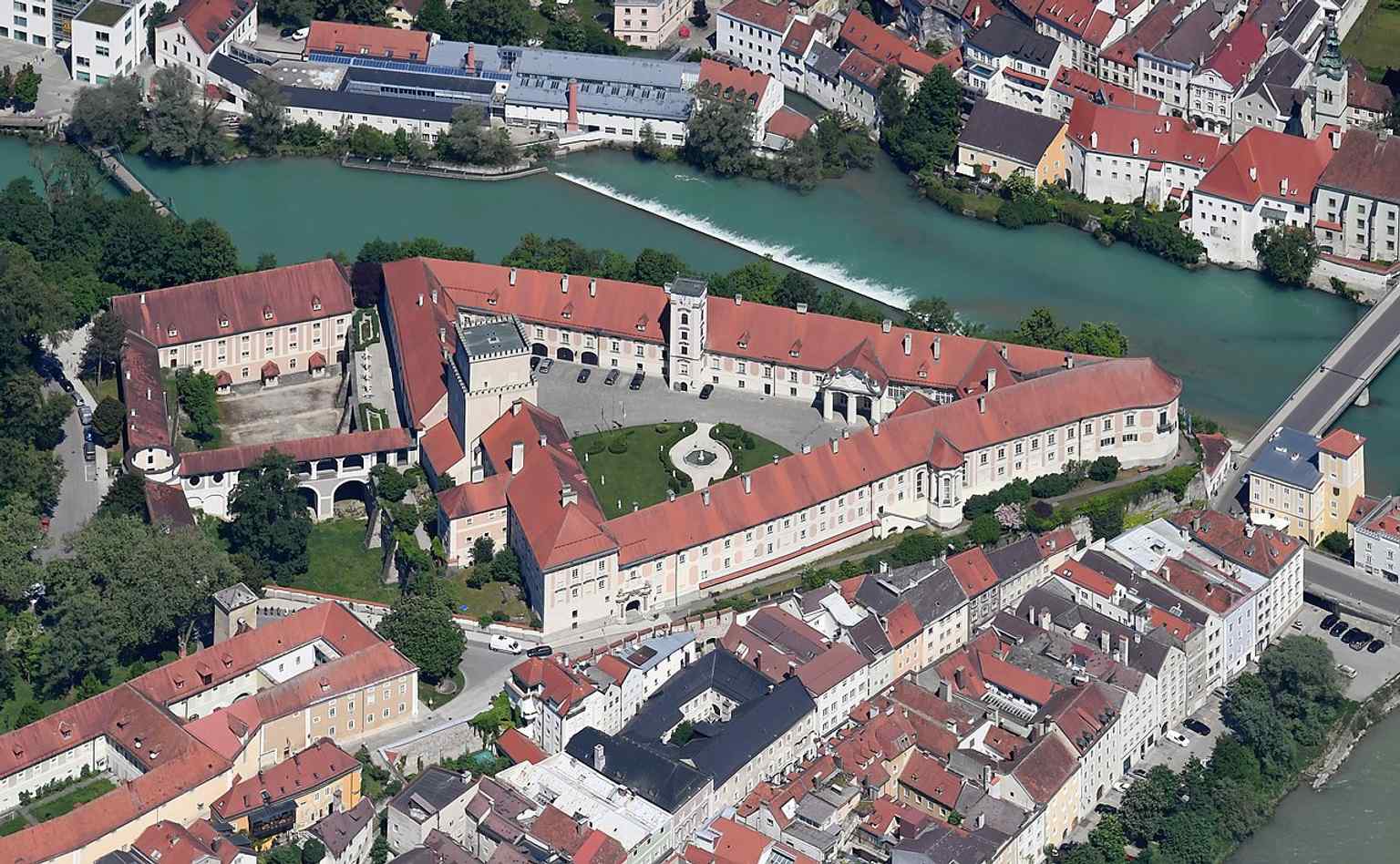
Lamberg Castle is really two places wearing one coat. The elegant shell you see now grew out of the Styraburg, a fortress raised at the start of the tenth century and first written down in the year nine hundred eighty-five. That older stronghold mattered so much it gave its name not only to Steyr, but to Steiermark, Styria itself. If you glance at the aerial photo in the app, you can see the logic instantly: this castle grips the high ground above the meeting of the Steyr and the Enns, right where roads and rivers made power feel very practical.
Back in the Middle Ages, this was border country. The Steyr River marked the line between the March of Austria and the March, later duchy, of Styria. Count Otakar the Second made the fortress his residence in the year ten seventy-nine. In twelve ninety-two, the Georgenberg Pact handed it to the Babenbergs, and later the Habsburgs took over. Only in the year twelve fifty-four did a treaty between Ottokar the Second of Bohemia and Béla the Fourth of Hungary shove the Styrian border farther south and calm this frontier role.
People also told a more dramatic origin story. Two knight brothers rode through the area, argued over the best building site, and settled it with a duel: one wanted the hill at Tabor, the other this safer rocky spur above the rivers. The winner chose this spot... which feels exactly like the kind of decision a castle would approve of.
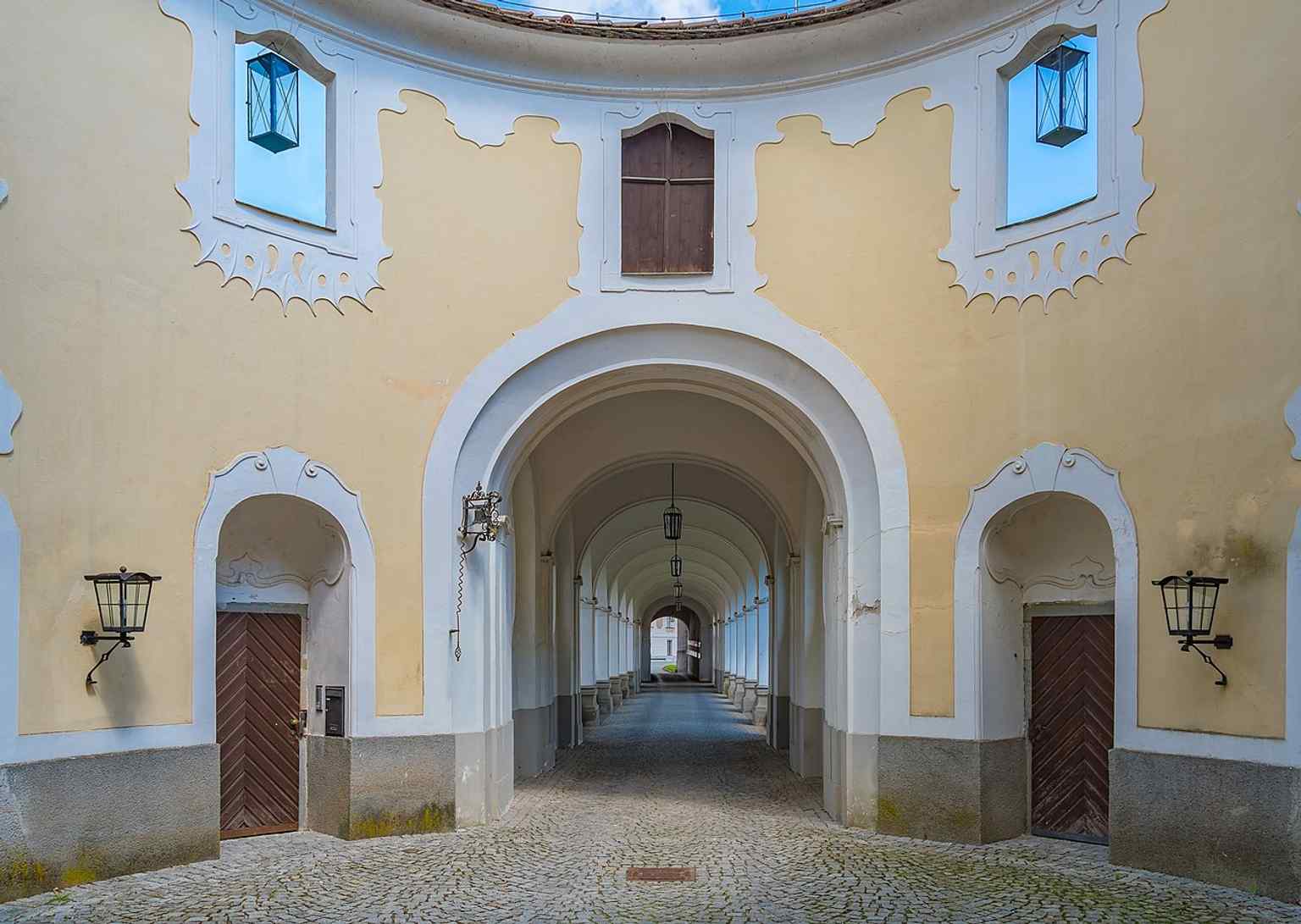
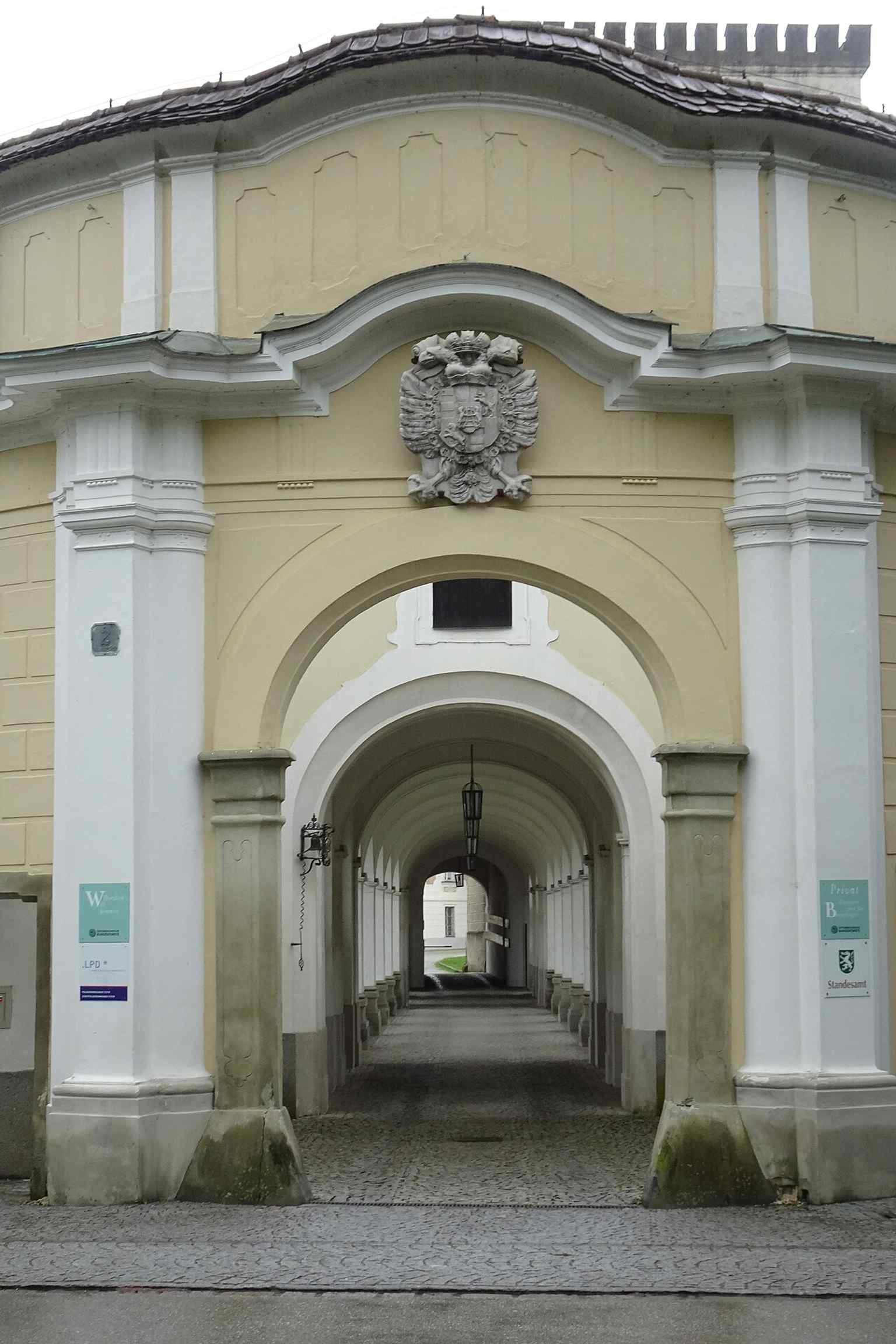
The name Lamberg arrived later, when the Counts of Lamberg took possession in the year sixteen sixty-six. Then came disaster: a fire wrecked the place in seventeen twenty-seven. Johann Michael Prunner rebuilt it in the baroque style, but he couldn’t erase the medieval bones. The Römerturm, the old keep, still anchors the whole complex. Its base even includes granite blocks that may have come from the Roman legionary camp at Lauriacum. After the town fire of eighteen twenty-four, builders gave the tower its striking crenellated platform, those tooth-like battlements at the top.
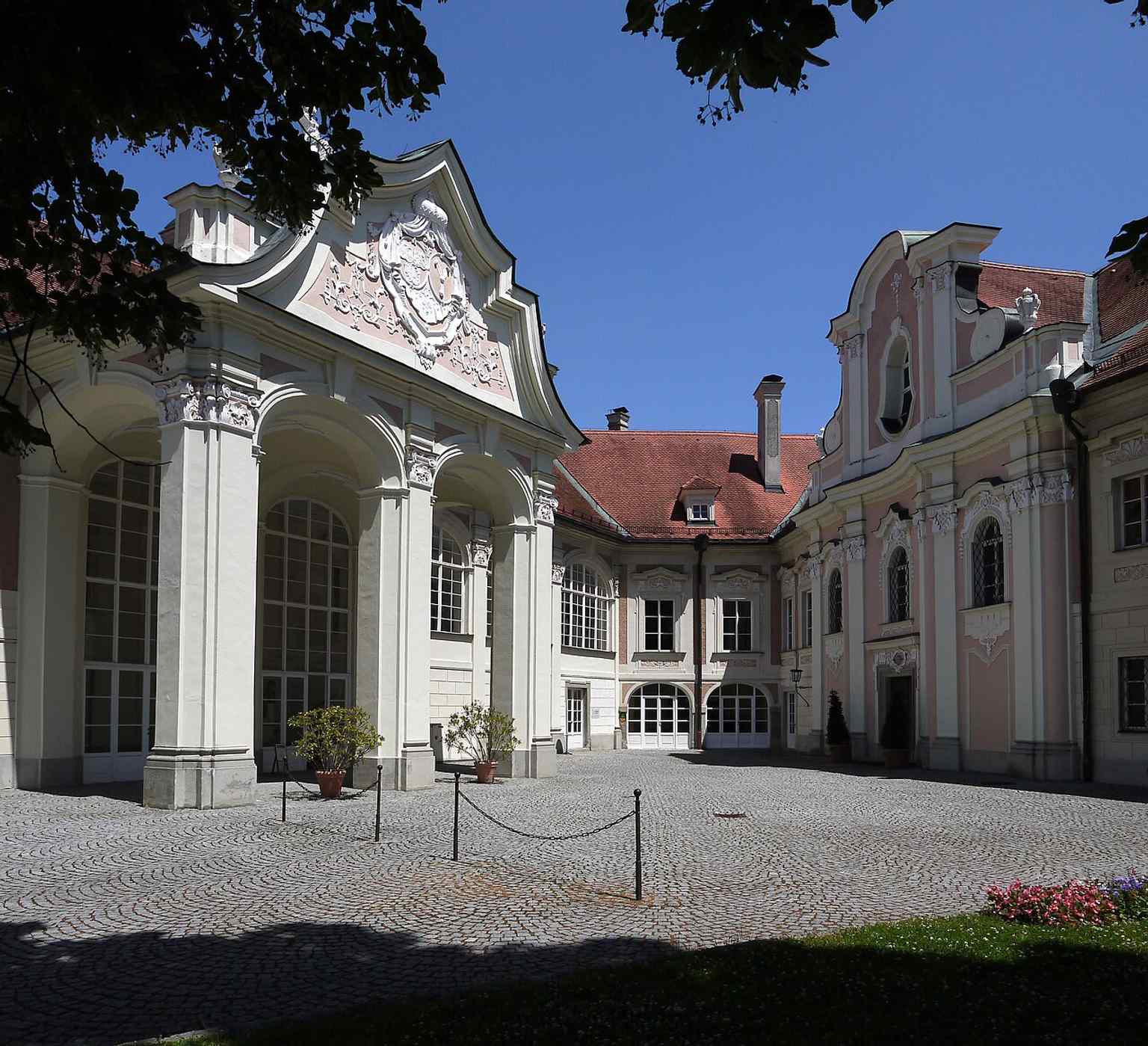
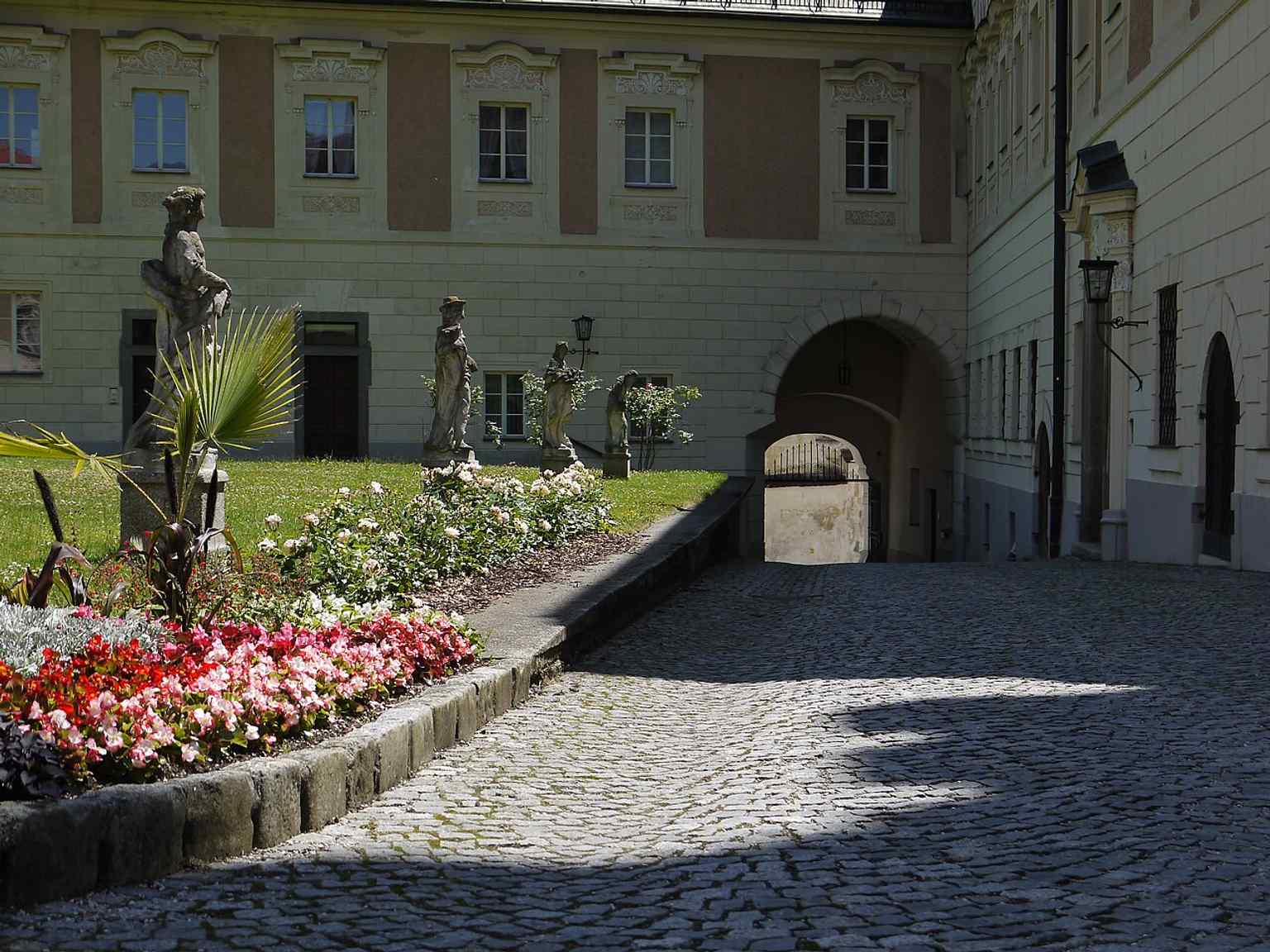
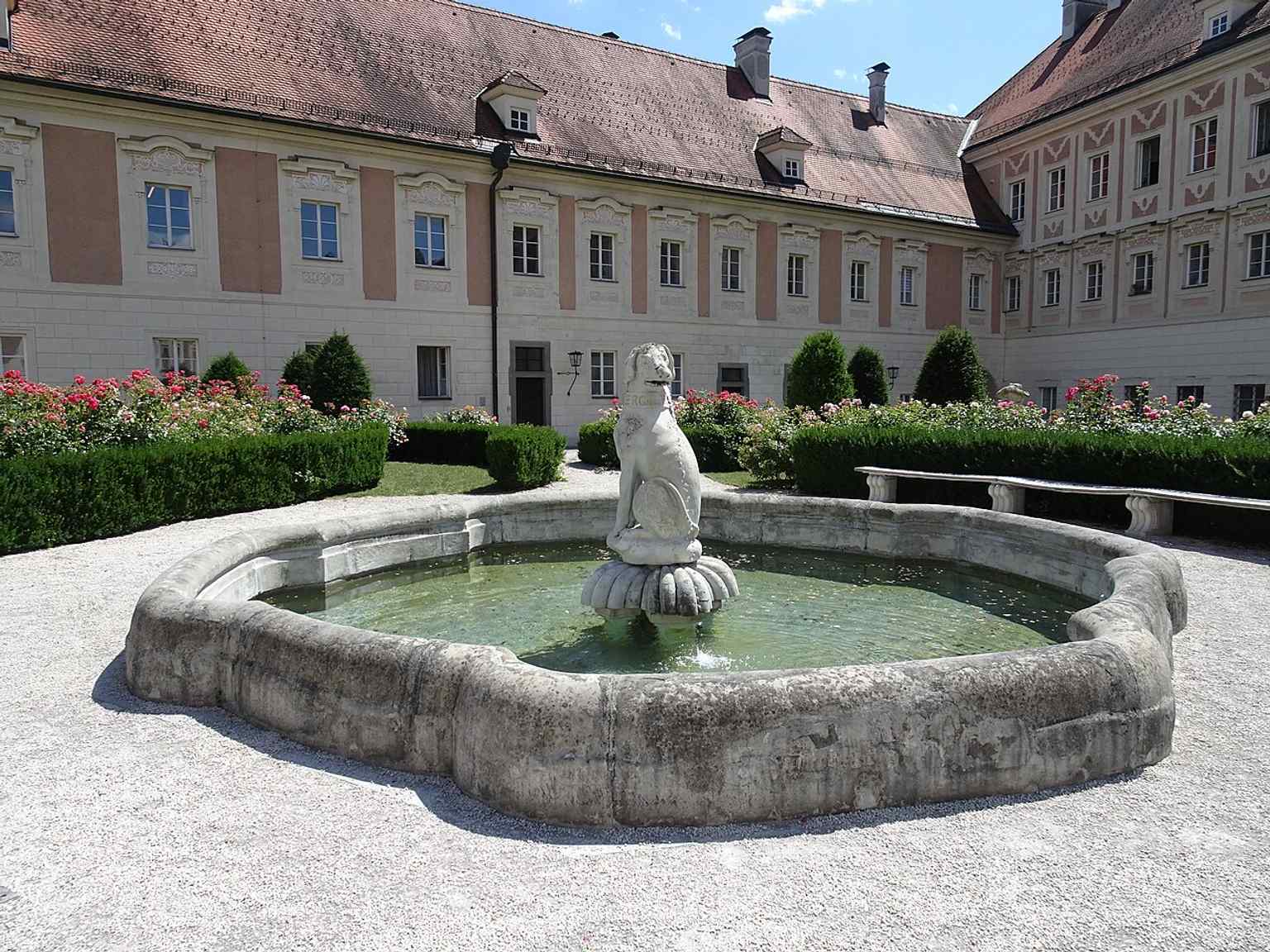
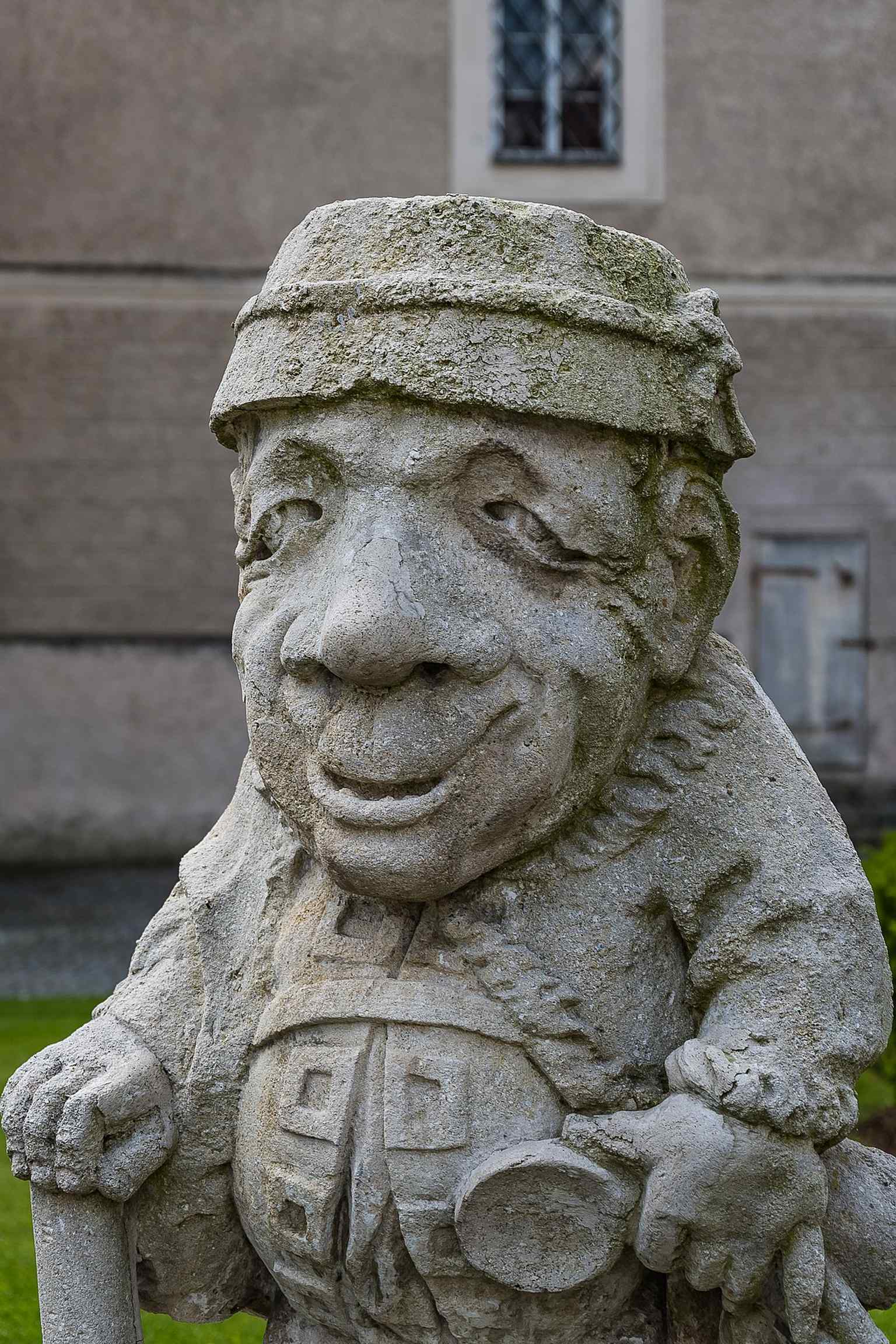
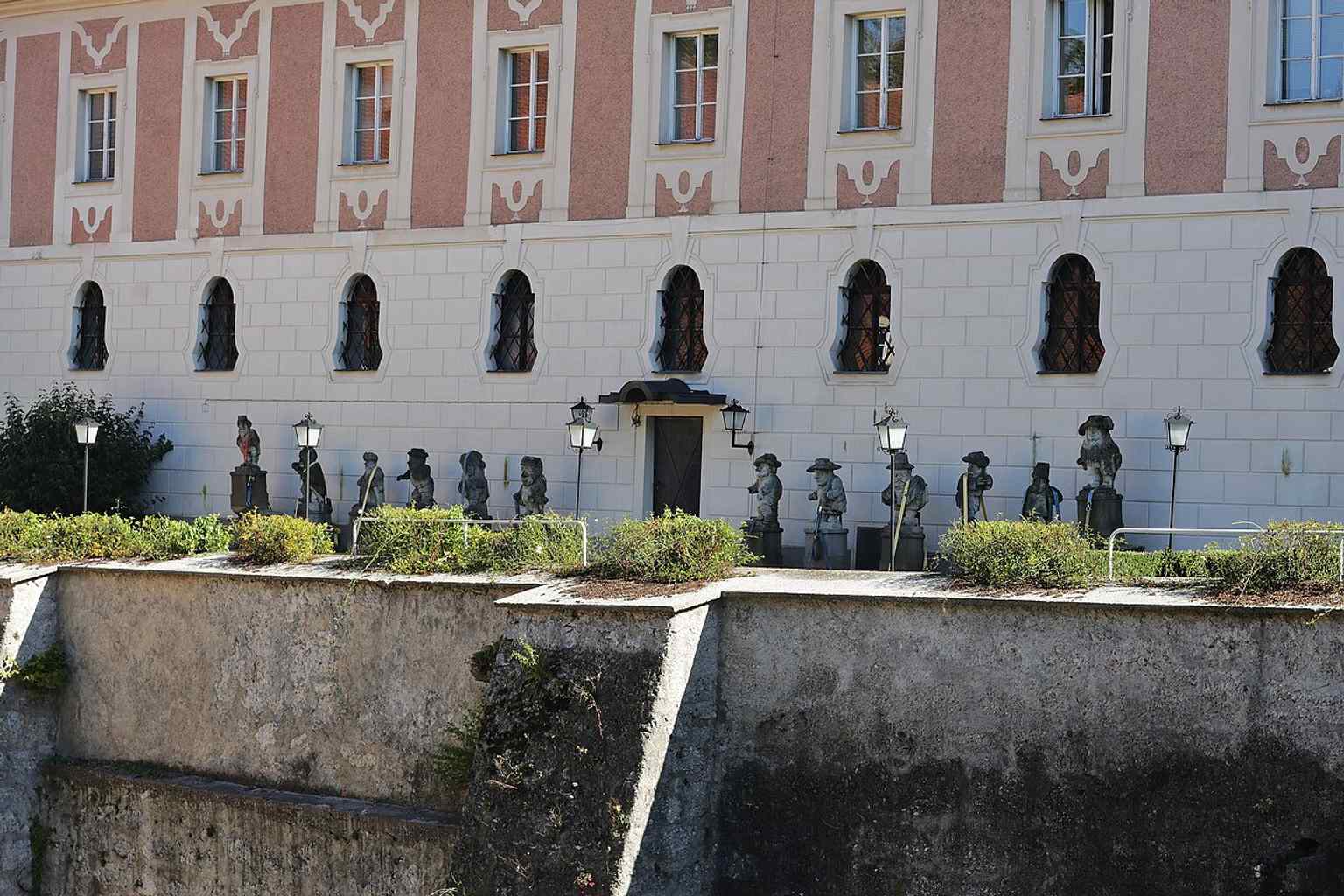
Even the layout tells the story. The inner courtyard forms a triangle because the castle had to fit this rocky point. In there stands a fountain from sixteen sixty-six with a water-spouting dog, the Lamberg family emblem, surrounded by sandstone dwarf figures brought from Gleink. Those dwarfs, carved around seventeen twenty by Johann Baptist Wuntscher, poke fun at social classes, officials, fashions, whole slices of society really. The courtyard got a major refresh in twenty fourteen and twenty fifteen, when restorers cleaned up the fountain, the sculptures, and the whole space. If you want, check the before-and-after image; the courtyard really does look newly tuned.
This place also carries harder memories. After the February fighting in nineteen thirty-four, officials used the stables as a temporary prison for around eight hundred detainees, mostly members of the Schutzbund, a socialist defense organization. In nineteen forty-three, forced laborers from the Steyr-Münichholz camp dug an air-raid bunker here; today that space holds the exhibition called Tunnel of Memory. So yes, this castle can play aristocrat, fortress, police headquarters, and witness all at once.
That’s Lamberg Castle: baroque grace over a very old nerve center.
Take a last look at those towers. When you’re ready, let’s move on.





.jpg)


.jpg)


