Museum Arbeitswelt SteyrPhoto: Walter Luttenberger, Wikimedia Commons, Public domain. Cropped & resized.
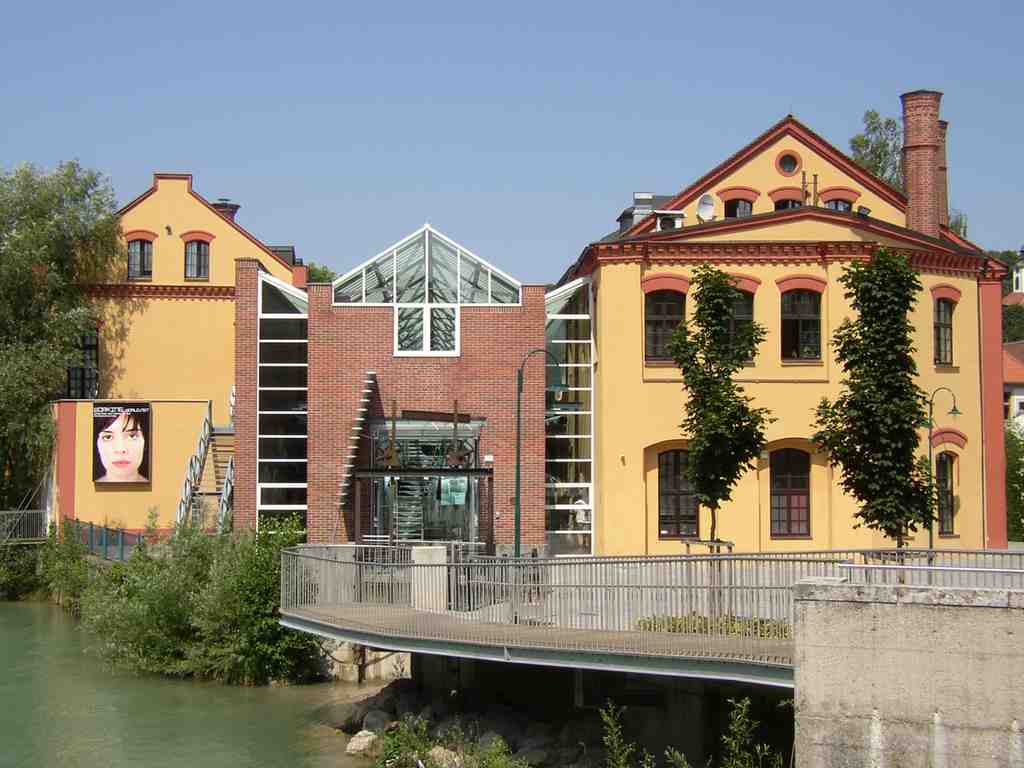
On your left is a long, pale factory-like building of brick and plaster, with straight rows of rectangular windows and a narrow tower section marking the old industrial complex.
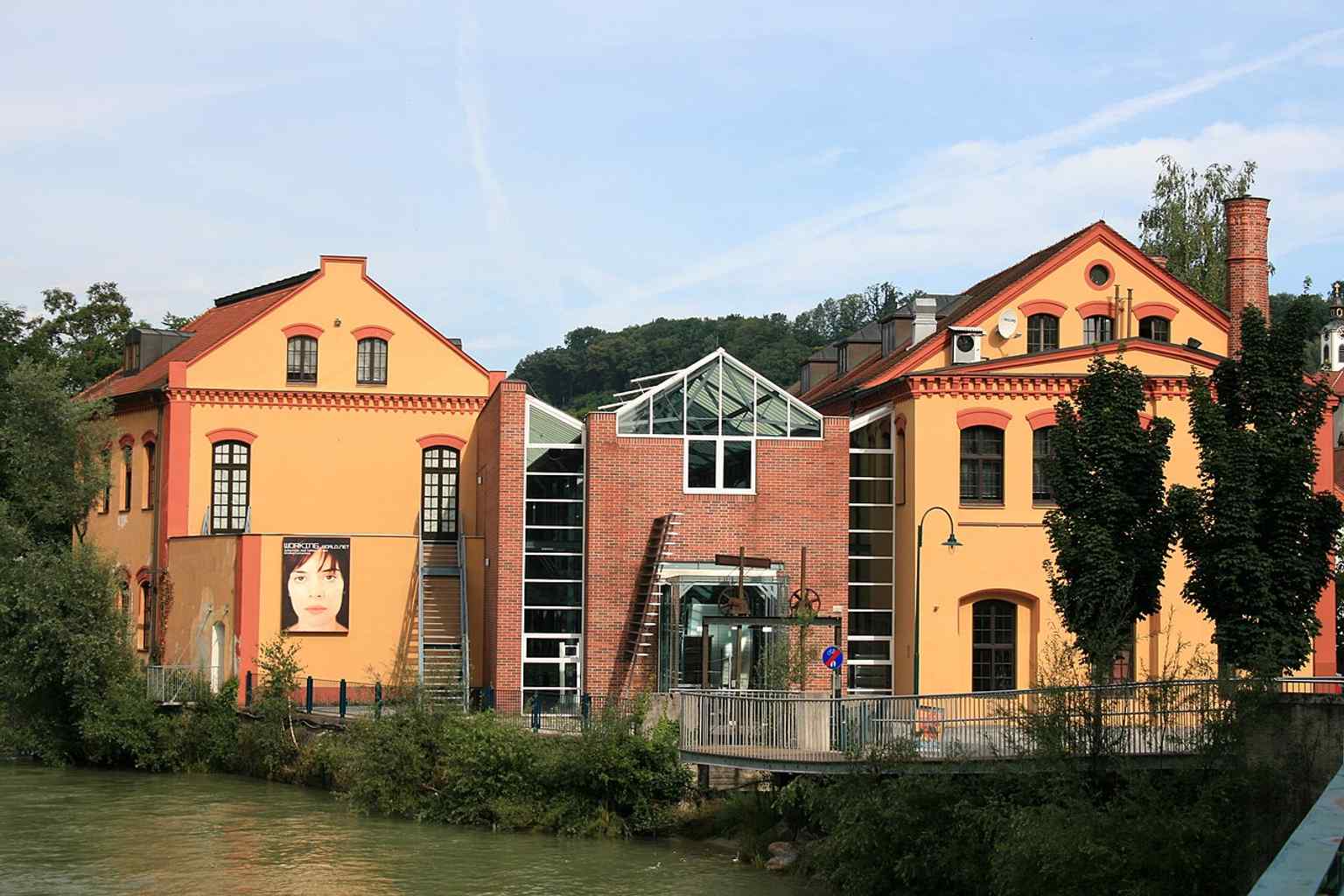
This is Museum Arbeitswelt, and I kind of love its whole attitude. It takes old nineteenth-century factory buildings by the Steyr River and says, all right... instead of making metal, let’s make conversation. The museum opened in nineteen eighty-seven for a big Upper Austrian state exhibition called Arbeit Mensch Maschine, meaning Work, Human, Machine: the road into industrial society. The spark came from industrial museums that were appearing in England in the late nineteen seventies, and Steyr ran with the idea so well that the temporary show turned into a permanent museum. Over time, it grew into an internationally recognized cultural and event center.
If you peek at your screen, you can see how those renovated factory buildings still keep their muscular industrial outline. Inside, the museum traces how work and everyday life changed after industrialization, but it never gets stuck in nostalgia. It has tackled robots, computer history, Anne Frank, migration, women at work, globalization, future food, and in twenty twenty-four an exhibition called Aufsässiges Land, about strikes, protest, and stubborn resistance. Not exactly sleepy museum stuff.
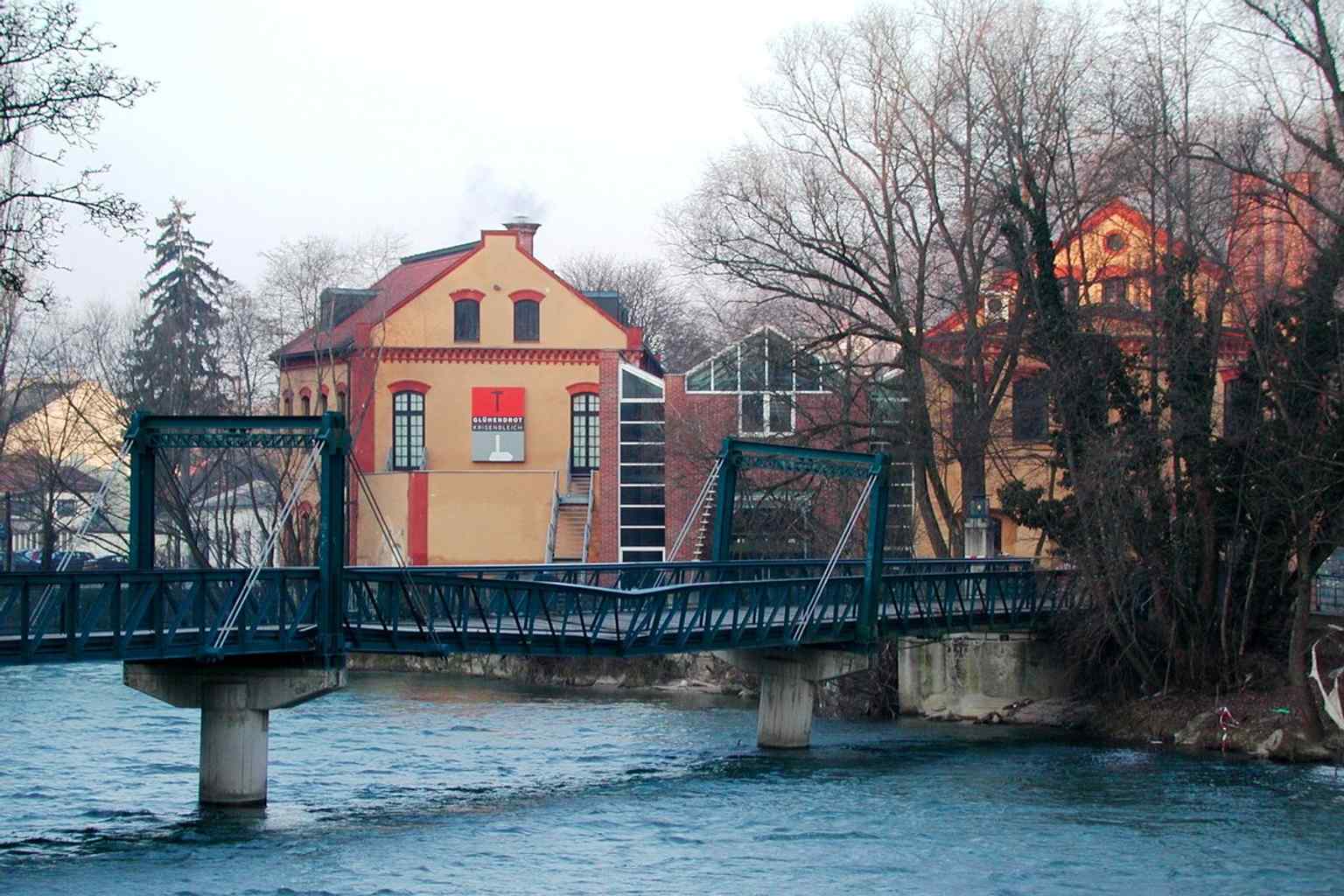
And this place has taken hits. In two thousand and two, the Steyr River flooded and destroyed the entire exhibition area. There’s a photo on your phone showing the aftermath, and the damage looks brutal. The museum rebuilt anyway, and in twenty nineteen it won the Austrian Museum Prize.
A view from after the 2002 flood damage, when the museum’s riverside setting was heavily affected and later rebuilt.Photo: Herbert Ortner, Wikimedia Commons, CC BY 3.0. Cropped & resized.
One of its strongest roles reaches beyond exhibitions: since two thousand and nine, the Politikwerkstatt, basically a hands-on civic workshop, has brought people in to wrestle with democracy, racism, migration, and participation. The museum also cares for the Stollen der Erinnerung, the Memorial Tunnel under Lamberg Castle, where a former air-raid bunker tells the story of forced labor, concentration camps, resistance, and Steyr’s Nazi past.
If you want to go inside later, it is closed Monday and Tuesday, open Wednesday through Friday from nine to five, and Saturday and Sunday from ten to five.
This place proves a factory can keep working long after the machines go quiet.
Take your time here, and when you’re ready, we can wander on to Steyrdorf.
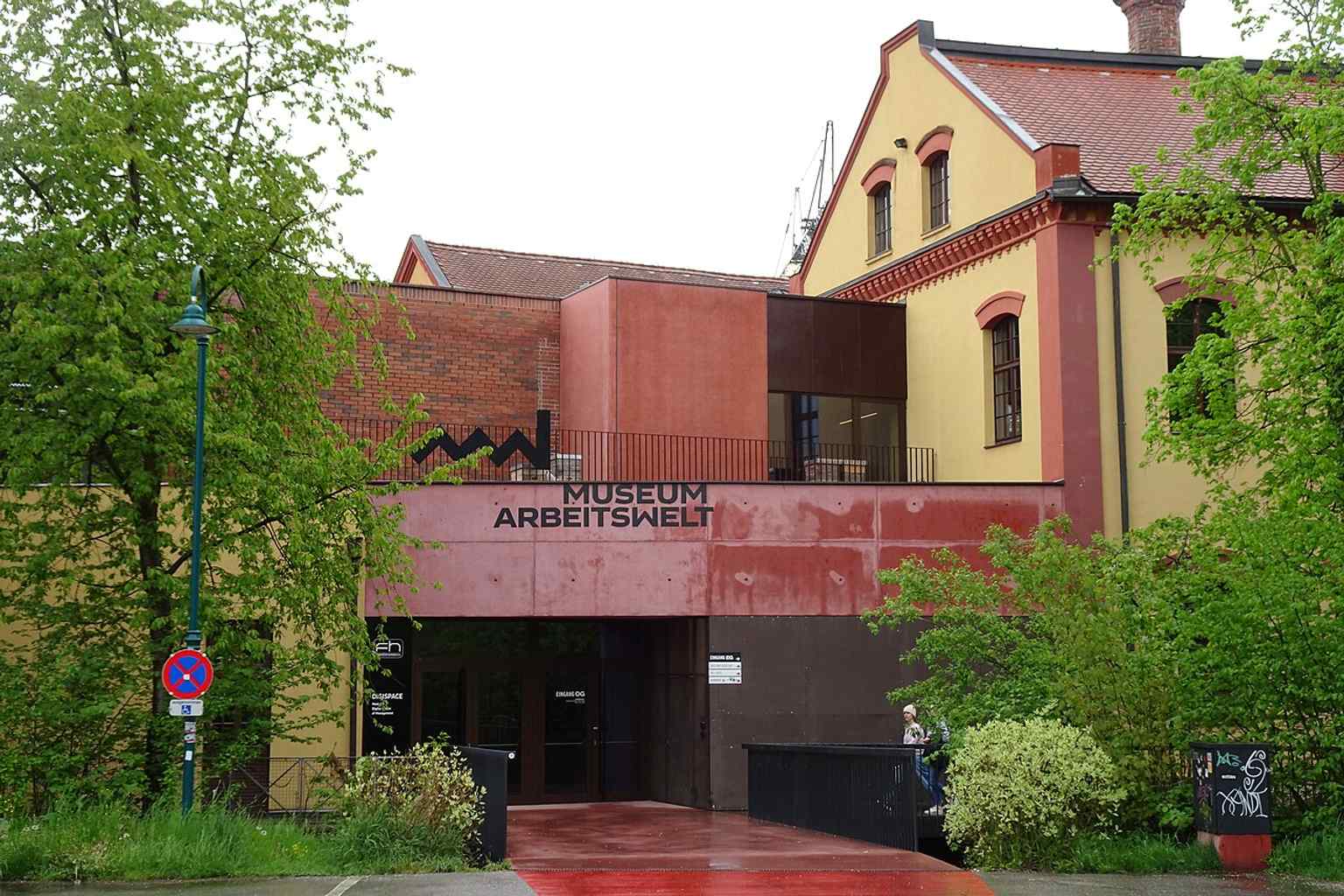
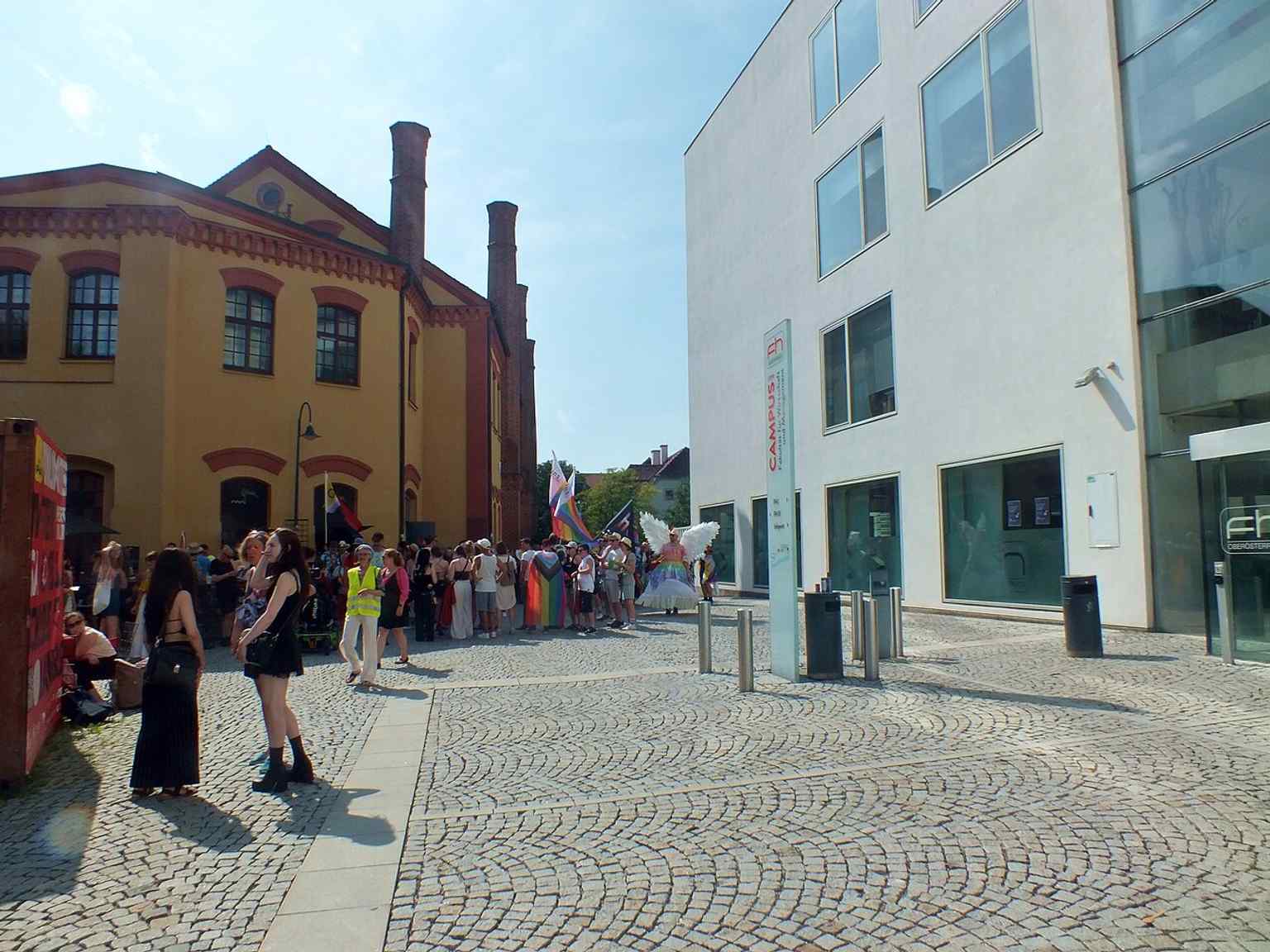
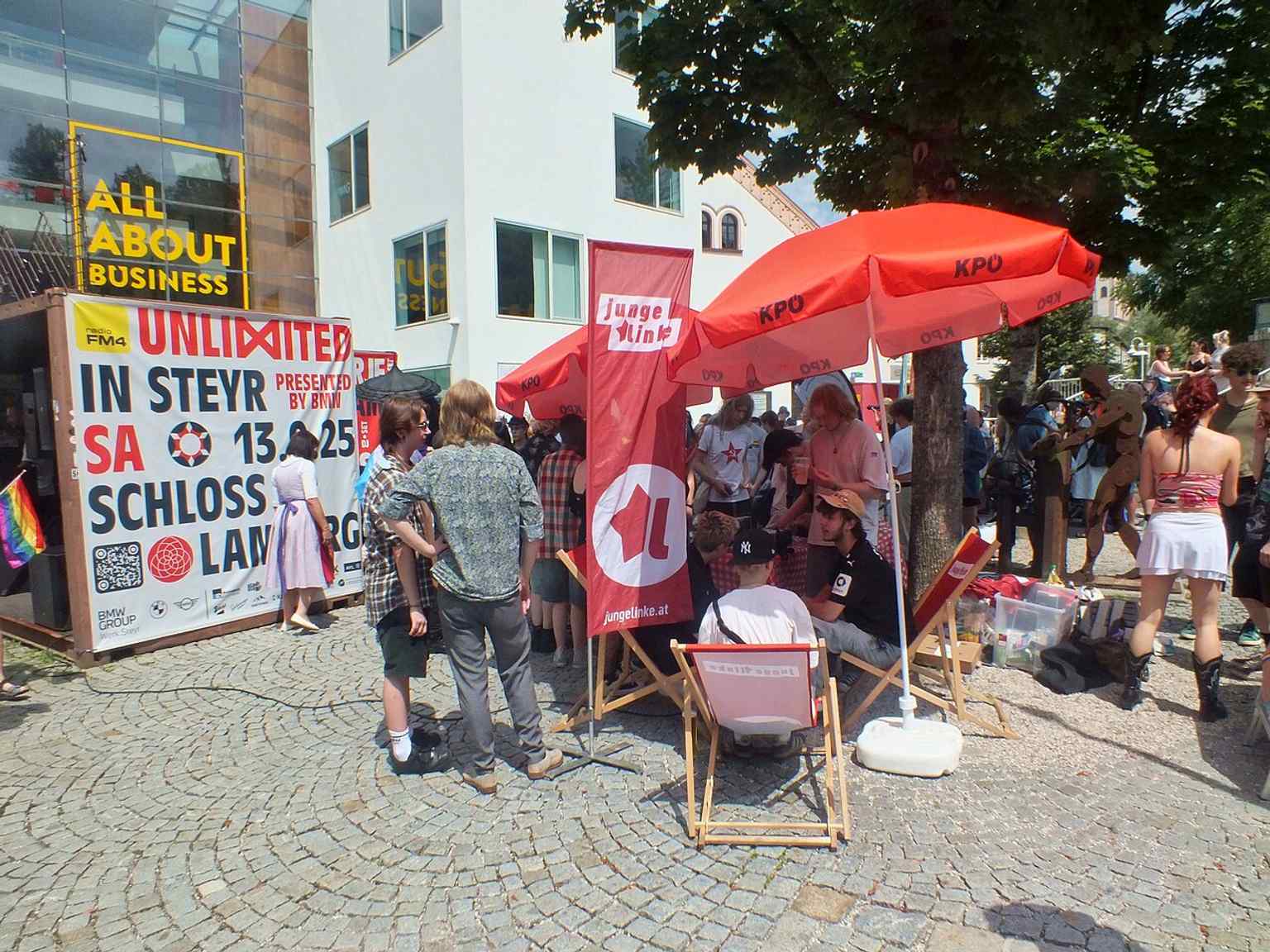
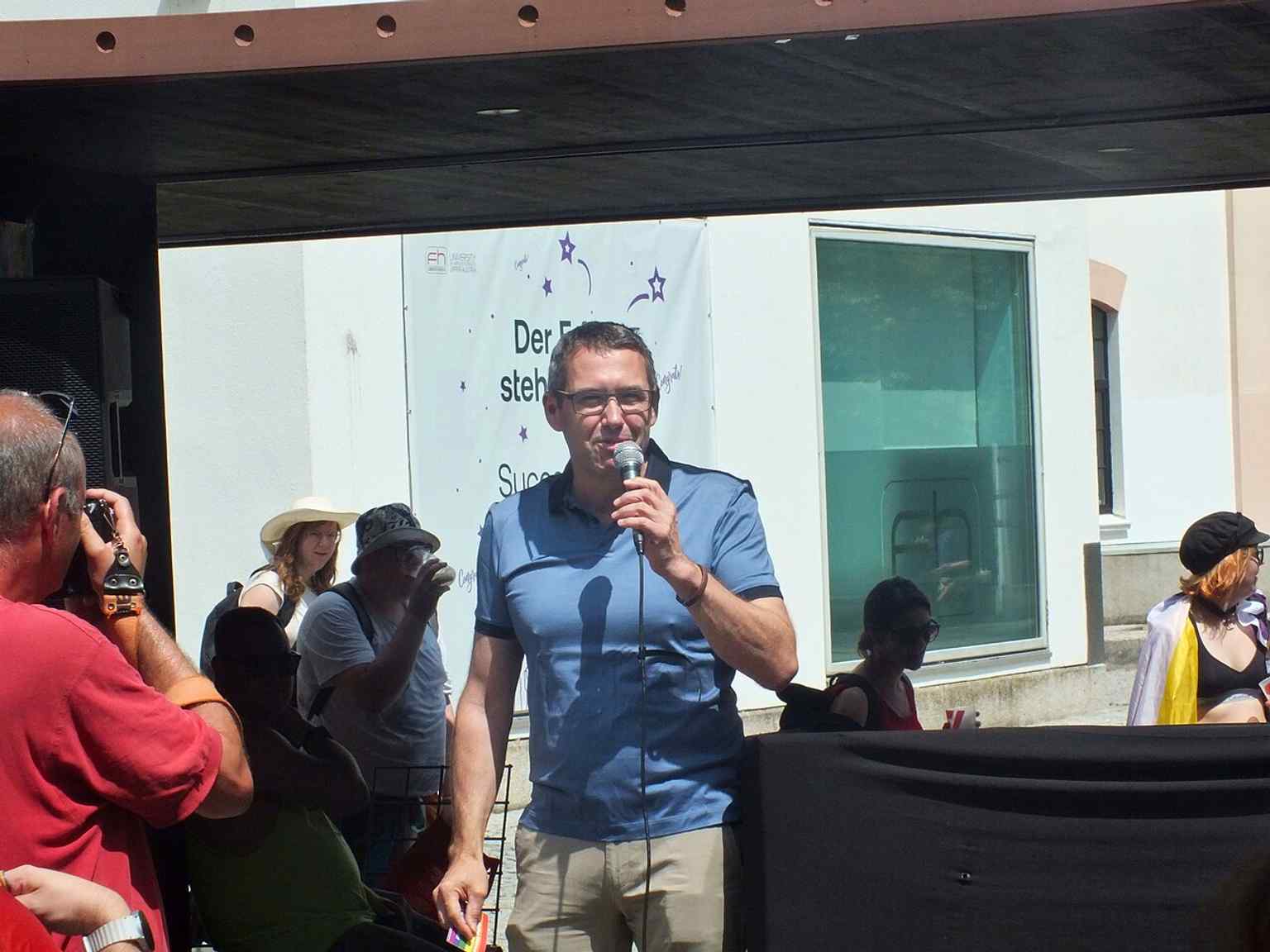
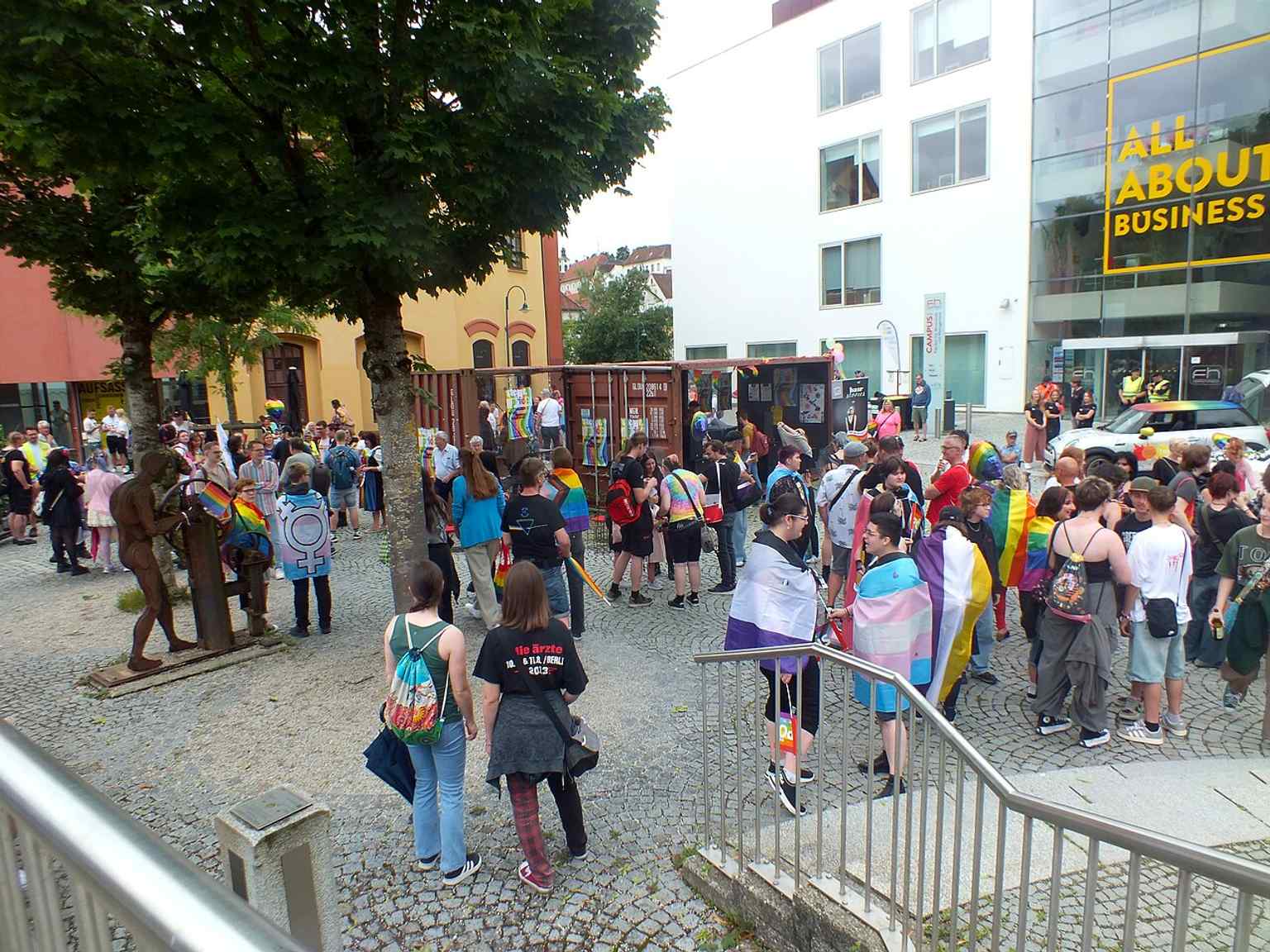
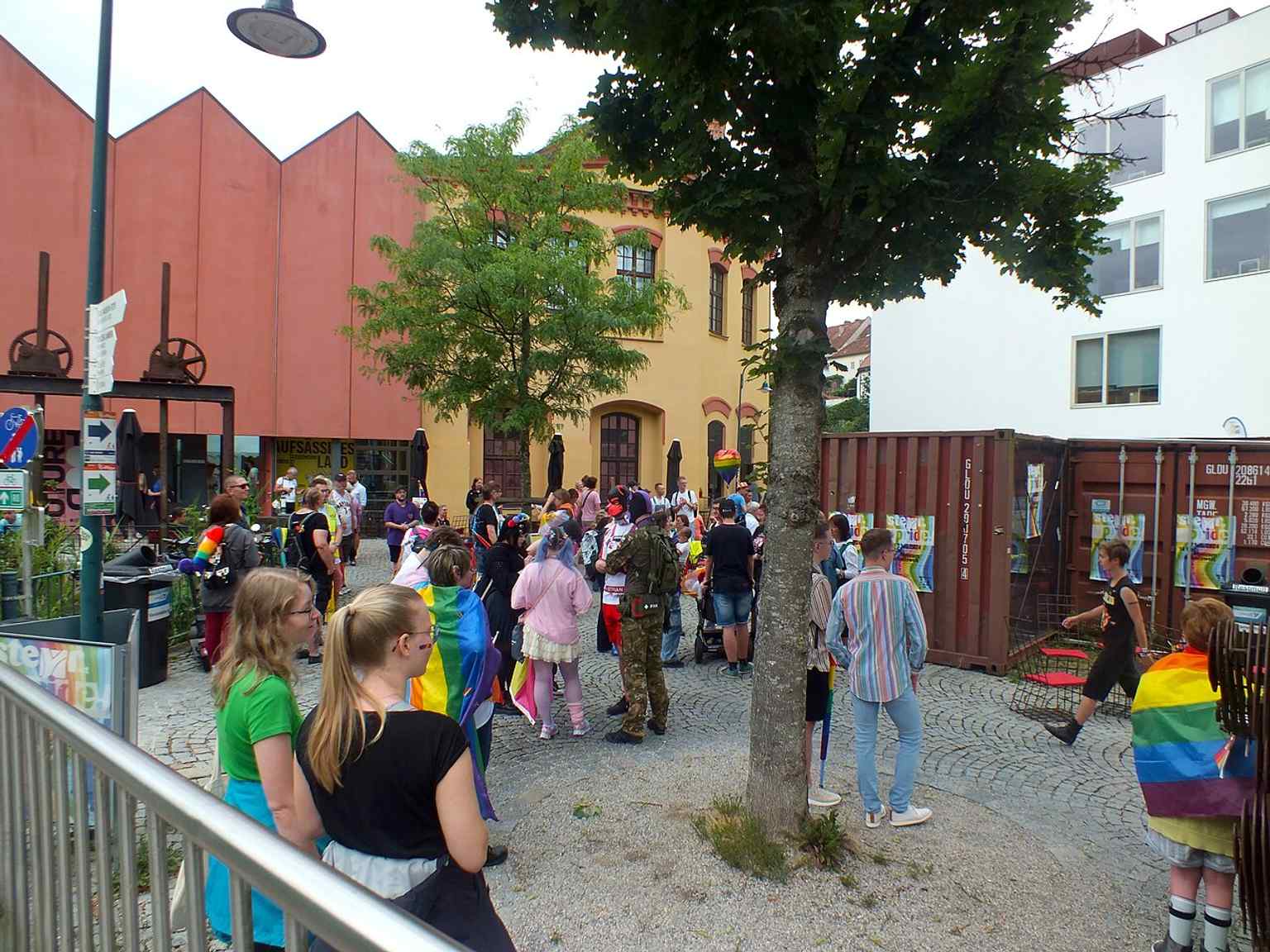
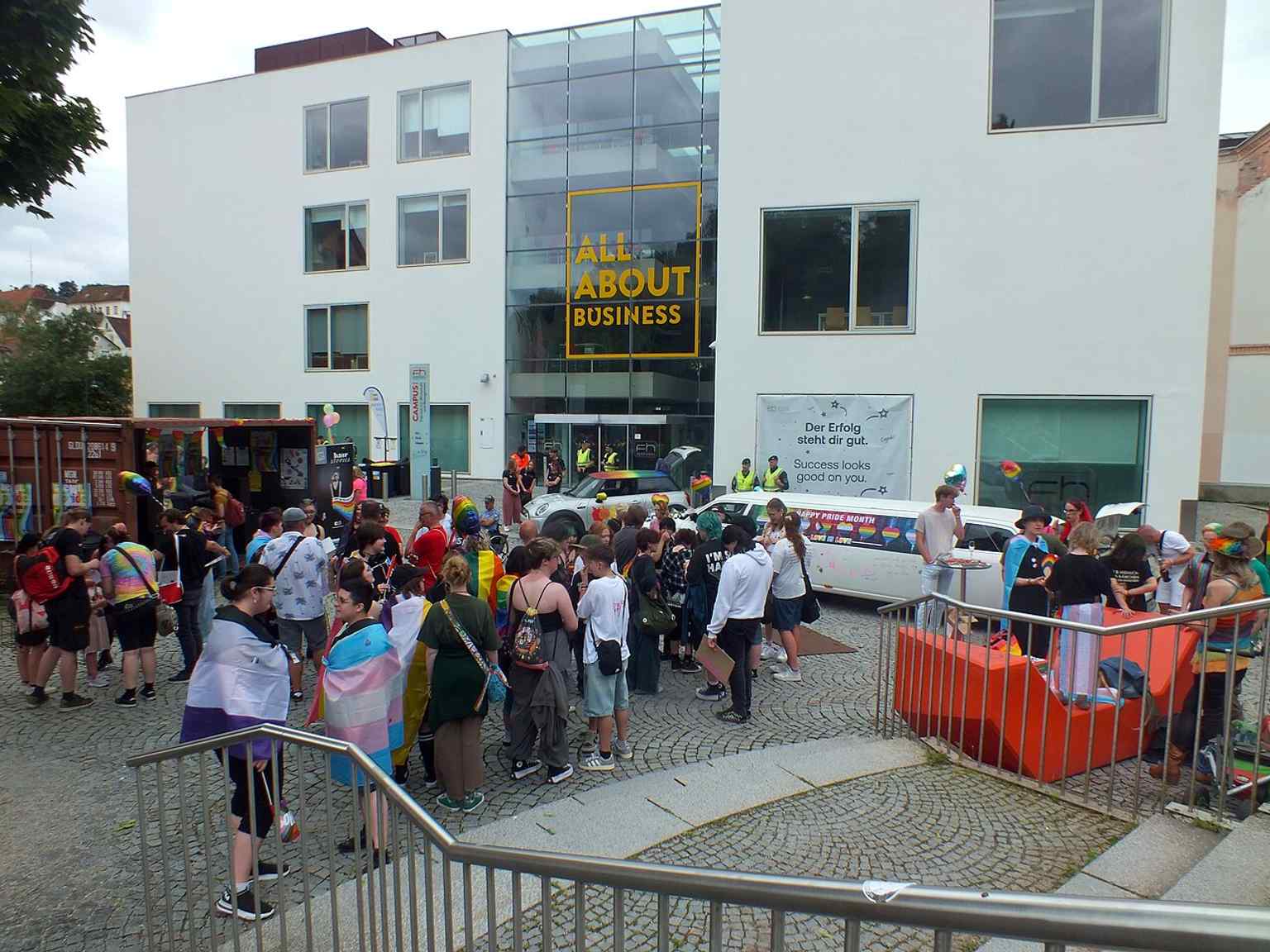
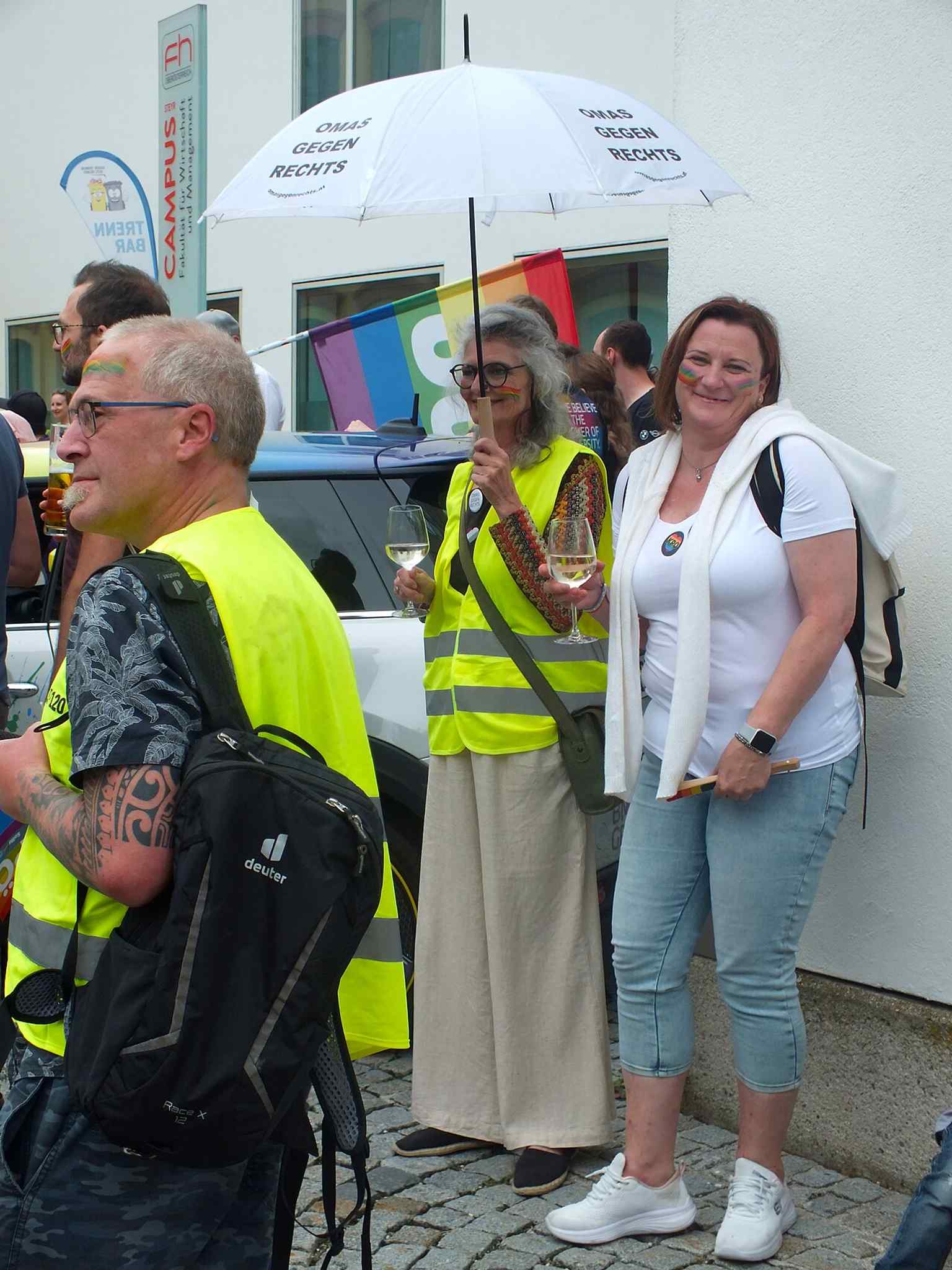
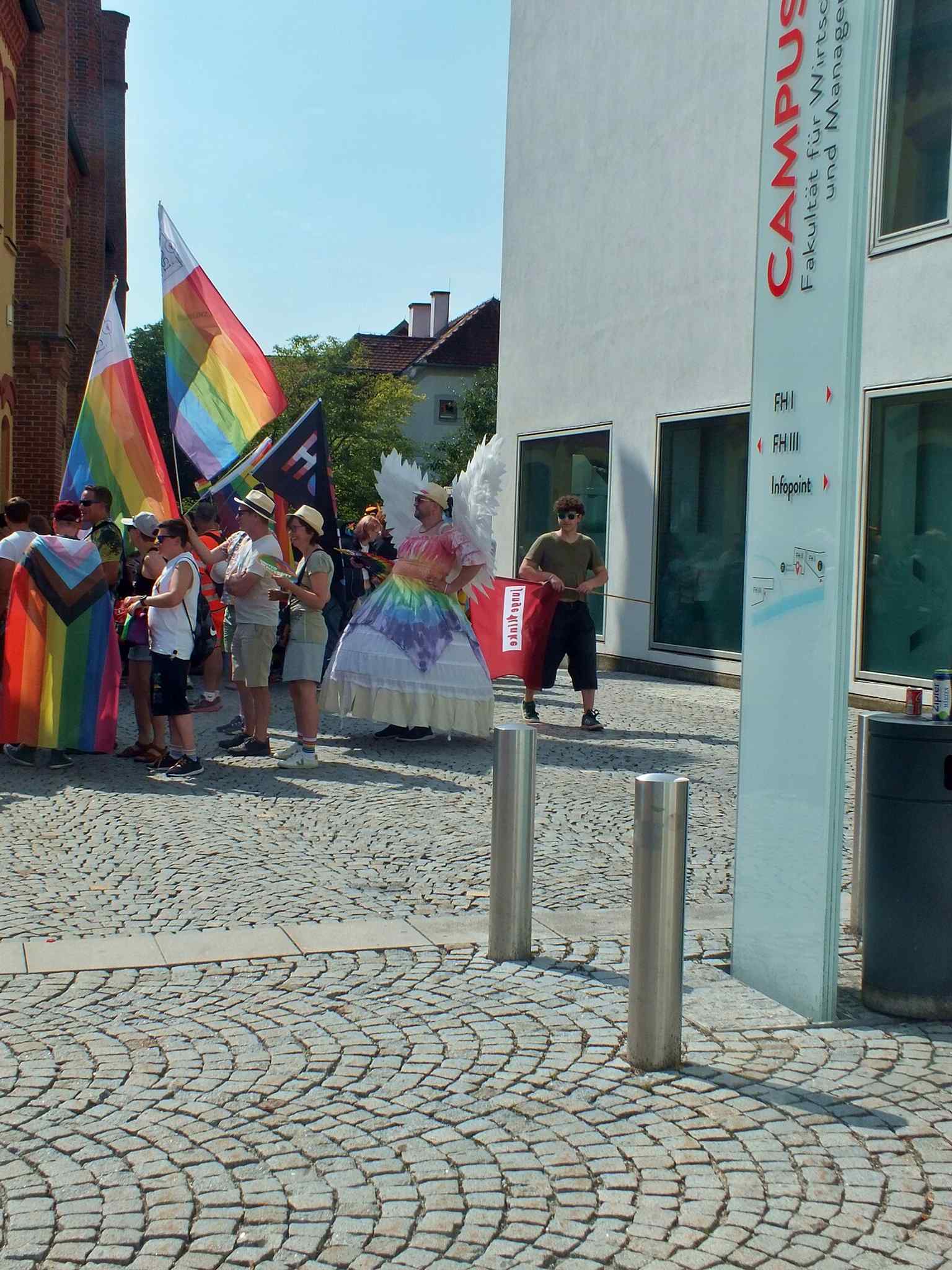
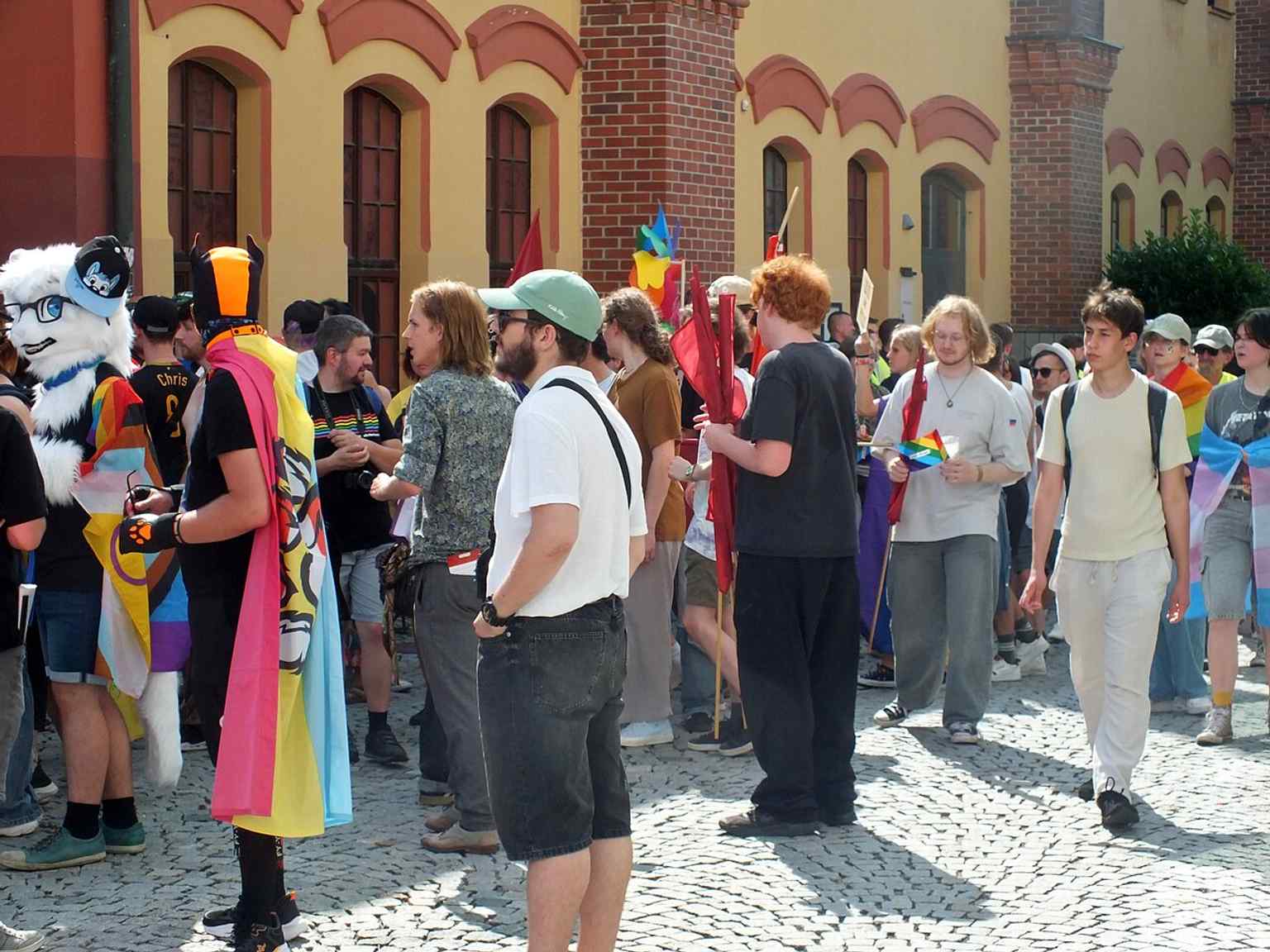
The museum’s side entrance by the river, showing the former industrial site that became a cultural center in the Wehrgraben.Photo: Clemens Mosch, Wikimedia Commons, CC BY-SA 4.0. Cropped & resized.Visitors gathering at Museum Arbeitswelt during Steyr Pride 2025, reflecting the museum’s role as a lively public forum.Photo: Miloš Hlávka, Wikimedia Commons, CC0. Cropped & resized.A Pride 2025 stand at the museum with the Communist Party of Austria, echoing the museum’s long engagement with social and political debate.Photo: Miloš Hlávka, Wikimedia Commons, CC0. Cropped & resized.Mayor Markus Vogl speaking at the museum during Pride 2025, underscoring its function as a venue for civic dialogue.Photo: Miloš Hlávka, Wikimedia Commons, CC0. Cropped & resized.A large public gathering in front of Museum Arbeitswelt, showing how the site is used for events beyond exhibitions.Photo: Miloš Hlávka, Wikimedia Commons, CC0. Cropped & resized.Another view of the 2024 Pride crowd at the museum, highlighting its contemporary role in community and participation.Photo: Miloš Hlávka, Wikimedia Commons, CC0. Cropped & resized.Festival activity at Museum Arbeitswelt, a reminder that the former factory is now an active cultural and event space.Photo: Miloš Hlávka, Wikimedia Commons, CC0. Cropped & resized.People at the museum during Steyr Pride 2024, connecting the site’s history of labour with present-day questions of democracy and inclusion.Photo: Miloš Hlávka, Wikimedia Commons, CC0. Cropped & resized.The parade ending at Museum Arbeitswelt, a strong image of the museum as a destination for public assembly and discussion.Photo: Miloš Hlávka, Wikimedia Commons, CC0. Cropped & resized.The final moments of Steyr Pride at the museum, emphasizing its role as a backdrop for civic and cultural events.Photo: Miloš Hlávka, Wikimedia Commons, CC0. Cropped & resized.arrow_back Back to Steyr Audio Tour: Castles, Cemeteries, and Stories by the River
Loved by travellers
Thousands of tours started. Plenty of opinions.
4.8 across the App Store and Google Play. Here's a few we keep coming back to.
starstarstarstarstar
This tour was such a great way to see the city. The stories were interesting without feeling too scripted, and I loved being able to explore at my own pace.
Started this tour with a croissant in one hand and zero expectations. The app just vibes with you, no pressure, just you, your headphones, and some cool stories.