
Bendigo Audio Tour: The Historic Heartbeat of Bendigo
Gold leaf shimmers atop a town hall built for empire and rebellion stirs beneath the carved iron lace of an old hotel—Bendigo is not just a city, it’s a stage for hidden drama. On this self-guided audio tour, navigate grand streets and quiet corners to uncover scandals, intrigues and tales most visitors walk straight past. What fierce showdown forced Bendigo TAFE to reinvent itself? Which secret led to the lavish gilding of Town Hall’s ceilings—and what did it cost? Why did Dame Nellie Melba demand silence from Bendigo’s proud clock tower at the Shamrock Hotel? Trace footsteps of rebels, visionaries and stars as stories spill from every facade. Watch echoes of political battles and forgotten revelries shift with the golden light. Bendigo’s secrets are waiting to catch you off guard. Uncover the city beneath the gold—start exploring now.
Tour preview
About this tour
- scheduleDuration 40–60 minsGo at your own pace
- straighten3.7 km walking routeFollow the guided path
- location_on
- wifi_offWorks offlineDownload once, use anywhere
- all_inclusiveLifetime accessReplay anytime, forever
- location_onStarts at Bendigo TAFE
Stops on this tour
As you're approaching Bendigo TAFE, you’ll want to look for a modern building with a sleek design, featuring a mix of materials like glass, bricks, and steel. The building is…Read moreShow less
As you're approaching Bendigo TAFE, you’ll want to look for a modern building with a sleek design, featuring a mix of materials like glass, bricks, and steel. The building is quite striking with horizontal slats over large windows, and you'll see the prominent "BRIT" signage on the facade, harkening back to its former name, Bendigo Regional Institute of TAFE. --- Let's dive into some fun facts about this landmark! Bendigo TAFE is more than just a pretty face in the world of education. As a regional provider of vocational education, training, and assessment services in northern and central Victoria, it has quite the heritage. The roots of Bendigo TAFE stretch all the way back to 1854! Think about it - this institution has been around longer than the invention of the lightbulb! But it hasn’t always been known as Bendigo TAFE. From 1987 to 1990, it wore the name Loddon Campaspe Institute of TAFE and then became Bendigo Regional Institute of TAFE (BRIT) from 1990 to 2009. Finally, in 2009, it adopted its current title, Bendigo TAFE. Talk about an identity crisis! Bendigo TAFE serves a whopping area of roughly 25,000 square kilometers, covering central and northern Victoria. It caters to a bustling population of around 220,000 people. That’s a lot of minds to mold! In May 2014, Bendigo TAFE decided that two heads are better than one and announced a merger with Kangan Institute from Melbourne, forming the Bendigo Kangan Institute. However, both institutes retained their unique branding to keep their individual flairs. Bendigo TAFE operates across five campuses, with three right here in Bendigo, one in Echuca, and another in Castlemaine. It's like a mini-educational empire, making sure everyone has access to quality vocational learning. So, as you stand here, you're looking at more than just a building - it's a beacon of learning, adaptation, and regional support that has been evolving for well over a century. Let's move on to our next stop and continue our journey through Bendigo's rich history!
Open dedicated page →As you walk along Bull Street, keep an eye to your left. You’ll easily spot the imposing structure of the Bendigo Town Hall. Its creamy façade and grandiose architecture dominate…Read moreShow less
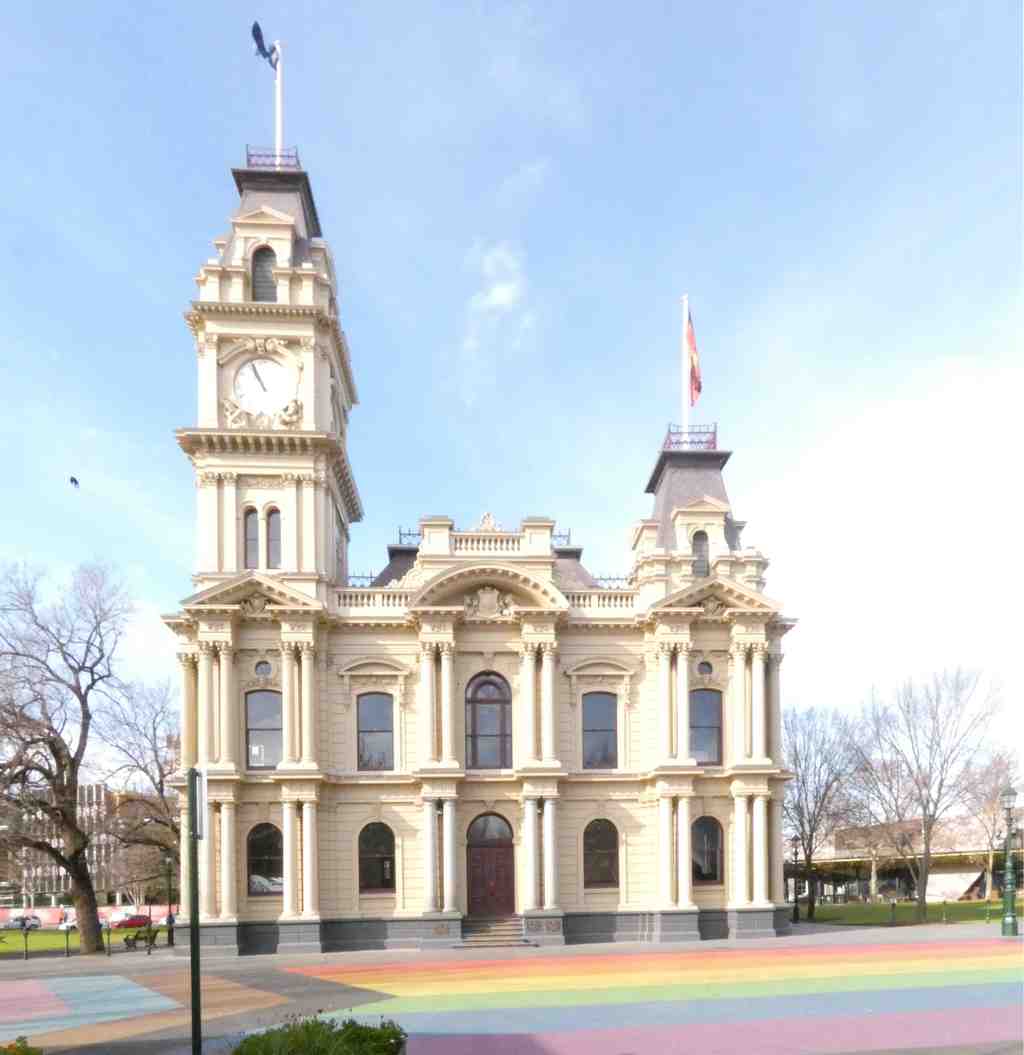
As you walk along Bull Street, keep an eye to your left. You’ll easily spot the imposing structure of the Bendigo Town Hall. Its creamy façade and grandiose architecture dominate the scene. The most prominent feature is the tall clock tower on the left side of the building, which immediately draws your attention. The building is adorned with intricate details and classical decorative elements, giving it a grandiose and historic appearance. The mansard roofs and the flag flying high add to its distinctive character. Now, let’s dive into its fascinating history. The Bendigo Town Hall, prominently located at the intersection of Bull Street and Hargreaves Street, is considered one of the finest Victorian-era Second Empire buildings in Australia. Originally designed in 1859 by Bendigo's town clerk, George Avery Fletcher, it initially included a council chamber added in 1866 and a hall for trading grain, known as the Corn Exchange, added in 1871-72. Despite its majestic architecture, the completed building wasn't a hit with the locals. Enter William Vahland, the architect extraordinaire tasked with transforming this hall to reflect Bendigo’s status as the "City of Gold". Between 1878 to 1902, Vahland gave the Town Hall a spectacular makeover, adding extensive new offices, enlarging the main hall and council chambers, and introducing an elaborate interior decorative scheme. A clock tower and mansard roofs were added to the mix. The cherry on top? The hall’s interior, designed by Otto Waschatz, featured decorative plaster adorned with 22-carat gold leaf - quite fitting for a gold-rich city! This dazzling transformation was completed in 1885, making it one of Vahland’s most significant works. After an extensive restoration and renovation program in 2003, it was returned to its 19th-century splendor, complete with restored plaster works, murals, and gold leaf. Today, the Bendigo Town Hall houses the council chambers and administrative activities of the City of Greater Bendigo. Quite the glow-up, right?
Open dedicated page →As you approach stop number 6, the Shamrock Hotel, look to your slight right. You'll notice an impressive, grand building standing proudly at the corner of Pall Mall. The hotel's…Read moreShow less
As you approach stop number 6, the Shamrock Hotel, look to your slight right. You'll notice an impressive, grand building standing proudly at the corner of Pall Mall. The hotel's facade is adorned with intricate stucco moldings and features a unique Victorian Filigree-styled double-storey wraparound iron lacework verandah. The most eye-catching feature is its towering fifth-storey mansard roof with its intricate dormer windows and flags fluttering at the top. Now, let's dive into the fascinating history of this landmark! The Shamrock Hotel, currently going by Hotel Shamrock, is a majestic 19th-century establishment located on Pall Mall, Bendigo's main street. This architectural marvel is a significant part of Bendigo's historical and streetscape tapestry. The hotel first opened its doors in 1854, originally named The Exchange Hotel, to welcome miners during the gold rush era. It even had a Cobb and Co. office and a concert hall known as the Theatre Royal. Within just a year, it became The Shamrock, and the Theatre Royal stage saw Lola Montez perform for miners who demonstrated their appreciation by tossing gold nuggets at her feet-talk about tipping in style! The Shamrock quickly became the go-to hotel, renowned for its Victorian Regency architecture and later gained an even grander facelift in 1897 under Phillip Kennedy's design, boasting its iconic five-storey Second Empire style. Over the decades, the hotel hosted many illustrious guests, including Dame Nellie Melba, who notably requested the local clock tower to hush its hourly chimes for her stay. After facing potential demolition in the 1970s, it was saved and restored, highlighting its historical and architectural grandeur. These days, Hotel Shamrock remains a favorite for events and photography, standing as one of Bendigo's prized heritage buildings. So, as you stand here, take a moment to appreciate the layers of history and stories embedded in its grand facade!
Open dedicated page →

Show 9 more stopsShow fewer stopsexpand_moreexpand_less
 4
4Bendigo Post Office
Buy tour to unlock all 16 tracksAs you approach stop number 3, keep your eyes peeled to the left side of the roundabout. You'll spot an impressive historic building with a grand clock tower! The Bendigo Post…Read moreShow less
As you approach stop number 3, keep your eyes peeled to the left side of the roundabout. You'll spot an impressive historic building with a grand clock tower! The Bendigo Post Office stands tall with its ornate details and stately columns. The clock tower reaches 43 meters high, definitely a major giveaway. Its stone facade is rich with elaborate decorations, and it really stands out from the buildings around it. Now, let’s dive into some fun facts about this remarkable place! The Bendigo Post Office, situated on Pall Mall in Bendigo, dates back to the late 19th century, built between 1883 and 1887 by the contractors McCulloch and McAlpine. The genius behind the design was Public Works architect George W. Watson, who utilized the Second Empire architectural style, meaning it’s as fancy as it sounds! Its stately neighbor is the Bendigo Law Courts, built around the same time and by the same team. One of the eye-catching features of this building is its 43-meter-high clock tower, which houses a five-bell carillon. The facade is a spectacle in itself, adorned on all four sides with intricate details. The building got a face-lift between 1978 and 1987 and functioned as a post office until 1997. Nowadays, it proudly serves as the Bendigo Tourism’s Visitor Information Centre. This isn’t just any visitor center; it’s hailed as "Australia's Grandest Visitor Centre," having won several tourism awards, including those from Victorian Tourism in 2009 and 2010, and the prestigious Qantas award for Visitor Information and Services in 2010. It got its place in the Victorian Tourism's Hall of Fame in 2011. Inside, you’ll find a spacious information area, an adjoining First Nations Gallery called Djaa Djuwima, and a Living Arts Space showcasing the region's best artists. The building itself is listed on the Victorian Heritage Register for its architectural, historical, and aesthetic significance to Victoria. So, as you stand outside, take a moment to appreciate the grandeur and history of this phenomenal building!
Open dedicated page →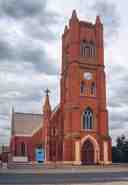 5
5St Paul's Cathedral, Bendigo
Buy tour to unlock all 16 tracksAs you approach stop number 4, St Paul's Cathedral, Bendigo, keep an eye out to your left. You'll spot a majestic tall bell tower made of beautiful red brick with stone dressings,…Read moreShow less
As you approach stop number 4, St Paul's Cathedral, Bendigo, keep an eye out to your left. You'll spot a majestic tall bell tower made of beautiful red brick with stone dressings, designed in a stunning early Gothic style. The building is crowned with a clock and pointed arches that give it a timeless and elegant appearance. Here’s a little fun tidbit about where you’re standing: St Paul's Cathedral, Bendigo, is more than just a magnificent building. It’s the cathedral church of the Diocese of Bendigo and the seat of the Bishop of Bendigo, which makes it the heart of Anglican worship in this region. The cathedral was designed by the architect Robert A. Love, and it was quite the construction project: the nave was dedicated in 1868, the bell tower in 1873, and the chancel and transepts came much later in 1927. Originally a parish church, St Paul's got a promotion in 1981 when it became the diocese’s cathedral. Constructed using striking red brick and decorated with stone dressings, it follows a simple cruciform plan with a six-bay nave, transepts, and sanctuary. Inside, prepare to be wowed by stained-glass windows, wooden sculptures, and an opus sectile that speak to its high church tradition. A fun historical nugget for you: St Paul’s peal of eight bells, cast by Mears & Stainbank of London, first rang out on Good Friday in 1873. These bells made quite the journey, arriving aboard the famous ship, the Cutty Sark. The bells, with their largest weighing 0.71 tonnes, had to be lowered due to the bell tower's instability. Look out for the 1883 organ, whose colorful pipes were given new life in the 1950s and then again in the 1990s. For a while, structural issues put quite a dampener on things-the bell tower was unstable from as early as 1880, and the entire cathedral was closed to the public from 2009 to 2016. Thankfully, it’s now fully renewed and reopened, a gem in the heart of Bendigo. So, take a moment to soak in the history and the architecture of St Paul’s Cathedral. It's a place that's been through a lot but stands proudly as a symbol of timeless endurance!
Open dedicated page →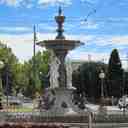 7
7Alexandra Fountain
Buy tour to unlock all 16 tracksAs you approach, keep an eye out to your left. You'll notice a large, ornate structure rising amidst the bustling intersection. The Alexandra Fountain is quite a sight with its…Read moreShow less
As you approach, keep an eye out to your left. You'll notice a large, ornate structure rising amidst the bustling intersection. The Alexandra Fountain is quite a sight with its intricate details and statues, making it stand out prominently against its surroundings. The fountain is encircled by a decorative cast-iron fence and features four allegorical female figures, lion heads, bronzed mer-horses, and dolphins, as well as an array of medallions depicting seashells, dolphins, and tridents. Now, let's dive into some history and fun facts about this beauty! The Alexandra Fountain is one of Bendigo's most prominent landmarks and monuments. It's located in the Charing Cross area, right at the intersection of View Street and Pall Mall. This location is the heart of Bendigo, making it one of the busiest and most significant intersections in the city. You'll be pleased to know that it stands just opposite the main entrance of Rosalind Park, which is perfect for a lovely stroll afterward. The fountain's creation was possible thanks to the proceeds from the Bendigo Juvenile Industrial Exhibition in 1879, along with a £500 donation from George Lansell (a significant local figure in the gold mining industry) and an additional £700 from the Sandhurst City Council. Designed by local architect William Vahland, who was quite the celebrity architect back in the day, the fountain was named in honor of Alexandra, Princess of Wales. Its grand opening on July 5, 1881, was attended by her sons, Prince Albert and Prince George - talk about royal approval! Standing 28 feet tall and sitting in a circular pool with a 50-foot diameter, the fountain is made from 20 tonnes of Harcourt granite, cast iron, and painted stone. The design is a feast for the eyes: lion head spouts, mythical creatures, and beautifully decorated medallions. The Alexandra Fountain not only celebrates the success of the goldfields and the Bendigo region but also stands as one of the largest and most ornate municipal fountains in Victoria. It embodies the opulence of the late Victorian era, with a few themes that were quite unusual for fountains at that time. In 2017, the fountain underwent a significant $350,000 refurbishment to breathe new life into it. The project included repairs and repainting of the balustrade and masonry, as well as plumbing and electrical work. So, as you stand here admiring this magnificent piece of history, just imagine the countless stories and celebrations it has witnessed over the years. Enjoy the view, and maybe take a moment to snap a selfie with one of the most stunning landmarks in Bendigo!
Open dedicated page →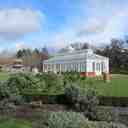 8
8Rosalind Park
Buy tour to unlock all 16 tracksAs you walk, keep an eye out for the elegant cast-iron and glass conservatory slightly to your right. It's an impressive, white structure with large, framed windows, set amongst…Read moreShow less
As you walk, keep an eye out for the elegant cast-iron and glass conservatory slightly to your right. It's an impressive, white structure with large, framed windows, set amongst well-kept garden beds and lawns. The statues and lush greenery around it make it quite eye-catching. ***Rosalind Park*** is an Australian park in Bendigo, Victoria. Before Bendigo became the bustling hub it is today, this area was a grassy woodland, surrounding what we now call Bendigo Creek. Imagine a quiet scene with pools and billabongs, serving as an important source of food and water for the Dja Dja Wrung people who lived in central Victoria. Then, the 1850s came, and with them, a gold rush that transformed the area dramatically. Bendigo became one of the richest gold mining regions in the world. In fact, from 1850 to 1900, more gold was found here than anywhere else, making it the seventh richest goldfield globally. The landscape was taken over by puddlings mills, mine shafts, and piles of mine waste. Fast forward to 1852, the area was designated as a Government Camp precinct. Picture police barracks, a courthouse, a gaol, and several government buildings all grouped together. In 1856, Joseph Panton, the local gold commissioner, had the brilliant idea of transforming the camp into a park. By 1861, 59 acres were officially reserved for the park, laying the foundation for what you see today. With a history that weaves through gold rush tales and government precincts, Rosalind Park was gradually shaped by the dedicated hands of gardeners from 1870 onwards. The park has grown to include historic features like its cast-iron conservatory - the only surviving example in a public park in Victoria - and host a variety of notable trees and plants like the Bunya-Bunya Pine, Hoop Pine, and South African Yellowwood. Some of these trees are so significant, they're listed on heritage registers! Today, Rosalind Park is a beautiful blend of history, botany, and leisure, gracefully standing as a testament to Bendigo’s rich past and vibrant present. Enjoy the stroll, and who knows, you might still find a golden nugget buried somewhere! For a more comprehensive understanding of the overview, conservatory gardens or the creek area, engage with me in the chat section below.
Open dedicated page →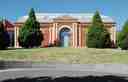 9
9Bendigo Art Gallery
Buy tour to unlock all 16 tracksYou’re now approaching the magnificent Bendigo Art Gallery, a true gem of this charming city. As you stroll along, look to your right. You’ll see a grand building with a…Read moreShow less
You’re now approaching the magnificent Bendigo Art Gallery, a true gem of this charming city. As you stroll along, look to your right. You’ll see a grand building with a classically elegant façade composed of red brick and adorned with large windows and columns. It’s framed by lush green trees that create a striking contrast, making it hard to miss! Now, let’s dive into the fun part! The Bendigo Art Gallery, founded in 1887, is one of Australia’s oldest and largest regional art galleries - talk about aging like fine wine! Initially, it cozied up in a former rifle room (Bolton Court) thanks to architect William Charles Vahland, who worked his magic in 1890. Then in 1897, it got a fancy extension by William Beebe, and in 1962 another facelift provided more space for offices and exhibitions. From 1998 to 2001, the gallery was refurbished and expanded again by Fender Katsalidis Architects, including a fantastic new sculpture gallery. So, not only can you feast your eyes on its beautiful building, but you can also enjoy an impressive collection focused on British and European Continental 19th-century painting. You’ll spot works by the likes of Ernest Waterlow and Pierre Puvis de Chavannes. Australian art, from the 19th century onwards, also shines here, featuring masterpieces by Charles Conder and Arthur Streeton. The Bendigo Art Gallery isn’t just about viewing art; it’s also about celebrating it with exciting prizes. It once awarded the Robert Jacks Drawing Prize and now offers two biennial art prizes. The Arthur Guy Memorial Painting Prize, Australia’s richest open painting prize initiated in honor of Arthur Guy, is a whopping A$50,000! Not bad for a brushstroke or two, huh? And there’s more - the Paul Guest Prize, a biennial art prize focused on contemporary Australian drawing, also calls Bendigo Art Gallery home, with a prize of A$15,000. Winners have included some incredible talents over the years. If that’s not enough, the gallery’s logo features a stunning statue, Venus tying her sandals, by Ettore Cadorin, adding a touch of classic elegance. So, take a moment, soak in the artistic vibes, and perhaps go inside to see what masterpieces and surprises await. It's a treasure chest of art and history wrapped in an iconic building. Enjoy your visit!
Open dedicated page →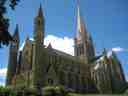 11
11Sacred Heart Cathedral
Buy tour to unlock all 16 tracksAs you continue your walk, look to your right. You should spot a towering structure with a soaring spire that looks like something straight out of a medieval fairy tale - that's…Read moreShow less
As you continue your walk, look to your right. You should spot a towering structure with a soaring spire that looks like something straight out of a medieval fairy tale - that's the magnificent Sacred Heart Cathedral. The building's intricate stone façade, flanked by multiple tall, narrow towers, is sure to catch your eye. The cathedral stands impressively with its Gothic Revival style and large stained glass windows. Sacred Heart Cathedral, Bendigo, is an Australian marvel! It serves as the Roman Catholic cathedral church of the Diocese of Sandhurst and is the seat of Bishop Shane Mackinlay. Designed in the Gothic Revival style in 1895 by the architectural firm Reed, Barnes and Tappin, this splendid structure was listed on the Victorian Heritage Register on September 4, 1997. The cathedral is one of Australia’s largest churches and the third tallest after Melbourne’s St Patrick's Cathedral and St Paul's Cathedral. For a provincial city, it’s quite grand, thanks to the generous estate of Henry Backhaus, a German who was the first Catholic priest on the Bendigo goldfields. Backhaus was a financial wizard, encouraging his goldmining parishioners to contribute to the church, which eventually allowed for this cathedral’s construction. The initial construction phase saw a large pipe organ from Bishop & Son of London installed in 1905. After quite a long break, work resumed in 1954 and the cathedral was finally completed in 1977. The later stages, designed by Bates, Smart and McCutcheon, included a lighter steel-framed spire. Standing at 75 meters (246 feet) long, with a ceiling height of 24 meters (79 feet), the main spire reaches an impressive 87 meters (285 feet) into the sky. And, if you’re here on the last weekend of October, you might witness the annual Christus Rex Pilgrimage, a 90-kilometer walk that concludes with a Solemn Mass at this very cathedral. Quite an awe-inspiring sight, wouldn't you say?
Open dedicated page →
Frequently asked questions
How do I start the tour?
After purchase, download the AudaTours app and enter your redemption code. The tour will be ready to start immediately - just tap play and follow the GPS-guided route.
Do I need internet during the tour?
No! Download the tour before you start and enjoy it fully offline. Only the chat feature requires internet. We recommend downloading on WiFi to save mobile data.
Is this a guided group tour?
No - this is a self-guided audio tour. You explore independently at your own pace, with audio narration playing through your phone. No tour guide, no group, no schedule.
How long does the tour take?
Most tours take 60–90 minutes to complete, but you control the pace entirely. Pause, skip stops, or take breaks whenever you want.
What if I can't finish the tour today?
No problem! Tours have lifetime access. Pause and resume whenever you like - tomorrow, next week, or next year. Your progress is saved.
What languages are available?
All tours are available in 50+ languages. Select your preferred language when redeeming your code. Note: language cannot be changed after tour generation.
Where do I access the tour after purchase?
Download the free AudaTours app from the App Store or Google Play. Enter your redemption code (sent via email) and the tour will appear in your library, ready to download and start.
If you don't enjoy the tour, we'll refund your purchase. Contact us at [email protected]
Checkout securely with 


