
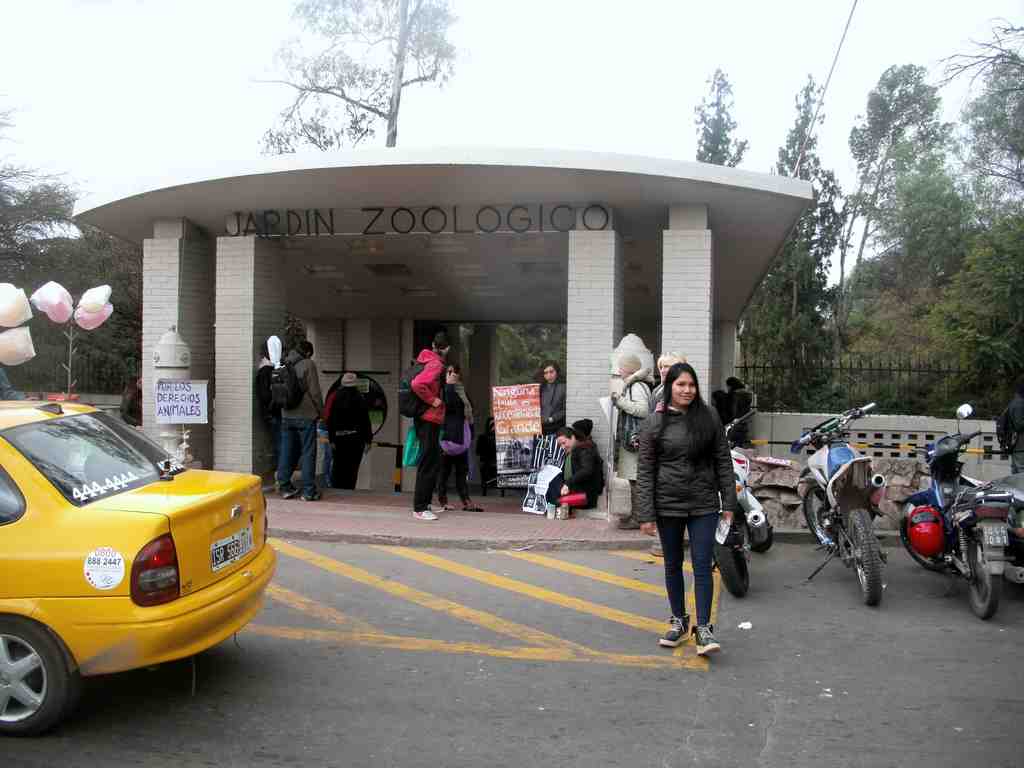
Look for the wide entrance defined by tall metal gates set against the natural rise of the limestone ravine, with the dense canopy of native trees spilling over the perimeter walls.
Welcome to a place that has completely reinvented itself! This is the Biodiversity Park. For over a century, locals knew this simply as the Zoo, but recently, the city made a bold, heart-warming pivot. They decided that the old-school model of staring at animals in cages was... well, history. Since 2020, this massive seventeen-hectare space has transformed into a sanctuary focused strictly on rescue and rehabilitation.
But the story of how this place began is wild.
Back in the early 1900s, this specific area was known as the Barranca de los Loros, or the Ravine of the Parrots. It wasn't a manicured park then; it was a rugged, shadowy canyon where a specific type of burrowing parrot made its nests in the cliffs. It also had a reputation as a hideout for "chupineros"-a local slang term for kids playing hooky from school!
Enter José Ricardo Scherer. He was a German-Argentine naturalist with a massive vision. He looked at this "shady den," as he called it, and saw the potential for a world-class attraction. He pitched the idea to the governor, aiming to turn the ravine into a landscaped jewel.
On Christmas Day, 1915, the gates threw open. It was a sensation! Scherer gave a passionate speech about transforming a place of "malevolent beings"-he meant the truant kids-into a delightful garden. The design utilized the barrancas, those steep natural cliffs, to create vertical enclosures. They even installed a "Lilliputian train"-a miniature railway that chugged through the park tunnels-and the famous Eiffel Wheel you just visited was actually a star attraction located right here inside these grounds for decades.
However, the animal habitats were very Victorian.
That means small cages, concrete floors, and heavy iron bars. They wanted to show off lions, tigers, and elephants in the middle of the city. While it was a marvel for 1915, by modern standards, it became problematic. In later years, as private companies took over, the focus drifted toward entertainment, with sea lion shows and non-native species. There were even issues with wild dogs from the surrounding park sneaking in to attack the exhibits, or animals escaping their enclosures!
That is why the recent change is so significant.
When it reopened in 2023, the philosophy shifted to "respectful contemplation." The park stopped buying exotic animals for show. Now, it acts as a rescue center for wildlife seized from illegal trafficking. They are turning those old, concrete cages into healing spaces for native species from the Córdoba mountains. It is a powerful example of how our relationship with nature has matured from domination to care.
Take a moment to appreciate how this rugged ravine has evolved from a truant’s hideout to a sanctuary for healing. When you are ready to move on, we can head toward the avenue for our next stop.




