
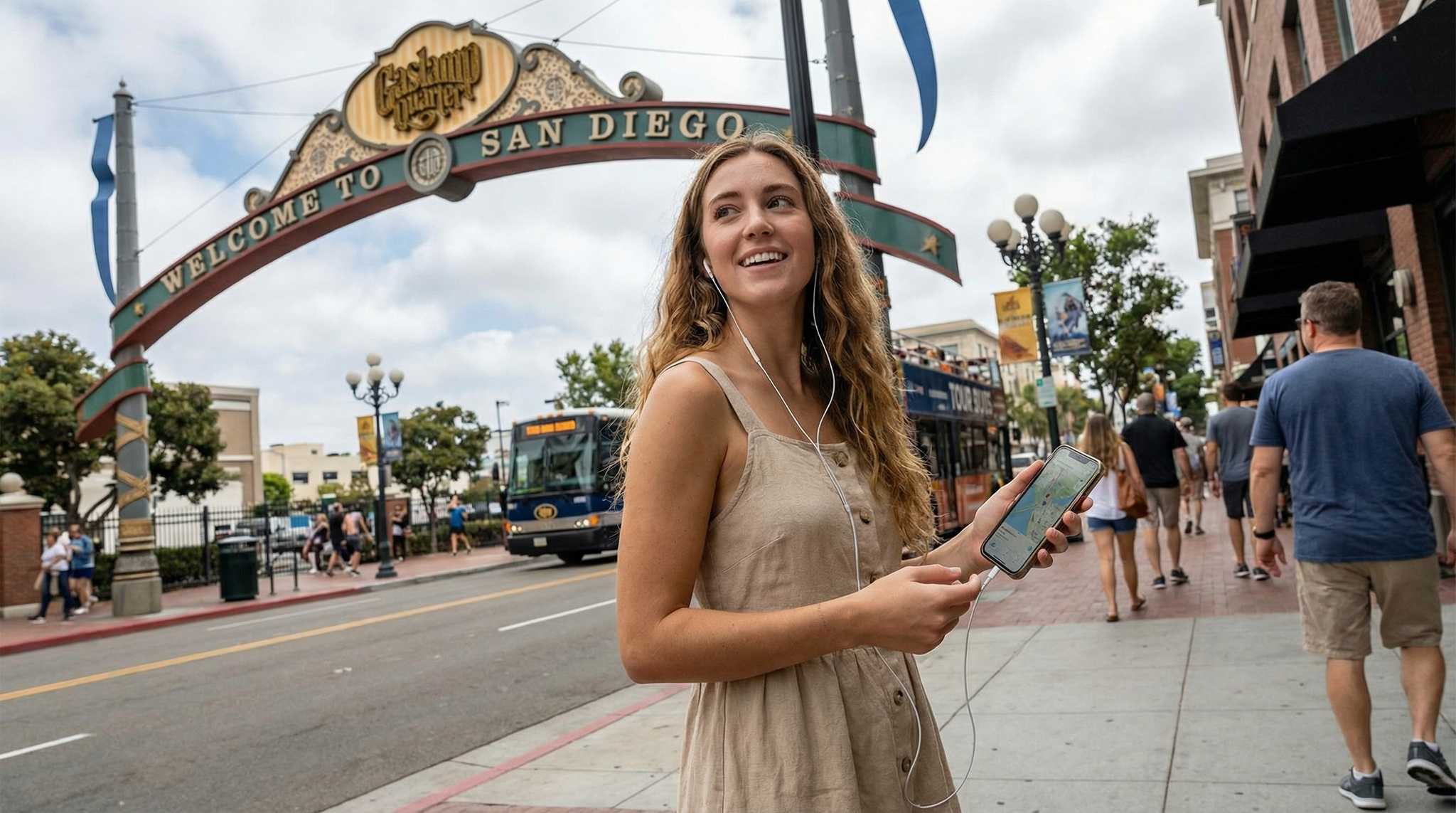
Wycieczka audio po San Diego: Kroniki ukrytych skarbów Gaslamp
Łososiowo-różowy narożnik mieni się w cieniu palm, podczas gdy szepty dymu cygarowego i śmiech sprzed wieku unoszą się nad ruchliwymi ulicami San Diego. To nie jest miasto, które widzi większość turystów. Wybierz się na wycieczkę audio z przewodnikiem, która odsłania tętniące życiem warstwy centrum, ujawniając sekrety ukryte w śmiałych hotelach, okazałych granitowych bankach i owianych historią ceglanych fasadach. Kto przetrwał piekło, które obróciło Horton’s Hall w popiół? Jaki skandal zmienił lśniący bar ostrygowy w centrum dla banitów i legend? Dlaczego nauczyciele temperowali ołówki w tych samych murach, w których później rodziły się ikony surfingu? Podążaj krętymi uliczkami i zalanymi słońcem alejami, odkrywając zapomniane bunty, głośne przekręty i fale przemian, które wciąż kształtują duszę San Diego. Odkrywaj miasto na nowo z każdym krokiem – każdy budynek kryje napięcie za szybami swoich okien. Posłuchaj teraz i pozwól San Diego ujawnić to, co naprawdę pamięta pod swoimi barwnymi zakątkami.
Podgląd trasy
O tej trasie
- scheduleCzas trwania 40–60 minsIdź we własnym tempie
- straighten1.4 km trasy pieszejPodążaj wyznaczoną trasą
- location_onLokalizacjaSan Diego, Stany Zjednoczone
- wifi_offDziała offlinePobierz raz, korzystaj gdziekolwiek
- all_inclusiveDożywotni dostępOdtwarzaj ponownie w dowolnym momencie
- location_onStart przy Hotel Paris
Przystanki na tej trasie
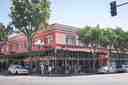
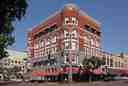
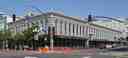
To spot the Paris Hotel, look for a bold, salmon-pink corner building at 759 4th Avenue, with big windows on the second floor and shops tucked under a black awning at street…Czytaj więcejPokaż mniej
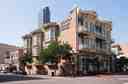
To spot the Paris Hotel, look for a bold, salmon-pink corner building at 759 4th Avenue, with big windows on the second floor and shops tucked under a black awning at street level-right where palm trees throw dappled shadows onto the sidewalk. Welcome to the Paris Hotel, a place with a history as rich as its color! Imagine the year is 1910-horses and buggies clatter down these brick streets, and this very corner is buzzing with travelers looking for a place to rest their heads. Back then, this was the Washington Hotel. Picture yourself, suitcase in hand, smelling the ocean breeze mixed with a whiff of cigar smoke as you step inside, hoping they’ve got a room left. You’d find accommodations that felt cozy, even if you had to share a bathroom and say hello to your hallway neighbor in your slippers! No fancy elevators, but twice a week the friendly staff would whisk through and tidy up, keeping everything neat for the parade of guests-from businessmen in starched collars to mystery writers with wild stories. Later, the hotel changed its name to the Paris Hotel-maybe to add a dash of romance or worldliness to its charm. Today it stands proud, owned by DRA Enterprises, with its salmon-red face watching San Diego grow busier by the year
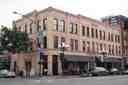
Otwórz dedykowaną stronę →To spot the George Hill Building, look for a large, three-story tan-brick building right on the corner of F Street, with big rectangular windows and a row of black awnings along…Czytaj więcejPokaż mniej
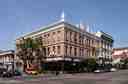
To spot the George Hill Building, look for a large, three-story tan-brick building right on the corner of F Street, with big rectangular windows and a row of black awnings along the ground floor. Now, let me take you back to 1897-imagine the streets bustling with horse-drawn carriages and merchants calling out their daily deals. The George Hill Building rose from the ashes, quite literally, replacing Horton’s Hall after a fire left a bitter mark. The new building wasn’t shy; it offered five big storerooms on the first floor-perfect for shopkeepers dreaming big-and thirty upstairs offices buzzing with ideas. Not long after, students hustled up the stairs each morning, because the early days of San Diego State University made their home right here. Back then it was called the San Diego Normal School, where future teachers sharpened their pencils and maybe their jokes, too-Hey, even teachers need a laugh! Fast forward to the roaring twenties and the whole place was topped with caps-literally! The Ratner Cap Manufacturing Company, the fifth largest in the country, filled these rooms with the tap-tap-tap of sewing machines and the chatter of busy workers. They even bought the rights to the Hang Ten logo, so you can thank this very building for those iconic footprints you sometimes see on surf gear today. Not bad for a spot that started with a fire, huh?
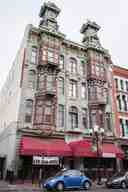
Otwórz dedykowaną stronę →To spot the Louis Bank of Commerce, look for the grand, gray stone building with two eye-catching towers on the roof and red-trimmed bay windows right ahead of you on 5th…Czytaj więcejPokaż mniej
To spot the Louis Bank of Commerce, look for the grand, gray stone building with two eye-catching towers on the roof and red-trimmed bay windows right ahead of you on 5th Avenue. Now, get ready for a story that’s got more twists than a spaghetti western! Standing here, imagine you’re back in 1887. The street is loud with horse-drawn carriages and the sharp clack of boots on granite. This isn’t just any old stone, either-this was San Diego’s very first granite building, crafted on the East Coast, hauled all the way around Cape Horn by ship! Just think: before this building even touched San Diego dirt, it had already survived an epic sea journey-talk about traveling in style! With its ornate towers and mighty stone face, the Louis Bank of Commerce was the fanciest address on the block. But after the bank closed in 1893, Isidor Louis knew that money wasn’t the only thing people wanted around here… they wanted oysters! He opened an oyster bar inside, crisp shells popping and laughter echoing out the doors. Rumor has it, the Wild West legend Wyatt Earp himself became a regular-maybe you would’ve found him sizing up a dozen oysters or spinning a tale that grew wilder with every retelling. Somewhere in the air, you can almost catch the tang of salt and the low hum of conversation from a night long ago. Welcome to the scene where old San Diego comes back to life!
Otwórz dedykowaną stronę →
Pokaż jeszcze 12 przystankówPokaż mniej przystankówexpand_moreexpand_less
Look on the corner where Fifth Avenue meets F Street, and you’ll spot a grand, five-story red brick building with rounded windows, topped by the name “Geo. J. Keating” and the…Czytaj więcejPokaż mniej
Look on the corner where Fifth Avenue meets F Street, and you’ll spot a grand, five-story red brick building with rounded windows, topped by the name “Geo. J. Keating” and the year 1890 carved above. Now, let me whisk you back to the Gaslamp Quarter of 1890! Imagine the city buzzing with horse-drawn carriages and sharp-dressed businessmen craning their necks at this mighty Romanesque Revival building, the Keating. Back then, this was the height of modern luxury-steam heat and a gleaming wire cage elevator that would rattle and clang as office workers rode up and down. George J. Keating designed it himself, but the poor guy didn’t live to see it finished; it was completed by the famous Reid Brothers. The corner you’re facing once held the San Diego Savings Bank, serving up a sense of security along with its vault-rumor has it the old bank safe still snoozed in the building as late as 1980! Flash forward: Italian design house Pininfarina pulled off a dramatic redesign, and by 2007 the Keating wasn’t just a building-it was a hip luxury hotel. Then came 2012, when TV’s most famously fiery chef, Gordon Ramsay, swooped in for Hotel Hell, probably making more noise than the old elevator! Take a moment to soak in those brick arches and imagine all the secrets these walls have heard-if only that old safe could talk!
Otwórz dedykowaną stronę →To spot the Loring Building, just look for the big white-brick structure with large rectangular windows and a metal fire escape climbing its face, right in the middle of this…Czytaj więcejPokaż mniej
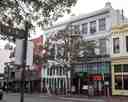
To spot the Loring Building, just look for the big white-brick structure with large rectangular windows and a metal fire escape climbing its face, right in the middle of this colorful row on 5th Avenue. Alright, welcome to the Loring Building, the pride of 1873! Picture this: it's the wild west days of San Diego. Men tip their hats, horses clop past on muddy streets, and this new, shiny Modern Renaissance building appears, daring the old wooden shacks around it to keep up. With its sturdy brick bones and steel muscles, it was basically a superhero among buildings back then. Can you imagine the sound of a horse-drawn carriage rattling by? The shopkeepers below would shout out today’s deals, while up above, ambitious dreamers peered down through those wide windows, planning their next big idea. But here’s the twist: the fire escape you see zigzagging up the front? Rumor has it, back in the day, it was sometimes used not just for emergencies… but for a sneaky escape or two when someone forgot to pay their dinner bill! So, while the building looks calm and collected now, it’s actually survived decades of ruckus, reinvention, and more than a few escapes. If these old bricks could talk, imagine the secrets they’d spill!
Otwórz dedykowaną stronę →To spot the Cole Block Building, look for a tall, corner brick building with white decorative trim and a pointed tower-like feature on its corner, right where 5th Avenue meets the…Czytaj więcejPokaż mniej
To spot the Cole Block Building, look for a tall, corner brick building with white decorative trim and a pointed tower-like feature on its corner, right where 5th Avenue meets the bustling street. Now imagine it’s 1892-you’re in the lively heart of San Diego’s Gaslamp Quarter. Picture the clip-clop of horses trotting past on Fifth Avenue and the gentle hum of gas lamps lighting the evening. The Cole Block Building rises grandly at the corner, its sturdy bricks and tall windows promising a bit of class among the wild western scene. As you stand here, you can almost smell the freshly baked bread from the restaurant, La Strada, which has warmed souls inside these walls for years. Rumor has it that back in the day, hungry travelers and adventurous locals would gather in the Cole Block for a meal, sharing tales of gold rushes and railroad dreams over steaming plates. Every scratched floorboard and echoing footstep was a tiny chapter in the building’s story. So, next time you pop by for a bite, listen closely-the walls just might whisper a flavorful secret from San Diego’s past. Now, that’s a recipe for adventure!
Otwórz dedykowaną stronę →To spot the Casino Theatre, look for the bold Art Deco marquee with bright blue lines and big golden letters that now read “Ghirardelli” right above a striped awning at street…Czytaj więcejPokaż mniej
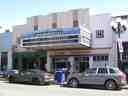
To spot the Casino Theatre, look for the bold Art Deco marquee with bright blue lines and big golden letters that now read “Ghirardelli” right above a striped awning at street level. Imagine it’s 1913: the streets buzz with footsteps and excited chatter, and the new Casino Theatre’s grand lights blink on for a big night out. Back then, you’d come here for vaudeville acts and silent movies-picture fancy hats, swirling cigarette smoke, and the creak of velvet seats as everyone waits for the show to begin. In the 1930s, the building got a snazzy Art Deco makeover; suddenly, sleek geometric lines and chrome sparkled in the California sun, making every visit feel glamorous. Decades later, the ‘70s rolled in with even more surprises when the Pussycat Theatre moved in-let’s just say the shows here became “a little less silent and a lot more risqué!” Eventually, the Casino Theatre was preserved and transformed along with the whole Gaslamp Quarter, and since 2012, you can now walk in for a swirl of chocolate and the sweet scent of waffle cones. From wild nights to hot fudge sundaes, this place has been delighting audiences of all kinds for over a century! Don’t forget to treat yourself-after all, history’s never tasted so sweet.
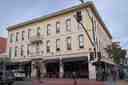
Otwórz dedykowaną stronę →To spot the Backesto Building, look for a long, grey historic corner building with tall, white-trimmed windows running along both sides, right at the busy intersection by the…Czytaj więcejPokaż mniej
To spot the Backesto Building, look for a long, grey historic corner building with tall, white-trimmed windows running along both sides, right at the busy intersection by the Fifth Avenue street sign. Alright, get ready for a little time travel! Standing before you is the Backesto Building, built way back in 1873-a time when horses outnumbered cars, and the sound of hammers and saws filled the San Diego air. Imagine John Backesto, the man behind it all, bursting with ideas and determination. He wanted to make a mark, and boy, did he ever-this place has survived fires, fancy parties, and fashions more questionable than my dad’s old disco socks! Picture this street packed with Victorian-era folks, dusty boots stomping the wooden sidewalks as the sun bakes down on fresh stucco. The clinking of glasses and laughter from a saloon might echo down the block, while shopkeepers sweep their doorsteps, hoping for customers with pockets full of gold dust. Now, as you look up at that grand row of windows, imagine all the stories held behind them-deals struck, secrets whispered, and maybe even a dance or two. And just think, you’re standing where San Diego’s wild, bustling spirit was carved into the city brick by brick. So give Mr. Backesto a silent tip of your hat-he helped build the Gaslamp’s charm you’re exploring today!
Otwórz dedykowaną stronę →To spot the Lewis Brick Block, just glance to your right for a tall, bright red-brick building with big arched windows and a colorful “my yogurt” sign above the entrance at 538…Czytaj więcejPokaż mniej
To spot the Lewis Brick Block, just glance to your right for a tall, bright red-brick building with big arched windows and a colorful “my yogurt” sign above the entrance at 538 5th Avenue. Welcome to the lively Lewis Brick Block, once the Stingaree Hotel-back when San Diego’s streets were filled with rowdy saloons, smoky cigar shops, and mysterious visitors. Imagine it’s 1885, you’re standing here, and the scents of tobacco and fresh bread float through the air as Joseph Hensley’s cigar shop gets busy downstairs. Crowds would wander in and out, some seeking a sharp new hat or a billiard game, others hunting rumors about what really happened last night upstairs. Through the decades, the old brick walls soaked up every riotous echo: fiery preachers from the Lighthouse Revival Center booming from the doorway, laughter from boisterous billiard halls, and, eventually, kids begging their parents for frozen yogurt. Can you picture it? This sturdy Victorian building has hosted its fair share of wild stories-maybe even a scandal or two. And just think, every window and brick still hears the hum of the past, even today. So next time you grab a sandwich or a frozen yogurt here, remember: you’re sharing your snack with over a century of secrets and shenanigans!
Otwórz dedykowaną stronę →Look to your left for a big cream-colored building with tall windows, black awnings, and a little balcony above the entrance at the busy corner of 5th Avenue and Market…Czytaj więcejPokaż mniej
Look to your left for a big cream-colored building with tall windows, black awnings, and a little balcony above the entrance at the busy corner of 5th Avenue and Market Street. Welcome to the McGurck Block, built way back in 1887-when the streets were a bit dustier, the horses had right of way, and San Diego was bursting with possibility. Imagine yourself stepping out of a rattling stagecoach, right here in front of this sturdy, elegant building. Back then, the McGurck Block was the height of modern style, with its tall arched windows and grand balconies where you could lean out and watch all the Gaslamp action below. Rumor has it, this corner was a magnet for business deals, gossip, and a fair bit of friendly (and maybe not-so-friendly) competition between local merchants. Picture old-timey shopkeepers calling out specials, the smell of fresh bread wafting from nearby bakeries, and a parade of top hats and bustle skirts strutting past-the kind of place where if you stood still too long, someone might just recruit you into their next big venture! Standing here today, you’re part of the continuing hum of this legendary spot-where history isn’t just in the bricks, but in every whispered secret and hearty laugh that traveled these sidewalks. How’s that for a corner with character?
Otwórz dedykowaną stronę →To spot the Broker's Building, look for a large cream-colored building with blue trim on the corner of Market Street-it has three stories of tall, arched windows and a flag waving…Czytaj więcejPokaż mniej
To spot the Broker's Building, look for a large cream-colored building with blue trim on the corner of Market Street-it has three stories of tall, arched windows and a flag waving on top. Welcome to the Broker’s Building! Imagine the year is 1889. The streets are busy with horse-drawn carriages, and folks in top hats and long dresses bustle along Market Street, dodging the occasional puddle-a common San Diego hazard back then. This remarkable building was brought to life by Barnett McDougal, a man who knew a thing or two about ambition. He wanted a place with style and strength, and judging by the sturdy, yet cheerful blue-outlined windows still standing today, he got it! Back in the day, the Broker’s Building buzzed with whispered deals and bold dreams from brokers and businessmen eager to make their mark. If walls could talk, these would probably ask you to invest in a gold mine-or, knowing San Diego’s history, a railroad! Legend has it, some folks thought deals made here were so sweet, even the building might sprout wings and fly off to Wall Street. So take a deep breath and feel the echo of old ambitions all around you-just don’t be surprised if you suddenly get the urge to buy stocks or start a business. The Broker’s Building is where San Diego’s big ideas first learned to dream big!
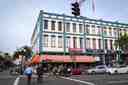
Otwórz dedykowaną stronę →To spot the Carriage Works, look for a long, yellow-brick building with arched windows and green trim sitting right on the corner, just where the wide street meets the cozy…Czytaj więcejPokaż mniej
To spot the Carriage Works, look for a long, yellow-brick building with arched windows and green trim sitting right on the corner, just where the wide street meets the cozy Gaslamp sidewalk. Alright, step right up to the Carriage Works and let your imagination run wild! Picture yourself in 1890, when this building first sprang to life. The streets around you would’ve been packed with the clatter of horseshoes and the rumble of wooden wheels-no cars honking, just the sounds of carriages and drivers shouting, “Make way!” This sturdy old place was the heart of the action, where carriages were built, repaired, and stored, almost like a pit stop for every traveler and townsperson rolling by. The air would have smelled of sawdust and horsehair, with the sharp scent of oil and leather everywhere. Imagine the craftsmen inside: faces smudged, hands busy shaping wood, and maybe the odd chuckle at some rookie getting tangled in the harnesses. Legend has it, if you listened closely back then, you might’ve heard secrets being swapped over the clunk of tools-a little mystery with your wheels! Today, the horses and carriages are long gone, but if you close your eyes, you can just about hear the echoes of that bustling energy still lingering in these old yellow bricks.
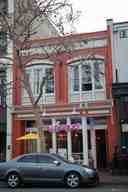
Otwórz dedykowaną stronę →To spot the Royal Pie Bakery, look for an old brick building with a bronze historic plaque on the wall-just keep your eyes peeled for the warm red bricks and that shiny sign at…Czytaj więcejPokaż mniej
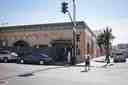
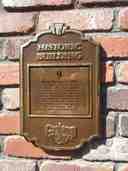
To spot the Royal Pie Bakery, look for an old brick building with a bronze historic plaque on the wall-just keep your eyes peeled for the warm red bricks and that shiny sign at street level on 4th Avenue. Now, imagine stepping back into the late 1800s when this spot was a bustling bakery filled with the sweet smell of dough and the cheerful clatter of pots and pans. The Royal Pie Bakery started life in 1884 as the San Diego Steam Cracker Factory, busy baking hardy crackers for sailors heading out from the port. You can almost picture workers covered in flour, rushing to fill the next shipment, and perhaps a rogue seagull or two hanging around, hoping for a crumb. By 1899, the place passed into new hands-J. Millender, who turned upstairs into cozy hotel rooms while bakers below filled the air with the scent of fresh pies and loaves. In 1920, Alois Kuhnel and Francis Smith bought the building and christened it the Royal Pie Bakery. Here’s a fun twist: the bakery stayed in Kuhnel’s family for decades, even as wind and weather battered the old bricks and times changed. When Alex Kuhnel, Alois’s son, took over, he ran the bakery on trade secrets and hard work until he passed away in 1998. These days, it’s home to an Irish pub and restaurant. So from steam crackers to stout pints-the Royal Pie Bakery has served up warmth, community, and a bit of pie-flavored history to San Diego for over a century!
Otwórz dedykowaną stronę →To spot the Asian Pacific Thematic Historic District, just look for the white-walled building with a small, tiled roof and arched wooden doorway that says "San Diego Chinese…Czytaj więcejPokaż mniej
To spot the Asian Pacific Thematic Historic District, just look for the white-walled building with a small, tiled roof and arched wooden doorway that says "San Diego Chinese Historical Museum" right above the door-it's nestled at the corner, framed by leafy trees and a classic streetlamp out front. Welcome to the beating heart of what was once San Diego’s colorful Chinatown! Imagine yourself standing here in the 1860s, the air filled with the cheerful clamor of abalone fishermen who were the first Chinese settlers. Picture lively shops, the sizzle of woks drifting from kitchen windows, and bright paper lanterns dangling above bustling streets. This vibrant district once spanned eight city blocks, humming with the energy of Chinese, Japanese, and Filipino communities, all sharing this small slice of the city. Back then, the streets were sprinkled with herbal medicine shops, noodle houses, and secret gambling rooms where fortunes were sometimes won and lost behind closed doors-talk about high-stakes takeout! But by the mid-20th century, things started to change. Many who called this place home left for new neighborhoods after World War II, chasing new opportunities as San Diego grew. The area you see today is protected as a historic district, officially recognized in 1987-meaning, the true spirit of Chinatown hasn’t completely vanished. The buildings around you, dating from as early as 1883, are survivors from the neighborhood’s glory days. Among them is the San Diego Chinese Historical Museum, which actually took a little trip of its own-it was built elsewhere in 1927 and moved here brick by brick in 1996! So take a moment and soak in the echoes of this multicultural past. Here, every old brick and tiled roof whispers a tale of families who worked, dreamed, and cooked up a storm right where you’re standing. And if you suddenly crave noodles, well, that’s the spirit of Chinatown working its magic!
Otwórz dedykowaną stronę →You’ll spot the Horton Grand Hotel right ahead-a big, elegant brick building on the corner, with bold white letters, dramatic bay windows, and fancy ironwork balconies stretching…Czytaj więcejPokaż mniej
You’ll spot the Horton Grand Hotel right ahead-a big, elegant brick building on the corner, with bold white letters, dramatic bay windows, and fancy ironwork balconies stretching out toward you. Now, close your eyes for just a moment and imagine you’re in San Diego in the late 1800s. The Grand Horton, with dreams borrowed from Vienna’s stately Innsbruck Inn, is bustling with travelers fresh off the country’s newest train lines. Across the street, the Brooklyn Hotel-soon to be known as the Kahle Saddlery-welcomes cowboys, gamblers, and city slickers alike. The air smells of leather from the saddle shop and fresh-brewed coffee, all mixed with the city’s salty breeze. These buildings weren’t just hotels; they were the heartbeats of a growing town-a place where secrets and stories piled up as high as the rooms themselves. Fast forward to the 1970s: bulldozers roar, and it seems both hotels’ tales are doomed to the dustbin. But wait! Instead of swinging wrecking balls, workers do something amazing-they carefully number and stack every single brick, cataloguing them like pieces of a giant historic jigsaw puzzle. Years later, this Frankenstein’s monster of San Diego hospitality is lovingly rebuilt at this very spot, combining two legends into one. Today, if these walls could talk, they’d probably laugh, whisper a little gossip, and thank you for keeping their story alive with every step you take past their timeless windows.
Otwórz dedykowaną stronę →

Najczęściej zadawane pytania
Jak rozpocząć trasę?
Po zakupie pobierz aplikację AudaTours i wpisz kod realizacji. Trasa będzie gotowa do natychmiastowego rozpoczęcia – po prostu dotknij \"Play\" i podążaj trasą z nawigacją GPS.
Czy potrzebuję internetu podczas trasy?
Nie! Pobierz trasę przed rozpoczęciem i korzystaj z niej w pełni offline. Jedynie funkcja czatu wymaga internetu. Zalecamy pobieranie przez WiFi, aby oszczędzać dane mobilne.
Czy to wycieczka grupowa z przewodnikiem?
Nie – to samodzielny audioprzewodnik. Zwiedzasz niezależnie, we własnym tempie, z narracją audio odtwarzaną przez telefon. Bez przewodnika, bez grupy, bez harmonogramu.
Ile trwa trasa?
Większość tras zajmuje 60–90 minut, ale to Ty kontrolujesz tempo. Wstrzymuj, pomijaj przystanki lub rób przerwy, kiedy chcesz.
Co jeśli nie zdążę ukończyć trasy dzisiaj?
Żaden problem! Trasy mają dożywotni dostęp. Wstrzymaj i wznów, kiedy chcesz – jutro, za tydzień lub za rok. Twój postęp jest zapisywany.
W jakich językach są dostępne trasy?
Wszystkie trasy są dostępne w ponad 50 językach. Wybierz preferowany język podczas realizacji kodu. Uwaga: języka nie można zmienić po wygenerowaniu trasy.
Gdzie znajdę trasę po zakupie?
Pobierz darmową aplikację AudaTours z App Store lub Google Play. Wpisz kod realizacji (wysłany e-mailem), a trasa pojawi się w Twojej bibliotece, gotowa do pobrania i rozpoczęcia.
Jeśli trasa Ci się nie spodoba, zwrócimy Ci pieniądze. Skontaktuj się z nami pod adresem [email protected]
Bezpieczna płatność przez 


