
Wycieczka audio po Nowym Jorku: Wieże, hołd i triumf w Dzielnicy Finansowej
Stalowe giganty rzucają długie cienie tam, gdzie powstawały fortuny, a smutki historii odbijają się echem pod lśniącym szkłem. Tutaj, w nowojorskiej Dzielnicy Finansowej, każdy krok kryje tajemnicę, a każdy zakątek skrywa historię czekającą, by przebić się na powierzchnię. Ta wycieczka audio z przewodnikiem zabierze Cię poza utarty szlak turystyczny, aby odkryć legendy wplecione w Liberty Tower, wzruszające hołdy w Narodowym Miejscu Pamięci 11 Września oraz pomijane alejki, gdzie zbiegły się ambicja i chaos. Poczuj kręgosłup miasta i jego siniaki, odkrywając nowe perspektywy. Kto wysłał tajemnicze ostrzeżenie na chwilę przed tym, jak historia zmieniła się na zawsze właśnie tutaj? Jaki zaginiony relikt wciąż czai się pod fundamentami bliźniaczych wież? I dlaczego Wall Street prawie runęło od jednego, niespodziewanego uderzenia? Podążaj ścieżką odporności i odnowy, przemierzaj kaniony szkła i żalu, i odkryj surowy puls miasta. Czy jesteś gotowy, aby odkryć ukryte historie Manhattanu? Zacznij teraz.
Podgląd trasy
O tej trasie
- scheduleCzas trwania 30–50 minsIdź we własnym tempie
- straighten0.5 km trasy pieszejPodążaj wyznaczoną trasą
- location_onLokalizacjaNowy Jork, Stany Zjednoczone
- wifi_offDziała offlinePobierz raz, korzystaj gdziekolwiek
- all_inclusiveDożywotni dostępOdtwarzaj ponownie w dowolnym momencie
- location_onStart przy Liberty Tower
Przystanki na tej trasie
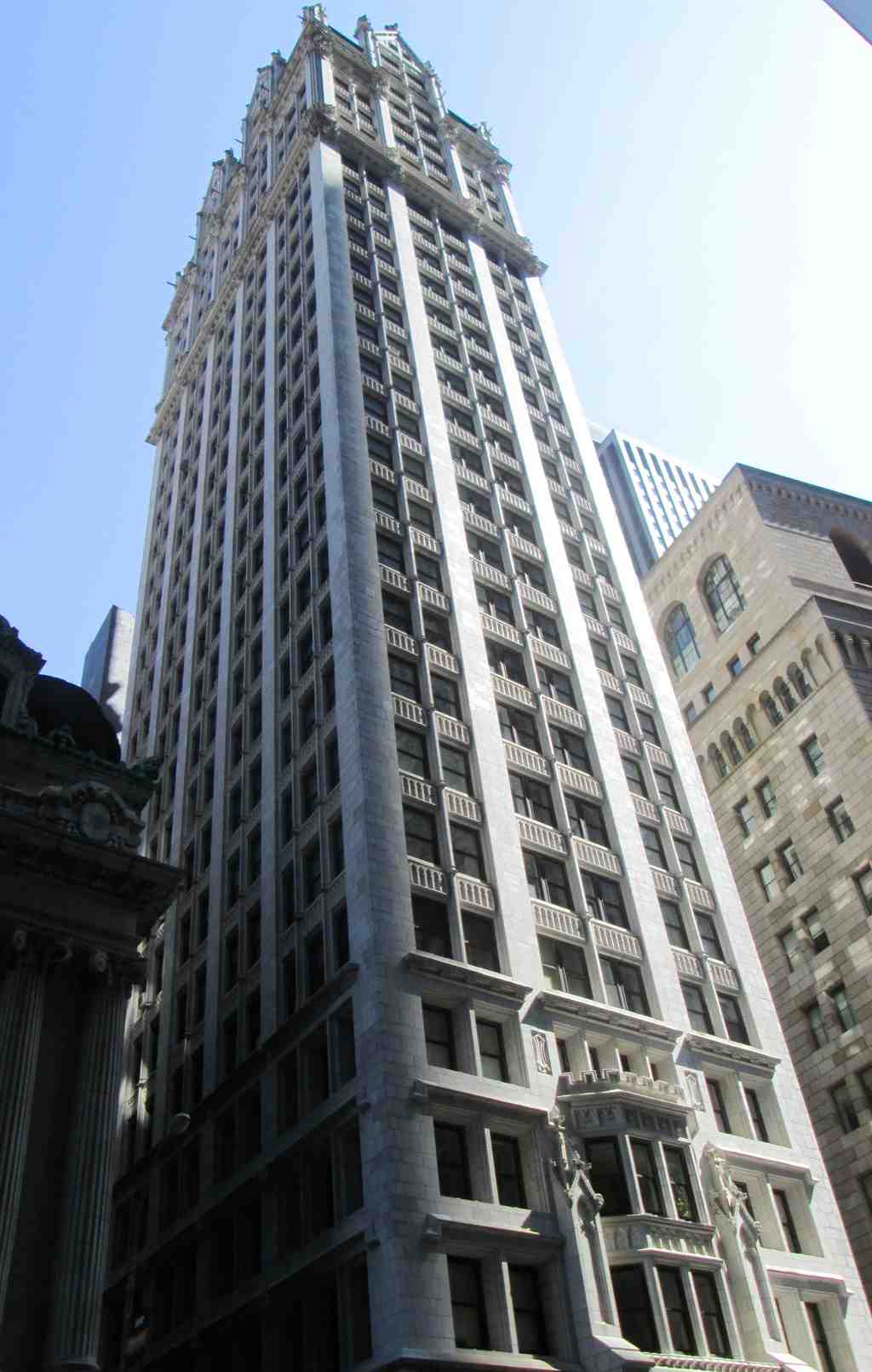
Look to your left as you walk along Liberty Street, and you’ll spot a tall, narrow building clad in gleaming white stone and crowned with turret-like details and pointed arches…Czytaj więcejPokaż mniej
Look to your left as you walk along Liberty Street, and you’ll spot a tall, narrow building clad in gleaming white stone and crowned with turret-like details and pointed arches standing sharply at the corner-a striking Gothic tower soaring between its neighbors. Here you are, right beneath Liberty Tower, a soaring exclamation point pressed into the twisting canyon of lower Manhattan. Imagine it’s the spring of 1910: New York is in the midst of its skyscraper race, shoving steel, ambition, and raw optimism further into the sky every year. Where you now stand, workmen are clearing away the remnants of the old Bryant Building-once home to the editor William Cullen Bryant and his newspaper, The New York Evening Post. Trucks clatter past on uneven cobbles, and from time to time, you catch the sharp clang of steel on stone as deep, risky caissons are lowered-94 feet down to bedrock-to support what will soon be the narrowest, tallest tower in the city. There’s a sense of giddy improbability about the place, because no one expects this tiny footprint to give rise to something so slender and extravagant. Henry Ives Cobb, an architect with a taste for drama and inspired by Gothic cathedrals and the new steel skeletons of Chicago, has made sure this building is no wallflower among its blocky neighbors. Run your eyes up the facade set with dazzling white terracotta-every nook bristling with fanciful creatures, birds, alligators, even a few watchful gargoyles glaring down the street as if daring any rival to question their perch. Even after a century, these details haven’t dulled; they catch the sunlight and seem to shimmer, more fairytale than finance. Liberty Tower’s base is grand but solid, holding tight to the earth, but as your gaze creeps higher, it grows lighter, sprouting rails and fluted details, climbing for 33 stories to a delicate copper roof. When the doors first swung open in 1910, not every office was finished-some floors were little more than echoing, raw spaces. Yet, soon enough the rooms filled with life and purpose. If you had stepped inside back then, you might have glimpsed a young Franklin Delano Roosevelt, future president, poring over legal briefs in his office on the second floor, completely unaware of the presidency awaiting him. One floor above him, perhaps, rival businessmen plotted strategies, while deep down, the foundations-a marvel themselves-kept the whole structure tethered to Manhattan bedrock, even as the city seethed with ambition above. You’d be forgiven for picturing more intrigue-because there was plenty. In the tense days leading up to America's entry into World War I, German spies worked from offices inside Liberty Tower, spinning plots and intercepted telegrams that reached all the way to the highest levels of government. One notorious episode involved the Zimmermann Telegram, which, when exposed, helped tip the country into war. Imagine the whispered conversations, the shuffles of paper-history tumbling out from behind nearly every office door. For a time, Sinclair Oil took over, and deals brokered here would ripple all the way to Washington, feeding the Great Teapot Dome scandal that would tear through the 1920s. Later, as newer corporate palaces rose uptown, even the mighty Sinclair Oil moved on, and Liberty Tower changed hands again and again-its rent rolls swelling and shrinking with the fortunes of Wall Street. By the 1970s, the future of the building seemed as narrow as its shape-nearly two-thirds empty, unwanted. But then, in a daring move scarcely anyone believed would work, architect Joseph Pell Lombardi bought the building and began turning it into residential apartments, a bold first in this part of Manhattan. The city below was quiet, but in Liberty Tower, new life took root-each apartment unique, each window framing the changing city below. The story doesn’t stop there. The building has survived both scandal and disaster. When the World Trade Center fell in 2001, Liberty Tower took a heavy blow-its delicate terracotta cracked, its inner steel rusted by water from shattered mains. But, as always, it was stubborn. Residents and experts came together and poured millions of dollars into repair, restoring not just a building but a piece of New York’s shrugging resilience. And above it all, those whimsical gargoyles, alligators, and birds still perch, their gazes fixed on the city’s next chapter. So as you gaze up now, let yourself imagine the swirl of lives, secrets, and fortunes that this elegant, improbable pencil of a tower has seen-rising above the Financial District, narrow, bright, and indelibly unique. Intrigued by the site, architecture or the critical reception? Make your way to the chat section and I'll be happy to provide further details.
Otwórz dedykowaną stronę →
Najczęściej zadawane pytania
Jak rozpocząć trasę?
Po zakupie pobierz aplikację AudaTours i wpisz kod realizacji. Trasa będzie gotowa do natychmiastowego rozpoczęcia – po prostu dotknij \"Play\" i podążaj trasą z nawigacją GPS.
Czy potrzebuję internetu podczas trasy?
Nie! Pobierz trasę przed rozpoczęciem i korzystaj z niej w pełni offline. Jedynie funkcja czatu wymaga internetu. Zalecamy pobieranie przez WiFi, aby oszczędzać dane mobilne.
Czy to wycieczka grupowa z przewodnikiem?
Nie – to samodzielny audioprzewodnik. Zwiedzasz niezależnie, we własnym tempie, z narracją audio odtwarzaną przez telefon. Bez przewodnika, bez grupy, bez harmonogramu.
Ile trwa trasa?
Większość tras zajmuje 60–90 minut, ale to Ty kontrolujesz tempo. Wstrzymuj, pomijaj przystanki lub rób przerwy, kiedy chcesz.
Co jeśli nie zdążę ukończyć trasy dzisiaj?
Żaden problem! Trasy mają dożywotni dostęp. Wstrzymaj i wznów, kiedy chcesz – jutro, za tydzień lub za rok. Twój postęp jest zapisywany.
W jakich językach są dostępne trasy?
Wszystkie trasy są dostępne w ponad 50 językach. Wybierz preferowany język podczas realizacji kodu. Uwaga: języka nie można zmienić po wygenerowaniu trasy.
Gdzie znajdę trasę po zakupie?
Pobierz darmową aplikację AudaTours z App Store lub Google Play. Wpisz kod realizacji (wysłany e-mailem), a trasa pojawi się w Twojej bibliotece, gotowa do pobrania i rozpoczęcia.
Jeśli trasa Ci się nie spodoba, zwrócimy Ci pieniądze. Skontaktuj się z nami pod adresem [email protected]
Bezpieczna płatność przez 


