
Wycieczka Audio po Blackpool: Wieże, Teatry i Iluminacje
Gdy w Blackpool zapada zmrok, miliony świateł budzą się do życia wzdłuż promenady, a każda żarówka strzeże tajemnicy starszej niż same Iluminacje. Ukryta pod radosną fasadą Blackpool leży scena skandali, buntów i zapomnianych sporów, czekających na odkrycie. Spaceruj we własnym tempie dzięki tej wciągającej wycieczce audio z przewodnikiem. Odkryj opowieści i zwroty akcji, które większość turystów mija bez spojrzenia, wędrując od strzelistej Blackpool Tower do owianego historią Molo Północnego. Jakie desperackie wydarzenie sprawiło niegdyś, że wiktoriańskie tłumy ze strachem gromadziły się na tych piaskach? Jaka nierozwiązana zagadka kładzie się cieniem na wielkich salach Blackpool Tower? Dlaczego głośna impreza na molo została nagle uciszona i nigdy więcej o niej nie wspomniano? Przejdź od neonowych emocji nadbrzeża do cichych zakątków, gdzie wciąż słychać szepty dawnych dramatów. Pod koniec podróży spojrzysz na Blackpool nowymi oczami – pełne intryg, skandali i cudów. Naciśnij „odtwórz” teraz i pozwól, by ukryte historie Blackpool Cię olśniły.
Podgląd trasy
O tej trasie
- scheduleCzas trwania 40–60 minsIdź we własnym tempie
- straighten4.6 km trasy pieszejPodążaj wyznaczoną trasą
- location_onLokalizacjaBlackpool, Wielka Brytania
- wifi_offDziała offlinePobierz raz, korzystaj gdziekolwiek
- all_inclusiveDożywotni dostępOdtwarzaj ponownie w dowolnym momencie
- location_onStart przy Funny Girls
Przystanki na tej trasie
Pokaż jeszcze 10 przystankówPokaż mniej przystankówexpand_moreexpand_less
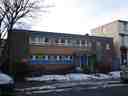
Look ahead for a two-story building with tan bricks, blue painted doors, and a small blue awning over the entrance-it stands out quietly among its neighbors, like a modest but…Czytaj więcejPokaż mniej
Look ahead for a two-story building with tan bricks, blue painted doors, and a small blue awning over the entrance-it stands out quietly among its neighbors, like a modest but proud friend waiting to welcome you. Now, as you stand here by the Blackpool Reform Jewish Congregation, take a deep breath-maybe you can even catch a whiff of sea air drifting in from the coast! Imagine the year is 1947. Britain is still finding its feet after the war, and the people of Blackpool are building new dreams. Among them is a small, determined group with a vision: a place for Reform Jews, where traditions could be honored but voices could also be heard. So, on Raikes Parade, this synagogue was born. Of course, as with every great story, there’s a twist! Originally, they were with the Union of Liberal and Progressive Synagogues, but soon found their true fit with the Movement for Reform Judaism in 1961. Like someone finding just the right pair of shoes after trying on a dozen-comfort at last! Over the years, the congregation wove itself deep into the wider community, joining councils and forums, making sure their light wasn’t just for themselves, but for all of Blackpool to see. And here’s my favorite part: imagine the buzz in October 2005, when politician Michael Howard popped in for Rosh Hashanah, the Jewish New Year. He made time for a Torah reading right here before swinging over to give his last-ever speech as leader of the Conservative Party! I bet there were a few nervous giggles and a lot of proud smiles. But the real heartbeat of this place? Rabbi Norman Zalud. For over 40 years, he’s been a friendly face and guiding voice, teaching, singing, supporting prisoners, and even working with kids who need a little extra help. If there were a “busiest rabbi in Britain” award, he might win… if he could find time to pick it up! As you look at that simple brick facade, remember: inside has pulsed generations of stories, laughter, faith, and hope-a reminder that community spirit doesn’t need to shout to be heard.
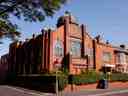
Otwórz dedykowaną stronę →To spot the Blackpool United Hebrew Congregation, look for a striking red-brick building tucked between houses, with arched windows, detailed brickwork, and a large dome rising…Czytaj więcejPokaż mniej
To spot the Blackpool United Hebrew Congregation, look for a striking red-brick building tucked between houses, with arched windows, detailed brickwork, and a large dome rising above the roof-a true standout on Leamington Road. Alright, welcome to one of Blackpool’s best-kept secrets! As you stand here, just imagine the echo of footsteps on a Sunday morning, families chattering on their way through the carved wooden doors. In 1907, two blossoming Jewish communities shook hands and joined forces, forming what would become this very congregation. Now, they didn’t settle here straight away-like any good story, there was a pit-stop or two before they finally opened their arms wide to the seaside breezes of Leamington Road in 1916. The atmosphere all those years ago would have been filled with anticipation. Picture the first service: newly polished wooden benches, children fidgeting in their best clothes, and the soft murmur of prayers rising towards the arched ceiling. The building itself, designed by a chap named Robert Butcher Mather-councilman by day, architecture superhero by night-boasts a Byzantine Revival style, so get a good look at those dramatic brick arches and that dome, which could easily double as a hat for the world’s fanciest snowman. Speaking of drama, the synagogue felt the warm embrace of many happy occasions and some sad ones too. Its doors saw lively conversations, wedding celebrations, and the odd rabbi dashing because someone forgot the challah. In 2009, the prestigious Chief Rabbi made a visit, and I bet the excitement could have made the stained glass windows rattle. Sadly, by 2012, the congregation grew too small to keep the echoes going, and the last service was a bittersweet farewell-though you can imagine the heartfelt singing and teary eyes as everyone squeezed in for one final Sabbath. Now, while the building has new owners, its spirit lingers, woven into the bricks, sharing a story of unity, faith, and a community that once bustled right where you’re standing.
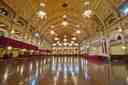
Otwórz dedykowaną stronę →To spot the Empress Ballroom, look for a grand and ornate building ahead, decorated with large arched windows and an entrance beneath the elegant façade of the Winter…Czytaj więcejPokaż mniej
To spot the Empress Ballroom, look for a grand and ornate building ahead, decorated with large arched windows and an entrance beneath the elegant façade of the Winter Gardens-believe me, it’s not shy about its size! Now, as you stand a few steps away from those famous doors, let me whisk you into the dazzling, mysterious, and sometimes rowdy story of the Empress Ballroom! Imagine stepping inside in the late Victorian era-the year is 1896, and this cavernous room is one of the largest ballrooms in the entire world, shaped like a regal treasure chest with a golden barrel-vaulted ceiling, delicately patterned panels, and twelve glittering glass chandeliers that twinkle even on a rainy Blackpool day. You’d better watch your step, because the dance floor beneath your feet is famous for its bounce, filled with 10,000 pieces of oak, mahogany, walnut, and greenwood, resting on a whopping 1,320 springs.. It’s a place built for excitement-concerts, conferences, glitzy shows, and more, with political deals and dazzling dance-offs taking place right where you’re standing. The air sometimes still hums with the sounds of the greatest British dance bands, from Ted Heath to Joe Loss, filling summer evenings with music while flappers, gents, and would-be dance champions spun dreams under those big, bright chandeliers. Oh, and let’s not forget the legendary Rolling Stones incident-a show in 1964 ended in such a wild uproar, there were more injuries than at a conga line gone horribly wrong! Imagine the roar of fifty fans and two policemen ending up in hospital… perhaps too much Satisfaction in the air that night? The town banned the Stones for 44 years after that riot-talk about holding a grudge! Here’s a twist you might not expect: during World War I, the Admiralty swooped in and commandeered the ballroom, using this splendid hall to assemble gas envelopes for the R.33 airship. If you listen closely, you can almost hear the bustle of wartime industry where waltzes used to play. When peace returned, they handed it back over to the dancers-moving from military to marvellous in just a year. In 1934, the entire floor was replaced, and a brand-new stage was built, with enough space to hide a grand Wurlitzer organ console on a magic lift. The organist, Horace Finch, held court from '35 to '62, making those pipes sing as couples glided across the sprung dancefloor. Sadly, the grand organ left the Empress in 1969-off to Manchester for radio shows and eventually into the hands of collectors. I like to think it’s out there somewhere, still dreaming of Blackpool. The Empress isn’t just about stately, traditional events-oh no. Over the years, it’s dabbled in cabaret, dining, and, more recently, riotous fun like the British Beard & Moustache Championships (yes, you heard that right). If you come at the right time, you might spot punk rockers, trade unionists swapping stories, TV cameras filming the World Matchplay Darts tournament or even see dancefloor legends battling it out at the Blackpool Dance Festival. As if all that isn’t enough, the Empress Ballroom has been home to the first headlining concert of Queen’s UK tour in 1974, watched over by those chandeliers that have seen it all-from moustache wax to sequined jackets. Even WWE’s best have slammed and grappled here, with the roar of the crowd almost shaking that legendary floor. Today, it stands just as splendid, part of a Grade II* listed building, running on the energy of more than a century’s worth of stars, upsets, and celebrations. So, while you gaze at those majestic windows and imagine the echo of music and laughter through the years-know that you’re standing in the footsteps of legends and dreamers alike. Just mind the bounce in your step, or you’ll find yourself doing a surprise waltz!
Otwórz dedykowaną stronę →To spot the Opera House Theatre, look for the big, grand white building with lots of tall windows out front, a bold “Winter Gardens” sign, and a dome perched up on the roof-just…Czytaj więcejPokaż mniej
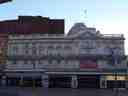
To spot the Opera House Theatre, look for the big, grand white building with lots of tall windows out front, a bold “Winter Gardens” sign, and a dome perched up on the roof-just ahead of you. Now, let’s step right up to the Opera House Theatre and soak in the real magic of this place. These doors have swung open for all sorts of wonderful reasons since 1889-though, a bit like a cat with nine lives, the Opera House has had not just one, but three versions made on this very spot! The building you see today is the third, rebuilt in 1939, which means Blackpool must really love a dramatic entrance. Cast your eyes up at those elegant, pale walls; can you picture the crowds in their finest suits and sparkling gowns gathering here for over a century? Back in the late 1800s, architect Frank Matcham was given the hefty challenge of building Her Majesty’s Opera House: a dazzling spot for the latest musical, the sound of which probably made Victorian mustaches wiggle with excitement. On the opening night, patrons filled all 2,500 seats-quite a squeeze by today’s standards! The very first show performed here was Gilbert and Sullivan’s “The Yeomen of the Guard,” and may I say, if those walls could talk, they’d probably sing! But, like any good drama, the plot thickens. By 1910, Blackpool’s appetite for entertainment had grown bigger than a stick of rock, and the theatre’s size just couldn’t keep up. So, with a dramatic turn, the first building was completely swept away and replaced with a larger one in less than a year! That’s what I call a fast costume change. Fast-forward to the glitz of 1939: out went the old, and in came this curved, modern marvel we have today. This Opera House was built to impress and even got its very own Wurlitzer organ (designed by Horace Finch)-the last ever installed in the UK-so Blackpool could fill every corner with music, from grand overtures to the cheekiest show tunes. When actress Jessie Matthews and her husband Sonnie Hale opened the doors for the very first show, the crowds were treated to “Turned Out Nice Again” with George Formby, who could pluck a ukulele like nobody’s business! Legendary nights didn’t stop there. In 1955, the Opera House hosted the very first Royal Variety Performance outside London, complete with Her Majesty the Queen and the Duke of Edinburgh in the audience and acts that covered everything from ballroom brilliance to downright silliness-Morecambe and Wise, The Crazy Gang, Reginald Dixon on the organ… the list was longer than the intermission snack queue! Even in recent memory, stars like Lady Gaga and Michael Bublé have graced the stage for royalty and regular folk alike. And just to keep things interesting, it serves as the beating heart of the annual Rebellion Festival-a gathering of punk rockers who’d probably startle the lace collars off those first Victorian crowds. With 2,812 seats spread across three levels, it’s the third largest theatre in the UK-a giant jewel in Blackpool’s entertainment crown. So, as you stand by the Opera House, imagine the laughter, the suspense, the music, and yes, the applause echoing through time. Step inside, if you like, and become a part of this living, breathing show!
Otwórz dedykowaną stronę →To spot North Pier, just look straight out from the end of Talbot Road-you’ll see a long, elegant boardwalk with pavilions and kiosks stretching far out into the Irish Sea, with…Czytaj więcejPokaż mniej
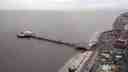
To spot North Pier, just look straight out from the end of Talbot Road-you’ll see a long, elegant boardwalk with pavilions and kiosks stretching far out into the Irish Sea, with the waves lapping all around it. Imagine it’s 1863: you’re standing here among thousands of excited onlookers, bunting and flags flutter everywhere, the salty air is thick with anticipation. Suddenly, the boom of a cannon echoes across the shore, and the freshly-built North Pier-Blackpool’s newest wonder-opens for the very first time. Even though the last few yards of the pier aren’t quite finished, nobody seems to mind. Local shops are shuttered, streamers drape the streets, and the town’s population, just a few thousand, swells with over 20,000 people who’ve come for this big day. Pretty impressive for a place that until recently was little more than sand dunes and sea breezes! Now take in the pier itself: built almost entirely out of iron, with sturdy screw-tipped piles twisting deep into the sand below, thanks to Eugenius Birch’s ground-breaking engineering-or should I say, sand-breaking. He made sure this pier wouldn’t wash away in the next stormy squall, at least not without giving it a good fight. And fight it has! More than 150 years, battered by storms and the occasional stray boat-imagine waking up to find a ship parked halfway up your promenade. That actually happened in 1892, when the Sirene crashed into the side of the pier and left four shops and part of the deck crumpled on the sands. The pier survived, patched up yet determined to keep delighting visitors. Originally, this was meant to be a promenade for the “better classes.” Orchestra concerts filled the air, the comedians kept it clean, and entry cost a shiny two pence-enough to keep out the rowdier crowds but not enough to keep away the trippers. Don’t laugh: this was serious business! Major Preston, opening the pier with all the pomp of a royal, even campaigned for a new pier just for trippers. Hence Blackpool’s three-pier scene, a bit of social engineering by the seaside. By the late 19th century, more kiosks popped up-selling books, sweets, and sheltering the fancy folks from the wind. On Sundays, you could join the church parade, just to prove you weren’t skipping out on your morals along with your shoes. Each day, the tide rises and falls, sometimes by as much as 35 feet. Imagine being on the pier, the creak of wooden planks beneath your shoes, the Irish Sea surging below, and the circular kiosks with their minaret roofs offering sweet relief from the bracing winds. Time didn’t stand still for North Pier. Fires have swept away pavilions, storms have torn at the sides, and modern amusements have popped up in place of pleasure steamers and diving lessons. The original “Indian Pavilion”, with its lavish eastern-inspired décor, was hit by fire twice-clearly, Blackpool knows how to keep things dramatic. In its place, an Art Deco theatre rose, still hosting stars and comedians, and even earning a new name: the Joe Longthorne Theatre. Fancy a tipple with your view? The Merrie England Bar and Carousel Bar welcome you, serving thirsty wanderers who want to relax beneath Victorian canopies. There’s even a Venetian carousel, and an entire arcade clinking with the sound of coins-over eleven million every year. And tucked behind glass, you’ll find one of the oldest Sooty puppets in the world. Yes, Sooty was ‘born’ on this very pier-the original was bought here by Harry Corbett for his son, and when he smudged its nose with soot for a TV debut, a British legend was created. Ownership has passed through many hands-from ambitious companies to family-run local business people who loved the pier so much, one even proposed to his wife here. And through fires, storms, close calls with ships, and the test of time, North Pier stands on, always ready for its next story and the next wave of hopeful visitors. Even if the jetty’s gone (thanks to a feisty Christmas Eve storm), the pier rolls on-longest, oldest, and perhaps fanciest of the three. So as you stand here, let your eyes wander over the water, picture the crowds, the orchestras, the spectacular sunsets, and maybe-just maybe-listen for the echoes of cannon fire and laughter that have floated above these planks for generations. Interested in knowing more about the location, attractions or the ownership
Otwórz dedykowaną stronę →To spot the Blackpool Illuminations, just look ahead down the Promenade-strings of sparkling bulbs stretch overhead for miles, and brightly-lit signs and decorations illuminate…Czytaj więcejPokaż mniej
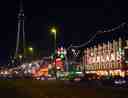
To spot the Blackpool Illuminations, just look ahead down the Promenade-strings of sparkling bulbs stretch overhead for miles, and brightly-lit signs and decorations illuminate everything from the soaring Blackpool Tower on your left to the bustling arcades on your right, making the whole seafront glow like a magical, electric carnival. So here you are, right in the heart of what locals lovingly call "The Lights"-a grand, glittering festival that’s been transforming Blackpool into a neon wonderland every autumn since 1879. Imagine this: back in the late 19th century, long before smartphones, Netflix, or even sliced bread, a few brave souls gathered here to gasp in awe as eight magical lamps flickered on above the Promenade. These “artificial suns” shone so bright, passersby might’ve wondered if Blackpool was auditioning to be the centre of the universe. The real drama began in 1912. Princess Louise of the royal family came to open the new Princess Parade, and Blackpool decorated the streets with “garland lamps,” using a whopping 10,000 bulbs (which, in those days, probably felt like you could see them from the moon). It was such a crowd-pleaser that locals demanded a repeat every year-until the First World War, when the Illuminations were switched off and darkness fell on the Prom. When the lights finally returned, powered by improving technology and even more vivid dreams, the display spread wider and brighter. By 1932, moving tableaux with animated scenes ran along the cliffs from North Shore to Bispham, telling stories to every wide-eyed visitor. There’s always a touch of star-studded glamour about the big “Switch-On” night-a tradition since 1934, where a celebrity flips the giant switch. Legend has it that in 1935, the mayor intended to do the honors, but when he met 15-year-old Railway Queen Audrey Mosson, he handed her the job, making her the youngest ever “Switcher-On”. Fifty years later, Audrey was back for a sparkling encore, sharing the moment with actress Joanna Lumley. These switch-ons have since become full-blown pop concerts, aired live on national radio, with rock bands and TV presenters giving the proceedings a showbiz edge. Today, you’re in the middle of a light show that stretches for nearly five miles! Over one million bulbs, powered by green electricity, run from Starr Gate all the way up to Bispham-if you walked it, your step counter would be begging for mercy by the end. You’ll see everything from lasers, LED animations, and “festoons” of hanging lights, to crazy creatures and famous faces, courtesy of imaginative artists like Laurence Llewelyn-Bowen. He’s been waving his glittery wand over the Illuminations for two decades, having designed everything from dragons to “Decodance” ballrooms. Fancy a tram ride? Don’t be surprised if your tram looks like a rocket ship or a glowing caterpillar, as several have been transformed into moving light sculptures. But it’s not just about looking pretty. The Illuminations are kept eco-friendly, using wind power, hydropower, and biogas-so you can bask in the glow without feeling guilty. The set-up is a mammoth job, taking over twenty weeks to erect, and another nine weeks just to pack it all away when the magic’s over. Meanwhile, at Bispham, you can stroll past enormous animated tableaux-some over 5,000 square metres in size-each telling stories from nursery rhymes to sci-fi sagas. My favourite was the Egyptian tableau: a grand sarcophagus that would eerily creak open, revealing mysteries that might make Indiana Jones jealous. If this all sounds a bit otherworldly, that’s because it sometimes is! In one daring year, a “Space Invasion” featured a glowing mothership above Gynn Square with spaceships ready for a cosmic showdown. Even Doctor Who and the Daleks have made appearances-Blackpool, it seems, is the only seaside resort where you’re as likely to see a time traveler as you are a sunbather. And the crowds? They keep coming back! Each autumn, over a million people from across northern England and Scotland descend upon Blackpool just to catch a glimpse of the lights. Most will drive the full stretch in a glowing snake of cars and coaches, but others hop on open-top trams or even horse-drawn landaus for the authentic experience. So soak it all in-listen to the hum of excitement around you, the distant bells, chattering children, and all those bulbs buzzing with joy. For over a century, Blackpool Illuminations have been lighting up lives, one bulb and one smile at a time. And let’s face it: when winter’s closing in, is there anything more cheering than a town that refuses to turn down the brightness? Wondering about the popularity, switch-on or the modern-day illuminations? Feel free to discuss it further in the chat section below.
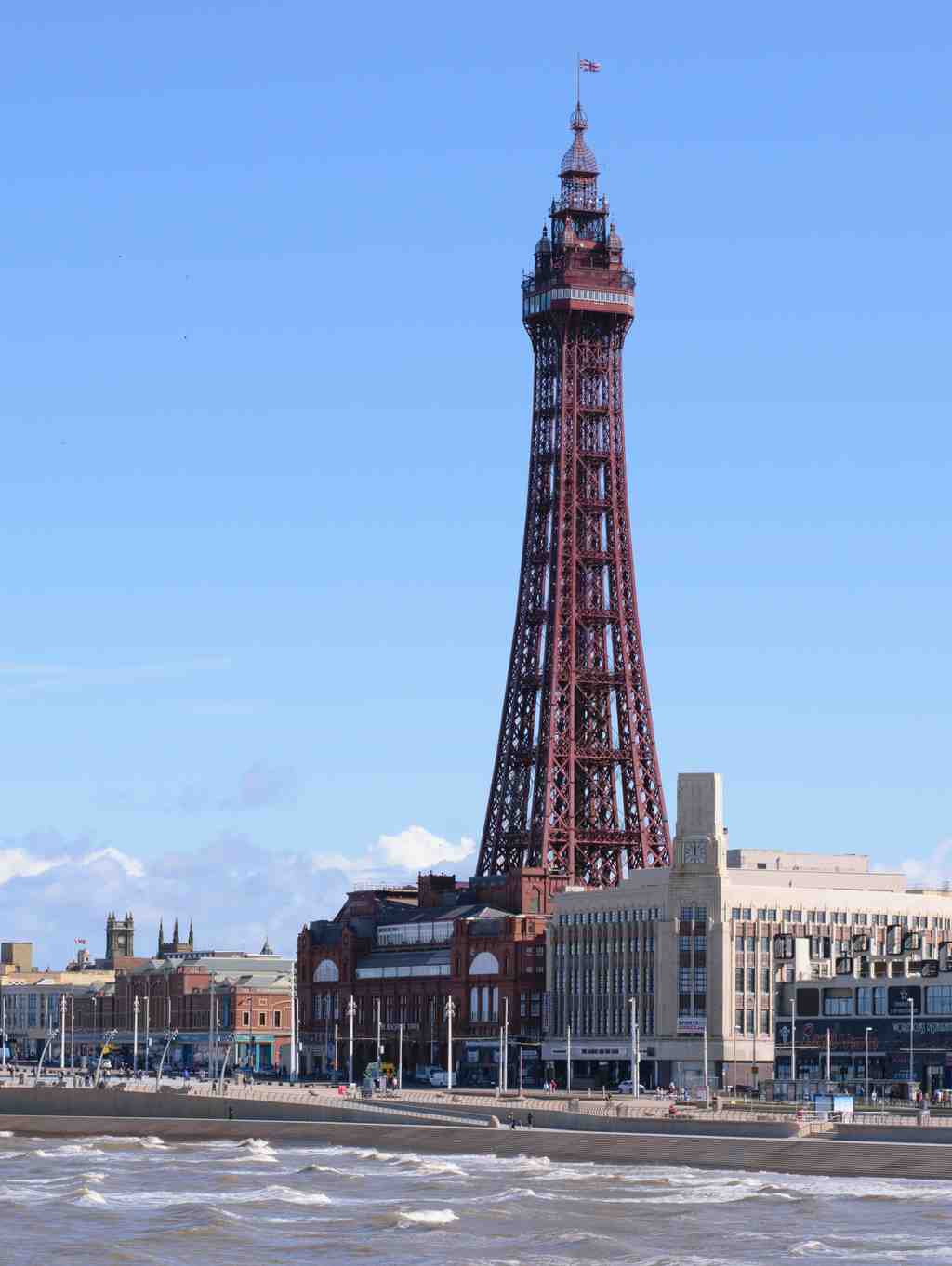
Otwórz dedykowaną stronę →To spot the Blackpool Tower, just look up in front of you-it’s the enormous, deep red, Victorian iron structure that springs out of the seaside skyline, towering over everything…Czytaj więcejPokaż mniej
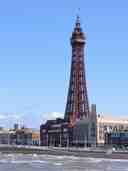
To spot the Blackpool Tower, just look up in front of you-it’s the enormous, deep red, Victorian iron structure that springs out of the seaside skyline, towering over everything around it like a proud metal giraffe on a particularly cheerful day. Let’s take a step back in time and use our imagination-just picture the year is 1894. Blackpool Tower has just opened its doors, and the whole town is buzzing; the tallest man-made structure in the British Empire has landed on the promenade, and it was inspired by Paris’s Eiffel Tower. Now, back then, people would gawk up at this 518-foot marvel, jaws wide open, wondering if it might poking the sky if Blackpool ever had a sunny day. Imagine the sounds of the crowd, the thrill of the first rides in the lifts, and the clattering of coins as each visitor paid their sixpence for the chance to go up. But getting the Tower built wasn’t a walk in the park-unless your park had run-ins with bankruptcy and nail-biting suspense. The Blackpool Tower Company nearly went bust trying to sell shares to fund this gleaming dream. Enter our local hero: John Bickerstaffe, former mayor and hat collector extraordinaire (well, probably). He saw the dream through, snapping up shares, saving the company and pretty much ensuring that Blackpool would never be known as “The Town Without A Tower.” Two architects, James Maxwell and Charles Tuke, drew up the plans for this steel giant, but sadly, neither lived long enough to see it finished. By the time the foundation stone was lain in 1891-complete with a time capsule tucked beneath for some poor future archaeologist to puzzle over-the excitement was electric. The tower itself is remarkable. Five million bricks, over three thousand tonnes of steel, and more cast iron than you’d find in a Victorian gym class. Underneath, hidden by the grand brick entertainment complex, was once a famous menagerie and aquarium, with roaring lions and even polar bears-just imagine the noise! Nowadays, that lower level is home to the legendary Tower Circus, where astonishing acts have performed non-stop since opening day. Through the years, Blackpool Tower has faced every sort of excitement and drama the seaside could throw at it-flames licking near the top (don’t worry, sometimes it’s just orange netting flapping in the wind!), powerful gales making the tower gently sway (a true reminder of Victorian engineering, or a reason to avoid the glass floor if you’ve just had chips), and wartime service as a radar station in World War Two-although it must’ve been easier to spot your house from up there than enemy aircraft! The Tower wasn’t always the polished beauty you see today. Early on, neglect in painting left it rusty and corroding, prompting some locals to wonder if it’d crumble into the Irish Sea. Luckily, they went for “total rebuild” rather than “let’s have a big scrap sale,” and the entire steelwork was replaced in the 1920s. From the ground up, the Blackpool Tower has always been about putting on a show. The glitzy Tower Ballroom inside is a place of dreams, where thousands have spun and twirled over more than 30,000 blocks of wooden floor-Strictly Come Dancing fans, you’re on hallowed turf! Reginald Dixon, “Mr. Blackpool,” once filled the vast hall with cheerful organ music and, if you listen closely, maybe you’ll hear that joyful echo drifting across the promenade as the sun sets. Outside, gaze up and spot the Blackpool Tower Eye at the top-now the highest viewing platform in Northwest England. If you’re brave enough, that glass floor lets you peer straight down to the pavement…and the Comedy Carpet below, a gigantic patchwork of jokes and classic punchlines. Why did the chicken cross the promenade? To see if anyone at the top of Blackpool Tower could see what all the fuss was about! The Tower’s legacy stretches into every corner of British culture-mention it in monologues, films, punk rock music videos, and even as a visual landmark for pilots flying overhead. Rescued from financial disaster, battered by storms, rebuilt, painted silver for the Queen’s Jubilee, home to acrobats, trapped tigers, comedy galore, and even the world’s only Dungeon-themed escape room-this is a place where history lives and laughs. Raise your eyes-and if you dare, your feet-to the top, and feel just a bit of that electric excitement that’s filled Blackpool for over a century! Interested in a deeper dive into the background, blackpool tower eye or the tower ballroom? Join me in the chat section for an insightful conversation.
Otwórz dedykowaną stronę →
Najczęściej zadawane pytania
Jak rozpocząć trasę?
Po zakupie pobierz aplikację AudaTours i wpisz kod realizacji. Trasa będzie gotowa do natychmiastowego rozpoczęcia – po prostu dotknij \"Play\" i podążaj trasą z nawigacją GPS.
Czy potrzebuję internetu podczas trasy?
Nie! Pobierz trasę przed rozpoczęciem i korzystaj z niej w pełni offline. Jedynie funkcja czatu wymaga internetu. Zalecamy pobieranie przez WiFi, aby oszczędzać dane mobilne.
Czy to wycieczka grupowa z przewodnikiem?
Nie – to samodzielny audioprzewodnik. Zwiedzasz niezależnie, we własnym tempie, z narracją audio odtwarzaną przez telefon. Bez przewodnika, bez grupy, bez harmonogramu.
Ile trwa trasa?
Większość tras zajmuje 60–90 minut, ale to Ty kontrolujesz tempo. Wstrzymuj, pomijaj przystanki lub rób przerwy, kiedy chcesz.
Co jeśli nie zdążę ukończyć trasy dzisiaj?
Żaden problem! Trasy mają dożywotni dostęp. Wstrzymaj i wznów, kiedy chcesz – jutro, za tydzień lub za rok. Twój postęp jest zapisywany.
W jakich językach są dostępne trasy?
Wszystkie trasy są dostępne w ponad 50 językach. Wybierz preferowany język podczas realizacji kodu. Uwaga: języka nie można zmienić po wygenerowaniu trasy.
Gdzie znajdę trasę po zakupie?
Pobierz darmową aplikację AudaTours z App Store lub Google Play. Wpisz kod realizacji (wysłany e-mailem), a trasa pojawi się w Twojej bibliotece, gotowa do pobrania i rozpoczęcia.
Jeśli trasa Ci się nie spodoba, zwrócimy Ci pieniądze. Skontaktuj się z nami pod adresem [email protected]
Bezpieczna płatność przez 


