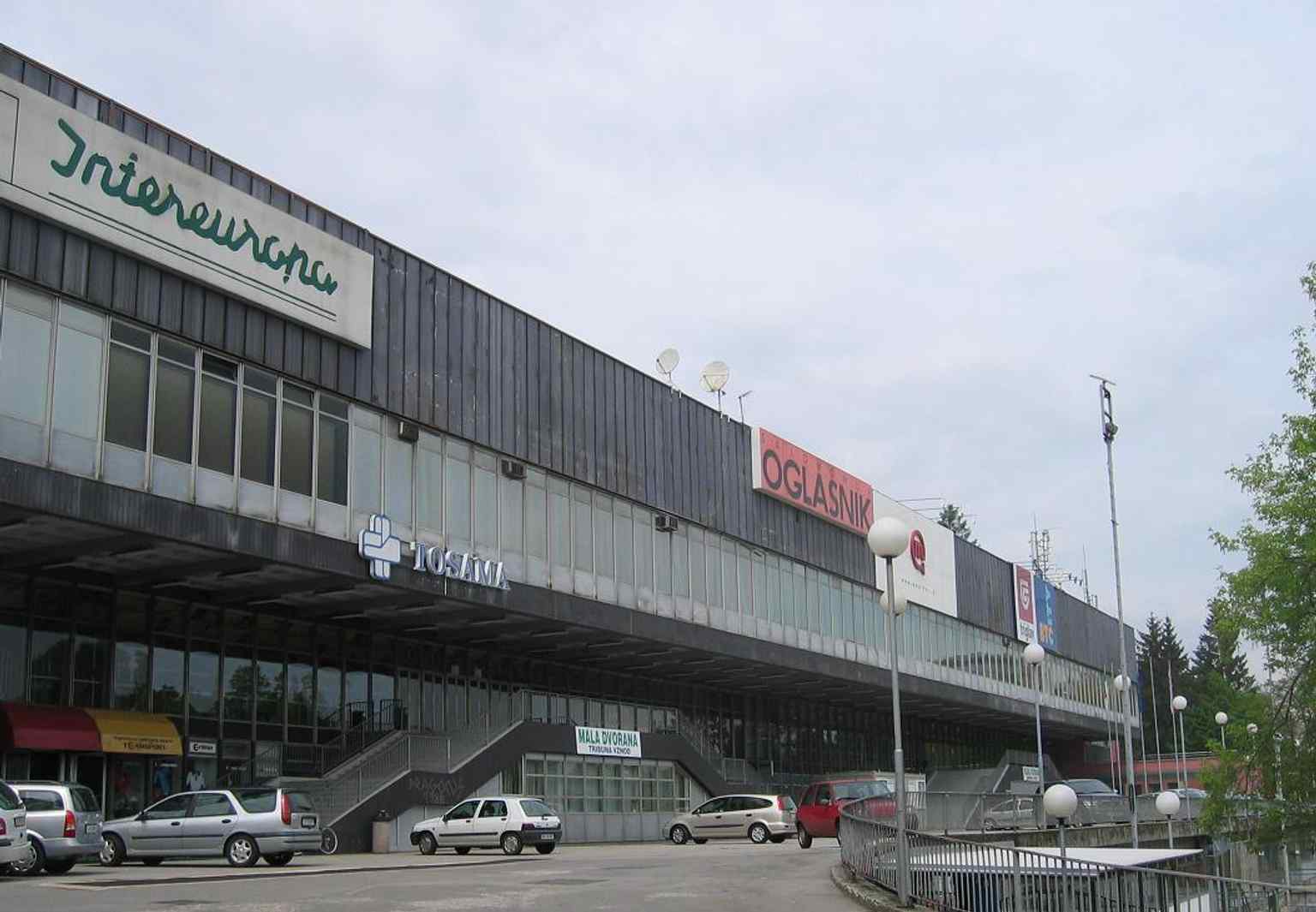
On your right, Tivoli Hall reads as a low, wide concrete-and-glass complex, its broad slanted rooflines stepping back from the path and a long horizontal facade that makes it feel partly tucked into the earth.
Stand here for a moment and notice what that shape is doing. This isn’t a monument that tries to dominate Tivoli Park. Architect Marjan Božič knew he was placing two large arenas inside a landscape that Ljubljana treats almost like shared heritage, so he made a bold compromise: he sank parts of the structure into the ground. The idea was simple, and quietly radical for 1965... let the park keep the skyline, and let the hall do its roaring mostly from within.
If you glance at the photo on your screen, you can see that “sunken” strategy clearly, with the building’s mass held low against the greenery.
But the real miracle here is speed. Tivoli Hall was completed in a record eight months, because Ljubljana had promised the world the 1965 World Table Tennis Championships. Eight months to pour concrete, solve engineering, and still make something that belonged in a treasured park. It’s one of those rare cases where the city’s vision and the on-the-ground reality actually matched-deadline, design, and ambition arriving together.
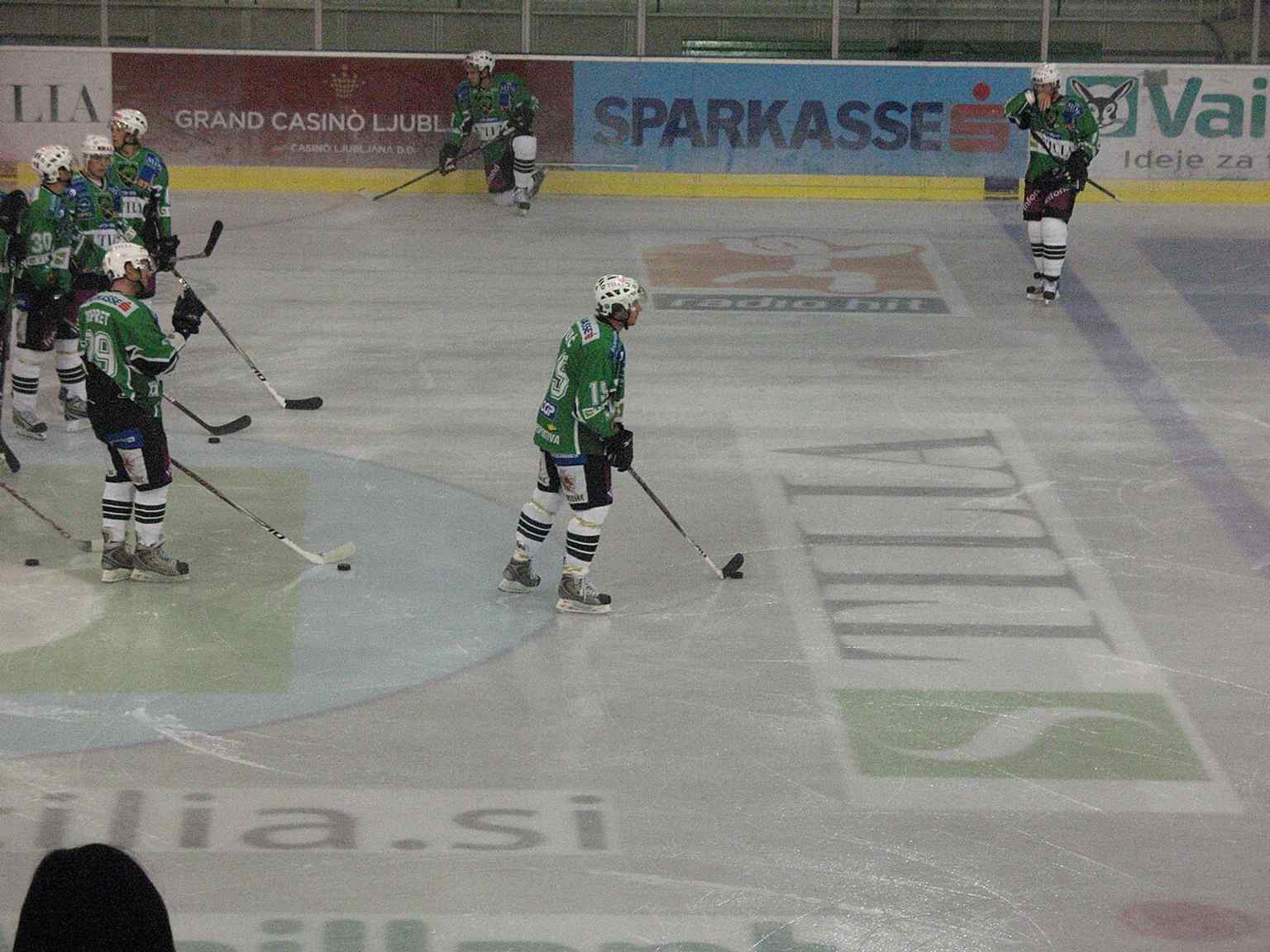
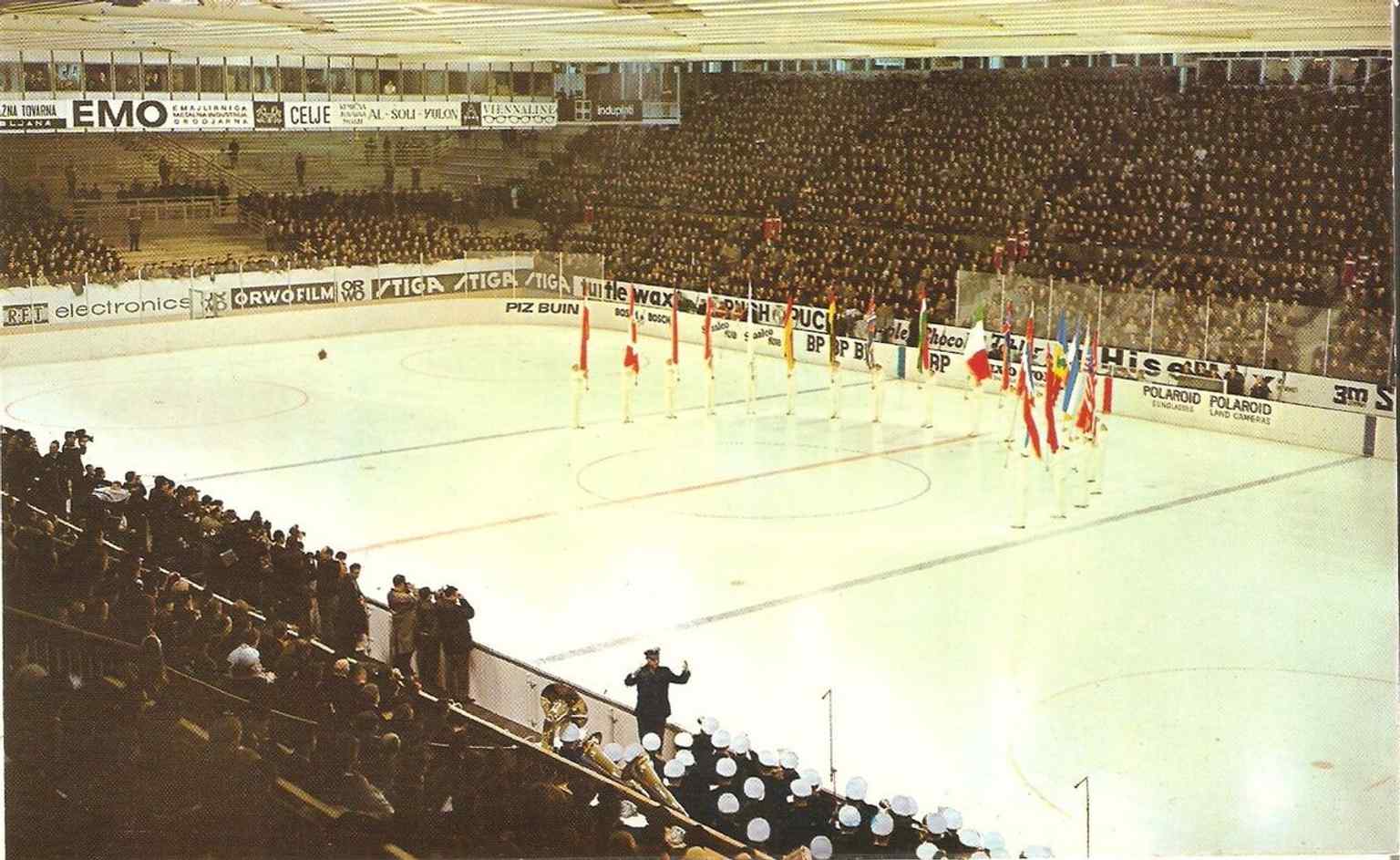
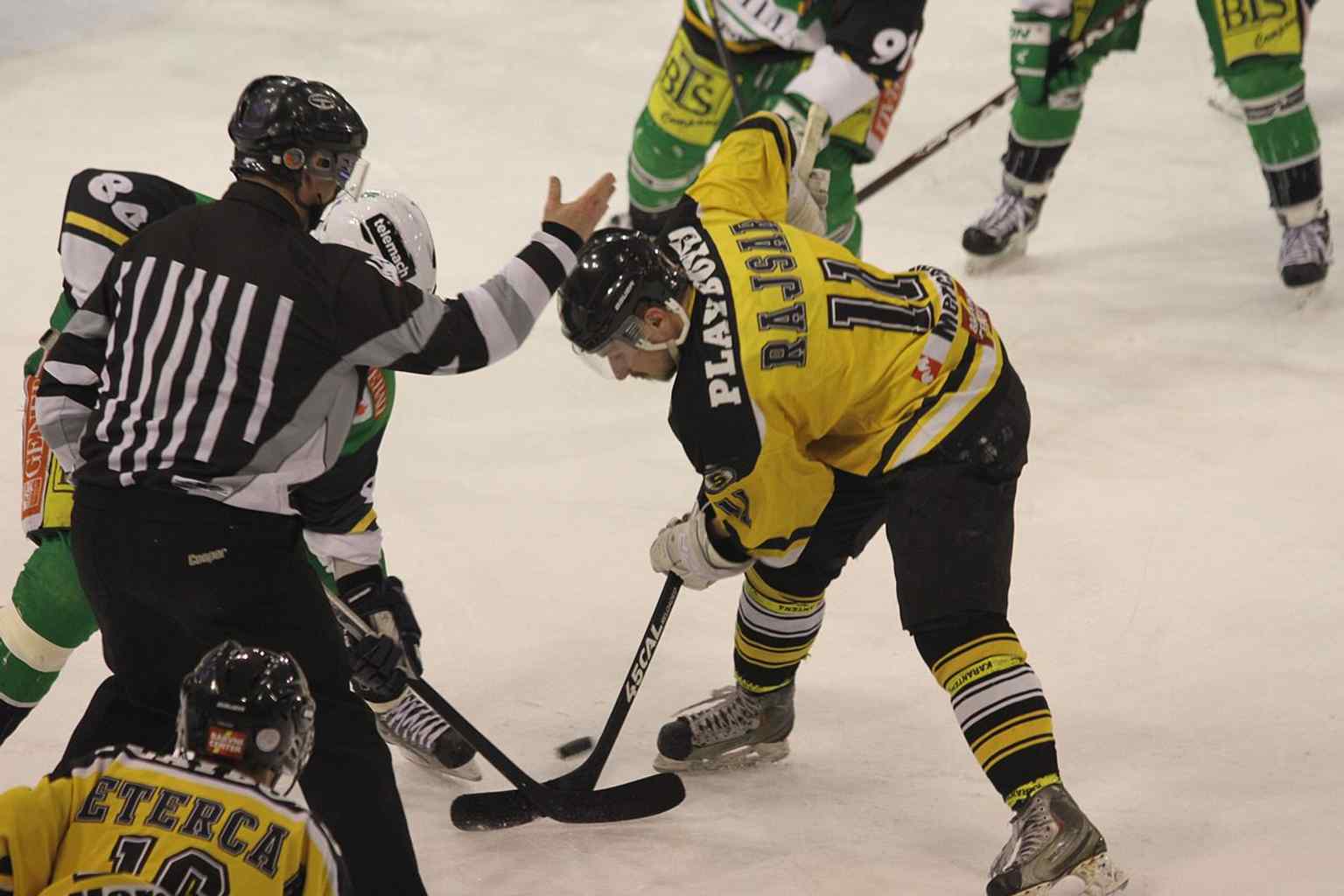
Inside this complex are two very different stages. The larger arena, nicknamed the “Ice Hall,” seats about 6,800 for ice hockey and has long been home to HK Olimpija. When their fiercest rivals, HK Jesenice, come to town for the “eternal derby,” the building doesn’t just host a game; it concentrates a kind of national conversation-who belongs, who endures, who can out-sing the other side with traditional hockey chants until the sound turns physical.
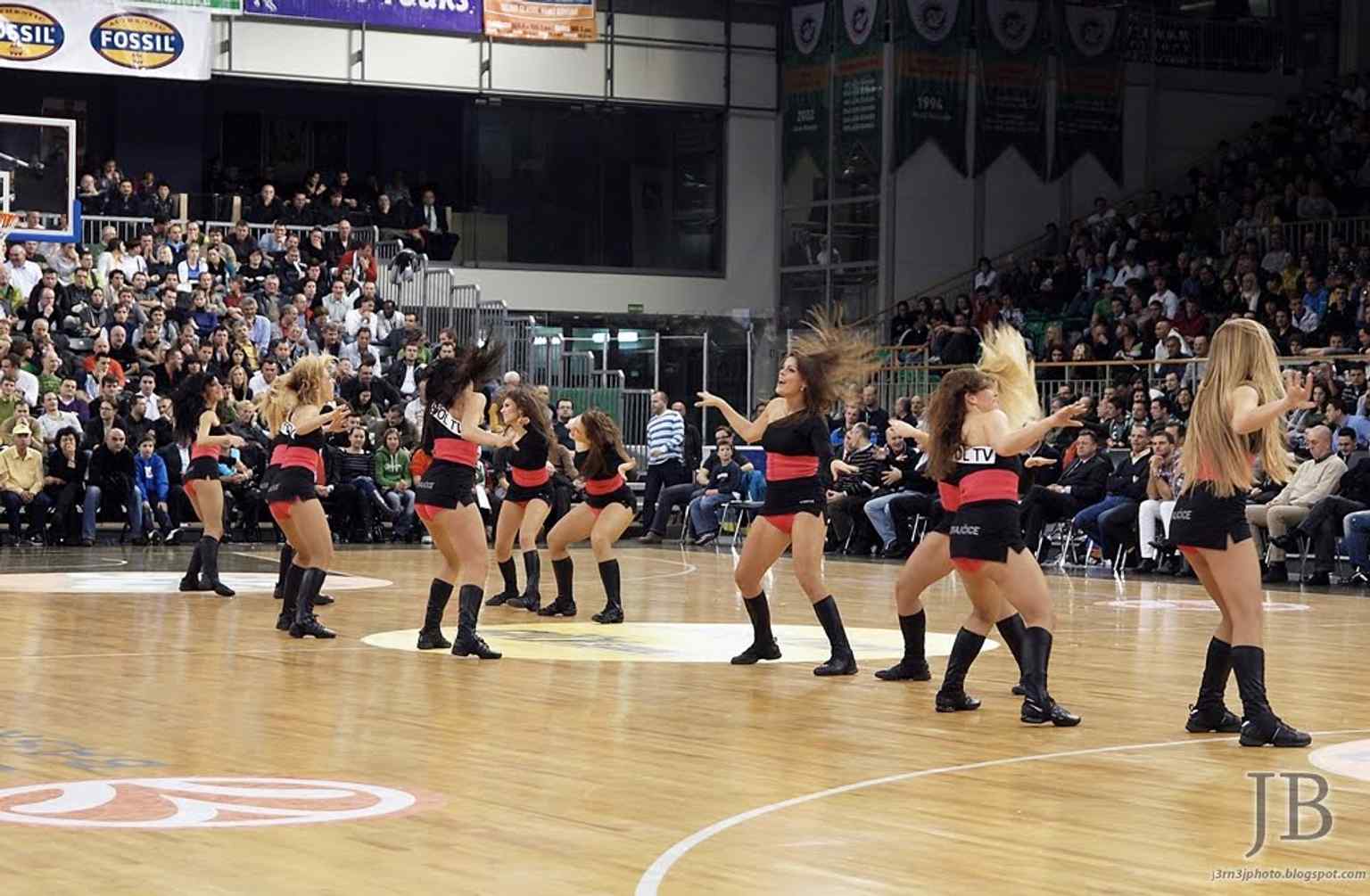
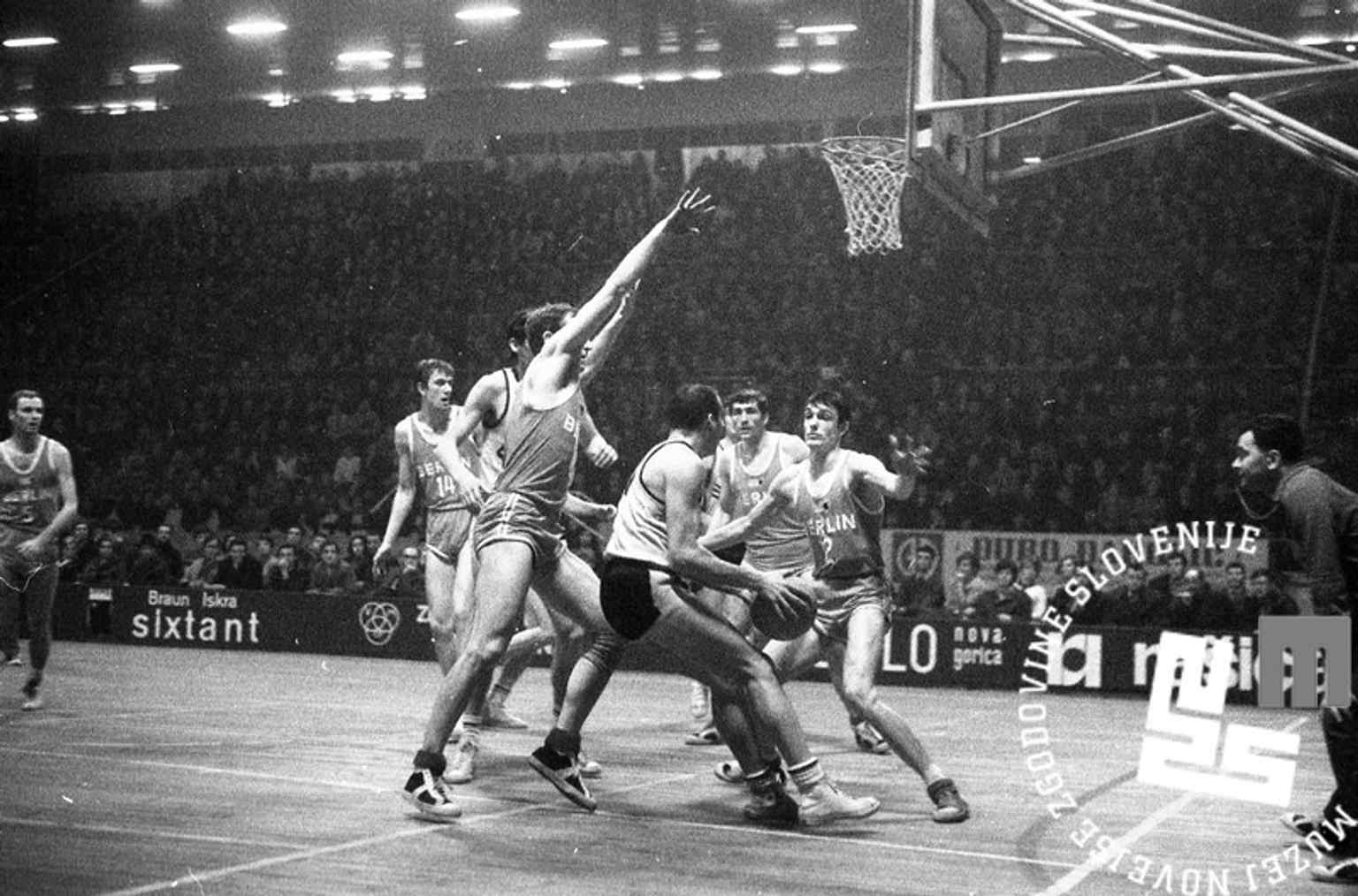
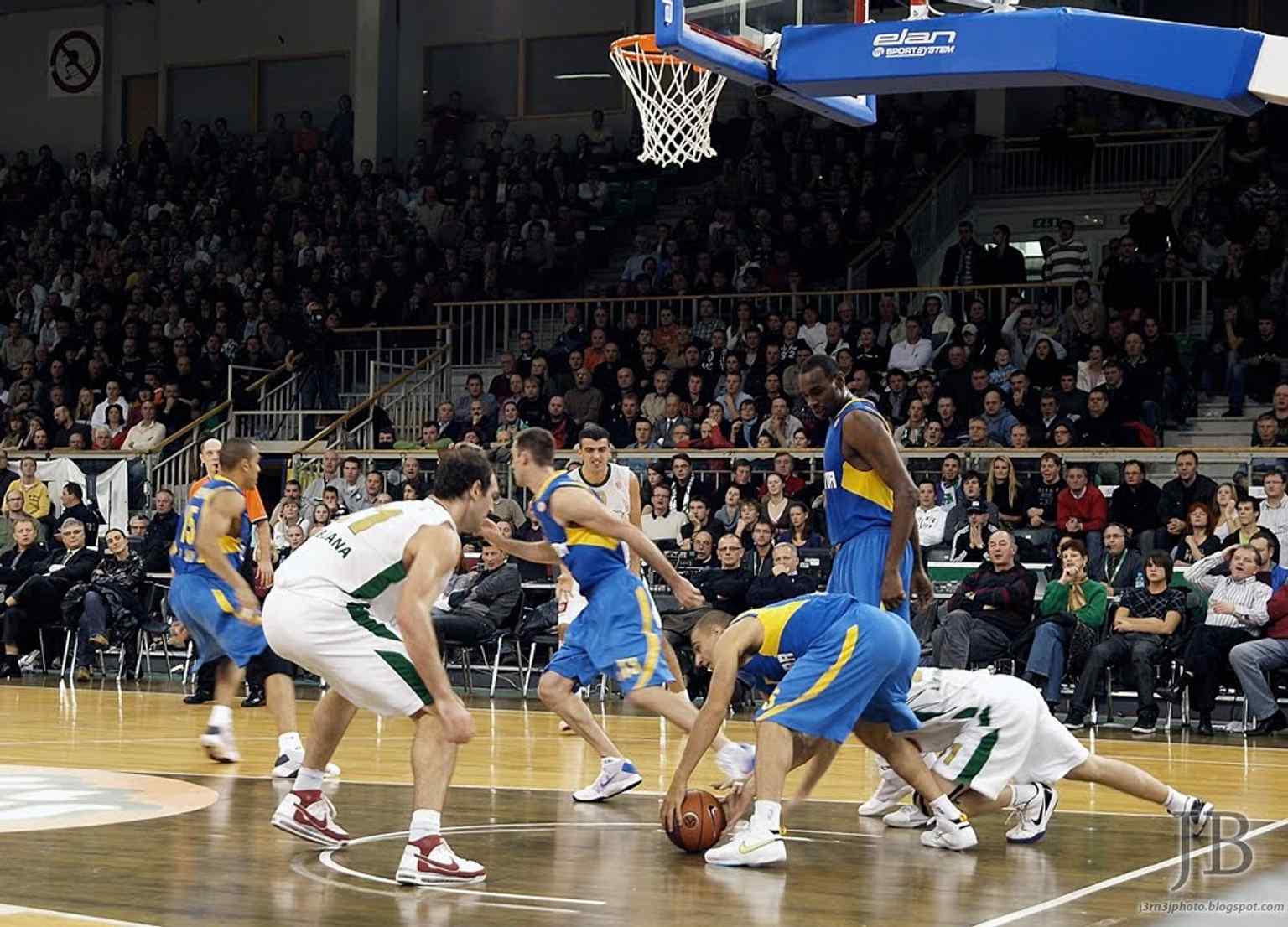
Then there’s the smaller hall, seating around 4,500, a secondary home for KK Cedevita Olimpija and, since 2017-18, also Ilirija. Locals call it the Temple of Slovenian Basketball-and that’s not marketing. It’s earned. The seating is tight, the ceiling is low, and those two facts create an atmosphere visiting teams have dreaded for decades. In the 1970s and 80s, Slovenian basketball legends became household names on that hardwood, and the building trained people to believe that their voices could change outcomes.
One night in particular sealed the myth. In 1970, the final round of the FIBA World Championship was played here, and Yugoslavia beat the United States 70-63 for gold. The slogan that followed-“Luna vaša, zlata naša,” “The Moon is yours, the gold is ours”-was a sharp little needle, a joke aimed at America’s recent moon landing. Sports as identity, humor as defiance. Captain Ivo Daneu, a Ljubljana native, pushed through a painful muscle injury to lead, and when it was done, fans carried him off on their shoulders. Celebrations spilled straight out from these doors into the streets.
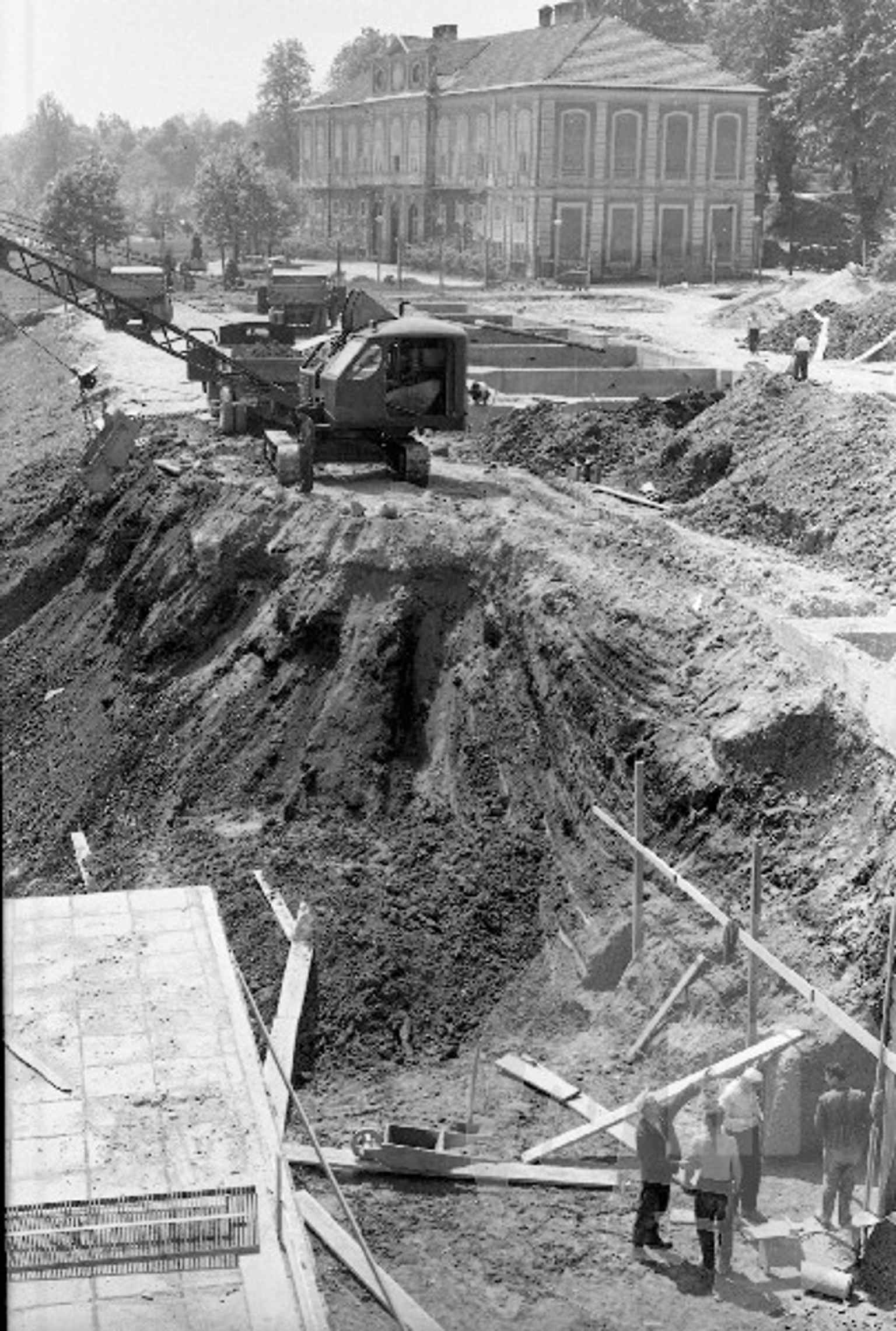
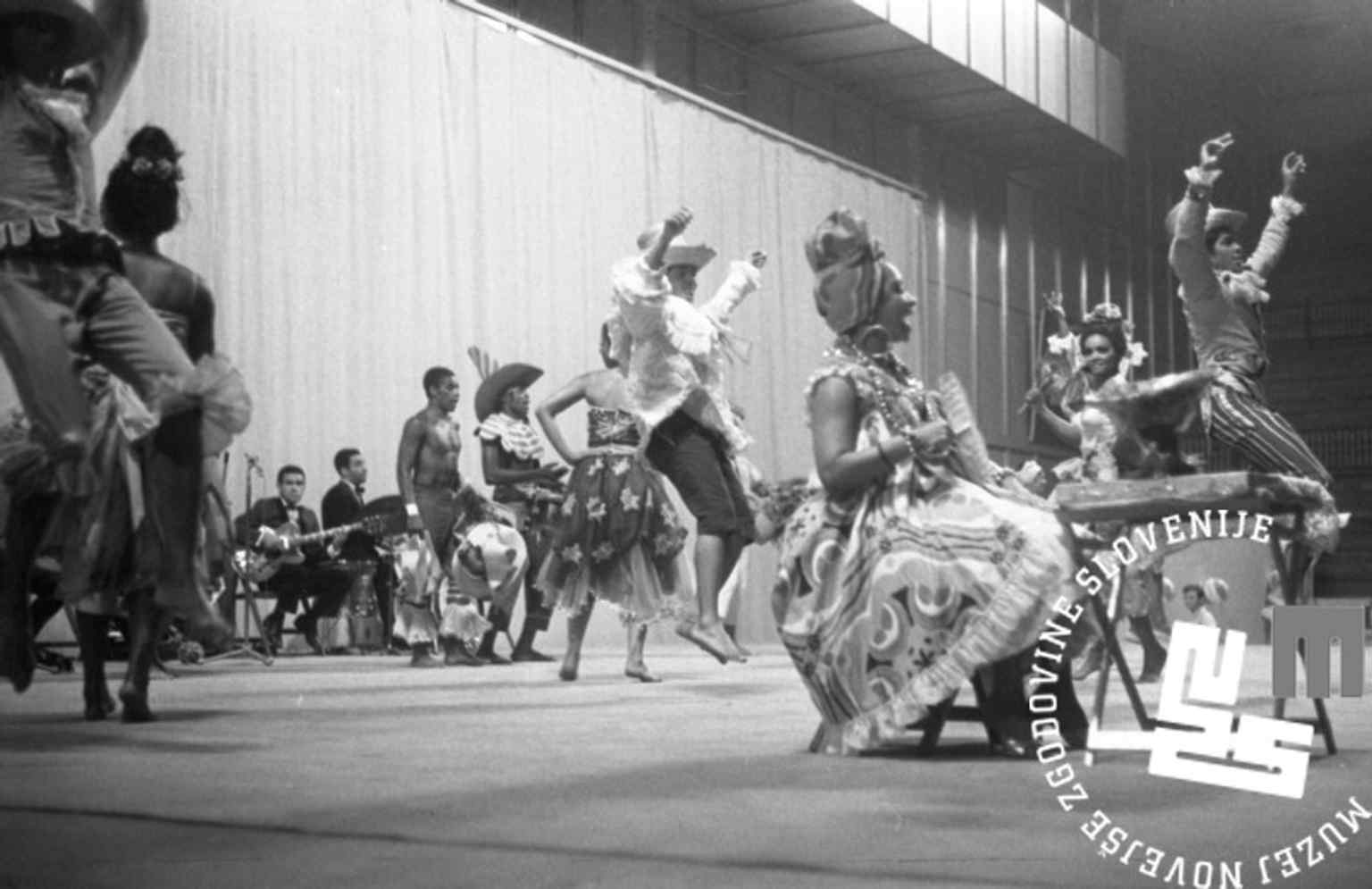
If you want a quick sense of how game night evolved, take a look at the before-and-after slider-1964 to 2009-when you have a second.
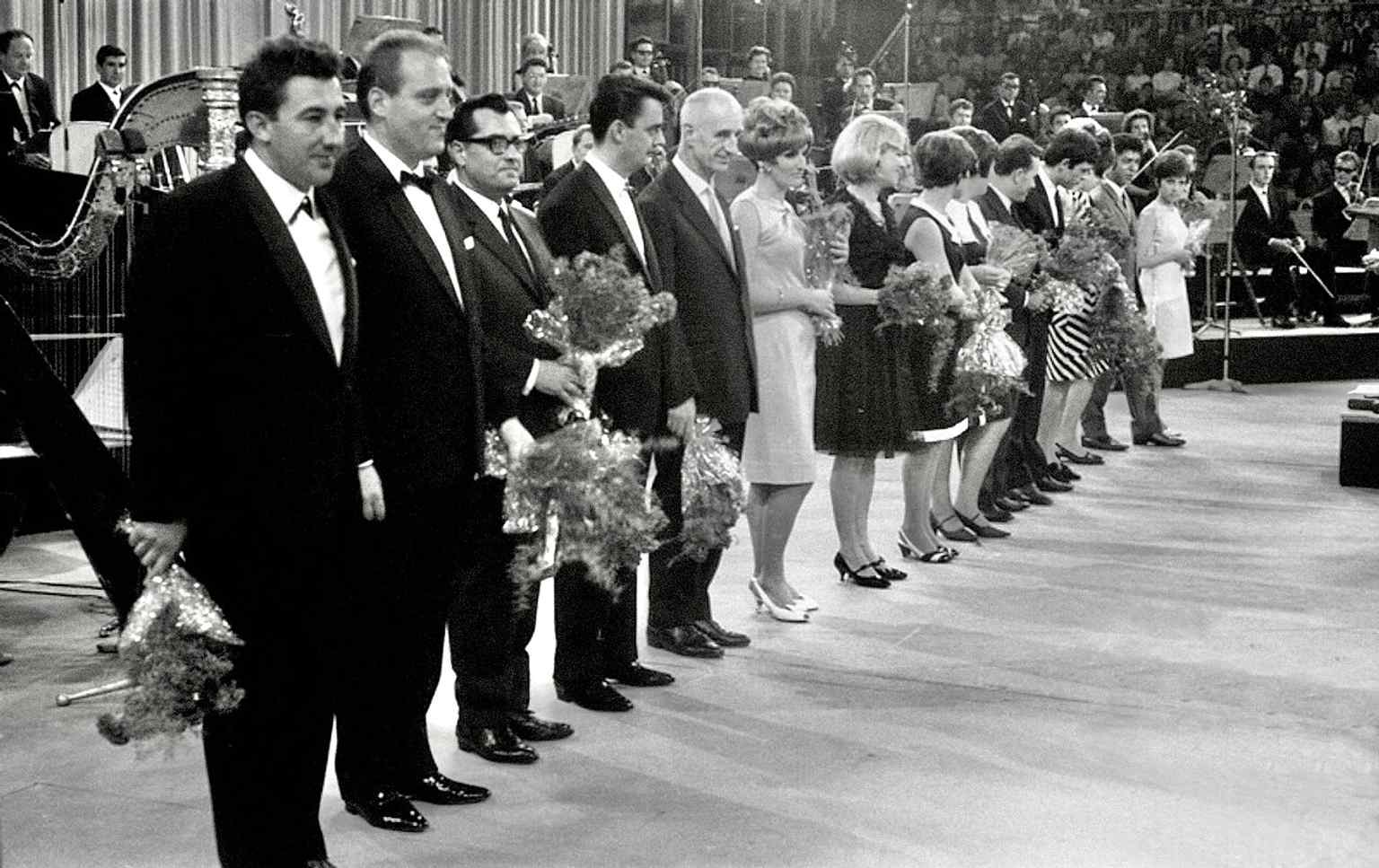
Even beyond sport, this hall helped Ljubljana feel bigger: Louis Armstrong played here in 1965, a kind of cultural baptism for a new venue. Later, the BOOM Festival in the early 1970s gave Yugoslav rock a home to grow louder, bolder, more self-assured.
And that’s how Tivoli Hall closes our walk: a building made fast, built carefully into a beloved park, and filled-again and again-with the sound of people discovering who they are together.
Stay here as long as you like…and let the park hold the energy.