
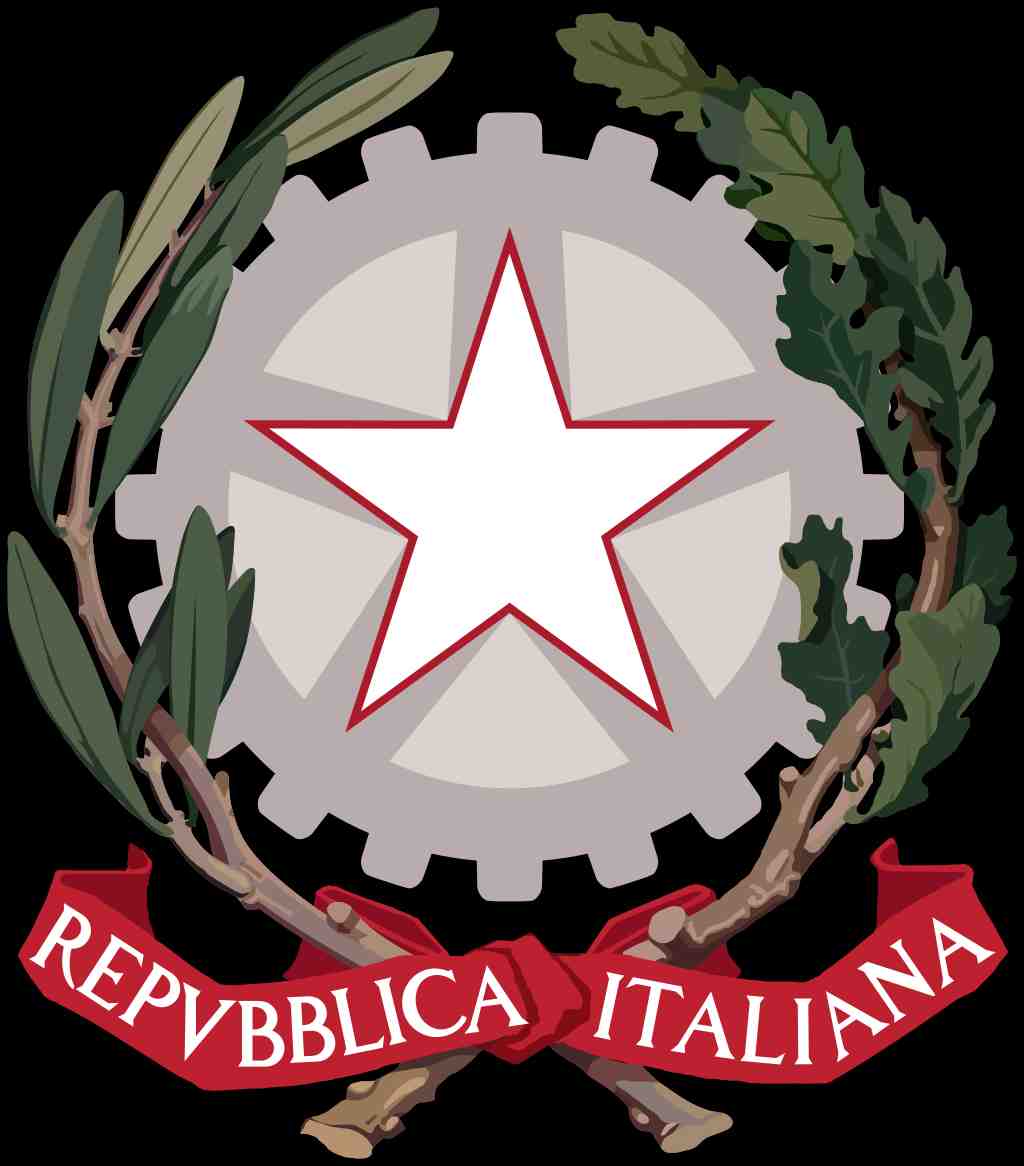
Look to your left at the stately stone building with its flat pale facade and the official crest of the Italian Republic mounted by the entrance. This is the Italian Embassy, a quiet arena where the shifting boundaries of national identity have been carefully negotiated.
When a new country declares its existence, it requires more than just new laws. It needs its neighbors to look across the border and recognize its sovereignty. Fabio Christiani witnessed this delicate rebirth firsthand, transitioning from the last Italian Consul General in the Yugoslav era to the first official representative to the newly independent Republic of Slovenia. He stood alongside Slovenian leaders on the night of June twenty fifth, nineteen ninety one, as they proclaimed independence. It was a moment heavy with uncertainty, punctuated by the roar of a Yugoslav military plane flying menacingly overhead. Christiani developed a deep bond with Ljubljana and spent immense diplomatic capital convincing Rome to move past historical fears and stand in solidarity with the new state.
Yet, establishing a new national narrative often triggers conflicts over physical land and cultural memory. In the years following independence, relations between Italy and Slovenia were deeply tested by the past. After the Second World War, many Italians fled the territory that fell under Yugoslav rule, and their properties were confiscated by the communist government. By the nineteen nineties, the Italian government demanded compensation and restitution for these displaced citizens, even blocking Slovenia's early efforts to integrate with Western Europe. It took years of difficult negotiation to finally reach a compromise allowing European citizens to purchase property here.
You can find echoes of these ideological clashes in unexpected places. The ambassadorial residence itself, located nearby on a different street, holds a fascinating relic of the socialist era. Hidden inside the building is a prominent red star, left over from when the residence was state owned property in Yugoslavia. It is a remarkable architectural survival. A communist emblem preserved within the private quarters of a Western diplomat, quietly witnessing visits from foreign dignitaries. It remains a fixture of the home, proving that history is rarely wiped entirely clean.
Diplomats here learned that to truly engage with this emerging state, they had to understand its cultural battlegrounds. Ambassador Paolo Trichilo immersed himself in local literature, calling it a privileged observatory for diplomacy. He believed that reading Slovenian authors revealed the country's psychological landscape far better than official documents. Similarly, another ambassador brought an exhibition of the designer Ottavio Missoni to Slovenia. By connecting the famous high end Italian brand to Missoni's actual birthplace on the eastern Adriatic coast, she used art to soften old historical borders.
The story of this embassy shows how a nation is recognized from the outside. But to understand how it was built from the inside, we must move toward the physical center of the republic. Please continue on toward Republic Square. It will take about eleven minutes to walk there.




