Wycieczka audio po Fukuoce: Spotkanie Wschodu z Zachodem
Para unosiła się niegdyś nad panoramą Hakaty, gdzie starożytne ścieżki tętnią teraz energią nowoczesnych pociągów i tajemnic oświetlonych neonami. Pod nowoczesnym obliczem Fukuoki czeka świat ukrytych intryg, gotowy do odkrycia. Odkryj prawdziwe historie Hakata-ku podczas tej wycieczki audio z przewodnikiem – przejdź od dynamicznej stacji Kyushu Railway Company do gwarnego terminalu autobusowego Hakata, prześlizgnij się przez ciche zakątki w pobliżu Asahi Ryokuken i odkryj miejsca, które większość turystów mija w pośpiechu. Jaka wybuchowa konfrontacja wywołała chaos pod tymi torami? Jakie polityczne rywalizacje rodziły się w zadymionych herbaciarniach zaledwie kilka kroków stąd? Dlaczego odjazd jednego autobusu wywołał wstrząs w korytarzach władzy Fukuoki? Przemierzaj alejki i zatłoczone place, gdzie echa buntu spotykają się z opowieściami o niezłomności. Każdy przystanek odsłania nową warstwę, zmieniając znane ulice w ekscytującą podróż między epokami. Rozpocznij swoją przygodę i zobacz, jak Hakata ujawnia swoje najśmielsze sekrety, gdy odjedzie ostatni pociąg.
Podgląd trasy
O tej trasie
- scheduleCzas trwania 40–60 minsIdź we własnym tempie
- straighten3.6 km trasy pieszejPodążaj wyznaczoną trasą
- location_on
- wifi_offDziała offlinePobierz raz, korzystaj gdziekolwiek
- all_inclusiveDożywotni dostępOdtwarzaj ponownie w dowolnym momencie
- location_onStart przy Dom Towarowy Hakata Hankyu
Przystanki na tej trasie
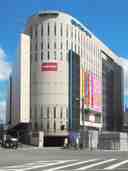
To spot Hakata Hankyu, just look up at the sleek, modern building with tall, vertical lines of glass and steel, and a dramatic white wave-like canopy sweeping above the entrance…Czytaj więcejPokaż mniej
To spot Hakata Hankyu, just look up at the sleek, modern building with tall, vertical lines of glass and steel, and a dramatic white wave-like canopy sweeping above the entrance of JR Hakata City. Now, let’s step back and let the city’s heartbeat guide us. Close your eyes if you like-right in front of you is Hakata Hankyu, a place packed with stories as stylish as its shiny exterior. Picture this: underneath its impressive steel and glass façade, stretching from basement to the lofty eighth floor, runs a unique lifeline to Hakata’s past, present, and future. Originally, the heart of this area was beating inside the old 博多ステーションビル, but by the early 2000s, that building was feeling a bit creaky-think more “grandpa’s slippers” than “exciting shopping adventure.” So, in an ambitious move, the station was demolished, and the city’s powerhouses-retail giants like Takashimaya, Hankyu, and Itozuya-scrambled for the chance to star in the brand-new JR Hakata City redevelopment. There was drama: deals almost made, negotiations breaking down over who’d have more space-like a schoolyard argument, but with billions of yen at stake instead of marbles. Eventually, Hankyu swooped in, especially when Itozuya’s dreams couldn’t quite catch up. After a few more courtroom showdowns and a not-so-small farewell payment, Itozuya packed up, making space for Hakata Hankyu to rise. When Hakata Hankyu opened in 2011, it wasn’t just another department store-it was a statement. Imagine the buzz: shoppers, workers, and travelers flooding in, over 220,000 on day one! And it was more than luxury labels and glittering jewelry-though boasting names like Louis Vuitton, Tiffany & Co., Hermes, and Gucci certainly didn’t hurt. The place quickly made waves with its bright fashion floors, cheerful events, and, of course, the mouth-watering aroma wafting from its food court. If you follow your nose, you’ll find the aroma of Osaka-style grilled squid wafting up from the basement’s famous 阪神名物いか焼き stall. Yes, that’s authentic Kansai comfort food, right here in Kyushu! But Hakata Hankyu had a secret weapon: unlike stuffy old department stores, it ditched ultra-high prices and offered trendy clothes that office ladies in their twenties could afford-no need to save up for a fashion splurge. It also skipped the fancy VIP club for millionaires that the other giant department stores had, and put its energy into making shopping easy and fun for regular people. Ever heard of “Hakata Sisters”? That was their playful, low-price fashion zone-so irresistible, you might find yourself walking in for socks and leaving with a new wardrobe. It’s a store that likes to show rather than just sell: you could stumble onto cooking lessons, styling workshops, or even parenting classes dotted throughout the building’s many “event stages”. These mini-plazas fill the store, adding a social freshness that makes you want to stick around longer. History-wise, this building is perched dramatically above the train platforms-if you listen carefully inside, you might even catch the gentle rumble of trains from the second level. There are secret connections, too: passages lead you to Amu Plaza, underground malls, rooftop parking, and even directly into the train station. Don’t get lost-unless you want to! Hakata Hankyu started off as an underdog-“the new kid in Kyushu,” as even its own CEO admitted back in the day. But it didn’t take long for this spunky newcomer to catch up to the old pros. By 2023, sales rocketed to 623 million yen, propelling it into the top-two spots in all of Fukuoka-only Iwataya in Tenjin stands taller today. Think of it as Kyushu’s own Cinderella story, only with more handbags and maybe a whole lot more escalators. Oh, and next time you see a glint of green? That’s not just a shopping card! The Hakata Hankyu Emerald Card, a rare, locally unique credit card, had its swan song not long ago. If you’ve got one, hold onto it-it’s a little piece of local retail legend. So as you stand here, you’re not just at a department store. You’re at a crossroads of ambition, reinvention, rivalry, and local flavor-a story of how one bright new idea can transform a city’s shopping landscape. And if your wallet starts to tingle, don’t worry: that’s just Hakata Hankyu doing what it does best-inviting you in!
Otwórz dedykowaną stronę →Take a good look around you. You’re now standing at the site that has, for more than sixty years, been the absolute heart of Hakata’s hustle and bustle: the Hakata Station…Czytaj więcejPokaż mniej
Take a good look around you. You’re now standing at the site that has, for more than sixty years, been the absolute heart of Hakata’s hustle and bustle: the Hakata Station Building. Try to picture what it must have felt like here in the early 1960s. The city was changing fast-steam trains were slowly giving way to the electric age, and Hakata was ready for an upgrade. The old, undersized Hakata Station, tucked away near present-day Gion Station, had finally run out of room for all the travelers, dreamers, and folks in search of late-night ramen. So, what did the city leaders, business moguls, and councilmen of Fukuoka do? Well, they rolled up their sleeves and moved the whole darn station about 600 meters southeast, right here, in 1960. That’s almost the same as moving two Tokyo Towers lying end-to-end. To figure out what to do with this brand new building, a group of three powerful local organizations formed the “Hakata Public Station Establishment Preparation Committee.” (Try saying that three times fast!) Their goal: create not just a train station, but a gleaming commercial hub that would announce Hakata’s arrival as a modern city. Within just a couple short years, their vision became a reality. The Hakata Station Building sprang up, a seven-story marvel with an underground floor, and its doors officially opened in December of 1963-just in time to catch the first waves of Japan’s economic miracle. At first, the star tenants were a local department store, Daiko, and a string of specialized shops. But Daiko must’ve had stage fright, because after just four months, it bowed out! Luckily, the department store Izutsuya from Kitakyushu swooped in for a grand Hakata debut and held the limelight here for the next forty years. Talk about staying power! But wait-there’s more! The basement was quickly transformed into a lively underground dining street, now known as Hakata 1-Bangai, where the air was thick with the scent of ramen, curry, and perhaps a hint of train oil. The elevated tracks above grew their own maze of famous shops, which today make up the Mying Hakata Ekimae Shopping Street. Underground, don’t get lost! Hakata Station’s subterranean town opened in 1964, adding yet another layer to the station’s vibrant world. Of course, everything changes, especially in Japan’s fast-moving cities. After nearly fifty years, the building was getting a little creaky-like your uncle’s knees after a marathon. When the shiny new Kyushu Shinkansen line zipped onto the scene in 2011, the entire area got its biggest facelift yet. JR Kyushu, fresh with big ideas, led a project to completely rebuild the station. The classic “Hakata Station Building” closed its doors for the last time on March 31, 2007, making way for the sleek JR Hakata City complex you see today. But there’s still a secret hiding in plain sight: the original company, Hakata Station Building Co., is still alive and thriving, running the famous Mying shopping alley and the busy Hakata underground. It’s like a ghost from the Showa era-still managing the heartbeat under your feet. Quite a story, right? Now, ready for the next stop? Let’s keep moving, before someone mistakes us for lost luggage!
Otwórz dedykowaną stronę →Look to your left for a huge building plastered with colorful, bold signs and the unmistakable “Yodobashi-Hakata” glowing in red-hard to miss with all the electric excitement…Czytaj więcejPokaż mniej
Look to your left for a huge building plastered with colorful, bold signs and the unmistakable “Yodobashi-Hakata” glowing in red-hard to miss with all the electric excitement flashing at you! Now, let’s step into the bright and buzzing world of Yodobashi Hakata, where technology dreams take flight and wallets tremble with anticipation. Imagine it’s November 1st, 2002-the doors swing open for the very first time, and Hakata gets its very own megastore, the first of its kind in Kyushu. People from all over rush in, eyes widening at a labyrinth of electronics spread out over 23,000 square meters. There’s everything from the newest gadgets to enough camera gear to make a tourist’s heart skip a beat! Most of this space is claimed by Yodobashi Camera, which quickly becomes a local legend-like the best gadget-filled playground you could imagine. But Yodobashi Hakata didn’t just rest on its shelves. In 2012, the place transformed, cranking up the technology and expanding so much you’d swear it swallowed another building! By then, the electronics department alone hit a whopping 20,000 square meters, ranking it one of the biggest in Japan. Each floor adds its own flavor: park your car on one of six spacious parking levels, grill up some BBQ on the 11th, or hunt for bargains at DAISO and GiGO. Plus, you can pick up your purchases 24 hours a day-just in case your new gadget craving strikes at midnight. And if you think Hakata’s the only spot for tech treasure hunting, look around: this area is a haven for computer lovers, packed with even more specialty stores. Welcome to the beating heart of shopping excitement in Hakata-try not to get lost, or else you might come out with more gadgets than you can carry!
Otwórz dedykowaną stronę →
Pokaż jeszcze 12 przystankówPokaż mniej przystankówexpand_moreexpand_less
You’re standing right in front of the sleek and modern headquarters of JR Kyushu Station Building Holdings, the not-so-secret command center pulling the strings for some of…Czytaj więcejPokaż mniej
You’re standing right in front of the sleek and modern headquarters of JR Kyushu Station Building Holdings, the not-so-secret command center pulling the strings for some of Kyushu’s most important rail hubs and bustling commercial spaces. But let’s take a step back-well, not literally, the traffic here’s a bit lively-and imagine it’s the last days of 2018. Amid the holiday buzz and city lights, the leadership at JR Kyushu gathered for a fateful board meeting, less than 24 hours before Christmas. Instead of planning their Secret Santa exchanges, they were plotting something much bigger: a transformation of how their vast business empire runs. Back then, JR Kyushu wasn’t just about trains, although let’s face it, their shinkansen can outrun Santa’s sleigh on a good day. Their station buildings-where commuters grabbed hot coffee, tourists picked up souvenirs, and folks checked into convenient hotels-were thriving. But trouble was rumbling along the tracks. With Japan’s population getting older and the internet shopping boom squeezing out traditional stores, competition for shoppers and hotel guests was heating up faster than a cup of vending machine matcha. Enter the bold plan: set up a new holding company to run the entire station building and hotel business, giving them more flexibility and sharper decision-making. It was time to switch tracks and outpace the digital competition. So, on April 1st, 2019-no joke was intended, though the date is a perfect setup for one-JR Kyushu Station Building Holdings was born. But how do you actually reorganize a business as sprawling as a train network? Well, it’s kind of like a magic show. Presto! The old ‘Kokura Terminal Building’-which ran both station buildings and hotels-was split, each half given its own company. And with a wave of paperwork, JR Kyushu created new station hotel companies, shuffled management (the president of JR Hakata City even wore two hats for a while), and gave old buildings shiny new names: say hello to JR Kokura City, JR Nagasaki City, JR Kagoshima City. You might think the story ends here, but nope! JR Kyushu Station Building Holdings oversees a collection of companies running famous “Amu Plaza” shopping centers-from Hakata, Oita, and Kumamoto to Miyazaki. Their empire includes hotels, shopping streets, even golf driving ranges-so if you’ve ever tried to hit a golf ball through a train window, you’re probably on their watchlist. Not content with just domestic glory, their president looked to the horizon and spied… Singapore! Taiwan! Maybe even more countries in Asia. There’s talk of opening Amu Plaza malls overseas, hoping that people will dream of shopping in Kyushu just for the bragging rights. “Let’s show the world that Kyushu has the coolest train station shopping arcade,” they seemed to say. And the next chapter could be just one bullet train ride away. So next time you dash past a station bakery or check into a hotel above the tracks, remember: there’s a whole web of decisions and drama behind these walls. JR Kyushu Station Building Holdings is proof that running stations takes more than just punctual trains-it’s about keeping entire cities connected, entertained, and maybe, just maybe, making sure grandma’s shopping trip goes off without a hitch. And if you ever wondered who's managing it all from the shadows… well, now you know!
Otwórz dedykowaną stronę →Look for a wide, modern building with shimmering glass walls and big red letters spelling “KITTE” near the top corner, right in front of you-that’s your stop! Welcome to KITTE…Czytaj więcejPokaż mniej
Look for a wide, modern building with shimmering glass walls and big red letters spelling “KITTE” near the top corner, right in front of you-that’s your stop! Welcome to KITTE Hakata, the shining star of shopping and relaxation right here by Hakata Station! As you stand here, take a deep breath and listen-can you imagine the faint hum of hundreds of footsteps, laughter echoing in the air, and the distant clanging of cups and plates from one of the many cafes inside? It feels alive, doesn’t it? But believe it or not, not so long ago, this corner of the city was home to the Hakata Post Office, busy with the click-clack of stamps and the gentle thunk of letters landing in boxes. Everything changed in April 2016, when this sleek building opened its doors. KITTE Hakata means both “stamp” and “come here” in Japanese-a cheeky little pun to remind you that you’re always invited! But even though the name’s linked to stamps, the post office itself actually moved next door, so don’t try to mail your grandma’s postcard here or you might end up shopping instead. Now, KITTE Hakata isn’t your average shopping center. Sure, you’ll find big names like Hakata Marui, UNIQLO, and even a Pokémon Center-though I hear it’s nearly impossible to catch a wild Pikachu on your way out. The real magic, though, is in the way KITTE Hakata is designed for people to pause and just relax. With nearly every floor boasting a café, you’re surrounded by tempting aromas from bakeries, coffee shops, and restaurants, all built with one promise in mind: “Let’s take a good rest.” Not a bad motto in a world that’s always rushing by, right? The building is vast-eleven stories tall-with everything from wedding venues sparkling up on the top floor, to ramen shops and cozy cafes on the lower levels. Underground, there’s even a secret world of restaurants, connected directly to Hakata Station and the busy city beyond. Rumor has it that if you stand really still down there, you’ll hear the clinking of chopsticks and the gentle fizz of soda from dozens of lunch tables. KITTE Hakata is more than just places to eat and shop, though. It’s a marvel of city planning: it sits on redeveloped land, designed to draw crowds from all over, and boy, did it work! When KITTE Hakata opened, it brought about 10,000 extra people to Hakata Station every day-weekends here feel a little bit like a festival, especially if you’ve ever tried to find a quiet corner in the Marui food court. And don’t get me started on the escalators; they’re like slow-moving rivers of people, especially when there’s a sale at UNIQLO! The exterior glass shines in the sun and glows in the evening, but it’s not just for show. This building was carefully set back from the street to make more room for pedestrians, and there’s even a heart-shaped “Angel Post” outside-legend says if you drop in a letter, it gets delivered with a sprinkle of good luck. Inside, KITTE Hakata is ready for anything. Planning a wedding? Head to the top. Need a bite? There are restaurants on the ninth, tenth, and underground floors, serving everything from sizzling teppanyaki to heavenly pancakes. Bringing a bike? They’ve got nearly 900 parking spaces hidden underground. Even the restrooms are impressive-fully equipped for anyone, at almost every level. And because this is Fukuoka, disaster preparedness is part of the design. KITTE Hakata doubles as an emergency shelter and has stockpiled supplies just in case. So whether you’re seeking fresh fashion, a quick snack, or just a warm place to wait out a rainy day, you’ve found one of Hakata’s most inviting retreats. Now, as you stand here, listen for the gentle whoosh of the doors and the chorus of cheerful voices heading inside. It’s not just a building-it’s a welcome, a wink, and a promise: Hakata is a place where you’re meant to stop, rest, and maybe, just maybe, find something unexpected waiting inside.
Otwórz dedykowaną stronę →To spot the Hakata Post Office, look for a sleek modern building with large glass windows and red JP Post signs just above eye level-it’s right on the ground floor, stretching…Czytaj więcejPokaż mniej
To spot the Hakata Post Office, look for a sleek modern building with large glass windows and red JP Post signs just above eye level-it’s right on the ground floor, stretching along the sidewalk to your right. Now, take a step back in time with me, because the Hakata Post Office is the kind of place where even the mail has stories to tell! Imagine it’s the early 1920s, and Hakata isn’t just the lively district you see now, but a bustling hub with a problem: every letter and parcel going in or out of Hakata was routed through the neighboring Fukuoka Post Office. That meant if you sent a letter to your friend across town, it would be fashionably late-by a whole day! Business owners were tearing their hair out (not literally, I hope) and thinking, “There must be a better way!” The Hakata Chamber of Commerce decided enough was enough. They marched up to the Minister of Agriculture and Commerce, Kenataro Arai, and demanded a post office of their own. The minister hesitated-budgets were tight. But the Chamber had a plan. “If we build the building, will you do the rest?” The minister, with classic bureaucratic flair, replied, “Well, if you really do it, I guess I’ll think about it.” Challenge accepted! With help from Kyushu Electric Railway and local supporters, they set to work, turning a dusty utility pole yard into a shiny new post office. You can almost hear the hammers and saws echoing down the street. By 1922, the post office was finished. On September 30th, the doors opened, bells ringing, paper shuffling, and instantly, Hakata’s mail ran on par with the rest of Fukuoka. Each year, the regional Kumamoto Communications Bureau would send a pretty hefty rent payment for the building, though eventually in 1936, the government officially bought the place, sealing its status as a central hub. Fast forward to 1966, and the post office moves here-right where you’re standing-on the south side of Hakata Station, into a cutting-edge new building. At the time, this was the third-largest post office in all of Kyushu, with over 400 staff buzzing about. You can picture the chaos, can’t you? Sorting packages, stamping letters, maybe someone trying to decipher messy handwriting. All right outside the station so that every mail item could make its journey with clockwork precision. As the years whizzed by and technology evolved (trains giving way to cars and planes), the role of this building shifted. In 2007, regional hub duties passed on to the flashy new Fukuoka Post Office in Higashi-ku. By 2010, more mail-sorting magic moved out toward the airport. But the Hakata Post Office stayed clever, popping up as a branch right here in the JRJP Hakata Building from 2016, making it as modern as your smartphone. But the story isn’t all about moving boxes! There’s drama too-by the 2000s, redevelopment buzzed through the district. JR Kyushu and the post office worked together to transform the area, setting up shop here and merging the old north and south buildings into something shiny and new, even making space for a Marui department store next door. If you’d walked by in 2013, you would’ve seen a temporary branch here-proof that even when its building was under construction, the Hakata Post Office delivered rain or shine. Today, this spot hums with activity-handling savings, insurance, international money orders, and the humble stamp. And just think: on this busy street, every letter that drops through the door is a tribute to a neighborhood that refused to settle for being second best. So, as you hear the automatic doors whoosh open and see people bustling in and out, remember: inside, the spirit of Hakata’s mail heroes lives on, one package at a time!
Otwórz dedykowaną stronę →Now, imagine it’s April 1, 1987. That’s not just the start of a new fiscal year-it’s the birth of JR Kyushu. On that day, Japan National Railways, a massive government network,…Czytaj więcejPokaż mniej
Now, imagine it’s April 1, 1987. That’s not just the start of a new fiscal year-it’s the birth of JR Kyushu. On that day, Japan National Railways, a massive government network, was split up in a whirlwind of privatization. In the chaos-picture paper flying, phones ringing-JR Kyushu stepped onto the scene, inheriting a patchwork of lines across Oita, Kumamoto, Kagoshima, and-of course-right here in Fukuoka. It was like moving into a grand old mansion that badly needed renovations… only your new roommates are one thousand kilometers of track, hundreds of stations, and a few grumpy, aging trains. And so began a wild ride. At first, things weren’t exactly smooth. In its first year, JR Kyushu ran into the red-288 million yen in losses! The local lines were suffering from depopulation, buses and highways were siphoning off passengers, and honestly, some trains looked like they’d seen better days (and possibly, better centuries). But you don’t get to be the heartbeat of Kyushu transportation by giving up! JR Kyushu diversified like a business ninja-one moment running trains, the next moment opening real estate companies, running hotels, building shopping centers, and, for a time, even selling cars! (Yes, their rivals on the road probably didn’t see that plot twist coming.) Here’s an interesting sound for you: That’s the sound of “non-rail” business overtaking train revenue! By 2016, more than half the company’s profits came outside trains-proof that success really is about staying on track but also knowing when to jump the rails, metaphorically speaking. This station isn’t just about business, though. It’s about people, memories, and technological leaps! JR Kyushu is the proud runner of the Kyushu Shinkansen, whisking people under mountains and over rivers at speeds so high your hairline considers relocating. When the full Shinkansen line opened in 2011, celebrations swept through the region. But even the regular trains got attention-many were redesigned, inside and out, by the legendary designer Eiji Mitooka. He gave JR Kyushu trains a stylish flair, turning commutes into journeys and local rails into moving art galleries. And for train lovers with a taste for luxury? “Seven Stars in Kyushu” is one of the world’s most exclusive cruise trains. With tickets that can cost more than my annual salary (don’t ask!), it’s a rolling palace where you can sip sake, nibble on local delicacies, and gaze out at volcanoes-without ever setting foot in a castle. Of course, things haven’t always been easy. Financial troubles loomed for decades. Stations were unmanned, lines grew quieter in rural stretches, and the threat of closure hung over some routes like a train whistle in the fog. But JR Kyushu responded with creative strategies: smart ticketing systems, unique tourism trains featuring onboard puppet shows or bars, even branches in faraway places… like Bangkok, Thailand! Yes, these guys really get around. Oh, and if you’ve ever tapped an IC card here, thank the SUGOCA system-JR Kyushu rolled it out in 2009, letting you beep through barriers with the effortless confidence of a local. Imagine the company’s uniforms too: sharp navy suits, red accents, and a parade of pins and ribbons. If you spot a particularly proud employee, they might just break into the company song-“Roman Tetsudo”-which, I’m told, can get even the sleepiest commuter humming along. Today, standing here, the HQ hums with activity. There’s talk of future tech, like robots for track repairs, internet ticketing innovations, and fresh plans for stations and hotels, not just in Japan but across Asia. Every decision echoes with the legacy of steam engines and the promise of maglev dreams. So as you look at the building, remember: This isn’t just a corporate HQ-it’s the command center for a railway empire that’s survived competition, earthquakes, changing towns, and the occasional overly enthusiastic tour guide. And like every good journey on JR Kyushu, it’s a reminder that history, innovation, and a bit of fun can all ride the same train. Shall we keep rolling to our next stop? For a more comprehensive understanding of the conditions, head office organization or the past presidents, engage with me in the chat section below.
Otwórz dedykowaną stronę →Directly ahead, you’ll spot a wide stretch of road with busy intersections, but in the center there’s a large area fenced off, with construction vehicles and a noticeable change…Czytaj więcejPokaż mniej
Directly ahead, you’ll spot a wide stretch of road with busy intersections, but in the center there’s a large area fenced off, with construction vehicles and a noticeable change in pavement-this is where the famous collapse happened, right by the city’s tall buildings. Alright! You’re now standing at a spot where Hakata’s history took a dramatic, jaw-dropping turn-no pun intended! Imagine the scene: It’s just before sunrise on November 8th, 2016, and most of Hakata is still asleep. But outside this intersection, right in front of Hakata Station, a few unlucky workers are facing a real underground mystery. They’re tunneling away, extending the city’s subway line, when someone notices the ground doesn’t look quite right. Suddenly, water starts rushing into the tunnel, causing a rumble below your feet. All of the workers scramble to safety, not a moment too soon. Within minutes, the street right in front of you starts to split open, first cracks and then enormous holes, making the kind of noise you’d expect at the world’s biggest breakfast cereal factory! By 7:20 AM, the ground had devoured a chunk of the road as large as a swimming pool-a gigantic crater, about 30 meters across and 15 meters deep, enough to swallow small cars and maybe even your daily worries. Water, gas, electricity, and communication lines were all caught in the chaos-lights went out, businesses closed, and for a while, this buzzing hub of Kyushu’s economy was brought to a shocking stop. Some 800 buildings lost power, and within hours, Hakata’s business world was as silent as a sushi chef in deep concentration. Now, here’s a plot twist better than any detective novel: despite all this, not a single person was injured or killed. Thanks to quick-thinking workers, the area was evacuated in time, and emergency crews swooped in almost before the echo of the collapse faded away. But oh, the city had a hole in its heart-and restoring it was a race against time. City leaders met, plans were drawn up like an emergency chess match, and a job that would usually be a months-long headache was tackled in just a week! The secret weapon? “Flowable soil”-a type of sand that hardens in water, like magic construction pudding. Truck after truck rumbled in at all hours, pouring about 4,000 cubic meters of the special soil into the giant pit. More than 1000 truck trips, day and night-if Hakata had had a sleep tracker, it would be short on rest that week! And here’s a fun fact: the fix was so urgent that even communication cables-vital for local banks and businesses-were routed onto emergency telephone poles that popped up like mushrooms overnight. One bank, forced to take a “lunch break” for days, lost access to all money transfers, new accounts, and withdrawals. You can imagine how many stressed-out customers needed an extra cup of green tea that week! Once the hole was filled, a parade of workers repaved the street, checked every building, and made sure the ground wouldn’t sink again. Even then, the city kept a nervous eye: a few weeks later, the newly rebuilt street settled a bit more and had to be closed temporarily for touch-ups. City engineers weren’t taking any chances, eventually reinforcing the ground with concrete to make sure Hakata wouldn’t be eating cars for breakfast again any time soon. The cause, determined later by experts, was a deadly combo of weak soil, thin rock layers, and a misjudged tunnel path. Turns out, beneath all this busy traffic and neon glory, Hakata has some soft spots-literally! And as a little historical reminder, this wasn’t even the first collapse in the area: just two years earlier, another part of the same street had sunk while a different subway job was underway. So as you look out at the thriving city ahead of you, picture this: what was once an enormous, muddy wound in Hakata is now a symbol of resilience, teamwork, and a little bit of construction magic. Let’s hope the next time Hakata makes headlines, it’s for something a lot less… dramatic-and a lot less noisy!
Otwórz dedykowaną stronę →To spot the Hakata Bus Terminal, just look for the tall, curved beige building directly ahead with “博多バスターミナル” in big blue letters at the top and a wall of colorful banners…Czytaj więcejPokaż mniej
To spot the Hakata Bus Terminal, just look for the tall, curved beige building directly ahead with “博多バスターミナル” in big blue letters at the top and a wall of colorful banners running vertically down its facade. Welcome! You’re now standing in front of the grand Hakata Bus Terminal, which rises 9 stories high and stretches wide like a guardian of the city’s bustling crossroads. Take a deep breath-you’ve found a portal that connects Fukuoka not just to the rest of Kyushu, but all the way to distant Tokyo and Osaka! In the morning rush, you’d hear, as waves of commuters, tourists, and families surge in and out. If you find yourself in need of a donut or a quick burger, don’t worry-the ground floor has you covered with everything from Yoshinoya to McDonald’s. But here’s where it gets interesting: this place didn’t always wear the same name badge! Imagine, back in the days before the sleek glass and neon-1963 to be exact-the company that built this hub was just being formed. By 1965, the first Hakata Bus Terminal opened, with only three floors. Little did they know, their creation would become the beating heart of Hakata’s transformation. Over the decades it grew and changed, taking on new floors, more routes, and more shops until it finally reached up to the clouds-as high as a nine-story building will let you. There’s something thrilling here: every day, more than 70,000 people surge through these doors, hopping onto 3,200 bus departures that span city, suburb and even different islands! This place is the headquarters of not just the city buses, but also the JR Kyushu and Showa Bus companies, whose engines purr and rumble on every level, including highways bound for places you’ve only ever dreamed about. You might have noticed the building itself is like a mini-city: floors are stacked with bookstores like Kinokuniya, a whole arcade full of Namco games, delicious restaurants, and even a blood donation room on the eighth floor (because in Hakata, they do everything with heart). On the fifth floor there’s a Daiso that’s the flagship store for all of western Japan-think of every gadget, snack, and trinket you forgot to pack! Confused by all the names? You’re not alone! For a long time, everyone-bus drivers, shoppers, even the building owners-used different names for the same place, like “Fukuoka Traffic Center” or “Hakata Station Traffic Center.” Imagine how hectic that got when someone said, “Meet me at the terminal,” and everyone had to clarify… “Which one?!” It took several name changes over the years, until finally, in 2010, everything was unified: the station, the company, and the entire building all became “Hakata Bus Terminal.” Like an awkward teenager who finally settled on one cool nickname. Don’t think the terminal is stuck in the old days, though! It’s been through several facelifts and renovations-especially back in 2011, when the entire Hakata Station district got a makeover for the opening of the Kyushu Shinkansen. Suddenly, the second floor got a shiny pedestrian deck, so travelers could stroll right into the new station building or KITTE Hakata without dodging traffic. The deck stretches hands across the streets, connecting shopping, buses, trains, and even the hearts of Fukuoka’s people. Just picture it: buses swirling in a three-level dance outside, commuters ferrying up and down by color-coded escalators, and the never-ending buzz from 6 a.m. all the way into the night. This is not just a terminal but a hive of human stories-first dates, tearful farewells, excited reunions-woven into the city’s daily rhythm. And if you listen closely, you can sense the mystery and movement that has powered Hakata’s growth for sixty years: from the clatter of the very first bus engines to the high-tech hustle of today, this building stands as a symbol of Fukuoka’s never-ending journey forward. So, before you catch your next adventure, glance up at those bold banners and remember-you’re standing in the very center of Kyushu’s living crossroads! Curious about the facility overview, name or the reorganization? Don't hesitate to reach out in the chat section for additional details.
Otwórz dedykowaną stronę →Just ahead, look for a modern, glass-fronted building with a giant yellow parking sign and rows of restaurant logos across the lower facade-that’s the Deitos Annex on your…Czytaj więcejPokaż mniej
Just ahead, look for a modern, glass-fronted building with a giant yellow parking sign and rows of restaurant logos across the lower facade-that’s the Deitos Annex on your right. Now, as you stand here, imagine the energy of Hakata buzzing through you. This building, the Deitos Annex-formerly known as EX-SIDE Hakata-started life in 2007, landing right on the old JR Kyushu headquarters’ grounds. Not just any office block, though: this place is a world of flavors and activity stacked high. On the first floor, the aroma of fresh coffee from Starbucks blends with the savory scent of KFC and Mos Burger, tempting anyone who passes. It’s the kind of spot where locals and travelers squeeze in quick bites and share stories over ramen and fries. But wait, it’s not just about food-head up a bit, and you'll discover a cozy clinic on the third floor, caring for Hakata’s hop-around crowd. Above that, rows and rows of parking stretch all the way to the roof; it’s a driver’s paradise in a city that never really sits still. The basement? That’s Hakata’s secret network, connecting you via concourse to the subway below, and yes, a busy bike parking labyrinth. Renovated and reborn in March 2024 after a big break for remodeling, this building is proof that a place can always reinvent itself. Deitos Annex isn’t just a stop-it’s a crossroads for the hungry, the hurried, and the curious. Just be careful you don’t leave here with a parking ticket instead of a sandwich.
Otwórz dedykowaną stronę →To spot Fukuoka City Kenkasu Elementary School, just look straight ahead for the wide front gate framed by big leafy trees and a unique tan building with an angled roof on the…Czytaj więcejPokaż mniej
To spot Fukuoka City Kenkasu Elementary School, just look straight ahead for the wide front gate framed by big leafy trees and a unique tan building with an angled roof on the right-it's right in front of you, proudly standing at the corner. Now, let me take you back in time-imagine standing here over 130 years ago, in 1889, when this spot first opened its doors to eager young minds. Back then, instead of busy city rush, horse carriages and the sound of children running echoed through the streets. Kenkasu Elementary has seen it all: the bustle of new schools branching off in the 1920s and 1930s-maybe it felt a bit like a parent waving goodbye as Yoshizuka and Higashi-Sumiyoshi elementary schools set out on their own paths, leaving a quieter playground behind. But time waits for no one. By the 1980s, this building needed a makeover-talk about a big school project! Renovations brought new life, just in time for the massive Mikasagawa River flood in 1993. Imagine: water rushing so high they had to rebuild the school pool. It’s a school that knows how to go with the flow-literally! Even today, the schoolhouse beats at the heart of a buzzing cityscape. All around, towering office buildings, busy hotels, and the ever-present sound of the trains near Hakata Station create a lively soundtrack-while inside, 166 students learn and laugh across just a handful of classrooms, making every face a familiar one. There are special support rooms for every kind of learner here, so no wonder it feels like one big family. Surrounded by famous neighbors like temples, city offices, and the always-crowded Hakata Station, Kenkasu Elementary is more than just a school-it’s a living piece of local memory. Nearly every street in the neighborhood has sent its children through these gates, ready to add their page to the story. And yes, they even have their own school song, written back in 1948, echoing every morning-a little musical reminder that this school, just like the city, never stands still!
Otwórz dedykowaną stronę →To spot JR Kyushu Hotels, look for a tall, modern building with elegant vertical lines in the glass and stone façade soaring upward, right across the intersection-don’t worry,…Czytaj więcejPokaż mniej
To spot JR Kyushu Hotels, look for a tall, modern building with elegant vertical lines in the glass and stone façade soaring upward, right across the intersection-don’t worry, it’s hard to miss! Now, let’s set the stage for a tale of comfort, ambition, and just a touch of corporate mystery. Imagine you’re here in the late 1990s-the air’s buzzing with the sound of trains, business deals, and a little something I like to call the “Fukuoka hustle.” In 1999, tucked right here in Hakata, the JR Kyushu Hotels company was founded, not with grand marble lobbies but with aspirations to bring a bit of hospitality magic to anyone riding the rails across Japan. Back then, the company went by a name that was quite the mouthful: JR Kyushu Urban Development. Makes you wonder if their business cards needed to be extra wide! But in 2013, they trimmed things down and went with the classy “JR Kyushu Hotels.” From that moment, this wasn’t just a Hakata story. They set their sights on cities up and down Kyushu, Tokyo, Okinawa, even out to Kumamoto and Kyoto. Their mission was clear: make every visitor feel like royalty-whether it’s for one night or a month. By 2013, these folks weren’t content with just “good enough.” They actually topped customer satisfaction rankings. Hotels under 9,000 yen a night? Number one in Japan, thanks to JD Power Asia-Pacific. Next year, they cracked the code for the 9,000 to 15,000 yen range, too. That’s a serious case of “can’t stop, won’t stop” hospitality! But the story doesn’t stop with smooth bedsheets and warm welcomes. Picture this: the JR Kyushu group is a bustling neighborhood of hotels-a real family, including the famous “THE BLOSSOM” brand. THE BLOSSOM isn’t just a name; it’s their way of saying, “You’ve traveled far, why not let something wonderful bloom here?” Whether you were a jet-lagged business traveler or an adventurous family, there was a room-and a smile-waiting. Maybe you wanted a bit of luxury in Tokyo at THE BLOSSOM Hibiya or, say, a spa day with volcanic waters at the Blossom in Oita. Each hotel has its own atmosphere-some classic, some sleek, all stitched with the fabric of local life. One hotel even drew up deep geothermal hot springs to let you soak in style. They didn’t forget the little touches, like inviting long-stay guests and travelers from abroad for a taste of premium Japan. Yet, like every well-loved family story, there were a few plot twists. Some hotels, like the cozy JR Kyushu Hotel in Kumamoto, closed down, only to rise again like a phoenix-hello, THE BLOSSOM Kumamoto! Others, like the hotel in Yakushima, transformed and rebranded, never disappearing, just changing their name and their flavor. And recently, a big plot development: in 2024, four companies merged into a single, mighty hospitality champion-JR Kyushu Hotels & Resorts. The new company now wears many hats, operating everything from luxury hotels down to traditional inns, making sure everyone finds a pillow with their name on it. The moment they announced this change, it was almost like fireworks-okay, maybe not fireworks, but at least the sound of hundreds of reservation confirmation emails zipping through the internet. Standing here now, you can see why so many travelers trust this brand. If you listen carefully just a few floors up-maybe someone’s getting ready for a big day, or smuggling an extra pancake from the breakfast buffet, but hey, your secret’s safe with me. History is still alive in these walls, and every guest adds a new thread. So, what do you think? Should we check you in, or are you craving the next adventure? Onward to the next stop!
Otwórz dedykowaną stronę →To spot Cosmos Chemical, look out for a bright pink sign with bold white Japanese characters-it’s hard to miss, usually hanging above the entrance at eye level. Welcome to one of…Czytaj więcejPokaż mniej
To spot Cosmos Chemical, look out for a bright pink sign with bold white Japanese characters-it’s hard to miss, usually hanging above the entrance at eye level. Welcome to one of the most recognizable faces in Japanese retail: Cosmos Pharmaceutical! Right now, you’re standing at the gateway to a "food & drug" wonderland, where affordable essentials and cheerful pink signage promise savings with a side of convenience. Take a moment and imagine the constant hum of shoppers’ footsteps and the gentle chime of the sliding doors as they glide open and closed. Can you smell that? It’s the fresh, clean air often mingled with the scents of shampoo and snacks, Cosmos’ unique recipe for success. But Cosmos didn’t always look like the bustling giant you see today. Picture the humble beginnings, back in 1973 in Miyazaki, where it all started as a small pharmacy called Uno Kaitendo Yakkyoku. The founders probably never dreamed they’d one day run over 1,500 stores! It officially grew into Cosmos Pharmaceutical in 1983, began its journey as a corporation in 1991, and then started spreading its pink magic across Kyushu, and beyond. By 2001, they were multiplying almost like, well, the cosmos itself-about four times as many stores in just five years. Have you ever tried multiplying rabbits? This was even faster. What sets Cosmos apart in a land filled with convenience stores? Their revolutionary strategy: everyday low prices, or EDLP! Here, you won’t be collecting points because Cosmos ditched the point-card craze back in 2003, trading in the plastic cards for price tags that make wallets smile. You’ll find shelves lined with not just medicine, but also foods and daily necessities-except for fresh produce and ready-to-eat meals, which they leave to the supermarkets. Let’s just say, if it were a game, Cosmos would be playing for the high score in efficiency and selection. They’ve conquered the “food & drug” niche like true pioneers. Imagine large, brightly-lit spaces up to 2,000 square meters-roomy enough for everyone, but efficient enough for just a handful of staff to run. Need toothpaste, tissues, or a midnight snack? Cosmos has got you covered, all while keeping your shopping trip speedy. If you’re hoping to tap your phone or flash your card, though, hold that thought! Cosmos sticks to cash for most transactions, so keep those yen handy in your pocket. For the tech-savvy, this is a throwback-and possibly a survival challenge! The company’s growth is the stuff of legend: from a first out-of-Kyushu store in Yamaguchi in 2004, to launches in Shikoku, Kansai, Chubu, and all the way to the bustling streets of Tokyo by 2019. As it spread, Cosmos stuck to its guns-no mergers, no buyouts-just honest growth. Today, it stands near the top of the retail world, competing with giants who get bigger by eating their rivals, unlike Cosmos, who simply keeps growing like a well-watered plant. Of course, like any bustling force of nature, Cosmos occasionally finds itself in a little mischief, like the time in Osaka when a note was left on a ramen-shop customer’s car over a parking “misunderstanding.” Who knew shopping for shampoo could get so dramatic? So, as you gaze at that cheerful pink sign, remember you’re witnessing a piece of retail history-a place whose humble, hardworking roots keep it grounded even as it soars into the cosmos. Ready for your next adventure?
Otwórz dedykowaną stronę →Right in front of you stands a sleek, modern office building with gleaming blue-tinted windows and sharp, clean lines-just look slightly upward beyond the leafy trees and you…Czytaj więcejPokaż mniej
Right in front of you stands a sleek, modern office building with gleaming blue-tinted windows and sharp, clean lines-just look slightly upward beyond the leafy trees and you can’t miss its bold presence. Now, take a deep breath and soak in the scene as we step into the story of Yamae Kuno, the pulse of Kyushu’s food industry! Imagine postwar Japan, the year is 1947. In Miyazaki, the seeds of a company are planted among the hustle and bustle of markets, where the aroma of fresh produce and the chatter of merchants fill the air. From those lively roots, Yamae Shoji is born. They weren’t just trading rice and food-they were feeding hope to a recovering nation. Meanwhile, in Hakata, Kuno Shokuryo is busy growing its own legacy. Decades later, these two forces collide like ramen and broth, and in 1969, they unite to launch an all-new enterprise: Yamae Kuno. If you listen closely, you can almost hear the old loading docks in Hakata rumble with delivery trucks as Yamae Kuno expands. They’re moving not just food, but also animal feed, fresh produce, sake, and-surprise!-even gasoline. By now, they've got fingers in everything from logistics to rental cars and warehouses. The real drama unfolds in the 1970s, as Fukuoka is booming and convenience stores are the next big thing. Yamae Kuno joins hands with city bankers and makes one of the boldest moves in Kyushu business history-they bring Seven-Eleven to town! You can hear the ring of cash registers and the buzz of excitement as people across the region discover the joys of onigiri at midnight. But it doesn’t stop at convenience stores. Fast-food giants like Royal Host and Joyfull also become major partners. Yamae Kuno becomes such a key player, it’s rubbing shoulders with the likes of Toyota Kyushu at the top of the sales charts. Over the years, the company grows-sometimes with a bang, merging with other businesses, and sometimes quietly, acquiring new subsidiaries. There are moments of tension and big decisions. There’s the excitement of listing on the Tokyo and Fukuoka stock exchanges, and the challenge of adapting to a changing world. In 2021, the company goes through a transformation and becomes part of Yamae Group Holdings, building an even bigger empire. Oh, and did you ever eat at Pizza Hut in Japan? Guess what-Yamae Kuno helps deliver that cheesy goodness too! They keep acquiring companies, expanding into beverages, logistics, building materials, and even international ventures with Original Japan s.r.l. Each layer of its history is packed with the scent of fresh ideas and the taste of ambition. From humble beginnings to the shimmering glass tower you see before you, Yamae Kuno is more than just a business-it’s a living, breathing part of Kyushu’s everyday life, always delivering something new, always moving forward, and always keeping Hakata’s heartbeat going strong. Now, before you head off, be sure to take one last look-the story of Kyushu commerce is still being written right here! Curious about the summary, history or the consolidated subsidiaries? Don't hesitate to reach out in the chat section for additional details.
Otwórz dedykowaną stronę →To spot Asahi Ryokuken, look for a smooth white building with shiny square tiles and large black-framed windows; just glance ahead and up, where you’ll see its modern logo in red…Czytaj więcejPokaż mniej
To spot Asahi Ryokuken, look for a smooth white building with shiny square tiles and large black-framed windows; just glance ahead and up, where you’ll see its modern logo in red and green against the sunlight, on the building’s upper corner. Welcome to your final stop-Asahi Ryokuken, the home of green goodness! Now, as the doors close gently behind you, take in the clean, cool air, and the hum of traffic outside. This is no ordinary building. It’s the headquarters of a Fukuoka company that’s been all about healthy living since October 1997-long before “superfoods” became a buzzword. With a capital of just 10 million yen to start and a single-minded philosophy of “total healthcare for the mind and body,” they found their superpower: aojiru, the famous green juice made from young barley leaves. The real star here is the Ryokko Aojiru, a juice so green that even the Hulk would look twice. You might have seen it on TV infomercials slotted into just about every morning slot imaginable-except maybe when sumo wrestling is on. The company didn’t just stick to one trick either. Their blue-and-green army marched out with “AOJIRU Fiber-In,” “AOJIRU Chitosan-In,” even “AOJIRU & Collagen.” If you can mix it with greens, you bet they tried it. The story of Asahi Ryokuken isn’t confined to the bottled greens. Picture the place bustling not just with office workers and delivery deadlines, but with golf trophies, marathons, and even elderly home visits. The company sent teams to support local runs and cheer on citizen marathons, forming a partnership with Runners Co. in 2006-because nobody hands out green juice faster than someone who loves a good finish line. And oh, the television presence! From the 2000s onwards, you couldn’t flick between channels in Fukuoka without a celebrity showing off their healthiest smile and a glass of that famous juice. Imagine the scene: a sparkling kitchen, a reassuring narrator, and a celebrity taking a dramatic sip, eyebrows raised, declaring, “Delicious and healthy!”-those commercials starred everyone from renowned TV personalities to famous athletes. If streetside sales weren’t enough, Asahi Ryokuken even ventured into organizing youth soccer and baseball classes, and hosted their own golf tournaments-seriously, it’s a wonder there isn’t an AOJIRU Olympics yet. On top of all this, they produced in-house TV shows with quirky health talk, cheerful jingle, and a cartoon mascot called “Aojiru-kun.” Their health programming once filled so many local schedules that early-morning insomniacs probably felt like old friends with the TV hosts. But not every chapter was smooth. Back in 2001, there was a twist-regulators halted their flagship TV health show on suspicion it might have gone a little too far with its miracle claims. Suddenly, the airwaves went quiet as the company, always eager to play by the rules, hit pause on their green crusade. For a while, the streets of Fukuoka missed the cheerful AOJIRU patter, but in classic underdog style, Asahi Ryokuken returned, refocused its strategies, and continued its energetic march-now sticking firmly to the letter of the law, of course. Today, stand here and listen-the rustle of leaves from the tree outside, the occasional distant cheer from a local sports event, and the faint memory of a TV jingle. All of it paints the story of a company that transformed a simple vegetable juice into a household name. In Fukuoka, and increasingly beyond, they remind us that sometimes, a fresh start and a bit of greenery are all you need. So if you ever feel your energy dropping, remember, somewhere inside this building, they’re whipping up another batch of Aoijiru, ready to power the next community marathon or just breakfast at home. And as for you, explorer-it’s the greenest grand finale I could wish you after a tour of Hakata! For a more comprehensive understanding of the advertising and promotional activities, community service activities or the problems and scandals, engage with me in the chat section below.
Otwórz dedykowaną stronę →
Najczęściej zadawane pytania
Jak rozpocząć trasę?
Po zakupie pobierz aplikację AudaTours i wpisz kod realizacji. Trasa będzie gotowa do natychmiastowego rozpoczęcia – po prostu dotknij \"Play\" i podążaj trasą z nawigacją GPS.
Czy potrzebuję internetu podczas trasy?
Nie! Pobierz trasę przed rozpoczęciem i korzystaj z niej w pełni offline. Jedynie funkcja czatu wymaga internetu. Zalecamy pobieranie przez WiFi, aby oszczędzać dane mobilne.
Czy to wycieczka grupowa z przewodnikiem?
Nie – to samodzielny audioprzewodnik. Zwiedzasz niezależnie, we własnym tempie, z narracją audio odtwarzaną przez telefon. Bez przewodnika, bez grupy, bez harmonogramu.
Ile trwa trasa?
Większość tras zajmuje 60–90 minut, ale to Ty kontrolujesz tempo. Wstrzymuj, pomijaj przystanki lub rób przerwy, kiedy chcesz.
Co jeśli nie zdążę ukończyć trasy dzisiaj?
Żaden problem! Trasy mają dożywotni dostęp. Wstrzymaj i wznów, kiedy chcesz – jutro, za tydzień lub za rok. Twój postęp jest zapisywany.
W jakich językach są dostępne trasy?
Wszystkie trasy są dostępne w ponad 50 językach. Wybierz preferowany język podczas realizacji kodu. Uwaga: języka nie można zmienić po wygenerowaniu trasy.
Gdzie znajdę trasę po zakupie?
Pobierz darmową aplikację AudaTours z App Store lub Google Play. Wpisz kod realizacji (wysłany e-mailem), a trasa pojawi się w Twojej bibliotece, gotowa do pobrania i rozpoczęcia.
Jeśli trasa Ci się nie spodoba, zwrócimy Ci pieniądze. Skontaktuj się z nami pod adresem [email protected]
Bezpieczna płatność przez