
Wycieczka audio po Wenecji: Epicka mozaika od genezy po artyzm
Wenecja pilnie strzeże swoich sekretów. Poza gondolami i lśniącymi kanałami kryją się historie rywalizacji, wynalazków i odwagi, które ukształtowały to miasto w sposób, jakiego większość turystów nigdy nie dostrzega. Podczas tej wycieczki audio z przewodnikiem przejdziesz przez pałacowe bramy, gwarne place i zacienione zakamarki, aby odkryć Wenecję, o której szepczą miejscowi. Który spór polityczny opóźnił ukończenie kościoła Tolentini o dziesięciolecia? Jakie niespokojne duchy błąkają się po Domu Carla Goldoniego, nawiedzając zarówno karty książek, jak i scenę? I dlaczego zamaskowane tłumy pędziły niegdyś przez Campo San Polo, podczas gdy szlachta planowała ich upadek w pobliskich komnatach? Zejdź z turystycznego szlaku i przenieś się w głąb stuleci dramatu, gdzie bunt wrzał pod marmurowymi kolumnami, a geniusz iskrzył za wyblakłymi fasadami. Z każdym przystankiem odkrywasz kolejne warstwy gier o władzę, dawnych widowisk i historii pełnych skandali. Daj się poprowadzić ciekawości. Rozpocznij swoją podróż tam, gdzie Wenecja naprawdę ożywa – za zamkniętymi drzwiami i w historiach ukrytych tuż poza zasięgiem wzroku.
Podgląd trasy
O tej trasie
- scheduleCzas trwania 40–60 minsIdź we własnym tempie
- straighten4.1 km trasy pieszejPodążaj wyznaczoną trasą
- location_on
- wifi_offDziała offlinePobierz raz, korzystaj gdziekolwiek
- all_inclusiveDożywotni dostępOdtwarzaj ponownie w dowolnym momencie
- location_onStart przy Tolentini, Wenecja
Przystanki na tej trasie
Built in the late 16th century, this church had a bit of drama during its construction, making it quite the diva of Venetian churches. It finally had its grand opening in 1714…Czytaj więcejPokaż mniej
Built in the late 16th century, this church had a bit of drama during its construction, making it quite the diva of Venetian churches. It finally had its grand opening in 1714 after some intense relationship drama between the architect and the patrons. Quite the telenovela, I must say! Inside, you'll find the impressive baroque organ that's older than your great-great-grandma, built in 1754 by Pietro Nacchini. And let's not forget the exquisite art pieces like Johann Liss' jaw-dropping altarpiece and Bernardo Strozzi's masterpiece depicting St. Lawrence giving alms. Oh, and keep an eye out for the funereal monument of the Patriarch of Venice. It's like a sculptural Instagram post from the 17th century! Now, let's move on to our next stop on this adventure!
Otwórz dedykowaną stronę →Located in the charming San Polo neighborhood in Venice, this Gothic-style palace has a fascinating history. Originally belonging to the Rizzi family, it eventually ended up in…Czytaj więcejPokaż mniej
Located in the charming San Polo neighborhood in Venice, this Gothic-style palace has a fascinating history. Originally belonging to the Rizzi family, it eventually ended up in the hands of Carlo Goldoni's grandfather in the 17th century. Talk about keeping it in the family! Now managed by the Fondazione Musei Civici di Venezia, the House of Carlo Goldoni showcases not only the playwright's life and works but also precious artifacts related to Venetian theatre. It’s a theatrical treasure trove right here in Venice!
Otwórz dedykowaną stronę →Welcome to Campo San Polo, the largest campo in Venice! This square has quite the history-it used to be a spot for grazing and agriculture, but now it's a hub of activity. Did you…Czytaj więcejPokaż mniej
Welcome to Campo San Polo, the largest campo in Venice! This square has quite the history-it used to be a spot for grazing and agriculture, but now it's a hub of activity. Did you know it even had a bullfighting ring back in the day? Nowadays, you'll find open-air concerts, film screenings during the Venice Film Festival, and even the famous Carnival festivities here. Watch out for any stray bulls, though. Just kidding! Enjoy your time exploring this lively square!
Otwórz dedykowaną stronę →


Pokaż jeszcze 9 przystankówPokaż mniej przystankówexpand_moreexpand_less
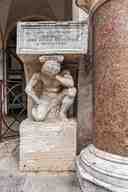
Alright, welcome to stop number 11, Il Gobbo di Rialto! This unique marble statue dates back to the 16th century and shows a crouching, naked hunchback supporting a small flight…Czytaj więcejPokaż mniej
Alright, welcome to stop number 11, Il Gobbo di Rialto! This unique marble statue dates back to the 16th century and shows a crouching, naked hunchback supporting a small flight of steps. It's like having your own personal stair-master, but with more character, don't you think? Legend has it that back in the day, this statue was used for all sorts of official proclamations. Imagine standing on that block to announce the laws or even the names of offenders! And if you were caught for a minor misdemeanour, you'd have to run the gauntlet of citizens lining the streets - now that's one way to learn your lesson! Speaking of lessons, in the 19th century, the statue needed a bit of a touch-up, and the civic authorities stepped in to restore it. They even added a fancy Latin inscription above the hunchback's head to mark the occasion. It's like giving your ancient friend a fresh makeover - a timeless classic! Oh, and let's not forget the gossip - apparently, this statue could talk! Well, not literally, but it was said to communicate with the Pasquino, one of the talking statues in Rome. Who knew statues had a hotline to chat about politics and gossip about the Pope? So take a moment to appreciate the history and quirky tales behind this iconic statue, and maybe give it a nod or a high-five for good luck - just don't run any naked gauntlets while you're at it!
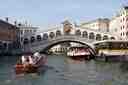
Otwórz dedykowaną stronę →Constructed by Antonio da Ponte between 1588 and 1591, this stone marvel replaced the earlier wooden version. Two ramps lead up to a central portico, with rows of shops lining…Czytaj więcejPokaż mniej
Constructed by Antonio da Ponte between 1588 and 1591, this stone marvel replaced the earlier wooden version. Two ramps lead up to a central portico, with rows of shops lining each side. It was so revolutionary for its time that architect Vincenzo Scamozzi predicted its eventual downfall, but thank goodness he was wrong! Did you know the first dry crossing of the Grand Canal was a pontoon bridge built in 1181? It was called the Ponte della Moneta due to its proximity to the mint there. As the importance of the Rialto market grew, so did the need for a more substantial bridge. The wooden bridge that replaced the pontoon one in 1255 even had a movable central section to let tall ships pass through! Time and again, the Rialto Bridge faced challenges, from fires to collapses. Yet, it stood tall, attracting crowds rushing to see events like the marriage of the Marquis of Ferrara. Despite various architectural proposals, the stone version we see today wasn't realized until the late 16th century. Even renowned figures like Michelangelo were considered for the redesign! So, as you stand here on this historic bridge, remember that its charm and resilience have made it not just a crossing point but a symbol of Venice itself. Don't forget to take in the views and maybe grab a souvenir from one of the shops as you continue your Venetian adventure!
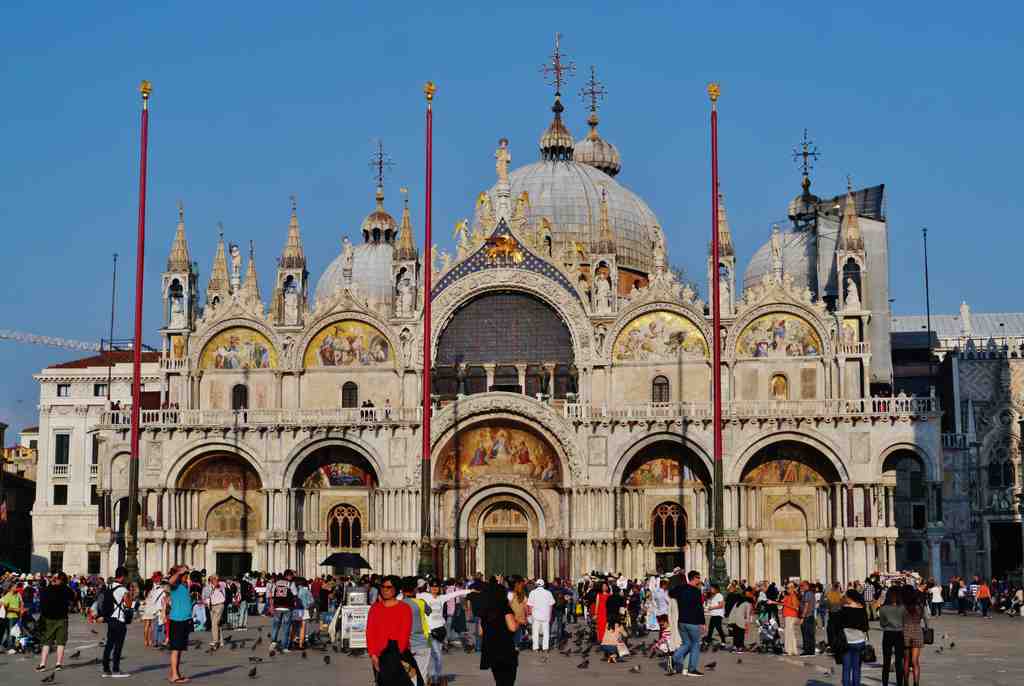
Otwórz dedykowaną stronę →This stunning basilica, also known as the Patriarchal Cathedral Basilica of Saint Mark, is not just any church - it's the cathedral church of the Patriarchate of Venice! Built…Czytaj więcejPokaż mniej
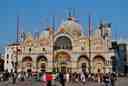
This stunning basilica, also known as the Patriarchal Cathedral Basilica of Saint Mark, is not just any church - it's the cathedral church of the Patriarchate of Venice! Built with a mix of Middle-Byzantine, Romanesque, Islamic, and Gothic influences, this masterpiece has seen Venice's growing civic pride shine through since 1063. With a rich history of treasures plundered from Constantinople during the Fourth Crusade, including the famous bronze horses at the entry, St Mark's Basilica boasts a blend of artistic styles spanning eight hundred years. From traditional Byzantine mosaics to Renaissance masterpieces by artists like Titian and Tintoretto, this basilica is a true feast for the eyes. So, stand in awe of the golden mosaics depicting saints and prophets, and let the history of Saint Mark's relics captivate you as we explore this architectural gem in the heart of Venice! Shall we continue our adventure through this rich tapestry of Venetian history?
Otwórz dedykowaną stronę →Standing at an impressive 98.6 meters tall, it's the tallest structure in Venice and is affectionately known as "el paròn de casa," meaning the master of the house. Quite fitting,…Czytaj więcejPokaż mniej
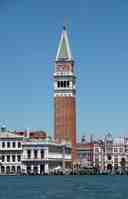
Standing at an impressive 98.6 meters tall, it's the tallest structure in Venice and is affectionately known as "el paròn de casa," meaning the master of the house. Quite fitting, isn't it, for a tower that has stood tall and proud, guiding ships safely into the harbor for centuries. Originally built as a watchtower to protect the city from invading pirates, this tower has seen it all. From gilded spires to allegorical figures of Venice as Justice, every inch of this tower tells a story of Venice's past. And if you're lucky, you might even catch a glimpse of the golden weather vane shaped like the archangel Gabriel at the very top. So let's tip our hats to St Mark's Campanile, the guardian of the skies and the keeper of time in this beautiful city of Venice!
Otwórz dedykowaną stronę →As you stroll through the square, you'll notice the Palazzo Patriarcale, the seat of the Patriarch of Venice, and the impressive St Mark's Clocktower, which has been ticking away…Czytaj więcejPokaż mniej
As you stroll through the square, you'll notice the Palazzo Patriarcale, the seat of the Patriarch of Venice, and the impressive St Mark's Clocktower, which has been ticking away since 1499. Nearby, you'll also find charming cafes and restaurants like Caffè Quadri, favored by the Austrians, and Florian's, beloved by the locals. Don't forget to check out the Procuratie Vecchie and Nuove, former homes of high-ranking officials, and the Museo Correr, located in the Napoleonic Wing. Fun fact: Napoleon didn't just conquer Venice; he also left his mark on this square! So soak in the history, sip on some espresso, and enjoy the lively atmosphere of Piazza San Marco, the crown jewel of Venice! Let's continue our adventure to our next stop. Follow me!
Otwórz dedykowaną stronę →The palace has quite the history! It was built in 1340, but over the following centuries, it underwent extensions and modifications. Can you imagine the palace being partially…Czytaj więcejPokaż mniej
The palace has quite the history! It was built in 1340, but over the following centuries, it underwent extensions and modifications. Can you imagine the palace being partially destroyed by a fire in the 10th century? Talk about a hot mess! Thankfully, Doge Sebastiano Ziani was a great reformer and gave the place a makeover. In 1424, Doge Francesco Foscari decided to extend the palace, turning parts of it into law courts. Then, in 1483, another fire broke out, leading to more renovations in a fancy Renaissance style by Antonio Rizzo. But wait, there's more! Two more fires struck in 1547 and 1577, causing quite the stir and requiring more repairs each time. It's like the palace had its own drama series! Despite all the fiery challenges, the palace still stands proudly today, housing a museum since 1923. It's one of the must-visit spots in Venice, not just for its history but also for its stunning architecture and the famous Bridge of Sighs connecting the palace to the prison. Just imagine the sighs of the prisoners crossing that bridge, probably dreaming of freedom or a good pizza!
Otwórz dedykowaną stronę →Imagine this: the first fire in 1774, the second in 1836 caused by, get this, an Austrian heater that didn't play nice with the opera house. But they weren't going down without a…Czytaj więcejPokaż mniej
Imagine this: the first fire in 1774, the second in 1836 caused by, get this, an Austrian heater that didn't play nice with the opera house. But they weren't going down without a fight! The house was rebuilt each time, ready to shine in all its splendor again. And if that wasn't dramatic enough, the third fire in 1996 was due to arson! Talk about a fiery history! Despite all the fiery mayhem, La Fenice has stood the test of time, becoming one of the leading opera houses in Italy and Europe. It's like a real-life phoenix, rising from the ashes stronger and more glamorous every time! So, let's raise a toast to this resilient opera house that has seen it all, and let's hope the only thing catching fire here are the incredible performances on stage!
Otwórz dedykowaną stronę →Now, let's talk masterpieces. Inside, you’ll find some primo art pieces worthy of a double-take. We’re talking a Priest recommended to the Virgin by St Benedict and John the…Czytaj więcejPokaż mniej
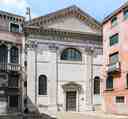
Now, let's talk masterpieces. Inside, you’ll find some primo art pieces worthy of a double-take. We’re talking a Priest recommended to the Virgin by St Benedict and John the Baptist, hanging out over the doors on either side of the high altar. And let's not forget St. Sebastian getting some much-needed love and care from the Holy Women by the talented Bernardo Strozzi on the south wall. Oh, and keep your eyes peeled on the north wall for San Francesco di Paola by the one and only Giambattista Tiepolo. San Beneto isn’t just a church; it's a whole vibe. Soak in the history, the art, and the one-of-a-kind charm this place has to offer. Also, beware of the church mice - they're quite holy rollers!
Otwórz dedykowaną stronę →This museum is like a treasure trove tucked away in the stunning Palazzo Venier dei Leoni, an 18th-century palace that was once home to the art enthusiast Peggy Guggenheim…Czytaj więcejPokaż mniej
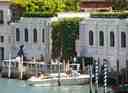
This museum is like a treasure trove tucked away in the stunning Palazzo Venier dei Leoni, an 18th-century palace that was once home to the art enthusiast Peggy Guggenheim herself. She turned this place into a haven for art lovers, showcasing her impressive private collection starting in 1951. The collection is a kaleidoscope of artistic styles, featuring works by Italian futurists and American modernists bursting with creativity in genres like Cubism, Surrealism, and abstract expressionism. It's like taking a colorful journey through some of the most innovative art of the 20th century! With over 400,000 visitors each year, this museum is a hot spot for art aficionados looking to feast their eyes on pieces by masters like Picasso, Dalí, and Pollock. Peggy's keen eye for talent led her to gather an exceptional array of artworks, creating a legacy that continues to inspire visitors from around the globe. So come on in and explore the world of modern art at the Peggy Guggenheim Collection. Who knows, you might discover your new favorite artist while you're here!
Otwórz dedykowaną stronę →



Najczęściej zadawane pytania
Jak rozpocząć trasę?
Po zakupie pobierz aplikację AudaTours i wpisz kod realizacji. Trasa będzie gotowa do natychmiastowego rozpoczęcia – po prostu dotknij \"Play\" i podążaj trasą z nawigacją GPS.
Czy potrzebuję internetu podczas trasy?
Nie! Pobierz trasę przed rozpoczęciem i korzystaj z niej w pełni offline. Jedynie funkcja czatu wymaga internetu. Zalecamy pobieranie przez WiFi, aby oszczędzać dane mobilne.
Czy to wycieczka grupowa z przewodnikiem?
Nie – to samodzielny audioprzewodnik. Zwiedzasz niezależnie, we własnym tempie, z narracją audio odtwarzaną przez telefon. Bez przewodnika, bez grupy, bez harmonogramu.
Ile trwa trasa?
Większość tras zajmuje 60–90 minut, ale to Ty kontrolujesz tempo. Wstrzymuj, pomijaj przystanki lub rób przerwy, kiedy chcesz.
Co jeśli nie zdążę ukończyć trasy dzisiaj?
Żaden problem! Trasy mają dożywotni dostęp. Wstrzymaj i wznów, kiedy chcesz – jutro, za tydzień lub za rok. Twój postęp jest zapisywany.
W jakich językach są dostępne trasy?
Wszystkie trasy są dostępne w ponad 50 językach. Wybierz preferowany język podczas realizacji kodu. Uwaga: języka nie można zmienić po wygenerowaniu trasy.
Gdzie znajdę trasę po zakupie?
Pobierz darmową aplikację AudaTours z App Store lub Google Play. Wpisz kod realizacji (wysłany e-mailem), a trasa pojawi się w Twojej bibliotece, gotowa do pobrania i rozpoczęcia.
Jeśli trasa Ci się nie spodoba, zwrócimy Ci pieniądze. Skontaktuj się z nami pod adresem [email protected]
Bezpieczna płatność przez 


