Wycieczka audio po Palermo: Królewskie bramy i święte kamienie odsłonięte
W blasku oszałamiającego słońca Palermo zderzały się niegdyś całe imperia, pozostawiając po sobie sekrety, o których jedynie napomykają kamienie Piazza Indipendenza, złoty łuk Porta Nuova i wnętrza lśniącej Kaplicy Palatyńskiej. Wyrusz na wycieczkę audio z przewodnikiem, która poprowadzi Cię przez te epickie miejsca i nie tylko. Odkryj ukryte dziedzińce, polityczne spiski i wielowiekowe szepty tam, gdzie zwykli turyści robią tylko zdjęcia. Jaki nagły kryzys niemal zmiótł Porta Nuova jednym błyskiem? Dlaczego król Roger II zażądał tak zdumiewających mozaik do swojej prywatnej kaplicy – i kto wyrył tajne wiadomości w ich złotych wzorach? Czy naprawdę istniało ukryte przejście, pozwalające wicekrólom przemykać przez pałacowe mury niezauważonym? Przemierzaj wielkie place i ciche krypty. Poczuj puls historii w królewskich intrygach, skandalach, rebeliach i czystym blasku nieopowiedzianych historii. Z każdym krokiem odkrywaj nowe Palermo, czekające tuż poza zasięgiem wzroku. Niech ciekawość będzie Twoim przewodnikiem – najgłębsze legendy miasta czekają na Twój pierwszy ruch.
Podgląd trasy
O tej trasie
- scheduleCzas trwania 40–60 minsIdź we własnym tempie
- straighten2.6 km trasy pieszejPodążaj wyznaczoną trasą
- location_on
- wifi_offDziała offlinePobierz raz, korzystaj gdziekolwiek
- all_inclusiveDożywotni dostępOdtwarzaj ponownie w dowolnym momencie
- location_onStart przy Piazza Indipendenza
Przystanki na tej trasie
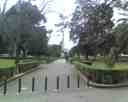
To spot Piazza Indipendenza, look for a wide, leafy plaza with carefully trimmed hedges, tall lamp posts, and a central monument rising up among the trees. Welcome to the lively…Czytaj więcejPokaż mniej
To spot Piazza Indipendenza, look for a wide, leafy plaza with carefully trimmed hedges, tall lamp posts, and a central monument rising up among the trees. Welcome to the lively heart of Palermo-Piazza Indipendenza! Imagine you’re standing where ancient city walls once guarded Palermo, just past those defenses in an area once nicknamed Mezzomonreale. If you squint a little, you can almost see carriages rattling by, headed for the countryside through Porta Nuova, or soldiers in crisp uniforms at the old military district. This square, once called Piazza Santa Teresa for the Madonna dei Rimedi church, was renamed after Italy’s unification, when dreams of freedom washed over Sicily like a breath of fresh Mediterranean air. Today, the “modern” garden at your feet wasn’t always here-imagine it full of horses or bustling market stalls. Around you, grand buildings tell their own stories: Palazzo d'Orleans with its secret political decisions, the imposing back of Palazzo dei Normanni hiding royal intrigues, and the entrance to the sparkling Palatine Chapel. Even the train beneath your feet, rumbling quietly, connects past and present. Breathe in and picture a time of whispered secrets and grand plans-though frankly, the only secret you’ll hear now is how the pigeons figure out exactly where to aim from overhead!
Otwórz dedykowaną stronę →To spot Porta Nuova, just look up ahead for a massive, richly decorated triumphal arch with grand statues and a striking, colorful pyramid-shaped roof-trust me, you can’t miss…Czytaj więcejPokaż mniej
To spot Porta Nuova, just look up ahead for a massive, richly decorated triumphal arch with grand statues and a striking, colorful pyramid-shaped roof-trust me, you can’t miss it! Now, as you’re standing here, take a deep breath and imagine the centuries that have thundered beneath this very arch. All roads into Palermo once squeezed through here-the hustle of merchants, the roll of royal carriages, and sometimes maybe a sheep or two causing a royal traffic jam! Porta Nuova has been Palermo’s mighty guardian since the 15th century, when it was first called the Porta dell’Aquila, the "Gate of the Eagle." Picture this: instead of the bustling street in front of you, envision dusty hooves echoing on stone and the clatter of wagon wheels mixing with the city’s early morning calls. The most jaw-dropping moment for Porta Nuova came in September of 1535. Imagine the city trembling with excitement: Emperor Charles V himself, fresh from his victory in distant Tunisia, made his grand entrance through this gate, his golden banners fluttering in the Sicilian sun, crowds cheering so loud you’d think the stones might start dancing! The gate as you see it now was rebuilt to commemorate not just his triumph, but also the growing pride and power of Palermo. Look closely at those fierce statues guarding the passageway-those are defeated Moors, sculpted as a reminder of Charles V’s conquest. It’s as if the gate is saying, “Only the victorious may pass!” But don’t worry, it’s perfectly safe to stroll through today, no conquests required. The current Port Nuova came to life in 1583, ordered up by Viceroy Marcantonio Colonna and designed by the city’s star architects of the time (who, lucky for us, knew that Sicilian gates should always go big and bold). If the four gigantic statues on the front look a bit intimidating, that’s exactly the point-each one represents the might and triumph of the king over his foes. And the adventure doesn’t stop there! Above you, the structure rises in layers packed with surprises: marble columns, busts of Roman goddesses peeking out from niches, snarling masks carved on arches. It’s like a “Where’s Waldo” for stonework. Let’s not forget the gate's wild ride through history. In 1667 nature got a little too dramatic-lightning struck, igniting a gunpowder store, and boom! Porta Nuova was nearly blown to bits in the blink of an eye. But Palermo is a city that always stands back up, so Gaspare Guercio rebuilt the gate in all its monumental glory, adding the dazzling colored tiles on the pyramid roof and that tiny lantern crowning the whole thing like a cherry on top. Through earthquakes, restorations, and centuries of sun and storm, this gate has always been more than just stone and mortar-it’s Palermo’s front door, welcoming every visitor with a wink and a story. Plus, did you know: there was once a corridor above, running between Porta Nuova and the Royal Palace next door, so the viceroy could sneak straight into the city without dodging any wayward sheep. You might not get your own secret passage, but you do get to walk through a piece of living history-every step echoing with emperors, viceroys, and the endless spirit of Palermo. So, step under the mighty arch and into the Cassaro-the heart of the city awaits, and believe me, the stories have only just begun!
Otwórz dedykowaną stronę →The Palatine Chapel sits before you with its golden mosaics shimmering under arched ceilings-look for a dazzling entrance tucked within the grounds of the Norman Palace, not far…Czytaj więcejPokaż mniej
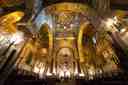
The Palatine Chapel sits before you with its golden mosaics shimmering under arched ceilings-look for a dazzling entrance tucked within the grounds of the Norman Palace, not far from where the crowds gather and the air seems to sparkle just a bit brighter. Welcome, traveler, to one of Palermo’s most magical treasures-the Palatine Chapel! Imagine you’re stepping through history’s front door into a world where kings, mosaics, and even a little bit of mystery mingle together. Don’t be shy-let’s step closer and listen to what these ancient stones have to say. The year is 1140. Sicily is home to King Roger II, who’s got a taste for luxury rivaled only by his love of architects who never say, “That’s impossible!” He ordered this basilica to be built right inside his royal palace, wanting a chapel so breathtaking, it would impress both his friends and his rivals. The result? A Sicilian-Norman masterpiece crowned with gold mosaics so bright, it’s rumored one of Roger’s guests once needed to borrow a pair of sunglasses. Okay, maybe I made up the sunglasses, but the sparkle is all real! This was no everyday place of prayer-this was the king’s own chapel, where his family and closest nobles would gather for private ceremonies. Overhead, look up at the great dome: in the center, Christ Pantocrator radiates light, surrounded by eight regally dressed archangels. The air seems to hum with thousands of tiny histories, written in Greek, Latin, and Arabic-the three languages carved outside as a reminder of Sicily’s wonderfully mixed heritage. Over its long life, the chapel saw famous weddings-like William II of Sicily tying the knot with Joanna of England, sister of Richard the Lionheart. (Imagine the gifts at that reception!) Later rulers from the Aragonese and Spanish eras took pains to restore and add to the chapel. Stonecutters and glassworkers hurried to repair the mosaics after every tremor or disaster, like a royal pit crew. Artists such as Domenico Gagini breathed new life into marble and mosaics, while the Aragonese king granted hefty annual funds just to keep this treasure glistening and standing strong. As you gaze at the walls, notice scenes sparkling beneath the candlelight. Here, you’ll see stories from Genesis, dramatic tales like David’s triumph and the betrayal of his son, Absalom. On the western wall, there’s the king’s own throne-elevated, of course-decorated with colored marble and cosmati mosaics. If you squint, you might feel the presence of old monarchs, sitting tall and pretending they don’t hear their stomachs grumble during long masses. And then, there’s the ceiling: dark wood, carved and painted with fantastical creatures, hunting scenes, and even musicians, all fit for an emperor’s fairy tale. These Arab-inspired designs are rare in Christian churches, filled with animals and people dancing and playing, as if frozen in mid-song. But beneath these majestic floors lies a secret. The crypt of Santa Maria delle Grazie-Palermo’s underground sanctuary-whispers its own stories. Down here, noble viceroys and royals sleep, a little grumpy (I imagine), wishing their crypt had high-speed WiFi like the palace above. Even the oldest parts, begun in 1117, echo the island’s earliest prayers. Many visitors and even some famous writers-like Guy de Maupassant-have walked here, struck silent by the storybook glow and the hush of centuries. Damaged in earthquakes, patched and polished over centuries, the Palatine Chapel’s brilliance survives-thanks to a parade of donors and craftsmen (and a German patron whose generosity could buy enough paint to coat half of Sicily, or at least keep these golden mosaics dazzling!). Today, every Sunday at 10:00 a.m., you could join a mass that echoes with centuries of music and chant. But even if you visit in silence, you’ll feel the gentle weight of stories-the glitter of mosaic kings, the dreams of Norman architects, and the hope that someday, you too might have your own golden chapel. Next stop on our journey will be Villa Bonanno, but for now, take a last look at this sparkling masterpiece. With every step inside, you’re not just a tourist-you’re part of a thousand years of Sicilian wonder! Interested in knowing more about the architecture, hypogeum church and crypts or the canons
Otwórz dedykowaną stronę →
Pokaż jeszcze 12 przystankówPokaż mniej przystankówexpand_moreexpand_less
To spot the Palazzo dei Normanni, look for the grand, fortress-like building with a mix of rectangular towers and ornate windows rising above high sandy-brown stone walls on your…Czytaj więcejPokaż mniej
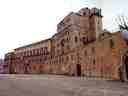
To spot the Palazzo dei Normanni, look for the grand, fortress-like building with a mix of rectangular towers and ornate windows rising above high sandy-brown stone walls on your right. Alright, pause right here and let your imagination time-travel! You’re standing before the oldest royal palace in Europe, a place that’s seen more action than a blockbuster movie-kings, poets, Arab emirs, and Norman conquerors have all called these walls home. Close your eyes for a second and picture it: centuries ago, this hilltop was buzzing with craftsmen and soldiers, hammers ringing out as they built a mighty fortress. Pretty soon, the sturdy structure became known as “Qsar,” a word with an exotic Arabic twist, filled with the secrets of strongholds and castles. Soon enough, the Normans burst onto the scene-think chainmail, shining swords, and a dash of Sicilian sunshine. After their conquest in 1072, they decided to trade in some battlements for royal luxury (well, as luxurious as you could get back then without Wi-Fi). Roger II got crowned king in 1130 and wanted something even more dazzling-a jewel box inside a fortress! That’s why he built the Palatine Chapel, a wonder packed with golden mosaics, where sunlight glitters on hundreds of tiny tiles and every footstep echoes through history. But the palace is more than pretty pictures; it’s the nerve center of a multicultural kingdom! Imagine workshops where tailors buzz over royal silks, towers where guards swap secrets, and grand halls filled with laughter, plots, and the occasional grumpy king (like William the Mean-he didn’t exactly win “King of the Year”). Things got spiced up again when the German emperor Frederick II lived here as a kid. He loved poetry, falcons, and, probably, a good Italic gelato, though don’t quote me on that! Over centuries, Spanish viceroys, Aragonese noblemen, and Bourbon rulers all left their mark-each adding arches, halls, secret courtyards, and sparkling fountains. Even today, the Sicilian Parliament meets inside, ruling under ancient ceilings.
Otwórz dedykowaną stronę →Right in front of you, you’ll spot the Marble Theater-a dazzling, pale stone monument bristling with dramatic statues gathered around a central figure, all enclosed within a…Czytaj więcejPokaż mniej
Right in front of you, you’ll spot the Marble Theater-a dazzling, pale stone monument bristling with dramatic statues gathered around a central figure, all enclosed within a classic iron fence; just look ahead in the middle of the square for this scene-stealing baroque spectacle. Now, close your eyes for just a moment and imagine this piazza, as it must have looked back in 1662: horses clopping by, the echo of church bells, and the air scented with orange blossom. Suddenly, in the heart of all this, rises the Marble Theater-a monument that isn’t a theater at all, but a stage for royal glory, drama, and a little bit of “look at me” from Spain’s mighty King Philip IV. This extravagant creation was sculpted by masters Gaspare Guercio, Carlo D’Aprile, and Gaspare Serpotta, based on designs by Pietro Novelli. It’s as if the kings of Europe had a glittering contest to see who could throw the most impressive monument party, and Palermo said, “Challenge accepted!” Take a good look at its unusual pyramid-like shape, topped by statues so lively you half-expect them to strike up a conversation. The whole affair was meant to shout-very loudly-about King Philip IV’s vast empire. They called him “Philip the Great” and, with lands stretching across continents, he was also strutting around with the nickname “the Planet King.” Sounds humble, right? At each point of this massive, nearly octagonal base, you’ll find statues that are like a living map-Sicily, Castile and León, Lombardy, Portugal, Sardinia, America, Naples, and Catalonia-all gathered from the far corners of his dominions. Stroll around and you’ll see the four corners of the world personified: Europe, Asia, Africa, and America, all carved to show the reach of the king’s power. Higher up, the story turns dramatic-four rulers from distant lands kneel as their likenesses are sculpted, showing defeat and submission. There’s a sultan, a king from Mauretania, a Chilean leader, and a tyrant from Mindanao, each captured at their most dramatic. It’s a wild game of “King of the Hill,” marble-style. Decorative flourishes pop out everywhere-crests and shields, regal faces, and flamboyant robes, each one a calling card of Sicily’s most noble families. Now, gaze up at the summit: what you see is a marble King Philip V, installed after revolutions and mishaps sent earlier royal statues flying (quite literally) from their pedestals. And in true Sicilian fashion, some of these statues have been pulled down and swapped out through the centuries, thanks to revolutionaries and even the occasional act of royal replacement. It hasn’t all been parades and pigeons. The monument’s weathered wars, neglect, and a storm of graffiti artists and vandals, resulting in more than one “Are you kidding me?” from local authorities and several times the monument has been locked down to keep it safe. So, while today it stands silent, the Marble Theater is a grand set-piece that once sent ripples of power and pageantry through Palermo-a show that never really ended, only evolved. Now, let’s keep walking before one of these marble royals demands a bow!
Otwórz dedykowaną stronę →To spot Villa Bonanno, just look ahead for a lush sea of towering palm trees waving gently against the sky-they stand out like green giants near the Palazzo dei Normanni. Now…Czytaj więcejPokaż mniej
To spot Villa Bonanno, just look ahead for a lush sea of towering palm trees waving gently against the sky-they stand out like green giants near the Palazzo dei Normanni. Now let’s step into the shade of these elegant palms and imagine the heartbeat of Palermo in 1905. Picture a wide, empty space here-until the mayor, Pietro Bonanno, decided he wanted to impress both locals and travelers. He dreamed of a garden so lovely, it would charm even the pickiest Sicilian grandmother. Enter the talented architect Giuseppe Damiani Almeyda, who designed this peaceful oasis you see before you, perfect for daydreaming or dodging a surprise summer rain. Villa Bonanno isn't just any garden. Take a stroll and you’ll discover the “Casa del Custode,” which Almeyda himself planned, and, if you look a little closer, hints of ancient history appear-remnants of two Roman homes, once uncovered not so long ago. Imagine the footsteps of Roman patricians echoing under your own, the click of mosaic tiles now guarded safely in the Antonino Salinas museum. But let’s not forget the lineup of characters watching over you! Looming above the greenery, you’ll spot a grand monument to King Philip IV, crafted by Nunzio Morello and dreamt up with the help of the famous Serpotta brothers, masters of Sicilian sculpture. That’s not all-along these flowery paths, statues spring up in honor of Palermo’s local heroes: Mayor Bonanno himself, a brave lieutenant, a beloved painter, and even the legendary General Dalla Chiesa. Wander the garden and you might feel as if you’re being quietly applauded, surrounded by history’s greatest fans. And don’t miss the echoes of recent revival: after a fresh update in 2013, thanks to European funds, Villa Bonanno’s palms and statues shine brighter than ever. As you take it all in, maybe you’ll hear the footsteps of gardeners past and the cheerful laughter of children from a hundred years ago, all tangled up in the Sicilian breeze.
Otwórz dedykowaną stronę →To spot the Archbishop Palace, look to your left-right next to the towering cathedral, you’ll see a long, elegant building with rows of ornate balconies and grand statues standing…Czytaj więcejPokaż mniej
To spot the Archbishop Palace, look to your left-right next to the towering cathedral, you’ll see a long, elegant building with rows of ornate balconies and grand statues standing guard in front. Imagine you’re standing here in Palermo, where the echoes of history bounce between sun-drenched stones. Right before you stands the Archbishop Palace: not just a building, but a silent witness to over five centuries of intrigue, art, and spiritual power. Take a deep breath and let’s travel back-not too far, you won’t need a time machine, just a bit of imagination. It all began in the late 1400s, when the old archbishop’s palace near the cathedral had grown as tired as an overworked monk. Its bones creaked back to the fifth century! So Archbishop Simone Beccadelli made a bold move: he built this brand new palace right where you stand, facing the grand cathedral, wrapping around a medieval tower that was so ancient, even the pigeons probably had grandparents living there. When the court moved into their spiffy new home in 1460, the chronicles buzzed about the palace’s Gothic windows and the mighty “Siculo-Catalan” portal-look closely, above the door is the stone Beccadelli family crest, proving once and for all that putting your name on things isn’t just for Instagram. The Spanish era gave the palace an even fancier wardrobe. Balconies blossomed across its eastern face, all thanks to bishops with a flair for style-especially Diego Haëdo, who in 1592 added a grand balcony right above the main entrance. Cardinal Doria came along and built the wing to your right; Pietro Martinez y Rubio tackled the left, linking it all with the bell tower, and throwing in the “Porta Canonica” just opposite the cathedral’s main door for good measure-easy access for when the archbishop forgot his umbrella. This Renaissance face-lift gave Palermo what was then the *trendiest* palace on the block. Now, see those rows of squared stones and those windows above the funky “goose-breast” shaped basement arches? Thirteen windows march in line on the top floor, but only the central one struts a fancy broken arch with a coat of arms-because who doesn’t want to stand out? There’s more! On the corner balcony by Vincenzo Gagini, you’ll spot faces peeking from underneath-like a family photo in marble! They are the Gaginis themselves, Sicily’s most famous family of sculptors: father Antonello, sons, brothers, and Gagini carved their faces right into the palace for eternity. On the opposite end, the Pignatelli balcony, built in 1840 by Valerio Villareale, celebrates the city’s finest artists with portraits beneath its own ledge-a stone Oscars ceremony right above your head. And if you’ve ever wondered where priests learned their craft, peer to the right: here stood the Seminario dei Chierici, the Archbishop’s school since 1580. They even had to evict an entire church-Santa Barbara la Sottana-just to expand the palace and make more room for learning. Don’t worry, the marble statue from that church survived and now lives safely in the Diocesan Museum next door. Inside, the palace is even grander, with an honor staircase wide enough for a bishop’s biggest hat, and great halls lined with golden stucchi and paintings so dramatic, even Netflix would be jealous. Artists came from far and wide: the Flemish master Borremans painted the story of Christ’s childhood, including the famous “Flight into Egypt.” Later, as tastes changed and earthquakes rattled Palermo, new towers and fresh coats of paint kept the palace evolving-sometimes swapping out baroque drama for the cool tempera of neoclassical salons. By the 20th century, the palace had felt the full sweep of history-host to bishops, artists, natural disasters, and countless city secrets. Today, it houses the Diocesan Museum and the offices of Palermo’s curia, with its grand salons now filled not just with airy whispers of the past, but the buzz of visitors who, just like you, stop to listen, wonder, and dream of old Sicily. So take a moment. Stand in the shade of those watchful statues, let your mind trace the faces in the stone, and see if you can hear the gentle chime of history’s bells-welcoming you to Palermo’s richly woven tapestry of faith, power, and art. Wondering about the description, seminar of the clerics or the church of santa barbara la sottana? Feel free to discuss it further in the chat section below.
Otwórz dedykowaną stronę →To spot the Diocesan Museum in Palermo, look for the elegant arcaded building just beside the grand Archbishop’s Palace-its ancient stone walls and arched entryways stand out…Czytaj więcejPokaż mniej
To spot the Diocesan Museum in Palermo, look for the elegant arcaded building just beside the grand Archbishop’s Palace-its ancient stone walls and arched entryways stand out quietly amid the bustle. Welcome to the Diocesan Museum, a place where lost masterpieces and sacred secrets come out of the shadows-like a magician pulling forgotten wonders from a dusty old hat! Just imagine: almost a hundred years ago, the great Cardinal Alessandro Lualdi, inspired by Pope Pius XI, decided it was high time Palermo’s endangered religious art got a safe home. Before the museum, treasures from old, crumbling or abandoned churches were basically living in “artwork limbo,” crowded into dusty cellars or hidden in storage rooms, waiting for their big comeback. Picture priests hustling through the arches, lugging marble statues and golden icons that must have weighed more than a bishop’s breakfast. In 1927, these remarkable pieces found a new lease on life right here in the heart of the Archbishop’s Palace. Monsignor Guido Anichini was the museum’s first ringleader, and what a circus he had to juggle! The first collection was packed with majestic statues that once watched over Palermo Cathedral, rescued from damp crypts and musty corners. But as Palermo’s city center saw demolition and daring urban makeovers in the late 1800s, Aladdin’s caves of art started appearing: painted panels, shining candlesticks, and sacred relics arrived from the old National Museum and vanishing churches, eager for a new audience. After World War II, the doors were flung open again in 1952 by Cardinal Ernesto Ruffini-perhaps more open than a priest’s confessional! Monsignor Filippo Pottino, a real hero for lost art, rescued treasures hidden during wartime bombings, giving the collection a fresh sparkle with paintings recovered from churches that sadly had seen too much fire and fury. Imagine the work: sneaking statues and altarpieces between air raid sirens, praying for each piece to survive-a scene straight out of a suspenseful movie. Arranging the museum in this historic palace wasn’t easy; the old floors are all at different heights, like Palermo’s version of an obstacle course! Economic troubles meant the museum sometimes closed its beautiful doors for years at a time. But even then, behind these thick stone walls, scholars and students would slip in to marvel at the hidden wonders, their whispers echoing through the halls. A big plot twist came in the 1970s: after the shocking theft of an irreplaceable Caravaggio painting from another church, many more fragile masterpieces were whisked here for safekeeping. The museum would open and close yet again-sometimes more shut than a monk’s lips-but always with brave caretakers fighting to keep Palermo’s cultural story alive. In the 1980s, the entire Archbishop’s Palace got a dramatic makeover. Archaeologists even started digging around the property: so now, as you walk through, you might just spot the ancient remnants buried beneath your feet, telling stories that stretch right back to Byzantine times and beyond. Finally, after a long slumber, the museum burst back to life in 2003, arms wide open, like a chorus of angels welcoming you. Today, as you travel between 27 rooms and three floors, you’ll get to see a treasure map of Palermo’s artistic soul: from medieval icons-gold shining like the Sicilian sun-to delicate sculptures by Gagini, gleaming marble fragments saved from vanished cathedrals, and vibrant paintings that survived bombs and centuries. There are even works by Andrea della Robbia and Pietro Novelli, and rooms dedicated to the city’s patron saint, Santa Rosalia, where the devotion feels almost close enough to touch. Recently, thanks to passionate experts like Professor Pierfrancesco Palazzotto, the museum’s storied collection is more dazzling than ever. It’s a place where art is saved from oblivion, secrets whisper from the walls, and history waits for you, wide-eyed and ready. So if you ever wanted to see a miracle-well, the museum’s very survival is one! And remember: even if the floors are uneven, the stories within are anything but flat. Now, take a deep breath, listen for the echoes of the past, and step inside-who knows what wonders you’ll find around every corner?
Otwórz dedykowaną stronę →To spot the Palermo Cathedral, just look ahead for an enormous, honey-colored stone building with tall towers, spiky turrets, a giant dome to the right, and a grand triple-arched…Czytaj więcejPokaż mniej
To spot the Palermo Cathedral, just look ahead for an enormous, honey-colored stone building with tall towers, spiky turrets, a giant dome to the right, and a grand triple-arched portico in front-it's impossible to miss towering over the busy square. Now, let me transport you into the swirling winds of Sicilian history! Imagine standing here back in 1185, when the Norman archbishop Walter Ophamil decided he wanted a cathedral that would make everyone else say, “My church is nice, but have you seen Walter’s?” In fact, he built this stunning cathedral right over the site where a Byzantine basilica-and then a mosque-had once stood, as if the stone itself is a time traveler, keeping secrets tucked beneath its arches. If these walls could talk, they’d probably start in Greek, switch to Arabic, try a little Latin, and wind up with a touch of Italian flair-multilingual, just like Palermo! Take in the mix of styles: look left, and there are towers that sprouted in the 14th and 15th centuries, so tall and full of sharp angles you’d think they could touch the clouds. The great dome in the center? That’s a relative newcomer, added in the 18th century thanks to the architect Ferdinando Fuga, who decided all cathedrals should wear a fancy hat. Back then, construction sounded like echoing through narrow medieval streets. Wander along the south side-there’s a wide Gothic-Catalan portico embracing the square, built around 1465. Spot the columns? The one on the left is extra special: it’s survived as a pagan, a Christian, and even a Muslim-just look closely and you’ll find a verse from the Qur’an carved right into it. Palermo’s cathedral doesn’t hide its past, it shows it off like a badge of honor. Step inside (at least in your imagination), and you’ll find a maze of chapels filled with the mighty dead. Emperor Henry VI rests here, so does his famous son Frederick II, alongside Peter II and Constance of Aragon-all tucked into majestic porphyry sarcophagi, so heavy and red, they probably took a team of Sicilian strongmen (and maybe a few borrowed Roman columns) to hoist them into place. You’ll spot lions at Frederick’s tomb-because every emperor deserves a few feline bodyguards. High up in the nave, sunlight dances along the altar, filters over the glittering stones and lapis of the Sacrament chapel, and sometimes glints off the golden crown of Constance of Sicily, discovered in her tomb in 1491. Somewhere, there’s the echo of ancient bells ringing through centuries, sometimes calling emperors to their knees, sometimes welcoming kings like Charles III and Victor Amadeus II to their coronation. In fact, King Victor Amadeus II was crowned right here-though he didn't have time for a selfie! The cathedral’s greatest trick, though, might just be inside its marble floors. Hidden almost in plain sight is a line of thin bronze-the meridiana-built in 1801 by the astronomer Giuseppe Piazzi. Watch for a sunbeam as it slips through a tiny hole in the dome and crawls across that line at high noon. If anyone asks, just say you’re measuring the time of year in the most dramatic way possible, tracking the dance of the zodiac with real Sicilian flair. If you were to stroll through the crypt, the air would turn cool and still, dust swirling among granite columns as you pass Roman, Byzantine, and Norman tombs-it’s Palermo’s real underground VIP lounge. Down here lies Walter Ophamil, the original church builder, a man so determined to outdo the old mosque he made sure his bones would never leave this spot. So, whether you came for the artistic treasures, royal drama, spooky crypts, or just to chase a stray beam of Sicilian sunlight, Palermo Cathedral stands as a proud, stubborn survivor-a glorious patchwork built by conquerors, shaped by kings, and polished by the hands of time. Don’t worry, if you feel a little dizzy, it’s just the stories swirling in the air...or maybe the dome is just that impressive! Fascinated by the overview, 18th and 19th century renovations or the royal and imperial burials? Let's chat about it
Otwórz dedykowaną stronę →You’re looking for a weathered, sand-colored church pressed tightly between old apartment buildings; just ahead, its tall, baroque façade rises up with grand columns around the…Czytaj więcejPokaż mniej
You’re looking for a weathered, sand-colored church pressed tightly between old apartment buildings; just ahead, its tall, baroque façade rises up with grand columns around the doorway and a large, rectangular window above - keep an eye out for its swirling stone decorations and broken pediment just under the roofline. Now, as you stand here at the corner of Via Montevergini, let’s travel back through layers of mystery, splendor, and drama. In the 11th century, this spot wasn’t even known as the Church of the Three Kings - it was called San Giorgio lo Xheri and it boasted a lookout tower. Imagine this street in Norman times, with nobles stalking by, crusader knights, and even spies peeking from the tower’s windows. Over the centuries, it changed hands, caught up in the chessboard of Sicilian power, until, in 1398, King Martin I of Sicily handed it to a Barcelona nobleman, Berengario Ruiz, after snatching it from the powerful Aragona family. But the church’s true legend began in the 15th century, when the Compagnia dei Tre Re, or the Company of the Three Kings, made this their headquarters. Now, don’t be fooled by the regal name - these Three Kings weren’t kings at all, but a guild of shopkeepers! That’s right: Palermo’s bourgeoisie wanted a little royal glam for themselves. In 1545, Pope Paul III gave indulgences to anyone who helped fund the church’s restoration - sort of like spiritual crowd-funding, but less about likes and more about saving your soul. Come around 1580, the church was completely rebuilt, and the Compagnia’s influence transformed it into one of the city’s finest. The new Baroque façade you see now dates to 1758, designed by Francesco Ferrigno, a student of the great architect Andrea Palma. Just look at those curly stone decorations on the portal - Ferrigno was determined to outdo his master, and he gave Palermo a building so grand that even the street seems to step aside and bow. Meanwhile, inside, things got truly spectacular. Picture yourself stepping in: a single wide nave unfolds, its walls once bursting with stucco and allegories. In 1750, the famous Serpotta family of artists let loose their imaginations here - Nobility and Astrology by the door, Obedience and Wisdom near the altar, each represented by elegant, female figures. Sadly, vandalism has left these sculptures headless, but if you close your eyes, it’s not hard to imagine them bantering about the mysteries of the stars or the best cake shops in Palermo. The ceiling above was transformed into a celestial parade by painter Vito d’Anna. Look up, and you would have seen ‘The Triumph of the Magi,’ three kings parading in all their baroque wonder, watched over by putti and flanked by medallions of Virtues. If you listen carefully, even now, you might hear the distant rustle of noblewomen’s skirts from the side galleries - called matronei - designed to give Palermo’s ladies privacy as they kept an eye on both the ceremony and each other. This church has seen centuries of drama: wars, earthquakes, bombs. During World War II, the church was badly hit by bombings, and for a while, it stood as a hollow shell, the sound of footsteps replaced by the lonely drip of water and, perhaps, the echoes of prayers. Then, in the late twentieth century, thieves and vandals tried to cart off its treasures - or, failing that, shattered statues with hammers. Artworks vanished, ceilings crumbled, rumors swirled about lost paintings tucked in shadows. Eventually, the authorities sealed the building, walling up the doors, as if to hush the church’s secrets until better days. Yet, for all its wounds, the Church of the Three Kings still stands. Its battered façade keeps watch over Palermo’s stories of ambition, loss, and survival - a royal guardian for shopkeepers, astrologers, and mystery-lovers alike. No matter what, it always waits for a new visitor like you, ready to share its next chapter. Intrigued by the facade, internal or the nave? Make your way to the chat section and I'll be happy to provide further details.
Otwórz dedykowaną stronę →Look for a grand stone facade with sculpted columns, statues in deep niches, and a row of elegant arched windows near the top-Teatro Nuovo Montevergini’s intricate entrance is…Czytaj więcejPokaż mniej
Look for a grand stone facade with sculpted columns, statues in deep niches, and a row of elegant arched windows near the top-Teatro Nuovo Montevergini’s intricate entrance is directly in front of you as you stand on the narrow street. Now, let me whisk you back through centuries of Palermo history, right here on this spot. Picture the year 1498, when this very site first heard the soft tread of cloistered footsteps-a time when the area was just being transformed into the Monastery of Santa Maria delle Grazie di Montevergini, founded by a determined woman, Luisa Settimo, with a special papal license from Pope Alexander VI. Of course, back then, the air was thick with the sounds of daily prayers and whispered secrets, not the applause of the theater! Originally, what you see now grew from many layers-quite literally. Centuries after its founding, the monks and nuns here watched walls rise and fall, as the original church of Sant’Elia merged with Santa Maria Maggiore, and even the noble home of the Marquis of Geraci was absorbed into the ever-evolving compound. It was a bit like historical Jenga, each ruler adding or taking away blocks, balancing piety with political intrigue. Fast-forward to the bustling 17th century. Picture Spanish soldiers fortifying the neighborhood, local clergy scrambling to find new homes, and clever nuns, with sturdy shoes and even sturdier wills, coming back again and again despite the turbulence. In 1668, those persistent nuns reclaimed their monastery after the order of canons was abolished-imagine their laughter echoing through these halls as they settled in, determined that no king or bishop could keep them away for long! Construction reached its elegant peak in 1687, with architect Lorenzo Ciprì designing that strong, beautifully adorned front you see-notice the statues of Saint Rosalia and Saint Clare in those lower niches. At the center above your head is a crest with two arms crossing-the symbol of the Franciscan order: the bare arm of Christ, the robed arm of Saint Francis, their hands together on the cross. That’s not just art, that’s a symbol of total faith and determination. By the mid-1700s, the views from the rooftop loggias looking out over the Cassaro would have been breathtaking-if you bribed the right nun, maybe you could earn a peek! And inside, the church was filled with lush frescoes by Guglielmo Borremans, crystal clear bells calling the faithful, and the shimmering green-and-yellow tiles of a majolica dome catching the afternoon light. History, of course, is full of twists. When the Italian state suppressed religious orders in the 19th century, the old complex was confiscated by the government and put to all sorts of earthly uses-classrooms echoed where prayers once did, while the church itself even became a courthouse! And if these walls could talk, they’d have a few crime stories for you-from the dramatic post-war trial of Gaspare Pisciotta and Salvatore Giuliano, infamous bandits of Sicily. After years of neglect and dust, the city finally decided to bring music and life back to this building. Beginning in 1997, an ambitious transformation unfolded-hammers swinging, designers arguing, a proper Sicilian renovation! But what emerged from all that chaos was something brilliant: a modern theater with superb acoustics and, most importantly, total respect for the building’s reversible history. Today, the stage is precisely where the grand church’s apse once crowned sacred celebrations. Imagine stepping inside: a single, barrel-vaulted nave painted with clouds and saints, golden light pooling on Borremans’ masterpiece, and high above your head, painted saints and the grand “Glory of the Franciscan Order” swirling in the dome. On one side you’d find the Chapel of the Crucifix with a painting of the Madonna gifted by Count Roger himself-so old it’s practically humming with secrets. On the other side, a striking marble Madonna. And at the very end, the apse shimmers with gold and intricate scenes, from the Israelites’ Exodus to the Last Supper-heavenly drama in paint and plaster. And now, of course, Teatro Nuovo Montevergini welcomes not nuns, but audiences-about 150 lucky people at a time-to enjoy concerts where no two performances ever sound quite the same, thanks to the legendary acoustics. The stage may be smaller than some-seven by eight meters-but its history and atmosphere are larger than life. As you stand here, think of all those centuries packed beneath your feet: Romans, medieval workers, noble families, rebellious nuns, bandits-and now you, enjoying the mystery and magic of Palermo. Ready to move on? I promise, the next stop has stories that can compete-though maybe with less drama and fewer nuns per square meter! To expand your understanding of the external, internal or the monastery, feel free to engage with me in the chat section below.
Otwórz dedykowaną stronę →To spot Palazzo Natoli, look for a grand ocher and cream-colored façade squeezed between narrow alleyways, with a striking arched doorway framed by two tall columns and a bold…Czytaj więcejPokaż mniej
To spot Palazzo Natoli, look for a grand ocher and cream-colored façade squeezed between narrow alleyways, with a striking arched doorway framed by two tall columns and a bold family crest with a tower and lion right above the central balcony. Alright, get ready for a little jump back to the 1700s! Picture yourself in a warren of twisting Palermo streets, lanterns flickering, the scent of citrus and roasting chestnuts drifting through the air. Suddenly, you’re at Palazzo Natoli, its façade looming with dramatic Baroque flair. Imagine the clip-clop of carriage wheels on cobblestones as a finely dressed noble steps out, eyes on the family crest above: a proud tower waving a flag, a golden lion poised in defiance. That’s the Natoli family stamp-showing off just a little, don’t you think? Built in 1765, this palace witnessed the hush and bustle of high society. Inside, the entrance hall is vast and grand, a stage for sweeping dresses and powdered wigs, where you could almost hear hopeful whispers bouncing off the richly stuccoed walls. At the center, an elegant twin staircase spirals upward-if stairs could gossip, imagine the secrets these have heard! And the real gem sparkles above: lavish ceilings painted by Gioacchino Martorana and his school. There’s a Madonna tenderly praying with San Vincenzo Ferreri, surrounded by clouds and fluttering angels, all so vivid you might expect to catch the faint peal of heavenly trumpets. One ceiling shimmers with “The Assumption,” painted for Marquis Vincenzo Natoli, to honor his wife, Maria Sieripepoli, who heartbreakingly passed away while the palace was still being built. After centuries, Palazzo Natoli was lovingly restored-tidied up, catalogued, and now partly divided into private homes and a hotel. So, take a good look: behind those stately doors, history lingers, ready to greet anyone curious enough to peek inside. (Just don’t challenge the family lion to an arm-wrestling match. No one’s ever won.)
Otwórz dedykowaną stronę →To spot the Church of Santa Chiara, look for a tall, simple cream-colored facade with a circular window above a sturdy, weathered stone doorway, and keep an eye out for the…Czytaj więcejPokaż mniej
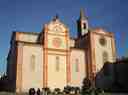
To spot the Church of Santa Chiara, look for a tall, simple cream-colored facade with a circular window above a sturdy, weathered stone doorway, and keep an eye out for the charming baroque bell tower with arches and stonework rising to your left. Welcome to the Church of Santa Chiara, a place that is a true patchwork of Palermo’s history! As you stand here, take a deep breath and imagine the vibrant hum of the nearby Ballarò market - you’re right in the heart of a neighborhood that’s never stopped buzzing for centuries. But behind the quiet face of this church, there’s a story filled with startling surprises, moments of drama, and plenty of resilience. Now, let’s rewind time. Beneath your feet, the oldest chapter begins far earlier than the church’s walls, all the way back to the ancient Punic city! Picture rough, battle-scarred city walls, built to keep invaders at bay over two thousand years ago - some still survive, buried under the stones and, thanks to recent excavations, even visible if you look in the right places. So you could say that history here is layered, each generation building atop the bones of the last, a little like a giant archaeological lasagna. Fast forward to 1344. The kingdom is ruled by Ludovico d’Aragona, during a time when knights and nobles roamed these Sicilian alleys. A powerful man named Matteo Sclafani, count of Sclafani and Adernò, founds the church and hands it over to a group of cloistered nuns - the Clarisse, followers of Saint Clare of Assisi. They moved in, and life within these thick walls was contemplative and secretive. The nuns had ingenious ways to watch the world without ever being seen; hidden golden loggias still perch above the chapel arches where the sisters could peek at ceremonies, while remaining invisible to everyone below. Talk about the original “private balcony” seats! It wasn’t all peace and prayer, though. Throughout the centuries, Santa Chiara weathered earthquakes, wars, and turbulent change. In 1678, when a series of earthquakes threatened to crumble Palermo’s greatest treasures, the church suffered severe wounds. The damage was so great, almost nothing survived of the original medieval style. But, in true Sicilian spirit, the church didn’t just recover - it transformed. Architect Paolo Amato was called in and, with a flourish of inspiration, he and his workers reimagined Santa Chiara in glorious baroque style. Imagine stucco garlands and a riot of decorative flourishes, sparkling frescoes sweeping overhead, the shimmer of colored marble and semi-precious stones set into the majestic altar, all aglow from the soft Sicilian light. Of course, history is rarely a smooth ride, and in 1943 misfortune struck again during World War II when a bomb all but erased Paolo Amato’s ornate facade. All that remains of the original exterior is the picturesque baroque bell tower, defiantly reaching up with its three stories of decorative arches and carved stone. The current portal, interestingly, was rescued from another bombed church - talk about recycling with style! The inside, meanwhile, is a masterwork of baroque artistry and storytelling. The broad, soaring single nave leads your eyes straight to the presbytery where the triumphal arch bursts with color and allegory. Behind the high altar lies a treasure trove: brilliant altarpieces from Guglielmo Borremans tell the stories of Saint Clare and Saint Francis. Above, angels flutter in stucco clouds, while just below, marble busts of famous saints quietly watch over all who enter. If you squint, you can almost hear the echo of nuns’ whispered prayers and the clank of workmen’s tools as they restored the church across centuries of chaos and calm. Let’s not forget Santa Restituta, the church’s other special patron - a North African martyr whose shrine inspired a devotion that glowed bright for centuries. Her marble statue, completed by Giacomo Gagini in 1557, was once the pride of this church and is remembered fondly even today. Santa Chiara’s story doesn’t end in the distant past. Over time it became a center for the education of noble girls, under the protective watch of the monastic community and later, the Salesians who opened their arms to Palermo’s ever-changing waves of cultures, especially after the Second World War. Today, instead of cloistered nuns, the site’s structures are alive with new voices and the laughter of children from all over the world. So here you stand, on ancient stones at the doorway of a church that is filled with ghosts, glory, and the unbreakable endurance of Palermo itself. The next time someone tells you old buildings are just piles of stone, you can whisper, “Ah, but not Santa Chiara! This one listens, remembers, and welcomes everyone home.” And if you listen very closely, who knows what secrets these weathered walls might share with you today? Ready to delve deeper into the cult of st. clare of assisi and st. restituta, prospectus or the internal? Join me in the chat section for an enriching discussion.
Otwórz dedykowaną stronę →Look straight ahead for an elegant pale-brown Baroque building with tall shuttered windows, decorative stonework above the doors, and a thin iron balcony running along the first…Czytaj więcejPokaż mniej
Look straight ahead for an elegant pale-brown Baroque building with tall shuttered windows, decorative stonework above the doors, and a thin iron balcony running along the first floor-if you see the souvenir shops below and a palm tree nearby, you’re in the right place for Palazzo Asmundo. Now, imagine stepping back in time, with the warm Sicilian sun shining down on Via Vittorio Emanuele, just across from the grand cathedral. Here stands Palazzo Asmundo, a home with so many stories, it practically groans in its marble shoes every morning. Don’t be fooled by those souvenir shops crowding the main entrance-inside, the walls could whisper secrets if only they had lips! This palace began its life in 1615, dreamed up by Doctor Baliana, who surely never imagined it would take over 150 years to look this grand. Thanks to a merry-go-round of owners, the place just kept growing, until Marquess Giuseppe Asmundo finished it in 1767-maybe he just got tired of bumping into ladders every time he went for a walk. Owning this building was like winning the royal lottery: even the daughter of King Ferdinand I made it her refuge when Napoleon’s army decided to play “evict the royalty” in 1806. Imagine the drama, as she peeked through these very windows, wondering if today would bring pastries or politics. Step inside (in your imagination, or with a real ticket!) and you’ll find stucco made by followers of Giacomo Serpotta-the Michelangelo of plaster-and bright, whimsical frescoes by Gioacchino Martorana. No two rooms are quite the same, thanks to the current owners, the Martorana family, who love collecting almost everything: porcelain that clinks, Sicilian ceramics that clatter, maps pointing to far-off adventures, and postcards and coins to jingle in your pocket. Standing before Palazzo Asmundo, think of all the laughter, whispers, and royal sighs that have echoed between these old walls. If you listen closely, maybe you’ll hear a Marquess hurrying down the stairs, or the quiet clink of a teacup, still waiting for its last guest. Don’t worry, there are no hidden ghosts-just a few centuries of unforgettable stories!
Otwórz dedykowaną stronę →Look ahead for a lush public garden bursting with tall palm trees, green hedges, and a central fountain jetting water high into the Sicilian sky-welcome to Piazza della…Czytaj więcejPokaż mniej
Look ahead for a lush public garden bursting with tall palm trees, green hedges, and a central fountain jetting water high into the Sicilian sky-welcome to Piazza della Vittoria! Alright, imagine you’re standing right where the very heart of ancient Palermo once beat. Long, long ago, this wasn’t a peaceful garden-it was where the Phoenicians founded the city in the 8th century BC. That’s right: where you’re standing now was the original Palermo, buzzing with sailors, traders, and, no doubt, a few very confused goats. Back during Roman times, this spot was called “Paleopolis”-that means “old city”-because even then, it had seniority over the “Neapolis,” or “new city,” nearby. Fast forward a few centuries, and picture the clang of swords and the swirl of silken robes as the Arabs swept into Sicily, making Palermo their capital. They built thick walls here and called it “al-Halqah,” meaning “the fence,” though, let’s be honest, that probably kept out more stray dogs than invaders. The name eventually morphed into “Galca,” giving the area a local flavor-because nothing sticks around in Sicily without getting rebranded! Now, by the 16th century, the city was ready for a makeover. Fancy palaces gave way to wide open space-the “Piano del Palazzo Reale.” This new square became the perfect stage for grand parades, festivals, and gossip (no Instagram stories needed). In the late 1800s, archaeologists poked around and uncovered mosaics and ruins from ancient Roman mansions-proof that, yes, the Romans loved luxury and had a knack for losing things underfoot. In 1905, the square transformed again with the creation of the garden you see today: Villa Bonanno. Designed by Giuseppe Damiani Almeyda and named after a former mayor who loved his city so much, he made sure everyone had a place to stroll and relax. The name “Piazza della Vittoria” honors the people’s gutsy 1820 uprising when locals stood up against some not-so-popular Bourbon soldiers. So take a deep breath, feel the stories rustling through these palm leaves, and remember: you’re walking in a piazza where the ancient, the conquerors, and the rebels all left their footprints. Not a bad place to end a tour-or maybe just hide from a particularly ambitious pigeon!
Otwórz dedykowaną stronę →
Najczęściej zadawane pytania
Jak rozpocząć trasę?
Po zakupie pobierz aplikację AudaTours i wpisz kod realizacji. Trasa będzie gotowa do natychmiastowego rozpoczęcia – po prostu dotknij \"Play\" i podążaj trasą z nawigacją GPS.
Czy potrzebuję internetu podczas trasy?
Nie! Pobierz trasę przed rozpoczęciem i korzystaj z niej w pełni offline. Jedynie funkcja czatu wymaga internetu. Zalecamy pobieranie przez WiFi, aby oszczędzać dane mobilne.
Czy to wycieczka grupowa z przewodnikiem?
Nie – to samodzielny audioprzewodnik. Zwiedzasz niezależnie, we własnym tempie, z narracją audio odtwarzaną przez telefon. Bez przewodnika, bez grupy, bez harmonogramu.
Ile trwa trasa?
Większość tras zajmuje 60–90 minut, ale to Ty kontrolujesz tempo. Wstrzymuj, pomijaj przystanki lub rób przerwy, kiedy chcesz.
Co jeśli nie zdążę ukończyć trasy dzisiaj?
Żaden problem! Trasy mają dożywotni dostęp. Wstrzymaj i wznów, kiedy chcesz – jutro, za tydzień lub za rok. Twój postęp jest zapisywany.
W jakich językach są dostępne trasy?
Wszystkie trasy są dostępne w ponad 50 językach. Wybierz preferowany język podczas realizacji kodu. Uwaga: języka nie można zmienić po wygenerowaniu trasy.
Gdzie znajdę trasę po zakupie?
Pobierz darmową aplikację AudaTours z App Store lub Google Play. Wpisz kod realizacji (wysłany e-mailem), a trasa pojawi się w Twojej bibliotece, gotowa do pobrania i rozpoczęcia.
Jeśli trasa Ci się nie spodoba, zwrócimy Ci pieniądze. Skontaktuj się z nami pod adresem [email protected]
Bezpieczna płatność przez