Wycieczka audio po Toowoomba: Klejnoty dziedzictwa i ogrody wschodu
W Toowoomba nawet wiatr zdaje się nieść stare sekrety – szepcząc pośród dzikich ogrodów i odbijając się echem od zniszczonych murów sądu. Załóż słuchawki i udaj się na wycieczkę audio z przewodnikiem, która odkrywa kolejne warstwy tego historycznego miasta, ujawniając skandale, rywalizacje i tajemnice, które umykają większości podróżników. Dlaczego niesławny skazaniec, który został politykiem, zaryzykował wszystko przy marmurowym poidełku dla ptaków w Millbrook? Jakie dziwne przemiany nawiedzały Stary Gmach Sądu długo po tym, jak opuścili go strażnicy? I co sprawiło, że niemal każdy miejscowy wpadł w szał z powodu zmiany nazwy stacji radiowej? Podążaj śladami dzikich imprez pod brzoskwiniowymi drzewami aż po śmiałe zagrywki polityczne, od więziennych szeptów po pionierskie audycje radiowe. Każdy przystanek zanurza Cię głębiej w zawiłą przeszłość Toowoomba, pozwalając poczuć historię poruszającą się pod Twoimi stopami. Gotowy, by ruszyć w pogoń za sekretami niesionymi przez niespokojne wiatry Toowoomba? Twoja podróż zaczyna się teraz.
Podgląd trasy
O tej trasie
- scheduleCzas trwania 30–50 minsIdź we własnym tempie
- straighten5.1 km trasy pieszejPodążaj wyznaczoną trasą
- location_on
- wifi_offDziała offlinePobierz raz, korzystaj gdziekolwiek
- all_inclusiveDożywotni dostępOdtwarzaj ponownie w dowolnym momencie
- location_onStart przy Millbrook, Toowoomba
Przystanki na tej trasie
To spot Millbrook, look for a large, weathered timber house with a steep, rusty corrugated iron roof and a gabled attic peeking out from behind a wild, leafy garden and a white…Czytaj więcejPokaż mniej
To spot Millbrook, look for a large, weathered timber house with a steep, rusty corrugated iron roof and a gabled attic peeking out from behind a wild, leafy garden and a white picket fence at 9 Phillip Street. Alright, welcome to Millbrook-where, I promise, the only thing more impressive than the house is the wild tangle of the garden trying to reclaim it! Just imagine standing here in the late 1800s: the sunlight filtering through those big old trees, the crisp sound of footsteps on the gravel drive, and maybe the odd clucking of chickens to top it off. Now, Millbrook wasn’t always sitting quietly on Phillip Street. Back in the 1860s, it sat on Ruthven Street and belonged to a man named William Henry Groom-a person who had, let’s say, more plot twists than your favorite detective show. Imagine a boy of just thirteen, shipped off to Australia in 1849 for stealing! Young Groom didn’t stay out of trouble either; after a brush with gold theft and a little time behind bars, you’d think things would get worse. But no-he moved to Drayton, got married, and suddenly found himself at the heart of just about everything in Toowoomba. He became the town’s first mayor, not once but seven times, and led with his wife as Lady Mayoress. He even went on to be the region’s first member of the Queensland Parliament, helping Toowoomba grow, change, and thrive. Picture the family garden then: peach, apple, and apricot trees, herbs sprouting near the back door, and a chicken run-because you can’t live off just pretty flowers, right? Mrs. Grace Groom, William’s wife, threw grand garden parties here, the air filled with the smell of blossoming flowers and the laughter of politicians and local dignitaries. If you listen very closely, you can almost hear the delicate clink of teacups at afternoon tea on the glassed-in verandah, busy servants bustling quietly nearby. After William’s death in 1901-he actually died attending the first ever sitting of the Australian Parliament!-his widow Grace decided Ruthven Street was getting far too noisy. So what did she do? She picked up most of this entire house and moved it here. All except one wing, because, after raising eight children, she finally had enough space. Generations of the Groom family lived here, and this old house heard its share of secrets and stories. Imagine, fires crackling in the twin drawing room and dining room hearths on chilly Toowoomba nights, and in the mornings, sunlight pouring into the attic windows, catching on the cast-iron verandah rails and the marble birdbath out front-maybe you spot it peeking through the greenery. The family would serve tea in the drawing room for important guests, and in the quieter glass room for close friends, calling the maid with a little tassel near the fireplace-talk about old-school “room service”! As the decades slipped by, new stories took root. In 1933, Dr. Allan Row, a hero of both medicine and the battlefield, took up residence-imagine patients nervously knocking at the door, waiting for appointments in what was once the formal sitting room. Dr. Row and later his wife Dorothy modernised bits of the place, though not too much-there’s still a certain charm to hand-cranked laundry and a kitchen where you could roll out pastry for a pie big enough to feed all Toowoomba. The garden, at one point, was spruced up by the local women's rugby league team-now, there’s a sight you don’t see every day! And though times changed, Millbrook never fully lost its sense of history. The creak of floorboards, the soft hum of the wind in the elms, and the sight of the stables out back are reminders of lives lived with joy, hardship, and ambition. Some say you can still feel the presence of those famous garden parties and hear the echo of politics discussed over tea. So while Millbrook is now watched over by new owners and curious visitors like you, it stands-worn roof, painted windows, and all-as a living diary of Toowoomba’s heart and soul.
Otwórz dedykowaną stronę →To spot the Old Toowoomba Court House, look across Margaret Street for a large, low-set rectangular hall with a hip roof, high windows, and a closed-in front verandah-just above…Czytaj więcejPokaż mniej
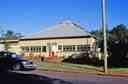
To spot the Old Toowoomba Court House, look across Margaret Street for a large, low-set rectangular hall with a hip roof, high windows, and a closed-in front verandah-just above the entry, you’ll see “DeMOLAY HOUSE” written. Welcome to one of Toowoomba’s most intriguing buildings! As you stand on the footpath, close your eyes for a second and tune in to the creak of history-this spot has seen everything from stern judges to mischievous museum visitors. Back in the early 1860s, when Toowoomba was still teasingly called “The Swamp,” the local courthouse was little more than a glorified hut in Drayton-so worn down that when Judge Alfred Lutwyche rolled into town, he refused to set foot inside. That kicked off a wave of excitement over on Margaret Street, and soon this sturdy brick courthouse rose up, costing over two thousand pounds (and a bucket of sweat and hope). It started with a simple shell: two storeys, a hip roof with clerestory, a closed-in front veranda-just enough for a judge, a clerk, and a back-to-back fireplace. If these walls could talk, they’d probably say, “Order in the court!”-and maybe ask for a cleaning, too. But let’s not skip ahead! Once Toowoomba became an official assize town, it needed its own prison. Behind this courthouse, hard-working hands raised an immense gaol wall in 1864, using local stone and bricks-twelve feet high, with thick foundations and tapered buttresses. They say if you listen closely by what’s left of that wall, you can almost hear the clink of keys and murmurs of prisoners long gone. Soon, the gaol became a home for women and girls-sometimes as young as four or five! In 1882, the old courthouse transformed into a “female reformatory,” where the routine was strict but the laundry business was booming. Those Victorian matrons wanted hardworking girls (believe me, laundry day was no picnic). Behind these walls, hands scrubbed and washed for families all over town, earning the institution over a dozen pounds a month. They even built a special hospital and added sunlit windows-the clerestory you can still see-so there was always a bit of hope shining into those long days. But nothing lasts forever, especially in Toowoomba! Once the girls moved to Brisbane’s new Boggo Road Gaol, this building got yet another makeover. Around the turn of the 20th century, it became the centrepiece for an ambitious new cultural movement. Inspired by a poet and the buzz of festival fever, townsfolk set up the Austral Festival here in 1904-imagine the sound of string quartets, eisteddfods, and rooms filled with soil samples and South Sea Islander artifacts. The old reformatory turned museum bustled every November. For a brief, glittering time, this was Toowoomba’s answer to the world’s fairs. Then, as things do, the place changed shape again. It became a private hospital, then a boarding house called Rutlands (hot baths, home comforts, and a fresh meal always included-what every traveler needs). By the 1960s, the DeMolay Chapter-a youth group famous for leadership and community-took over, turning the hall into a lively clubhouse as well as an unlikely time machine. Dig under the floorboards, and all sorts of treasures have turned up: a child’s shoe here, a little girl’s dress there, even the old laundry hiding out back. Today, you won’t find many remnants of the old gaol except for a thick section of weathered stone wall guarding the rear, but you will see history alive within every brick, every window. The DeMolay boys, the only ones in Australia to own their meeting hall, have fundraised and patched up the old roof themselves. Rent out the hall to the local community, host a party or a scout jamboree-why not? The place is built for stories. So take a moment here. Imagine camphor laurels swaying above, carriages rolling down Margaret Street, and maybe-just maybe-the ghost of a judge peeking out that main entrance above the sign. History isn’t just something you read about here. It’s something you can still see, touch, and, if you’re lucky, catch whispering between the bricks. Now, onward! Your next stop is waiting, full of stories just as strange and true.
Otwórz dedykowaną stronę →Alright, take a look at the building in front of you-this is no ordinary radio station. You're standing at the home of Triple M Darling Downs, but, plot twist, most of Toowoomba…Czytaj więcejPokaż mniej
Alright, take a look at the building in front of you-this is no ordinary radio station. You're standing at the home of Triple M Darling Downs, but, plot twist, most of Toowoomba still remembers it fondly as good old 4GR. Imagine it's the 1920s. The world’s a buzz with jazz and flapper dresses, and radio is the newest, most astonishing thing around. Right here in Toowoomba, a man named Edward Gold was tinkering in a shed, broadcasting test signals through the air from his experimental setup, 4EG-probably with more wires than sense! In 1925, Edward pressed the big red ‘broadcast’ button (okay, maybe not red), and 4GR was born, making history as Queensland’s very first commercial radio station. That meant, for the first time, people could hear news, music, and stories piped right into their own homes at the twist of a dial. You can almost hear the static, the crackle, and then the excitement as voices and songs fill Toowoomba’s living rooms. Fast forward to 2025, and the station will celebrate a whopping 100 years-try fitting that birthday cake in the studio! But change can be tough; when 4GR switched its name to Triple M in 2016, the locals were NOT amused. Imagine 74% of folks shaking their fists at the sky, radios in hand. But the heart of the station-storytelling, music, and connection-lives on. So whether it’s 4GR or Triple M, it's still the soundtrack of Toowoomba.
Otwórz dedykowaną stronę →
Pokaż jeszcze 8 przystankówPokaż mniej przystankówexpand_moreexpand_less
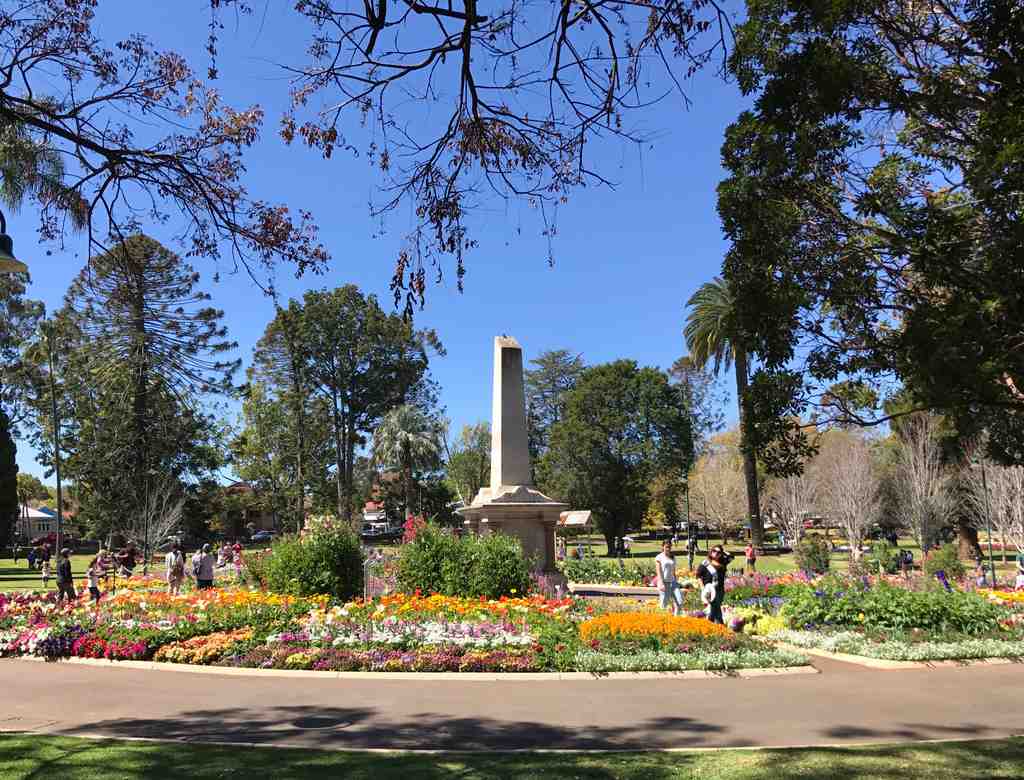
Take a look straight ahead and spot the sprawling garden full of colorful flower beds and tall, old trees, with a tall memorial rising right in the center-this is unmistakably…Czytaj więcejPokaż mniej
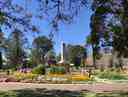
Take a look straight ahead and spot the sprawling garden full of colorful flower beds and tall, old trees, with a tall memorial rising right in the center-this is unmistakably Queens Park, Toowoomba, especially with crowds of people mingling along its lush walkways. Welcome to Queens Park, where history meets a burst of blooms! Step closer and imagine: it’s the late 1800s, and instead of manicured lawns and flowerbeds-there are cows munching on grass and horses leaving less-than-beautiful “presents” everywhere. Hard to picture now, right? Yet back then, this land was a bit of a wild playground for hungry livestock, pitted with holes and dug for clay used to build Toowoomba’s early government buildings. All this began to change because one very determined Toowoomba mayor, William Henry Groom, thought, “Why not have a park as grand as any in the world?” Groom was a man on a mission for his growing town, lobbying the colonial government way back in 1869 to set aside land for the people-a place for families, sports, and simple pleasures like walking beneath shady trees. But progress moved at the pace of a sloth on a Sunday. Years slipped by before fences were put up to shoo away cattle, draining swampy patches took ages, and the whole idea of a glorious park seemed more dream than reality. Eventually, they built a fence, a simple step, but it was revolutionary because it finally kept the animals out and let the flowers in. You know you’re onto something good when the first improvement for a park is actually making sure it stays a park! By 1875, beautiful changes arrived. Queens Park split into two green siblings-on one side, the recreation park for everyone to run, kick balls, and maybe, just maybe, sneak a nap under a Camphor laurel. On the other end, the Botanic Gardens became the playground for scientists, plant lovers, and really curious kids (and adults) who wondered just how weird and wonderful Queensland’s plants could be. The Gardens were guided by Walter Hill, a real green-thumbed superstar from the big city of Brisbane. With advice from Hill and the hard work of curator Edward Way, the Botanic Gardens became a living experiment. Exotic trees, nutty fruits, and all kinds of plant species were planted and swapped out, with results published in the papers-sort of botanical “star ratings.” If a tree could talk, there’d be some dramatic plant breakups in those early years! The Gardens even featured a bush house, gravel walks, and nursery beds. Imagine strolling through rows of unusual trees, the air filled with the unfamiliar scents of foreign blooms-contributing to an ever-growing book of Queensland botany knowledge. Sports fans, don’t feel left out. By the 1880s, Queens Park hosted lively events by the Caledonian Sports Association, complete with a grandstand and running track. Through the decades, it was used for cricket, football, and even swimming-yes, there were baths here from 1894 to 1964, partly to help drain the troublesome swamp. But don’t forget the more “wild” attractions! In 1900, there was even a zoo at the southern boundary. While the animals-and their noisy antics-are long gone, the park’s role as a place for adventure certainly remains. Look for the avenue of enormous Camphor laurels that form a living tunnel, especially leading toward the old Alfred Thomas Memorial and the cannon, famously sited nearby. Alfred Thomas, by the way, was the supervisor for the railway’s spectacular climb up to Toowoomba. Railway, cannon, and gardens-sounds like a children’s book, doesn’t it? In the 20th century, Queens Park became the heart and pride of what was soon called the “Garden City.” Fancy iron gates, mosaic flower beds, sprawling lawns, and stately playgrounds made it a top spot for picnics and family fun. The fresh air and flowers worked their magic; even today, you might spot couples, joggers, and giggling kids enjoying a patch of grass once known for-would you believe it-horse grazing. Even the toilets and fences had their moment on the stage, upgraded in the 1970s when the last of the old buildings were replaced with new amenities and a sturdy sandstone wall. So, as you stand here surrounded by massive bottle trees, jacarandas, and bunya pines, remember: this park is more than just a pretty face. It’s a living chapter of Toowoomba’s past and present, a community heart, and a constant invitation to step in and breathe a little deeper. The next time someone asks if you’ve walked through history, you can say, “Of course-I even dodged the ghost of a cowboy’s cow along the way!”
Otwórz dedykowaną stronę →To spot Whyembah, just look ahead for a charming, weatherboard house with a green corrugated iron roof, intricate lacework on its verandah, and a bold brick chimney poking up…Czytaj więcejPokaż mniej
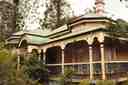
To spot Whyembah, just look ahead for a charming, weatherboard house with a green corrugated iron roof, intricate lacework on its verandah, and a bold brick chimney poking up above the trees-it sits tucked beside Queens Park on a street lined with grand old trees and other fancy timber houses. Now, let’s journey back in time as you pause here in front of Whyembah, where the gentle rustle of eucalyptus leaves and the creak of iron lacework set the perfect stage for a Toowoomba tale! Picture yourself in the late 1890s, back when this house first graced 80 Campbell Street-now, if you ever wished your dream home included its very own bowling green and a verandah fit for storytelling, Whyembah would have had you rolling with delight! The house was built around 1896 for John Rosser, a commercial traveller whose job took him all over with Brisbane’s Thurlow and Co. He and his mates didn’t just come home here for a cup of tea-Rosser was absolutely bowled over by lawn bowls, so there was a private green right on the grounds. Imagine the click of bowls and the cheerful shouts drifting up through the timber posts and curling around the cast iron balustrades of the verandah-you can still feel a bit of that community spirit lingering in the air. By 1906, Whyembah got a grand facelift: the house was enlarged and pressed metal lined the ceilings and walls, adding a touch of shimmer and style. If these walls could talk, they’d rattle off two stories at once-the original level at the front, and the careful, matching extension at the rear added years later. They’d boast about bay windows and hipped rooflines, about the stately barrel-vaulted entrance flanked by paired timber posts, about the closed-in verandah and stained glass by the front door catching the morning light. The corners and eaves carried ornate brackets and those elegant iron lace balustrades, while the proud brick chimney stood watch like a sentinel in polychrome. But Whyembah’s tale is richer for the people who passed through. After John Rosser’s death in 1925, his wife Margaret continued to call this place home-that’s over three decades of one family’s laughter, secrets, and Sunday dinners echoing through these airy rooms. When William Ross Mackenzie bought the property in 1943, it came with a heartwarming condition: Margaret could stay on until her final days, preserving a sense of continuity you can almost feel woven into the timber itself. Time, as it does, brought more changes. In the 1970s, Whyembah was carved into flats-imagine the bustling comings and goings of tenants, each adding new layers to the house’s living history. A new wave of owners in 1979 lovingly renovated and extended the house, meticulously matching old details so nothing felt out of place. Through every chapter, Whyembah held onto the charm and “wow” factor that had made it stand out on Campbell Street since the 1800s. By 2007, people were so enchanted with Whyembah’s elegance that it sold for over a million dollars... and just a few years later, it changed hands again, with Toowoomba Regional Council’s own CEO snapping it up. It’s been the star of many an open home and auction ever since-not bad for a house that started off with a bowling green and a love for pressed metal! Whyembah sits at the northern end of its block, surrounded by palms and its original timber gatehouse, with all these ornate details just begging for a closer look. Today, why not wander around its L-shaped verandah or peer at the lead awnings over the bay windows? Maybe you’ll spot the little touches-the cast iron lace, the colourful brickwork, the gentle slope and curve of the barrel-vaulted entry. And remember: you’re not just looking at a beautiful house, you’re experiencing a living thread in Toowoomba’s rich tapestry-a place that’s seen more stories, celebrations, and changes than you’d spot in a whole novel. And hey, if you suddenly crave a spot of lawn bowls, don’t say I didn’t warn you!
Otwórz dedykowaną stronę →To spot the Cobb & Co Museum, just look for a large, modern shed-like building with a bold white sign reading "Cobb+Co Museum" on the right-it’s right in front of you, with those…Czytaj więcejPokaż mniej
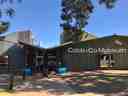
To spot the Cobb & Co Museum, just look for a large, modern shed-like building with a bold white sign reading "Cobb+Co Museum" on the right-it’s right in front of you, with those big wooden beams framing the entrance. Now, as you’re standing here, imagine the clatter of hooves and the rattle of wooden wheels echoing through time! You’re at Toowoomba’s legendary Cobb & Co Museum-a treasure chest of Queensland’s wild ride into history. This place first came to life thanks to a man named W. R. F. Bolton, who must’ve loved carriages even more than most people love coffee. For over thirty years, Bolton rescued, restored, and displayed more than thirty horse-drawn vehicles-imagine stagecoaches shining in the sunlight, each with tales of mail, passengers, and even gold hidden beneath the seats! And that’s not all: over a hundred other relics, from well-worn saddles to mysterious old tools, all found sanctuary here. But the story gets a dash of drama. In 1980, Bolton’s daughter Jenny and her husband Adrian bought the whole collection and struck a deal with the Queensland Government. They insisted these rolling wonders stay in Toowoomba, right where the dust once flew and adventurers swapped stories. There was plenty of back-and-forth, a little bit like negotiating for the last lamington at a country bake sale! Finally, in 1982, the collection was officially gifted with a promise: it would always be a living memory of Bolton and the trailblazing transport pioneers of Queensland. So, every creak of the floorboards inside this museum whispers tales of courage, invention, and maybe the occasional runaway horse. Step through those doors and you’re not just a visitor-you’re time-traveling, with the ghostly echoes of wheels and laughter all around you. Who knows? You might even meet a spirit or two, still waiting for their luggage!
Otwórz dedykowaną stronę →Look ahead for a grand, low-set brick residence with a steep, iron roof, an inviting red staircase leading up to a grand porch with ornate lacework, and two eye-catching bay…Czytaj więcejPokaż mniej
Look ahead for a grand, low-set brick residence with a steep, iron roof, an inviting red staircase leading up to a grand porch with ornate lacework, and two eye-catching bay windows framing the entrance-it’s right here on the corner at 112 Mary Street, surrounded by mature trees and lush gardens. Welcome to Gowrie House, a place brimming with stories from every brick and echoing with laughter, study, and the hustle of daily life for well over a century. Picture yourself standing on these wide concrete steps, feeling the firmness of bluestone foundations beneath your feet-stone that came all the way from the Harlaxton quarry just north of Toowoomba. But rewind your mind’s eye to 1901, when this house began its journey as “Largo,” the dream home of Alexander Mayes. Alexander wasn’t just your everyday builder; he was the kind of overachiever who’d say, “Why stop at a house when you can help build a whole city?” Born in Scotland, with roots deep in the rugged soil of Fifeshire, Alexander brought with him a spirit of ambition when he arrived in Queensland. By the time he had this house built, he’d already left his mark all over Toowoomba, overseeing projects like the City Hall, the Post Office, even the Masonic Hall, and serving as mayor not once, not twice, but three times! You could say he loved Toowoomba so much, he practically built it-and then governed it for good measure. And then there’s the dazzling mind behind the design-Harry Marks, a Toowoomba-born architect whose creative streak is visible all over this town. Take a close look at those unusual sash windows and fancy architectural flourishes; Harry loved to innovate and even patented the famous Austral window. The symmetry of the facade, those sturdy sash windows, and that widow’s walk peeking above the roof, all show off his flair. Imagine the sounds of builders at work in 1901, hammers and chisels echoing off the foundations. Inside, years ago, you’d find three grand bedrooms, a central hallway connecting a drawing room filled with laughter, stories, and the occasional disagreement on how much sugar should go in the tea. The dining room would ring with the clatter of cutlery and conversation, as Alexander, his wife Helena, and their children gathered, some of whom would go on to become leaders and pioneers in their own right. The house was always full-six in the family at the very least-and it wasn’t unheard of for beds to line up in the back rooms for cousins, guests, and, perhaps, the world’s sleepiest dog. When Alexander retired and the Mayes family moved on, the story shifted. In 1945, the house found brand new life as Gowrie House, named in honor of Lady Gowrie. The YWCA took over, spreading a different kind of warmth-a safe haven for young women, especially those trying to find their way in a growing city or coming here for war work. Take a step back and picture dozens of students, servicewomen, and travelers making their own memories within these brick walls. That’s not just the sound of the breeze in the trees you hear. That’s decades of dreams, fears, and whispered secrets. Toowoomba’s YWCA branch sprang from the efforts of determined women, like Lady Groom, to provide shelter for girls and women in an unpredictable world. Imagine young women arriving at the big front door, storage trunks in hand, nerves jangling-and finding spacious rooms, fireplaces crackling in winter, the famous cedar-framed windows glowing with stained glass. Past presidents like Miss Wadley didn’t just want a building-they wanted an atmosphere where students and service girls far from home could feel secure. Gowrie House evolved with the times-expanding as more young people came to Toowoomba, adding the Wadley Wing in the 1950s, and the Margaret Hofmann Wing by the 1970s. When demand changed, the policy did too: by the late ’70s, young men and women were both welcome, and in the ’80s, new accessibility features opened the doors even wider. Step back and look at Gowrie House now: beneath those mature, shady trees and across the sweeping stretch of lawn, you witness a living legacy. Gowrie House still provides shelter and opportunity-offering a homey welcome to students, travelers, and people with disabilities. It stands proudly on the Queensland Heritage Register, the last YWCA hostel of its kind in Queensland, still echoing with the hope and history of generations. So if these old bricks could talk, they’d have a lot to say-stories of hammers, laughter, wild ambitions, and quiet kindness, all passing through those lace-trimmed verandahs.
Otwórz dedykowaną stronę →You’re standing right in front of Clive Berghofer Stadium-where the grass has seen more action than my shoes at a 24-hour walking tour! The stadium sits proud along Mary Street,…Czytaj więcejPokaż mniej
You’re standing right in front of Clive Berghofer Stadium-where the grass has seen more action than my shoes at a 24-hour walking tour! The stadium sits proud along Mary Street, just a stone’s throw from Queens Park and Toowoomba East State School, and if you take a deep breath, you might catch the scents of fresh cut grass and stadium food from recent games. Imagine the roar of the crowd, the stampede of fans rushing past the ticket counters on Arthur Street, eager to grab their seats under the cover of that shiny grandstand. With seating for 2,300 under cover and a total capacity for 9,000 people (although once they squeezed in about 10,000 for a big match-now that's Toowoomba teamwork), this place really comes alive on game day! Named for Clive Berghofer, the local legend who’s been a property developer, a philanthropist, and even a mayor, the stadium is more than a field-it’s a Toowoomba icon. It’s home turf for the South West Queensland Thunder soccer club, and every now and then, even the pros come to town. Since 2014, the Gold Coast Titans have been warming up the field with preseason games, and in 2018, history was made with Toowoomba’s very first ever NRL premiership game. The bright stadium lights here don’t just help athletes see the ball-they make dreams shine a little brighter at night. But this stadium also has a story that’s more than just sporting glory. Back in 1999, activist Stephen Hagan noticed something on a sign: the name of a stand, the E. S. "Nigger" Brown Stand, referencing a player from the 1920s. Hagan was deeply troubled by the use of an offensive word, and began a ten-year battle to have it changed. The debates heated up, going all the way to court. The stand was finally demolished as part of stadium upgrades, and the name wasn’t used again. Victory might come in many forms, but here, it came in the name of respect. So whether you’re here for soccer, rugby, or simply to soak up the echoes of cheers and laughter, Clive Berghofer Stadium is proof Toowoomba knows how to put on a show-and tell a story or two along the way. Just watch out for flying balls-or flying sausage rolls, if it’s halftime!
Otwórz dedykowaną stronę →Look ahead and a little to your right, and you’ll spot Bishop’s House-a striking, single-storey brick villa with grand arched windows, a name proudly displayed above the main…Czytaj więcejPokaż mniej
Look ahead and a little to your right, and you’ll spot Bishop’s House-a striking, single-storey brick villa with grand arched windows, a name proudly displayed above the main entrance, and a cross sitting atop its green corrugated-iron roof. Now, while you stand in front of this solid, dignified building, imagine the scene more than a hundred years ago: horses clop past, the air is brisk with the scent of fresh earth, and Toowoomba is buzzing with optimism. Bishop’s House started its life in 1911, not as a bishop’s residence, but as the grand home of William Charles Peak-a local businessman whose mustache was likely as impressive as his entrepreneurial resume. Peak got the cream of local architectural talent, Henry Marks, to design this villa. Marks wasn’t just your everyday architect; he was an inventor at heart, tinkering with windows, chimneys, and ventilation systems to make houses healthier and more comfortable. You can almost picture him, plans in hand, demonstrating one of his patented pot-bellied chimney stacks. Standing here now, you can spot those famous chimneys perched above the roofline. Marks believed a house wasn’t just a box to live in-it should breathe, catch light, and stay cool on a Queensland summer’s day. Take a closer look at the windows in the projecting bay rooms and you’ll see the mark of his ingenuity: originally, these were extendable casements designed for excellent airflow, along with cleverly shaped chimneys to catch the breeze and keep out the rain. It’s as though the house itself is taking a deep breath. Now, picture Toowoomba in the early 1900s, a town emerging from its swampy, agricultural roots. “The Swamp,” as it was once not-so-glamorously called, was transforming into a vibrant urban centre. Men like Peak were building impressive homes that reflected the growing pride and prosperity of the town. But the local community was always changing, and after just a few years, Peak moved on; the house passed through several hands-a little mystery rental here, a name change there. One tenant even called it “Dalmally,” a nostalgic nod to a Scottish village. By 1939, what had started as a family home was about to take on a new life entirely. The Roman Catholic Church stepped in, purchasing the house to accommodate the bishop of the newly created Toowoomba Diocese. Imagine the shuffling of furniture, the clinking of glasses, and the slightly nervous discussions about whether the old brick place was grand enough for a bishop. The house underwent a makeover-some original sash windows were replaced, the front loggia was partially enclosed, and a chapel and new bathroom were added. “BISHOP’S HOUSE” was proudly inscribed above the front entrance, so no visitor could miss it. Over the decades, the building was the centre of spiritual life and diocesan business-a place where big decisions were debated beneath its pressed metal ceilings, and everyday life blended with moments of solemnity, joy and yes, probably the odd game of cricket on the lawn. This house has seen everything from grand receptions for visiting dignitaries to quiet, late-night cups of tea. Its history is tied not just to the church, but to those who shaped Toowoomba. It’s a monument to the inventive spirit of Henry Marks, to the bustling ambition of WC Peak, and even to the everyday folks who-over decades-tended its gardens, cleaned its hallways, and peered out its carefully engineered windows at the leafy streets beyond. Generations of Bishops called it home until the Church built a new residence out back, transforming the old house into offices and educational hubs.
Otwórz dedykowaną stronę →Standing here on Tourist Road, just look for a large, low-set white timber house with a striking multi-gabled roof and red brick chimneys, nestled amongst lush green lawns and…Czytaj więcejPokaż mniej
Standing here on Tourist Road, just look for a large, low-set white timber house with a striking multi-gabled roof and red brick chimneys, nestled amongst lush green lawns and mature trees-it’ll be right in front of you, partially hidden by a row of well-kept shrubs and hedges. Now, let’s step into the story of Unara-imagine yourself in the early 1900s, the sweet scent of camellias and magnolias drifting on the cool mountain air, the rustle of wind weaving through giant pine branches overhead. In front of you stands not just any house, but a home with a view that rolls out all the way down the Range into the Lockyer Valley, a spot so prized that only the most notable citizens could call it their own. Built around 1906, Unara was the grand dream of Sir Littleton Groom-one of Queensland’s political heavyweights and a man whose footsteps echoed through every corridor of power from Toowoomba to the hallowed halls of Parliament in Canberra. Picture Sir Littleton himself: a sharp legal mind, locally born, with politics practically in his blood. In fact, when his father, William Henry Groom, who had once been the Mayor of Toowoomba and a founding member of Parliament, passed away, Littleton simply dusted himself off and took up the family tradition, representing Darling Downs with gusto for decades. During his long career he took on everything from attorney-general to Speaker of the House of Representatives. Not many folks could say they ran the show in Parliament with a booming voice and still be knighted for it! But let’s duck under the shade of that enormous oak at the back and explore the house as it might’ve felt then-pass through the main entrance beneath its gabled roof, step onto the wide front verandah that wrapped around like an invitation to breathe in the crisp Toowoomba air, and walk down a central hallway lined with tall doors and glimmering leadlight windows. Imagine elegant parties with laughter echoing off pressed metal ceilings, the warmth from three handsome red brick fireplaces, and the soft light colored by stained glass filtering through glorious bay windows. If those walls could talk, they’d have more gossip than a morning radio show! Time, of course, kept marching. When Littleton Groom passed away in 1936, the pomp and bustle faded, and Unara began a new chapter-first as a guest house and then, in a plot twist worthy of a mystery novel, as a Mothercraft Home for newborns and weary mums in 1945. Can you picture it now? This stately old building alive with the gentle cries of babies, the quiet footfalls of nurses, and the hopeful chatter of new mothers. New wings sprang up, a laundry block appeared, and-true to the times-little hospital sinks popped up in unexpected corners. The Federation Bungalow flair stayed, but the place was always evolving, adapting, surviving each new role in stride. Through all the decades, from rowdy political debates to the soft hush of caring for the tiniest new lives, Unara’s sturdy timber and graceful lines kept their dignity. Even after its days as a health center faded, local community services moved in, and the garden-thick with camellias, wisteria, magnolias, and neat gravel drives-remained a picture of peace and quiet beauty. Here, as you stand on the path where once distinguished guests and later anxious new parents would have tread, you’re tracing the steps of history both grand and humble. Every corner-each pressed metal ceiling, each sash window, each aged tree outside-whispers a memory of Queensland’s past, from political prestige to gentle nurture. And across the road, fittingly, stands a memorial to Sir Littleton Groom, watching over the home where his legacy was built-almost like he couldn’t quite leave the place behind. So next time someone tells you old houses are just wood and nails, send them over to Unara, where the echoes of the past are as lively as ever-and where, I daresay, even the ghosts are probably debating politics or swapping tips on baby care!
Otwórz dedykowaną stronę →To spot Fernside, just look for a low and wide brick villa with a sweeping veranda and a hipped roof, sitting proudly above a curved carriage drive and framed by lush gardens,…Czytaj więcejPokaż mniej
To spot Fernside, just look for a low and wide brick villa with a sweeping veranda and a hipped roof, sitting proudly above a curved carriage drive and framed by lush gardens, right at the end of the path in front of you. Pause for a moment and imagine the crunch of carriage wheels rolling over the gravel driveway in the late 1800s. Fernside, standing here since around 1876, may look peaceful and stately now, but its walls have seen more action than a busy town square! This elegant house was built for John Alexander Boyce, who arrived from Brisbane and quickly became a fixture of Toowoomba life. Picture Boyce, perhaps whisking up his morning tea, while outside the dawn mist curled off the Great Dividing Range-a view still magnificent today. Boyce wasn’t someone to sit still-having come as Clerk of Petty Sessions, he became a traveling man, bringing law and order to far-flung towns like Winton, Thargomindah, and even Townsville. You can almost hear the echo of his footsteps in the hall, suitcase in hand, each time he set off for a new adventure in Queensland. As Boyce roamed, Fernside stayed in the family-so much so that six generations of Boyces called it home, and the house saw everything from baby steps to birthday candles, right up to Lesley Anne, Colin, Rodney, and Michael, all children of his great-grandson, Peter. One of Fernside’s most intriguing stories is that of Annie Griffiths-Boyce’s daughter-in-law, whose family built the impressive Toowoomba Foundry. Annie was a woman of stamina-she owned Fernside for decades and lived to be a hundred! After her marriage to Gerard Boyce, there were even some renovations-perhaps the air got a bit drafty, or maybe the family dining room needed space for more birthday cake. Through good times and bad, Fernside was transformed, including an extension in the 1990s-history isn’t built in a day, and neither was this lovely home. The grandeur of Fernside was no secret. Even Sir Arthur Kennedy, the Governor of Queensland, made it his summer hangout between 1877 and 1883. Imagine the grand parties, with guests in their best attire, fanning away the summer heat while the scent of conifer trees drifted in through open windows. From here, the governor could look out across the landscape, feeling like the king of his own leafy castle. Fernside wasn’t alone in its noble lease-other Toowoomba mansions, like Harlaxton House and Gabbinbar, also served as summer retreats for Queensland’s top brass. But there’s more to Fernside than fancy parties and family dinners. There’s the click of a lock as deeds changed hands-JA Boyce transferring the house to his daughter-in-law in 1902, Annie mortgaging it in 1915, the town’s main street even being renamed Fernside Street, as if the house itself commanded its own postal address! And after Annie’s century-long reign, the keys passed to her grandson before the house eventually left the Boyce family in 1978-ending over a century of family tradition. Fernside sits on a perfectly leveled patch that rises gently from the street, then tumbles away into an escarpment, offering those legendary views east. Surrounded by a mix of native and exotic conifers, with a wide concrete staircase leading you to a front door shaded by a cozy timber porch, you can almost smell the fresh paint of the early days. The verandas are ideal for escaping the Queensland sun, and inside, pressed metal ceilings, grand fireplaces, and original cedar doorways tell a story of wealth, ambition, and family pride. Even today, little has changed; as you stand here, take a moment to listen to the garden, maybe a magpie chattering or the breeze in the trees. You’re at the last stop of your tour, but the story of Fernside is still alive-a living piece of Toowoomba’s history, a home that was once a palace for governors and a sanctuary for a remarkable family. And who knows? Maybe you’ll feel inspired to start your own dynasty, though I recommend less traveling than Mr. Boyce-unless you like packing!
Otwórz dedykowaną stronę →
Najczęściej zadawane pytania
Jak rozpocząć trasę?
Po zakupie pobierz aplikację AudaTours i wpisz kod realizacji. Trasa będzie gotowa do natychmiastowego rozpoczęcia – po prostu dotknij \"Play\" i podążaj trasą z nawigacją GPS.
Czy potrzebuję internetu podczas trasy?
Nie! Pobierz trasę przed rozpoczęciem i korzystaj z niej w pełni offline. Jedynie funkcja czatu wymaga internetu. Zalecamy pobieranie przez WiFi, aby oszczędzać dane mobilne.
Czy to wycieczka grupowa z przewodnikiem?
Nie – to samodzielny audioprzewodnik. Zwiedzasz niezależnie, we własnym tempie, z narracją audio odtwarzaną przez telefon. Bez przewodnika, bez grupy, bez harmonogramu.
Ile trwa trasa?
Większość tras zajmuje 60–90 minut, ale to Ty kontrolujesz tempo. Wstrzymuj, pomijaj przystanki lub rób przerwy, kiedy chcesz.
Co jeśli nie zdążę ukończyć trasy dzisiaj?
Żaden problem! Trasy mają dożywotni dostęp. Wstrzymaj i wznów, kiedy chcesz – jutro, za tydzień lub za rok. Twój postęp jest zapisywany.
W jakich językach są dostępne trasy?
Wszystkie trasy są dostępne w ponad 50 językach. Wybierz preferowany język podczas realizacji kodu. Uwaga: języka nie można zmienić po wygenerowaniu trasy.
Gdzie znajdę trasę po zakupie?
Pobierz darmową aplikację AudaTours z App Store lub Google Play. Wpisz kod realizacji (wysłany e-mailem), a trasa pojawi się w Twojej bibliotece, gotowa do pobrania i rozpoczęcia.
Jeśli trasa Ci się nie spodoba, zwrócimy Ci pieniądze. Skontaktuj się z nami pod adresem [email protected]
Bezpieczna płatność przez