Audiotour Gravesend: Legenden aan de rivier en voetsporen van het fort
Kruit-echo's dwalen nog steeds onder de straten van Gravesend, terwijl eeuwenoude riviergeheimen rond stille dokken wervelen en wereldberoemde pelgrimsroutes net buiten het zicht glinsteren. Dit is een stad met verhalen gebeiteld in haar steen en een hartslag die door haar heilige zalen klopt. Begin aan een zelfgeleide audiotour die de lagen van Gravesend ontrafelt, meeslepende verhalen en over het hoofd geziene monumenten blootlegt waar zelfs de lokale bevolking aan voorbijloopt. Verborgen geschiedenis ligt voor u klaar om ontdekt te worden. Waarom veroorzaakten de verdedigingswerken van New Tavern Fort middernachtelijke alarmen langs de kust? Welke duistere intrige bij de Havenautoriteit van Londen veranderde de wereldhandel voorgoed? Welk geheim ingrediënt laat de Guru Nanak Darbar Gurdwara bij zonsondergang glinsteren? Volg de voetsporen van rebellen en legendes langs rivierpaden, door machtige muren en het zoemende hart van de Sikh-gemeenschap. Elke hoek biedt schandalen, troost en openbaringen. Klaar om de kracht onder het oppervlak van Gravesend te ontsluiten? Druk op afspelen en laat het verhaal u meeslepen.
Tourvoorbeeld
Over deze tour
- scheduleDuur 40–60 minsGa op je eigen tempo
- straighten3.3 km wandelrouteVolg het geleide pad
- location_onLocatieGravesend, Verenigd Koninkrijk
- wifi_offWerkt offlineEén keer downloaden, overal gebruiken
- all_inclusiveLevenslange toegangOp elk moment opnieuw afspelen, voor altijd
- location_onStart bij Treinstation Gravesend
Stops op deze tour
You’re looking for a modern, open-air station with sweeping railway tracks, a tall glass building, and a striking blue footbridge standing proudly above the platforms-just keep an…Meer lezenToon minder
You’re looking for a modern, open-air station with sweeping railway tracks, a tall glass building, and a striking blue footbridge standing proudly above the platforms-just keep an eye out for those tall brick towers with the blue bridge connecting them overhead. Alright, step right up and imagine that it’s the mid-1800s, steam hissing, carriages rattling, and the faint smell of coal in the air. Here at Gravesend railway station, journeys used to begin with a lot more clanking and shoveling of coal than the electric buzz you’d hear now! Way back in 1845, the very first train on the Gravesend & Rochester Railway puffed its way into town, pulling up right here near the canal basin. It didn’t just bring passengers-it brought excitement. Gravesend was suddenly on the map, no longer a sleepy town but one with a direct link to the wider world. Back then, rival companies were battling it out for the fastest, most convenient routes to London. At one point, you could pick between two competing stations-one from the South Eastern Railway, and one from their rivals, the London, Chatham & Dover Railway. The race was on to get to London Bridge, Victoria, all the big names! In fact, Gravesend even had to call itself “Gravesend Central” to avoid getting mixed up with the “other” station at West Street. But don’t get too comfortable on the old platform! Fast forward to 2013, and things start to look a bit more familiar. There was a £19 million transformation that swapped out rickety footbridges for the big, modern one you see now-check out those lifts and the glass shelter, a far cry from the narrow old bridges that had everyone squeezed like sardines. Imagine the commotion here: construction crews bustling, the final base of a historic water tank getting pulled out, the air filled with the click of drills and the clang of steel. They even extended the platforms for the super-long 12-coach trains, so now even the sleepiest commuter can’t miss their ride. Today, the station is a hive of commuting energy, with Southeastern and Thameslink trains zipping to St Pancras, Charing Cross, Victoria, Ramsgate, and even as far as Luton! The high-speed line to London means you’re in the capital in just 23 minutes-try beating that in a car. And you know what’s funny? For all the futuristic upgrades, Gravesend station is busier than the fancy Ebbsfleet International nearby. Maybe it’s the charm, maybe it’s the easy links, but this place is still the heart of travel for Gravesham locals. So, while you wait for your train or just watch the rails glimmer in the sun, take a moment to imagine all those footsteps over the years-ambitious day-trippers, nervous first-time travelers, maybe even a few people who missed their train by just seconds
Open eigen pagina →Right in front of you, you’ll see an angular, modern building with rough concrete walls and wide, boxy windows-a very different look compared to most of Gravesend’s older…Meer lezenToon minder
Right in front of you, you’ll see an angular, modern building with rough concrete walls and wide, boxy windows-a very different look compared to most of Gravesend’s older architecture, so just spot the sharp lines and lots of glass. Now, let’s step into the story of Gravesham Civic Centre-a building that might look like a stack of giant brown sugar cubes, but instead of sweetening your tea, it’s been running the town since 1968. Picture the early ‘60s: the council men and women were squeezing into the old Town Hall like sardines with paperwork instead of fish. People were stacked in every corner, so the council decided they needed something… much bigger. They cleared away a bunch of Victorian buildings and brought in the architect Brian Richards, who-no jokes-made things as “brutalist” as possible. Brutalist, by the way, is an architectural word for ‘let’s make it out of concrete and make it bold.’ In November 1968, the Duchess of Kent herself showed up to officially open the building. Imagine the excitement: a shiny new five-storey tower, a swooping glass foyer and a council chamber with a view, all facing a fresh community square! It was like unwrapping a giant, modern present right in the middle of Gravesend. Aside from the business of running the borough, the Civic Centre quietly moonlights as an art gallery, holding portraits of Queens, mayors (with some spectacular facial hair), and even a peaceful lakeside painting. Over the years, it’s been given a facelift-£6 million of open-plan flair, plus a very fancy anti-carbonation coating to stop the concrete looking tired. A true workhorse, full of strange architectural charm and stories of civic hustle-now, that’s a council office with character!
Open eigen pagina →To spot Gravesend as you’re walking, look ahead for a stately town built along the River Thames, marked by a mix of old and new, with historic buildings nestled beside modern…Meer lezenToon minder
To spot Gravesend as you’re walking, look ahead for a stately town built along the River Thames, marked by a mix of old and new, with historic buildings nestled beside modern shops-just follow the sound of daily life and the ever-present sight of that winding river nearby. Welcome to Gravesend! Now, if you thought this was just another quiet English town, let me whisk you through centuries of drama, trade, and even a bit of mystery-no time travel machine required. Imagine yourself standing right where Stone Age communities hunted and Roman soldiers once marched. In fact, Romans built their own settlement not far from here, hoping their sandals could survive the unpredictable British weather. But it was in the Domesday Book of 1086 that Gravesend first gets a star mention. Picture a Norman scribe scratching “Gravesham” onto parchment, owned by Odo, Earl of Kent-he just happened to be William the Conqueror’s half-brother, so a proper VIP back then. The very name of Gravesend is a puzzle worthy of a detective: some say it means “home of the bailiff,” others think it’s “where the graves ended” after the Black Death swept through, while another theory links it to groves or even to a Dutch sandy village, which might explain why Brooklyn, New York, also has a Gravesend. And there’s a fun six degrees of separation for you! Swing back to 1268, and the smell from one of England’s oldest markets drifts through the air. King Henry III himself granted town status here, and the market he chartered is still running today. Fast-forward a few hundred years-Castilian pirates attacked Gravesend during the Hundred Years' War, and the locals had to defend their riverside patch. Don’t be surprised if your next trivia quiz features the Gravesend “Long Ferry”-boating between London and Gravesend has been popular since 1401, mostly because traveling by road was a risky business-highwaymen loved Blackheath, and coaches had to change horses constantly. One figure whose memory lingers here is Pocahontas. In 1617, she fell ill and died at Gravesend, never making it back to Virginia. Her story is one of deep emotion and connection between worlds; her burial took place in St George’s Church, and while her exact resting spot remains a mystery, you can feel the gravity of her journey right here. The Thames, meanwhile, has always been Gravesend’s lifeline. It brought invaders, traders, and hopeful emigrants. For centuries, huge ships would pause at Long Reach, lightening their loads before twisting up to London, while tugboats bustled about like busy beetles. The world’s oldest surviving cast-iron pier was built here in 1834, and if you wander toward the water, you might spot the Victorian clock tower-built to celebrate Queen Victoria’s reign and eerily based on the famous Big Ben’s design. But don’t let the heritage fool you-the people of Gravesend know how to enjoy themselves. The annual river regatta sees racing skiffs slicing through the Thames, and the pier has welcomed everyone from starchy Victorians to modern ferry commuters. Summers can be surprisingly hot, as Gravesend holds several UK temperature records. When it snows, though, the whole town gets a chill that might make you want to dash inside for a cuppa. It’s a place shaped by waves of newcomers-Romans, Saxons, Normans, Victorians, and people from all over the world now. With a diverse community, excellent shopping, and a tradition of welcoming both travelers and dreamers sailing up the Thames, Gravesend is a town where history and everyday life meet-sometimes with a roar, sometimes with a quiet sigh, but always with a story to tell. Now, onward adventurer, because our journey’s got plenty more riverbanks and secrets waiting just ahead! Eager to learn more about the name, governance or the geography? Simply drop your inquiries in the chat section and I'll provide the details you need.
Open eigen pagina →
Toon 9 stops meerToon minder stopsexpand_moreexpand_less
To spot Gravesend Town Hall, look for the grand building with tall, stone columns and a triangular pediment towering above the street on your right-it’s hard to miss those mighty…Meer lezenToon minder
To spot Gravesend Town Hall, look for the grand building with tall, stone columns and a triangular pediment towering above the street on your right-it’s hard to miss those mighty pillars and neoclassical design! Now, imagine yourself standing where townsfolk have gathered for centuries, just outside this striking hall on the High Street. Back in 1573, the original town hall was a bustling hub: imagine the shouts and laughter of the marketplace below, and right above, important assemblies where decisions were hammered out that shaped the town’s future. There's even a secret-downstairs, there was a lock-up for prisoners! Those early days were funded by the incomes from the Gravesend-Tilbury Ferry, from selling freedoms of the borough, and all those lively market stalls. Fast forward to 1764, and we get this very building, designed by Charles Sloane, standing proud with a symmetrical face and columns inspired by ancient Greece. It’s no wonder people called it grand-Amon Henry Wilds even gave it a facelift in 1836, and for a while, statues of Minerva, Justice, and Truth sat watching over the crowds from up on the roof. There were banquets here for local heroes, including in 1936 for the daring pilot Amy Johnson after her record-breaking flight. But it wasn’t all parties and politics-the building kept morphing to fit Gravesend’s needs, growing in size with new offices crammed in as the council’s work expanded. By the time the sixties came around, the council moved to a more modern spot and, after a few legal dramas as a magistrates’ court, the building sadly started to crumble. Luckily, a big restoration brought it back to life in 2010. So today, you’re standing where traders bickered, prisoners sulked, history-makers toasted, and now, couples say ‘I do.’ Not bad for a building that’s almost as dramatic as a soap opera!
Open eigen pagina →You’re now standing in front of St George’s Church, Gravesend - a parish church with a tale that could fill a whole library, but don’t worry, I’ll keep it to just one tour stop!…Meer lezenToon minder
You’re now standing in front of St George’s Church, Gravesend - a parish church with a tale that could fill a whole library, but don’t worry, I’ll keep it to just one tour stop! This church has watched centuries of history unfold from its spot near the High Street, and its stories are as colorful as the stained glass in its windows. Here’s the headline act: the church is the final resting place of Pocahontas, the famous Native American woman who became a symbol of early encounters between England and America. She was only around 20 or 21 when she died here in 1617, far from home, on her way back to Virginia with her English husband John Rolfe and their young son, Thomas. She’s believed to be buried beneath the chancel, though when the church was rebuilt in 1731, her exact gravesite was lost to time-so if you feel a mysterious draft, it might not just be the English weather! Today, a bronze statue right outside honors her memory, and gives this place a truly global significance. St George’s also holds grimmer secrets. After the Battle of Culloden in 1746, Jacobite prisoners kept in terrible conditions on prison hulks anchored off Gravesend were buried here, nameless and so far from Scotland, including the Roman Catholic martyr Fr. Alexander Cameron. So as you look around, remember you’re standing in a spot where world-changing lives met, from Native American royalty to Scottish rebels-history really does know how to pick its landmarks!
Open eigen pagina →Just ahead, you’ll spot a long, slim walkway stretching out over the Thames, with a pavilion at the end that almost seems to float on the water-keep your eyes on the river’s edge…Meer lezenToon minder
Just ahead, you’ll spot a long, slim walkway stretching out over the Thames, with a pavilion at the end that almost seems to float on the water-keep your eyes on the river’s edge and you can’t miss it! Picture yourself here in 1834-the pier brand new, designed by the talented William Tierney Clark, built of cast iron and stretching bravely out into the busy Thames. All around, the river echoes with the clang and clatter of steamboats as over 3 million passengers come and go in just a few years. Back then, the Town Pier was the beating heart of travel, soaking up stories, secrets, and the hopes of everyone escaping London for Kent… until the noisy railways muscled in around 1900, and the grand old pier suddenly grew silent. But like a classic British comeback story, Gravesend Town Pier was restored in 2000, its shiny new restaurant and bar ready to welcome laughter and clinking glasses. Although business didn’t boom for long, don’t feel too sorry for our grand old friend-it’s the oldest surviving cast iron pier in the world and now a Grade II* listed treasure! These days, the pier rings with new sounds as Thames Clippers boats ferry passengers to London, just like in the old days. And if you fancy yourself a music fan, picture this spot as the dusty stage for the haunting ballads of “Gravesend Pier”-where riches and poverty met on the river, and the tide carried their tales downstream.
Open eigen pagina →To spot Gravesend Blockhouse, look down and ahead for a sturdy, low brick ruin surrounded by grassy embankments, with old, weathered stonework forming the rectangular and curved…Meer lezenToon minder
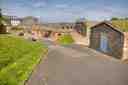
To spot Gravesend Blockhouse, look down and ahead for a sturdy, low brick ruin surrounded by grassy embankments, with old, weathered stonework forming the rectangular and curved outlines of what was once a mighty gun platform right beside the River Thames. Imagine you’re here in the 1540s, with the taste of salt on the breeze and the constant thud of carpenters’ hammers echoing as this blockhouse was hastily built on King Henry VIII’s orders. Queen Elizabeth might have had her royal ruffs, but Henry had his “Device plan,” which, let’s face it, makes for a much better defence against invasion. Picture the urgency-England had just broken with the Pope, and now France and the Holy Roman Empire were eyeing up the coast, probably checking their maps and sharpening their swords. The king’s response? Build a string of fortifications like this one along the Thames, a river that was basically the M25 of Tudor England but with more gunpowder and fewer traffic jams. The Gravesend Blockhouse was part of a network to defend London and those bustling, ship-filled royal dockyards. The town of Gravesend-just 500 metres from the village of Milton-was the gateway to London, filled with bustling ferries and narrow wharves. One wrong move, and enemy soldiers would be strolling off their ships and onto English soil. The blockhouse itself was two storeys of brick and stone muscle, shaped like a giant ‘D’ pressed against the riverbank, with big, round bastions for cannons to peer out and greet unwelcome visitors. Its walls were nearly two metres thick-thick enough to keep out cannonballs, and, with any luck, Frenchmen with pointy sticks. James Nedeham and Christopher Morice were the brains behind the build, and you can almost hear them arguing about how many bricks to use or whether they needed a bigger bastion for the king’s latest cannon. It was finished quickly-by 1540-and equipped to deliver a very warm welcome to any invading fleet. Captain James Crane was the first to command it, with a hearty handful of gunners, a couple of soldiers, and, you guessed it, a porter-because even fortresses need someone to carry the bags. Fast-forward to 1588, and things are getting tense all over again. The Spanish Armada is coming-cue dramatic music-and Gravesend Blockhouse isn’t in great shape. The gun platforms are like wobbly tables, and the garrison is down to just five exhausted gunners. The repairs list sounds like a shopping trip for a very violent IKEA: 1,000 feet of timber, 300 iron spikes, and ten cartloads of timber. One fix: they stretched a giant chain across the Thames, linking this spot to Tilbury Fort on the far bank. Nothing says “keep out” like a giant chain blocking your boat. In the following centuries, the story of the blockhouse becomes a rollercoaster of neglect, sudden panic repairs, and the occasional, um, questionable captain who might have demanded a tiny toll from passing ships. The Dutch navy even tried a raid in 1667, but those heavy cannons-well, mostly just for show by then-were enough to keep them at bay. And if you thought things got dull, don’t worry: by the 18th century, there were taverns, a pier, a wharf, and even a big house built for the Duke of York, right next to all this historic firepower. Eventually, New Tavern Fort was built to take over the defence job, and the old blockhouse-the mighty brick guardian of the Thames-was torn down in 1844. Nearly forgotten, it was uncovered by archaeologists in the 1970s, its walls whispering stories of kings, armadas, gunners, and the relentless, muddy tides of the river. If you close your eyes, you might hear the echo of orders shouted, the ring of military drills, or maybe the laughter of a porter trying to sneak extra rations. So as you stand above these ancient bricks, you’re sharing a spot with centuries of drama-battles barely missed, defences raised, governments plotting… and a few soldiers definitely grumbling about their pay. Just keep an eye out; you never know when a cannonball-or a dodgy Tudor contractor-might roll back into town. Eager to learn more about the 16th century, 17th century or the 18th-19th centuries? Simply drop your inquiries in the chat section and I'll provide the details you need.
Open eigen pagina →Here we are at the Port of London Authority building-a place where the tide of history never really ebbs! Imagine yourself about a century ago, right here on the banks of the…Meer lezenToon minder
Here we are at the Port of London Authority building-a place where the tide of history never really ebbs! Imagine yourself about a century ago, right here on the banks of the River Thames. It’s 1909, and a group of very serious men in bowler hats has just formed the Port of London Authority, or PLA for short. Thanks to the Port of London Act, they’re suddenly in charge of the entire tidal river-about 95 miles, stretching from a quiet obelisk at Teddington Lock all the way out to where the Thames meets the North Sea. Picture them nervously eyeing a fleet of ships, hoping none of them drift the wrong way-or worse, hit a sandbank. The PLA's job was, and still is, a bit more complicated than just keeping the boats in line. It inherited the maze-like network of docks-places with names like East India, West India, and St Katharine’s-along with centuries of quirky river traditions and even their own police force, called, quite creatively, the Port of London Authority Police. Image the constables chasing after dodgy smugglers or absent-minded sailors who’ve tied their boats a little too close to the gin palaces of Gravesend (I suppose even the river police need a little drama in their day). What makes the PLA really unusual is that it isn’t funded by the government. The money comes from ships passing through, from pilotage to port dues, from river licenses to hydrographic services. If you want to use the Thames, you pay the PLA-which I suppose makes it the world’s most polite, historic toll booth. For a century, the PLA ran almost every dock down here. But as the age of containers arrived and ships got bigger, most docks closed down or switched to private hands. Apart from Port of Tilbury, now privatized, what the PLA does today is making sure the river is safe, navigable, and tidy-imagine using radar, patrol boats, buoys, beacons, and dozens of hard-hatted harbour masters patrolling the 95-mile watery highway between Teddington and the roaring North Sea. You know, it takes a lot of coordination not to accidentally send a cruise liner into Southend-on-Sea. Gravesend is now the PLA’s main HQ, with its nerve centre at the London River House and Royal Terrace Pier, just around the corner. Ship traffic is directed by the Port Control, like a super-powered version of air traffic control, with 16 radar stations tracking every boat, barge, and stray duck. Another base is at Woolwich, but Gravesend keeps a sharper eye on all the comings and goings downstream-sort of like the neighbourhood watch for the Thames. Over the years, the PLA has owned an astonishing assortment of boats, launches, survey vessels, pilot cutters, and even “driftwood” boats-vessels that scour the river for wayward timber, lost cargo, or the odd sofa floating past the O2 Arena. There’s even a hybrid boat on duty here-a bit of eco-conscious progress for a river that’s seen it all. Back in the day, the PLA had its own railway system. Engines chuffed and clanged, shunting wagons packed with coal and fresh fruit all over the PLA estate. Steam engines gave way to diesels, but as the docks closed, the tracks rusted and in 1970, the last locomotive tooted farewell. Somewhere, a train enthusiast shed a tear. Now, for the finishing touch: when you spot PLA boats, look for a blue flag with a golden sealion-what a creature, right? Their official motto is “Floreat Imperii Portvs,” which translates as “May the Port of the Empire Flourish”-a bit grand for Gravesend, perhaps, but after all, this river has seen everything from Roman galleys to royal processions. So, as the PLA keeps the Thames safe and moving, remember the river’s mix of grit and grandeur. It’s a place of endless tides and tireless teamwork-thankfully without too many wayward ducks blocking the channel! Shall we see what else Gravesend has to offer? Just don’t try to outrace a pilot cutter… they’re quicker than they look. Want to explore the finance, harbour masters or the centres in more depth? Join me in the chat section for a detailed discussion.
Open eigen pagina →Directly ahead, you’ll see a long, pale structure stretching out over the water, attached to a large brick building with antennas on the roof-this is the Royal Terrace Pier. Now,…Meer lezenToon minder
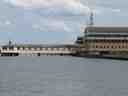
Directly ahead, you’ll see a long, pale structure stretching out over the water, attached to a large brick building with antennas on the roof-this is the Royal Terrace Pier. Now, let’s travel back to 1844: imagine the swirling waters of the Thames and the buzz of clever investors, as the Gravesend Freehold Investment Company unveils their grand new pier-and not just any flimsy dock, but a Grade II listed stunner designed by John Baldry Redman, costing a hefty £9,200, which would have bought you a few castles in those days! Fast forward to a crisp morning in March 1863: all eyes are on the pier as Princess Alexandra, soon to be Queen, gracefully steps onto British soil here, on her way to wed the future King Edward VII. What a royal welcome! It’s no wonder the site later became essential to river life. In 2007, the brave souls of the Gravesend Lifeboat Station started launching urgent rescue missions from the pontoon at the end of this very pier. For years, the Royal Terrace Pier Estate Company kept everything afloat (pun intended!) until its journey ended in 2012. Today, the Port of London Authority keeps a watchful eye from next door, making sure the Royal Terrace Pier remains ready for the next twist in its lively tale.
Open eigen pagina →To spot the New Tavern Fort, just look ahead for a broad, zig-zagging earthen rampart with brick and concrete structures set into its side, surrounded by grassy banks and a…Meer lezenToon minder
To spot the New Tavern Fort, just look ahead for a broad, zig-zagging earthen rampart with brick and concrete structures set into its side, surrounded by grassy banks and a ditch-it's unmistakable! Welcome to New Tavern Fort-careful not to trip over any ancient cannonballs! Now, take a deep breath and imagine how this peaceful spot once rang with the sounds of soldiers drilling and cannons booming. The fort was built at the end of the 1700s, in a time when Britain was biting its nails over the sneaky French and Spanish helping those upstart Americans during their war for independence. Picture anxious British engineers huddled over maps, desperately searching for weak spots along the Thames. Suddenly, as if in a scene from an old war movie, urgent orders arrived, spades hit the ground, and a brand-new fort began to rise right where you stand. The earth ramparts in front of you were designed not just to impress local sheep, but to repel the feared iron-clad French warships that haunted Britain’s dreams in the 19th century. The fort, much like a Victorian superhero, kept updating its gadgets to stay one step ahead-first adding platforms for bigger, meaner guns, and later installing brick and concrete emplacements with tunnels underneath for ammo storage. If you look to your left, you’ll see the entrance to a 600-foot-long tunnel, zig-zagging under your feet. Down there, workers in special slippers (imagine the world’s worst dance party) hustled cartridges and shells, protected from sparks by glass screens and thick brick walls. Trust me, if anyone ever sneezed down there, the tension was enough to set off the fireworks early! This fort wasn’t just about brute strength; it was a marvel of the age, with rails for guns to swivel, iron shields for protection, and a parade ground inside that today delights the senses with flowerbeds, trees, and a bandstand just waiting for a summer’s brass tune. The grassy ditch you see wasn’t always filled with cheerful plants-in its heyday, it was wider, deeper, and an obstacle for any would-be attackers who reckoned they might storm the walls after a pint or two down the pub. Through the centuries, the guns and garrisons changed with the times. In the 19th century, legendary British engineer Charles George Gordon (who later became famous for a heroic last stand in Africa) lived right here in Fort House as the ramparts were rebuilt for new wars and threats. Fast forward to the early 20th century; by then, the Navy was parking its bigger guns downstream, and the fort began to soften. In the 1930s, its bastions became a garden for the public, but when World War II hit, the old fort snapped back to life-radio masts shot up and the tunnels below became air-raid shelters, said to have caught the murmur of enemy broadcasts, possibly sending secrets off to Bletchley Park. Today, you stand among the only complete, working 6-inch gun battery of its kind left in the UK, surrounded by layers of history both above and below ground. Whether you’re here for the weaponry, the secret tunnels, or a sunny picnic, remember: New Tavern Fort is a living monument to hundreds of years of fears, hopes, and the stubborn British desire to never be caught off guard-not even by Americans with French friends!
Open eigen pagina →To spot the Guru Nanak Darbar Gurdwara, just look straight ahead for a magnificent cream and white building with domes on top, arched windows, and an orange flag rising high next…Meer lezenToon minder
To spot the Guru Nanak Darbar Gurdwara, just look straight ahead for a magnificent cream and white building with domes on top, arched windows, and an orange flag rising high next to it-trust me, it’s not one you’ll miss! Now as you stand in front of this awe-inspiring Gurdwara, imagine the lively hum of countless footsteps on its floors, prayers echoing through spacious halls, and the mouthwatering aroma of free meals drifting from the langar-as if the whole place is a warm, welcoming heartbeat in Gravesend. This isn’t just any Sikh Gurdwara; it’s the largest in Europe and one of the biggest outside India! And believe it or not, it all started many decades ago in small, humble homes and rented halls, not this dazzling palace you see today. Back in the early 1950s, local Sikh families-having journeyed all the way from villages near Amritsar-gathered at Wakefield Street, right inside someone's home, the first resting place of the Guru Granth Sahib in Gravesend. By the late 1950s, they’d scraped together £575, quite a small fortune back then, to buy a site on Edwin Street. Picture stacks of library books brought straight from India and a tiny but determined congregation sharing stories, prayers, and tea. As the Sikh community grew, they needed bigger spaces-next came Clarence Place, an old chapel-turned-warehouse, and after more than four decades there (and several dramatic developments, including a thwarted plan to demolish the old building), the Gurdwara you see now was finally created at Khalsa Avenue. It took nearly ten years, built with the hard work of local retirees and volunteers, many of whom gave up their weekends and even their pensions to make this dream real. So every piece of marble, every carved pillar you see, is a piece of someone’s heartfelt effort. But don't let the grand architecture fool you-this Gurdwara is all about community. There are three busy prayer rooms, two gigantic halls where free meals-langar-are served to anyone who stops by, no matter who they are. Nearby, children learn Punjabi in a dedicated school, elderly folks find companionship at the day centre, and if you look out onto the grounds, you might spot kids playing football, or even a kabaddi match in action! Did you know the Gravesend Guru Nanak Football Club, founded way back in 1965, now boasts both men’s and women’s teams-including a female section led by the trailblazing Parm Gill, who was even awarded by UEFA for her efforts? Talk about girl power! The Gurdwara’s Mukh Sevadar-think of this role as the chief steward or president-helps steer this ship through calm and stormy seas. Over the years, elections have brought new voices and new ideas, from the Sher and Baaj factions to familiar local names, each leader navigating lively debates (sometimes with more drama than a box-set series!). There’s a story here for every season, often involving visits from dignitaries and even a surprise or two during election time. Of course, life hasn't always been peaceful. In the 1970s and 80s, the Gurdwara faced harassment and even violent attacks from the National Front, a reminder of the challenges minorities faced. Members of all backgrounds-Sikh, English, Indian-banded together in a true spirit of Sarbat da bhala, working together to protect the community and stand against hate. Fast forward to recent years, and the Gurdwara is still a beacon of hope, serving tens of thousands of free meals to hospital staff during the COVID-19 pandemic and responding to difficulties with remarkable compassion-even inviting an offender in for a chat after an act of vandalism. So here you stand, where prayers, football, laughter, and resilience all mix together under these spectacular domes. The Guru Nanak Darbar Gurdwara is a glowing symbol of community, welcome, and hope-where everyone’s invited, and someone’s always got the kettle on. If you’re lucky, you might just hear the distant sound of a football match or the soft hum of a kitchen prepping the next meal. Now, are you hungry yet? Intrigued by the mukh sevadar, guru nanak f.c. or the gng kabaddi club? Explore further by joining me in the chat section below.
Open eigen pagina →It’s the year 1539, and Henry VIII is not having the best time. His break with the Pope over his divorce didn’t just earn him a stern letter; it brought the thunder of both France…Meer lezenToon minder
It’s the year 1539, and Henry VIII is not having the best time. His break with the Pope over his divorce didn’t just earn him a stern letter; it brought the thunder of both France and the Holy Roman Empire, now best friends and highly motivated to send an invasion fleet up the Thames. So, he issues what he calls his “device”-not a fancy gadget, but orders for the most robust network of coastal forts England had ever seen. The Thames, with 80 percent of the country’s exports flowing through it-and London just upstream-had to be protected at all costs. Right here at Milton, at a crucial ferry, the land was snapped up by the Crown for £66-a royal bargain even then. Chapel Field, once a peaceful part of Milton Chantry, was suddenly overtaken by the sound of hammers, ports, and shouts as James Nedeham and Christopher Morice, the mastermind designers, got to work building what would become a two-storey, D-shaped fort. Armed with 30 artillery guns, handguns, longbows, and a small but mighty garrison of 12 men led by Captain Sir Edward Cobham, this place was ready for a fight. And what a strategic spot! Before Gravesend and Milton, the muddy flats of the Thames totally sucked for any sneaky landings. This was the first easy place for any would-be invader to step foot, making it the perfect spot for a fortress ready to say, “Nice try, but no entry!” Battery positions flanked the river, and as if that weren’t enough, Sir Richard Lee-one of England’s top engineers-popped in to add a modern, angular bastion, just in case someone felt like storming from the landward side. But peace, it turns out, is almost as dangerous to a fortress as war. By 1553, the guns were stripped and sent back to the Tower of London. Henry’s paranoia was, perhaps, a little ahead of its time-no French ships ever dared test the firepower here. Within a few years, the blockhouse was demolished, its valuable bricks and stones packed up and carted away to patch up the Tower of London itself. Over the centuries, the ground changed. In the 1800s, canal basins and pleasure gardens swept away whatever was left, leaving only rumors and curiosity. That is, until the 1970s, when archaeologists, perhaps equipped with woolly jumpers and tenacity, uncovered part of the original foundations. Now, that bit of history is protected by law-a buried monument to England’s paranoia, engineering, and the occasional overreaction to royal soap operas. So, if you hear any distant cannon fire today, it’s not the French-it’s just your imagination having a field day. Congratulations, explorer! You’ve completed your Gravesend adventure-maybe reward yourself with a snack. History is hungry work. Wondering about the background, device of 1539 or the construction? Feel free to discuss it further in the chat section below.
Open eigen pagina →
Veelgestelde vragen
Hoe begin ik de tour?
Download na aankoop de AudaTours-app en voer je inwisselcode in. De tour is direct klaar om te starten – tik gewoon op afspelen en volg de GPS-geleide route.
Heb ik internet nodig tijdens de tour?
Nee! Download de tour voordat je begint en geniet er volledig offline van. Alleen de chatfunctie vereist internet. We raden aan om te downloaden via wifi om mobiele data te besparen.
Is dit een groepsrondleiding met gids?
Nee - dit is een audiotour met eigen gids. Je verkent zelfstandig op je eigen tempo, met audiovertelling via je telefoon. Geen tourguide, geen groep, geen schema.
Hoe lang duurt de tour?
De meeste tours duren 60-90 minuten, maar jij bepaalt het tempo volledig. Pauzeer, sla stops over of neem pauzes wanneer je wilt.
Wat als ik de tour vandaag niet kan afmaken?
Geen probleem! Tours hebben levenslange toegang. Pauzeer en hervat wanneer je wilt – morgen, volgende week of volgend jaar. Je voortgang wordt opgeslagen.
Welke talen zijn beschikbaar?
Alle tours zijn beschikbaar in meer dan 50 talen. Selecteer je voorkeurstaal bij het inwisselen van je code. Let op: de taal kan niet worden gewijzigd na het genereren van de tour.
Waar vind ik de tour na aankoop?
Download de gratis AudaTours-app uit de App Store of Google Play. Voer je inwisselcode in (verzonden per e-mail) en de tour verschijnt in je bibliotheek, klaar om te downloaden en te starten.
Als je niet tevreden bent met de tour, betalen we je aankoop terug. Neem contact met ons op via [email protected]
Veilig afrekenen met