
Lagos Audiotour: Echo's van Vissers, Forten en Geloof
Stenen muren weergalmden ooit met de kreten van gevangenen en het gekletter van rijken, precies hier in Lagos, een stad waarvan de zonovergoten pleinen eeuwenoude geheimen verbergen. Met deze zelfgeleide audiotour ontrafel je de verborgen verhalen achter oude kerken en kastelen, terwijl je op je eigen tempo ronddwaalt. Ontdek verhalen die de meeste bezoekers nooit horen – begraven onder beschilderde plafonds en in de schaduwen van stille torens. Wie probeerde te ontsnappen uit het kasteel van Lagos tijdens een middernachtelijke opstand en de stad in brand te steken? Waarom blijven er lang na zonsondergang gefluister hangen rond het altaar in de Kerk van São Sebastião? Welk vreemd object ligt opgesloten in een hoek van Onze-Lieve-Vrouw van de Karmel, de vredige façade logenstraffend? Volg de voetsporen van piraten, priesters en vergeten helden. Elke bocht brengt een nieuwe laag van intrige. Lagos verandert met elke stap: ontdek nieuwe kleuren in elke steen, nieuwe echo's in elke straat. Ontgrendel de stad – jouw reis naar het verborgen verleden van Lagos begint nu.
Tourvoorbeeld
Over deze tour
- scheduleDuur 40–60 minsGa op je eigen tempo
- straighten4.7 km wandelrouteVolg het geleide pad
- location_on
- wifi_offWerkt offlineEén keer downloaden, overal gebruiken
- all_inclusiveLevenslange toegangOp elk moment opnieuw afspelen, voor altijd
- location_onStart bij Treinstation van Lagos
Stops op deze tour
To spot Lagos Train Station, look for a modern, flat-roofed building with wide glass windows and horizontal lines, just at the north edge of town near the road with the striped…Meer lezenToon minder
To spot Lagos Train Station, look for a modern, flat-roofed building with wide glass windows and horizontal lines, just at the north edge of town near the road with the striped crosswalk. Welcome to the very first stop of your adventure-Lagos Train Station! Take in the gleaming sunlight reflecting off those broad glass windows and the slick, angular roof-it’s the perfect showcase of “new meets old,” but you wouldn’t guess at a glance the decades of dreams and drama hiding beneath this humble platform. Picture it: late 1800s, and Lagos might as well have been on another planet. Journeys from Lisbon sounded like the beginning of an epic quest-first, a train to Beja, then a bumpy carriage to Mértola, finally hopping on a boat downstream toward Vila Real de Santo António, before clambering back on land and onward along the Algarve’s wild coastline. Imagine travelers, tossing in their seats, wishing for smoother rides. The region, with industries starting to sprout like wildflowers-think canning factories packed with the scent of fresh fish-knew it needed a true iron lifeline. A British businessman named Joseph Bleck tried to pull this off, proposing a railway from Lagos all the way east to Vila Real, but his plans fizzled out faster than a firecracker in the rain. Not to worry-by the turn of the 20th century, the Portuguese government had picked up the steam, commissioning studies, proposing new tracks, and finally, after several law changes and not a little political drama, the grand plan was set: the Algarve’s very own railway, from Tunes to Lagos. Flash forward to July 30, 1922. Lagos was thrown into proper party mode as the original station burst open with music, sports, and one very celebratory train-just imagine the clatter of a steam engine rolling in, greeted by the raucous cheer of the crowd. The first station, a little ways from where you’re standing, had a beautiful coat of Art Nouveau-style tiles, dazzling visitors with their bold patterns and hues. The station quickly became a town hub, bustling with locals, workers from the newly built railroad neighborhood, and of course, passengers eyeing distant horizons. But it wasn’t always smooth riding from there. Critics grumbled about the lack of shelter from sun or rain (classic Algarve, right?), and poor lighting inside. Still, the railway began to reshape Lagos. Water pipelines, better roads, bus lines whisking travelers from Sagres right here-each decade brought a hum of activity, from new locomotive sheds to the advent of regional trains that bound Lagos tighter to the rest of Portugal. By the late 20th century, the tracks of destiny shifted again. Passengers now rolled in on InterRegional trains, and new ideas for modernizing the station started rolling around faster than a loose suitcase. Major upgrades arrived in the early 2000s; out went the old, in came this snazzy new building-yet the heart of the station, full of stories and echoes, remained constant. One for the trivia fans: the old roundhouse for locomotives was shaped like a fan, covered with shed roofs, and even eyed as a future railway museum, though local politics meant its fate still hangs in the balance-perhaps like a ghost train waiting for the right hour. Today, dozens of trains pass through each day, carrying tourists, commuters, and dreamers off to destinations like Faro, all under the endless Algarve sky. Let yourself imagine those early 20th-century crowds, the whistle of the very first trains, the hopes pinned on every journey. Lagos Train Station is still the end of the line for the Algarve railway-the “final stop,” as signs proudly announce-but for everyone who arrives, it’s always the beginning of something new. Ready to ride the rails of history? Or, at the very least, enjoy the air conditioning and a snack from the station café. Just remember: here in Lagos, every platform is a platform for adventure.
Open eigen pagina →To spot the Avenida de Lagos Municipal Market, look for a large, white building trimmed in grey with rows of arched windows and “Mercado Municipal 1924” proudly displayed above a…Meer lezenToon minder
To spot the Avenida de Lagos Municipal Market, look for a large, white building trimmed in grey with rows of arched windows and “Mercado Municipal 1924” proudly displayed above a wide entrance, just past the palm tree and traffic lights on your left. Now, pause and take in the lively hum that still buzzes around this market. Close your eyes for a moment-imagine the salty scent of fresh fish, the sweet perfume of ripe fruit, and the gentle clatter of baskets and ice being shuffled from stall to stall. The story of this bustling market goes back almost 175 years, but don’t worry, I won’t make you stand here that long! Let’s rewind to Lagos in 1850. Fishermen, tired of selling their catch out in the open where seagulls were the only happy customers, convinced the city to build a proper fish market. Fast-forward to 1904: a brand-new market for fish rises next to the old town hall. Picture women clad in aprons, calling out prices, and eager townsfolk bustling in for the day’s best catch. Meanwhile, the old market becomes a temporary home for fruit and veggie sellers-it’s like musical chairs, but with onions and oranges! By 1915, tragedy struck: the fruit market building caught fire, leaving only ashes behind. But from the ashes, a new plan was born! The city eyed the site of an old factory-already owned by Lagos-and soon after, acquired the neighbouring backyard (imagine haggling over a fence with your neighbour, but with more paperwork and city council meetings). By Christmas 1924, they put out a call for folks to rent the new market’s eight shop spaces-and by 1925, the Mercado Municipal was up and running! Early on, it sold only fruits and veggies, earning the nickname "Praça da Fruta"-the Fruit Square. The 19th-century market it replaced got demolished, but the legacy lived on. Don't let this calm white façade fool you! By the late 1950s, the ground floor was dedicated entirely to fish-meaning you could get your cod and your cod’s dinner, too, all under one roof. The demolition of an older fish market paved way for the wide avenue you see today, Avenida dos Descobrimentos. As Lagos modernized, so did the market: in 1968, the first total roof was put in place, finally protecting customers from the surprise rain-and maybe the odd mischievous seagull. Fast-forward to the 21st century and things got a little dramatic: between 2002 and 2004, the market had a massive facelift. Nearly everything was rebuilt except for the main façade you’re looking at right now-the city was determined to keep its historic character. They added a panoramic elevator, a rooftop terrace with a view worthy of an Instagram post, a restaurant, and even direct access to the science center next door. Of course, not everyone was thrilled-the traders grumbled about smaller stalls and parking headaches, proving that some things never change! Don’t miss the blue-and-white azulejo tile panels on the southern wall, created by the artist Xana, or the inscription inside by beloved writer Sophia de Mello Breyner Andresen. The market’s vibrant spirit and lively aromas echo the centuries of Lagos tradition-so whether you’re here for a juicy orange or just a slice of history, you’re walking where generations have shared stories, laughter, and maybe, once or twice, a competitive wrestling match over the last mackerel.
Open eigen pagina →


Toon 10 stops meerToon minder stopsexpand_moreexpand_less
To spot the Old Lagos Tourist Office, just look for the stately white building with red-tiled rooftops and elegant windows right on Rua Marquês de Pombal-it stands out like a…Meer lezenToon minder
To spot the Old Lagos Tourist Office, just look for the stately white building with red-tiled rooftops and elegant windows right on Rua Marquês de Pombal-it stands out like a grand house on a classic cobblestoned square, facing you as you approach. Now, picture yourself taking a leisurely stroll through 1940s Lagos-the sea breeze in the air, the friendly buzz of locals, and just ahead, this proud building is brand new, glinting in the sunlight. It wasn’t just any building; this was the city’s shiny welcome mat for travelers, the official Tourist Office. Its architecture? It’s what you’d call ‘Português Suave’-not a dance, though it does sound like one!-but a style that tried to mix the old with the modern, all under the watchful eye of Portugal’s Estado Novo regime. They wanted tradition sprinkled with a twist of modern life, so this building ended up looking both homely and impressive. By the 1960s, the plot thickens. The Tourist Office’s first floor transformed into a public library thanks to the Calouste Gulbenkian Foundation. Imagine the excitement of the locals! Before this, Lagos had to rely on wandering book vans that would stop near the museum. Suddenly, young readers and old book-lovers alike had a real destination-a home for stories that opened three times a week and brought the world to Lagos, turning the routinely practical old Tourist Office into a beloved local hub. But the pages kept turning. In the late 20th century, as Lagos grew and changed, the main tourist desk packed up and moved to the town’s entrance, and our dear building took on new roles-first as a municipal information point, then as a kind of ‘jack-of-all-trades’ for city services. In 2010, the lower floor buzzed with town news while, upstairs, the military moved in, adding a dash of mystery and authority to its walls. You’d half expect to find a secret agent with a coffee in hand inside! But wait, there’s more! In 2015, dark rooms, photo archives, and creative workshops took over, as the Fototeca Municipal turned the building into Lagos’s photographic memory. By 2018, discussions in high council decided it would house the city’s police force-so don’t try any funny business while you’re standing here! So whether it was a haven for curious visitors, a lighthouse of learning, a window to the art world, or the headquarters of law and order, this humble building has worn more hats than a magician in a hurry. Standing here, you’re not just at an address-you’re at the intersection of the city’s imagination, hospitality, and a touch of good old-fashioned bureaucratic shuffling. It’s almost enough to make you want to duck inside and see who’s moved in this week!
Open eigen pagina →To spot the Church of São Sebastião, just look up the hill to your left-you’ll see a grand white building with a tall bell tower and a majestic, somewhat weathered facade standing…Meer lezenToon minder
To spot the Church of São Sebastião, just look up the hill to your left-you’ll see a grand white building with a tall bell tower and a majestic, somewhat weathered facade standing proudly above the street, ringed by wrought iron gates and steep old steps. Now, take a moment to soak in the atmosphere, because you’re standing outside one of Lagos’s most legendary landmarks-a building as old as some of the city’s most persistent rumors! Imagine the year is 1325. The city is bustling with fishermen, travelers, and traders, and on this very spot, a small hermitage to Our Lady of the Conception sat on the edge of Lagos, just outside the medieval walls. People who weren’t lucky enough to live “inside” the city would come here-so in a way, this place has always been for the outsiders, the dreamers, and the hopeful. Fast forward to the fifteenth century-Lagos was growing, and so was this humble hermitage! By order of the Bishop of the Algarve, it was expanded and officially became the Church of São Sebastião. Why Saint Sebastian, you ask? People thought he'd protect them from the dreaded plagues rushing through town-who wouldn’t want a superhero saint on their side during a pandemic? Pieces of Saint Sebastian’s blood and even a tiny bone were placed right here in a golden pyramid in the main chapel, thought to give this hilltop church protective superpowers. But the magic of this church isn’t just in relics. Let’s talk about legends. There’s a story that, inside the church, there once stood a wooden statue of Christ with mysteriously glowing eyes. Local folks nicknamed it “The Lord of Truth,” because if you tried to lie in its presence, those eyes would light up! Imagine the tension: one sneaky fib, and suddenly you’ve got a supernatural stare-off happening in the middle of mass. No one dared cross him-unless you wanted your secrets exposed in front of your neighbors! As centuries passed, the church grew wilder in style-with a mish-mash of architectural touches as repairs and expansions happened. Earthquakes in 1755 and 1969 rattled Lagos to its core, literally reducing parts of this church to rubble. The bell tower collapsed, the roof caved in, but like a determined grandma who won’t let a bad knee slow her down, the church was rebuilt again and again, each time sporting a new look. Just keep an eye on those columns with their fancy capitals-they’re a mix of Doric and Ionic, like the church couldn’t quite decide between Greek drama and Roman order. Walk around to the south side and you’re in for a treat-here’s something truly rare for the Algarve, or anywhere in Portugal: a bone chapel! If your spine didn’t tingle already, it will now! The walls are lined with skulls and bones, arranged in neat geometric patterns. These macabre designs are said to remind us of the shortness of life-though I think it also served as a pretty good burglar deterrent. (“Do you really want to rob a place decorated with skulls?”) Inside, you’ll find a curved ceiling-and if you look up, skulls laid out in the form of crosses. Through the years, the Church of São Sebastião has been a battleground, not just against time and earthquakes, but also against rival churches! Which was older-this one or Santa Maria? The records were as tangled as a plate of Portuguese noodles, but it added a flavor of local rivalry to every Sunday service. The clergy fought over processions, recited prayers, and once even debated which church could claim the first ever wedding-dodger. (That’s a whole other story…) Even the everyday rules here were strict. Fancy selling cheese during Lent? That’ll cost you. Try to sneak a wedding before Sunday mass? That’ll empty your wallet. Feel like throwing a party in the churchyard? Only if you’re ready for a fine-and probably a stern talking-to by the priest. Despite fires, earthquakes, and never-ending squabbles, the church still stands. Today, it’s honored as a National Monument, watching over Lagos from its hilltop perch. Restoration work is always discussed, because just like a favorite old jacket, the church is a bit worn-but it’s a cherished piece of history, full of secrets, superstitions, and more than a few ghost stories. As you stand here, listening to the wind and distant chimes, remember: you’re on sacred, storied ground-so let your imagination wander, and see if you can hear those legendary glowing eyes watching from behind the ancient doors!
Open eigen pagina →Look ahead for a large beige and orange building on the corner with big rounded windows on the upper floor and the word “Cinema” clearly signed above the entrance-this is the…Meer lezenToon minder
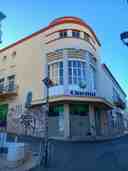
Look ahead for a large beige and orange building on the corner with big rounded windows on the upper floor and the word “Cinema” clearly signed above the entrance-this is the grand old Cinema of Lagos! Alright, picture this: the year is 1946, and Lagos is buzzing with excitement. Imagine jazz music drifting out of open windows, everyone dressed up on a Saturday night to see the sparkling new Teatro-Cinema Império, as they called it back then, glowing like a beacon in this lively part of town. This building, styled in the elegant but sturdy Portuguese Suave fashion, looks both modern and a tad nostalgic-like it could host a film premiere one night and a glitzy ballroom dance the next. Thanks to Raul Rodrigues Lima, the architect with a flair for dramatic curves and traditional touches, and the ambitious Italian businessman Paolo Cocco, Lagos suddenly had the swankiest spot for miles-a whopping thousand-seat theatre, with a concert and dance hall where the good citizens of Lagos could waltz away their worries. Even the rival cinema just across the street had to throw in the towel once the Império arrived. It wasn’t just a place to see movies-it was where Lagos came alive. Picture crowds swirling in, laughter bouncing off marble stairs, the excitement of seeing your neighbor starring in a local play or watching an avant-garde film that sparked endless debates in the café after. For a touch of cinematic drama, in 1977 the Cinema Império even premiered a legendary Portuguese film, “Continuar a viver ou os Índios da Meia-Praia”-the talk of the town for weeks. But like every good film, there were unexpected plot twists. The cinema changed, adding a second screen and transforming into a quirky two-level shopping center called Lagoshopping. It briefly shut its doors in the 2000s (cue the sad music), but just when everyone thought the show was over, Carlos Matos stepped in, rolled up his sleeves, and brought the old place roaring back in 2013-just in time to prove everyone wrong about cinema’s fate in Portugal. Of course, life isn’t without the drama of a disaster movie; a fire in December 2013 filled the hall with smoke, damaging the lobby and bar. Thankfully, no one was seriously hurt, but the building needed some serious TLC. Now in 2019, rumors spread like wild popcorn: would the old cinema become a dazzling town hall, a revived cultural center, or just another memory? Whatever happens, the Cinema of Lagos holds a reel’s worth of stories-some funny, some tragic, and all larger than life. And today, you get to stand in the same spot as generations of Lagos dreamers. Not bad for a quick walk to the movies, eh?
Open eigen pagina →To spot the Church of Our Lady of Mount Carmel, look ahead for a large, plain whitewashed building on a small hill with a simple stone-framed doorway and hardly any exterior…Meer lezenToon minder
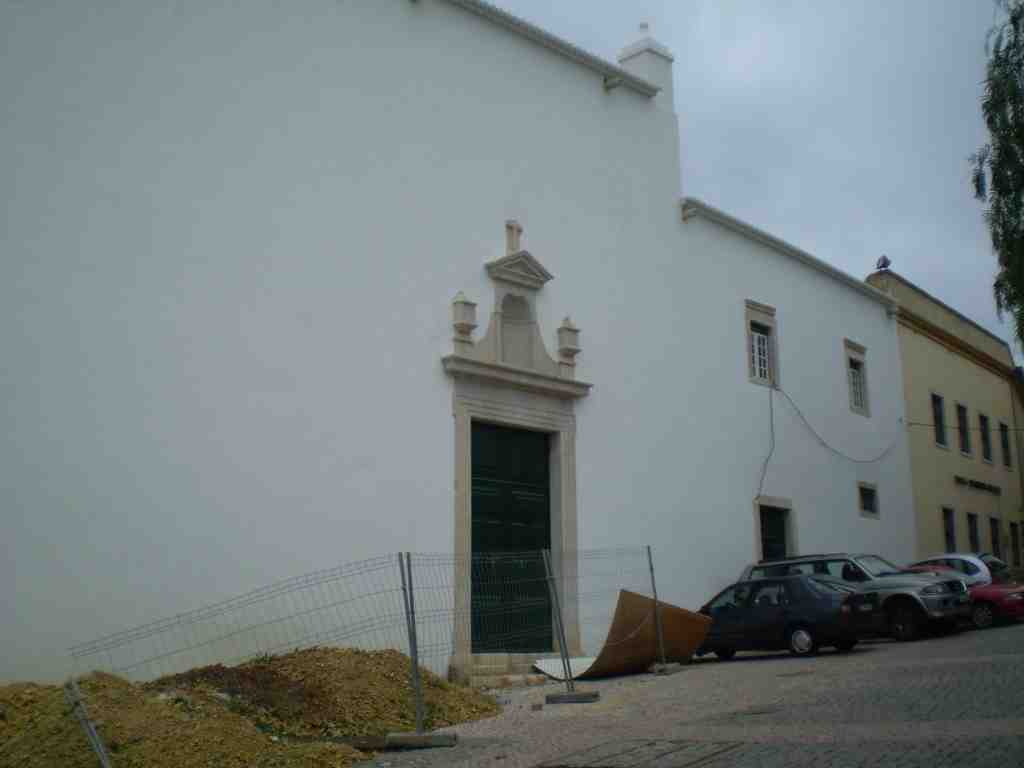
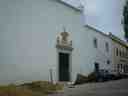
To spot the Church of Our Lady of Mount Carmel, look ahead for a large, plain whitewashed building on a small hill with a simple stone-framed doorway and hardly any exterior decoration-it stands quietly but impressively above the cobbles while the world bustles around it. Now that you’re facing this unassuming but fascinating façade, let’s uncover its secrets and stories-because this spot has seen more plot twists than your favorite TV series! If you stood here in 1463, you’d find just a humble hermitage dedicated to Our Lady of the Conception, perched above the rooftops with the salty breeze from the coast below. Fast forward to the hustle and bustle of the 1500s, and this peaceful spot became home to the Carmelite nuns-the so-called “Carmelitas Calçadas.” Why Lagos, you ask? At the time, this city was the Algarve’s shining star, attracting these devout sisters to build their convent right here, finishing in 1554 under the ambitious eye of Father Cristóvão Dias. Back then, the church was anything but showy. The Carmelite nuns weren’t into bling outside-a simple white box, no fancy statues or carvings. But Ah! Step inside, and you’d be surrounded by golden altars, sparkling glazed tiles, and a dome where nuns peered out to attend mass from their secret window! The outside whispers “humility,” but the inside sings “divine splendor.” I suppose you could call this building the nun-equivalent of business on the outside, party on the inside. The convent and its church survived the great earthquake of 1755, shaken but not broken. Legend has it that in the 1700s, the nuns here whipped up the first ever Dom Rodrigo dessert-one of the Algarve’s sweetest secrets, all sticky eggs and sugar in honor of the local governor. Clearly, they took “divine inspiration” very literally in the kitchen! But the plot thickens in the 1800s, when trouble brewed. The convent’s numbers dwindled-between nuns leaving, sick sisters, and new laws, soon only two stubborn souls remained. With so few left, the building was divided up-a school over here, a theatre back there (imagine students doing quadratic equations within whispering distance of amateur actors and carnival balls)! In fact, the Teatro Gil Vicente, created partly on the old convent’s ruins, staged its first play in 1862 to a packed house-maybe even out-audiencing the church next door. Through wars and new governments, the building kept evolving. In the early 1900s, it hosted businesses, military hospitals, and more schools. By the mid-century, it grew into a center for technical and industrial education, its echoing halls filled with the clatter of tools and the dreams of students from across Lagos. The old convent garden even became a playground, sparking laughter where nuns had once tiptoed in prayer. Come the 1970s, the artist João Cutileiro set up shop here. Imagine sculpting a king (D. Sebastião himself) in a studio filled with the ghosts of centuries past-stone dust mingling with centuries-old prayers. Over the years, restoration plans tried to pry the church from ruin’s grip. In 2004, city leaders and the diocese finally teamed up to save this heritage. Builders and archaeologists dug deep, restoring tiles and golden altars, strengthening the dome, and giving the church a new lease on life. After more dust, sweat, and paperwork than you’d find in most soap operas, the church opened its doors in July 2023, ringing its newly restored bell for the first time in decades. Today, the sanctuary hums with music, students, concerts, and the youthful energy of Lagos’s next generation. So as you stand here, breathe it all in-the silent white walls, the secrets of lost convents, echoes of theater and classrooms, and the faintest memory of sugar, gold, and devotion. The Church of Our Lady of Mount Carmel is living proof: never judge a church by its cover!
Open eigen pagina →Right ahead, you’ll spot the Lagos Castle by looking for its massive, golden-lit stone towers with square crenellations, framing an arched entrance-it looks like a formidable gate…Meer lezenToon minder
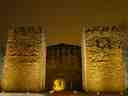
Right ahead, you’ll spot the Lagos Castle by looking for its massive, golden-lit stone towers with square crenellations, framing an arched entrance-it looks like a formidable gate straight out of a medieval legend. Step right up and let your imagination run wild, because these ancient stones are itching to tell you their stories! Close your eyes for a second-can you picture centuries of footsteps echoing where you stand? Smell the salty air, feel the night breeze, and listen for secrets riding the wind. Welcome to Lagos Castle, or, as the locals like to say, the Castelo dos Governadores. This isn’t just any old pile of rocks-these walls are the heart and bones of Lagos, standing guard over the city for nearly a thousand years. Long before surfboards and sunbathers took over the Algarve, this spot was chosen by fearless seafarers and warriors. In the mists of time-think ancient Carthaginians around the first millennium BC-people chose this spot for its views and its strategic muscle. The first real fortifications, however, arrived with the Moors in the Middle Ages; they built an alcáçova here, the ancestor of this very castle. Imagine bustling markets, the scent of spices, and patrols atop these battlements, scouting for trouble. When the winds of war changed and the Christian kings took back the city in the 13th century, a new, thicker ring of defensive walls went up under King Afonso III-and yes, he even chipped in some money for construction! These folks didn’t mess around with home security. As Lagos grew fatter and richer-thanks in part to Africa-bound explorers and busy tuna fisheries-the city simply burst out of its old shell. Another wave of massive walls, bristling with towers and battlements, encircled a much larger city in the 16th century. Listen close and picture the clang of hammers, stone dust in the air, and the nervous chatter of townsfolk: this was a city on edge, forever watching the waves for pirates, plagues, or armies. And tucked into all this, the castle itself wasn’t just a sturdy hideout-it became the Governor’s House. If you lived here, you could keep one eye on the wine and the other on incoming ships! Over centuries, Lagos was a prize fought over by Romans, Visigoths, Moors, Portuguese kings, and even the odd English adventurer-hello, Francis Drake-and everyone left their mark. Some left behind towers and cannons, others just gossipy stories and echoes in the alleys. Tragedy struck in 1755 with a massive earthquake that smashed much of the city, leaving the castle battered and broken. Parts of it were swallowed up by the city’s growth, or turned into a hospital-talk about a medieval Airbnb with a twist! As you gaze up now, notice how some walls are rough and old, earning every wrinkle and scar, while others are patched up from more recent times. Each stone here has seen sieges, celebrations, and sunrises, witnessing everything from epic battles to secret midnight rendezvous. And just think: right here on these grounds, Africans were once sold as slaves, and restless pirates eyed local riches. A chilling reminder, and a piece of history you’d never guess just from the postcard view. In the 20th century, the Portuguese decided it was time for a castle glow-up: restoration projects helped revive battered towers and crumbling archways, allowing the castle to stand proud as a national monument. Today, these walls frame Lagos’ heart-marking the edge of the old city, watching over green gardens and winding cobblestone streets. Can you feel it? You’re walking through layers of centuries. So, as you head to your next stop, give a little nod to these ancient stones-they’re the true old-timers of Lagos, keeping watch so the rest of us can enjoy a peaceful stroll. If you listen hard enough, you might even hear an armored ghost grumbling about how much quieter it is these days!
Open eigen pagina →To spot your landmark, look ahead for traditional Portuguese townhouses-one with a balcony flying the national flag and another covered in striking green tiles-all nestled around…Meer lezenToon minder
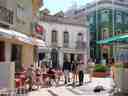
To spot your landmark, look ahead for traditional Portuguese townhouses-one with a balcony flying the national flag and another covered in striking green tiles-all nestled around a lively square with bustling café tables and chatting locals. Welcome to the very heart of Lagos, where every footstep echoes through centuries of adventure, drama, and a bit of sunshine-soaked mischief! Imagine a town that seems to toss together whitewashed walls, elegant wrought-iron balconies, and a healthy dose of green tile-almost like someone designed the place while doodling on a napkin during a dinner of grilled sardines. You’re standing in a city that’s been through it all: conquests, shipwrecks, roaring markets, and, of course, plenty of music and laughter drifting out of its cafés, just like the one on your left. Lagos’s story began over 4,000 years ago, founded by the mysterious Conii-think of them as the ancient “originals.” Over time, the Carthaginians, Romans, Moors, and even some particularly pushy knights all left their footprints here. The streets you see today have felt the march of Roman sandals, the whisper of Moorish silks, and the clatter of medieval hooves-but hopefully not all at once, or that would have been a real traffic jam! Fast forward to the 15th century, and Lagos becomes the stage for epic tales-the Age of the Discoveries. Just close your eyes for a second and picture wooden ships bobbing at the harbor, bold sailors with sunburnt faces, the anticipation of the unknown seas ahead, and the strong scent of salt and spices riding the breeze. It was here, from the golden sands and under these very rooftops, that explorers set off to map the edges of the known world, driven by the excitement-and sometimes terror-of what might be out there. The city was so important, in fact, it once held the title of capital of the Algarve! Life in Lagos was never easy street, though. In 1755, a massive tsunami-yes, the same one that walloped Lisbon-crashed into these shores. Buildings shook, bells clanged, and history hit a “reset” button. Lagos lost its capital status for a while, but don’t worry, the city bounced back as fiercely as a fresh octopus out at sea! In the 19th century, the city juggled wars and the rise of industry, with factories churning out everything from canned fish to creative escapes for local poets and inventors. But by the time disco balls rolled into the late 20th century, tourism had become the main star. People came for the beaches-a wild collection of coves and dunes gleaming under the Algarve sun-and stayed for the food, the festivals, and the warren of pedestrian alleys in the historic center. You may have already noticed: Lagos loves to feed you well! From sizzling fish and succulent shellfish to almondy sweets covered in shimmering silver, the cafés tempt you at every turn. If your taste buds could talk, well, they’d probably ask for an extra fork. Today, Lagos is a city that loves to celebrate. There are music and arts festivals, colorful parades, and if you’re lucky, perhaps you’ll catch the Banho 29-when locals leap into the sea in late August, honoring an old tradition that’s part legend, part “well, why not?” But Lagos is also fiercely proud of its past; it was the first city in Portugal to embrace the Cittaslow movement, vowing to preserve its historic charm and keep new buildings from towering over its iconic skyline. People prefer their buildings-and their lives-a little closer to the ground, thank you very much. And let’s not forget, Lagos is a city that’s influenced places as far away as Nigeria, giving its name across continents-now that’s what you call global reach! You’ll find reminders of this spirit everywhere: a statue of King Sebastião gazing over the square, or the echo of an old fado drifting out from an open window. With so many layers of history, culture, and those unbeatable ocean blues, it’s no wonder Lagos was once voted the number one “destination on the rise.” So please, take a moment. Soak in the sweet tang of the sea air, the mosaic of laughter and history all around, and, if you’re adventurous, try a traditional almond sweet before you move on. Just remember: in Lagos, you’re not only walking through a city. You’re walking through the beats of adventure itself. Seeking more information about the parishes, demography or the economy? Ask away in the chat section and I'll fill you in.
Open eigen pagina →Look for a low, weathered building with a crumbling tiled roof, faded pale walls, and wild bushes reaching up to its empty windows-standing alone by the roadside like it's playing…Meer lezenToon minder
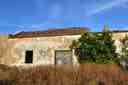
Look for a low, weathered building with a crumbling tiled roof, faded pale walls, and wild bushes reaching up to its empty windows-standing alone by the roadside like it's playing hide and seek with history. You’ve made it to the final stop! And what a mysterious character this old place is. Standing here, with the salty sea breeze tickling your face, you’re gazing at what’s left of the Convent of Trindade-though you might also call it the Convent of the Trino Friars, or more formally, the Convent of the Most Holy Trinity. Today it looks rather humble, but once upon a time, this was a showstopper along the coast; in fact, sailors used it as a landmark to find their way home. They’d spot its chunky profile against the sky, standing right here at the southern edge of Lagos, close to the dramatic cliffs. Picture it back in its glory days in the early 1600s, when it was alive with the rustle of friars’ robes and the echo of prayers. Italian merchants first began building here in the mid-1500s-probably attracted by the area’s nickname, the Rossio de São Brás. Sicilian nobles, Milanese, and Genoese expats all gathered to create a chapel dedicated to Our Lady of Porto Salvo. And they weren’t shy about the rules; their brotherhood had 37 articles, weekly masses, and only “men of good character” could join. The catch? You couldn’t fish for new members in just any pond-they wanted their community tight-knit. That didn't last. The local fishing industry tanked, so the strict Sicilians had to open their doors to Spanish Valencians and Catalans too, probably grumbling in three different accents. Now, step forward almost half a millennium: the Order of the Most Holy Trinity swooped in, looking to build a convent. Their job? Saving Christians captured by North African pirates, which wasn’t just a quirky mission statement-pirates really did raid the Algarve, snatching villagers for the slave markets across the sea. The local bishop lobbied hard, and in 1606, the friars moved in, breathing life into the new convent, which, believe it or not, was the launchpad for secret missions of rescue and redemption all along these shores. You can almost hear their whispers: Inside, the original church was a stunner-a rectangular room with a vaulted ceiling, three opulent altars including one G-O-L-D gilded masterpiece venerating the Virgin of Remedies. On quiet mornings, sunlight would spill across smooth whitewashed walls and the beautiful Renaissance columns-columns that, secretly, supported nothing but the dreams of the builders! They wanted to keep up with the style of Lagos’s other great churches, like Santa Maria and São Sebastião. But fate, as always, had other plans. The Great Earthquake of 1755 thundered through Lagos, wracking the convent to its bones. Roofs collapsed, stone pillars cracked, and only fragments of those perfect arches remained. For a while, there was hope: the city wrote letters, they tried fundraising for its rebuilding, and the friars made do, perhaps still hoping for a miraculous comeback. By the 1800s, Portugal’s government shut down religious orders, and the convent stumbled through new lives-storage shed, a military hospital echoing with sailors’ coughs and doctors' hurried footsteps. By the twentieth century, hopes of transforming the ruins into a glamorous hotel fizzled. Modern apartment blocks crawled in, eating into its space and grandeur, and the convent slumbered, fading under wild grass and graffiti. Yet, if you listen closely while you wander the overgrown grounds, you might catch the faint ringing of old bells or a ghostly splash-legend says there was a well in the cloister where friars drew water, now probably full only of shadows and weeds. Recently, the city has been whispering about revival-maybe a luxury hotel, maybe public gardens, always debating how to honor the spirit of this historic survivor without smothering its wild heart. Would the old friars approve, or would they chuckle, knowing their convent is still stirring up debate and mystery after all these years? So, as you take one last look, remember: this battered building once stood proud, guiding both ships and lost souls. If its walls could talk, they’d have tales of pirates, prayers, earthquakes, and resilience-and possibly, a gentle sigh at the stubborn weeds slowly conquering the old stones.
Open eigen pagina →
Veelgestelde vragen
Hoe begin ik de tour?
Download na aankoop de AudaTours-app en voer je inwisselcode in. De tour is direct klaar om te starten – tik gewoon op afspelen en volg de GPS-geleide route.
Heb ik internet nodig tijdens de tour?
Nee! Download de tour voordat je begint en geniet er volledig offline van. Alleen de chatfunctie vereist internet. We raden aan om te downloaden via wifi om mobiele data te besparen.
Is dit een groepsrondleiding met gids?
Nee - dit is een audiotour met eigen gids. Je verkent zelfstandig op je eigen tempo, met audiovertelling via je telefoon. Geen tourguide, geen groep, geen schema.
Hoe lang duurt de tour?
De meeste tours duren 60-90 minuten, maar jij bepaalt het tempo volledig. Pauzeer, sla stops over of neem pauzes wanneer je wilt.
Wat als ik de tour vandaag niet kan afmaken?
Geen probleem! Tours hebben levenslange toegang. Pauzeer en hervat wanneer je wilt – morgen, volgende week of volgend jaar. Je voortgang wordt opgeslagen.
Welke talen zijn beschikbaar?
Alle tours zijn beschikbaar in meer dan 50 talen. Selecteer je voorkeurstaal bij het inwisselen van je code. Let op: de taal kan niet worden gewijzigd na het genereren van de tour.
Waar vind ik de tour na aankoop?
Download de gratis AudaTours-app uit de App Store of Google Play. Voer je inwisselcode in (verzonden per e-mail) en de tour verschijnt in je bibliotheek, klaar om te downloaden en te starten.
Als je niet tevreden bent met de tour, betalen we je aankoop terug. Neem contact met ons op via [email protected]
Veilig afrekenen met 


