
On your left, look for a modern memorial in pale stone and metal, shaped with clean angular lines and marked by engraved dedication panels to the Battle of Dunkirk.
This place remembers one of the most desperate rescues of the Second World War... and one of the most complicated. The battle began on the twentieth of May, nineteen forty, after the German breakthrough at Sedan split the Allied front. German armored divisions under Heinz Guderian reached Abbeville and the sea, cutting off roughly a million French, Belgian, and British troops in the north. Dunkirk became the last open door.
Standing here, it helps to picture the map closing like a vise. By the twenty-fourth of May, German advance units had reached the Aa canal near Bourbourg. Then came the famous Haltebefehl, a German word meaning a stop order. General von Rundstedt gave it, and Adolf Hitler confirmed it. Historians still argue over why, but that pause until the morning of the twenty-seventh gave the Allies something priceless in war: time.
That time fed Operation Dynamo. Vice-Admiral Bertram Ramsay ran it from a former generator room in the castle at Dover, which is exactly why it got the name Dynamo. The plan was two operations at once: a sea evacuation, and a ground defense to hold the Dunkirk pocket open. The British Expeditionary Force, or B-E-F, pulled back toward the coast. The French army, especially units like the twelfth motorized infantry division, fought brutal delaying actions, including at Fort des Dunes, to buy the minutes and hours needed for embarkation.
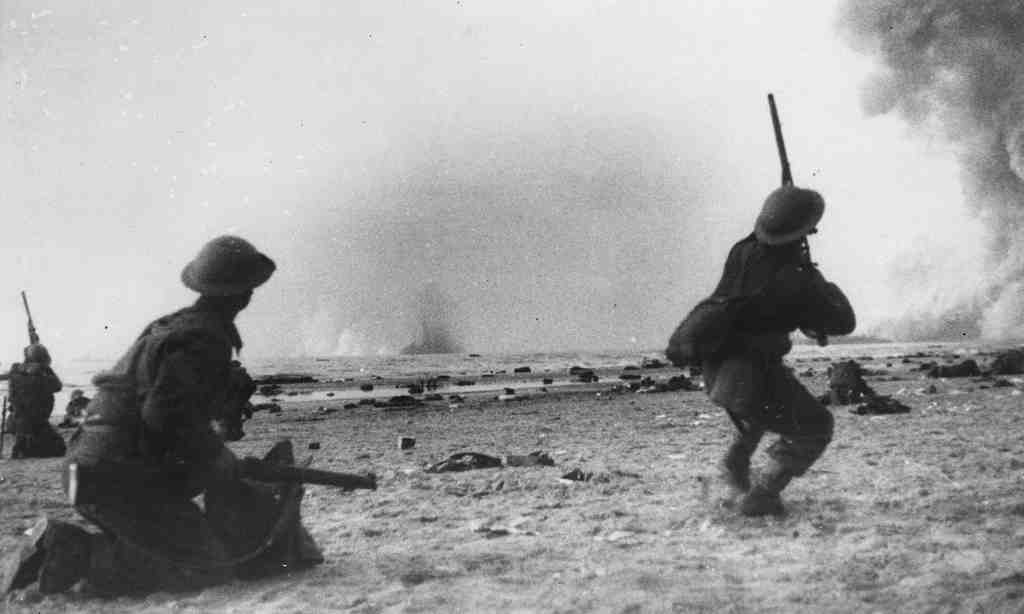
If you glance at your screen, the historical photo of bombardment gives you the scale of the danger overhead. The Luftwaffe, the German air force, hammered the port and beaches. On the twenty-ninth of May alone, hundreds of bombers struck the area. Men waited in lines on the sand, or along the east mole, a long harbor jetty stretching into the sea, hoping for a place on anything that floated.
People love the story of the little ships, and fair enough, it has a good ring to it. But the fuller truth is even more interesting. Royal Navy destroyers and requisitioned merchant vessels carried most of the load. The little ships saved about twenty-six thousand five hundred men, less than a tenth of the total. Dutch coastal freighters, less famous but mighty useful, rescued about twenty-three thousand more.
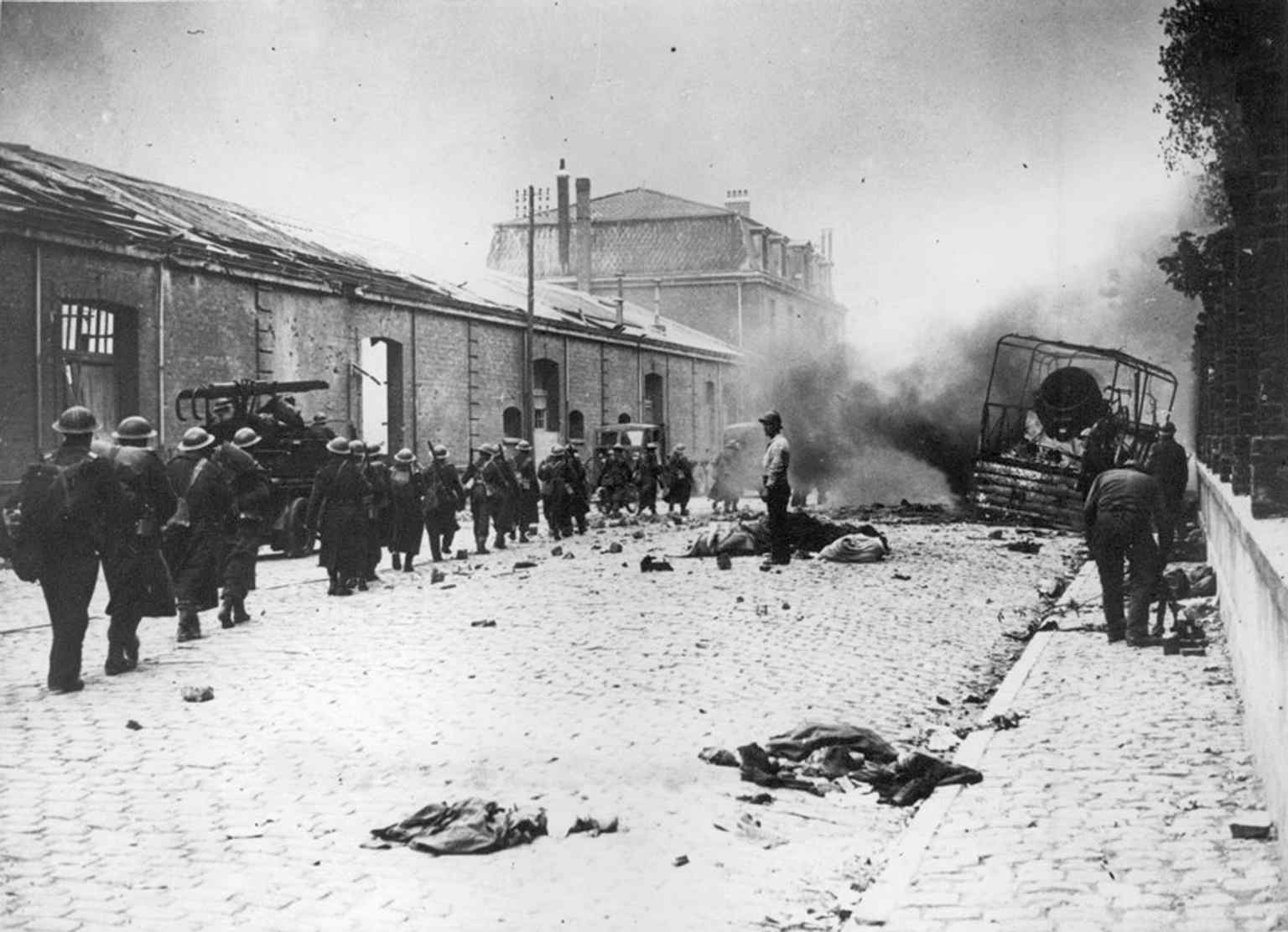
By the end, from the twenty-sixth of May to the fourth of June, rescuers evacuated three hundred thirty-eight thousand two hundred twenty-six men, including more than one hundred twenty thousand French and Belgian soldiers. Churchill presented Dunkirk as a victory because about eighty-five percent of the trapped force escaped, but he also warned that wars are not won by evacuations. And there was bitterness here too: many French officers felt abandoned, and about thirty-five thousand men, mostly French, were left to captivity after covering the final departures. Another image on your phone shows abandoned anti-aircraft guns... a blunt reminder that the B-E-F escaped, but left its heavy equipment behind.
This memorial honors not only a rescue, but the fierce rearguard fight that made the rescue possible.
If you want to linger, the site is generally open daily from ten AM to six PM.
When you’re ready, continue toward Place Jean-Bart, where Dunkirk tells another chapter of its story in stone and civic pride.





