
Sydney Audiotour: Sydney's Majestueuze Skyline Reis
Een stad die ooit balanceerde op de rand van wilde bush en koloniale ambitie, verbergt nog steeds geheimen onder haar zonovergoten straten en gouden torenspitsen. Begin aan een zelfgeleide audiotour door Sydney, van betoverende moderne sculpturen tot torenhoge gotische kathedralen, en ontdek de stad waar de lokale bevolking zelden over vertelt aan buitenstaanders. Welk schandaal ontvouwde zich na zonsondergang onder de lichtgevende Sluier van Bomen? Welke bittere rivaliteit van een kunstenaar in de Art Gallery of New South Wales deed de tongen door heel Sydney loskomen? En wiens voetstappen echoën lang na middernacht in St Mary's Kathedraal, een vreemd specifiek gebed om verlossing herhalend? Loop langs elegant zandsteen en gefluister van rebellie. Pel lagen van triomfen, schandalen, dromen en vergeten tragedies af, terwijl het bekende bij elke bocht verandert in iets buitengewoons. Ontrafel Sydney's gelaagde hart – je avontuur begint met één verborgen verhaal. Luister aandachtig en laat nieuwsgierigheid je verder leiden.
Tourvoorbeeld
Over deze tour
- scheduleDuur 40–60 minsGa op je eigen tempo
- straighten5.8 km wandelrouteVolg het geleide pad
- location_on
- wifi_offWerkt offlineEén keer downloaden, overal gebruiken
- all_inclusiveLevenslange toegangOp elk moment opnieuw afspelen, voor altijd
- location_onStart bij Sluier van Bomen
Stops op deze tour
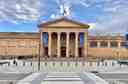
As you approach the Art Gallery of New South Wales, it will be on your left. You can’t miss it. Look out for the grand neoclassical facade adorned with dramatic columns, which…Meer lezenToon minder
As you approach the Art Gallery of New South Wales, it will be on your left. You can’t miss it. Look out for the grand neoclassical facade adorned with dramatic columns, which give it that majestic temple-like appearance. The sandstone exterior, crowned by banners announcing “Free entry,” is another giveaway. Now, let’s dive into this beautiful landmark! The Art Gallery of New South Wales (AGNSW) was originally founded as the New South Wales Academy of Art in 1872. Since then, it has been the beating heart of Sydney’s art scene. It’s the go-to place in Sydney for a dose of culture and one of the largest public galleries in Australia. The gallery's first public exhibition took place in 1874. Fast forward to today, and you can scoot in for free to enjoy their general exhibition space. Here you’ll find an impressive array of artworks: Australian art, including Indigenous Australian art, as well as European and Asian masterpieces. A dedicated Asian Gallery was added to the ensemble in 2003. It all began with a public meeting in 1871 that laid the foundation for an Academy of Art, aimed at promoting fine arts through lectures, art classes, and exhibitions. Montefiore, an instrumental figure in its founding, wasn't just about the art; he wanted the public to bathe in the “educational and civilizing influence” of art exhibitions. Initially, their collection found a temporary home before the trustees and the New South Wales Parliament worked their magic to vote funds for a proper art gallery. Montefiore led the charge, acquiring pieces like "Apsley Falls" by Conrad Martens, which was the first work by an Australian artist in their collection. The present-day gallery has grown significantly, featuring not only paintings but also watercolours, sculptures, and more, with grand lobbies and galleries. Look up and admire the names inscribed on the entablature-those are of renowned painters, sculptors, and architects. Also, in front, you’ll notice the equestrian statues, "The Offerings of Peace" and "The Offerings of War," giving the facade an even grander feel. Unique exhibitions and awards like the Archibald Prize make this gallery a buzzing hive of artistic activity. So, step inside and let your imagination soar among the masterpieces-it’s an art lover's paradise and a history buff's delight! Interested in knowing more about the buildings, collections or the temporary exhibitions
Open eigen pagina →
Toon 11 stops meerToon minder stopsexpand_moreexpand_less
As you stroll through the lovely paths of Hyde Park, keep an eye to your right. You’re looking for a tall granite pedestal topped with an impressive bronze figure. What you’ll see…Meer lezenToon minder
As you stroll through the lovely paths of Hyde Park, keep an eye to your right. You’re looking for a tall granite pedestal topped with an impressive bronze figure. What you’ll see is Captain James Cook, striking a dramatic pose with a telescope in his left hand and his right arm reaching up to the sky, as if he just spotted the tallest wave he’s ever seen! Now, let’s dive into the story of this grand fellow. This bronze statue, designed by the Pre-Raphaelite Brotherhood sculptor Thomas Woolner, was unveiled in 1879. It's larger than life - literally! Cook almost seems ready to leap off his pedestal and take another grand voyage. The idea of memorializing Captain Cook sparked quite the buzz back in the 1860s. The Australia Patriotic Association rallied the public to raise funds, kicking off an appeal that would lead to the statue’s creation. They raised £1,777 - quite a sum back then! Prince Alfred had the honor of laying the foundation stone in 1869, but the statue itself took a while to materialize, thanks to some financial hiccups. The sculptor, Thomas Woolner, sent plans from across the oceans, and the bronze statue was crafted in Surrey. Before making its way to Sydney, it had a brief stint in London, where it received rave reviews. The base, a solid block of granite, had its own adventure - being hauled by tram, schooner, and through some maritime mishaps before finally arriving in Sydney. The unveiling in 1879 was a spectacle and a half, with a two-mile-long procession and a crowd of 60,000 people - quite the turnout for a statue dedication! The Governor himself, Sir Hercules Robinson, unveiled it with much fanfare, complimenting Cook's character in a heartfelt speech. So, give a nod to good ol' Captain Cook when you spot him. He’s not just a statue; he’s a piece of history standing tall amidst the greenery of Hyde Park.
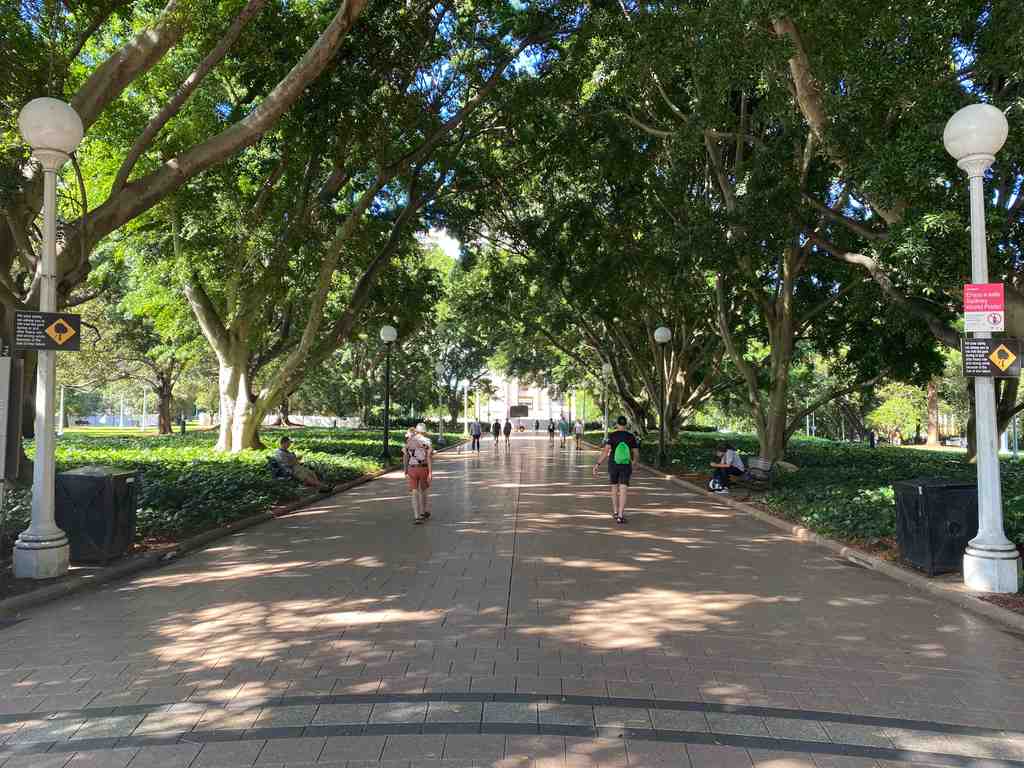
Open eigen pagina →Ah, you’ve reached the famous Hyde Park! As you approach, you'll spot a grand, inviting avenue lined with tall fig trees arching over, creating a leafy tunnel. It's near…Meer lezenToon minder
Ah, you’ve reached the famous Hyde Park! As you approach, you'll spot a grand, inviting avenue lined with tall fig trees arching over, creating a leafy tunnel. It's near impossible to miss this gorgeous green canopy! Hyde Park in Sydney is a sprawling 16.2-hectare (40-acre) urban oasis, right in the heart of the city's bustling central business district. This isn't just any park-it's the oldest public parkland in all of Australia, making it an historic gem. This rectangular green space, snugly fit between Elizabeth Street and College Street, has been a place of relaxation and recreation since 1810. Designed by a stellar team including Norman Weekes and Sir John Sulman, Hyde Park features meticulously maintained gardens and around 580 majestic trees, ranging from figs to conifers and palms. If you're a tree hugger, you'll be right at home here! Back in the day, during European settlement in the late 18th century, this area was a marshy hunting ground for the local Aboriginal people. It also held a significant ceremonial contest ground, where grand gatherings and contests took place. Fast forward to today-Hyde Park is a serene escape bordered by notable landmarks like St Mary's Cathedral to the east and the Supreme Court of New South Wales to the north. Whether you're just passing through or settling down on one of its benches, Hyde Park offers a leafy, tranquil retreat amid Sydney's urban hustle. Enjoy your leafy stroll! Intrigued by the sporting activities, description or the monuments? Explore further by joining me in the chat section below.
Open eigen pagina →Great! You're almost at Sydney Tower. Look to your left, and you'll see a tall, sleek structure piercing the sky. It's got a cylindrical golden disk at the top with "Westfield"…Meer lezenToon minder
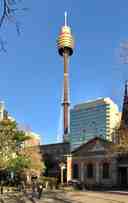
Great! You're almost at Sydney Tower. Look to your left, and you'll see a tall, sleek structure piercing the sky. It's got a cylindrical golden disk at the top with "Westfield" emblazoned on it. The tower’s long, thin, and stretched-out structure makes it stand out against the skyline, almost like a giant needle with a shiny button on top. Definitely hard to miss! Now, let’s dive into some fun facts about this marvel! Sydney Tower, also affectionately referred to as the Flower Tower, Glower Tower, or the Big Poke, is Sydney’s tallest structure and also the second-tallest observation tower in the Southern Hemisphere. Standing tall at 309 meters (that’s over 1,000 feet!), it’s a monumental sight situated between Pitt Street Mall, Market Street, and Castlereagh Street. If this tower were a person, it would definitely be the tallest kid in class. Designed by Donald Crone, Sydney Tower's construction began in the 70s and it opened to the public in 1981. Prior to this towering wonder, Sydney had a height limit to accommodate the flying boats back in the day. And guess what? The addition of a lightning rod in 1998 added 4 more meters, bringing the total height to 309 meters. Now, visiting this gigantic spike isn’t just about height. It's home to the Sydney Tower Eye for a 360-degree view of the city, and there’s the thrilling SKYWALK for those who fancy a stroll 250 meters above the ground. Hungry? You’ve got dining options at dizzying heights too, like the revolving 360 Bar and Dining. Don’t forget to check out the latest attraction, a 4D cinema on the fourth floor of the arcade, giving you a 3D movie experience with special effects that include wind, bubbles, and more! Next up, we'll be heading to a bit of a quieter but no less grand destination. Ready to keep exploring? Let's go! To delve deeper into the structure, cultural events or the incidents, simply drop your query in the chat section and I'll provide more information.
Open eigen pagina →As you continue walking, keep an eye to your right. You'll soon see a modern building with an elaborate structure of glass and steel. This is the Reserve Bank of Australia, or RBA…Meer lezenToon minder
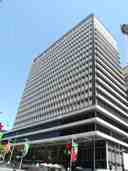
As you continue walking, keep an eye to your right. You'll soon see a modern building with an elaborate structure of glass and steel. This is the Reserve Bank of Australia, or RBA for short. It’s relatively easy to spot with its sleek, contemporary design, standing out among older buildings. Now, let's dive into what makes this place tick! The Reserve Bank of Australia is basically the heart of Australia's financial system. Think of it as the superhero of banks, swooping in to save the day by controlling inflation and maintaining economic stability. The RBA has been wearing this cape since January 14, 1960, thanks to the Reserve Bank Act of 1959. Its main mission? To keep inflation levels between 2-3% while juggling the unemployment rate using something called the NAIRU- non-accelerating inflation rate of unemployment. It's like having a strict diet plan for the economy to keep everything in balance. Before this NAIRU concept, Australia enjoyed super low unemployment rates, but now it aims to hover around 5-6% to keep things steady. But wait, there’s more! The RBA is the go-to bank for the Government of Australia and even extends its services to other central banks worldwide. The bank’s governance includes two boards: the Payments System Board, managing payment systems policy, and the Reserve Bank Board, setting broader monetary and banking policies. Atop these structures sits the Governor, tasked with striking balance when any disagreements arise between these boards. Appointed by the Treasurer, the Governor’s job is like that of a referee and has been consistent since the RBA came into being. With assets including gold and foreign exchange reserves peaking around AUD 101 billion, the RBA's responsibilities are immense. Nearly all of its employees work at its headquarters right here in Sydney, though they also have staff in cities like Adelaide, Brisbane, and international hubs like London and New York. Oh, and don't forget their wholly-owned subsidiary, Note Printing Australia. These folks are the ones who print the iconic polymer banknotes you use in your everyday transactions. So the next time you handle an Aussie dollar, remember-it may have a touch of this very building's brilliance in it! Fascinating stuff, right? Intrigued by the roles and responsibilities, governors and their roles or the reserve bank board? Make your way to the chat section and I'll be happy to provide further details.
Open eigen pagina →As you're walking down Macquarie Street, keep an eye out to your right. Nestled within the Royal Botanic Gardens, you'll notice a grand building that looks a bit like a fairytale…Meer lezenToon minder
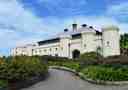
As you're walking down Macquarie Street, keep an eye out to your right. Nestled within the Royal Botanic Gardens, you'll notice a grand building that looks a bit like a fairytale castle - this is the Sydney Conservatorium of Music, affectionately known as "The Con". The Conservatorium, which dates back to 1915, was founded by Belgian conductor and violinist Henri Verbrugghen. The main building, called the Greenway Building, has a fascinating appearance with its castellated towers and lush surrounding greenery, making it stand out prominently. Created by architect Francis Greenway, the building was originally designed as stables for the Government House. Yes, it went from horses to harmonies! "The Con" is not just a pretty face; it's one of the oldest and most prestigious music schools in Australia. Part of the University of Sydney, it offers a variety of educational programs from secondary to post-graduate levels, and even has community programs through the Conservatorium Open Academy. Talk about a multitasking maestro! Beyond education, the Conservatorium is a beacon of music research and is home to the community-based Conservatorium High School. The building itself is a heritage-listed gem, added to the New South Wales State Heritage Register in 2011. With every step you take, imagine the centuries-old melodies that must have echoed within its walls! The land upon which the Conservatorium stands originally belonged to the Eora people, particularly the Cadigal and Wangal bands. Prior to any developments, this locale was rich with natural resources and a thriving indigenous culture. Next, take a deep breath, listen closely - you might hear the strains of a violin or the soft hum of a grand piano floating through the air, reminding you of the endless talent nurtured within these walls. Now, let’s tune into the next landmark on our journey! Intrigued by the heritage listing, centenary commissions or the students' association? Make your way to the chat section and I'll be happy to provide further details.
Open eigen pagina →As you continue walking, keep your eyes peeled to your left. You can’t miss it - the Sydney Opera House sits right on Bennelong Point, jutting out into the sparkling water of…Meer lezenToon minder
As you continue walking, keep your eyes peeled to your left. You can’t miss it - the Sydney Opera House sits right on Bennelong Point, jutting out into the sparkling water of Sydney Harbour. Its iconic white 'shell' rooftops are easily recognizable, making it look like it’s ready to sail away at any moment! Now, let’s dive into some fun facts about this world-famous landmark! The Sydney Opera House is a multi-venue performing arts centre and one of the world's most famous buildings. Its design by Danish architect Jørn Utzon was a winner of an international competition in 1957, and it eventually opened its doors in 1973, sixteen years later. If you think that’s a long time to wait for a performance, imagine being Queen Elizabeth II, who did the honors at the grand opening! Initially, the project was authorized by the New South Wales premier, Joseph Cahill, in 1958. The construction, however, wasn't smooth sailing. There were cost overruns, scheduling delays, and even the resignation of the mastermind architect, Utzon. But all those hurdles were worth it because now, the Opera House stands magnificent on Bennelong Point, surrounded by Sydney Harbour and adjacent to the Royal Botanic Gardens and the iconic Sydney Harbour Bridge. The Sydney Opera House hosts over 1,500 performances annually, attracting more than 1.2 million spectators. Resident companies like Opera Australia, the Sydney Theatre Company, and the Sydney Symphony Orchestra call it home. It's easy to see why it's one of Australia's top visitor attractions, with 8 million visitors each year, and 350,000 of them taking guided tours. In 1998, it became a UNESCO World Heritage Site and has garnered numerous heritage listings. With its modernist design, the Opera House features sweeping roofs made of over a million tiles in a chevron pattern, although from afar they may look uniformly white. Underneath these dazzling 'shells' are multiple performance venues resting on a monumental podium. The whole structure sits on 588 concrete piers that extend deep below the sea level. It's like it’s rooted in performance art! So, take a moment to soak in the breathtaking view and appreciate the genius and effort that brought this architectural masterpiece to life. Don’t forget to snap a photo or two. This iconic venue has a serene and awe-inspiring presence that’ll leave you star-struck, even if you’re not on stage! Want to explore the description, architectural design role of peter hall or the performance firsts in more depth? Join me in the chat section for a detailed discussion.
Open eigen pagina →

Veelgestelde vragen
Hoe begin ik de tour?
Download na aankoop de AudaTours-app en voer je inwisselcode in. De tour is direct klaar om te starten – tik gewoon op afspelen en volg de GPS-geleide route.
Heb ik internet nodig tijdens de tour?
Nee! Download de tour voordat je begint en geniet er volledig offline van. Alleen de chatfunctie vereist internet. We raden aan om te downloaden via wifi om mobiele data te besparen.
Is dit een groepsrondleiding met gids?
Nee - dit is een audiotour met eigen gids. Je verkent zelfstandig op je eigen tempo, met audiovertelling via je telefoon. Geen tourguide, geen groep, geen schema.
Hoe lang duurt de tour?
De meeste tours duren 60-90 minuten, maar jij bepaalt het tempo volledig. Pauzeer, sla stops over of neem pauzes wanneer je wilt.
Wat als ik de tour vandaag niet kan afmaken?
Geen probleem! Tours hebben levenslange toegang. Pauzeer en hervat wanneer je wilt – morgen, volgende week of volgend jaar. Je voortgang wordt opgeslagen.
Welke talen zijn beschikbaar?
Alle tours zijn beschikbaar in meer dan 50 talen. Selecteer je voorkeurstaal bij het inwisselen van je code. Let op: de taal kan niet worden gewijzigd na het genereren van de tour.
Waar vind ik de tour na aankoop?
Download de gratis AudaTours-app uit de App Store of Google Play. Voer je inwisselcode in (verzonden per e-mail) en de tour verschijnt in je bibliotheek, klaar om te downloaden en te starten.
Als je niet tevreden bent met de tour, betalen we je aankoop terug. Neem contact met ons op via [email protected]
Veilig afrekenen met 


