
세인트 클라우드 오디오 투어: 사우스사이드 대학교의 메아리와 우아함
세인트 클라우드의 고요한 어느 아침, 하늘은 도시를 영원히 바꿔놓을 만큼 격렬한 폭발과 함께 갈라졌습니다. 평온한 거리와 빛나는 첨탑 아래, 오랫동안 묻혀 있던 비밀들이 풀리기를 기다리고 있습니다. 이 몰입형 셀프 가이드 오디오 투어를 통해 세인트 클라우드를 직접 탐험해보세요. 대부분의 방문객이 놓치는 이야기와 숨겨진 장소들을 발견하세요. 벽돌과 종 속에 새겨진 회복력, 스캔들, 그리고 예상치 못한 이야기들을 만나보세요. 평화로운 대학교가 성모 마리아 대성당의 그림자 아래에서 왜 시위의 물결을 목격했을까요? 그레이트 리버 지역 도서관의 서고를 한때 괴롭혔던 이상한 힘은 무엇이었을까요? 그리고 1998년 그 잊을 수 없는 날, 실제로 무엇이 불타올랐을까요? 세인트 클라우드의 번화한 거리와 조용한 복도를 따라 불, 신념, 그리고 음모의 흔적을 따라가 보세요. 각 정류장은 당신을 더 깊이 끌어들이며, 주변 도시를 보는 방식을 변화시킬 것입니다. 비밀은 저 밖에 있습니다. 투어를 시작하고 세인트 클라우드의 침묵을 깨뜨리세요.
투어 미리보기
이 투어에 대하여
- schedule소요 시간 40–60 mins나만의 속도로 이동
- straighten3.7 km 도보 경로안내 경로 따라가기
- location_on
- wifi_off오프라인 작동한 번 다운로드, 어디서든 사용
- all_inclusive평생 이용언제든지 다시 재생 가능
- location_on재향군인 다리에서 시작
이 투어의 정류장
To spot the Veterans Bridge, look for a long steel and concrete structure stretching over the Mississippi River, held up by strong pillars, with simple railings and tall…더 보기간략히 보기
To spot the Veterans Bridge, look for a long steel and concrete structure stretching over the Mississippi River, held up by strong pillars, with simple railings and tall streetlights overhead. Here you are, right by the mighty Veterans Bridge-a true backbone of St. Cloud! Picture yourself in 1867, tiptoeing over a rickety wooden toll bridge as wagons creak past and the wind whistles over the water. People would toss a coin just to cross to the other side! Decades later, the city saved up and rebuilt with iron and wood, making things a bit less nerve-wracking for everyone with a fear of splinters. By 1894, the wooden bridges bowed out and a deck truss bridge took their place, stretching proudly over the river for nearly eighty years. But nothing lasts forever except maybe your Uncle Ron’s stories-so in 1971, this current steel girder bridge took center stage, designed by the clever folks at Howard, Needles, Tammen & Bergendoff. Now, as cars hum by above you, think of all the travelers, tales, and even the toll collectors who once stood right where you are. That’s a lot of history crossing paths in one place!
전용 페이지 열기 →To spot the Carter Block, look for a large, boxy, three-story red-brick building with rows of evenly spaced windows and a green storefront that stretches along the street…더 보기간략히 보기
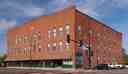
To spot the Carter Block, look for a large, boxy, three-story red-brick building with rows of evenly spaced windows and a green storefront that stretches along the street corner. Alright, you’re now facing the Carter Block, and let me tell you, it’s seen more than its fair share of excitement since it first opened in 1902. Picture the air thick with the smell of new wood and fresh paint as shopkeepers hurry to set up their stores, and business folks with tall hats rushing in and out the doors, trying not to trip on the new steps. Back then, St. Cloud was a city on the rise-and Wesley Carter, the man behind this very building, was dreaming big. He built this block as a hub: retail shops on the ground floor, offices buzzing above, storage spaces hiding all sorts of wares, and up top, secret meetings and events. Can you imagine the chatter and deals being made in every corner? For decades, anything important-or maybe even a little mischievous-was happening right here. The locals would swap the news, businesses launched, and on a quiet night, you might even hear someone pacing the halls, plotting their next big idea. When the Carter Block earned its spot on the National Register of Historic Places in 1986, it wasn’t just about bricks and windows-it was about all the laughter, worry, and hope that shaped St. Cloud’s story.
전용 페이지 열기 →To spot the First National Bank, look for a tall corner building made of striking red brick with granite trim, detailed bay windows, and the words "First National Bank" carved…더 보기간략히 보기
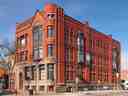
To spot the First National Bank, look for a tall corner building made of striking red brick with granite trim, detailed bay windows, and the words "First National Bank" carved right above the main entrance. Picture yourself in 1889, when this sharp-looking building first opened its doors-back then, these proud granite columns and iron trims sparkled in the sun, catching the eyes of St. Cloud’s hopeful townsfolk. The bank was a hub of promise, with customers jingling coins eagerly down the granite steps, all overseen by architect Charles Sumner Sedgwick’s tower-like design (it’s like a brick-built fortress with a crown on top!). Funny enough, in 1918, this place got a bank-sized “expansion pack,” doubling its size to match the town’s ambition. When you stand outside, imagine Thomas Harvey, the historian, calling it the city's best-designed building, while local business folks hurried past discussing deals that shaped all of Stearns County. When the First National Bank left in 1925, the legacy didn’t fade: new tenants moved in, from shops to restaurants, each one leaving their own mark, right up to Kensington Bank and a restaurant today. This place has been more than just a bank-it's a keeper of stories and, occasionally, the occasional lost umbrella.
전용 페이지 열기 →

9개 정류장 더 보기정류장 적게 보기expand_moreexpand_less
To spot the Fifth Avenue Commercial Buildings, just look straight ahead for a striking row of six old-fashioned brick buildings, each with its own unique flourish of decorative…더 보기간략히 보기
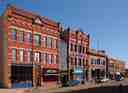
To spot the Fifth Avenue Commercial Buildings, just look straight ahead for a striking row of six old-fashioned brick buildings, each with its own unique flourish of decorative trim and arched windows, stretching side by side along the street like proud siblings at a family reunion. Now, imagine it’s the turn of the 20th century-the smell of fresh bread drifts from a nearby bakery, merchants shout out today’s bargains, and horses clatter by on cobblestone streets. You’re standing in the busiest shopping lane in St. Cloud, Minnesota! The very buildings in front of you were the backbone of this downtown business district, built between 1883 and 1914 when everyone was hustling to catch the "next big thing." Each brick holds the secrets of all-night poker games in back rooms, fierce business rivalries, and innovative shopkeepers who showed up with a big dream and a mustache to match. These blocks have survived fires, fierce winters, and even fiercer competition from newfangled malls. They earned their place on the National Register of Historic Places in 1982-not just for their beauty, but because they are St. Cloud’s best preserved commercial block. It’s not just a street, it’s a living memory of the town’s wild, entrepreneurial spirit. If these buildings could talk, you might just get a wild sales pitch-or at least a good joke!
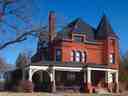
전용 페이지 열기 →You’re looking for a bold, red-brick mansion with a tall turret on the right and a grand porch wrapping around the front-just look for the house that looks fit for a storybook,…더 보기간략히 보기
You’re looking for a bold, red-brick mansion with a tall turret on the right and a grand porch wrapping around the front-just look for the house that looks fit for a storybook, standing proudly beneath the open sky. Alright, adventurer, you’ve just landed in front of one of St. Cloud’s crown jewels: the Nehemiah P. Clarke House! Imagine it’s 1893, and a fresh winter wind rattles through the lumberyards while the sound of saws and hammers fills the air. Old Nehemiah Clarke, a true St. Cloud pioneer, is about to move into this Queen Anne marvel-an architectural style as fancy as the name suggests. Clarke, who strolled into town in 1856 with ambition in his pocket, built his fortune trading goods and making deals in lumber. Locals used to whisper about how he could sell mittens to a moose! The house became a symbol of his success: ornate brickwork, stylish towers, and every detail chosen to impress both neighbor and competitor. Gazing at this place, you can almost hear the clinking glasses from lively business parties and taste the smoky air from the old wood stoves. In 1982, the nation finally agreed it was unforgettable-it officially became a piece of living history. So as you stand here, picture this house at its most vibrant, a place where fortunes were made and St. Cloud’s story took shape one brick at a time.
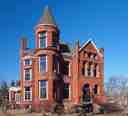
전용 페이지 열기 →You'll spot the Foley-Brower-Bohmer House right in front of you-a striking red-brick mansion with a rounded turret rising up on your left and an impressively detailed façade that…더 보기간략히 보기
You'll spot the Foley-Brower-Bohmer House right in front of you-a striking red-brick mansion with a rounded turret rising up on your left and an impressively detailed façade that looks almost like it belongs in a fairy tale… or maybe in a movie about railroad tycoons. Picture this scene in 1889: the scent of sawdust hangs in the air, as St. Cloud is humming with growth, and railroad tracks snake through the land beyond. Right here, Timothy Foley-a man with a nose for both pine trees and train tracks-decides he needs a house to match his success. And not just any house; he commissions this grand Romanesque beauty. Imagine parties under these soaring arches, candlelight glittering through all those curved windows, and deals being made over whiskey in richly paneled rooms. Now, the plot thickens! By 1895, it’s his brother Thomas who’s answering the door-must have made for some interesting family dinners. In 1902, the keys clink in the hand of Ripley B. Brower, a lawyer and a politician, who probably spent more time debating than decorating. By 1923, William J. Bohmer, a sharp banker, strolled these halls, maybe counting more cash than ghosts. This house didn’t just keep out Minnesota winters-it held together the stories of industry, ambition, and maybe a few family squabbles, making it a true landmark worth a spot on the National Register. Now, you’re standing where all these legends mingled-just don’t try to move in, unless you’re very persuasive with local historians!
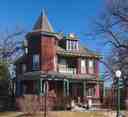
전용 페이지 열기 →In front of you, you’ll see a grand red-brick house with a tall corner tower, plenty of fancy trim, and a wraparound porch-just look for the pointy turret and green columns, it’s…더 보기간략히 보기
In front of you, you’ll see a grand red-brick house with a tall corner tower, plenty of fancy trim, and a wraparound porch-just look for the pointy turret and green columns, it’s pretty hard to miss! Welcome to the John N. Bensen House, where every brick has a story! Imagine it’s 1904-horses clop by, ladies in big hats chat on the porch, and the aroma of fresh bread is drifting out the windows. John Bensen, who arrived in St. Cloud all the way from Germany in 1872, built this impressive home after becoming a grocery kingpin, mayor, and even a bank president. As you gaze at those Queen Anne towers and gingerbread details, picture turn-of-the-century parties and serious business meetings happening under these very eaves. Believe it or not, this house once set the gold standard for fancy architecture in town-so much so, it’s on the National Register of Historic Places. Over the years, the Bensen House has welcomed guests from all walks of life-today, it’s the Heritage House Bed & Breakfast, proving that you don’t have to be a bank president to stay here anymore. Now, if you hear a door gently creak, don’t worry-it’s just the house welcoming its next storyteller!
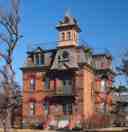
전용 페이지 열기 →To spot the Michael Majerus House, look to the corner lot near you for a striking three-story red-brick mansion topped by a five-story square tower, with a fancy mansard roof and…더 보기간략히 보기
To spot the Michael Majerus House, look to the corner lot near you for a striking three-story red-brick mansion topped by a five-story square tower, with a fancy mansard roof and a wrought-iron balcony above its front doors. Now, let’s step back in time together-imagine it’s 1891, St. Cloud is growing, and right here stands Michael Majerus’s incredible new home, the undisputed star of the block. Take in those smooth granite windowsills, the bold red bricks, and-look way up!-that tower rising grandly above you like a brick-and-mortar lighthouse. If you listen closely, you might almost hear the clack of horse hooves as a carriage pulls up to the original garage, which once held hay in a loft upstairs. Built as a second home for Majerus, this place was ahead of its time-or rather, behind it! By 1891, Americans were crazy for Queen Anne and Richardsonian Romanesque, but Majerus insisted on the elegant Second Empire style, complete with curvy mansard roofs and ornate stone details. Rumor has it, the style reminded his German neighbors of the old country, and didn’t our friend Majerus love to bring a bit of Europe to Minnesota? Now glance at the first and second floors-see those carved rosettes, cherub faces, little scrolls? Even the balcony above the main doors seems to invite you into a century-long mystery: Why build this when everyone else was picking something fashionable? Maybe nostalgia, maybe a love for drama-who knows! Fast forward to the 1970s, and picture workers dusting off old beams, sighing as they restored everything back to its 19th-century glory. Only five families have called this mansion home, and thanks to award-winning preservation, the house you see today looks almost exactly as it did over 130 years ago-ready to impress, and maybe even inspire your next dream home.
전용 페이지 열기 →You’re looking for a grand building made with warm, golden bricks and a row of arched columns out front, topped with a tall, square bell tower-look straight ahead and you can’t…더 보기간략히 보기
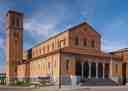
You’re looking for a grand building made with warm, golden bricks and a row of arched columns out front, topped with a tall, square bell tower-look straight ahead and you can’t miss it! Welcome to the Cathedral of Saint Mary, the heart and soul of Catholic life in St. Cloud! Let’s step back in time for a moment-imagine it’s 1855, the Minnesota wind is brisk, and Reverend Francis Xavier Pierz has just hosted the very first Mass right here, but not in a cathedral, oh no, in a cozy living room belonging to John and Catherina Schwarz. No pipe organs, no soaring ceilings, just family, faith, and probably a few squeaky wooden chairs. But the community quickly grew, and soon enough, the first pastor-a Benedictine monk-oversaw a little wood-frame church and school across the road from where you’re standing now. The place had so much spirit, they even welcomed Benedictine nuns from Pennsylvania who were so tough they set up their first “nunnery” in an attic before finally finding their own place. Talk about dedication! When they needed more room, the community built a Gothic-style church in 1864, with a rectory and, believe it or not, a four-story parish center complete with a bowling alley and a swimming pool. I guess the nuns knew how to have a good time between classes! But history wasn’t always kind. In 1920, disaster struck: a fire blazed through the Gothic church, leaving nothing but memories and ashes. Rising from the rubble, construction of the Cathedral you see now began in 1922. And while the upper church wasn’t finished until 1931, the parish didn’t let that stop them-they simply held Masses in the unfinished basement. And if you’re thinking this church looks more Italian than Minnesotan, you’re spot on! Its design is inspired by an ancient basilica in Ravenna, Italy, thanks to a trip abroad by the parish’s pastor and the vision of architect Nairne W. Fisher. The twists don’t stop there. When the nearby Holy Angels Cathedral lost its iconic spire in a fire, Bishop Joseph Busch decided it was time for St. Mary’s to rise as the new cathedral. In 1937, Pope Pius XI made it official-it became the spiritual center for more than 150,000 Catholics across Central Minnesota. Inside, treasures await: there’s a shrine to Saint Cloud himself, complete with ancient relics-a bit of clothing, a bone fragment, and even an old statue with a mysterious history passed down from 8th-century France. The statue is flanked by reliefs of Saint Cloud’s grandma and the bishop who guided him as a boy. There’ve been a few more bumps along the road-fires, renovations, and yes, watching old beloved buildings be torn down. But the cathedral always rises anew, now with bright limestone details and a welcoming aura that draws you in. So as you gaze up, picture centuries of stories soaring to the ceiling, carried by music, laughter, and prayer, standing strong at the heart of St. Cloud.
전용 페이지 열기 →Look ahead and slightly to your right-you’ll spot the St. Cloud Commercial Historic District by its charming row of colorful brick storefronts, big windows, and old-fashioned…더 보기간략히 보기
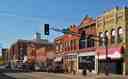
Look ahead and slightly to your right-you’ll spot the St. Cloud Commercial Historic District by its charming row of colorful brick storefronts, big windows, and old-fashioned details lining the sidewalk all the way down the block. Now, take a deep breath and imagine yourself transported back in time, shoes echoing on the old wooden sidewalks as horse-drawn wagons clatter past and laughter spills out of bustling shops. The heart of St. Cloud’s downtown, this district isn’t just a cluster of buildings-it's a living scrapbook of local business, built from 1870 to 1947! Picture more than forty proud establishments side by side, from banks and drugstores to bakeries with fresh bread that might tempt you even today. Through winter blizzards, the Roaring Twenties, and even the odd small-town drama, these walls have seen it all-shoppers with armfuls of goods and maybe a shopkeeper sneaking a cookie when no one’s looking. The town’s biggest deals, dreams, and maybe a little gossip all happened right here, where everyone met in the middle of town. In 1998, it was officially given superstar treatment by being listed on the National Register of Historic Places. So stand tall, because you’re right where St. Cloud’s story still rumbles to life every single day!
전용 페이지 열기 →You’re standing at the site of one of St. Cloud’s most dramatic days-the 1998 St. Cloud explosion. Imagine a cold December morning: the street is busy with people heading to work,…더 보기간략히 보기
You’re standing at the site of one of St. Cloud’s most dramatic days-the 1998 St. Cloud explosion. Imagine a cold December morning: the street is busy with people heading to work, while a work crew is busily installing fiber-optic cables underground. It’s all routine, until, just after 10:15 a.m., their equipment suddenly punctures a natural gas pipeline. The workers realize what’s happened-cue a lot of frantic radio calls-and about 40 anxious minutes tick by as the smell of gas gets stronger. At 11:06, fire trucks and police cars arrive. People are worried, but some are just curious-standing at the windows, watching the drama unfold. Just five minutes after the gas company’s trucks show up, disaster strikes. At 11:29, with almost no warning, a massive blast erupts. The explosion destroys five buildings, kills four, and injures eleven. The damage, nearly $400,000, is written into local memory. The incident taught the town some tough lessons about emergency training and safety-today’s response teams are a lot more cautious. It’s not your typical landmark, but this site stands as a reminder: sometimes history is loud, messy, and more than a little explosive!
전용 페이지 열기 →

자주 묻는 질문
투어는 어떻게 시작하나요?
구매 후 AudaTours 앱을 다운로드하고 교환 코드를 입력하세요. 투어를 바로 시작할 수 있습니다 - 재생을 탭하고 GPS 안내 경로를 따라가시면 됩니다.
투어 중 인터넷이 필요한가요?
아닙니다! 시작 전에 투어를 다운로드하면 완전히 오프라인으로 즐길 수 있습니다. 채팅 기능만 인터넷이 필요합니다. 모바일 데이터 절약을 위해 WiFi에서 다운로드하시는 것을 권장합니다.
이것은 가이드가 안내하는 단체 투어인가요?
아닙니다 - 이것은 셀프 가이드 오디오 투어입니다. 폰을 통해 오디오 나레이션을 들으며 나만의 속도로 독립적으로 탐험합니다. 투어 가이드도, 단체도, 일정도 없습니다.
투어는 얼마나 걸리나요?
대부분의 투어는 60-90분이 소요되지만, 속도는 전적으로 본인이 조절합니다. 원할 때 언제든지 일시정지하거나, 정류장을 건너뛰거나, 휴식을 취하세요.
오늘 투어를 끝낼 수 없으면 어떻게 하나요?
괜찮습니다! 투어는 평생 이용이 가능합니다. 원할 때 언제든지 일시정지하고 다시 시작하세요 - 내일, 다음 주, 또는 내년에도. 진행 상황이 저장됩니다.
어떤 언어를 이용할 수 있나요?
모든 투어는 50개 이상의 언어로 이용 가능합니다. 코드를 교환할 때 원하는 언어를 선택하세요. 참고: 투어 생성 후에는 언어를 변경할 수 없습니다.
구매 후 투어는 어디에서 이용하나요?
App Store 또는 Google Play에서 무료 AudaTours 앱을 다운로드하세요. 교환 코드(이메일로 전송됨)를 입력하면 라이브러리에 투어가 나타나며, 다운로드하여 시작할 수 있습니다.
투어가 마음에 들지 않으시면 환불해 드립니다. 문의: [email protected]
안전한 결제 


