
쉐보이건 오디오 투어: 구두 장인부터 도심 속 보석 같은 문화까지
쉐보이건의 심장부에서 거대한 모자이크 눈이 지켜보고 있으며, 도시의 돌과 스테인드글라스에 엮인 비밀을 암시합니다. 이 몰입형 셀프 가이드 오디오 투어를 통해 자신만의 속도로 거닐며 도심의 상징적인 장소들의 비하인드 스토리를 엿보세요. 대부분의 현지인조차 본 적 없는 이야기와 숨겨진 구석을 발견하세요. 존 마이클 콜러 예술 센터의 복도에 정치적 불화가 울려 퍼진 이유는 무엇일까요? 그레이스 성공회 교회의 그림자 속에는 어떤 속삭이는 경고가 남아 있을까요? 그리고 스테파니 H. 와일 센터의 벨벳 좌석을 통해 스포트라이트를 받기 수년 전 몰래 밀반입된 사람은 누구였을까요? 반역자, 선구자, 그리고 역사 속에 잊힌 이들의 발자취를 따라가 보세요. 예술로 가득 찬 성소에서 오래된 스캔들로 활기 넘치는 극장으로 이동하세요. 모든 블록에서 드라마가 숨 쉬고 있습니다. 호기심과 놀라움으로 새롭게 빛나는 쉐보이건을 만나보세요. 모험을 시작하고 벽에도 눈이 있는 도시를 만나보세요.
투어 미리보기
이 투어에 대하여
- schedule소요 시간 40–60 mins나만의 속도로 이동
- straighten3.1 km 도보 경로안내 경로 따라가기
- location_on
- wifi_off오프라인 작동한 번 다운로드, 어디서든 사용
- all_inclusive평생 이용언제든지 다시 재생 가능
- location_on존 발저 마차 공장 단지에서 시작
이 투어의 정류장
To spot the John Balzer Wagon Works Complex, look for a pair of pale cream-brick buildings covered partially in leafy vines, right across from the sidewalk with wide windows and…더 보기간략히 보기
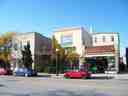
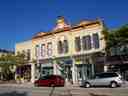
To spot the John Balzer Wagon Works Complex, look for a pair of pale cream-brick buildings covered partially in leafy vines, right across from the sidewalk with wide windows and “BALZERS” faintly visible above the door. Alright, picture this corner back in 1853, filled with the clang of hammers and the sweet scent of sawdust. John Balzer, fresh off the boat from Prussia with a wagon-maker’s dream and apprentice calluses to prove it, sets up a one-man shop right where you’re standing. He soon gets busy-building sleighs, wagons, and even landing a shiny $65 gig to make a new hose cart for the city’s fire brigade. Business booms, and John brings in his son as a partner, building this three-story factory in 1887. Imagine workers buzzing across three levels: blacksmiths and wood shavings downstairs, carpenters clattering upstairs, and up top-fresh paint and new wagon trim. All those floors were joined by a creaky old freight elevator hauling wheels and wood skywards! When horse wagons faded and cars revved into fashion, the Balzers didn’t miss a beat-they started crafting car bodies, then welding, and later, toy-making after World War II. Eventually, John’s grandson kept the welding business going right into the flashy 1970s. This building has weathered invention, reinvention, and a touch of family stubbornness; not bad for a wagon shop that didn’t see the horseless carriage coming!
전용 페이지 열기 →To spot the Wolff-Jung Company Shoe Factory, look straight ahead for a large, sturdy three-story building made of reddish-brown brick with rows of tall windows and ornate trim…더 보기간략히 보기
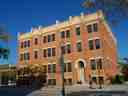
To spot the Wolff-Jung Company Shoe Factory, look straight ahead for a large, sturdy three-story building made of reddish-brown brick with rows of tall windows and ornate trim lining the roof-it's as grand and square as a shoebox, fittingly enough! Now, picture yourself back in 1885 when this spot would have been bustling with activity and maybe the faint smell of leather in the air. Three men-Theodore Zscnetzsche, Jacob Jung, and Charles Wolff-had a big idea to build a shoe factory right here, and they made it stylish too, choosing the elegant Italianate look, which was the “in” thing at the time. Imagine workers hurrying inside, their footsteps echoing on cold mornings as they got ready for another day stitching and crafting shoes for all of Sheboygan-and maybe even a few folks with big feet dreaming of the perfect fit! Laughter and the soft clang of tools would drift out the open windows. Through wars, winters, and world changes, this building stood strong. And in 1992, someone finally thought, “Hey, this place is kind of a big deal!” and put it on the National Register of Historic Places, ensuring its story would never get lost. So as you stand here, you’re at the crossroads of sweat, dreams, shoe polish, and a big footprint on Sheboygan’s history!
전용 페이지 열기 →
10개 정류장 더 보기정류장 적게 보기expand_moreexpand_less
Look for a sturdy, two-story brick building with a deep red, decorative cornice on the left and tall windows framed by pale bricks-the Henry Store Foeste Building is just ahead,…더 보기간략히 보기
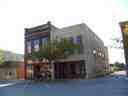
Look for a sturdy, two-story brick building with a deep red, decorative cornice on the left and tall windows framed by pale bricks-the Henry Store Foeste Building is just ahead, on your left, standing proudly at the edge of the street. Now, imagine the year is 1893. Horses clatter along the dusty road, shoppers bustle past in long coats, and suddenly-out pops this handsome brick building with its grand, classical revival flair. Designed by none other than William C. Weeks, who was basically the “rock star architect” of Wisconsin at the time, this place was a big deal. The laughter of children and the serious whispers of scholars once filled the upstairs, because this was home to Sheboygan's very first Mead Public Library-before “Google” was even a twinkle in anyone’s eye! For over a century, the sturdy exterior has defied storms and snow, remaining nearly unchanged-which must be some kind of architectural wizardry. When you stand here, you’re face to face with more than a pretty façade; you’re looking at a survivor, a keeper of stories, and the city’s old intellectual hub, all wrapped up in the same brickwork that’s watched Sheboygan change, but stood its own ground since 1893. Now that’s what I call a smart building!
전용 페이지 열기 →Look for a tall, cream-brick building with fancy red-and-gold trim above the windows and a grand eagle perched right at the top-this striking sight will be right in front of you,…더 보기간략히 보기
Look for a tall, cream-brick building with fancy red-and-gold trim above the windows and a grand eagle perched right at the top-this striking sight will be right in front of you, proudly standing on the busy street. Now, picture yourself on this street in the early 1880s-the smell of leather and cloth drifts from the Henry and Charles Imig Block, and you might spot the Imig brothers bustling in and out, sleeves rolled up, ready for another day at their booming boot and clothing shop. The sounds of carriage wheels rolling past mingle with excited customers looking for sturdy boots that could survive a Wisconsin winter. Built by skilled masons Luecke & Roeder and the ever-so-meticulous carpenter Fred Hildebrand, this two-story building shows off its Italianate style, thanks to Charles Hilpertshauser, whose eye for dramatic arches and elegant cornices would have any passerby craning their neck. The Imigs, the sons of a German immigrant, probably traded tall tales and hearty laughs while serving neighbors here. And with that grand eagle perched above, it feels like the building is keeping a protective watch over downtown Sheboygan, a reminder of immigrant dreams-and maybe a place where you could’ve snagged the fanciest boots in town. Since 1998, it’s been officially listed on the National Register of Historic Places, making it as much a landmark as any old west movie saloon-just with fewer duels and much better fashion sense.
전용 페이지 열기 →Mead Public Library is right in front of you-look for a large, modern brick building with tall windows, a wide entrance, and a striking set of cascading concrete steps and water…더 보기간략히 보기
Mead Public Library is right in front of you-look for a large, modern brick building with tall windows, a wide entrance, and a striking set of cascading concrete steps and water features by the sidewalk. Now, get ready to discover the story of this marvelous collection of books, dreams, and the occasional overdue notice. Imagine the crisp Wisconsin air in 1856, as James H. Mead arrives in Sheboygan, pocketing some Vermont charm and a big idea for his new town. With a little help from his father-in-law, he founded the German Bank-later changing names more times than a spy on the run-and grew it into a centerpiece of Sheboygan’s economy. When he passed away in 1891, Mead had a vision: he left a generous sum, $20,000 to be exact, so that young folks could enjoy a space filled with both amusement and learning-a true library for the people. Fast forward, and Sheboygan’s earliest books were shuffled between various downtown storefronts. Imagine the excitement-and probably a bit of chaos-when, with a big boost from Andrew Carnegie (a real-life library superhero), Mead Public Library moved in 1904 into its own stately building at N. 7th Street and New York Avenue. By the 1950s, this was a city that just couldn’t get enough of flipping pages. Two more library branches opened, one attached to Cooper Elementary, the other at Wilson Elementary. The library stretched across Sheboygan like a bookworm’s dream! But the Mead was ready for more, and in 1970, after a heated city council meeting and a $2.3 million bond issue, a bold new chapter was set to begin. City planners eyed a prime spot at North 8th Street and New York Avenue-right where you’re standing. Hundreds of high schoolers pitched in to haul an epic pile of over 150,000 books, just one block from the old library-the ultimate library relay. Imagine that teamwork! Not to be outdone, the National Guard helped move the heavy stuff-with their trucks rumbling down the street. When Mead’s brand new, 64,000-square-foot building opened in 1974, it looked like something out of a futuristic LEGO set: bold brickwork, exposed concrete, and spaces bursting with sunlight. The main library sat above, with the children’s room tucked below, and a headquarters in the open basement. Over the years, the library was always ready to pivot; it survived Plaza 8 coming and going, dodged a plan for a $100 million shopping mall, and in the late 1990s, saw its entrance shift over to Wisconsin Avenue with a major expansion that let even more light pour in. Today, you’ll find Mead Public Library leading the way in technology, from all-RFID checkouts to web-based catalogs and an outdoor pickup system installed in 2024. And while the old Carnegie building lives on as part of the John Michael Kohler Arts Center, the new Mead stands as a symbol of Sheboygan’s creativity and the community’s never-ending appetite for stories. So go ahead-step inside and see just how many adventures are waiting in every aisle!
전용 페이지 열기 →To spot the Sheboygan County Courthouse, look for the massive, squared six-story stone building with rows of tall windows and a flag flying outside-it stands out against the…더 보기간략히 보기
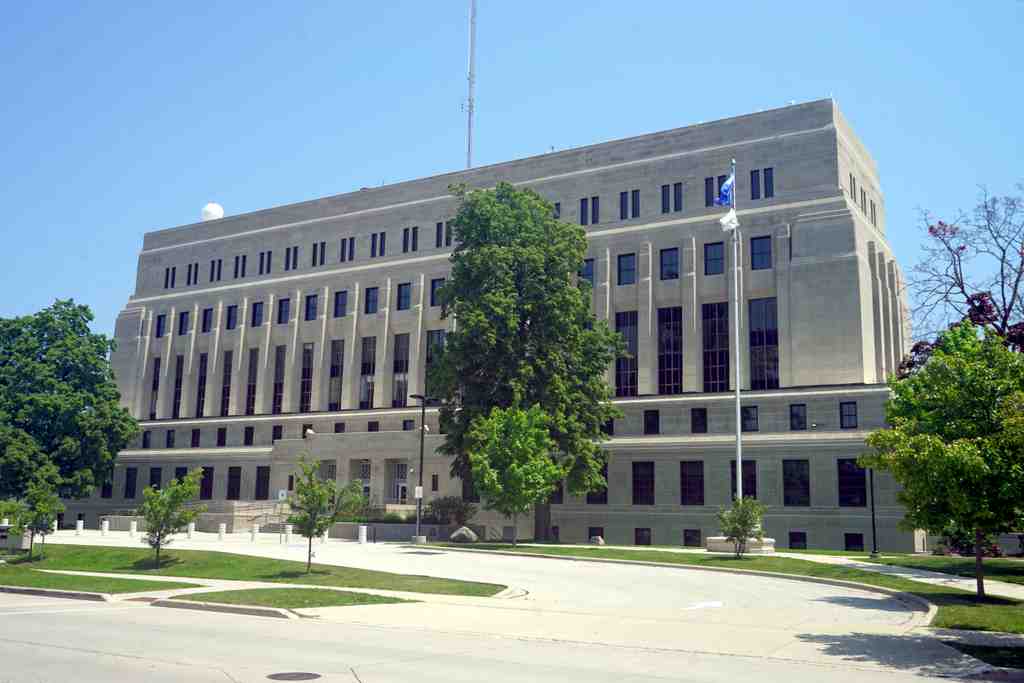
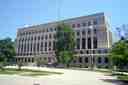
To spot the Sheboygan County Courthouse, look for the massive, squared six-story stone building with rows of tall windows and a flag flying outside-it stands out against the wintery scene just ahead. Right now, you’re standing before a true giant of Sheboygan’s history-six stories high, bold and imposing, and as full of stories as a detective’s notebook. Let’s set the scene: it’s 1933, dust from the demolished old courthouse still lingering in the air, and the country is in the grips of the Great Depression. Imagine the sound of hammers and voices echoing as 200 locals found hope and work building this courthouse, a beacon in tough times. By 1934, the new courthouse towered above the city, topped off as part of a massive Works Progress Administration push-government projects designed to jump-start the economy. Back then, this building was one-stop shopping for justice and county business, housing everything from the jail on the top floor to courtroom dramas below. Picture a bustling boardroom on the fifth floor, where county decisions and even some city council debates echoed between the walls, especially when City Hall was getting a facelift. The courthouse got a big rear annex in 1956 (it’s the architectural equivalent of getting a sturdy backpack), and fresh renovations inside by 1968. Jailbirds flapped over to a new building next door in the 1980s, with the original top floor cells left behind for the next adventure. For those with a nose for mystery, the building even reused the face of its old clock tower-resurrected at a local school years later, ticking away time from a new perch. Modern updates keep secrets safe now, thanks to metal detectors and x-ray machines at the entrance. In 1982, it earned a spot on the National Register of Historic Places, not for being old-fashioned, but for boldly breaking the mold of courthouse design-a true rebel in limestone and steel. So as you gaze up, remember you’re seeing not just a courthouse, but a survivor, a helper, and a silent witness to almost a century of Sheboygan’s evolving story.
전용 페이지 열기 →Look for a stately two-story home with clapboard siding, a graceful front porch held up by elegant columns, and a canopy of trees spinning orange and green-just off to your right…더 보기간략히 보기
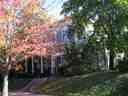
Look for a stately two-story home with clapboard siding, a graceful front porch held up by elegant columns, and a canopy of trees spinning orange and green-just off to your right as you follow the shaded sidewalk. Picture yourself arriving here in the late 1800s, maybe catching a whiff of wood smoke from distant chimneys and the faint sound of carriage wheels on the street. This handsome house, designed in the Italianate style by Arvin Luce Weeks, was built for Thomas and Bridget Blackstock-a power couple of their day. Thomas started life as an Irish immigrant and, through brains, sweat, and perhaps just a pinch of luck, built a fortune in the Phoenix Chair Company, along with successes in banking and real estate. He wasn’t shy about civic duty either: imagine his busy schedule, moving from city council meetings to mayoral responsibilities-no snooze buttons for him! Bridget, meanwhile, would have greeted Sheboygan’s movers and shakers right behind those ornate doors. Hold onto your hat-Thomas even served in the Michigan House of Representatives before calling Wisconsin home. Since 1995, this house has been on the National Register of Historic Places, preserving stories of ambition, industry, and a couple who weren’t afraid to dream big on the Sheboygan skyline.
전용 페이지 열기 →Take a look to your left for a sturdy stone building with a steep, reddish roof and tall stained-glass windows-“Hope Reformed Church” is written right there, you can’t miss…더 보기간략히 보기
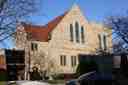
Take a look to your left for a sturdy stone building with a steep, reddish roof and tall stained-glass windows-“Hope Reformed Church” is written right there, you can’t miss it! You’re now stepping into the heart of Sheboygan’s Downtown Churches Historic District, a place where you can practically feel a century’s worth of whispers carried on the breeze. Imagine the toll of bells echoing between the buildings as ladies in ankle-length skirts and kids in knickers rush to church on a brisk Wisconsin morning. This district is home to not just one, but four historic churches: Grace Episcopal, with its dramatic Gothic flair from 1871; the locally loved First Methodist Episcopal, built in the 1930s; Hope Reformed, right in front of you today, proudly finished in 1937; and the very modern St. Martin Lutheran from the ‘60s. Each church tells a different story, shaped by time, faith, and the dreams of their communities. And here’s a fun twist-Wisconsin’s very first Boy Scout troop made their big debut at Grace Episcopal back in 1911, probably earning a merit badge for bravery just for dealing with the Wisconsin winter. This patchwork of styles and stories was recognized as something special, earning a spot on the National Register of Historic Places in 2010. Look around-you’re surrounded by living history, where every brick and window holds a piece of Sheboygan’s soul!
전용 페이지 열기 →To spot Grace Episcopal Church, look on your right for a tall pale brick building with a sharply pitched dark roof, a square bell tower, and a cross marking its highest…더 보기간략히 보기
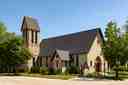
To spot Grace Episcopal Church, look on your right for a tall pale brick building with a sharply pitched dark roof, a square bell tower, and a cross marking its highest point. Now, as you stand in front of this magnificent church, imagine the year is 1847. Sheboygan is just a young lakeside town, and a group of determined folks decide to build a church out of wood on a small parcel of land. Through snow, wind, and plenty of prayers, they manage to get a building standing, and by Christmas Day, the very first service fills those wooden walls with singing voices and flickering candlelight. Two years later - talk about dedication - a grand new church is consecrated by Bishop Jackson Kemper. But the Grace Episcopal Church you see now wasn’t built until 1871. When it went up, it was all about the Victorian Gothic style - think pointed arches, bold lines, and details that give even the squirrels pause as they scamper by. But Grace Episcopal isn’t just bricks and stone. What’s crazy is they actually built some real holy relics straight into the church. The foundation has rocks from the Jordan River, right where ancient stories say people walked and waded. Over the chancel arch, tiny stones from Bethlehem are nestled, while the high altar holds pieces of olive wood from the Garden of Gethsemane, and five stones hauled all the way from below the Church of the Holy Sepulchre in Jerusalem. It sort of makes your socks feel a little holier just standing here. The Lady Chapel on the west side is a story all its own! Built in 1930, it’s the National Shrine to Our Lady of Walsingham for the Episcopal Church. Perched on its altar is a replica of a famous statue from Norfolk, England, and it’s believed to be the first Walsingham shrine dedicated in any Anglican church across the United States. There’s even a stone from Glastonbury set in the floor. Every year since 1980, folks make a pilgrimage just for this sacred spot. Above the altar, five gorgeous paintings show the Blessed Virgin Mary surrounded by angels and saints, painted by an artist from London. The stained-glass windows in the nave - all installed since 1968 - were crafted right here in Wisconsin and shimmer with colorful scenes from the life of Christ. And don’t miss the All Saints Chapel story: starting in the 1930s, vacationing Episcopalians worshipped in a lakeside room until Grace Church decided, “Why not build a chapel?” By 1951, it stood completed, with fieldstone walls, wooden beams, and slate floors echoing the beautiful slate right here in the main church’s Walsingham Shrine. Grace Episcopal is more than a landmark - it’s a crossroads of stories, stones, and spirit, with a little bit of the Holy Land right at the heart of Sheboygan. Seeking more information about the relics, the shrine of our lady of walsingham or the windows? Ask away in the chat section and I'll fill you in.
전용 페이지 열기 →
자주 묻는 질문
투어는 어떻게 시작하나요?
구매 후 AudaTours 앱을 다운로드하고 교환 코드를 입력하세요. 투어를 바로 시작할 수 있습니다 - 재생을 탭하고 GPS 안내 경로를 따라가시면 됩니다.
투어 중 인터넷이 필요한가요?
아닙니다! 시작 전에 투어를 다운로드하면 완전히 오프라인으로 즐길 수 있습니다. 채팅 기능만 인터넷이 필요합니다. 모바일 데이터 절약을 위해 WiFi에서 다운로드하시는 것을 권장합니다.
이것은 가이드가 안내하는 단체 투어인가요?
아닙니다 - 이것은 셀프 가이드 오디오 투어입니다. 폰을 통해 오디오 나레이션을 들으며 나만의 속도로 독립적으로 탐험합니다. 투어 가이드도, 단체도, 일정도 없습니다.
투어는 얼마나 걸리나요?
대부분의 투어는 60-90분이 소요되지만, 속도는 전적으로 본인이 조절합니다. 원할 때 언제든지 일시정지하거나, 정류장을 건너뛰거나, 휴식을 취하세요.
오늘 투어를 끝낼 수 없으면 어떻게 하나요?
괜찮습니다! 투어는 평생 이용이 가능합니다. 원할 때 언제든지 일시정지하고 다시 시작하세요 - 내일, 다음 주, 또는 내년에도. 진행 상황이 저장됩니다.
어떤 언어를 이용할 수 있나요?
모든 투어는 50개 이상의 언어로 이용 가능합니다. 코드를 교환할 때 원하는 언어를 선택하세요. 참고: 투어 생성 후에는 언어를 변경할 수 없습니다.
구매 후 투어는 어디에서 이용하나요?
App Store 또는 Google Play에서 무료 AudaTours 앱을 다운로드하세요. 교환 코드(이메일로 전송됨)를 입력하면 라이브러리에 투어가 나타나며, 다운로드하여 시작할 수 있습니다.
투어가 마음에 들지 않으시면 환불해 드립니다. 문의: [email protected]
안전한 결제 


