
포틀랜드 오디오 투어: 도시의 유서 깊은 거리들의 기발한 진주들
포틀랜드의 진정한 심장은 네온 불빛과 콘크리트 역사 아래에서 뛰고 있으며, 재즈 시대의 야망의 메아리가 스캔들과 축하와 뒤섞입니다. 이 셀프 가이드 오디오 투어는 여러분을 도시의 유서 깊은 거리들을 거닐며, 닫힌 문 뒤와 상징적인 천막 아래로 미끄러져 들어가 평생을 살아온 현지인들도 놓칠 수 있는 장소들을 발견하도록 초대합니다. 포틀랜드가 자동차 시대로 질주할 때 코벳 브라더스 차고는 어떤 비밀을 숨겼을까요? 끔찍한 범죄가 나이트클럽의 리듬을 산산조각 낸 후, 로즈랜드 극장 무대 뒤에는 누구의 영혼이 여전히 떠돌고 있을까요? 한때 엠버스 애비뉴에서 마돈나 가사를 열창하다가 즉흥적인 스팽글 댄스 반란을 일으킨 사람은 누구일까요? 햇살 가득한 코너에서 그림자 진 홀로 이동하며, 정치적 도박, 금지된 모임, 광란의 파티, 그리고 이 도시의 영혼을 재편한 순간들의 이야기를 따라가 보세요. 모든 발걸음은 에너지로 고동치며, 포틀랜드를 저항적이고, 장난기 넘치며, 항상 예상치 못한 곳으로 드러냅니다. 헤드폰을 꽂고—도시가 여러분의 발아래에서 그 미스터리를 드러내게 하세요.
투어 미리보기
이 투어에 대하여
- schedule소요 시간 60–80 mins나만의 속도로 이동
- straighten2.6 km 도보 경로안내 경로 따라가기
- location_on
- wifi_off오프라인 작동한 번 다운로드, 어디서든 사용
- all_inclusive평생 이용언제든지 다시 재생 가능
- location_on코벳 브라더스 자동차 보관 차고에서 시작
이 투어의 정류장
Look for a long, light-gray concrete building lined with rows of square windows and a large blue-and-white sign that reads “PARKING” above the entrance, right at street…더 보기간략히 보기
Look for a long, light-gray concrete building lined with rows of square windows and a large blue-and-white sign that reads “PARKING” above the entrance, right at street level. Welcome to the Corbett Brothers Auto Storage Garage! Take a deep breath and imagine you’re standing here in the 1920s, when cars were a new wonder and the streets buzzed with the excitement of early Portlanders driving their first automobiles. It smelled like motor oil and hope, and the sound of engines echoed around this garage. Back then, this building was a hotspot-a place where the city’s shiniest new Model Ts and rumbling Fords were tucked away right here in the heart of downtown. Picture sharp-dressed men parking their sleek cars, hats tilted just so, and workers in suspenders hustling to fit every vehicle in-sometimes with a tape measure and a bit of crossed fingers! It was more than a place to stash your wheels; it was a symbol that Portland had arrived in the modern world. And today, as the world outside changes, this hardy garage keeps watch over the city’s dreams on wheels. Pretty neat, right? I bet the original owners never imagined people would be showing up years later just to admire the walls!
전용 페이지 열기 →Look for a round, black sign with the words “Roseland Theater & Peter’s Room” in bold, vintage lettering - you’ll spot it right at the corner of 6th and Burnside, drawing your…더 보기간략히 보기
Look for a round, black sign with the words “Roseland Theater & Peter’s Room” in bold, vintage lettering - you’ll spot it right at the corner of 6th and Burnside, drawing your eyes in like a spotlight guiding you to a show. Welcome to the Roseland Theater - a Portland legend with more stories than a rocker’s suitcase. Take a deep breath; you’re standing where nearly a century of music, mystery, and more than a little mayhem have echoed through these walls. Let’s roll back to the roaring 1920s, when this building was fresh and the air was crackling with hope. Built in 1922 by the Apostolic Faith Church, the place soared up thanks to a congregation trading sweat for salvation instead of cash. Imagine the buzz outside as locals watched the old saloon come tumbling down, making way for this proud brick landmark. Inside back then, instead of a mosh pit, you had sermons ringing out, hymns floating from a small chapel, a printing room churning out gospel leaflets, and a choir rising up on a grand platform. The best seat in the house? That was for a 40-piece orchestra - the neighbors must have had the best (or worst) front-row seats in town when the music swelled! At night, the neon sign over the door blazed: “Jesus, the Light of the World.” Not exactly the strobe lighting you'd find at a rock concert, but still good for the soul. Time rolled on, and by the early 1980s, prayers gave way to performances, and the church became the Starry Night nightclub. Talk about a holy transformation. Larry Hurwitz-the man behind the club-brought in big acts and big crowds, though the place could squeeze in less than 1,000 souls at a time. It was the place to catch bands like Animotion and Nu Shooz before they were yesterday’s news. The club’s heart thumped with music, feet on sticky floors, and of course, the story took a dark turn that not even the wildest rock ballad would dare to write. One night in 1990, tragedy struck. The club’s young publicity agent, Timothy Moreau, was murdered in one of the darkened hallways, a crime that haunted the building like an old record stuck on repeat. It took nearly 10 years before justice caught up with Hurwitz, who was convicted for the crime. Some folks say you can still feel a chill or two in those backstage corridors. It’s no wonder the Roseland picked up the title of “Best Haunted Venue”-a little bit rock, a little bit shock, and a dose of Portland’s real-life ghost stories for good measure. The curtain didn’t close for Roseland, though. After the club changed hands, the name changed too. From 1991 onwards, Roseland Theater was ready for a new act. Double Tee Promotions took charge, bringing in new lounges, fresh restrooms (hallelujah for clean venues!), and that all-important upgrade: better sound and ventilation, saving music lovers from overheating no matter how wild the night got. Picture David Leiken, head of Double Tee, ramping up renovations-the main floor grew to pack in hundreds more, and down below, the hum and buzz of Peter’s Room filled with local chatter and kitchen clatter as bar-goers debated which giant would hit the stage next. The Roseland quickly became Portland’s not-so-secret music temple, hosting everyone from Ray Charles and Bob Dylan to the Pixies and Snoop Dogg. Name a genre and it’s likely the walls have absorbed it. There’s a special thrill to a Roseland night: the main floor is for those who want to get close enough to feel the speakers in their bones, while the upstairs balcony offers a bird’s-eye view-plus, an adjacent bar for anyone old enough to savor a drink with their tunes. Every year, up to 180 events light up these rooms, with the action even spilling into Peter’s Room, where stage performances stream live from upstairs. And don’t forget the reputation-“all the ambiance of a dank cave but boasts stellar acoustics,” one journalist quipped. The vibe here is chaotic, electric, and always surprising. Roseland means endless concerts, dance parties, rap battles; one night, you might witness cage fighting, the next, comedic legends cracking up the crowd. So as you stand here, imagine the layers: church hymns turning into club beats, neon Jesus signs swapped for rockstar spotlights, and a community giving this place new life, year after year. No matter which act takes the stage, there’s always a trace of old echoes and new energy. Now, which memory will you make here tonight?
전용 페이지 열기 →Look for the big greenish building with bold yellow letters spelling "EMBERS" above a slanted green awning, and check for a crowd or a flashing sign advertising drag shows above…더 보기간략히 보기
Look for the big greenish building with bold yellow letters spelling "EMBERS" above a slanted green awning, and check for a crowd or a flashing sign advertising drag shows above the corner entrance. Picture this: It’s a late night in Old Town Chinatown, and music pulses from behind these teal-colored walls, while flashes of rainbow lights spill out onto the street. For nearly fifty years, Embers Ave was the pulse of Portland’s LGBTQ+ nightlife-a beacon for anyone ready to dance, laugh, and lose themselves in the beat. People would flood inside for comedy that made their sides ache, drag shows that left jaws on the floor, and karaoke nights where even the shyest voices turned into pop stars for a moment. You could almost feel the floor move with the energy of sweaty dancers swirling through the night, while disco balls threw glitter across every face-gay, straight, young, old, and everyone in between. There was always a sense of something wild might happen at Embers; maybe you’d see a legendary drag queen, or find lifelong friends singing their hearts out after midnight. Even Donald Olson, the travel writer, said it’s where you’d find “flashing lights and sweaty bodies until the early morning.” Though the party ended in 2017, rumor has it something just as wild might return. Stand here for a moment, and if you listen closely, maybe you’ll still hear the echoes of laughter, applause, and the clink of glasses-proof that some nights in Portland really do burn brighter and last longer.
전용 페이지 열기 →


17개 정류장 더 보기정류장 적게 보기expand_moreexpand_less
Look for large glass doors with the number "122" above them and the Blue Sky sign just behind the window on your right-hand side. Ah, you’ve made it to Blue Sky Gallery! Imagine…더 보기간략히 보기
Look for large glass doors with the number "122" above them and the Blue Sky sign just behind the window on your right-hand side. Ah, you’ve made it to Blue Sky Gallery! Imagine back in 1975, five young photographers stood outside their tiny gallery on NW Lovejoy Street, shivering with equal parts excitement and nerves as they polished the glass for their very first show. These folks-Robert, Craig, Ann, Terry, and Christopher-had to pool together their coins to rent the place, probably giving up a fair share of fancy coffee just for you to be standing here today. At first, it was all about showing off the grit, joy, and weirdness of local artists, but soon, word got out-this was a spot that loved a good photo, whether snapped in Portland or Paris! Blue Sky bounced around, from Lovejoy to Fifth Avenue to Hoyt Street-almost as if it was playing hide-and-seek with the city. But in 2007, after an epic fundraising push (think: every bake sale, art raffle, and friendly arm-twist imaginable), it landed here, transforming the old Daisy Kingdom warehouse into a home for stunning, surprising, and sometimes utterly baffling pictures. More than 700 photographers have been showcased here-imagine all those stories peering out through a lens! Standing outside now, just let your mind wander through the decades: opening nights filled with laughter, footsteps echoing on the new floor, and on one unforgettable summer day, the final works of Robert Rauschenberg, fresh and full of life. Every shot in Blue Sky has been a ticket to somewhere new-no passport required!
전용 페이지 열기 →To spot Powell’s Books, just look to the corner building with a bold marquee reading “POWELL’S BOOKS USED & NEW BOOKS” in big letters, right at the intersection, and you can’t…더 보기간략히 보기
To spot Powell’s Books, just look to the corner building with a bold marquee reading “POWELL’S BOOKS USED & NEW BOOKS” in big letters, right at the intersection, and you can’t miss the red and cream storefront buzzing with people heading in and out. Welcome to Powell’s City of Books, the world’s largest independent bookstore-you’re standing in front of a place so big, some say you could get lost and emerge years later, a bit wiser and probably still 20 pages from finishing that novel! This book-lover’s paradise takes up a full city block, packed with over 68,000 square feet of retail space and more than four million new, used, rare, and out-of-print books. Step closer and imagine nine differently colored rooms, each one dedicated to a different world of stories, ideas, and characters, like a literary rainbow winding through Portland’s heart. Let’s rewind to 1971-Walter Powell opens his bookstore in Portland, just as his son Michael is busy selling used and rare academic books in Chicago. A year later, the Powells combine their bookselling brilliance in Portland, and though an unlucky lease eviction could have ended their story early, they found this massive spot and wrote the next chapters. The store quickly grew into its quirky, sprawling headquarters where, in 1982, Michael bought the store from his father. Imagine the creak of floors as the shelves filled up, Powell’s growing not just in size but in legend-soon, branch stores started popping up, with snazzy white shelves and fancy banners hanging above the aisles out in the suburbs, a contrast to the “edgy” original neighborhood. But Powell’s had even bigger dreams: in 1993, before almost anyone used the word “dot-com,” they set up an internet presence via email and FTP. By 1994, Powell’s had a website, beating Amazon to the punch-making it the grandparent of all online bookstores in a way. As the years ticked by, Powell’s cemented its status as a Portland icon. The store grew into what you see today after an expansion in 1999, which added the entrance facing the shiny new Pearl District. Above the door, check out the famous “Pillar of Books”-a sandstone sculpture depicting eight of the world’s great books stacked up, urging every visitor: “Buy the book, read the book, enjoy the book, sell the book” (in Latin, naturally, because why not add a bit of ancient wisdom to your reading adventure?). Powell’s hasn’t just been the place to buy a book; it’s been a crossroads for Portland’s changing tides, from union battles-workers staking their claim in 1999, with tough negotiations, a dramatic snap election, and eventually a win for the little guy-to the wild ride of recent history. The store has weathered booms, strikes, layoffs, and, during the pandemic, saw its doors closed, its Internet store suddenly busier than a cat in a room full of laser pointers. And even in a world gone digital, Powell’s always found a way to adapt, from offering print-on-demand books with a machine called the “Espresso Book Machine” (sadly, it doesn’t serve coffee with your printing) to buying rare treasures like 7,000 books from Anne Rice’s personal library-enough vampires to last even the thirstiest reader. Speaking of crowds, picture the scene in 2024, when Powell’s held its first-ever used book sale in their Northwest Portland warehouse-the line stretched all the way down the street, 10,000 patient booklovers armed with wish lists, caffeine, and a hope that just maybe, they’d find that one impossible-to-find paperback. Some waited five hours just to get in! Their devotion was rewarded: Powell’s is planning to do it all again, so keep an eye out if you’re back in town during July. Walk through these doors and you’re not just entering a bookstore-you’re stepping into a living piece of Portland’s spirit, a place where the story of every Portlander and traveler who’s ever thumbed through a dog-eared copy lives on. So, take a deep breath, enjoy the smell of paper and coffee, and prepare yourself. You might be here for an hour or a week-either way, at Powell’s, there really is no such thing as too many books.
전용 페이지 열기 →Look for a tall, modern building on the corner with big glass windows framed in pale stone, right at the intersection-if it feels a bit like you’ve landed in a hip architect’s…더 보기간략히 보기
Look for a tall, modern building on the corner with big glass windows framed in pale stone, right at the intersection-if it feels a bit like you’ve landed in a hip architect’s dream, you’ve found it! Alright, you've made it to the Art Institute of Portland! Imagine yourself back when the Pearl District was buzzing with students hustling through the revolving doors, portfolios clutched under their arms. Inside this sharp, glassy building, the air once hummed with the sound of clicking computer mice, music drifting from the recording studio, and excited chatter about the latest wild assignments. It all started back in 1963, when Norma and Donald Bassist opened a fashion college just for women-picture vintage sewing machines and yards of colorful fabric everywhere. Fast forward to 1998, and the place transformed, joining the big league as one of the famous Art Institutes. Suddenly, the building was packed with creative energy, two computer labs glowing with screens, animation and video labs flickering late into the night, and a public gallery, the Marcia Policar Gallery, spilling over with weird and wonderful art by both students and local pros. For years, the halls echoed with voices from all corners-painters, designers, fashion students, dreamers-and you could finish a full four-year degree here in just three years if you dared to brave summer classes! But then came a twist that even the most dramatic painting couldn’t capture. The school’s owner, Education Management Corporation, started sinking under financial troubles. In 2017, they handed the keys over to a new, rather unexpected owner-a Pentecostal group out of Los Angeles called Dream Center. The new chapter didn't last long. In July 2018, those halls of creativity heard the final bell: The school would close by the end of the year. Today, as you stand here listening, you’re right in the spot where imaginations once ran wild, proving that even short stories can be inspiring-and occasionally, heartbreakingly real.
전용 페이지 열기 →To spot Fuller's Coffee Shop, just look for a simple circular logo with the words “Fuller’s Coffee Shop” wrapped around the edges, and the bold “EST. 1947” right in the…더 보기간략히 보기
To spot Fuller's Coffee Shop, just look for a simple circular logo with the words “Fuller’s Coffee Shop” wrapped around the edges, and the bold “EST. 1947” right in the center-it’s the kind of sign that practically calls out for hot coffee and a side of nostalgia. Alright, friend, take a long breath of that Portland air and plant yourself outside this landmark-because you’re not just standing in front of any old diner, you’re at the legendary Fuller's Coffee Shop. Picture this: it’s 1947, and Jack Fuller figures Portlanders deserve a spot for a steaming breakfast and the kind of no-nonsense coffee that could wake a hibernating bear. He sets up shop and serves food with such consistency, you could set your watch to his grill. After a while, Jack packs up his spatulas and lands right here, at the buzz of 9th and Davis, in 1960-and honestly, from that moment, this corner hasn’t been the same. Sneak a peek through the windows, and you might half-expect to see a black-and-white film crew catching a detective at the counter, because Fuller's is straight out of another era. Inside, there’s this classic M-shaped Formica counter that snakes through the room like a river of caffeine, dotted with chrome stools just waiting to spin your troubles away. The neon clock ticks up on the wall, somehow always on time but never in a hurry, shining its same stubborn glow as it did when Eisenhower was President. The floors: linoleum, worn in just right. Silverware: plain and practical, clinking against plates stacked high with the breakfast special, probably the same one your grandpa ordered after prom. This place isn’t just a restaurant; it’s a time capsule. The menu feels like an encyclopedia of comfort-giant omelets, greasy hash browns, toast from homemade bread, and a cheeseburger recipe so closely guarded, you’d think it held state secrets. Oh, and the sauce for that burger? It’s got a blend of mayo, ketchup, cayenne, curry powder, white pepper, and, rumor has it, three “exotic” spices known only to the most trusted burger artisans. People have tried to crack the code for decades-CSI, eat your heart out! Even the pancakes have a rich backstory, and that’s before you drown them in syrup. But Fuller's isn’t just about the food, fantastic as it is. It’s about the people-the older regulars clutching mugs of coffee, the “Pearl District yuccies” awkwardly enjoying a moment away from designer décor, the waitstaff moving with purpose and a wink, all under that flicker of neon and the scent of fried bacon mingling with strong coffee. In a part of the city now stuffed with apartment complexes and fancy boutiques, Fuller's stands as Portland’s stubborn, beloved greasy spoon. It’s seen the world change outside its windows, but inside, the only thing that’s changed is maybe the price of an extra egg. Here’s a twist for you-a few years back, the TV show Grimm rolled up for a scene. When the big screens came to Portland, naturally, they gravitated to the spot that felt the most real, the most eternal. If you’re a fan, you’re not the first. Celebrities and locals sit on the same stools, all equal in the kingdom of cheap, delicious eats. The story’s not without drama, mind you. Fuller's faced a fire in 2023 that forced its doors closed-a sad time for the neighborhood, which suddenly found itself missing not just a meal, but a slice of home. The repairs took months longer than anyone hoped, but in November, the old diner’s doors swung wide again, coffee poured, and regulars raised their mugs in celebration. It was like the return of a long-lost friend. Fuller’s has outlasted trends, outwitted fires, and even adapted for the pandemic by switching to takeout, never losing that old-school rhythm. Critics have called it one of the last real breakfast-and-lunch diners in America; others say it feels like stepping right onto the canvas of an Edward Hopper painting-lonely, a little gritty, but full of life, and unmistakably itself. So, as you stand here sniffing the promise of bacon on the breeze, remember you’re at a living legend-a place where the only thing older than the coffee is the feeling of belonging. Ready for the next stop, or are you already daydreaming about corned beef hash and that legendary cheeseburger? If you ask me, the only thing more mysterious than the burger sauce is how anyone ever leaves this place hungry.
전용 페이지 열기 →Look to your right for a sturdy brick building with deep red window trim, an arched entryway, and a bright white balcony railing above the door-it's tucked beneath a tall tree and…더 보기간략히 보기
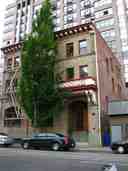
Look to your right for a sturdy brick building with deep red window trim, an arched entryway, and a bright white balcony railing above the door-it's tucked beneath a tall tree and stands out from the modern towers around it. Imagine, over a hundred years ago, the Portland Buddhist Church was alive with the buzz of families and children in kimonos, the scent of incense drifting into the street, and the gentle clatter of geta sandals as people gathered here every week. This place began in 1903, thanks to Reverend Shozui Wakabayashi, as a warm gathering spot for Portland’s growing Japanese American community-by 1910, there were over 500 members! But this peaceful harbor weathered an incredible storm during World War II, when the government forced Japanese Americans into prison camps. The halls you see in front of you once cradled the belongings of families desperately hoping to return after the war. One brave leader, Rinban Tansai Terakawa, was taken away with his congregation to Minidoka camp, where he sadly passed away in 1944, never to return. Yet, against all odds, Reverend Hojun Sugimoto brought everyone together again, picking up the pieces and rebuilding broken lives. The laughter, tears, and hope lingered here for over half a century, until the community finally moved to a new home in 1966. Today, this building stands quietly, but if you listen closely, you might still hear the echoes of resilience and friendship-along with the distant sound of someone trying to fold a perfect origami crane for the fiftieth time!
전용 페이지 열기 →To spot the Ballou & Wright Company Building, look for a tall, sand-grey brick warehouse with five stories, large industrial windows, and a distinctive square tower at the…더 보기간략히 보기
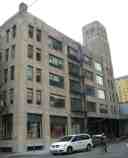
To spot the Ballou & Wright Company Building, look for a tall, sand-grey brick warehouse with five stories, large industrial windows, and a distinctive square tower at the northwest corner-plus a cool old fire escape zig-zagging down the front. Now, take a deep breath and imagine you’re standing here in 1921, the smell of fresh concrete mixing with the sharp tang of engine oil, and the distant clatter of bicycles rolling over cobblestones. The Ballou & Wright Company Building rose up right where you’re standing now, thanks to two dreamers-Oscar Ballou and Charles Wright-who went from peddling bicycles in Great Falls, Montana to orchestrating a roaring empire of motorcycles and auto parts right here in Portland. This building was their crown jewel-the very best of all the warehouses in town, with its crisp sand-grey bricks and strong strip pilasters banding between its windows. All eyes would be drawn up to that unusual square tower in the corner-almost like the warehouse wanted to keep an eye out for the next big thing rolling into the city. And if you look closely at the parapet, you’ll see the company’s proud crest-a winged wheel, hinting at the rolling revolutions packed inside. Back in the early 1900s, before this building even existed, Ballou and Wright were stuffing their shelves with bicycles from brands like Tribune, Cleveland, and Imperial-trying to convince folks that pedal power was the future. But the real excitement began after they took on Indian motorcycles. Picture train cars screeching and grinding to a stop, loaded with dozens of shiny new bikes ready to race through the streets, destined for eager riders all along the West Coast. Oscar and Charles grew so fast they needed bigger digs every few years, finally getting this special warehouse designed by Sutton & Whitney in 1917. Delayed by war and recession, the grand opening was only in late 1921-imagine over 600 guests swirling through these tall doors, laughter echoing off the new brick walls, everyone talking about engines, wheels, and how unstoppable the future felt that night. By the 1930s, Ballou & Wright had branch offices up and down the west, from Seattle to Spokane and Tacoma-becoming the place to get parts for your bicycle, motorcycle, or even brand new automobile. This building was the buzzing heart of it all, alive with the sound of rolling tires and whirring chains until the company finally closed its doors in 1960-a little quieter, maybe, but still standing strong today, as a monument to innovation on two wheels, four wheels, and everything in between. Quite the ride, right?
전용 페이지 열기 →Look straight ahead for a tall, modern building with vertical stripes of windows and a big, orange “canopy” sign near the sidewalk on the corner by the streetlamp. Welcome to the…더 보기간략히 보기
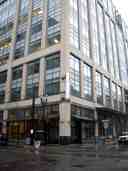
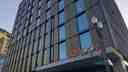
Look straight ahead for a tall, modern building with vertical stripes of windows and a big, orange “canopy” sign near the sidewalk on the corner by the streetlamp. Welcome to the Canopy by Hilton Portland Pearl District, where modern design and Portland spirit collide! Right now, you’re looking at ten stories of sharp lines, steel accents, and floor-to-ceiling windows that stretch upward like they’re trying to give the sky a little Portland handshake. This spot isn’t just eye-catching - it’s historic in its own fresh way. When Hilton decided to plant the very first Canopy hotel on the West Coast, they chose this exact place, smack in the middle of the lively Pearl District. Step inside, and you’ll notice the blend of industrial cool. You might half-expect to catch the whiff of steel and Pendleton wool, or hear the echo of footsteps on sleek concrete. The hotel’s lobby isn’t shy - it draws you in like a friendly neighbor waving from the porch. Janet Eastman called it “spirited,” and with art curated by the Elizabeth Leach Gallery, you’ll spot works from Portland favorites like Judy Cooke and Mark Smith. It’s like a gallery and hotel had a beautifully designed baby. Now, imagine the buzz right before opening day in July 2018: builders everywhere, the air thick with fresh paint and the sound of ambition. This place was dreamed up by ZGF Architects and Mark Zeff, then given life by the efforts of Menashe Properties and Bremik Construction. They created not just a hotel, but a commitment to sustainability too-the Canopy boasts LEED Gold certification, which is as green as it gets in the hotel world. But Portland’s story isn’t always sunshine and rose lattes. The Canopy played a role in stitching the community together in tough times, joining the Rose City Downtown Collective to help revive the spirit of downtown when the city faced big challenges. So, whether you’re peeking in for local art, a rooftop cornhole game, or just want a comfy spot with a view, this place is all about mixing bold energy with Portland’s creative kindness. And, yes, the restaurant inside serves pizza and coffee-because what’s more “Portland” than that?
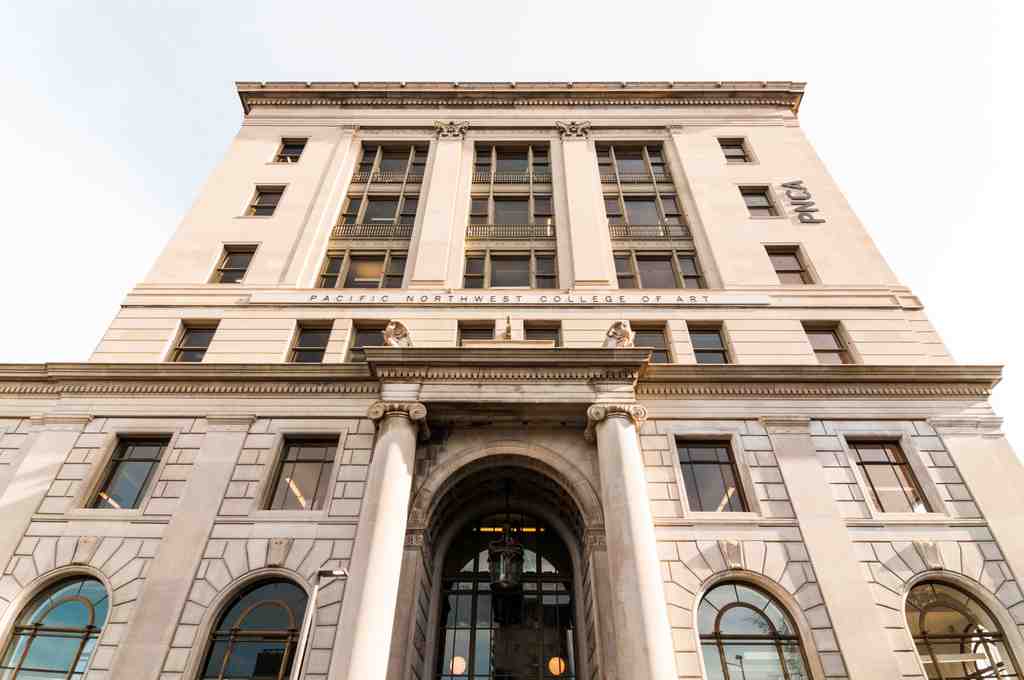
전용 페이지 열기 →To spot the Pacific Northwest College of Art, just look for a grand, cream-colored building with tall columns and arched windows-you can’t miss the big “PNCA” letters on the upper…더 보기간략히 보기
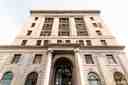
To spot the Pacific Northwest College of Art, just look for a grand, cream-colored building with tall columns and arched windows-you can’t miss the big “PNCA” letters on the upper right side! Alright, get your imagination ready: you’re standing at the threshold of creativity itself! Right in front of you is the Pacific Northwest College of Art, and if buildings could talk, I bet this one would have a lot to say-probably in a very artsy accent. The roots of this college go all the way back to 1909, when Portland was all about timber, streetcars, and, apparently, a budding need for great artists. Imagine old-timey Portland: the click-clack of horses, smoky factories, and up in the Portland Art Museum, a little art school taking its first brushstrokes under the careful eye of Anna Belle Crocker. Her mission, supported by the first hired teacher Kate Cameron Simmons, was to help creative minds unleash their talents-minus the paint stains on the furniture at home. The school started as the Museum Art School, tucked above the museum’s galleries. Imagine students lugging portfolios up creaky wooden stairs, excited to see what masterpieces they could create-sometimes dodging the museum’s own visitors who probably wondered if all those paint-splattered folks were part of the exhibition! Then, in 1932, architect Pietro Belluschi designed a new home for the museum, and the Art School moved there too, high above the treasures below. By 1981, the school decided it was time to step out of the museum’s shadow. New name: Pacific Northwest College of Art. Independence: unlocked! But just like any artist who wants their own studio, the college carved out a path to full freedom. In 1994, the legal split from the museum was complete. If those walls could talk, you’d hear them breathe a sigh of relief and maybe complain a bit about all the glitter. Throughout years of growth and big dreams-like that time they moved to the Pearl District in the late 1990s, or when Thomas Manley arrived as president with plans for expansion-the college was always reaching for something more. One day, the universe (or rather, Hallie Ford) handed them a fantastic $15 million donation, which probably had the administrators doing the studio shuffle dance. That boost helped them move again, and in 2008, the college landed this incredible historic spot: the old 511 Federal Building. Now, this building is no ordinary campus hall. It first started as a post office and was later listed on the National Register of Historic Places-so you know its stories have a few stamp marks and postmaster secrets! But in 2014, after a massive $30 million renovation, the space reopened as the stunning Arlene and Harold Schnitzer Center for Art and Design that you’re seeing now. Picture crews hammering, sawing, and painting, transforming a former post office where letters and packages once slid across marble counters into a buzzing hive of creativity. Students and teachers wandered in for opening day in February 2015, filling sunlit studios and galleries with ideas and excitement. Of course, no art school is complete without its quirky student housing! In 2013, PNCA opened ArtHouse-a modern, six-story building where the city’s creative rebels live, draw, play music a little too loud, and occasionally try painting the washers in the laundry room. Inside PNCA, future artists, writers, designers, and makers can major in anything from animation to sculpture. The college buzzes with energy. Notable faculty like Monica Drake, who helped launch Native Voices Speaker Series, or Kristan Kennedy, an award-winning artist, inspire students every day. These aren’t just teachers, but working artists whose exhibitions sometimes hop from local galleries all the way to international shows-you never know when you’ll spot them at your favorite food truck, sketchbook in hand, looking for the next big idea. Today, after over a century and a new partnership as a college within Willamette University, PNCA is Portland’s art engine. With cool exhibition spaces like the CCAC, 511 Gallery, and Dorothy Lemelson Innovation Studio, there’s always a new work of art to discover or a creative mind to meet. And even as the college graduates hundreds and serves thousands in its community courses, there’s one thing every PNCA student or visitor can say: the spirit of adventure, invention, and a healthy dose of paint fumes, is forever part of PNCA’s legacy. Now, take a deep breath-can you smell the creativity? Or is that just oil paint? Either way, you’re standing in front of a masterpiece with a past as colorful as its present.
전용 페이지 열기 →To spot the Harlow Block, just look for a big, boxy red-brick building with tall arched windows and a faded blue storefront stretching right along the corner. Now, let me take…더 보기간략히 보기
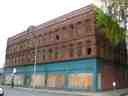
To spot the Harlow Block, just look for a big, boxy red-brick building with tall arched windows and a faded blue storefront stretching right along the corner. Now, let me take you back to 1882-imagine the sound of horse hooves clopping on cobblestone streets and excited chatter as Portland was bustling with dreams of the future. This building, known as both the Harlow Block and the Hayhurst Building, was Portland’s answer to “how fancy can you make a brick?” All those tall arched windows you see were the newest thing back then, letting sunlight pour onto busy shopkeepers and dusty merchants inside. Just think: wooden crates of goods creaked open, and the sharp scent of sawdust mixed with the wafting aromas of fresh bread and leather boots. Folks might have swapped stories just outside this spot, leaning up against the sturdy brick-sometimes just to sneak a peek at the latest gossip. Legend has it, even the local cats thought this corner was prime real estate-always chasing after rats or sneaking into cellars they really shouldn’t! Today, the Harlow Block stands quietly, holding secrets of wild business booms and maybe a few leftover echoes of laughter. So next time you pass, give a nod to this old timer, still standing strong after more than 140 years-Portland wouldn’t be quite the same without it!
전용 페이지 열기 →Look for a big, bold red-brick building on the corner with grand arched windows and green trim, peeking out from behind the leafy trees-it's hard to miss when you’re right near…더 보기간략히 보기
Look for a big, bold red-brick building on the corner with grand arched windows and green trim, peeking out from behind the leafy trees-it's hard to miss when you’re right near the traffic lights! Alright, time to step into a crumbly, crunchy slice of Portland’s history! Imagine it’s the late 1800s. There’s a brand-new aroma wafting through these streets-fresh baked crackers! This very building standing before you, built around 1897, was Portland’s crunchy headquarters, the Oregon Cracker Company. Factory workers in aprons busily rushed about, turning out snacks that ended up in every corner store, probably making everyone wish lunchtime would hurry up. Now, while the outside is dressed up in impressive Romanesque Revival style-those big arches and brickwork, quite fashionable back then-the coolest thing was happening inside. The builders used cutting-edge tricks: steel supports and open floor plans, the kind of stuff we take for granted these days but which were practically magic back then-like the smartphone of cracker factories! Who knows, maybe some mischievous baker dropped an extra dash of pepper into a batch, and somewhere out there, a Portlander was surprised by a spicy bite. In 1979, this snacking stronghold was added to the National Register of Historic Places, so no matter what goodies it holds now, it’s officially a Portland legend. Hungry for more stories? Let’s keep exploring!
전용 페이지 열기 →Take a look straight ahead for a sturdy, brick corner building with big block letters from an old sign still peeking above the doors-oh, and you can’t miss the big trees hugging…더 보기간략히 보기
Take a look straight ahead for a sturdy, brick corner building with big block letters from an old sign still peeking above the doors-oh, and you can’t miss the big trees hugging its edges. Now, picture this block over a hundred years ago, in 1912: a time when horses sometimes shared the road with Model T Fords, and the smell of sawdust mixed with the sharp scent of metal floated out from this building’s massive doors. The Honeyman Hardware Company kept this place buzzing. If you were a builder in Portland, this was hardware heaven-bolts, screws, pipes, and more stacked to the ceiling, the echoes of boots and laughter bouncing off these brick walls. Maybe you can still hear it in your imagination-a deliveryman huffing and puffing, hauling crates while someone else shouts, “Mind the paint!” This wasn’t just a store, it was the city’s toolbox, a place where dreams were built one hammer or hinge at a time. In 1989, this trusty warehouse earned a spot on the National Register of Historic Places, like a badge for helping Portland grow up. So, as you stand by these bricks, maybe you’ll sense a little leftover energy from all those years of invention, sweat, and-let’s be honest-occasional misplaced screws. Don't worry, I promise not to ask you to organize the nails!
전용 페이지 열기 →Look ahead and you’ll spot two nearly identical, two-story brick buildings facing each other across NW 11th Avenue, just north of Hoyt Street-those sturdy red-brick giants are the…더 보기간략히 보기
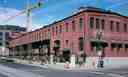
Look ahead and you’ll spot two nearly identical, two-story brick buildings facing each other across NW 11th Avenue, just north of Hoyt Street-those sturdy red-brick giants are the North Bank Depot Buildings, unmistakable with their rows of tall arched windows and distinctive historic charm. Now, take a moment to imagine yourself standing here in this very spot-but instead of the hum of cars and distant coffee shops, you’d be hit with the thunder of locomotives, the sharp whistle of trains, the heavy clang of freight being lifted, and the chatter of suitcase-carrying travelers excited to journey across the Pacific Northwest. These twin brick buildings sprang to life in 1908 as the proud new “freight houses” of the Spokane, Portland and Seattle Railway-known to locals as the North Bank Road. Back then, this was no sleepy street; it was the pulsing terminal for goods and people bound for Seattle, Spokane, the Columbia Gorge, and even as far as Chicago. The east building, right in front of you, not only handled goods but buzzed as the North Bank Station, welcoming passengers on their way to new adventures. Picture workers hustling about, wheelbarrows full of packages, conductors calling out destinations-sometimes even doing their best impersonation of a steam train. That’s how the phrase “All aboard!” really got its energy! And believe it or not, these warehouses played a tricky game of musical chairs with Portland’s grand Union Station. The original plan was for SP&S passenger trains to end their journey at Union Station, but due to some classic railroad drama (too many cooks in the train-yard kitchen, you might say), that didn’t quite work out. So, with just weeks before trains were ready to roll, the good folks at SP&S said: “Why not just use our own shiny new freight house as a passenger terminal?”-and so they did, probably saving themselves a lot of paperwork and more than a few headaches. It wasn’t just SP&S trains that fired up these tracks. The Oregon Electric Railway joined the party in 1912, sending out interurban electric trains from here to towns like Hillsboro, Forest Grove, and even as far as Eugene. Just imagine sleek, whirring electric trains gliding from this spot, passengers peering out wide windows at the growing city as they zipped through neighborhoods and farmland. For a while, this was Portland’s gateway to everywhere, with journeys that ranged from the bustle of Seattle to the lush valleys of Oregon, to glamorous train connections reaching all the way to Chicago. But, as the roaring twenties wound down and the world rolled into hard times and new technologies, the magic here faded. By 1931, the Oregon Electric pulled its last passenger service from this station, and by 1933 Portlanders were jumping on trains somewhere else. Meanwhile, SP&S started offering more of its long-distance rides from Union Station, but these brick halls and arched doorways managed to stay busy with a steady flow of freight-boxes upon boxes, day after day-up until the 1980s. If these buildings could talk, I’m sure they’d have plenty of travel stories (and maybe a complaint or two about all the heavy lifting). As the decades passed, the world of freight shifted, locomotives got sleeker, and eventually the railroad yards here quieted down. By the late 1980s, these old buildings sat quiet and watchful as the Pearl District-a place once given over to the clang of industry and the scent of fresh lumber-began to dream of something entirely new: coffee shops, condos, leafy parks, and sunny patios. The city embraced a bold plan, rezoning the old railway lands for a future that would feel less like thunder and steam, and more like home. Not everything was simple, though. Years of railroading left the land a little battered and bruised, and it took serious dedication to clean up the soil and prepare these buildings for a second life. In 1996, a proud moment: these historic twins were listed on the National Register of Historic Places, forever recognized as keepers of Portland’s railroad legacy. Then, in a twist almost as exciting as any train chase, the North Bank Depot Buildings were lovingly transformed into unique, vibrant living spaces in the late 1990s. So, as you stand here now-surrounded by leafy trees, art galleries, bustling streets, and perhaps the distant rattle of a streetcar-know that you’re sharing a sidewalk with more than a century of stories. These grand brick buildings have welcomed travelers, moved mountains of freight, survived boom and bust, and now watch over the ever-changing face of Portland’s Pearl District. That’s some serious staying power-right down to the last brick!
전용 페이지 열기 →


자주 묻는 질문
투어는 어떻게 시작하나요?
구매 후 AudaTours 앱을 다운로드하고 교환 코드를 입력하세요. 투어를 바로 시작할 수 있습니다 - 재생을 탭하고 GPS 안내 경로를 따라가시면 됩니다.
투어 중 인터넷이 필요한가요?
아닙니다! 시작 전에 투어를 다운로드하면 완전히 오프라인으로 즐길 수 있습니다. 채팅 기능만 인터넷이 필요합니다. 모바일 데이터 절약을 위해 WiFi에서 다운로드하시는 것을 권장합니다.
이것은 가이드가 안내하는 단체 투어인가요?
아닙니다 - 이것은 셀프 가이드 오디오 투어입니다. 폰을 통해 오디오 나레이션을 들으며 나만의 속도로 독립적으로 탐험합니다. 투어 가이드도, 단체도, 일정도 없습니다.
투어는 얼마나 걸리나요?
대부분의 투어는 60-90분이 소요되지만, 속도는 전적으로 본인이 조절합니다. 원할 때 언제든지 일시정지하거나, 정류장을 건너뛰거나, 휴식을 취하세요.
오늘 투어를 끝낼 수 없으면 어떻게 하나요?
괜찮습니다! 투어는 평생 이용이 가능합니다. 원할 때 언제든지 일시정지하고 다시 시작하세요 - 내일, 다음 주, 또는 내년에도. 진행 상황이 저장됩니다.
어떤 언어를 이용할 수 있나요?
모든 투어는 50개 이상의 언어로 이용 가능합니다. 코드를 교환할 때 원하는 언어를 선택하세요. 참고: 투어 생성 후에는 언어를 변경할 수 없습니다.
구매 후 투어는 어디에서 이용하나요?
App Store 또는 Google Play에서 무료 AudaTours 앱을 다운로드하세요. 교환 코드(이메일로 전송됨)를 입력하면 라이브러리에 투어가 나타나며, 다운로드하여 시작할 수 있습니다.
투어가 마음에 들지 않으시면 환불해 드립니다. 문의: [email protected]
안전한 결제 


