
뉴욕시 오디오 투어: FiDi의 탑, 추모, 그리고 승리
강철 거인들이 드리운 긴 그림자 아래, 부가 솟아오르고 빛나는 유리 아래에는 역사의 슬픔이 울려 퍼집니다. 뉴욕 금융 지구의 이곳에서는 발걸음마다 비밀이 숨어 있고, 모퉁이마다 표면을 깨고 나올 이야기가 숨어 있습니다. 이 셀프 가이드 오디오 투어는 관광객의 발길이 닿지 않는 곳으로 안내하여 리버티 타워에 얽힌 전설, 국립 9월 11일 기념관의 가슴 아픈 추모, 그리고 야망과 혼돈이 뒤섞였던 간과된 골목길을 발견하게 합니다. 새로운 관점이 드러나면서 도시의 중추와 상처를 경험하세요. 바로 이곳에서 역사가 영원히 바뀌기 직전, 누가 암호 같은 경고를 보냈을까요? 그 쌍둥이 빌딩의 발자국 아래에는 어떤 잃어버린 유물이 아직도 숨어 있을까요? 그리고 월스트리트는 왜 단 한 번의 예상치 못한 공격으로 거의 무너질 뻔했을까요? 회복력과 재창조의 길을 따라가고, 유리와 슬픔의 협곡을 지나며, 도시의 생생한 맥박을 발견하세요. 맨해튼의 숨겨진 이야기를 파헤칠 준비가 되셨나요? 지금 시작하세요.
투어 미리보기
이 투어에 대하여
- schedule소요 시간 30–50 mins나만의 속도로 이동
- straighten0.5 km 도보 경로안내 경로 따라가기
- location_on
- wifi_off오프라인 작동한 번 다운로드, 어디서든 사용
- all_inclusive평생 이용언제든지 다시 재생 가능
- location_on리버티 타워에서 시작
이 투어의 정류장
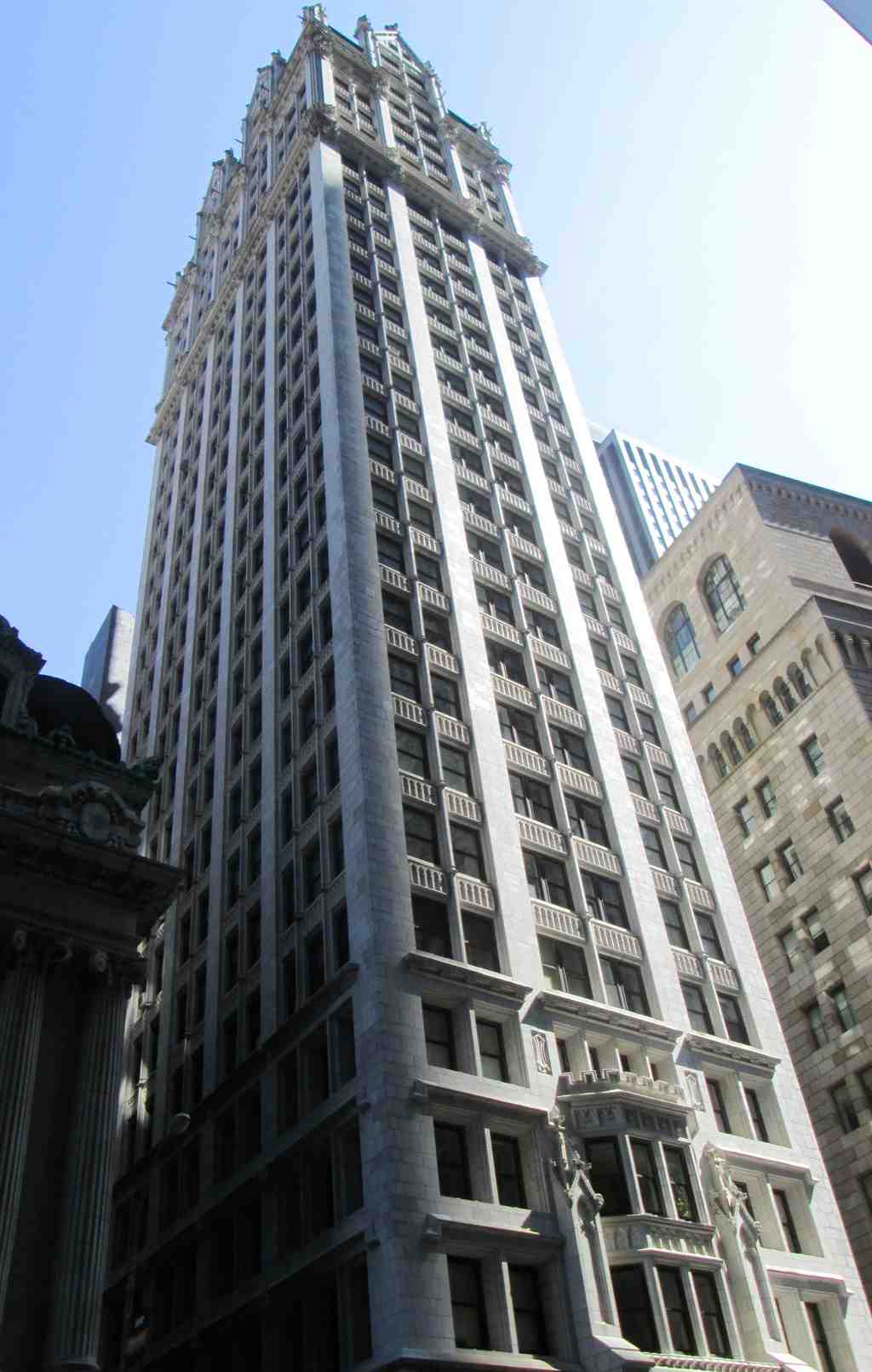
Look to your left as you walk along Liberty Street, and you’ll spot a tall, narrow building clad in gleaming white stone and crowned with turret-like details and pointed arches…더 보기간략히 보기
Look to your left as you walk along Liberty Street, and you’ll spot a tall, narrow building clad in gleaming white stone and crowned with turret-like details and pointed arches standing sharply at the corner-a striking Gothic tower soaring between its neighbors. Here you are, right beneath Liberty Tower, a soaring exclamation point pressed into the twisting canyon of lower Manhattan. Imagine it’s the spring of 1910: New York is in the midst of its skyscraper race, shoving steel, ambition, and raw optimism further into the sky every year. Where you now stand, workmen are clearing away the remnants of the old Bryant Building-once home to the editor William Cullen Bryant and his newspaper, The New York Evening Post. Trucks clatter past on uneven cobbles, and from time to time, you catch the sharp clang of steel on stone as deep, risky caissons are lowered-94 feet down to bedrock-to support what will soon be the narrowest, tallest tower in the city. There’s a sense of giddy improbability about the place, because no one expects this tiny footprint to give rise to something so slender and extravagant. Henry Ives Cobb, an architect with a taste for drama and inspired by Gothic cathedrals and the new steel skeletons of Chicago, has made sure this building is no wallflower among its blocky neighbors. Run your eyes up the facade set with dazzling white terracotta-every nook bristling with fanciful creatures, birds, alligators, even a few watchful gargoyles glaring down the street as if daring any rival to question their perch. Even after a century, these details haven’t dulled; they catch the sunlight and seem to shimmer, more fairytale than finance. Liberty Tower’s base is grand but solid, holding tight to the earth, but as your gaze creeps higher, it grows lighter, sprouting rails and fluted details, climbing for 33 stories to a delicate copper roof. When the doors first swung open in 1910, not every office was finished-some floors were little more than echoing, raw spaces. Yet, soon enough the rooms filled with life and purpose. If you had stepped inside back then, you might have glimpsed a young Franklin Delano Roosevelt, future president, poring over legal briefs in his office on the second floor, completely unaware of the presidency awaiting him. One floor above him, perhaps, rival businessmen plotted strategies, while deep down, the foundations-a marvel themselves-kept the whole structure tethered to Manhattan bedrock, even as the city seethed with ambition above. You’d be forgiven for picturing more intrigue-because there was plenty. In the tense days leading up to America's entry into World War I, German spies worked from offices inside Liberty Tower, spinning plots and intercepted telegrams that reached all the way to the highest levels of government. One notorious episode involved the Zimmermann Telegram, which, when exposed, helped tip the country into war. Imagine the whispered conversations, the shuffles of paper-history tumbling out from behind nearly every office door. For a time, Sinclair Oil took over, and deals brokered here would ripple all the way to Washington, feeding the Great Teapot Dome scandal that would tear through the 1920s. Later, as newer corporate palaces rose uptown, even the mighty Sinclair Oil moved on, and Liberty Tower changed hands again and again-its rent rolls swelling and shrinking with the fortunes of Wall Street. By the 1970s, the future of the building seemed as narrow as its shape-nearly two-thirds empty, unwanted. But then, in a daring move scarcely anyone believed would work, architect Joseph Pell Lombardi bought the building and began turning it into residential apartments, a bold first in this part of Manhattan. The city below was quiet, but in Liberty Tower, new life took root-each apartment unique, each window framing the changing city below. The story doesn’t stop there. The building has survived both scandal and disaster. When the World Trade Center fell in 2001, Liberty Tower took a heavy blow-its delicate terracotta cracked, its inner steel rusted by water from shattered mains. But, as always, it was stubborn. Residents and experts came together and poured millions of dollars into repair, restoring not just a building but a piece of New York’s shrugging resilience. And above it all, those whimsical gargoyles, alligators, and birds still perch, their gazes fixed on the city’s next chapter. So as you gaze up now, let yourself imagine the swirl of lives, secrets, and fortunes that this elegant, improbable pencil of a tower has seen-rising above the Financial District, narrow, bright, and indelibly unique. Intrigued by the site, architecture or the critical reception? Make your way to the chat section and I'll be happy to provide further details.
전용 페이지 열기 →
자주 묻는 질문
투어는 어떻게 시작하나요?
구매 후 AudaTours 앱을 다운로드하고 교환 코드를 입력하세요. 투어를 바로 시작할 수 있습니다 - 재생을 탭하고 GPS 안내 경로를 따라가시면 됩니다.
투어 중 인터넷이 필요한가요?
아닙니다! 시작 전에 투어를 다운로드하면 완전히 오프라인으로 즐길 수 있습니다. 채팅 기능만 인터넷이 필요합니다. 모바일 데이터 절약을 위해 WiFi에서 다운로드하시는 것을 권장합니다.
이것은 가이드가 안내하는 단체 투어인가요?
아닙니다 - 이것은 셀프 가이드 오디오 투어입니다. 폰을 통해 오디오 나레이션을 들으며 나만의 속도로 독립적으로 탐험합니다. 투어 가이드도, 단체도, 일정도 없습니다.
투어는 얼마나 걸리나요?
대부분의 투어는 60-90분이 소요되지만, 속도는 전적으로 본인이 조절합니다. 원할 때 언제든지 일시정지하거나, 정류장을 건너뛰거나, 휴식을 취하세요.
오늘 투어를 끝낼 수 없으면 어떻게 하나요?
괜찮습니다! 투어는 평생 이용이 가능합니다. 원할 때 언제든지 일시정지하고 다시 시작하세요 - 내일, 다음 주, 또는 내년에도. 진행 상황이 저장됩니다.
어떤 언어를 이용할 수 있나요?
모든 투어는 50개 이상의 언어로 이용 가능합니다. 코드를 교환할 때 원하는 언어를 선택하세요. 참고: 투어 생성 후에는 언어를 변경할 수 없습니다.
구매 후 투어는 어디에서 이용하나요?
App Store 또는 Google Play에서 무료 AudaTours 앱을 다운로드하세요. 교환 코드(이메일로 전송됨)를 입력하면 라이브러리에 투어가 나타나며, 다운로드하여 시작할 수 있습니다.
투어가 마음에 들지 않으시면 환불해 드립니다. 문의: [email protected]
안전한 결제 


