애틀랜타 오디오 투어: 미드타운의 경이로움, 예술, 그리고 상징들이 공개되다
한때 애틀랜타의 가장 명망 높은 갤러리에서 피카소 작품이 사라졌고, 증기 기관차는 숨겨진 밀주 판매점을 굉음을 내며 지나갔습니다. 이 오디오 투어는 미드타운의 심장부를 직접 탐험하며, 현지인들이 깊이 묻어둔 숨겨진 이야기들을 풀어낼 수 있도록 해줍니다. 하이 미술관의 대리석 홀에서부터 퍼스트 프레스비테리안 교회의 신성한 성소까지 거닐고, 도시의 녹지 공간 사이를 오가며 비밀들이 당신의 귀에 생생하게 살아납니다. 어떤 정치적 시위가 피드몬트 공원의 고목들 사이로 속삭임을 울려 퍼지게 했을까요? 애틀랜타 엘리트들을 뒤흔든 스캔들 동안 누가 교회 돌 안에 암호화된 메시지를 남겼을까요? 왜 예술가들은 한밤중에 박물관 뒷문으로 금지된 그림들을 몰래 들여왔을까요? 승리와 혼란을 거쳐 거리마다 이동하고, 반역자들의 발자취와 은밀한 만남을 지나며, 모든 벽화와 기념비에서 드라마를 발견하세요. 역사가 표면 아래에서 맥동하며 미드타운이 변화하는 모습을 보세요. 재생 버튼을 누르고 도시의 숨겨진 드라마 속으로 들어가세요. 예술, 반란, 그리고 음모가 모든 곳에서 당신을 기다립니다.
투어 미리보기
이 투어에 대하여
- schedule소요 시간 40–60 mins나만의 속도로 이동
- straighten3.7 km 도보 경로안내 경로 따라가기
- location_on
- wifi_off오프라인 작동한 번 다운로드, 어디서든 사용
- all_inclusive평생 이용언제든지 다시 재생 가능
- location_on아트 센터 역에서 시작
이 투어의 정류장
To spot the Arts Center station, look for a modest, low concrete building shielded by rows of leafy trees, a big MARTA sign by the sidewalk, and bus stops right out front along a…더 보기간략히 보기
To spot the Arts Center station, look for a modest, low concrete building shielded by rows of leafy trees, a big MARTA sign by the sidewalk, and bus stops right out front along a bustling street. Here you are, right on the doorstep of Atlanta’s gateway to the arts! Take a look around and you’ll see the subtle entrance to the Arts Center station, slightly hidden among the trees and concrete with MARTA signs standing guard. Don’t be fooled by its calm exterior-beneath your feet, the station bursts with activity. It’s not just any stop on the map; this is where two of MARTA’s major lifelines, the Red and Gold lines, cruise through the city side by side. They say around 6,600 people buzz in and out of here every weekday-so if you see a crowd, you’re in good company! Now, picture the year 1982, when hair was big and music was bigger. That’s when the Arts Center station opened its doors. Back then, it was the end of the line, the Northern King for both the Gold and Red tracks. Riders would ride all the way north until the tunnel ended here and, let’s be honest, probably do jazz hands in front of the Woodruff Arts Center across the street. But, you know how Atlanta likes to grow-so by 1984, the train lines stretched even further north, taking over new neighborhoods and leaving this spot as a busy crossroads instead of a final stop. And get this-there’s a ghost of a dream running just north of you: a track stub, waiting for a subway line to Cobb County that never arrived. The plan derailed when Cobb decided they didn’t want to pay an extra 1% in sales tax. The branch got as far as a two-station spur and then was pulled up in favor of stretching the Red Line way beyond Buckhead. Sometimes even train tracks get rerouted in life! Here at Arts Center, you’re at the heart of Midtown, shoulders brushing with the city’s best: the High Museum, the Museum of Design Atlanta, the Woodruff Arts Center, and Piedmont Park are all steps away. If you’re feeling adventurous, hop on one of the many buses, or even a Zipcar for those on-the-fly adventures. Oh, and don’t forget-the famous Amtrak Peachtree station is just a mile north, with MARTA’s Route 110 sweeping you straight there. So whether you’re off to see a Tchaikovsky concert, hunting for design inspiration, or just want to people-watch in style, the Arts Center station is your springboard. Just keep an eye out for that Zipcar-rumor has it, it’s the most well-traveled car in Atlanta!
전용 페이지 열기 →Fast forward to 2016, when the gears started turning again. MetLife hired JLL as the development master minds-sounding a bit like superheroes, right? Suddenly, renderings were…더 보기간략히 보기
Fast forward to 2016, when the gears started turning again. MetLife hired JLL as the development master minds-sounding a bit like superheroes, right? Suddenly, renderings were making the rounds in 2018. Arquitectonica, famous for their bold city designs, joined forces with Atlanta’s own Cooper Carry. That's a real architectural tag team-kind of like Batman and Robin, but with blueprints instead of batarangs. By 2019, Invesco, a financial giant, announced they’d be calling this place home, staking their claim in half the office space. Not long after, that old office building finally faced its fate with the dramatic flair of a movie set explosion-cue the dust clouds and construction hats. A groundbreaking ceremony in December 2019 made it official: a new Midtown vision was underway. Now, what you see is a striking collection of glass and steel-26 stories of office innovation, an 18-story residential tower with 355 apartments, and a chic 12-story hotel, all brushed up with 30,000 square feet of retail space. The towers finally rose in 2022, delivering fresh energy to Midtown. From long-shot dreams to sudden demolition, the streets here have traded their office ghosts for a living, shimmering city within the city. That’s quite a transformation-Midtown Union proves waiting patiently can pay off, especially if you build tall enough!
전용 페이지 열기 →You’re looking for a massive brown stone building with a tall, square bell tower on your right, just across from the High Museum-look for the big wooden doors and the sign…더 보기간략히 보기
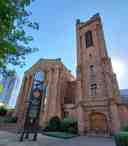
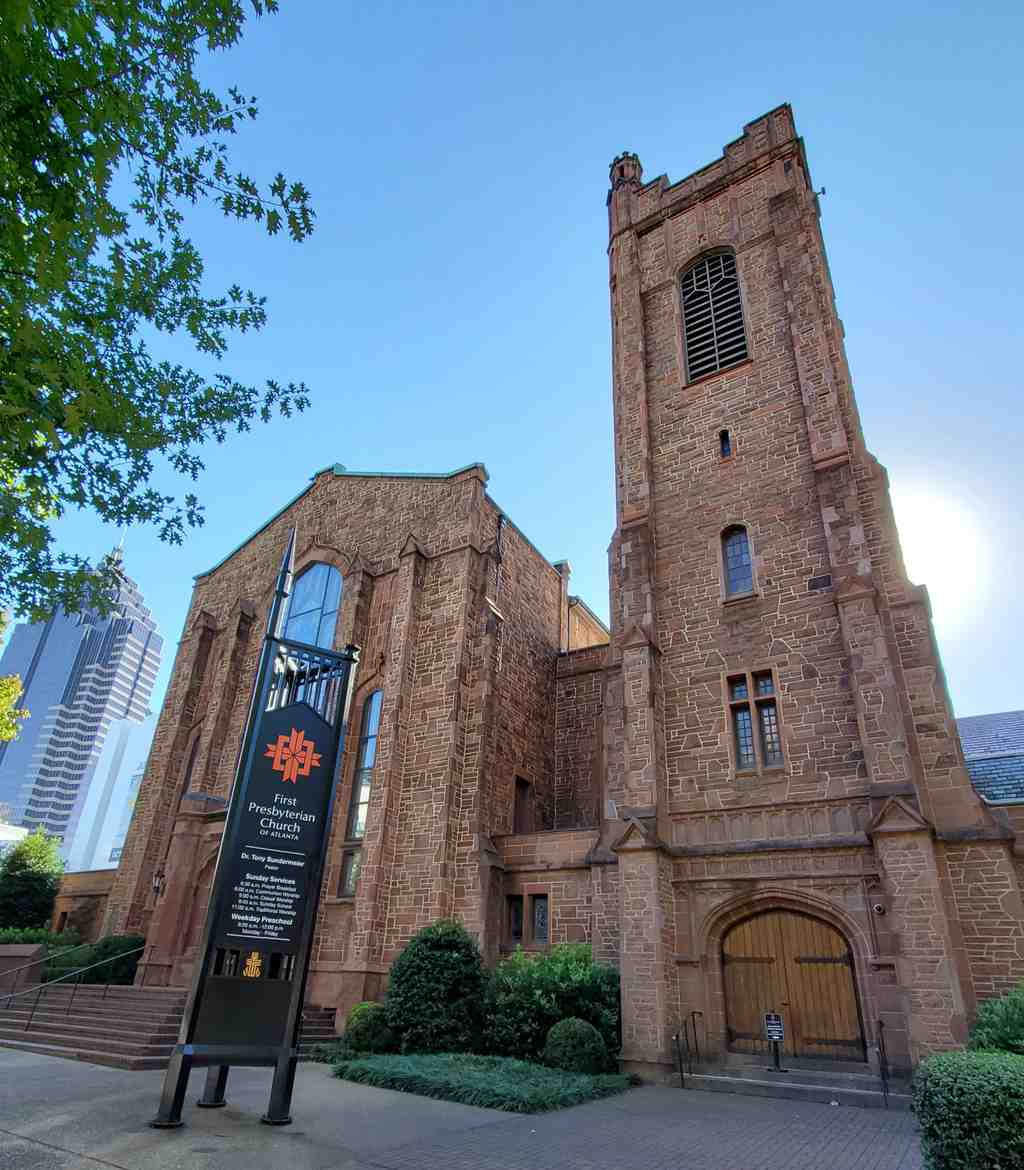
You’re looking for a massive brown stone building with a tall, square bell tower on your right, just across from the High Museum-look for the big wooden doors and the sign announcing First Presbyterian Church of Atlanta standing proudly near the sidewalk. Now, as you stand before this striking stone landmark, imagine a chilly January day back in 1848. Atlanta was barely more than a railway outpost, and yet, nineteen determined Presbyterians squeezed together in a log building known as the male academy, stubbornly planting the seeds of the city’s very first Presbyterian church. Picture those early worshippers in scratchy coats, heating up the room with hope and a little elbow grease! Fast-forward a few years to 1854, when this humble congregation finally gained its official name-the First Presbyterian Church of Atlanta. Back then, this was the only Presbyterian church in the whole city. Talk about a monopoly! Their original church stood on Marietta Street, but by 1916, Atlanta was booming faster than you can spell “Presbyterian." The government wanted their land for a shiny new Federal Reserve Bank, so the church sold up and packed their hymnbooks, heading here to Peachtree Street. The current building, finished in 1919, was designed by the architect Walter T. Downing. Just look at all that impressive stonework! And, if you spot sunlight streaming through those tall windows, thank the famous Tiffany Studios-some windows were crafted by them, filling the sanctuary with color and wonder. Now, imagine walking past here on a crisp Sunday morning in the 1930s. The streets are quiet, but the sound of choirs and sermons floats out of the church, blasted through Atlanta's WSB radio station. Folks who couldn’t make it to church could still hear every blessed word-except, that is, for one dramatic day. On September 3, 1939, the UK declared war on Germany and radio programming everywhere dropped everything for breaking news. Even prayers had to wait for world history. Through every chapter, this church has stood for more than just walls and pews-it's been a place for Atlanta’s spiritual journey, community, and even a little social progress. For years, the church was a white-only congregation, but in 1973, the first Black member joined since the days of slavery, a small yet powerful sign of changing times. That legacy of inclusion and transformation is part of the church’s heartbeat today, embracing diversity, radical hospitality, and what they call “missional living”-making kindness and justice part of daily life, not just Sunday routines. And here’s a little secret for music lovers: this church is home to a pipe organ that’s practically a skyscraper for sound. The mighty organ started with just 48 stops in 1919, but after being rebuilt and expanded so many times, it now boasts 112 ranks and a cool 6,397 pipes! It can sound like anything from thunder to gentle chimes. In fact, it’s so advanced, you could almost expect it to send your grocery list to the heavens-if only organs had WiFi. Today, under the leadership of Dr. Tony Sundermeier, First Presbyterian’s thousands of members keep shaping Atlanta’s story
전용 페이지 열기 →
11개 정류장 더 보기정류장 적게 보기expand_moreexpand_less
To spot the Museum of Design Atlanta, look for a bright red sign with the bold white letters "MODA" right on the ground level across from the High Museum-if you see those big,…더 보기간략히 보기
To spot the Museum of Design Atlanta, look for a bright red sign with the bold white letters "MODA" right on the ground level across from the High Museum-if you see those big, clean letters against a splash of vibrant red, you’ve arrived! Alright, design detective, get ready for a splash of inspiration with a dash of history! Imagine you’re standing right at the corner of Peachtree and 16th Streets, and there’s this boxy, modern, glass-fronted gallery welcoming you in-a place where creativity simply bounces off the walls. But it wasn’t always this cool hub of design. Back when the Berlin Wall came tumbling down and people were dancing around with slap bracelets, this very museum first opened as the Atlanta International Museum of Art & Design. Can you picture downtown Atlanta in 1989? That’s where this creative journey began-not here, but deep in the Peachtree Center district. The city was pulsing with energy, and the museum started its adventure with a grand mix of art and design from around the world. Jump forward to 2003: with a little help from local grants, MODA had a glow up-shedding her old name, donning a designer jacket, and focusing on… well, design! They started putting on some pretty wild exhibits-think Bauhaus superstar Marcel Breuer’s sleek furniture, mind-bending Japanese architecture, and even the fierce evolution of the ladies handbag. Now, let’s talk about THIS building. You’re standing at the ground level of what used to be a plain old parking garage-but some creative minds (thank you, Perkins+Will!) turned it into a museum dripping with style and sustainability. Imagine the echoing footsteps on concrete floors, the white industrial space stretching out above you, and two main galleries just waiting for the next wave of imagination to roll through. Above you, designers dream in their offices and the Peachtree Library quietly hums with readers-all while MODA buzzes downstairs, covering 9,000 square feet of creative space in a LEED Platinum-certified building. That’s right-we’re talking eco-friendly AND stylish, the full package. Inside, it’s definitely not your grandma’s museum! MODA’s exhibitions are like a whirlwind tour through design history and innovation-from Italian motorcycles (yes, you could smell the motor oil in the air if you tried hard enough), to the radical twists of bathroom design, and even chairs so wild you might be afraid to sit down! Then there was skateboarding art-walls lined with decks splattered in every style you can imagine. Whether you’re an artist, a skateboarder, or a future chair connoisseur, there’s a story here just waiting for you. But MODA isn’t just about what you see-it’s about how design shapes everything around you. From posters that raised awareness about AIDS to exhibitions that paired up local designers in wild competitions, every detail in this museum is a challenge to think differently and boldly. So take a breath, step inside, and let your eyes feast on all the clever creations-because at MODA, even a chair or a skateboard deck can make you see the world in a new way. And hey, don’t be shy-let your imagination run wild! Eager to learn more about the overview, exhibitions or the exhibition space? Simply drop your inquiries in the chat section and I'll provide the details you need.
전용 페이지 열기 →To spot the High Museum of Art, just look ahead for a vast, bright white building with lots of curved and straight lines, big glass windows, and a modern, almost futuristic…더 보기간략히 보기
To spot the High Museum of Art, just look ahead for a vast, bright white building with lots of curved and straight lines, big glass windows, and a modern, almost futuristic feel-set atop a wide green lawn right along Peachtree Street. Welcome to the High Museum of Art, a true modern palace for creativity in Atlanta’s arts district! If this glistening white and glass marvel looks like a piece of art itself, that’s no accident-the original wing was designed by star architect Richard Meier and launched him to Pritzker Prize fame. In 2005, Renzo Piano expanded the museum, and those silvery aluminum panels and light-catching roof scoops you see? They’re his signature touch, making the inside glow like a painter’s studio. This museum began back in 1905, and its name comes from the High family, who once donated their very own home for the city’s growing art collection-imagine growing up with priceless paintings hanging over your breakfast table! Over a century, the High has grown into the largest art museum in the Southeast, with more than 18,000 works covering American, African, European, folk, modern, and even self-taught art. It’s known for championing everything from rare African textiles to bold contemporary pieces and Southern self-taught artists-making it a place where you might see a Monet just steps away from a wild folk masterpiece. But here’s a story with real heart-an event that changed Atlanta forever. In 1962, 106 of Atlanta’s arts patrons tragically died in a plane crash near Paris while traveling on a museum trip. The city reeled, but in an extraordinary gesture of friendship and healing, the Louvre sent its own beloved Whistler’s Mother masterpiece to Atlanta. The French government also gifted the museum with Rodin’s sculpture The Shade, which still stands in solemn memory of those lost. As a result, the grand arts center that now houses the High was built as a memorial, linking Atlanta’s art to the world in solidarity and hope. The museum’s growth has been full of drama-new wings, blockbuster Olympics exhibits (once themed around the five Olympic emotions-love, joy, awe, anguish, and triumph-try fitting all that on a postcard!), huge expansions funded by local visionaries, and art deals linking Atlanta with the Louvre, Florence, and cutting-edge studios. In 2025, the High made waves as the very first U.S. museum to present a big show for South Korean painter Kim Chong Hak. That’s one small brushstroke for Atlanta, one giant leap for international art! Inside, every collection has its own story. You’ll find priceless African masks, American paintings from the earliest days to the whirlwind of modern times, Renaissance and Impressionist gems from Bellini to Monet, and artists as varied as Edmonia Lewis, Rodin, Mary Cassatt, and Henri Matisse. It’s not all ancient relics, either-photography at the High is legendary, with the biggest civil rights era collection in the South, plus rotating commissions from contemporary photographers inspired by Atlanta’s ever-changing story. And it’s not just about looking at art-kids run through creative play spaces, festival music spills out onto the lawns, and sometimes, with a bit of luck, you’ll spot a Hollywood crew as the High transforms into movie sets like Marvel’s Black Panther or The Falcon and the Winter Soldier. So there you have it: a museum that isn’t just about displaying masterpieces-it’s about surviving loss, building community connections, and continuously inviting all of Atlanta (and visitors like you!) to dream boldly under the soft northern light. And who knows? With over half a million visitors a year, maybe you’ll be the inspiration for the next great masterpiece. Seeking more information about the architecture, collection or the gallery? Ask away in the chat section and I'll fill you in.
전용 페이지 열기 →You’re standing at the doorstep of the incredible Alliance Theatre, where Midtown’s air seems to shimmer with stardust and stage lights-if you listen close, you might even hear…더 보기간략히 보기
You’re standing at the doorstep of the incredible Alliance Theatre, where Midtown’s air seems to shimmer with stardust and stage lights-if you listen close, you might even hear the ghosts of applause. Back in 1968, Atlanta’s theater scene came alive here with the very first production, King Arthur. And no, sadly, there wasn’t a real round table, but the energy was pretty legendary. Just a year later, Alliance Theatre Company was born and soon enough, word got out: this was the place in Atlanta to catch the stars before they hit it big. Imagine, within a decade, the likes of Richard Dreyfuss, Morgan Freeman, Jane Alexander, and Cybill Shepherd gracing these very boards-more star power than a superhero convention! Tennessee Williams himself premiered Tiger Tail right inside. And, if you time-traveled to the ’80s, you’d find the creative powerhouse Kenny Leon bringing more diverse stories to the stage, pulling in new crowds and making history-like with Pearl Cleage’s Blues for an Alabama Sky, Alfred Uhry’s The Last Night of Ballyhoo, and even the Broadway-bound Aida with music by Elton John and Tim Rice. Then came the 2000s: Susan V. Booth took the helm, and suddenly The Color Purple was dazzling audiences before hitting Broadway. Sister Act made people dance in their seats, and the Alliance kept sending shows to New York, like Bring It On: The Musical, The Prom, and Water for Elephants. With its grand Coca-Cola Stage and cozy Hertz Stage, there’s always something magical happening inside. And if you go peeking behind the curtains, who knows? You might find the next Broadway sensation in rehearsal, or at least a dramatic rehearsal of someone forgetting their lines-now that’s real-life theater!
전용 페이지 열기 →Right in front of you, The Castle stands out with its fortress-like gray stone walls at the street level and a mix of old-world charm and grand terraces above-just look for the…더 보기간략히 보기
Right in front of you, The Castle stands out with its fortress-like gray stone walls at the street level and a mix of old-world charm and grand terraces above-just look for the house that looks like it’s been dropped between modern glass towers and you’re there! Now, imagine stepping back in time as you stand here, because The Castle-some folks call it Fort Peace-has seen more stories than a cat has lives. Built for Ferdinand McMillan, who made his fortune supplying Georgia’s hungry farms, this place wasn’t just his home: it was a symbol of success, perched right here next to the High Museum. After McMillan passed away in 1920, things started to get really interesting. The Castle soon transformed into a hive buzzing with Atlanta’s greatest artists, dreamers, and creative souls. Now, cue the jazzy music, because in the late 1950s, James Henry Lukshus-aka Tzaims Luksus, a future international fashion sensation-opened the Golden Horne Espresso Caffe right there in the carriage room at street level. James practically lived and breathed the place, dwelling in the stone studio just above his café. It was the first-and most famous-espresso café in Atlanta. Fancy a cup of regular joe? Not here! The city’s high society, writers, and even curious students paid several times the normal price just to try coffee prepared the Golden Horne way. But this wasn’t just any café. This was Atlanta’s not-so-secret social club. Picture this: Famous opera soprano Leontine Price came for coffee and stayed for a song, with James himself entertaining on the lute. At those long trestle tables, professors debated philosophy, art students sketched away, and poet James Dickey recited verse. Laughter, music, and the rich scent of rum cake filled the air long after regular coffee shops had closed. Back then, there was no advertising, no tourists-just a word-of-mouth legend. If you were in the know, after an opera at the Fox or a concert, you’d end up here with cheesecake, French cheese, and the best brew you’d ever tasted, all under a medieval stone roof. Fast-forward a bit and the Castle shifted ownership, becoming Atlanta’s first pop-up living room bar and music emporium in the 2010s-proof that this “fortress” keeps reinventing itself. Finally, in 2020, it was snapped up for a cool $3.2 million by a local real estate group, ready for its next chapter. Looking up at The Castle now, you can almost hear the clinking of coffee cups, the music drifting out into the Atlanta night, and the secrets of golden ages past just waiting to be discovered again.
전용 페이지 열기 →To spot the First Church of Christ, Scientist, look for the grand Greek Revival building on the corner with towering white columns, an elegant cream facade, and a majestic dome…더 보기간략히 보기
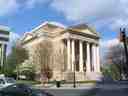
To spot the First Church of Christ, Scientist, look for the grand Greek Revival building on the corner with towering white columns, an elegant cream facade, and a majestic dome perched above the entrance. Now, let’s imagine ourselves in Atlanta more than a century ago-horses trotting down Peachtree Street, ladies in wide hats fluttering their fans, and a mysterious new faith sweeping into town, all thanks to Julia S. Bartlett, who arrived with a story so dramatic it could have been in the Sunday paper. They say she healed local resident Sue Harper Mims after fifteen years of illness-and, like a game of spiritual dominoes, that miracle launched Atlanta’s Christian Science community! Sue became so passionate she started meetings in her own living room. As word spread and more people brought curiosity (and a few aches and pains), the congregation first found a home at 17 West Baker Street before this very building opened in 1914. What’s even more astonishing? The congregation’s own architect, Arthur Neal Robinson, designed their new church-and being a true innovator, he made this the first air-conditioned building in Atlanta! Picture those hot Georgia summers, fans blowing over giant blocks of ice under the floor, everyone cooling off as they worshipped under this extraordinary dome. You can almost feel the relief-and maybe just a hint of ice-cold mystery-right here on this corner, where faith, architecture, and a splash of old-fashioned ingenuity met!
전용 페이지 열기 →To spot Colony Square, just look for the large, white, modernist skyscraper with its neat rows of small square windows-it stands proudly alongside the street, with its bold,…더 보기간략히 보기
To spot Colony Square, just look for the large, white, modernist skyscraper with its neat rows of small square windows-it stands proudly alongside the street, with its bold, blocky shape catching your eye right in front of you. Alright, here we are at Colony Square, where the future first got a taste of Atlanta back in the groovy days of the late 1960s and early '70s. Imagine Peachtree Street when bell bottoms were still cool and disco was just around the corner-a time when Atlanta thought, “Why not build the very first mixed-use development in the whole Southeast?” So under the vision of architect Henri Jova, three mighty skyscrapers shot up between 1969 and 1975, each sleek and modern, like rectangles stacked by a giant with a love for geometry. If you listen closely, you might almost hear the rumble of forklifts and the clatter of construction from the original build. These towers were more than just walls and windows-they were dreams of a "micropolis," a city within a city, where urban professionals would work in the morning, grab a bite for lunch, and maybe even lace up their skates at the ice rink below a sky-lit atrium. Yes, before Netflix binges, people really skated indoors for fun! The main towers-Colony Square 100 and 400-became home to business jets like the Consulate-General of Canada, internet whizzes like WebMD, and radio voices from Entercom Atlanta, bouncing across the airwaves day and night. On weekends, ambitious types might pop by for a coffee at Starbucks, or try to figure out what kind of food ‘Sukoshi’ means (hint: it’s delicious Japanese), all without ever needing to step outside. But just as the ‘micropolis’ settled into city life, change came knocking. In 2015, North American Properties scooped up the retail and office space for a cool $164.5 million and decided, “You know what this place needs? More green!” Suddenly, the stuffy old mall was out-and in swept sunlight, open lawns, and a food hall for buzzing lunch crowds. The athletic club, the movie theater, the anchor shops, the busy coworking floors of WeWork and Spaces-each added a new heartbeat to the old complex. Every brick here tells a story, so whether you’re picturing Canada’s diplomats plotting trade deals, or just someone finally nabbing a prime table at Whole Foods, remember-Colony Square has always been about mixing things up. And if you hear faint sounds of skate blades or disco tunes…well, maybe that’s just the spirit of Midtown reminding you that the future is always under construction.
전용 페이지 열기 →To spot 1180 Peachtree, just look up ahead for a tall glass tower with two dramatic, sweeping glass fins stretching high into the Atlanta sky-almost as if the building’s trying to…더 보기간략히 보기
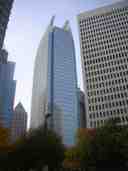
To spot 1180 Peachtree, just look up ahead for a tall glass tower with two dramatic, sweeping glass fins stretching high into the Atlanta sky-almost as if the building’s trying to grab a cloud or two for itself! Alright, picture this: you’re standing in front of Midtown’s own shimmering giant, a 41-story skyscraper with glass so reflective you might catch your own face staring back at you-don’t worry, you’re looking fabulous. This is 1180 Peachtree, also called Symphony Tower. Built in 2006, it houses lots of bustling offices and retail space, and has a whopping 1,200-space parking deck-which really means nobody here should ever complain about parking again! Now, don’t miss its twin glass fins soaring above you; at night, they light up and give the building a mysterious, almost Gothic vibe, like something out of a futuristic fairytale. Symphony Tower is clever too-it’s LEED Gold certified for its environmental design, so it’s as green as a skyscraper can be. Most of these floors are home to the law firm King & Spalding where, I imagine, the only thing sharper than the view is their legal advice. Originally, Symphony Tower was supposed to be joined by the Atlanta Symphony Center, dreamed up by the Spanish architect Santiago Calatrava, but that dream faded when fundraising hit a sour note. Still, you’re standing at the crossroads of ambition, drama, and just a dash of architectural romance. Now-ready for our next adventure?
전용 페이지 열기 →Right in front of you stands what was once the pulsing heart of Atlanta’s nightlife - Opera Nightclub. But before all the techno beats and disco lights, this building actually…더 보기간략히 보기
Right in front of you stands what was once the pulsing heart of Atlanta’s nightlife - Opera Nightclub. But before all the techno beats and disco lights, this building actually began with a completely different kind of drama. Picture its earlier life in the 1920s as a real opera house, part of the Atlanta Woman’s Club, where elegant ladies in pearls and gloves once traded stories in the lobby instead of dance moves on the floor. The stage shifted in the 1970s, when it became the Peachtree Playhouse and then the (infamous) Petrus nightclub, each adding their own splash of color to the building’s ever-changing personality. Through the late ‘90s and early 2000s, the space was transformed again - this time to actually look like an opera house inside, and dubbed Eleven 50. But it was Opera Nightclub, from 2008 onward, that really hit the high notes. Opera was much more than a place to dance; it was Atlanta’s superstar hotspot, regularly landing among America’s top 50 clubs and even nominated one of the nation’s top three. On the weekends here, you might have spotted rappers, movie icons like Clint Eastwood, or someone from Jersey Shore nursing a carefully mixed drink. The club saw performances from massive international DJs like Armin van Buuren, Tiesto, and David Guetta, and even, back in the Eleven 50 days, the legendary Prince. Opera had more rooms than a reality TV mansion: a huge dance floor, plush VIP balconies, a gallery, and an outdoor patio for those who wanted a break from all the glitz. It even sparked a little legal drama in 2011 when LeBron James skipped out on a paid appearance and got sued - but the case vanished faster than a free drink at last call. Though Opera closed in 2019, and a new venue moved in, if nightclubs had a Walk of Fame, this spot would have a golden star right out front.
전용 페이지 열기 →Look for a tall, grand building with a rose and marble granite exterior, high arched entrance, and a line of flags above the glass doorway right in front of you. Welcome to the…더 보기간략히 보기
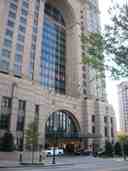
Look for a tall, grand building with a rose and marble granite exterior, high arched entrance, and a line of flags above the glass doorway right in front of you. Welcome to the Four Seasons Hotel Atlanta, where luxury starts at street level and rises up the lower floors of the towering GLG Grand building. Imagine it’s 1992-the doors are swinging open for the very first time, the marble shines, and the Neoclassical columns stand as proud as a Greek god at a dinner party. This skyscraper was dreamed up by G Lars Gullstedt from Sweden, who wanted Atlanta to get a taste of European grandness, but with a Southern drawl. The elegant façade? That’s the work of local Rabun Architects. Inside, you’d find the glamour dialed up by Hirsch Bedner Associates, making even a regular Tuesday feel like a special event. In March 1997, Four Seasons moved in, claiming the lower 19 floors with a spa bigger than some apartments-7,790 square feet of pure bliss, thanks to an upgrade in 2007. The hotel’s trophy shelf is full: the AAA Five Diamond Award year after year since 1999 and, at one point, a Forbes Five-Star rating. But not all the drama is elegant-just recently in October 2024, sirens echoed when a balcony incident led to a commotion and a suspect in custody. Through all its ups and downs, this place remains the go-to for celebrities, business bigwigs, and anyone else who thinks a perfectly made bed can change your life.
전용 페이지 열기 →To spot the Peace Monument, look ahead for a tall stone pedestal topped with a striking bronze figure of an angel holding an olive branch and a soldier kneeling beneath…더 보기간략히 보기
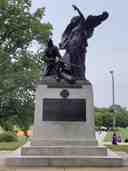
To spot the Peace Monument, look ahead for a tall stone pedestal topped with a striking bronze figure of an angel holding an olive branch and a soldier kneeling beneath her. Welcome to the Peace Monument, or as it’s also called, The Triumph of Peace! Picture yourself stepping into Piedmont Park over a century ago, crowds buzzing in anticipation, banners fluttering in the October breeze. Here stands a powerful bronze angel, wings outstretched, reaching towards the sky with an olive branch-right next to a soldier kneeling by a cannon, looking up in surprise, almost as if he’s saying, “You want me to put down my gun? But I just cleaned it!” Let’s rewind the story a bit. The Gate City Guard, an Atlanta-based militia, was first formed way back in 1854 to keep peace and order when Atlanta was just a small but sprouting city. Fast forward to the Civil War, and these men found themselves on the battlefields, but after the war ended, the city-and its people-were left in ruins and division. Now, here’s where things get both dramatic and almost heartwarming. By the late 1800s, the old soldiers, too aged for battle, formed what they called the Old Guard. Instead of weapons, they marched across America trying to stitch the country back together, handshake by handshake-imagine grumpy old men on a really, really long road trip, but for peace! They wanted the North and South to reconcile, to move on from the pain of war. So in 1910, the Old Guard thought, “What better way to make peace official than to plant a monument right here where everyone could see?” They hired Allen George Newman, a sculptor from New York City, which must have caused a few Southern eyebrows to raise! On October 11, 1911, more than 50,000 people crammed into the park for a giant parade down Peachtree Street, with the Old Guard, historical militias, and even the Mayor of Baltimore joining. You can almost hear the rattle of horses’ hooves, marching bands, and flagpole clinks as Atlanta buzzed with optimism. But here comes the twist. The Peace Monument’s message of unity was complicated. It was built by Confederate veterans and, for many years, was seen as celebrating the Lost Cause-a way that some groups tried to put a shine on the Confederate past. In recent years, folks in Atlanta have questioned if a statue like this really unites, or still divides. In 2017, following national protests, demonstrators marched here, trying to pull the statue down, while others tagged it with spray paint, demanding a new narrative. This led to heated debates, city committees, and, in 2019, the law that said this monument had to stay, but now needed a new label explaining all its history. Today, when you stand here, you’ll notice two signs that explain its past-the hopes for unity and the pain that came with it. The angel above tells a soldier to lay down his arms, but the stone below reminds us of stories untold-especially those of people who were never truly free or equal in Atlanta’s history. So, as you look up at the angel of peace and the wary soldier, you’re not just seeing a relic from the past-you’re staring at a conversation that Atlanta is still having with itself today. And don’t be surprised if you hear echoes of marching feet or a sigh in the wind-history, after all, has quite a voice in this park.
전용 페이지 열기 →Ahead of you, look for a bright green and black sign with the words “Music Midtown” and a skyline silhouette-if you spot those bold letters with Atlanta’s outline above them,…더 보기간략히 보기
Ahead of you, look for a bright green and black sign with the words “Music Midtown” and a skyline silhouette-if you spot those bold letters with Atlanta’s outline above them, you’re in the right festival zone! Here we are-right where the grass turns to stage and the city skyline seems to lean in for a better look. Music Midtown is Atlanta’s own legendary music festival, and if you listen closely, you might just catch a phantom guitar riff lingering from last September. Imagine this place flooded with color and sound: thumping stages, sprawling crowds, and the sweet smell of food trucks winding through Piedmont Park like a summer breeze. Back in 1994, a group of music-loving promoters wondered, “Hey, why should New Orleans have all the fun?” They grabbed a dusty plot at Peachtree and Tenth-a spot now dominated by the Federal Reserve-and unleashed the first-ever Music Midtown. Picture a hodgepodge of bands from blues, rock, soul, and jazz, sweat, laughter, maybe the occasional rogue frisbee flying overhead. It was scrappy, loud, and very, very Atlanta. As the years went by, this festival bloomed into a musical jungle, bursting with stages-first three, then four, then six. Every stage, named for a proud Atlanta radio station, delivered its own flavor: pounding bass here, a drum solo there, country crooners on the next field, all while the city’s skyscrapers looked on, probably wishing they could dance too. At its wildest, you could wander from The Knack to James Brown, from Foo Fighters to Destiny’s Child, under the same sunset. In its heyday, Music Midtown hosted crowds of over 300,000-enough people to fill every stadium in Atlanta at the same time. Of course, all that fun wasn’t without its soggy moments. In 2005, after a move to June for “better” weather, a tropical storm crashed the party, soaking festival-goers and turning the park into a slippery playground. Maybe the festival organizers should’ve booked a weather forecaster for a headlining slot that year! Still, even with muddy shoes and dripping hair, the crowds danced on, protected by rows of special tiles desperately trying to save the grass. But, like all good stories, things hit a rough patch. Rising costs, competition from Tennessee’s Bonnaroo, and the infamous Atlanta summer downpours combined to bring the music to a pause. For six long years, Music Midtown vanished, leaving an invisible silence over Midtown and a hole in Atlanta’s musical heart. Cue the comeback: 2011, drums and all! The city cheered as the festival returned, smaller but just as mighty. Coldplay, The Black Keys, and thousands of fans-about 40,000 that first reborn year-poured back into Piedmont Park, breathing life and guitar solos into the festival again. Success meant more stages, more acts, and soon, more days. Suddenly, festival weekend wasn’t a question of “which day should we go?” but “how fast can we run between stages?” By 2015, there were four stages and an $18 million production bill. You know someone said, “Let’s do it bigger,” right before handing over a check for $100,000 to help keep Piedmont Park green. Of course, when 2020 came, the music faded out as the pandemic set in, and the quiet felt almost unnatural. There was more drama too-a cancellation in 2022 because of Georgia’s tricky gun laws, which tied organizers’ hands over safety rules. But like your favorite encore, Music Midtown returned in 2023, now a three-day adventure humming with old energy and new heartbeats. Standing here, you’re in a spot where legends have jammed, storms have crashed, and at least a million stories have begun. Whether you love indie pop anthems, old-school soul, or the chaos of a festival food court, Music Midtown has been the scene for memories both wild and muddy. So next time September rolls around, you know exactly where to come for Atlanta’s ultimate city soundtrack-and remember to bring your dancing shoes, just in case it rains.
전용 페이지 열기 →
자주 묻는 질문
투어는 어떻게 시작하나요?
구매 후 AudaTours 앱을 다운로드하고 교환 코드를 입력하세요. 투어를 바로 시작할 수 있습니다 - 재생을 탭하고 GPS 안내 경로를 따라가시면 됩니다.
투어 중 인터넷이 필요한가요?
아닙니다! 시작 전에 투어를 다운로드하면 완전히 오프라인으로 즐길 수 있습니다. 채팅 기능만 인터넷이 필요합니다. 모바일 데이터 절약을 위해 WiFi에서 다운로드하시는 것을 권장합니다.
이것은 가이드가 안내하는 단체 투어인가요?
아닙니다 - 이것은 셀프 가이드 오디오 투어입니다. 폰을 통해 오디오 나레이션을 들으며 나만의 속도로 독립적으로 탐험합니다. 투어 가이드도, 단체도, 일정도 없습니다.
투어는 얼마나 걸리나요?
대부분의 투어는 60-90분이 소요되지만, 속도는 전적으로 본인이 조절합니다. 원할 때 언제든지 일시정지하거나, 정류장을 건너뛰거나, 휴식을 취하세요.
오늘 투어를 끝낼 수 없으면 어떻게 하나요?
괜찮습니다! 투어는 평생 이용이 가능합니다. 원할 때 언제든지 일시정지하고 다시 시작하세요 - 내일, 다음 주, 또는 내년에도. 진행 상황이 저장됩니다.
어떤 언어를 이용할 수 있나요?
모든 투어는 50개 이상의 언어로 이용 가능합니다. 코드를 교환할 때 원하는 언어를 선택하세요. 참고: 투어 생성 후에는 언어를 변경할 수 없습니다.
구매 후 투어는 어디에서 이용하나요?
App Store 또는 Google Play에서 무료 AudaTours 앱을 다운로드하세요. 교환 코드(이메일로 전송됨)를 입력하면 라이브러리에 투어가 나타나며, 다운로드하여 시작할 수 있습니다.
투어가 마음에 들지 않으시면 환불해 드립니다. 문의: [email protected]
안전한 결제