
골웨이 오디오 투어: 타운파크스의 역사, 예술 및 미식 길
중세 탑의 시계가 스페인 아치 그림자 아래에서 조용히 똑딱거리고, 골웨이의 자갈길은 수세기 동안 숨겨진 드라마로 소용돌이칩니다. 이것은 평범한 산책이 아닙니다. 숍 스트리트의 웃음소리, 성 니콜라스 대학 교회의 고대 돌들, 그리고 소수의 사람만이 진정으로 볼 수 있는 도시 박물관의 보물창고에 얽힌 비밀들을 탐험하는 여러분의 셀프 가이드 오디오 투어입니다. 대규모 반란이 불타오를 때 신성한 벽 안에서 누가 음모를 꾸몄을까요? 어떤 유령 같은 인물이 중세 돌들 사이에서 잃어버린 유물을 찾는다고 소문이 나 있을까요? 단 하나의 화려한 열쇠로 왜 단 14개의 엘리트 가문만이 한때 골웨이의 가장 탐나는 선거를 통제했을까요? 번화한 시장과 촛불이 켜진 예배당을 통해 반군, 시장, 선원, 예술가들의 발자취를 따라가 보세요. 모든 발걸음마다 이 회복력 있는 도시의 정신을 형성한 금지된 이야기와 잊혀진 스캔들을 발견하게 될 것입니다. 귀 기울여 들어보세요—골웨이의 진정한 심장은 눈에 띄는 곳에 숨겨져 있습니다. 지금 바로 여정을 시작하고 표면 아래의 도시를 잠금 해제하세요.
투어 미리보기
이 투어에 대하여
- schedule소요 시간 30–50 mins나만의 속도로 이동
- straighten3.1 km 도보 경로안내 경로 따라가기
- location_on
- wifi_off오프라인 작동한 번 다운로드, 어디서든 사용
- all_inclusive평생 이용언제든지 다시 재생 가능
- location_on성 니콜라스 대학 교회에서 시작
이 투어의 정류장
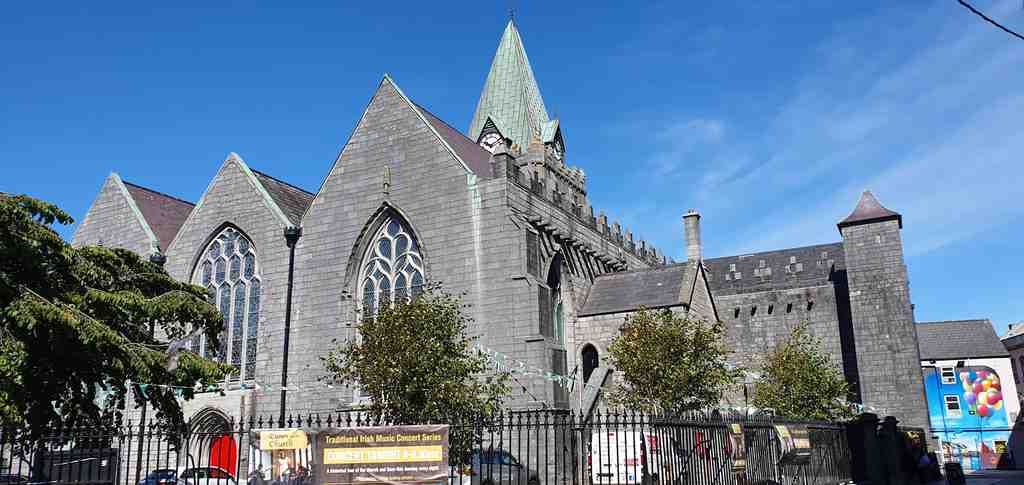
To spot St. Nicholas’ Collegiate Church, look for a striking medieval stone building with a pointed tower topped by a clock, right behind an old wrought-iron fence and next to a…더 보기간략히 보기
To spot St. Nicholas’ Collegiate Church, look for a striking medieval stone building with a pointed tower topped by a clock, right behind an old wrought-iron fence and next to a vintage-style streetlamp. Welcome to St. Nicholas’ Collegiate Church! Take a deep breath and let your imagination fly back to the days when Galway was a bustling medieval port, the salty air thick with sea shanties and the echo of merchants shouting deals at the docks. Right here, on this ancient site, the church has stood watch since 1320-so long that if its walls could talk, they’d probably have the best gossip in Galway! It was built as a tribute to Saint Nicholas of Myra, the patron saint of seafarers-perfect considering Galway's busy harbor just a short stroll away. Imagine fishermen and sailors stepping inside to pray for safe passage across the wild Atlantic, offering thanks for calm waters and a good catch. The church became the center of city life, not just for worship, but as a meeting place, a shelter, and even the scene of great debates. Now, here’s where it gets really interesting. In 1484, just as Galway was getting its very first mayor, this church earned its title as a “collegiate” church-not because it handed out diplomas, but because it became home to a ‘college’ of vicars, led by a “warden.” This warden was a spiritual leader so respected, he got to wear a bishop’s snazzy hat (the mitre) and carry a fancy staff (the crosier), even though he didn’t have the power to ordain priests. Every August, the city fathers would parade through the doors for the grand election of the warden, a tradition so important that only the top fourteen families-the famous Tribes of Galway-got to vote. Talk about exclusive club membership! And don’t forget, these priests weren’t just any old clergy: they were required to be learned, virtuous, well-born, and to follow the English Rite to the letter. By the end of the whirlwind 15th century, this wardenship spread its influence across several parishes, from Oughterard in the west to Moycullen in the north. But as with any good Irish story, there were twists. The Protestant Reformation swept through Europe, splitting the church’s loyalties in two: one Anglican and ‘official’, one Catholic and underground, both stubbornly vying for the soul of Galway. Neither side truly won everyone over, and for centuries, these rival wardenships ran side by side, with whispered prayers and secret masses echoing around the stone pillars. But the church wasn’t just about politics and power-oh, no! This place has been Galway’s stage for drama, legend, mystery, and a little bit of music. Local lore claims that Christopher Columbus himself-yes, that Columbus-knelt right here in prayer in 1477, maybe dreaming of worlds unknown. Imagine his boots echoing on the ancient stone as he swept in for a service! Through centuries of rebellion, celebration, and change, St. Nicholas’s has always found a way to surprise. In 2002, it made headlines as the first Irish church to publicly bless a same-sex couple. You can almost picture the stained glass shimmering just a little brighter that day, as history nudged the old building forward once more. And when the nearby St Augustine’s Church needed a place during renovations, St. Nicholas’ doors were thrown open, welcoming Catholic Mass and, later, Orthodox worshippers from far beyond Galway’s shores. Of course, music is woven into the church’s bones. The Civic Carol Service every December brings the city’s leaders in their full ceremonial regalia-the gold-trimmed robes, the glinting Great Mace and the ceremonial sword. As candlelight flickers and choirs sing, the mayor receives a solemn blessing for the whole city, a tradition that knits ancient and modern Galway together. Even the clergy have a story to tell-like Archdeacon Gary Hastings, the flute-playing rector who swapped sermons for sessions with the Chieftains, or the Very Rev Lynda Peilow, the first woman to serve as Rector. There are rumors of ghostly organ notes on quiet evenings, the scent of incense mingling with the sea breeze, and the murmur of prayers sung in languages from across the world. So as you stand before these age-old stones, take a moment to listen for echoes of the past and feel the heartbeat of a community that’s been shaping Galway for over 700 years. Who knows... maybe St. Nicholas himself is still keeping an eye on the waterfront, with just one eyebrow raised!
전용 페이지 열기 →To spot Shop Street, just look ahead for a lively stretch filled with old brick buildings, colourful shopfronts, and the gentle buzz of crowds passing by. Welcome to the heart of…더 보기간략히 보기
To spot Shop Street, just look ahead for a lively stretch filled with old brick buildings, colourful shopfronts, and the gentle buzz of crowds passing by. Welcome to the heart of Galway-Shop Street! Picture yourself standing at the center of a bustling mosaic: gleaming shop windows line both sides, the calls of street performers echoing, and the scent of pastries sneaking out from snug cafés. No cars here-just people weaving in and out, shopping bags in hand, laughter bouncing from cobblestones worn by centuries of footsteps. Shop Street has always been the place to go if you've got a few coins burning a hole in your pocket. In fact, this was one of Galway’s very first streets made for wandering, browsing, and, of course, a bit of good-natured gossip. Even the name hints at its shopping roots-so listen closely for the sound of bargains being discovered! Keep your eyes open for Lynch's Castle, a 16th-century fortress turned...bank. Talk about guarding your money! Legend says the original Lynches had a few secrets in those old stone walls, but it’s just as likely you'll find an ATM rather than treasure. And just imagine: book-loving ghosts slipping into Dubray Books or Eason & Son, leafing through mysteries long after closing time. Shop Street is more than a street-it's Galway’s open-air living room, where the city's spirit laughs, sings, and maybe even dances a jig when no one's looking. Explore with your eyes, your ears, and maybe your wallet-you never know what you'll find!
전용 페이지 열기 →To spot the Galway City Museum, look for a large, modern white and grey building with a blue sign saying “músaem museum” overhead-just to your left as you’re nearing the river and…더 보기간략히 보기
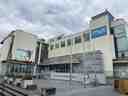
To spot the Galway City Museum, look for a large, modern white and grey building with a blue sign saying “músaem museum” overhead-just to your left as you’re nearing the river and Spanish Arch. Welcome to the doorstep of Galway City Museum! Before we dive into its rich history, take a deep breath and listen-sometimes you’ll catch the hum of a busy plaza outside, and the swift footsteps of visitors eager to explore Galway’s amazing story. Picture this: It’s the late 1970s, Galway is bursting with stories, and tucked inside an old private house called Comerford House, a collection of curious medieval stones is quietly gathering dust. This is where our museum began-back then, just a jumble of rocks gifted to the city by the remarkable Clare Sheridan, an artist who also happened to be Winston Churchill’s first cousin. Clare, a woman with stories nearly as colorful as the city itself, lived in Comerford House, which had housed families and transformed through centuries of Galway’s changing face. Over time, in this cozy house along the Corrib, curators like Etienne Ryan, Michael Keaney, Bill Scanlan, and Jim Higgins began building a lively collection-pieces of Galway’s past from folk life, industry, and even the city’s old militia. The walls of Comerford House, originally meant for family dinners and maybe the occasional ghostly creak, soon echoed with the sounds of laughter, storytelling, and the shuffling of curious school children. I imagine if stones could talk, Galway’s collection would never stop gossiping! Eventually, in 2004, the little house just couldn’t contain the centuries of stories piling up inside. The solution? A brand-new, modern museum building-right here behind the old museum-and opened in 2007 with a whoosh of excitement, right beside the ancient Spanish Arch. The designers, Ciaran O’Connor and Ger Harvey, set out to balance sleek architecture with Galway’s medieval spirit. They crafted the building as an ‘L’ shape, hugging the space to allow sunlight to pour down into the square between the museum and the old archway-at times echoing with city-wide celebrations or the wanderings of tourists with dripping ice cream cones. Inside, the collection waiting for you is like Galway’s own attic, filled with treasures from every corner of its past. Wander through and you’ll find farm and industrial tools from the legendary DJ Murphy collection-over 300 bits and bobs, from straw-crafted oddities to forgotten metal implements. Peer into the Medieval Stone Collection and you’ll see chips of rock and carved plaques from actual 16th and 17th century buildings, some long gone. There’s the grand Atty Doorway, built in 1577, and ornate fireplaces from Galway’s lost mansions, their ancestral arms carved deep into the stone, hinting at old family rivalries. On a quieter note, walk towards the Claddagh collection-ghostly, colorful aprons and shawls, a miniature village set up as if ready for fishermen to return. You might spot fishing boats, navigation books, and the legendary tools of John Reney, the last of the Claddagh boat builders. Imagine his hammering, saws singing out as he built boats once dragged right to these riverbanks. But Galway’s history doesn’t stop with stones and sails! The museum brims with memories of the city’s shops, distilleries, and the rhythmic bustle of public houses from the 19th and 20th centuries-a reminder that Galway’s lively spirit didn’t come from the quiet, but from the clinking of glasses and the chatter of friends. There’s even a receipt book from the no-nonsense Magdalene Laundries: a glimpse into another chapter of the city’s story, sometimes solemn, sometimes full of hope. Don’t miss the beautiful and haunting artwork-Tiger Lillies, Madonna and Child, and photographs from Derek Biddulph that freeze Galway life from the 1950s onward: children in doorways, shopkeepers in heavy coats, the city’s faces changing with the decades. There’s an air of magic and mystery in the exhibitions here. Some include swords and maces fit for a Mayor, nearly lost paintings on loan from private collections, and delicate altar silver crafted by Richard Joyce, the original designer of the famed Claddagh ring. You can almost imagine the glint of ceremony and festivity, the proud clang of a mayor’s mace, or the clatter of coins and cannonballs during the city’s wilder days. Today, this museum isn’t just a storehouse of dusty artifacts-it’s the keeper of Galway’s heart, gathering new stories every day from its bustling plaza. You stand before a window into the city’s deepest secrets and wildest adventures, a place where every corner holds a new tale that’s just waiting for you to discover.
전용 페이지 열기 →
8개 정류장 더 보기정류장 적게 보기expand_moreexpand_less
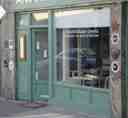
Right in front of you, look for a cozy pale green facade with ANiar written above the door and windows that give a peek at neatly set tables inside. Now, let’s tuck into the…더 보기간략히 보기
Right in front of you, look for a cozy pale green facade with ANiar written above the door and windows that give a peek at neatly set tables inside. Now, let’s tuck into the story of Aniar! Imagine you’ve just stepped off Galway’s lively streets and into the west’s most celebrated dining room, where every plate tells a story of the wild Atlantic. Aniar means “from the west,” and this little place shot to stardom faster than a chef can flambé a dessert. It won its first Michelin star in 2013-think of it like the Olympic gold medal of the food world; villagers probably danced a jig that night! Enda McEvoy, the first chef to bring home the star, bowed out that same year, handing the spatula to Ultan Cooke, who bravely kept that shiny star twinkling for another round. Then, in June 2015, owner JP McMahon said, “Chef’s hat? Don’t mind if I do!” and took charge himself, keeping the Michelin magic alive. They didn’t just stop at stars-they scooped up ‘Best Restaurant in Connaught’ three times and were crowned ‘Best Restaurant in Galway’ in 2013. Each dish here is a mystery waiting on a plate: wild seaweed, foraged leaves, perhaps a touch of sea breeze if you open your mouth at the wrong time. Enter, and you’re not just eating-you’re travelling west, one perfect bite at a time. How’s that for a tasty tale?
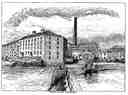
전용 페이지 열기 →To spot Nun’s Island Distillery, look for a large, stone-built riverside warehouse with tall, rectangular windows and an unmistakable chimney rising above the complex-it sits…더 보기간략히 보기
To spot Nun’s Island Distillery, look for a large, stone-built riverside warehouse with tall, rectangular windows and an unmistakable chimney rising above the complex-it sits right on the water’s edge, just ahead of you. Imagine you’re standing here in Galway in the late 1800s; the air is thick with the earthy, sweet scent of brewing grains and the rumbling sound of carts arriving on cobblestone paths, laden with barley. Workers in flat caps hustle past, their laughter echoing against the sturdy stone walls, while the ever-watchful River Corrib flows quietly by. This isn’t just any old building-this is Nun’s Island Distillery, once the pride and spirit (pun entirely intended!) of Galway. Let’s rewind the clock a little. The story of Nun’s Island Distillery is a bit like Galway’s very own dramatic soap opera. The earliest records whisper about a John Joyce running a distillery here in the late 1700s, and if you listen carefully, maybe you’ll hear the distant clink of bottles being filled, even now. There was a brief pause in the action around 1807, but like a good Irish tale, the distillery couldn’t stay silent for long. Patrick Joyce, perhaps seeking to keep Galway’s spirits (in every sense) alive, kicked things off again in 1823, and by 1828, they were churning out a staggering 130,000 proof gallons each year. That’s enough whiskey to keep quite a few pubs in good cheer-or several lively families, I suppose. Now, no classic Galway tale is complete without a hearty bit of dramatic sales and takeovers. In the late 1830s, the distillery may have closed again, but in 1841, the place was auctioned off amid rumors, advertisements, and no small measure of confusion about who really held the deeds. One thing’s for sure: a 300-year lease had started here in 1815, so no one was planning to go anywhere, any time soon. Enter the Persse family-Galway’s own whiskey dynasty. Around 1840 or so, the Persses scooped up the distillery (though even they might’ve been confused about which bits they were buying and when, given the tangle of records). Before the Persses turned the site back into a whiskey wonderland, they ran it as a woollen mill, famous for its excellent friezes. Imagine the smell then-wool, instead of whiskey, filling the humid Galway air. But the lure of whiskey was too strong. When the Persses’ lease on nearby Newcastle Distillery ran out in 1846, they looked at Nun’s Island and thought, “Why not make a splash?” They turned the complex back to producing Ireland’s liquid gold. By the late 1800s, this was an enormous operation, with more than 100 workers. It had everything: two towering maltings and corn stores, five storeys for storing grain, an impressive brew house, massive washbacks for fermenting, a huge still house, and enough warehouses to make any whiskey fan weep with joy. The output? A jaw-dropping 400,000 gallons a year-this was the only licensed distillery in Connacht for much of its heyday. But Nun’s Island whiskey wasn’t just local legend. Persse’s Galway Whiskey found its way to the British House of Commons. Think about it-the very lawmakers of the Empire might have been sipping Galway’s finest while debating the fate of nations. No pressure, right? Yet, as with every golden age, times changed. By the early 1900s, the world wasn’t as thirsty for Irish whiskey, and financial storms brewed darker than an autumn sky. The old distillery rings fell silent around 1908. What whiskey was left was slowly sold off, and the once-thriving buildings grew quiet. Now, as you look at these old stone walls and imagine the ghostly bustle, know that you’re sharing a spot with all those workers, master distillers, and maybe a secret or two of the Persse family. Even in recent times, a rare bottle of Persse’s whiskey-liquid history in glass-failed to sell at auction at its wishful £100,000 reserve. Eventually, it fetched £3,300, proving, perhaps, that some treasures are more sentiment than currency. So, take a slow breath, savor the air, and enjoy a chuckle. After all, not every day do you stand on the site of one of Ireland’s legendary riverside distilleries, with a story that has just as many twists, turns, and toasts as Galway’s winding streets.
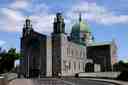
전용 페이지 열기 →Look for a grand, grey stone building with two tall towers and a big, green dome rising high above it-if you spot the dome, you know you’ve arrived at Galway Cathedral! Now,…더 보기간략히 보기
Look for a grand, grey stone building with two tall towers and a big, green dome rising high above it-if you spot the dome, you know you’ve arrived at Galway Cathedral! Now, let’s step back in time and let your imagination soar. Picture where you’re standing now-a place that once echoed not with choirs or church bells, but with the rattling keys and slammed doors of Galway’s old city prison. Yes, beneath these towering walls, prisoners once shuffled to and fro, their secrets buried in Galway’s muddy soil. Fast-forward to 1958, when the city decided to trade chains for chimes and transform this very patch of land into something altogether different: the awe-inspiring Cathedral of Our Lady Assumed into Heaven and St. Nicholas. For seven whole years, stone masons worked patiently, laying local limestone block by block. And when the dust finally settled in 1965, Galway found itself home to what many call “the last great stone cathedral to be built in Europe.” The architect, John J. Robinson-maybe a bit of a wizard with stone-designed a masterwork that grabbed influences from everywhere. You’ll spot the dome and pillars reaching for Renaissance glory, while the colorful rose windows and mosaics sing a tune from centuries of Christian art. That dome above you? It’s more than 44 meters high, a green copper crown that watches over Galway like a gentle giant. But the story doesn’t end with stones and shapes. The first time the cathedral doors creaked open was 15 August 1965, with the whole city abuzz. Imagine the gasps and pride as President Éamon de Valera himself lit the sanctuary candle. There was even a bishop or four up on the altar-Galway wasn’t holding back. And to test the cathedral’s echo, Cardinal Cushing from Boston delivered a thundering sermon called “Why Build a Cathedral?” Spoiler alert: he was very much pro-cathedral. Not everyone loved the finished look, though. In fact, some folks called it a “ghastly monstrosity” on national TV, and others poked fun by calling it a “squatting Frankenstein’s monster.” You could say the building’s style stirred up almost as much debate as Galway’s weather forecast! But love it or leave it, this cathedral became a masterpiece of living art and sound. Inside, every mass is filled with cascading music-sometimes ancient Gregorian chants, sometimes lilting Irish melodies, always sung by the proud cathedral choir. And don’t forget the mighty pipe organ: a Liverpool original, expanded and tuned up right here in Ireland, and now boasting three keyboards, 59 stops, and enough pipes to make the stones themselves want to dance. Today, masses are held every day in Irish and English, and anyone can wander in to hear the choir ringing out beneath that iconic dome. So next time you hear a powerful chorus floating over the Corrib, you’ll know it’s probably coming from Galway’s most dramatic stage-this remarkable cathedral, standing proudly on the site where confinement turned into celebration. Exploring the realm of the opening of the cathedral, liturgy or the gallery? Feel free to consult the chat section for additional information.
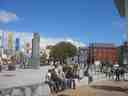
전용 페이지 열기 →Directly ahead you’ll spot a wide open plaza shaded by leafy trees, colorful flags on tall poles fluttering in the breeze, and a mix of historic stonework and modern fountains…더 보기간략히 보기
Directly ahead you’ll spot a wide open plaza shaded by leafy trees, colorful flags on tall poles fluttering in the breeze, and a mix of historic stonework and modern fountains marking the heart of the square-just look for the spacious paved area where people are sitting and chatting. Welcome to Eyre Square, Galway’s legendary city hub-where centuries of stories are etched into every stone and blade of grass! Picture yourself stepping into a space that’s been busy with life since medieval days, back when this very site was an open field, or “the Green,” buzzing with locals selling goods at the bustling market. Now, let your imagination drift back through the mists of time to 1631, when Galway’s townsfolk decided this patch of land deserved a little order and dignity. They planted ash-trees, hammered wooden fences, and started to shape the wild Green into something more welcoming. What really set things in motion, though, was a grand gesture in 1710: Mayor Edward Eyre-who probably liked to make a splash-gifted this whole patch to Galway, and suddenly Eyre Square was born. Fast forward a hundred years, and you’ve got General Meyrick raising a mighty stone wall around the square, giving it the stately air that was so stylish in Georgian times. Eyre Square, however, never stood still. The 19th century saw it dressed up in classic Georgian fashion, then a full-scale facelift hit in the 1960s-out went the iron railings, up went new designs. But things really got interesting in the 2000s! Picture this: contractors came and vanished like leprechauns, delays stacked up, and the city nearly wore a hole in its pocket with spending. When the new square finally reopened in 2006, it had cost over €20 million! Some locals claimed their wallets felt the shockwave, but even so, the redesign won a prestigious landscape award. Hey, who says style doesn’t come at a price? Now, Eyre Square holds its memories proudly-and a few tributes as well. In 1963, a crowd gathered where you’re standing, craning their necks to glimpse U.S. President John F. Kennedy-the first sitting American president to grace Galway. His speech wowed the city, and when JFK died, the park was officially renamed in his honor. Today, you can spot his bust not far from here, a tribute to his visit and the connection Galway felt with his Irish roots. But that’s not all! Look toward the rows of flags-they celebrate the fourteen Tribes of Galway. These families were the city’s original influencers, running the show from the 13th to the 19th century, trading, politicking, and shaping the city you see today. Near the flags stands the famous Browne Doorway, a grand stone relic salvaged from a noble house and carefully planted here in 1905. It’s a window-well, doorway-straight back to Galway’s golden age. These days, though, it’s wrapped in plexiglass to keep it safe, a bit like putting a raincoat on your favorite old uncle. Oh, but if you hear water, don’t worry-it’s just the Quincentennial Fountain bubbling away, another modern touch that invites you to linger awhile. And if your curiosity is piqued by statues, seek out the figure of writer Pádraic Ó Conaire and a memorial to Liam Mellows, a hero of Ireland’s struggle for independence. Eyre Square is one square that can’t help but wear its history loud and proud! And who could forget the 2011 Occupy Galway camp? For seven months, activists set up tents here-rain, shine, or seagull attack-to protest injustice and demand a fairer world. Their meetings, debates, and music made the square a hotbed of ideas, until the camp was finally cleared-but their stories linger in the air. So as you stand in Galway’s living room, take a deep breath and listen-for laughter, protest songs, market traders’ shouts, and the echo of a thousand stories beneath your feet.
전용 페이지 열기 →You’ll spot Loam if you look for a sign with bold, earthy letters underneath a simple tree and root design-nature and elegance mixed together-just ahead on your right. Now, let…더 보기간략히 보기
You’ll spot Loam if you look for a sign with bold, earthy letters underneath a simple tree and root design-nature and elegance mixed together-just ahead on your right. Now, let me paint a picture of this place at its prime. Imagine stepping off a drizzly Galway street and through the doors into a world where every flavor is like a secret waiting to be discovered. Loam wasn’t just a restaurant-it was an adventure for your taste buds, a bit like unwrapping a birthday present every time a plate landed in front of you. The air inside buzzed with excitement as diners swapped stories over small plates, each dish bursting with the freshest Irish ingredients. You could almost hear the chefs in the kitchen plotting their next surprise, and yes, a few sneaky laughs too-good food does that to people! The tables were often full, the lighting was gentle, and the wine glasses were always sparkling. The awards soon piled in: first the Best Dining Experience, then Best Emerging Irish Cuisine, and finally the rarest prize-a Michelin star, kept shining bright for six years. But behind all that magic, things weren’t always easy. Secret recipes? Maybe. But they just couldn’t conjure up enough extra help or keep up with rising bills. In 2022, the team said a heartfelt goodbye, and co-owner Enda McEvoy closed Loam’s doors. Galway will always remember the nights the city tasted just a little more magical, thanks to this place.
전용 페이지 열기 →

자주 묻는 질문
투어는 어떻게 시작하나요?
구매 후 AudaTours 앱을 다운로드하고 교환 코드를 입력하세요. 투어를 바로 시작할 수 있습니다 - 재생을 탭하고 GPS 안내 경로를 따라가시면 됩니다.
투어 중 인터넷이 필요한가요?
아닙니다! 시작 전에 투어를 다운로드하면 완전히 오프라인으로 즐길 수 있습니다. 채팅 기능만 인터넷이 필요합니다. 모바일 데이터 절약을 위해 WiFi에서 다운로드하시는 것을 권장합니다.
이것은 가이드가 안내하는 단체 투어인가요?
아닙니다 - 이것은 셀프 가이드 오디오 투어입니다. 폰을 통해 오디오 나레이션을 들으며 나만의 속도로 독립적으로 탐험합니다. 투어 가이드도, 단체도, 일정도 없습니다.
투어는 얼마나 걸리나요?
대부분의 투어는 60-90분이 소요되지만, 속도는 전적으로 본인이 조절합니다. 원할 때 언제든지 일시정지하거나, 정류장을 건너뛰거나, 휴식을 취하세요.
오늘 투어를 끝낼 수 없으면 어떻게 하나요?
괜찮습니다! 투어는 평생 이용이 가능합니다. 원할 때 언제든지 일시정지하고 다시 시작하세요 - 내일, 다음 주, 또는 내년에도. 진행 상황이 저장됩니다.
어떤 언어를 이용할 수 있나요?
모든 투어는 50개 이상의 언어로 이용 가능합니다. 코드를 교환할 때 원하는 언어를 선택하세요. 참고: 투어 생성 후에는 언어를 변경할 수 없습니다.
구매 후 투어는 어디에서 이용하나요?
App Store 또는 Google Play에서 무료 AudaTours 앱을 다운로드하세요. 교환 코드(이메일로 전송됨)를 입력하면 라이브러리에 투어가 나타나며, 다운로드하여 시작할 수 있습니다.
투어가 마음에 들지 않으시면 환불해 드립니다. 문의: [email protected]
안전한 결제 


