카이로 오디오 투어: 예술, 신앙, 살아있는 역사를 통한 오디세이
카이로의 태양 아래, 미나레트들은 제국의 흥망성쇠를 지켜본 하늘을 뚫고 솟아 있습니다. 하지만 대부분의 발걸음은 거리 속에 묻힌 비밀들을 지나쳐 서두릅니다. 인파 너머에는 다른 어떤 것과도 다른 오디오 여정이 펼쳐져, 금빛 문, 그림자 진 모스크, 폭탄 테러와 왕조의 음모를 견뎌낸 박물관 뒤에 숨겨진 잃어버린 이야기들을 드러냅니다. 바브 주와일라의 고대 돌들을 흔들고 도시를 긴장시켰던 어두운 메시지는 무엇이었을까요? 알-살리 탈라이 모스크가 세계에서 가장 신성한 유물을 품을 것이라고 누가 꿈꿨을까요? 하지만 역사는 그들의 희망을 비틀어 버렸습니다. 왜 잊혀진 상점들이 매번 발밑에서 잠들어 있을까요? 울려 퍼지는 기도실에서 온갖 역경을 딛고 복원된 웅장한 외관으로 이동하며, 도시의 영혼에 엮인 회복력과 야망의 이야기들을 따라가 보세요. 변화하는 포장도로와 상처 입은 석조물을 따라가며 카이로의 숨겨진 드라마를 발견하고, 속삭이는 전설 하나하나를 통해 그 웅장함을 재발견하세요. 카이로의 다음 장이 기다리고 있습니다. 더 자세히 들여다보고 그 미스터리가 당신을 이끌게 하세요.
투어 미리보기
이 투어에 대하여
- schedule소요 시간 40–60 mins나만의 속도로 이동
- straighten4.6 km 도보 경로안내 경로 따라가기
- location_on
- wifi_off오프라인 작동한 번 다운로드, 어디서든 사용
- all_inclusive평생 이용언제든지 다시 재생 가능
- location_on카이로 이슬람 미술 박물관에서 시작
이 투어의 정류장
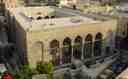
To spot the Museum of Islamic Art, look for a grand, sand-colored building with tall ornate windows, a decorative crenelated roofline, and richly carved stonework right across…더 보기간략히 보기
To spot the Museum of Islamic Art, look for a grand, sand-colored building with tall ornate windows, a decorative crenelated roofline, and richly carved stonework right across from the hustle of Port Said Street. Now, let’s take you back to the late 1800s, when Cairo was a city bursting with Pharaonic pride but still learning to celebrate its Islamic treasures. Imagine the sand under your shoes and a scent of spice drifting through the air. The Museum of Islamic Art almost didn’t happen-first, it was just an idea scribbled in the court of a mosque, gathering dust like an old lamp waiting for a genie. Khedive Ismail nodded at the idea, but the next Khedive, Tawfiq, finally gave the command: “Let’s collect the wonders of our Islamic past!” At first, these treasures crowded into the chilly arcades of an old mosque, guarded by a lone curator and a very bored doorkeeper. Each artifact whispering stories from distant lands-wood glinting in the golden sun, ceramics cool and smooth to the touch, and as visitors shuffled through. As Cairo’s love for Islamic art grew, space ran out faster than coffee at a morning bazaar. So, in 1899, the foundations of this beautiful building were laid, right where you’re standing now. Talented hands carved arches and motifs inspired by centuries of Egyptian history-just look up at those windows and imagine them glowing at sunrise! But the museum’s journey wasn’t just about art and beauty. There were times of chaos that tested every stone and every soul inside. Most people visit museums for peace, but in 2014, the calm was shattered by a terrible car bomb nearby. The ground shook, glass rained down, and dust choked the air. Even the proud façade-where you stand now-was scarred, its delicate designs erased in a heartbeat. Yet, like a phoenix wrapped in calligraphy and courage, the museum didn’t surrender. Teams worked day and night to restore broken treasures and heal the wounds. When the museum finally reopened in 2017, it dazzled anew with 4,500 carefully-chosen gems out on display-but don’t let that number fool you! There are over 100,000 objects sleeping in storerooms and basements, from coins of ancient sultans, starlit maps of the heavens, to Qur'ans written in silver so bright you might think the moon lent its glow. They come from Egypt, North Africa, Andalusia, Iran, and the Arabian deserts, with each wing of the museum telling a new chapter: some rooms whisper of science and secrets of the stars, others hum with the rhythm of poetry, textiles, and ringing metalwork. So next time someone says museums are boring, ask if their local gallery ever battled explosions-and then filled its halls with more wonders than there are grains of sand at your feet! Shall we step inside, or is your sense of adventure already tingling? Want to explore the design, bomb damage or the reopening in more depth? Join me in the chat section for a detailed discussion.
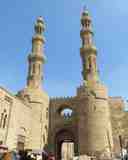
전용 페이지 열기 →Directly ahead, you’ll spot two huge round stone towers linked by a mighty arched gateway, each tower topped with a slender minaret soaring high-Bab Zuwayla stands tall right in…더 보기간략히 보기
Directly ahead, you’ll spot two huge round stone towers linked by a mighty arched gateway, each tower topped with a slender minaret soaring high-Bab Zuwayla stands tall right in front of you. Welcome to Bab Zuwayla, Cairo’s southern medieval gateway and a place where history has always had a dramatic flair! Picture the year 1092: the streets are dusty, the city’s new stone walls gleam in the sun, and the Fatimid vizier Badr al-Jamali strides through, overseeing construction as masons carve and fit the massive stones that still make up the gate today. But this wasn’t just any city entrance-it was built to defend the brand-new Fatimid stronghold! Now, glance up at those fabulous twin minarets. They were actually added in the early 1400s, much later than the gateway itself, and belong to the adjacent Mosque of Sultan al-Muayyad. The mosque’s story is a wild one: Sultan al-Muayyad once sat imprisoned in a gloomy jail right beside this spot, vowing that if he ever got out and seized the throne, he’d swap prison walls for domes and prayer halls. Amazingly, he did! He demolished his old cell and built this glorious mosque. The very minarets you see resting on the round bastions of the gate were finished in 1419 and 1420, and if you look closely, you’ll find a small plaque naming the architect who put his heart into these stones. But let’s rewind to the time of Fatimid Cairo’s birth, when streets bustled with North African soldiers from the Zuwayla tribe-the namesakes of this gate. “Bab” means “gate,” and “Zuwayla” echoes with stories of Berber warriors far from their desert home in Fezzan. As you imagine the commotion, you might also hear the drums and fanfares that once signaled the arrival of mighty Mamluk commanders. Of course, Bab Zuwayla saw its share of drama. Enemy heads once decorated those battlements-perhaps not the neighborly welcome you’d expect! In 1260, when the Mongols demanded submission from Cairo, the Mamluk sultan Qutuz replied with a rather direct message: he executed their messengers and hung their heads right above this very gate. Those actions echoed through the city, spurring the Mamluks to victory at Ain Jalut. You’ll notice the stone is worn and ancient, but if you could peel back layers of time, you’d find this place once striped in red and white, painted and plastered for special occasions like the opening of the Suez Canal. Above you, the gateway used to groan under the weight of gigantic wooden doors-each leaf weighing over three tons-closing off the city in times of threat. Bab Zuwayla also shaped daily life. In the Ottoman era, drummers perched above, lining the platform to greet dignitaries with a thunderous beat, and once a year the sultans sat up there, watching the grand mahmal procession on its way to Mecca. The air buzzed with anticipation, dust swirling around the horses, the city holding its breath. Yet not all tales here are of war and royalty; a hint of mystery lingers too. Locals once believed a saint named Mitwali al-Qutub protected those in need, and folks would hang bits of cloth or a lock of hair on the door, hoping for his blessing-call it Cairo’s own “wishing gate.” The tradition lingers, and if you look closely at the doors, you might spot faded marks of those ancient supplications. This gateway is a true survivor. During the centuries, the street level has actually risen by 2 meters-so you’re standing higher than the original Fatimid visitors ever did! Inside, the ceiling is domed, carved with secretive blind arches and beautiful patterns, some inspired by far-off North Africa and even Byzantine legends. And for decades, the city pressed in around it-markets, houses, hammams, even a palace just south of here. During restoration works at the turn of this century, archaeologists found a long-lost stone from a Pharaoh’s temple built right into the lower gateway. It’s as if Bab Zuwayla is holding onto all of Cairo’s ages at once! So, as you stand here, imagine centuries of celebration, struggle, commerce, and hope swirling around you. Bab Zuwayla isn’t just a gate; it’s Cairo’s living time machine, surviving conquerors, crusaders, and curious travelers like you. To expand your understanding of the name, construction and restorations or the historical uses, feel free to engage with me in the chat section below.
전용 페이지 열기 →To spot the Al-Salih Tala'i Mosque, look for a grand stone building set noticeably below the current street, with a long portico of five pointed arches raised above the pavement…더 보기간략히 보기
To spot the Al-Salih Tala'i Mosque, look for a grand stone building set noticeably below the current street, with a long portico of five pointed arches raised above the pavement on columns, sitting just to your left after Bab Zuweila. Now, take a moment to stand still and gaze at those distinctive arches-because you’re standing in front of the last great echo of the Fatimid dynasty in Cairo, and this place has more stories than a bazaar merchant at sunset. The year is 1160, the Fatimid Caliphate is wobbling like a camel on a windy day, and Tala’i ibn Ruzzik-the wizened vizier-has decided that only something extraordinary can anchor the heart of a city at the edge of an empire’s sunset. Picture the noise of bustling markets and clattering hooves as laborers balance stones and wood, constructing not just a mosque, but a monument taller than the swirling tides of power. You’ll notice the mosque sits up high, almost as if it’s trying to avoid getting its feet wet in Cairo’s legendary dust. That’s because Tala’i ibn Ruzzik had a clever idea: he wanted to finance this mosque by building shops beneath it, so prayer and profit could mingle just as easily as spice and honey in the market below. This was Cairo’s very first “hanging mosque”-not hanging by thread thankfully, but by platform! But look down-the original entrances and shops are now sunk nearly two meters below today’s pavement. Cairo’s streets have literally risen up around it, like bread left too long in a hot oven. Tala’i didn’t just want a mosque for Friday prayers-no, his dream was something far grander and more mysterious. He hoped this would become the final resting place of the head of Husayn, grandson of Prophet Muhammad and a hero to Shi’a Muslims everywhere. Imagine the city’s rulers, soldiers, and mourners gathering here, waiting for the most sacred relic to arrive. But history had other plans. When the Crusaders threatened Ascalon, the precious relic was spirited to Cairo, but ended up down the street at the palace, where the Al-Hussein Mosque now stands. All that anticipation and no head! You can almost hear the echo of solemn footsteps fading away. Time hasn't been gentle to the mosque. Its beautiful minaret, once towering above the portico, was toppled by a quake so fierce it rattled the mosaics off the walls in 1303. The Mamluks-those steel-hearted knights-restored the mosque, casting new bronze around the doors and gifting it a splendid wooden minbar. That minbar, by the way, is still here and is one of the oldest in Cairo, its delicately carved wood surviving centuries of sand, sweat, and no doubt a few fiery sermons. Inside, the prayer hall stretches deep and cool, ringed by arches shaped like tilted ships’ prows, while sunlight once streamed through carved stucco screens set high on the walls. Some screens remain, glowing softly in the filtered light, their intricate patterns as beautiful as any woven rug. Above the arches, carved Arabic letters and delicate rosettes speak to a time when calligraphy was an art to rival the spoken word itself. And if you look carefully, you’ll spot columns whose capitals were looted-well, let’s say “recycled”-from ancient temples, hinting at even older secrets beneath the stones. Walking past those beautiful bronze-faced doors, let your fingertips almost brush the mashrabiyya screens-added much later-where shadowed faces once watched the world pass by. The air hums with history, promising that even in the silence, this place remembers. And if you feel a slight chill, maybe you’ve just caught a whisper from someone who dreamed big, but didn’t quite get his wish. So, keep your eyes wide and your ears open-for in the heart of Cairo, every stone has a story to tell!
전용 페이지 열기 →
12개 정류장 더 보기정류장 적게 보기expand_moreexpand_less
Take a look in front of you-Saint Mary Church in Haret el-Roum, right here in the heart of Cairo’s winding streets! Imagine you’re stepping back in time three centuries, and the…더 보기간략히 보기
Take a look in front of you-Saint Mary Church in Haret el-Roum, right here in the heart of Cairo’s winding streets! Imagine you’re stepping back in time three centuries, and the scent of frankincense is in the air, mingling with the hum of Coptic prayers floating from inside. This isn’t just any church; it’s been lovingly called the Church of the Virgin of Relief, a place where people rushed for comfort and hope. Now, picture the year 1660. The Coptic community is bustling around you, and their leader-Pope Matthew IV-has just decided to move the headquarters of the entire Coptic Orthodox Church to this very spot! That’s right, from 1660 until 1800, this church was essentially the “Vatican” of Cairo. You can almost imagine cardinals (okay, Coptic Popes) in their finest robes walking these very stones, making mighty decisions. Some of them never left-they’re buried right here. The church has survived more drama than a Cairo soap opera. It’s been rebuilt again and again, most notably in 1794, when a generous fellow named Ibrahim El-Gohary gave it a grand makeover. But disaster struck soon after-a fire raged through these walls during Pope Mark VIII’s time. Did the church give up? Never! The community rallied, restored, and rebuilt-again. As you stand here, listen for echoes of ancient hymns and the spirit of resilience that has kept this church at the heart of Coptic life for centuries. Now, how’s that for a miracle in the Roman Quarter?
전용 페이지 열기 →Look up and ahead-you’ll spot the Sultan al-Ghuri Complex by its two grand stone buildings facing each other across the narrow market street, their intricate windows, striped…더 보기간략히 보기
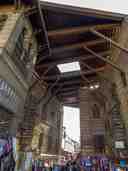
Look up and ahead-you’ll spot the Sultan al-Ghuri Complex by its two grand stone buildings facing each other across the narrow market street, their intricate windows, striped stonework, and a huge wooden roof stretching above, shading the bustling crowds and stalls below. Now, as you stand right in the heart of Cairo's old town, close your eyes for just a second and imagine the sights, sounds, and even a few intriguing smells swirling around you. The Sultan al-Ghuri Complex isn’t just a building-it’s a whole slice of lively history wedged into the soul of Cairo’s busiest street. The story begins over 500 years ago, when the formidable Mamluk sultan, Qansuh al-Ghuri, decided he needed a legacy that would outshine anything Cairo had ever seen. He didn’t just build a mosque or a mausoleum-oh no, he went all out and built two magnificent buildings, one on each side of this crazy-busy street, connecting them with what was then a wooden roof lined with blue tiles that shimmered in the sunlight. The sort of bling that says, “Yes, that’s right, I was here.” Al-Ghuri was quite the character-a sultan with wild swings between regal grandeur and harsh deeds. He could be as passionate about poetry, music, and flowers as he was about, let’s say, punishing tax dodgers…severely. People feared him, but they also flocked to see his parades and processions. In 1503, as he started construction, he cleared out whatever stood in his way, including shops, homes, and even another school, just to make space. You can almost hear the grumbling of angry shopkeepers echoing through time, mixed with the clatter and chaos of carpenters, masons, and ceramists. On your left, the eastern block holds what was meant to be al-Ghuri’s own mausoleum (more on that little twist of fate in a second!), a khanqah for Sufi ceremonies, a sabil where water was given out to passersby, and an upstairs kuttab where children would learn to read the Qur’an. On your right, the western wing is a stately mosque and madrasa, filled with marble, black and white stone, and whispering corridors where the devout still tiptoe to pray. In al-Ghuri’s wickedly ambitious mind, the dome and minaret across the street were destined to appear as one harmonious masterpiece if you approached from the south. Shoppers and worshippers alike walked beneath sparkling tilework and through recessed portals lined with black and white marble, facing off as if the stones themselves were ready for a royal parade. Now, here’s where mystery and a little Cairo drama come in. As a ruler, al-Ghuri was tough as nails, leading campaigns against the Ottomans and ruling with an iron hand. But his end came suddenly and shockingly-he died of a heart attack in the heat of battle near Aleppo, after one of his trusted allies betrayed him. His body was never found. The kind of mystery that would make even the best detective novels jealous! So, that grand mausoleum he spent a fortune on? Never even used for his own burial. Instead, relics connected to the Prophet Muhammad were paraded into it, giving this place a sacred aura, and in time, al-Ghuri’s family members found their final rest here-even another sultan. The Sultan al-Ghuri Complex became the grand centerpiece of Cairo’s textile market, so imagine this street filled with the rustling of silks, flashes of colorful cloth, and the juicy shouts of merchants hawking the latest fashion. The rents from all those stalls below your feet actually helped pay for the upkeep of the whole complex! If you look closely at the buildings-especially at the windows and arches-you’ll see hints of Coptic and Byzantine designs, as Mamluk craftsmen pinched designs from all over to show off their skills. But there’s more: the sabil-kuttab you see here is like a two-for-one history deal-a water station below, and a school above. And if you trace your fingers along the ablaq-stone walls, you might even catch a little echo of how those blue tiles gleamed when the complex was new. Sometimes grandeur has a shaky side-literally. The big dome, built to be one of Cairo’s largest, was so unstable it had to be rebuilt twice before finally being replaced with a plain wooden roof. And let’s not forget when sultans changed: the Ottomans, after conquering Cairo, took some of the fancy marble decoration back to Istanbul. Even a massive earthquake in 1992 couldn’t bring this place down for good, and after careful restoration, the complex still stands as a theater of Cairo’s story-full of ambition, beauty, turmoil, and the endless hustle of the surrounding market. So next time you stroll beneath this roof, with sunlight sneaking through, just remember: it’s not only traders and shoppers swirling around you-it’s the ghosts and glories of sultans, soldiers, poets, and dreamers. And if you listen carefully, you might even catch the faintest echoes of celebration and intrigue, mixed with the sweet call of adventure.
전용 페이지 열기 →In front of you, you’ll see a maze of beige and sand-colored buildings, dotted with a wild constellation of minarets and domes-just look ahead and up for the tall, slender towers…더 보기간략히 보기
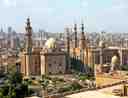
In front of you, you’ll see a maze of beige and sand-colored buildings, dotted with a wild constellation of minarets and domes-just look ahead and up for the tall, slender towers reaching for the sky, and you’ll know you’re gazing into the very heart of Islamic Cairo. Step right up-I hope you’re feeling adventurous! You’re now standing at the threshold of one of the world’s most spellbinding historical districts: Islamic Cairo. Close your eyes for a moment and listen-can you hear the hum of life centuries in the making? Now, open your eyes and imagine what it must have been like in 641 CE, when the very first footsteps of conquerors echoed off these dusty stones. Picture this: Alexandria, glorious and ancient, was Egypt’s capital-until the Muslim Arabs, led by the legendary ‘Amr ibn al-‘As, decided they needed a brand-new headquarters. They didn’t want to be anywhere near sea-faring Byzantine counterattacks or the lingering ghost of Rome, so they built Fustat, a city nestled by the Nile and shielded by the hulking Babylon fortress. With that move, the fate of Cairo was set in motion-all at the intersection of Egypt’s north and south, just like those clever Ancient Egyptians had done with Memphis so long ago. Fast forward a bit and you’d notice a parade of new cities popping up, each with grand mosques and opulent palaces. Some lasted only a few decades-like al-Qata’i, built by Ibn Tulun who, in a twist worthy of a political drama, became his own boss and ruled independently from the Abbasids. The only thing left today from that era is the magnificent Mosque of Ibn Tulun, still standing, still awe-inspiring. But nothing would compare to the arrival of the Fatimids in 969. Picture Jawhar the general, on orders from Caliph al-Mu’izz, mapping out al-Qahira-the “Victorious City.” They built it as an exclusive palace-town, baking its mudbrick walls under the sun, with two grand palaces and the now legendary al-Azhar Mosque right at the center. Ordinary folks? Sorry, they had to stay outside! Cairo was for the ruling Fatimid family and their well-guarded secrets. Only much later did the city burst out of its shell, swallowing up neighboring towns, stretching beyond its walls, and inviting the rest of Egypt inside. Here in Islamic Cairo, the change of the guard was a noisy affair! The Ayyubid dynasty took over when Saladin-yes, that famous foe of the Crusaders-ended the party for the Fatimids, tore down what was left of their glory, and built the mighty Citadel to watch over the city. It wasn’t long before Cairo swung open its doors to the world. Traders, scholars, and travelers from the farthest corners of the earth filled these streets-sometimes they brought silks and spices, other times, they brought trouble! Then came the Mamluks, legendary warrior-slaves who ended up running the show, ruling with both ambition and, let’s be honest, a little bit of drama. Under Sultan al-Nasir Muhammad, Cairo became the largest city outside China, a metropolis of half a million souls, stacked with high-rise buildings centuries before “luxury condos” were a thing. If you listen closely, maybe you’ll hear a ghostly merchant haggling over a caravan of spices! This was a city of mosques, madrasas, markets, and monuments-more per square meter than almost anywhere in the Islamic world. But, as with all stories, there were dark chapters. The plague swept through the cramped streets, the Black Death whispering in from far-off lands. The city’s population shrank, but its spirit never really weakened. Cairo always found a way to rebuild, to welcome the next wave of rulers. First the Ottomans-who couldn’t quite stop the old Mamluk traditions from shining through-and then the French, marching their boots and cannons through these lanes for a blink in time. Even Muhammad Ali Pasha, the ambitious Albanian, couldn’t resist tearing down and adding a bit of his own style, with palaces and mosques fit for sultans and sultanas alike. By the 19th century, Cairo swung toward the modern with boulevards and city planning straight out of Paris. But here, in Islamic Cairo, it’s the ancient that lingers-the crowded alleys, grand gates, and the whispers of sultans, scholars, and shopkeepers past. Today, as part of a UNESCO World Heritage site, every archway, every door, and every minaret tells a tale-if you’re willing to listen. And if you peer down any busy street, you just might stumble onto a little magic-or at least a market selling the world’s tastiest falafel. So, while you stand here, surrounded by centuries of history, take a deep breath. The pulse of Islamic Cairo is still alive, still full of stories-and you, lucky traveler, are now part of its never-ending adventure. Intrigued by the history, historical sites and monuments or the preservation status? Make your way to the chat section and I'll be happy to provide further details.
전용 페이지 열기 →Look ahead for a large, sandy-colored mosque with sharp Gothic-style windows, three tall minarets, and a row of pointed domes along the roof-Al-Hussein Mosque stands out like a…더 보기간략히 보기
Look ahead for a large, sandy-colored mosque with sharp Gothic-style windows, three tall minarets, and a row of pointed domes along the roof-Al-Hussein Mosque stands out like a crown at the edge of a lively square, right before your eyes. Alright, welcome to one of the most storied places in all of Cairo! You’re gazing at the Al-Hussein Mosque, a building that has seen centuries of drama, miracles, and mystery. Picture the year 1154: Cairo was as busy as a souk at festival time, and here, a new mosque was just completed, rising up with the sandstone walls you see. But what truly makes this site special isn’t just the architecture-it’s what, or rather, who lies beneath your feet. Some say that right here, under this grand mosque, rests the most precious relic in all of Egypt: the head of Husayn ibn Ali, the beloved grandson of Prophet Muhammad himself. For centuries, people whispered and wondered, as if the very breeze carried the secret. But getting Husayn’s head to Cairo was no smooth journey. The story goes that for 250 years, it was buried in present-day Ashkelon, Palestine-carefully guarded from both time and enemies. Then, as Crusaders threatened, a secret rescue mission was launched. In 1153, priests and servants hurried across land and river, carrying a casket shrouded in mystery on a boat bound for Cairo. As the casket arrived, the city held its breath: was this the casket of Husayn? Was it truly destined for this soil? Fatimid caliphs had their burial ground nearby, and intended this very spot as the final resting place for the casket. But intrigue didn’t stop there-a powerful vizier wanted the head moved to a shinier new mosque, but fate (and perhaps Husayn’s own wishes) kept it right here. Even the Ayyubids, who rebuilt and burned this mosque again in the 1200s, couldn’t erase its gravity. Look for the slender minaret just above the Bab al-Akhdar gate-that’s one of the few survivors from those days, its swirling arabesque carvings standing watch as dynasties rose and fell. Now, not all the stories here are about battles and relics. Some are downright miraculous! When the legendary Salahuddin-yep, the same guy famous for toppling the Fatimids-came looking for hidden treasure, he threw a poor custodian into torture worthy of an ancient horror movie. The guards shaved the man’s head and put a cap full of wriggling centipedes on him, believing he’d spill secrets if the pain became too great. But to everyone’s shock, he was unharmed, and the bugs dropped dead! Turns out, this custodian carried Husayn’s relic before, and believed it had made him immune to harm. Maybe that’s what you call “blessed protection!” The mosque’s story doesn’t stop in the Middle Ages. In the 19th century, Khedive Isma'il decided Cairo needed a touch of modern flair. He rebuilt this mosque in a style that’s part Italian Gothic (just look at the pointy windows!), part Ottoman, and a whole lot of “let’s impress everyone.” This mash-up is what we call Islamic eclecticism-much easier to spot than to pronounce! Step closer, and you’ll notice three immense, foldable umbrellas-yes, umbrellas!-installed to shelter summer worshippers from burning sun and winter rains. If you’re standing here on a Friday, you might hear the prayers echo across the square. Imagine the endless crowd, bright fabrics swishing, people hurrying to and from the bustling Khan el-Khalili bazaar next door, where a good cup of mint tea is never far from reach. Non-Muslims can’t enter the mosque, but the outside alone is a living lesson in history. Whispered legends say the crypt next to the main shrine holds artifacts belonging to Prophet Muhammad himself-his cloak, staff, even a piece of the Quran written on deerskin! Some believe the blessings here reach those who merely stand at the gate. And one last fun fact: the dazzling silver-and-gold doorway near you? Flown in from Mumbai, it was meant for a different mosque in Iraq, but just wouldn’t fit there-like a stubborn genie in a too-small lamp. So here it stands, where welcome and wonder never run out. So, drink in the sight, the sounds, the lively spirit, and the rich stories swirling around Al-Hussein Mosque-it’s a place where every stone has a tale to tell, and every footstep echoes with history. Ready to walk onward, time traveler?
전용 페이지 열기 →To spot Khan el-Khalili, look ahead for a grand stone archway opening onto a bustling alleyway lined on both sides with sparkling lanterns, metalware, and brightly colored…더 보기간략히 보기
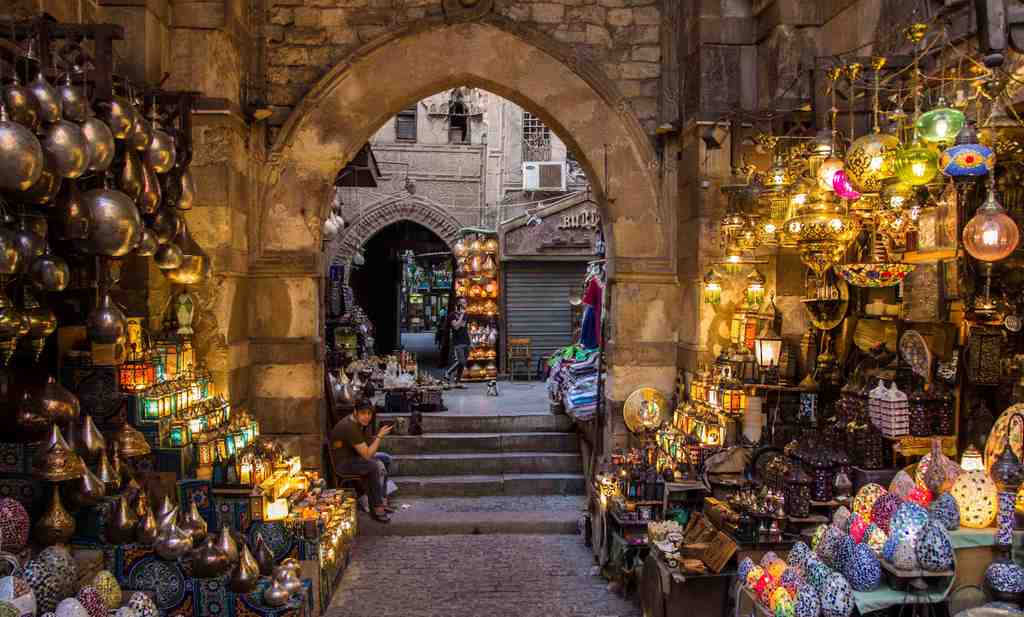
To spot Khan el-Khalili, look ahead for a grand stone archway opening onto a bustling alleyway lined on both sides with sparkling lanterns, metalware, and brightly colored ceramics displayed outside traditional shops. Welcome to Khan el-Khalili, where the spirit of Cairo comes alive in a kaleidoscope of colors, smells, and sounds! Take a step closer, and let the centuries peel away as you wander beneath this old stone arch, the very gateway that has seen sultans strut through, merchants barter with sharp eyes, and tourists like us marvel at the scene. If you listen closely, you might even catch the cheerful clang of a shopkeeper arranging his wares. This isn’t just a market-this is a time machine! Ages ago, when Cairo was the playground of Fatimid caliphs, this spot was actually part of their vast palace, and somewhere beneath your feet, saffron-colored tombs hid the secrets of royalty. But palaces come and go, and by the late 1300s, a Mamluk master of the stables named al-Khalili decided he needed a place to park his camels, sleep, and-most importantly-do some business. So, he built a giant caravanserai, a sort of hotel and depot for traders, right here. The only catch? He had to knock down the Fatimid mausoleum to make room. You could say the bones of history still whisper under your feet. As the centuries rolled on, this simple khan grew-a bit like that one room in your house that swallows up more and more stuff! More khans and wikalas (think fancy inns for traveling merchants) sprang up around it. Soon, you could buy spices straight from India, velvet from Venice, or, if you were brave, get lost among a hundred shopkeepers eager to sell you a genuine “antique”-fresh from yesterday’s workshop. But the bazaar’s glory wasn’t built in a day. In the 1500s, Sultan al-Ghuri took one look at this market and thought, “Hmm, this could use a little improvement.” Out came the old walls and in went new, imposing stone gates and a maze of roofed corridors, so precious goods could stay safe and Cairo’s rainy days wouldn’t ruin your shopping trip. Fun fact: Al-Ghuri’s renovations even tried to give this place a neat grid-good luck finding straight lines today, though! Alongside all that commerce, the market sprouted coffeehouses, including the legendary El-Fishawy Café, still serving strong Arabic coffee since 1773. Sip on shai or try some shisha if you’re game; it’s tradition! Khan el-Khalili isn’t just about shopping; it once pulsed with the arrival of caravans and foreign traders-Turkish, Syrian, African, and more. During Ottoman times, it was the center of the Turkish community in Cairo, and mysterious languages mixed in the alleys, with the smell of roasting nuts and perfume drifting through the air. Here, shops weren’t just for selling; they funded mosques, hospitals, and schools, with every coin spent swirling back into the city’s grand waqf charity system. If these streets could talk, they’d tell tales of novels set in shadowy alleys, like Naguib Mahfouz’s “Midaq Alley,” or fortune-tellers spinning stories for visitors-maybe even a superhero or two, if you count comic book fame! Of course, not every story is cheerful. Through the ages, the market has faced crises, from Mamluk feuds and fires to more recent events where it stood resilient in the face of tragedy. But like a true Cairo survivor, Khan el-Khalili always bounces back-maybe with a new layer of dust, but bustling all the same. Today, you can buy almost anything here-from golden jewelry and hand-beaten lamps to kitschy trinkets and aromatic spices. Feel free to haggle; it’s expected, and it’s part of the fun. In fact, rumor has it that your smile gets you a better price than your wallet ever could. So as you wander these historic alleys under the glowing lanterns and gaze at the treasures all around, remember: you’re not just shopping-you’re walking through the living heart of Cairo’s history. Just don’t get lost in the maze… but if you do, well, that’s half the adventure! Ready to dive in? Just follow your ears and nose-you’ll never know which wonder (or wandering merchant) you’ll meet next.
전용 페이지 열기 →To spot the Al-Ashraf Mosque, look straight ahead for the building with bold red-and-white stone stripes, a tall, detailed minaret soaring up into the sky, and a round, finely…더 보기간략히 보기
To spot the Al-Ashraf Mosque, look straight ahead for the building with bold red-and-white stone stripes, a tall, detailed minaret soaring up into the sky, and a round, finely carved dome peeking above the roofline. Standing here, you’re stepping right into a scene from 15th-century Cairo, when Sultan al-Ashraf Barsbay decided he was going to make his mark on history - not with flashy gold, but with marble floors, stained glass, and the hum of whispered prayers. Imagine the market smells all around you, the shouts of spice sellers, and the mosaic glow of the mosque pulling your eyes from the dust and noise. Barsbay, he wasn’t exactly the king of popularity contests thanks to his tight grip on trade and those strict pepper prices, but what he lacked in economic flair, he made up for in bricks, domes, and good old-fashioned piety. You’d have seen caravans rolling through the city while Barsbay himself looked for ways to show off his devotion-and make sure everyone else remembered him, too. That’s right, it wasn’t just enough to build a mosque. Barsbay made this complex his own legacy: a madrasa for teaching, a mosque for praying, Sufi lodgings for the spiritually adventurous, and even a tomb for himself - because if you want to be remembered, why not be surrounded by the prayers of the living? Picture this: in its heyday, Sufis drifted through the elaborate domed lodgings, their chants echoing between marble and colored glass. The courtyard dome, carved with intricate patterns, would catch the late afternoon sun, throwing wild geometric shadows onto the stone. Inside, the mihrab-a bit humble compared to the glitzy minbar beside it-actually reflects the quiet modesty of Sufi life, a little “less is more” in a world of plenty. If you listen hard, maybe you’ll catch a whisper of Barsbay’s decree still circling the vaulted iwans-because he had his orders carved right into the stone in case anyone forgot who paid the bills or how the mosque’s money should be spent. Even after the Sufi lodgings disappeared, the mosque carried on - a gathering place, a monument, a lesson in how Mamluk sultans mixed faith, politics, and just a dash of vanity. Barsbay might have tried to conquer Cyprus, but right here, with every prayer, every echo of the call to prayer bouncing off red-and-white walls, he’s still the Sultan who tied his name forever to the beating heart of Cairo. And honestly, who needs luxury goods when you’ve built yourself into the history books?
전용 페이지 열기 →To spot the Qalawun Complex, look to your right for an impressive long stone façade featuring rows of pointed arches, ornate windows, a large dome, and a tall, intricate minaret…더 보기간략히 보기
To spot the Qalawun Complex, look to your right for an impressive long stone façade featuring rows of pointed arches, ornate windows, a large dome, and a tall, intricate minaret rising above the busy street-like a sandcastle fit for a sultan but on a much grander scale! Now, let me carry you back to Cairo in the late 1200s. Picture this street alive with the shouts of merchants, the clip-clop of horses, the clatter of carts, and right in the middle of it all, Sultan Qalawun deciding he was going to build something to stun the city-and well, you’re standing right in front of it! This colossus of a building popped up in record time, just over a year for the mausoleum, mosque, and madrasa, and six months for its grand hospital. Qalawun had a knack for fast work. Or rather, his supervisor emir Sanjar did-which got Sanjar quite the reputation, too, believe me! Sanjar was a man in a hurry who, rumor had it, got hands-on with people’s property and wasn’t shy about using a little “persuasion”-okay, a lot of persuasion-to get the job done. He made builders, passersby, and even unlucky Mongol prisoners all pitch in, voluntarily or not! The word on the street was if you so much as paused near this construction site, you might be handed a hammer or a pile of bricks. Despite all the drama, though, when the first prayers echoed through the halls and the hospital opened its doors to the sick and the poor, all of Cairo gazed in awe. This wasn’t just a tomb-it was a center of learning, healing, and religious life that bustled day and night for hundreds of years. In fact, legend says Qalawun himself was inspired to build the hospital after recovering from an illness in Damascus. He made a vow to God that if he ever got better, he’d build a place just as grand for the sick back home. That’s one way to keep your New Year’s resolution, right? Now, the Qalawun Complex is no ordinary piece of architecture. Its 67-meter stretch of honey-colored stone is covered in elegant stripes, pointed-arched windows, and a trio of arches that frame the main entrance. Look up, and you’ll see the unusually tall minaret with its papyrus-shaped crown-a wink to the days of the Pharaohs, as if the sultan was saying, “Hey, don’t forget I rule here now!” The grand dome you see covers the mausoleum, and when it was first built, it quickly became the stage for investing new emirs-imagine serious men in silks and turbans, all under that same roof, listening to the recitation of power. Step inside (in your imagination for now), and you’d find a maze of marble mosaics beneath your feet, walls glittering with painted and gilded wood, glass, and mother-of-pearl. The central corridor runs right through, dividing the complex: on your left, the madrasa with its open courtyard and burbling pool, the sound of students recalling verses and legal scholars debating. On the other end, hidden from the street, the bimaristan-the hospital-once a place where the destitute could find not just medicine, but a hot meal, shelter, and even new clothes. The sounds of the sick mingling with the soft tread of sandaled feet and the clink of apothecary jars would drift through the air. The mausoleum itself is a masterpiece-imagine an octagonal space with soaring columns, bands of script swirling overhead, and a lavish mihrab lined with marble and glinting glass. Qalawun and his son, al-Nasir Muhammad, both rest here, surrounded by the splendor they built. Not everything survived the centuries unscathed: an earthquake in 1302 toppled parts of the structure, but al-Nasir, determined to keep his father’s legacy alive, rebuilt what was lost. Even later, when the Ottomans strolled through, a governor named Abdul-Rahman Katkhuda couldn’t resist adding his own flourish-a new dome and a water fountain across the street. Restoration after restoration, every generation made its mark. And let’s not forget the sounds-ancient windows grilled to let prayers spill out onto the street, as if the building itself wanted the world to join in. Once, you could even hear calls for medical help, history lessons, children running, and the deep, resonant chime of devotion. So as you stand here gazing up at this old stone giant, imagine all those stories embedded in the walls. It’s not just a place for the wealthy or the pious. For centuries, the Qalawun Complex was a piece of everyone’s Cairo-a palace, a school, a hospital, and a resting place for the ages. And if you listen closely, maybe you’ll still catch whispers of its lively past just around the corner.
전용 페이지 열기 →To spot Beshtak Palace, look to your left for a tall, sand-colored stone building with distinctive wooden mashrabiyya windows poking out above bustling street shops. Imagine the…더 보기간략히 보기
To spot Beshtak Palace, look to your left for a tall, sand-colored stone building with distinctive wooden mashrabiyya windows poking out above bustling street shops. Imagine the year is 1335. The air is alive with the chatter of merchants, the clatter of horse hooves, and the smell of fresh bread wafting through Muizz Street. Right where you're standing, Sayf al-Din Bashtak, a powerful amir who happened to be married to the sultan’s daughter (talk about in-laws!), decided to build himself the palace of all palaces-five stories high, with cool running water on every floor. You see those little shop openings just below? Bashtak was a smart fellow; he let shopkeepers rent those spaces, and their payments helped keep his pockets lined… and probably funded some very fancy feasts. Inside, there’s a hall so majestic you wouldn’t blame guests for gawking. Picture a grand space: sunlight filtering through colored glass windows, a ceiling so finely carved it looks like a wooden checkerboard, and-my favorite part-a marble fountain right in the middle, bubbling away as conversations and music filled the air. But if you peeked up, you’d spot those beautiful wooden screens high above-behind them, the women of the palace could quietly spy on the gatherings below, catching every secret and joke without anyone noticing. Think of it as the original social media feed-just with less scrolling. Centuries whirled by and the palace fell into ruin, its stones almost swallowed by Cairo’s busy heartbeat. Then, in 1983, a team from the German Archaeological Institute dusted off the past and brought what you see now back to life-a rare, dazzling reminder of how lively, clever, and grand this city’s history truly is. So take a look, listen closely, and let the whispers of old Cairo guide your imagination.
전용 페이지 열기 →To spot the Aqmar Mosque, just look for the tall, cylindrical minaret and the dazzling stone façade with rows of beautifully carved arches and a huge shell-shaped niche right…더 보기간략히 보기
To spot the Aqmar Mosque, just look for the tall, cylindrical minaret and the dazzling stone façade with rows of beautifully carved arches and a huge shell-shaped niche right above the doorway, all set against the lively backdrop of al-Mu'izz Street. Right here, at the heart of historic Cairo, you’re standing before the legendary Aqmar Mosque-whose name means “the moonlit mosque.” Imagine Cairo nearly a thousand years ago: bustling markets, the footsteps of people on cobblestone, and the aroma of spices swirling in the air. It’s 1125, and the city’s main avenue is alive with whispers of intrigue and power. Vizier al-Ma'mun al-Bata'ihi, a man who once struggled in poverty and learned building skills from humble jobs, decides to leave his mark on history-not just any mark, but a masterpiece of light and stone. He picks this exact spot, once the ceremonial and palatial heart of Fatimid Cairo, to build the Aqmar Mosque-a beacon for the neighborhood and the mighty palace next door. You’ll notice that the façade in front of you isn’t just beautiful; it’s groundbreaking. For the first time in Cairo’s history, a mosque’s entrance has been carefully angled to line up perfectly with the street while the inside still faces Mecca. The architects had to change the thickness of the walls just to pull off this trick. Clever, isn’t it? If only assembling IKEA furniture were this inspiring. Its exterior decoration is a riot of faceted textures, niches, and geometric patterns. Fatimid symbolism is everywhere you look-huge medallions inscribed with the names “Muhammad” and “Ali,” surrounded by Qur'anic verses meant to legitimize their rule and remind everyone, “Hey, we’re the real deal!” Above the doorway, the spectacular shell-shaped recess almost feels like a theatrical curtain ready to lift. But listen closely, and you’ll hear not just the stories of power, but the drama that clings to these stones. Vizier al-Ma'mun, soon after completing this mosque, would be dragged away and executed-his brilliant creation left behind as his only voice. Yet even political storms couldn’t drown out Aqmar’s light. Over centuries, time took bites out of the mosque, its minaret collapsed, and the street rose up, burying the original row of shops that once paid the bills. The Mamluk amir Yalbugha al-Salimi came along in the 1300s to save the mosque from ruin. He gave it a new minaret and, just for style, added shop stalls to the right of the entrance-imagine buying bread or trinkets right under these gorgeous carvings! Over time, parts of the mosque were restored, replaced, and, sometimes, lovingly criticized-like the 1990s restoration by the Dawoodi Bohras, who brought back parts of the façade but changed some historic details along the way. If you look at the front, the stone on the right is lighter and smoother than the original blocks on your left, like the world’s most ancient “before-and-after” renovation. Now, pause for a moment and soak in all the details. To your left, there’s a special window grille: a six-pointed star with a lamp dangling in the middle. Scholars still argue about its meaning-some say it’s a symbolic prayer niche, while others claim it’s a nod to royal victory and power grabs, like an ancient version of showing off your team’s trophy. Closer to the doorway, there are carved panels shaped like doors, alluding to a famous saying: “I am the city of knowledge and ‘Ali is its gate.” Or is it political? They could represent the gates to the caliph’s court, hinting at all the intrigue and ceremonial drama the Fatimid viziers lived through. And if you spot a rosette on the façade, it’s covering up a decorative medallion that was suspiciously removed-no one knows exactly why, but I like to imagine an ancient prankster or maybe just a ruler with a grudge. Inside, there’s a tranquil courtyard, once surrounded by lively Kufic inscriptions, a place where the sun pours down and footsteps echo softly on cool stone. The original mihrab-the prayer niche-has been replaced a few times, from Fatimid to Mamluk to modern rebuilding. The roof above the aisles has changed too, going from an ancient flat ceiling to shallow brick domes during later restorations. Even the Mamluk minaret you see now is only partly original; the upper section fell in a storm and was replaced. Every element on this mosque’s face-carved medallions, mysterious grilles, scalloped hoods-tells a story packed with meaning, design, and a little bit of Cairo’s playful mischief. So while you stand here, remember: you’re not just admiring stone. You’re peering into a glittering slice of Cairo’s soul, bright as moonlight, standing strong through centuries of change. And if you linger long enough, you might just catch the echoes of long-gone voices, laughing, debating, and living beneath the moonlit façade of Aqmar.
전용 페이지 열기 →In front of you, Bayt al-Suhaymi stands out with its sandy stone walls, tall mashrabiya wooden windows, and a peaceful courtyard filled with palm trees-just look for the oasis of…더 보기간략히 보기
In front of you, Bayt al-Suhaymi stands out with its sandy stone walls, tall mashrabiya wooden windows, and a peaceful courtyard filled with palm trees-just look for the oasis of greenery framed by latticed balconies and you can’t miss it! Now, picture yourself stepping back nearly 400 years-when this house first sprang to life in 1648, it was the mansion dream of Abdel Wahab el Tablawy, right here on the posh street of Darb al-Asfar. Imagine the clatter of horse hooves and the scent of jasmine drifting up from the central garden to those marvelous carved wooden balconies above. But the real tale begins some 150 years later, as Sheikh Ahmed as-Suhaymi strolls up, spots this house, and says, "One mansion’s never enough!” With a flair for expansion, he attached neighboring houses, turning Bayt al-Suhaymi into a miniature palace filled with secret nooks, cool marble floors underfoot, and ceilings so beautiful, you might risk a sore neck just trying to see every detail. Generations of his family called it home, their laughter echoing around the courtyard, sheltered from Cairo’s dust and bustle. Today you don’t need a sheikh’s fortune-just a ticket-to wander through the same halls, admire the old wooden furniture that’s survived earthquakes and the centuries, and maybe, just maybe, feel a little of the house’s old magic lingering beneath the palms. If only those mashrabiya windows could talk, who knows what family secrets they’d spill!
전용 페이지 열기 →Look to your left for the striking long, curving marble facade decorated with tall arched windows and detailed carvings, and you’ll spot an elegant slender minaret rising…더 보기간략히 보기
Look to your left for the striking long, curving marble facade decorated with tall arched windows and detailed carvings, and you’ll spot an elegant slender minaret rising confidently above-the unmistakable Mosque-Sabil of Sulayman Agha al-Silahdar. Now, let’s spin back in time, just like the whirling dust on this ancient Cairo street. Imagine yourself in 1839, right as Sultan Suleiman Agha al-Silahdar decides to make a mark on the city. As you stand here, the noises of modern Cairo fade away, replaced by the clip-clop of horses, busy traders, and a trickle of water from that sabil-that’s the beautiful marble structure to your left, where fresh, cool water flows for every passerby, rich or poor. Finding a free drink back then? It was like winning the lottery, and all you had to do was walk by! The building is a real show-off-built not just as a mosque, but as a sabil and a school, a kuttab, all at the starting point of Burjouan Alley, facing the bustling extension of Al-Nahasin Street. Its marble walls shine white in the sunlight, swirling with Baroque-inspired floral designs and bold Turkish calligraphy. And don’t miss the mashrabiya-intricate wooden screens that shielded mystery, gossip, and maybe an odd pigeon or two. The scent of history is thick here, and if you listen close enough, you might just hear secrets echoing from the days when Muhammad Ali Pasha ruled Egypt. Inside, the rectangle of the mosque splits in two: step into the western side and you’ll find a sanctuary ringed by marble-pillared corridors beneath a vaulted ceiling, each small dome splashed with bright oil paintings of flowers and winding Qur’anic verses. Light pours in through long, oblong windows as it has for centuries, bathing the wooden ceilings and the marble mihrab-where prayers point to Mecca-in a soft, golden glow. Of course, for thirsty travelers, the sabil was a lifesaver. But, Sulayman Agha wasn’t just looking to quench thirst-he wanted to help people get a little closer to heaven, too! The sabil’s water cooled in its marble basin, a charity on a busy street rather than a quiet back alley, so everyone from nobles to noodle-sellers could refresh themselves. Above the door, there’s a tiny rounded balcony-just big enough for a well-placed pigeon or a bold announcer, perhaps summoning people to prayer. And if you glance up, you’ll spot that tall, elegant minaret soaring skyward like a finger pointing to the heavens. Renovated in 2015 by one of Sulayman Agha’s own descendants, this stunning complex continues to shelter stories, prayers, and-if you’re lucky-the cool shade of Cairo’s centuries-old generosity. So take a moment to soak in the grandeur… but if you get thirsty, don’t expect the sabil to serve you-today’s menu is strictly historic!
전용 페이지 열기 →To spot Al-Hakim Mosque, look for a long, cream-colored stone wall with large arched doorways and a towering, chunky minaret rising above the walls, capped with a…더 보기간략히 보기
To spot Al-Hakim Mosque, look for a long, cream-colored stone wall with large arched doorways and a towering, chunky minaret rising above the walls, capped with a beautifully-carved, octagonal top-when you see that sturdy minaret poking up over the crenellations, you’ve arrived! Now that you’re standing here, close your eyes for a second and imagine the distant echo of footsteps on marble, and the gentle rustle of a breeze tugging at fabric curtains. Right in front of you stands a giant of Cairo’s past: the Al-Hakim Mosque, known also as "the Illuminated." But honestly, this place has had more comebacks than a soap opera star! Let’s rewind all the way back to the year 990. Picture a growing Cairo, sunlight bouncing across unfinished stone as the Fatimid caliph al-ʿAziz, eager to outdo his ancestors, begins work on a vision: a mosque to dwarf even the mighty al-Azhar. The project takes decades, and when his son, the infamous al-Hakim, finally finishes it in the year 1013, it was truly colossal-almost the size of two football fields. Al-Hakim, whose name still echoes through Cairo’s tales, spared no expense, pouring treasure and pride into the massive courtyards, echoing arcades, and-the real party piece-those twin minarets, rising up like giant chess pieces guarded by boxy fortresses. But it wasn’t all prayers and parties here! Over eleven centuries, these stones survived earthquakes, empires, even crusaders with bad manners. At one point, the mosque served as a prison for captured Crusaders. If you listen closely, you might almost hear the clank of chains and the distant shout of an angry jailor. Later, legendary Sultan Saladin found a new purpose for it-as a stable for his prized horses! (Imagine explaining that to today’s mosque-goers: “Sorry, your shoes are muddy? Wait till you see what the horses left behind!”) Over time, nature and history were not kind to Al-Hakim. Centuries rolled on and the mosque grew worn and faded, its marble floors covered in dust, its beautiful inscriptions nearly lost to time. Powerful sultans brought moments of glory, like Sultan Baybars, restoring it after a huge earthquake in 1303, and Sultan Hasan, giving it another facelift in the 14th century. A generous merchant even dreamed of a third minaret, but sadly, that tower did not survive-like a plot twist lost on the editing room floor! This mighty mosque has been so many things-a school for boys under President Nasser, an arts museum, a fortress against Napoleon himself, and even a grain storehouse. I have to say, Al-Hakim’s resume is truly impressive! In the 19th century, a new mihrab was built, marking yet another rebirth. But back to those curious minarets: Legend has it, they originally stood tall and proud, covered in gorgeous patterns and Quranic verses. Then, one day, al-Hakim decided to cover them up with thick square towers. Why? Some say it was political drama-Cairo’s answer to hiding embarrassing family photos! Others argue maybe it reflected Al-Hakim’s mysterious shifting beliefs-a ruler whose mind was as labyrinthine as the city itself. Centuries passed, and just when it seemed the mosque would vanish into ruin, the Dawoodi Bohras, an Indian Shia community, swept in with hammers and heart. In just 27 months, they wrapped the mosque in marble and gold, illuminating it once again, just like its nickname promises. Egyptian presidents and community leaders gathered in 1980 for the grand re-opening-a moment that must have sent goosebumps through the crowd. Recent years have brought gentle restoration: skilled hands replaced lost carvings, new marble floors were laid, and the Kufic inscriptions-those elegant, angular Arabic verses-shine once more across the arches. In 2023, the mosque greeted world leaders once again, proof it has lost none of its magic or power to inspire. So as you stand here, listen to the echo of your own footsteps, imagine the laughter and prayers of Cairo’s people across a thousand years, and let your eye travel up to the minaret, still keeping watch over the city. Al-Hakim Mosque stands as a reminder: even when history takes a wild turn, this city’s light never dims for long.
전용 페이지 열기 →
자주 묻는 질문
투어는 어떻게 시작하나요?
구매 후 AudaTours 앱을 다운로드하고 교환 코드를 입력하세요. 투어를 바로 시작할 수 있습니다 - 재생을 탭하고 GPS 안내 경로를 따라가시면 됩니다.
투어 중 인터넷이 필요한가요?
아닙니다! 시작 전에 투어를 다운로드하면 완전히 오프라인으로 즐길 수 있습니다. 채팅 기능만 인터넷이 필요합니다. 모바일 데이터 절약을 위해 WiFi에서 다운로드하시는 것을 권장합니다.
이것은 가이드가 안내하는 단체 투어인가요?
아닙니다 - 이것은 셀프 가이드 오디오 투어입니다. 폰을 통해 오디오 나레이션을 들으며 나만의 속도로 독립적으로 탐험합니다. 투어 가이드도, 단체도, 일정도 없습니다.
투어는 얼마나 걸리나요?
대부분의 투어는 60-90분이 소요되지만, 속도는 전적으로 본인이 조절합니다. 원할 때 언제든지 일시정지하거나, 정류장을 건너뛰거나, 휴식을 취하세요.
오늘 투어를 끝낼 수 없으면 어떻게 하나요?
괜찮습니다! 투어는 평생 이용이 가능합니다. 원할 때 언제든지 일시정지하고 다시 시작하세요 - 내일, 다음 주, 또는 내년에도. 진행 상황이 저장됩니다.
어떤 언어를 이용할 수 있나요?
모든 투어는 50개 이상의 언어로 이용 가능합니다. 코드를 교환할 때 원하는 언어를 선택하세요. 참고: 투어 생성 후에는 언어를 변경할 수 없습니다.
구매 후 투어는 어디에서 이용하나요?
App Store 또는 Google Play에서 무료 AudaTours 앱을 다운로드하세요. 교환 코드(이메일로 전송됨)를 입력하면 라이브러리에 투어가 나타나며, 다운로드하여 시작할 수 있습니다.
투어가 마음에 들지 않으시면 환불해 드립니다. 문의: [email protected]
안전한 결제