
자그레브 오디오 투어: 어퍼 타운의 전설, 법, 사랑의 메아리
자그레브의 우아한 지붕 아래, 금이 간 돌과 생생한 색상이 만나는 곳에서 잊혀진 전설이 울려 퍼지고, 실연은 그 자체의 박물관을 찾습니다. 이 셀프 가이드 오디오 투어는 눈에 띄지 않는 곳에 숨겨진 이야기들—대부분의 여행자들이 결코 발견하지 못하는 경쟁, 부활, 스캔들, 그리고 순수한 회복력을 드러내며 비밀의 문을 엽니다. 자랑스러운 반역자는 왜 성 마르코 성당의 눈부신 지붕 옆 광장에서 왕관을 잃었을까요? 어떤 귀족 가문이 불타버린 폐허에서 교회를 재건하여 성스러운 땅에 영원히 그들의 이름을 새겼을까요? 보라색 깃발이 걸린 박물관은 어떻게 잊혀진 신발과 불타버린 연애편지를 전 세계적인 고백으로 바꿀까요? 향기로운 빵집과 지진의 흔적 사이에서 고딕 양식의 문을 통해 드라마를 쫓고, 숨겨진 상징들로 반짝이는 예배당 안을 들여다보며, 수세기 동안의 로맨스와 반란을 풀어낼 때 발밑에서 자갈이 덜컹거리는 것을 느껴보세요. 한 걸음 한 걸음이 역사의 정적인 순간을 심장을 뛰게 하는 이야기로 바꾸어 자그레브를 완전히 새로운 시각으로 보여줍니다. 자그레브의 심장부를 더 깊이 들여다볼 준비가 되셨나요? 재생 버튼을 누르고, 각 비밀이 당신을 앞으로 이끌게 하세요.
투어 미리보기
이 투어에 대하여
- schedule소요 시간 50–70 mins나만의 속도로 이동
- straighten1.8 km 도보 경로안내 경로 따라가기
- location_on
- wifi_off오프라인 작동한 번 다운로드, 어디서든 사용
- all_inclusive평생 이용언제든지 다시 재생 가능
- location_on자그레브의 성 캐서린 교회에서 시작
이 투어의 정류장
To spot the Church of St. Catherine, look for a bright white Baroque facade with elegant statues and a triangular roof, standing proudly at the open square-its historic shape will…더 보기간략히 보기
To spot the Church of St. Catherine, look for a bright white Baroque facade with elegant statues and a triangular roof, standing proudly at the open square-its historic shape will quickly catch your eye among the surrounding buildings. Alright, take a deep breath and step into the square-can you smell that mix of rain on the cobblestone and fresh pastries from a nearby bakery? Now, gaze at the striking white wall before you. This is the Church of St. Catherine of Alexandria, Zagreb’s most famous Baroque church. If you listen carefully, you might almost hear the ghosts of old Jesuits singing hymns amid the hush of history. This church wasn’t always so grand! Back in the 1300s, there was a much smaller Dominican chapel here, and believe it or not, it also doubled as a military storage during those times when Ottoman invaders were a real threat. Talk about being ready for anything-prayers in the front, and arrows in the back! Fast-forward to the 1600s, Jesuits arrived in Zagreb, looked at the humble old church, and basically said, “We need an upgrade.” Between 1620 and 1632, they built the much bigger and more elegant church you see now, complete with a monastery next door. Today, that monastery houses the Klovićevi Dvori Gallery. But the Church of St. Catherine has never had it easy. Twice, it burned down-first in 1645, then again in 1674. That second fire was a real disaster; everything turned to ash, right down to the foundations. Local noble families helped rebuild, and in return, they could either display their lavish family crests inside or even secure a cozy spot for their final rest, with their names set in stone on the church floor. Not your typical “thank you” card, right? After the Jesuits left in 1773, the church spent a decade in the care of St. Mark’s parish, and by the late 1800s, it was proudly serving as the city’s university church. Over the years, the interior became a true Baroque wonderland-there’s one stretched nave, six side chapels, and an altar area for celebrating the most majestic mass you can imagine. The chapels themselves are tiny treasure troves. You’ll find elaborate wooden and marble altars from the 1600s and 1700s, with colorful frescos and stucco decorations from 1732 coating the dome and walls like wedding cake icing. If you were lucky enough to step inside before the church closed for repairs, you’d hear your footsteps echoing on centuries-old stone. Glance at the high main altar and you’d find a painting by the Ljubljana artist Jelovšek, showing St. Catherine brilliantly debating philosophers-she was good enough to win prizes for public speaking, never mind the theology! Now, let’s go detail-hunting. The pulpit is from 1690-gifted by Bishop Mikulić, topped with a statue of Pope Leo the Great, and surrounded by famous religious teachers. Down below, carvings of the four Evangelists keep an eye on all the worshippers, making sure no one sneaks out early. In the chapels along the sides, you’d find Apollonia, the patroness of dentistry (ouch!), St. Barbara, St. Dionysius and his fellow martyrs, and Ignatius of Loyola himself, depicted on marble and glorious canvas. Each chapel was sponsored by a different patron, so there’s a rolling parade of saints, noblemen, and historic artists, all crammed into these sacred corners. The church has had its share of disaster in recent memory, too. In March 2020, a powerful earthquake shook Zagreb, sending chunks of plaster, wooden benches, and ceiling frescos tumbling to the floor. As workers scrambled to shore up the building, a second earthquake struck near Petrinja, and the destruction got worse-the ceiling above the altar collapsed, smashing benches and the chandelier in a noisy tangle of ancient art and fresh heartbreak. And yet, even after all this, the Church of St. Catherine is a main player in Zagreb’s classical music scene, hosting concerts that make the old walls sing with life again. Organ lovers, don’t miss this: the church’s organ, built by Ferdo Heferer in 1890, is a marvel of craftsmanship, with every mechanical click and swell designed to soar through the vast, decorated nave. So as you stand here, let your imagination wander-picture priests sweeping the altar, artists climbing ladders to paint angels on the ceiling, nobles arguing over where to put their family crest, and citizens gathering for concerts, trembling at each earthquake but always rebuilding. The Church of St. Catherine is proof that faith and art both have a way of rising from the ashes-sometimes twice! Eager to learn more about the damage to the church after the earthquake, the appearance of the church before the earthquake or the organ? Simply drop your inquiries in the chat section and I'll provide the details you need.
전용 페이지 열기 →You’ll spot the Church of St. Mark straight ahead by its dazzling, patterned roof tiles in red, white, and blue, featuring two bold coats of arms, and a tall white bell tower with…더 보기간략히 보기
You’ll spot the Church of St. Mark straight ahead by its dazzling, patterned roof tiles in red, white, and blue, featuring two bold coats of arms, and a tall white bell tower with a green onion dome rising above the square. Now, let’s take you on a journey-welcome to the very heart of old Zagreb, the legendary Church of St. Mark! Imagine standing here, centuries back, as villagers bustled about and market stalls crowded this square. This might look like a pretty painting come to life, but the real art is in its rollercoaster of history. That colorful rooftop? It’s not just for show. Those vivid tiles display two coats of arms-Croatia, Slavonia, and Dalmatia on one side, and the great city of Zagreb on the other. It’s a bit like the city’s personal superhero cape-if only more superheroes wore glazed ceramic! The Church of St. Mark is a true time traveler. Parts of its Romanesque facade hint at a time so distant it would make your smartphone shudder: we’re talking about the 13th century! Built in the middle ages as Gradec’s parish church, St. Mark’s took shape with massive round columns inside, supporting its three aisles and its dramatic eastern clover-shaped ending. Medieval life here wasn’t just prayer and peaceful contemplation-if you’d shown up for Sunday service, you might have witnessed someone fastened to the "pillar of shame" out front as punishment, clangs of metal echoing through the square as the wrongdoer contemplated their life choices. This spot has withstood the ravages of fire and earthquakes-trust me, every old building here thinks of itself as a disaster movie star. In 1502, the bell tower crashed after a strong earthquake. And just when the townsfolk thought they’d fixed it, another earthquake or fire would sweep through-Zagreb’s version of Groundhog Day. Through each twist and tumble, something new was added: after a fiery roof collapse, they blessed it with a baroque onion dome, while inside, local legends like sculptor Ivan Meštrović and painter Jozo Kljaković worked their magic-think “Game of Thrones” meets Croatian Renaissance. The southern portal is the crown jewel of all Croatian Gothic portals, with fifteen statues perched in eleven niches, staring out with silent stone wisdom. But don’t let their stony faces fool you-they’ve seen centuries of drama, from peasant uprisings to royal processions. Just imagine the clang of swords and stomp of boots as Ambroz Matija Gubec, the leader of a peasant revolt, was crowned here with a red-hot iron crown for all to witness-a far cry from your everyday church bake sale. When the 19th century rolled around, the church got a neogothic makeover thanks to Vienna’s Friedrich Schmidt and his pal Hermann Bollé, who basically gave it a “gothic meets Croatian” facelift with the radiant tile roof we see today. In fact, that rainbow of tiles was only added in 1878, and each glazed piece was crafted by the famous Zsolnay workshop in Hungary-so you could say the roof traveled before it was cool. Inside, music has always been the soul of St. Mark’s. Since 1359, the organ has played, with every new instrument pushing technology-and volume-to new heights. The latest organ, built by Eisenbarth in Passau and assembled with utmost care, boasts 41 registers and took years of teamwork, meticulous adjustment, and not a little bit of organist pride (or squabbling!) to get just right. And if you want to see how far the fame of St. Mark’s has spread, hop on a plane to Canberra, Australia, where a tiny replica-complete with those painstakingly tiled roofs-welcomes curious Aussies and Croatian expats. Talk about a Croatian building with frequent flyer miles! In its wounded stones, St. Mark’s keeps stories of battles, earthquakes, renovations, bold heroes, ingenious artists, and more than a few noisy bird visitors on its famous rooftop. And after all this, the church stands ever proud as one of Zagreb’s most enduring and colorful symbols-a beacon of faith, artistry, and community, crowned with a roof that would make any Instagram filter weep with jealousy. Intrigued by the description of the church, the foundation of the parish of st. st. mark's church and the construction of the church or the renovations and interventions? Make your way to the chat section and I'll be happy to provide further details.
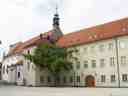
전용 페이지 열기 →The Museum of Broken Relationships is in a stately pale building with large green-trimmed windows and a purple flag hanging over a black arched doorway-just look for the flag…더 보기간략히 보기
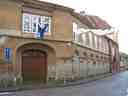
The Museum of Broken Relationships is in a stately pale building with large green-trimmed windows and a purple flag hanging over a black arched doorway-just look for the flag above the entrance, right along the quiet street. Now, let me take you on a journey into one of Zagreb’s quirkiest treasures-where every heartache, no matter how dramatic or small, gets its very own place to shine! Right in front of you stands the Museum of Broken Relationships, a place dedicated not just to history or art, but to the wild, unpredictable twists of the human heart. It’s as if Cupid’s lost arrows landed here, and instead of sadness, you find humor, nostalgia, and a bit of global therapy. Imagine the scene: two Zagreb artists, Olinka Vištica-a filmmaker with a producer’s creativity-and Dražen Grubišić, a sculptor with an eye for the unusual, share four years together. After they split in 2003, they joked about starting a museum to house the random objects left behind: the stuffed bear, the forgotten key, maybe even an ex’s old T-shirt. Most people would toss them away-or perhaps sleepily drop them in a donation bin-but these two? They turned heartbreak into an exhibit. Three years after the breakup, Dražen called Olinka and said, “Seriously, let’s do it.” Instead of wallowing, they rallied friends to contribute their own leftover relics from failed romances. Soon, the collection grew, and in 2006, it made its public debut in Zagreb at the Glyptotheque. The response? People loved it-apparently, everyone has an old, mysterious memento to share. The exhibition hit the road, traveling through Argentina, Berlin, London, Shanghai-you name it. In Berlin, more than 30 objects were added; after every stop, new chapters of heartbreak and healing joined the collection. It wasn’t all smooth sailing, though. The Museum of Broken Relationships almost became a victim of bureaucracy. The Croatian Ministry of Culture didn’t see why a museum about lost love belonged on their list. So, Olinka and Dražen made a bold move: they opened a 300-square-meter space in Upper Town using their own money. Suddenly, locals and tourists alike could wander in, seven days a week, and immerse themselves in stories as funny, mysterious, and touching as their own. Some items here seem ordinary: a toaster, a shoe, a love letter burned halfway through. But look closer-each object carries the secret weight of a story. Every donor wrote an anonymous explanation. One exhibit might read, “This tie was worn on our first date. I never wore it again-neither did he, after that spaghetti incident.” Each piece places you in someone else’s shoes for a moment, sharing their bittersweet laughter or silent tears. In 2011, the museum received the Kenneth Hudson Award for the most innovative museum in Europe, not just for its concept but for making reflection, catharsis, and real conversations part of the exhibition experience. At the Museum of Broken Relationships, you don’t just look at art-you feel it. By 2017, over 100,000 visitors a year were drawn into these stories, making it one of Croatia’s most beloved museums. The museum’s collection has ballooned to over 3,500 objects, collected from nearly every continent. It keeps growing, too, because relationships-let’s face it-are never in short supply! And recently, in a plot twist worthy of a romantic comedy, the museum opened a second permanent home in Chiang Mai, Thailand. Love, it seems, is universal-and so is heartbreak, humor, and the healing that comes after. Step inside if you dare! You just might leave with a new perspective…and maybe with inspiration to repurpose that lonely sock at the back of your drawer.
전용 페이지 열기 →

13개 정류장 더 보기정류장 적게 보기expand_moreexpand_less
As you come to a stop in front of the City Assembly of the City of Zagreb, take a moment to soak in the stately, almost theatrical atmosphere. The building has an energy about…더 보기간략히 보기
As you come to a stop in front of the City Assembly of the City of Zagreb, take a moment to soak in the stately, almost theatrical atmosphere. The building has an energy about it-one that hints at all the passionate debates, crucial votes, and maybe the occasional eye-roll that have gone on inside these walls. If Zagreb had a heart that never stopped talking, it would probably be beating somewhere in there. Close your eyes and picture this: behind those dignified doors, 47 city representatives gather, not just to sip coffee and talk about the weather, but to decide the very future of Zagreb. Think of them as the city’s pit crew-keeping everything running, from the grandest bridges to the tiniest street corners where cats like to nap. They pass laws, set budgets, and even decide who gets the coveted Zagreb City Award. If you ever hear someone bragging about being “Zagreber of the Year,” you’ll know who handed out the trophy. The air inside is thick with anticipation every time they gather. They’re responsible for a dizzying list of tasks: setting the city’s statutes, creating plans for new neighborhoods, making sure the trash gets picked up, and even bestowing titles like “Honorary Citizen of Zagreb.” Sometimes, the stakes are high-imagine discussing million-kuna decisions, or declaring a new part of the city a protected nature spot. “Should we save the park or turn it into a parking lot?” The debates can get so lively, I’ve heard that the only thing missing is popcorn. And yes, they control the purse strings. The assembly decides on the city’s budget, and whether Zagreb gets to go shopping for new land, shiny buildings, or-if they're feeling especially adventurous-maybe a statue or two. They even have the power to start or end all kinds of city projects, sometimes with a bang and sometimes, well, with a fizzle. Let’s sprinkle in some political suspense! Every few years, new faces arrive after the local elections, with lots of handshakes for the winners and, let’s be honest, a few sighs from the not-so-lucky. In 2025, a new president was chosen: Matej Mišić, carrying on a long tradition of leaders. The president isn’t just a figurehead; they’re running the show: calling meetings, keeping things orderly-well, trying to-and signing all the essential documents. You might catch them keeping the peace with a firm tap of the gavel, possibly wishing for magic powers to make everyone agree just once. Of course, no president can do it all, so there are up to four vice presidents, ready to step in, give advice, or just pass the extra paperwork. Over the years, the assembly’s leadership reads like a roll call of Zagreb’s recent history. Political parties have come and gone, and some debates got so intense that I wouldn’t be surprised if the windows rattled! Through it all, the City Assembly has been, shall we say, the city’s “argument room”-and the source of many passionate speeches, soaring ambitions, and the occasional legendary standoff. If these walls could talk, they’d have stories about Boris Buzančić, Joško Klisović, and a parade of determined leaders who all tried (in their own style) to leave their mark. But the City Assembly isn’t all serious business. Picture a moment when they’re granting someone the title “Honorary Citizen” while the audience gives a polite applause-except for that one guy who always claps too long, just to be noticed. Or the time someone tried to introduce a “Bring Your Dog to the City Assembly Day” and everyone got distracted by a runaway poodle chasing after sandwiches. Democracy can get messy, but at least in Zagreb, it has a sense of humor. The tension inside can get high during heated debates-so much so that you almost expect to hear a drumroll before each important vote. Sometimes there are disagreements about which city festival deserves a bigger budget, or which old building should be preserved. But between moments of drama and delight, the City Assembly acts as Zagreb’s voice, full of pride, opinion, and a desire to make the city even better. Now, as you gaze up at the building, realize that you’re standing on the very spot where the city’s destiny has been discussed and directed for decades. Who knows? Next time you hear about a quirky new festival or a beautiful new park, you might just be able to say, “I saw where that idea was born!” All it takes is a bunch of passionate people, some well-used voting buttons, and a city that never stops dreaming.
전용 페이지 열기 →Directly in front of you stands a large, pale cream-colored building with a sloped red roof and a row of elegant rectangular windows - to spot the Old City Hall, just look for the…더 보기간략히 보기
Directly in front of you stands a large, pale cream-colored building with a sloped red roof and a row of elegant rectangular windows - to spot the Old City Hall, just look for the building on the corner with two flags waving near its carved stone entrance. Welcome to the Old City Hall of Zagreb-a place where the walls have just as many stories as the people who walked its halls, and probably twice as many secrets! Picture yourself standing here a few centuries ago, when the heavy wooden doors would swing open and the clatter of boots on cobblestones would echo through the square. This complex you see today is actually a marriage of three buildings, their fates forever tied together at the end of the 1800s, creating a home for the city’s most important decisions. Way back in the 15th century, when knights still clanged through Zagreb, there stood a simple council house right on this very spot. But it didn’t stay simple for long: by 1614, Jakov Gasparini-one of the mightiest magistrates in Gradec-had it transformed into the town hall. Think of all the lively debates, heated arguments, and perhaps a few dramatic door slams that must’ve filled the air! By 1787, the building had enough rooms to host not only politicians, but also prisoners in its jails, and shopkeepers in two bustling shops-plus a kitchen for those all-important council snacks. Who says city business can happen on an empty stomach? As Zagreb grew, so too did this hall’s ambitions. In 1803, the city purchased the next-door mansion from Count Adam Oršić. Soon after, something downright cinematic happened: Kristofor Stanković, a local merchant, won big at the Vienna lottery. (Imagine the excitement-one day you’re selling goods, the next you’re rich enough to build a theater!) With his winnings, Kristofor invested in a grand new stage for the city-a theater filled with music, laughter, and the promise of something remarkable. By 1833, the cornerstone of the city theater was laid, and the neighborhood buzzed with excitement. The building initially had triple doors right where you’re standing, opening into a sparkling ballroom and a gallery that surely saw its share of swirling gowns and whispered intrigue. In that theater, for the very first time, the Croatian language echoed through the city-first in a patriotic song, then in the drama "Juran and Sofia," and finally in 1846 with the first-ever Croatian opera, "Love and Malice." Even the Croatian Parliament itself gathered in that ballroom, making history by declaring the Croatian language the official tongue of government right here in 1847. But by the late 1800s, the curtain fell on performances here-the theater moved downtown to a newer, shinier stage. The city government took over, merging these buildings into one big City Hall. They transformed that grand old ballroom into a chamber where the assembly could argue, vote, and occasionally nap through long debates (at least, I imagine so). Little by little, new stories grew within its walls: in the early 1900s, the city added more rooms for offices; in World War II, the attic was turned into working space; and by the 1970s, parts of the building were lovingly restored, with the halls echoing once again in grand style. Old City Hall is not just offices and meeting rooms-downstairs, you’ll find the Kristofor Stanković Art Gallery, where Zagreb’s cultural heartbeat still ticks strong. And if you look closely at the walls, you’ll spot two special plaques: one celebrates big moments in Croatian history, and the other features the legendary inventor Nikola Tesla. In 1892, Tesla himself stood in these halls, promising to help electrify Zagreb-though, in classic city council style, the politicians passed on his idea and chose someone else’s plan. Oh, what could have been! Whether it’s council sessions, wedding vows, or the echo of a centuries-old opera, the Old City Hall has seen it all. So, as you stand here in the shadow of its walls, let your imagination wander-who knows what spirited debate, love story, or lottery-winning miracle might unfold next?
전용 페이지 열기 →Let’s travel back in time for a moment. The oldest meeting of the Sabor, as Croatians call their parliament, with preserved records, gathered here in Zagreb in 1273-think knights…더 보기간략히 보기
Let’s travel back in time for a moment. The oldest meeting of the Sabor, as Croatians call their parliament, with preserved records, gathered here in Zagreb in 1273-think knights in shining armor, clerics in flowing robes, and the jittery sound of parchment rustling as laws were made. Back then, the Sabor was more of an exclusive club for the nobility, a sort of medieval think-tank… minus the coffee breaks. Over the centuries, this assembly adapted and survived, evolving with Croatia through Habsburg, Austrian, and Hungarian rule. Who would have guessed that in the 1500s, a Parliament session could mean deciding who got to be king? In 1527, here, the Sabor freely chose Ferdinand I from the mighty Habsburg family as their crowned ruler-a plot twist worthy of Game of Thrones, minus the dragons (unless you count angry politicians as dragons, of course). By the 1800s, the Parliament had become something of a political rollercoaster. Imagine the scene: fervent debates over national revival and autonomy, the thump of boots from representatives rushing across the square, and public rallies echoing outside. The Sabor would sometimes meet in makeshift halls or borrowed mansions, until in 1737, construction on this magnificent building began. For a while, it even housed the royal archives and the county government-before the Parliament demanded the place for itself. Talk about taking over the lease! Inside, the walls have witnessed it all: from high drama to deep silence. During World War II, the Sabor was sided and silenced, only revived by fierce resistance against fascism, under the National Anti-fascist Council (ZAVNOH) in 1943. Then came the Communist era, when Parliament morphed into a multi-chamber maze-at its most confusing, it had five separate divisions! That’s probably more committees than even the staunchest bureaucrat could handle. If you ever feel that your meetings are endless, just remember: at one point, Croatian politicians needed a roadmap just to find the chamber where they were supposed to argue. But the true democratic spirit sparked to life in 1990, with the first multi-party elections since Communist rule. Suddenly, Sabor wasn’t just for the well-connected or the loudest voices-it became the living, breathing voice of all Croatians. 151 members, elected by the people, now fill the seats, including special places just for national minorities and Croatians living abroad. Every four years, new faces appear, each hoping their arguments will shape a brighter future-and maybe win a bit of television airtime. The Parliament holds serious power: passing laws, setting budgets, amending the Constitution, and even deciding when to go to war (although, let’s hope their conflict stays verbal). They can deploy the armed forces, call referendums, and yes-even grant amnesty to wrongdoers. And when it gets really tense-like in times of war or disaster-it’s the Sabor that decides which rights might need to be temporarily set aside for the sake of peace and safety. Of course, all their decisions get published in the official gazette, Narodne Novine-turning heated debates in these halls into crisp, inked law. And if Parliament starts to really lose the plot, there’s always the Constitutional Court and the ombudsman to keep things in check. What about this building? Finished in 1911 in its current form, designed by Lav Kalda and Karlo Susan, it’s been the nerve center for drama and decision ever since. After the 2020 earthquake, though, it’s needed some repairs-so, like any good tenant with a plumbing problem, Parliament has temporarily relocated to the military barracks in Črnomerec. Still, this square remains the symbol of Croatian self-rule. Standing here, it’s easy to imagine the bang of a speaker’s gavel or the passionate, clashing voices of those shaping Croatia’s future. So, next time you hear about a law or a budget battle, remember-it probably all started right here, in a place where history happens with every tick of the clock and every echo beneath these old, storied arches. And who knows? If you sneak a peek at the windows, you just might catch a future Prime Minister rehearsing their victory speech-after all, politics in Zagreb has always been a lively show! For a more comprehensive understanding of the historical background, parliamentary powers or the speaker of the parliament, engage with me in the chat section below.
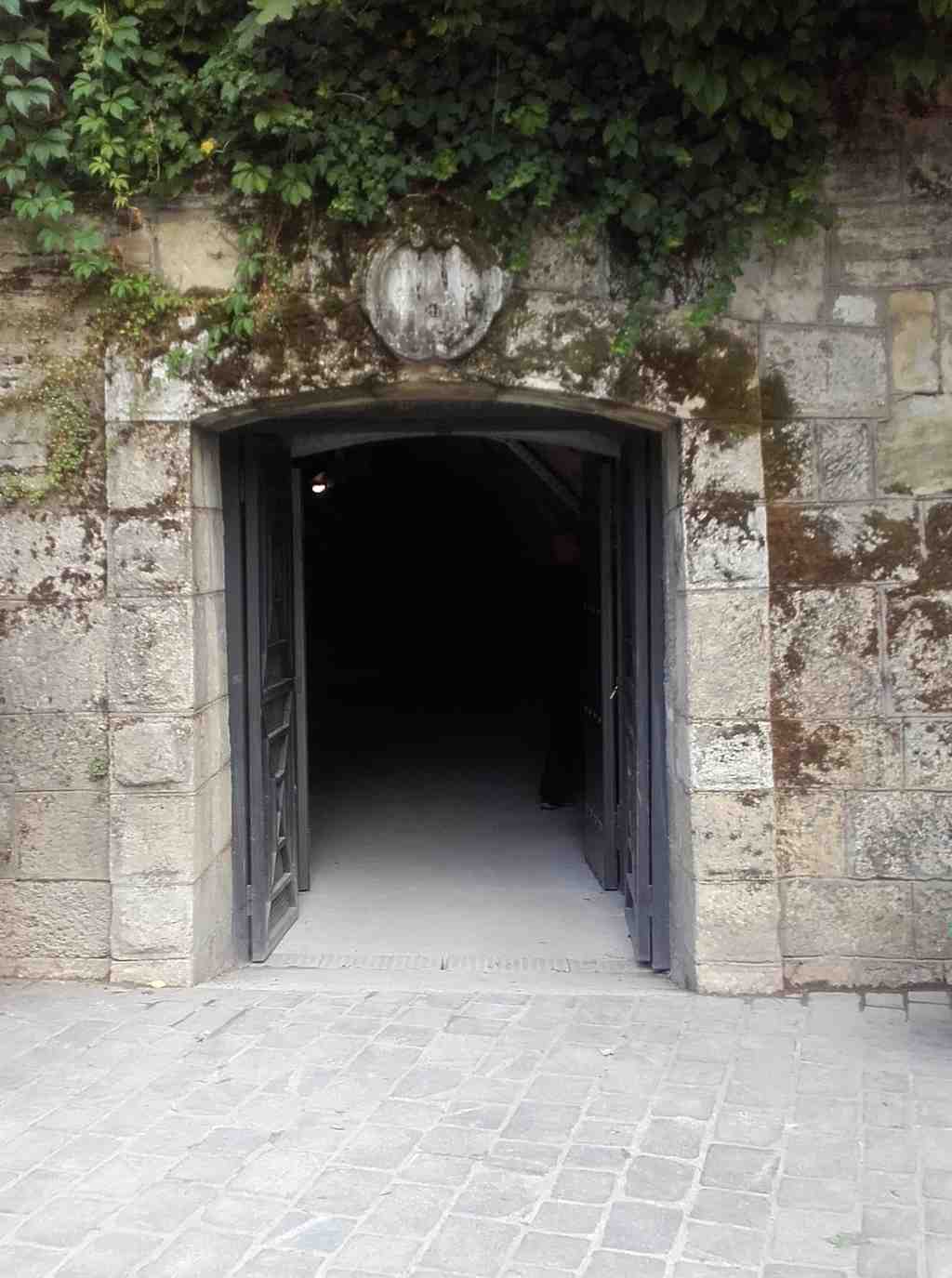
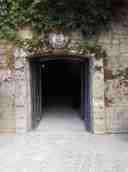
전용 페이지 열기 →Look for a stone entrance built into the hillside, covered with leafy vines and crowned by a faded emblem above heavy, inviting doors-if you see this mysterious opening in the…더 보기간략히 보기
Look for a stone entrance built into the hillside, covered with leafy vines and crowned by a faded emblem above heavy, inviting doors-if you see this mysterious opening in the wall, you’ve found the Grič Tunnel right in front of you. Alright, welcome to one of Zagreb’s most secretive and surprising spots-the Grič Tunnel! Picture yourself back in 1943, right in the thick of World War II. Above your head, Gornji Grad (also called Gradec) buzzes with daily life, but deep underground, engineers are feverishly at work, carving out this tunnel. There was a real sense of urgency in the air, as the Ustaše government, fearing Allied bombs, ordered a massive public bomb shelter to be built fast, with dreams of connecting the whole hill by an underground east-west corridor. Construction was chaotic-costs exploded from 141 million to nearly 500 million kuna in what felt like the financial equivalent of burning money for warmth. The job took longer than planned, with engineers scrambling, scrambling, and probably occasionally forgetting which way was up. They never finished everything as initially planned. In fact, a huge central hall was scrapped at first, only to be secretly built later-rumor has it, in the chills and shadow of the Cold War, when everyone worried the next big conflict could break out at any moment. Gravel from Zagreb, wood from Bosnia-practically the whole country chipped in. But not everyone was impressed. The city’s urban planners threw their hands up, calling the shelter impractical and way too expensive. They quipped that if you divvied up the cost by how many people it could REALLY protect, you’d be better off renting a fancy apartment! Still, after fits and starts, the tunnel opened-350 meters end to end, with sturdy stone walls that you can still touch today, cool and slightly damp, echoing with footsteps and, perhaps, ghosts of the past. Not long after the war, the tunnel faded into the shadows of city life. By the late 1940s, it was a warehouse, then a homeless shelter, and later a hideout for people hoping no one would find them. The city’s secrecy only fueled wild rumors-whispers of secret corridors, walled-off passages leading to the Parliament, maybe even to the Observatory at the top of the hill. People claimed you could find locked doors nobody could explain, and those stories gave the tunnel a reputation as Zagreb’s underground mystery. Now, fast forward to the wild 1990s. Instead of bombs, the tunnel throbbed with the beat of dance music! In 1993, it hosted one of Croatia’s first raves, drawing over 3,000 partygoers who-let’s be honest-completely overwhelmed the place. The echoes of thumping bass and laughter must have startled more than a few of the tunnel’s ghosts! Soon after, it served as a quirky exhibition space, and once again as an emergency air raid shelter during Croatia’s war for independence in the early 1990s. Despite all that, for many years, the tunnel was mostly forgotten-a relic of war, dust, and old secrets. Proposals came and went: a museum of senses, a shiny glass elevator to lift you into the sunlit city above, high-tech fun for tourists eager to explore underground. Eventually, in 2016, the city gave the tunnel a makeover. They fixed up entrances, resurfaced the floors, and even installed sparkling new toilets-because what underground journey doesn’t need a little comfort? There were fashion shows, concerts, even Advent festivities echoing through the long, stone corridors. You’re standing outside a breathing slice of history, as much a part of the city’s living present as its shadowy past. And the mystery continues: some exits are still unfinished, some doors still locked, waiting for future explorers. There are plans for more-maybe a museum, maybe holographic displays, maybe even glass lifts zipping up to grassy Vranyczany Meadow one day. Grič Tunnel has gone from bomb shelter to party hall, from urban legend to a place that welcomes anyone curious enough to step inside. So, take a deep breath. Imagine the cool air, the hum of the city above, and all the footsteps-furious, fearful, festive-that have passed down this tunnel before you. Welcome to Zagreb’s hidden heart. Ready to explore?
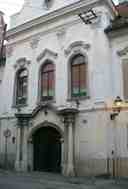
전용 페이지 열기 →You’re looking for a Baroque palace with a creamy white facade, tall arched windows, and a grand, dark, ornately-carved wooden entrance-just direct your gaze to the building with…더 보기간략히 보기
You’re looking for a Baroque palace with a creamy white facade, tall arched windows, and a grand, dark, ornately-carved wooden entrance-just direct your gaze to the building with the lantern glowing outside and curvy window frames above the heavy double doors. Now, as you stand here in front of this elegant slice of Zagreb’s Upper Town, let’s step into the sweeping tale of the Croatian Historical Museum! Imagine the creak of those ancient wooden doors, welcoming you into not just any museum, but the keeper of Croatia’s wild, dramatic, and sometimes downright quirky past. You see, this museum wasn’t always tucked into this aristocratic palace at Matoševa 9-it’s a bit of a nomad, a historical globetrotter if you will. Its story starts way back in 1846, when bits and pieces of Croatian history gathered dust as part of the National Museum. As time rolled by, history outgrew its old suitcases and began to collect its treasures more seriously-documents, swords, medals, uniforms, maps, artworks, royal toys, even a few old mustaches, I assume! Centuries are packed in here, from the early medieval days when knights clanged through muddy Zagreb streets, up to stories so fresh they almost still smell like printer’s ink. The museum’s collections are like a secret attic with a door to every era. There’s the collection of flags, some dating back to the 17th century-imagine the rustle they must have made as battalions marched, or the serious business of deciding whose color would flap in the wind! There are uniforms from the Austro-Hungarian days, medals from battles, coins that passed through the hands of kings, politicians, and maybe even the odd pizza delivery guy-because you never know who needs cash in history. And the collection of everyday objects? That’s where you find the spirit of the people: old furniture, delicate lace, tools, tea cups, and even a few record players that might just start a revolution if the right song played. Now, I do have to tell you a secret-this museum doesn’t have a permanent exhibition yet. Its treasures mostly hide away, waiting for special exhibitions, popping out like surprise guests at a party. But all this is about to change! Soon, the museum will move to the old Zagreb Tobacco Factory, a marvelous piece of industrial heritage, where the entire collection will strut its stuff for everyone to see, all year round. Can you imagine the excitement, the dust being blown off ancient banners, and the shine returning to royal medals? This very palace you’re staring at once belonged to noble families-Vojković, Oršić, Kulmer, and Rauch, to be precise. These walls have heard laughter, plotted secrets, and maybe the odd argument about where the best cake in Zagreb could be found (important stuff, you know). Inside, there are over 300,000 objects, from mighty swords to tiny coins, grand portraits to everyday slippers. The art collections hold works by legendary Croatian and European painters, and the numismatic collection tells stories of regimes won, lost, and occasionally misplaced-history isn’t always neat, after all! Don’t miss the collection of photos and negatives-the museum’s own Instagram feed of centuries, only without filters and hashtags. Some are from the very recent past, like the conflicts of the 1990s, while others show a Zagreb that looks so different you might expect to bump into a time traveler in a top hat. The Croatian Historical Museum is a tribute to the people who shaped, defended, and occasionally argued over Croatia. It collects, preserves, and sometimes dusts off the proof that every little thing-an old medal, a faded photo, a torn flag-can tell a story worth hearing. And hey, as you move on, just remember: if those palace windows ever rattle in the wind, it might just be the whispers of all those centuries, trading stories and waiting for you to discover the next surprise! Ready to walk onward to the next stop? Don’t worry; the history here will keep until you return-otherwise, the portraits might argue over who gets the best frame! If you're curious about the list of collections, collection or the exhibitions, the chat section below is the perfect place to seek clarification.
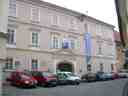
전용 페이지 열기 →Right in front of you stands a grand, pale cream-colored building with three floors of tall windows and a wide stone arch entrance-look for the big blue banner hanging down from…더 보기간략히 보기
Right in front of you stands a grand, pale cream-colored building with three floors of tall windows and a wide stone arch entrance-look for the big blue banner hanging down from above, and you’ve found Amadeo’s Theater! Now, let’s set the stage. Imagine yourself standing here back in 1797, the air buzzing with excitement, as townsfolk hurry along muddy Blatna Street-yes, it was so muddy they literally named the street after it! At the very building you see now, long before it became a museum, Amadeo’s Theater burst onto Zagreb’s scene as the city’s very first theater with regular shows. The owner, Count Anton Amade de Varkony-whose name might be long enough for an opera-turned this spot into the talk of the town. If you wanted a seat back then, you’d grab a ticket hot off the press, and find posters glued to every available corner, maybe even tripping over some while hurrying in-all signs that tonight’s opera or comedy was going to be packed! Inside, crowds sat on wooden benches, clutching programs, as German troupes performed everything from side-splitting comedies to heart-tugging operas, and even ballets that might make you want to leap out of your own seat. Most shows were in German, so if you only spoke Croatian you might have laughed at the wrong moment! But change was coming. In the early 1830s, for the very first time, actors here delivered lines in the local Kajkavian dialect-imagine the thrill (and maybe a few confused faces in the crowd)! After nearly four decades of applause and the occasional bit of stage fright, the curtain fell when the count’s son sold the property, and theater life shuffled off to a new home nearby. Yet Amadeo’s Theater left a legacy-making theater-going the “in” thing to do in Zagreb, opening minds, and giving locals their first taste of folk plays and light musical comedies. If you listen closely, you might just hear the echoes of laughter and applause from a magical age when Zagreb first fell in love with the drama of live performance. Now, are you ready for a bit more history, or should we go audition for a part in the next act?
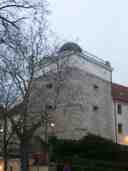
전용 페이지 열기 →To spot the Zagreb Observatory, just look for a sturdy stone tower with a white top and a dark dome peeking out from the roof terrace-almost as if the building borrowed a giant’s…더 보기간략히 보기
To spot the Zagreb Observatory, just look for a sturdy stone tower with a white top and a dark dome peeking out from the roof terrace-almost as if the building borrowed a giant’s helmet and decided to keep it! Welcome, stargazer! You’re standing in front of Popov Toranj, or Priest’s Tower, a solid stone giant that has watched over Zagreb since the Middle Ages. But if you listen closely, you might just hear more than the whisper of ancient stones. This tower is home to the Zagreb Astronomical Observatory, a magical meeting place where dreams of the cosmos become a little less distant. Imagine it: It’s the early 1900s. The city hums with excitement as the Croatian Society for Natural Sciences, led by devoted science lovers, transforms this ancient defense tower, used to ward off Tatars in the 13th century, into a gateway to the stars. The city government chips in, reconstructs the roof, installs a sparkling new dome, and the people of Zagreb hold their breath for the grand opening on a chilly December day in 1903. The first director, Oton Kučera, was a science hero-imagine if Bill Nye wore a mustache and a bowler hat! Kučera wanted the Observatory to become a hive of scientific research, but with few researchers in sight, it quickly took on a new mission: to spark a passion for the stars in the hearts of everyday people. Picture scholars and schoolchildren, couples on awkward first dates, all gazing through powerful telescopes at Saturn’s rings or the ragged edge of the Moon. But don’t be fooled-this observatory has a bit of an international reputation! In 1906, astronomer August Kopff from Heidelberg was so charmed by the new institution that when he discovered a new asteroid, he named it “Croatia.” Over the years, gadgets and gizmos arrived-a mighty Zeiss telescope, black-and-white photographs, and even a planetarium (which now lives at the Technical Museum). During World War II, the building fell silent, but don’t worry, the stars waited patiently. Fast forward to today. Under that domed roof, there’s an armful of state-of-the-art telescopes, a library, cozy lecture rooms, and enough equipment to thrill any astro-enthusiast. From solar observations to night-time stargazing, the Observatory remains a place where citizens and scientists, dreamers and students, gather to take a trip through the universe-without ever leaving Zagreb. So, next time you look up, remember: here in Popov Toranj, touching the stars has never been closer!
전용 페이지 열기 →To spot the Museum of the City of Zagreb, just look for a long, cream-colored building with small square windows and wooden shutters, just past a yellow streetlamp and a scooter…더 보기간략히 보기
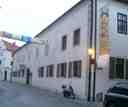
To spot the Museum of the City of Zagreb, just look for a long, cream-colored building with small square windows and wooden shutters, just past a yellow streetlamp and a scooter parked beside the sidewalk. Now, allow your eyes to wander across these sturdy old walls-they’re older than many countries! Imagine it’s 1907: a bunch of proud Zagreb citizens called “The Brothers of the Croatian Dragon”-a name catchy enough for a rock band-gather together with a grand idea: Let’s collect the city’s stories, treasures, and secrets. The city agrees, and so the Museum of the City of Zagreb is born. But this isn’t just any old museum, oh no! They moved it into an even older building-a former 17th-century Clarissine convent, where, if you listen closely, you might just hear the behind you. Inside these walls, curiosity rules. Here’s the city’s time machine, packed with real things pulled from Zagreb’s past-think Roman coins and medieval armor, merchant badges clinking, pale old maps, and dusty city plans. Don’t worry, there’s not a test at the end-but there is a staggering collection: over 75,000 objects, each one with a tiny tale. Maybe you’ll stumble across something odd, like a centuries-old cup once hurriedly hidden from an unexpected nun! You never know what secrets these rooms have witnessed. The museum staff are like detectives, preserving, restoring, and piecing together each puzzle from Zagreb’s history, so locals and travelers can walk through time. Imagine people hurrying past this window centuries ago, the clatter of market day, the laughter of children, an occasional mysterious whisper. Tours, lectures, exhibits-they do it all, keeping Zagreb’s heartbeat alive. So as you stand here, take a deep breath and feel the weight and wonder of a city that never throws its memories away. Ready to step into a living scrapbook?
전용 페이지 열기 →To spot the State Archives in Zagreb, look for a long, weathered tan building with a big wooden doorway, spider-web patterned window grilles, and flags fluttering just above the…더 보기간략히 보기
To spot the State Archives in Zagreb, look for a long, weathered tan building with a big wooden doorway, spider-web patterned window grilles, and flags fluttering just above the entrance on Opatička Street. Imagine you’re standing now in front of a building that’s more than just old bricks and creaky doors-it’s like a time capsule, just waiting for someone to whisper the magic word “history.” Since 1947, the State Archives has quietly watched over Opatička Street, right here atop Zagreb’s Upper Town. If the walls could talk, I bet they’d sound a bit creaky… maybe like this: Let’s rewind to 1907, when the city leaders decided Zagreb needed a library, a museum, and-most importantly-a place to store its mountain of dusty secrets. They put a society called “Braća Hrvatskoga Zmaja” (that’s “Brothers of the Croatian Dragon” - yes, really!) in charge, and soon, an avalanche of ancient papers and city documents began to arrive. At first, it was all stuffed in towers and corners, even above the famous Stone Gate. Zagreb’s history was scattered, like socks after laundry day! Then came 1914, the sound of cartwheels echoing as heavy trunks of archives rolled down the street to a new, grand building on Marulić Square. The city was stretching out, and so were its stories-records of kings, queens, schools, hospitals, wild city elections, and the growing pains of a place that always dreamed big. After World War II, the city doubled down, officially making this spot the city’s historical vault. From then on, under changing names and growing piles of paperwork, it’s been a guardian of secrets that go back to the 1200s. That’s over seven centuries of drama, parties, disasters, and, of course, paperwork. There’s a treasure-trove inside: over 11,000 meters of files! Some roll out old maps and photos, others tell stories of daily city life, and if you listened close at night, you might almost hear the scratchy pens and old judges muttering about missing teacups. Today, the Archives doesn’t just sit still. Staff help folks unlock mysteries-maybe tracking down a long-lost ancestor, or proving you actually paid a fine back in 1952! If you ever feel the urge for a detective adventure, these friendly guardians help you dig through the past, one yellowed page at a time. So, next time you see that tan, time-worn building with the flags fluttering and maybe a faint smell of old paper, remember: you’re right beside one of Zagreb’s richest treasure chests. Just try not to get lost in all those stories!
전용 페이지 열기 →To spot the Croatian Institute of History, look straight ahead for an elegant pale building with tall arched windows, grand wooden doors, and a small balcony flying the Croatian…더 보기간략히 보기
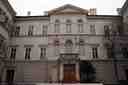
To spot the Croatian Institute of History, look straight ahead for an elegant pale building with tall arched windows, grand wooden doors, and a small balcony flying the Croatian flag right above the main entrance. Alright, traveler, welcome to a building where the past lives and breathes, and where secrets of Croatian history are dusted off daily-no, not by ancient ghosts, but by some of the country’s most passionate historians! This stately palace on Opatička Street has seen quite a lot since it was first built in 1840 for the noble Vojkffy-Paravić family. Now, if you look closely, you might just imagine horse-drawn carriages rolling down the street, stopping outside that grand door as Zagreb’s upper town buzzed with whispers of politics and fortunes. But its journey didn’t stop there-by the late 19th century, this palace became the home for the Department of Worship and Education. And then came Iso Kršnjavi, who had a vision: to fill these halls with echoes of the past and the spirit of learning. He enlisted architect Hermann Bolle, and soon the palace transformed, blending classic shapes with a flair for drama that would make any Renaissance painter proud. As you stand here, imagine the click of chisels and the scratch of paintbrushes, as artists like Ivan Tišov, Vlaho Bukovac, Oton Iveković, and their skilled friends brought classical myths, national legends, and great minds to life across the walls and ceilings. Peek towards the windows and picture the inside-there’s a Golden Hall so bright and grand they had to name it after precious metal, where sunlight dances across gilded frames and walls tell stories of Croatian kings and teachers. There’s a room in Pompeian red, with gods, warriors, and poets swirling through the paint, making you feel as if you’ve stepped into ancient Greece or Rome-pretty good for a place in Zagreb, right? And don’t forget the Renaissance Room, where portraits of Homer, Dante, Shakespeare, and Goethe are locked in literary debate across the ages. The staircase is a true small gallery of the muses, each one inspiring you with the spirit of art, science, or poetry as you ascend. Over here, the muses aren’t shy-you’ll spot Apollo playing his lyre, Euterpe with her double flute, and Urania reading the stars. Don’t worry if you suddenly feel like writing a poem or solving a mystery-it’s just their magic working on you! Now, as for the Institute itself, this isn’t just a museum. Since 1961, it’s been the heart of Croatian historical research, going through quite a few name changes as it grew. It first focused on workers’ movements, back in the days when the city’s political winds were a little more, shall we say, revolutionary. Franjo Tuđman, a name you might know, was its first director. As Croatia changed, so did the Institute, broadening its gaze to every chapter of history-medieval knights, baroque thinkers, and the dramas of the 20th century. Inside, teams of historians are always on the hunt for the next big discovery. Their specialties? Everything from the early medieval period to the latest modern events-and even the Latin roots that connect Croatia to the world. Don’t be surprised if you hear the buzz of eager researchers, or the clatter of keyboards as discoveries make their way into books and journals. Speaking of books, the Institute’s publishing legacy is impressive. Since 1994, they’ve released close to a hundred scholarly works, and they run three journals-including one just for English-speaking history enthusiasts. They’re always guiding the next generation, and sometimes their ornate halls host musical concerts, letting the past ring out in classical notes. So, as you stand in front of this noble façade, imagine centuries of thinkers, artists, and historians mingling in the air-sometimes arguing, sometimes laughing, and always seeking to answer the biggest question of all: What really happened? And why does it matter? If these walls could talk, I bet they’d ask you to come inside and join the conversation! Ready for the next chapter in our Zagreb adventure?
전용 페이지 열기 →To spot the Stone Gate, just look ahead for a sturdy, rectangular tower topped with a sharply pitched red roof and a star at the peak, with a dark archway tunnel right in the…더 보기간략히 보기
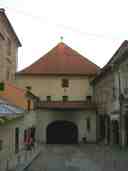
To spot the Stone Gate, just look ahead for a sturdy, rectangular tower topped with a sharply pitched red roof and a star at the peak, with a dark archway tunnel right in the middle, inviting you to walk straight through. Welcome to the Stone Gate-one of Zagreb’s most magical corners! Let’s imagine the year is 1731 for a moment: horses clop nearby, merchants shout, and the towering Stone Gate rises like a quiet guardian. This gateway was built way back in the 13th century as part of the old city’s defenses. Honestly, it’s done a better job sticking around than my last pair of socks-it’s the only original city gate still standing! But here’s where things get mysterious: during a roaring fire, almost everything burned except a painting of the Virgin Mary. It survived completely untouched, like she knew Zagreb would always need a little extra protection! If you peek inside the archway, you’ll find a candlelit chapel glowing with gratitude. Locals and travelers still slip in to whisper wishes and prayers. And behind the wrought iron railings, traces of medieval shops stay frozen in time-imagine ducking in for bread, or maybe just a juicy rumor. Over the years, the Stone Gate nearly faced demolition, but a heroic group called the Brothers of the Croatian Dragon said, “Not on our watch!” Today, their headquarters sits upstairs, guarding Zagreb’s history. So as you stand here, picture not only old city defenders and hopeful prayers, but also literary drama-there’s even a statue from a famous Croatian novel, Zlatar’s Gold, peering out from the western side. The Stone Gate isn’t just a doorway; it’s a storyteller, protector, and a little piece of living legend. If only its stones could gossip!
전용 페이지 열기 →To spot the Klovićevi Dvori Gallery, look for a long, pale cream building with a red-tiled roof, rows of windows, and large, colorful exhibition banners draping down the facade…더 보기간략히 보기
To spot the Klovićevi Dvori Gallery, look for a long, pale cream building with a red-tiled roof, rows of windows, and large, colorful exhibition banners draping down the facade right beside an ornate stone doorway. Now, as you stand in front of Klovićevi Dvori Gallery, imagine the echo of monks’ footsteps from centuries past. This stately building was once an 18th-century Jesuit monastery-before it devoted itself to the thrill of art lovers instead of whispered prayers and the soft turning of ancient manuscripts. Step into the world of Juraj Julije Klović, the gallery’s namesake-a masterful Croatian-born artist who illuminated Renaissance manuscripts with such brilliance, you’d almost think he snuck a flashlight into the 16th century! Today, Klović would barely recognize his old neighborhood of Gradec in Zagreb’s Upper Town. Back in the day, the air would’ve buzzed with talk from priests and scholars, but now, it hums with art aficionados and tourists, their voices punctuated by the occasional funicular bell from up the street. When this place transformed into a gallery in 1982, it had a bit of an identity crisis. You see, it was meant to house a dazzling collection from the mysterious Ante Topić Mimara-a collector so choosy about where his precious pieces should go, he famously turned up his nose at this venue! So instead of one man’s treasures, the world got a revolving door of jaw-droppers: original Dürer engravings, towering sculptures, and, in 1984, an exotic parade of ancient Chinese art so fantastic the whole city seemed to crowd in, jostling elbows in the exhibition halls. Over the years, Klovićevi Dvori has proven it’s got stamina-weathering changing times, expanding to lend its walls to the Lotrščak Tower, surviving the dramatic opening (and eventual closing!) of three other museum spaces, and riding the wild pony of Croatian history through the turbulent ‘90s. Every year, about 30 major exhibits pass through these doors, making this one of Croatia’s true art powerhouses. And just think: you’re standing where more than 340,000 people did in a single year-not that we’re counting, but that’s a lot of footsteps on these old stone floors! Lately, Klovićevi Dvori has also been making artistic friends across borders, joining with the Budapest museum for cultural feats and grand exhibitions. So next time you see those bright banners hanging outside, remember: behind them lies a treasure trove of stories, centuries of art, and just a pinch of monastic mystery. Fancy a peek inside?
전용 페이지 열기 →


자주 묻는 질문
투어는 어떻게 시작하나요?
구매 후 AudaTours 앱을 다운로드하고 교환 코드를 입력하세요. 투어를 바로 시작할 수 있습니다 - 재생을 탭하고 GPS 안내 경로를 따라가시면 됩니다.
투어 중 인터넷이 필요한가요?
아닙니다! 시작 전에 투어를 다운로드하면 완전히 오프라인으로 즐길 수 있습니다. 채팅 기능만 인터넷이 필요합니다. 모바일 데이터 절약을 위해 WiFi에서 다운로드하시는 것을 권장합니다.
이것은 가이드가 안내하는 단체 투어인가요?
아닙니다 - 이것은 셀프 가이드 오디오 투어입니다. 폰을 통해 오디오 나레이션을 들으며 나만의 속도로 독립적으로 탐험합니다. 투어 가이드도, 단체도, 일정도 없습니다.
투어는 얼마나 걸리나요?
대부분의 투어는 60-90분이 소요되지만, 속도는 전적으로 본인이 조절합니다. 원할 때 언제든지 일시정지하거나, 정류장을 건너뛰거나, 휴식을 취하세요.
오늘 투어를 끝낼 수 없으면 어떻게 하나요?
괜찮습니다! 투어는 평생 이용이 가능합니다. 원할 때 언제든지 일시정지하고 다시 시작하세요 - 내일, 다음 주, 또는 내년에도. 진행 상황이 저장됩니다.
어떤 언어를 이용할 수 있나요?
모든 투어는 50개 이상의 언어로 이용 가능합니다. 코드를 교환할 때 원하는 언어를 선택하세요. 참고: 투어 생성 후에는 언어를 변경할 수 없습니다.
구매 후 투어는 어디에서 이용하나요?
App Store 또는 Google Play에서 무료 AudaTours 앱을 다운로드하세요. 교환 코드(이메일로 전송됨)를 입력하면 라이브러리에 투어가 나타나며, 다운로드하여 시작할 수 있습니다.
투어가 마음에 들지 않으시면 환불해 드립니다. 문의: [email protected]
안전한 결제 


