토론토 오디오 투어: 아이콘과 예술성을 통한 오디오 여정
구름에 닿는 타워. 폭풍을 이겨내는 경기장. 캐나다의 목소리를 전국 방방곡곡으로 보내는 방송 센터. 토론토는 평생 동안 대부분의 도시가 드러내는 것보다 더 많은 드라마를 스카이라인에 숨기고 있습니다. 이 셀프 가이드 오디오 투어에 참여하여 평범한 관광에서는 놓치는 이 아이콘들과 다른 많은 것들 뒤에 숨겨진 이야기를 풀어보세요. 유리 바닥 아래에서 정치적 싸움이 울려 퍼지는 것을 듣고, 의회 벽을 뒤흔든 반란을 추적하며, 물에 잠긴 축구 경기를 공학적 경이로움으로 바꾼 예상치 못한 일련의 사건들을 따라가 보세요. 어떤 위기가 CN 타워의 건설을 거의 중단시킬 뻔했습니까? 어떤 비밀 손님들이 캐나다 방송의 운명을 영원히 바꾸어 놓았습니까? 그리고 잊을 수 없는 어느 밤, 팬들은 왜 터치다운 대신 마른 양말을 외쳤을까요? 모든 발걸음은 솟아오르는 높이, 폭풍에도 끄떡없는 꿈, 스캔들과 창의성으로 가득 찬 복도를 가로질러 당신을 더 깊이 안내합니다. 각 랜드마크가 살아 숨 쉬는 움직이는 이야기로서 토론토를 경험해 보세요. 이 도시를 진정으로 움직이는 것이 무엇인지 찾을 준비가 되셨나요? 여정을 시작하고 위를 올려다보세요—스카이라인의 비밀이 기다리고 있습니다.
투어 미리보기
이 투어에 대하여
- schedule소요 시간 40–60 mins나만의 속도로 이동
- straighten4.2 km 도보 경로안내 경로 따라가기
- location_on
- wifi_off오프라인 작동한 번 다운로드, 어디서든 사용
- all_inclusive평생 이용언제든지 다시 재생 가능
- location_onCN 타워에서 시작
이 투어의 정류장

If you’re looking for the CN Tower, just tilt your head waaay back and look up-it’s the tallest thing around! It shoots straight up into the sky, much higher than all the other…더 보기간략히 보기
If you’re looking for the CN Tower, just tilt your head waaay back and look up-it’s the tallest thing around! It shoots straight up into the sky, much higher than all the other downtown buildings. Imagine a giant concrete pencil with a flying saucer balanced on top and a long antenna reaching even higher. That’s the CN Tower, standing proud and easy to spot, especially when the sun glints off its observation deck. Here you are, right at the base of what feels like Toronto’s very own “beacon to the sky.” People call it the CN Tower, and it rises an incredible 553 meters above your head. Back in 1976, when it was finished, it was the tallest free-standing structure anywhere in the world-a skyscraper so high, it made even the bravest birds nervous. The “CN” in the name comes from Canadian National, the railway company that dreamed up this colossal tower. They wanted to show off Canadian ingenuity and fix a practical problem: all these new skyscrapers in Toronto were interfering with TV and radio signals. So, engineers got busy building, hoping their giant tower could beam signals right across the city. If you close your eyes for a second, you can almost hear the bustle and clang of construction, as workers tackled new heights every day. The base you’re standing near forms a giant Y shape-a futuristic idea that actually came about because designers kept tweaking their plans. And the observation deck up above isn’t just for staring at your shoes through the glass floor (though you really should give that a try!). Over two million people a year ride the elevator up for a view that makes the city look like a toy set. At one point, this place was considered one of the seven modern wonders of the world. Because who wouldn’t be impressed by a tower so tall, you could probably spot it even if you got lost in a fog of maple syrup? All jokes aside, the CN Tower is a symbol of Toronto’s big dreams and bold ideas-a signature you’ll never forget in the city skyline. Ready to keep exploring? Let’s see where your tour takes you next! To delve deeper into the closures, structure or the lighting, simply drop your query in the chat section and I'll provide more information.
전용 페이지 열기 →You’re looking up at the Rogers Centre-home of the Toronto Blue Jays and, once upon a time, called the SkyDome. It’s not just any stadium. This place is basically Toronto’s living…더 보기간략히 보기
You’re looking up at the Rogers Centre-home of the Toronto Blue Jays and, once upon a time, called the SkyDome. It’s not just any stadium. This place is basically Toronto’s living room, except with more baseballs and fewer couches. Here’s the fun part: it has a roof that slides open and shut like a giant spaceship hatch. You could almost imagine a big robot arm sweeping over the city and saying, “Oh, is it raining? Let me just fix that for you.” But here's how all this came to be. Back in 1982, there was a Grey Cup football game at old Exhibition Stadium. The weather decided, “Let’s make this game a water park.” People got soaked to the skin, and even the washrooms couldn’t handle the excitement-they overflowed. And yet, thousands of shivering fans stuck it out, huddled under tiny awnings or in the concession stands, trying to keep their popcorn dry. Picture the chaos! Millions watched the soggy disaster on TV. When the drenched crowd gathered to cheer for their team in Nathan Phillips Square the next day, they weren’t shouting for touchdowns-they were chanting, “We want a dome! We want a dome!” It was like a rally for dry socks and dignity. For years, big thinkers, politicians, and architects debated the “dome dream.” They even held a worldwide design competition. When the dust settled, the Rogers Centre became the world’s first giant stadium with a fully retractable, motorized roof-a huge technical leap, and now, everyone could enjoy sports without having to wring out their shirts first. It’s hosted football, baseball, basketball, monster trucks, circuses-you name it. The Blue Jays call it home, and so could you, if you rent one of the hotel rooms that overlook the field. Imagine waking up, pulling back the curtains, and finding a home run ball on your pillow. So as you stand here, take a look at this marvel. From “Rain Bowl” misery to a stadium that laughs in the face of bad weather, the Rogers Centre is a tribute to Toronto’s stubborn optimism and our refusal to ever let the rain win again. Seeking more information about the stadium features, stadium usage or the timeline? Ask away in the chat section and I'll fill you in.
전용 페이지 열기 →Alright, look straight ahead-you can’t miss it! The Canadian Broadcasting Centre stands bold and wide on Front Street, with its striking pattern of red and black windows boxed…더 보기간략히 보기
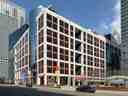
Alright, look straight ahead-you can’t miss it! The Canadian Broadcasting Centre stands bold and wide on Front Street, with its striking pattern of red and black windows boxed into a white grid. The building wraps around the corner, and the shiny curved glass section glimmers under the sun-like someone pressed “refresh” on an old city block. Need a direction check? It's opposite the Metro Toronto Convention Centre-just follow those red banners with the CBC logo! Now, picture this: You’re standing at the very heart of Canadian media magic. This isn’t just an ordinary office block; it’s where voices bounce off walls and leap into living rooms across the country. The CBC calls this its main hub, buzzing with English-language radio and TV shows, and the occasional French drama too. Imagine corridors humming with camera crews, reporters with that just-barely-made-the-deadline energy, and a newsroom where coffee might as well flow from the taps. What’s wild is that beneath your feet, this land once held the first Ontario Parliament Buildings-a spot of heated debates and history long before any TV host cracked a joke here. The CBC complex itself took twelve whole years to plan and four to build, opening its doors in 1993-a high-tech beast built on rubber pads, so even if a marching band paraded by, you wouldn’t hear a peep in the studios. Back then, it was something out of the future, ready for digital HDTV, with massive sound stages where Deal or No Deal and Are You Smarter Than a 5th Grader? came to life. If you listen closely, you might almost catch an echo of game show cheers and drama in the air! And tucked inside, there’s the Barbara Frum Atrium-a place where big election nights and wild millennium parties have played out. It’s all powered by gigantic generators, just in case Toronto decides to go dark. This is more than glass and concrete. It’s Canada’s engine for stories, songs, and breaking news. So, while you stand here, just think: Every day, waves of stories bounce from this building across the country. The Canadian Broadcasting Centre isn’t just a landmark-it’s showtime, 24/7! Now, let’s see if the next stop has as many secrets hiding in its walls…
전용 페이지 열기 →
9개 정류장 더 보기정류장 적게 보기expand_moreexpand_less
Imagine the excitement back in 1998, when the very first group of legendary Canadians were honored here. There were no big budgets, no glitzy media machine-just a wild idea from…더 보기간략히 보기
Imagine the excitement back in 1998, when the very first group of legendary Canadians were honored here. There were no big budgets, no glitzy media machine-just a wild idea from Peter Soumalias and a couple of brave partners who decided to pay tribute to Canadians who made a difference. Despite a bumpy start, it worked, and today the Walk stretches across thirteen city blocks-like a red carpet Toronto rolled out for its heroes. Take a look at the names under your feet: scientists, athletes, actors, musicians-even comedians who could make you laugh so hard you’d drop your double-double. The only real rule? You’ve got to be Canadian, or have spent your glory years here, and you have to have made a splash for at least a decade. Every year, thousands of fans from coast to coast send in nominations. I guess you could say Canadians don’t just apologize-they nominate! The unveiling ceremonies are legendary-just imagine the thunderous applause echoing off the theatre walls when homegrown stars reveal their shiny new maple leaves. You might spot everything from figure skating royalty, like Barbara Ann Scott, to singers like Jann Arden, or comedians like Howie Mandel cracking a joke or two. There’s even a Legends Award, in case you thought Canadian superheroes only existed in comic books. So as you stand here, you’re not just surrounded by Toronto’s theater district-you're right where Canada celebrates its best and brightest. If the stars on the sidewalk could talk, they’d say, “Welcome! Mind the gum, and dream big!” Exploring the realm of the induction, awards or the festival? Feel free to consult the chat section for additional information.
전용 페이지 열기 →If you look straight ahead, you’ll spot the legendary CHUM-City Building at 299 Queen Street West. Look for the big, bold “ChumCity” sign above the entrance, framed by grand…더 보기간략히 보기
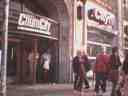
If you look straight ahead, you’ll spot the legendary CHUM-City Building at 299 Queen Street West. Look for the big, bold “ChumCity” sign above the entrance, framed by grand archways and intricate stonework. The windows next to it shout “Citytv” in huge, blocky letters. It’s a lively spot-especially with the steady parade of people outside, maybe someone coming out with a coffee in hand, sunlight flickering off the glass. Picture it: Toronto, 1945-pop tunes on crackling radio, city news echoing through speakers, and a new station, CHUM-AM 1050, just starting out. This wasn't always a media giant. Imagine a time when four businessmen, including a sportscaster and a patent medicine entrepreneur, huddled over paperwork and coffee, dreaming this all up in a tiny studio at the Mutual Street Arena. In the beginning, CHUM was a dawn-to-dusk kind of station-so if you wanted music after dark, you’d need to sing to yourself. Then, along came Allan Waters, a local salesman with a never-say-die spirit. He took the reins in 1954, asked for permission to broadcast 24 hours a day, and dialed up the signal so more people could hear CHUM’s mix of the latest records, sports, and local stories. Pretty soon, CHUM signs were lighting up the city, and the radio never slept. Now, imagine this building buzzing with creativity. Over the years, CHUM exploded into TV-Citytv, A-Channel, and MuchMusic, where teenagers across Canada watched the next big thing in music. The halls here have seen just about everything: dance parties, news announcements, rock bands lugging their gear through these doors, and hosts preparing to go live. Behind those windows, a whirlwind of shows, songs, and stories shaped the pop culture of Toronto-and far beyond. In 2006, after decades of innovation (and maybe the occasional coffee spill on the control board), CHUM merged with CTV, and eventually, Bell Media took over. But you’ll notice-if you listen closely-the spirit of “CHUM” still hums here, just like the neon sign did on those late-night broadcasts. So next time you pass by, imagine the jingle playing and picture the whole city tuning in at once. Ready for the next stop?
전용 페이지 열기 →You’re standing right outside 299 Queen Street West, once the beating heart of MuchMusic-the spot where music fans lined up just to get a glimpse of their favorite VJs or catch…더 보기간략히 보기
You’re standing right outside 299 Queen Street West, once the beating heart of MuchMusic-the spot where music fans lined up just to get a glimpse of their favorite VJs or catch live performances by big-name bands. Imagine the buzz in the air, the rumble of bass through the walls, and the crowd chanting outside. Launched all the way back in 1984, MuchMusic started as a scrappy Canadian answer to MTV. CHUM Limited, who also owned Citytv, got the green light from the Canadian Radio-television and Telecommunications Commission, outlasting fierce competition. The very first thing aired wasn’t a pop megahit, but a black-and-white performance from the 1920s-a video of Eubie Blake playing “Snappy Songs.” Not quite Drake or Justin Bieber! And the first TV-made music video? That was Rush’s “The Enemy Within.” Rock fans, take a victory lap. Much quickly became “The Nation’s Music Station.” Teens and young adults across Canada tuned in for hours, whether they were cranking up the latest hits, giggling through comedy shows, or voting for which music video would play next. The atmosphere here? Pure excitement, pure energy, and, let’s be honest, probably a lot of questionable haircuts. But as the internet changed how we all listened to music, Much evolved. They shifted to comedy, movies, and reality shows-still focusing on what young people wanted. In 2013, they officially dropped the “Music” and became simply “Much.” MTV, that famous U.S. rival, even became a Canadian sibling after a media merger, but don’t worry, no sibling rivalries ended in food fights. Well... none caught on camera, anyway. After taking over programming from the now-closed MTV Canada in 2024, Much is still a place where pop culture pulses and new trends get their first spotlight. Just imagine, if these walls could talk, they’d probably sing-off-key, but with a lot of heart. Take a moment to look around. You’re standing where Canadian music history was made, where the beat really did go on-even if it sometimes changed to a laugh track. On to the next stop? Let's keep the good vibes rolling! Interested in a deeper dive into the programming, affiliated channels or the much personalities? Join me in the chat section for an insightful conversation.
전용 페이지 열기 →Just ahead of you, take a look for a stately, old brick manor with black shutters and a classic triangular roof. Right at the center, you’ll spot four tall columns holding up a…더 보기간략히 보기
Just ahead of you, take a look for a stately, old brick manor with black shutters and a classic triangular roof. Right at the center, you’ll spot four tall columns holding up a small porch, all leading to a big green door. The building sits at the edge of a grassy lawn, surrounded by modern glass and steel from the newer parts of the Art Gallery of Ontario. That perfect mix of old and new? You’re standing in front of The Grange. Imagine it’s the early 1800s, and the air smells of fresh grass and wood smoke. Horses trot past instead of cars, and the land around you is wide open, not yet filled with the city’s buildings. This grand house-The Grange-was once alone on 100 rolling acres, built way back in 1817 for D’Arcy Boulton and his family. Can you picture it? Parties and elegant dinners, the chatter of early Toronto’s most important people carried on the breeze. As you stand here, you’re looking at Toronto’s oldest brick house, now over 200 years old. It’s seen owners come and go, from mayors to mayhem. Imagine D’Arcy’s son William, Toronto’s mayor, sneaking away for a risky gamble, while his clever wife Harriette did her best to make sure the old house stayed in the family. And when Harriette got the house, she guarded it like treasure-until she left it to become Toronto’s first real art gallery. The Grange wasn’t just a fancy house. For a while, it was the center of everything-politics, big decisions, and some truly wild parties. I bet you wouldn’t mind attending a party with Toronto’s elite, right? Just be careful-a little too much laughter, and the Boultons might put you to work preserving the family fortune. Now the house is just a small part of Toronto's buzzing downtown, but listen for the echo of old footsteps on the stone, and you can almost hear the clinking of glasses as another wild night fades into history. When you’re ready, we’ll head next door-to a place where creativity leaps right off the canvas.
전용 페이지 열기 →Just ahead, you’ll spot the Art Gallery of Ontario, often called the AGO for short. To help you find it, look for a massive building with a bold, modern face. The front features…더 보기간략히 보기
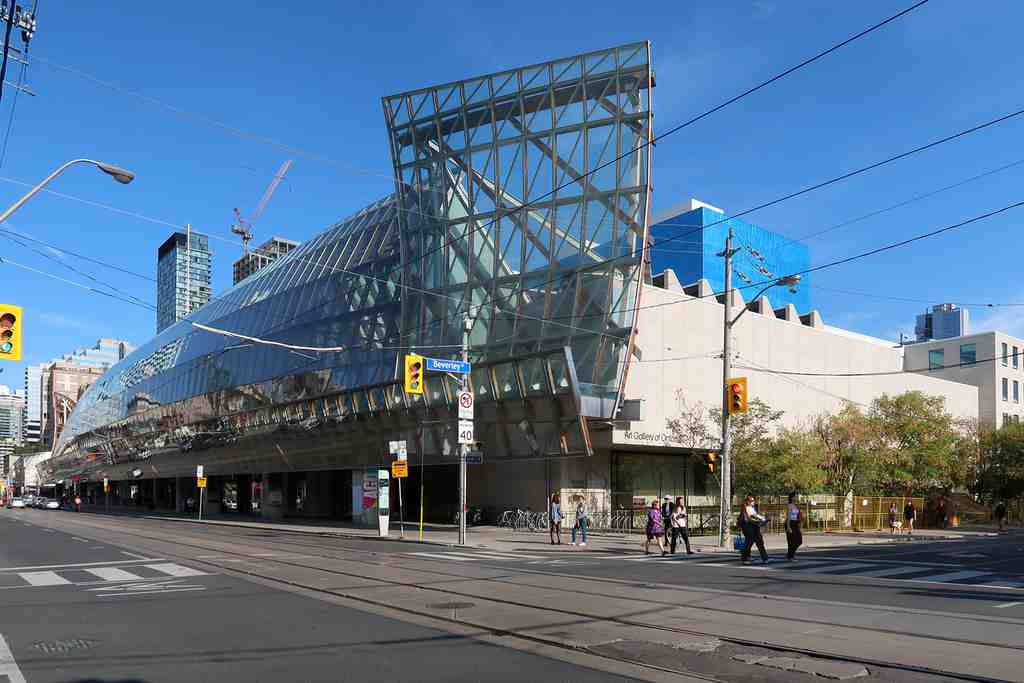
Just ahead, you’ll spot the Art Gallery of Ontario, often called the AGO for short. To help you find it, look for a massive building with a bold, modern face. The front features enormous soaring glass windows and a wooden entrance that sweeps up in big, dramatic curves-it’s like the gallery is reaching out to welcome you! If you see a bright, colorful AGO logo-just like the one in front of you now, with splashes of pink, yellow, and blue-you’re in the right place. Now, let's step into a bit of Toronto’s artistic heart! Imagine this: over a hundred years ago, a group of passionate folks-some with fancy hats and grand dreams-wanted a place to show amazing art. So, in 1900, they created what is now the AGO, right here on Dundas Street West. This place is huge-like, 45,000 square metres huge! If you tried to hang up every single painting from their collection, you’d probably run out of wall space before you ran out of art! The AGO is filled with all sorts of wonders. Sometimes, you’ll hear quiet footsteps on polished floors as visitors wander through galleries packed with Canadian art, Indigenous works, European masterpieces, and treasures from far-off lands. There’s even a studio for artists-in-residence-so, who knows, maybe Toronto’s next art legend is working upstairs right now. Funny story: back in the day, before they had this grand building, the founders rented space above the public library! Imagine trying to appreciate a painting while someone checks out a mountain of library books next to you. This gallery has lived many lives-it’s grown from a small Georgian manor called The Grange (a building you can still spot tucked behind the gallery!) to this cutting-edge art palace designed by world-famous architect Frank Gehry. The architecture alone is a piece of art, with all those curving woods and shimmering glass. As you stand here, try to picture the hustle of builders in 1916, the excitement as new galleries opened in 1918, and the crowds buzzing for sculpture courts in 1924. The AGO isn’t just a museum, it’s a living, growing story-one that goes from quiet library beginnings to this vibrant, creative home you see today. So, next time someone says, “Toronto is all business,” you can let them know there’s plenty of room here for artists, dreamers, and people who simply enjoy getting lost in a sea of color and imagination! Shall we head on to the next stop? Intrigued by the museum complex, permanent collection or the library and archives? Make your way to the chat section and I'll be happy to provide further details.
전용 페이지 열기 →Keep walking forward and look up-no, really, look up high! Right in front of you is the unforgettable OCAD University. You’ll spot it easily: it’s famous for its unique building…더 보기간략히 보기
Keep walking forward and look up-no, really, look up high! Right in front of you is the unforgettable OCAD University. You’ll spot it easily: it’s famous for its unique building that looks like a giant box on colorful stilts, almost like a playful alien spaceship has parked itself right above Grange Park. If you see an odd patchwork of black and white squares standing on legs, you’re in the right place. Now, as you stand here, imagine the excitement back in 1876, when the idea for an art school began with just a small group of artists, brave enough to chase a dream armed with nothing but wobbly easels and heads full of wild ideas. There were only 25 students in those early days at 14 King Street West, led by the determined Thomas Mower Martin who was probably always finding paint in his beard. The school kept moving-like an artist on a never-ending quest for the perfect view. At one point, it even shared space with a theater and a museum. Imagine paintbrushes and costumes fighting for closet space! Eventually, with the world around it growing faster and louder, the school landed right here, where its most famous building seems to shout out, “Be bold, be weird, be seen!” Now officially called OCAD University, it’s not only the oldest art and design school in Canada, but also the heart of creative energy for nearly 5,000 undergraduates and 330 graduate students. From paint-splattered studios to futuristic design labs, everyone here is busy dreaming up tomorrow’s trends-and sometimes just debating if a chair is really a chair. And if you’re wondering, that patchwork building that’s hanging above you was built to make sure everybody knows art can stand tall and proud-even if it looks like it’s balancing on tiptoes! Who knows, maybe some of today’s students will have their doodles hanging in museums one day, or just keep dreaming big and doing what artists do best-making life a little more interesting. Now, onward to our next stop! Ready to delve deeper into the campus, academics or the research? Join me in the chat section for an enriching discussion.
전용 페이지 열기 →As you walk up, keep your eyes peeled for a classic red-brick house with tall white columns and a delicate fan-shaped window above the front door-it almost looks like the kind of…더 보기간략히 보기
As you walk up, keep your eyes peeled for a classic red-brick house with tall white columns and a delicate fan-shaped window above the front door-it almost looks like the kind of place where you’d expect to find an old-fashioned tea party happening inside. Unlike the modern glass towers that surround it, Campbell House stands out right at the corner, almost like a holdout from another century, stubborn and proud. The front yard is edged by black wrought iron fencing, and the house seems to bask a little in its own historical glory. Now, imagine yourself standing here almost two hundred years ago. Instead of streetcars and traffic, you’d hear hooves clip-clopping on muddy roads and people in top hats and long dresses coming up the path. Built way back in 1822, this house was a “dream home” for Sir William Campbell, the top judge of Upper Canada, and his wife, Hannah. The place was designed for grand gatherings-think lots of laughter, the clink of glasses, the gossip of Toronto’s high society floating through those tall windows. Campbell House is all about Georgian elegance-symmetrical, stately, and serious on the outside, but warm and welcoming inside. Just picture yourself stepping into a drawing room filled with the chatter of important guests, the flicker of candlelight, and maybe the odd judge arguing with a politician over who gets the biggest slice of cake. But this house hasn’t always sat gracefully at Queen and University. Originally, it was nearly a mile away, standing with pride at Adelaide and Frederick Streets-a kind of “King of the Hill” back then, marking the end of the street. Over the years, the neighborhood around it changed, taking on more factories and warehouses. At one stage, it housed everything from glass makers to, believe it or not, an elevator company. I mean, imagine discussing criminal cases one day and hearing the clank of elevators being built the next. This house has really heard it all! By the 1970s, poor old Campbell House was about to be flattened for a parking lot. It’s almost as if Toronto said, “More parking, fewer parties!” But just as the wrecking ball was gearing up, the Advocates Society-a group of passionate lawyers-launched a rescue mission. And in a move worthy of a heist movie, they actually put this 300-ton brick beauty on wheels and rolled it, with much fanfare, all the way to where you’re standing now. Talk about taking your house out for a stroll! People lined the streets, snapping pictures and, no doubt, secretly hoping nothing crashed. Thanks to that unbelievable journey, Campbell House became a symbol of hope for old buildings everywhere in Toronto. It reminded everyone that sometimes, saving a slice of the past is just as important as building the future-and a good moving truck can be a historic hero. Today, it’s a museum bursting with stories, home to quirky exhibitions like Barbarians at the Gate, and even an outdoor art display called Lost and Found, tucked right into the gardens. So as you stand here, take a moment to imagine the ghosts of grand parties and stubborn lawyers, and remember: the most exciting stories are often hiding in plain sight, behind a red-brick doorway and a really impressive moving bill. Now, onward to our next adventure!
전용 페이지 열기 →Look straight ahead for a wide open concrete plaza with a shimmering pool and big, bold white letters spelling out "TORONTO" right in front of you. That’s Nathan Phillips Square!…더 보기간략히 보기
Look straight ahead for a wide open concrete plaza with a shimmering pool and big, bold white letters spelling out "TORONTO" right in front of you. That’s Nathan Phillips Square! It’s hard to miss the huge modern City Hall-it’s got two tall curved towers like a giant pair of bookends, hugging a UFO-shaped council chamber right in the middle. And if you spot three soaring concrete arches stretching elegantly over the reflecting pool, you definitely know you’re here. Welcome to Nathan Phillips Square-Toronto’s living room and the spot where nearly everything seems to happen! You’re standing on the largest city square in Canada, where music festivals, dazzling art shows, and even epic snowball fights find their home. This place is named after Nathan Phillips, a mayor famous for his love of the city-and maybe, just maybe, for never missing a good party. The square was designed in the swinging sixties by a pair of architectural dreamers. They built it to be the heart of Toronto, a place where everyone could gather under the open sky. Some days, you’ll catch farmers' stalls, a new art sculpture, or a full-on rock concert. And in winter, that mirror-like pool transforms into an ice rink, where locals and brave visitors wobble and glide in circles-don’t worry, if you fall, you have a great story to tell! All around, you’ll see sculptures, like Henry Moore’s “Archer”-it sort of looks like a bent slingshot, or a pretzel if you’re hungry. The famous Peace Garden is here too, built as a hopeful promise after the tragedies of war, and its eternal flame was actually lit by the Pope himself. That’s one garden you definitely don’t want to tiptoe through. If you listen carefully in the evening, you might hear playful splashes from the fountains, or the distant sound of skates on ice, mixing with the cheers from a winter festival. And when night falls, this spot glows with thousands of twinkling lights, especially for the Cavalcade of Lights or as the countdown tick-tocks on New Year’s Eve. So, take it all in-this is where Toronto comes to celebrate, to speak out, and to throw a few surprise dance parties. If these concrete tiles could talk, they’d probably have a few jokes and a lot of memories to share. Ready to join the crowd, or maybe start your own fun here?
전용 페이지 열기 →You’re almost at our final stop, so keep an eye out! Right up ahead you’ll see a sturdy, boxy building with big, almost glowing windows set into pale, creamy stone. There’s a kind…더 보기간략히 보기
You’re almost at our final stop, so keep an eye out! Right up ahead you’ll see a sturdy, boxy building with big, almost glowing windows set into pale, creamy stone. There’s a kind of zig-zaggy trim running around the top, and those tall, vertical columns give the place a real sense of old-school grandeur. If you’re facing Bay Street, look for the building where the stone arches over the entrance, almost as if it’s flexing its muscles and showing off some serious architectural biceps. That’s the Toronto Coach Terminal, right in front of you! Now, just imagine the year is 1931. The sidewalks are bustling, but instead of cars honking and bikes zipping by, you’d hear the hiss of bus brakes and the chattering of travelers, their suitcases clattering across the pavement. This was the main gateway for folks yearning to escape the city-or just visit Aunt Edna in Hamilton-and boy, did people have style back then! Fedora hats, steam rising from the hot coffee at the lunch counter, and the distinct buzz of adventure in the air. Back in the day, this terminal wasn’t just a bus stop-it was THE bus stop. People gathered under the grand stonework of this Art Deco building, eager to climb onto one of those shiny Gray Coach buses, maybe dreaming of a trip to Niagara Falls, lunch packed and ready. Designed by Charles B. Dolphin (I know, best architect name ever-do you think he was good at swimming?), the place was built with both elegance and hustle in mind. Even the walls are lined with Travertine limestone, making it feel like a tiny fortress of bus-bound dreams. Inside, there used to be a 40-seat lunch counter downstairs-perfect for a speedy meal before you dashed off on your next adventure. Hungry travelers could grab a hot chocolate in winter or an ice cream in summer, stare out at the ever-busy Bay Street, and maybe wonder where the next bus would take them. Later, that spot was transformed into a restaurant upstairs, where you could look down at the action below, a bit like a king or queen surveying their bus kingdom. The terminal stayed busy for decades-there were even times when the city had to get creative and send arrivals across the street, mixing things up in a way only Toronto can. But the terminal’s adventure as the city’s main hub ended in 2021, when the torch was passed to the ultra-modern Union Station Bus Terminal. These days, it’s more of a quiet legend, its stone façade holding all the echoes of footsteps and laughter from travelers who passed through for nearly a century. So as you stand here, next to those bold windows and stone pillars, take a moment to hear the imaginary sound of engines roaring, travelers calling out to each other, and the eternal question ringing through the hall: “Does this bus go to Sudbury?” If buildings could talk, the Toronto Coach Terminal would have endless stories-and probably a few jokes about lost luggage. Thanks for joining me on our walk through history, and remember, never trust a bus schedule without at least two backup snacks in your bag! Eager to learn more about the redevelopment, ownership or the location? Simply drop your inquiries in the chat section and I'll provide the details you need.
전용 페이지 열기 →
자주 묻는 질문
투어는 어떻게 시작하나요?
구매 후 AudaTours 앱을 다운로드하고 교환 코드를 입력하세요. 투어를 바로 시작할 수 있습니다 - 재생을 탭하고 GPS 안내 경로를 따라가시면 됩니다.
투어 중 인터넷이 필요한가요?
아닙니다! 시작 전에 투어를 다운로드하면 완전히 오프라인으로 즐길 수 있습니다. 채팅 기능만 인터넷이 필요합니다. 모바일 데이터 절약을 위해 WiFi에서 다운로드하시는 것을 권장합니다.
이것은 가이드가 안내하는 단체 투어인가요?
아닙니다 - 이것은 셀프 가이드 오디오 투어입니다. 폰을 통해 오디오 나레이션을 들으며 나만의 속도로 독립적으로 탐험합니다. 투어 가이드도, 단체도, 일정도 없습니다.
투어는 얼마나 걸리나요?
대부분의 투어는 60-90분이 소요되지만, 속도는 전적으로 본인이 조절합니다. 원할 때 언제든지 일시정지하거나, 정류장을 건너뛰거나, 휴식을 취하세요.
오늘 투어를 끝낼 수 없으면 어떻게 하나요?
괜찮습니다! 투어는 평생 이용이 가능합니다. 원할 때 언제든지 일시정지하고 다시 시작하세요 - 내일, 다음 주, 또는 내년에도. 진행 상황이 저장됩니다.
어떤 언어를 이용할 수 있나요?
모든 투어는 50개 이상의 언어로 이용 가능합니다. 코드를 교환할 때 원하는 언어를 선택하세요. 참고: 투어 생성 후에는 언어를 변경할 수 없습니다.
구매 후 투어는 어디에서 이용하나요?
App Store 또는 Google Play에서 무료 AudaTours 앱을 다운로드하세요. 교환 코드(이메일로 전송됨)를 입력하면 라이브러리에 투어가 나타나며, 다운로드하여 시작할 수 있습니다.
투어가 마음에 들지 않으시면 환불해 드립니다. 문의: [email protected]
안전한 결제