

모스타르 오디오 투어: 기념물에서 모스크까지
모스타르 벽에 난 총알 자국 하나가 수천 권의 가이드북보다 생존과 희망에 대해 더 많은 것을 말해줍니다. 엽서처럼 완벽한 다리 너머, 갈등과 문화의 숨겨진 층들이 이 발칸 도시의 모든 돌을 형성합니다. 이 셀프 가이드 오디오 투어는 현지인들만 머무는 골목길로, 그리고 대부분의 관광객은 결코 듣지 못하는 이야기 속으로 여러분을 안내합니다. 각 정류장을 따라가며 명소뿐만 아니라 그들의 숨겨진 역사도 발견하세요. 스타디온 포드 비옐림 브리예곰에서 무슨 일이 일어났기에 모스타르를 훨씬 넘어선 정치 회의실까지 메아리쳤을까요? 카라도즈 베이 모스크는 황금 돔에도 불구하고 왜 미스터리의 그림자를 드리우고 있을까요? 크로아티아 헤르체그-보스니아 공화국의 희미해진 기념비와 심야 카페에서 속삭이는 소문은 무엇으로 연결될까요? 수세기 동안의 전투, 재탄생, 사랑, 그리고 상실을 헤쳐나가세요. 건물 외벽에 새겨진 드라마와 예상치 못한 승리로 깨진 침묵을 밝혀내세요. 걸음마다 변하는 모스타르를 경험하세요. 이제 이 숨겨진 이야기들을 풀어보세요—전설이 여전히 남아있는 곳에서 여정을 시작하세요.
투어 미리보기
이 투어에 대하여
- schedule소요 시간 30–50 mins나만의 속도로 이동
- straighten4.5 km 도보 경로안내 경로 따라가기
- location_on위치모스타르, 보스니아 헤르체고비나
- wifi_off오프라인 작동한 번 다운로드, 어디서든 사용
- all_inclusive평생 이용언제든지 다시 재생 가능
- location_on무슬리베고비치 하우스에서 시작
이 투어의 정류장
8개 정류장 더 보기정류장 적게 보기expand_moreexpand_less
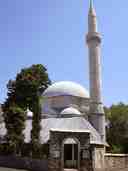
To spot the Karađoz Bey Mosque, look straight ahead for a grand stone building boasting a large rounded dome and a tall, slender minaret pointing high into the sky. Imagine…더 보기간략히 보기
To spot the Karađoz Bey Mosque, look straight ahead for a grand stone building boasting a large rounded dome and a tall, slender minaret pointing high into the sky. Imagine you’re in Mostar in the 16th century-the scent of fresh stone dust in the air as artisans, perhaps even under the eye of the master architect Mimar Sinan, put the finishing touches on a new mosque. This isn’t just any mosque; Mehmed Beg built it with the hope that its dome would touch the heavens and its minaret would be the tallest in town, standing at a dramatic 34.5 meters. Can you see those arches and the double portico outside? Those sheltered worshippers from sun and rain, as merchants shuffled by with their donkeys. Over centuries, this mosque has watched Mostar’s fortunes rise and fall-surviving even the chaos of World War II and heartbreak during the Bosnian War, when it was nearly lost to rubble. But like any great star of history, the Karađoz Bey Mosque made its comeback with a shiny renovation in 2004, its dome once again gleaming in the sunshine. So, take a look-you're standing before a survivor, a monument to faith, and the heart of the neighborhood.
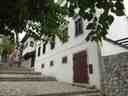
전용 페이지 열기 →To spot the Herzegovina Museum, look for a bright white building with dark wooden shutters and a stone staircase winding right past its entrance-just off to your right as you…더 보기간략히 보기
To spot the Herzegovina Museum, look for a bright white building with dark wooden shutters and a stone staircase winding right past its entrance-just off to your right as you climb the steps. Now, take a deep breath-you’re standing at one of Mostar’s treasure chests! The Herzegovina Museum isn’t just a building; it’s a portal through centuries. Imagine the clatter of horses’ hooves echoing down these very stones-archaeologists have unearthed relics here that whisper secrets of ancient Herzegovina. Step inside and you might stumble upon Džemal Bijedić’s Memorial House, honoring a Yugoslav leader whose story ended in a twist of fate-a tragic plane crash in 1977. Across town, the museum takes you to Svetozar Ćorović’s house, where ink-stained manuscripts reveal the ups and downs of Mostar’s writers and poets. The adventure doesn’t end there: you’ll find priceless antiques, mysterious tools of daily life, and even stories of the Old Bridge itself-destroyed, reborn, and now a UNESCO world wonder. Each corner of the museum adds a layer, from archaeology to ethnology, weaving together the city’s languages, traditions, and bursts of laughter from families who once lived in these rooms. Bet you didn’t think history could be this much fun!
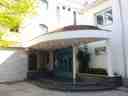
전용 페이지 열기 →To spot the Cultural Center Mostar, just look for the inviting pale building with a curved red-tiled canopy, turquoise doors, and a green sign above that reads “Centar za…더 보기간략히 보기
To spot the Cultural Center Mostar, just look for the inviting pale building with a curved red-tiled canopy, turquoise doors, and a green sign above that reads “Centar za Kulturu”-you can’t miss it at 13 Rade Bitange. Now, imagine you’re right in the heart of Mostar’s buzzing artistic soul! This spot is more than just a building; it’s where the city’s imagination comes to play, especially when July arrives, and the Mostar Summer Festival kicks off. For over twenty years, this lively tradition has turned what might seem like an ordinary entrance into a portal of wonder-where you might catch the echo of a violin, the laughter of a puppet show, or the moment when a poet’s words float through the warm air. Every summer, the centre bursts with concerts, theatre shows, art exhibits, and book presentations, each night wrapping the city in a magical, creative glow. Don’t be surprised if you catch a whiff of stage makeup or hear the nervous giggles of performers in the wings-here, excitement is in the air! All year round, artists and dreamers gather behind these turquoise doors, spinning stories and connecting Mostar’s past to its vibrant present. If these walls could talk, they’d sing you melodies, whisper poetry, and maybe even crack a joke or two. Welcome to Mostar’s creative heartbeat!
전용 페이지 열기 →You’re standing now in front of a site that saw the stormiest chapters of recent history: the heart of what was once called the Croatian Republic of Herzeg-Bosnia. It’s a little…더 보기간략히 보기
You’re standing now in front of a site that saw the stormiest chapters of recent history: the heart of what was once called the Croatian Republic of Herzeg-Bosnia. It’s a little ironic-it never quite existed in the way a country usually does. Picture the early 90s: Yugoslavia is shaking apart, old alliances are crumbling, and everyone is trying to redraw the map. Now and then, you could almost imagine the air itself was buzzing with tension. November 18th, 1991-Croatian leaders gathered with a plan, declaring this region a “political, cultural, economic and territorial whole.” Think of it as a club with a lot of rules, but not much official recognition; even the Constitutional Court refused to let it join the party, calling it unconstitutional in 1992. It wasn’t just Herzeg-Bosnia; a northern neighbor- the Bosnian Posavina-joined forces, bringing their chessboard of territories to nearly a third of the country. But no matter how many times they claimed new ground, the lines kept shifting, thanks to the fierce battles of the Bosnian War. Mostar was supposed to be the capital, but imagine trying to run a country when your headquarters are in a war zone-bullets flying, bridges crumbling, neighbors becoming enemies. At times, the city’s strategists made decisions from a small town called Grude, far from the front lines. It’s like holding a board meeting underwater while sharks circle. In the initial chaos, the Croat and Bosniak forces were even on the same side against shared threats. They formed the HVO, the Croatian Defence Council-a military force that started off with locals defending their own communities. In the early days, their strategy meetings must’ve sounded like lines from an action movie: “We’ll protect our people at all costs!” But by late 1992, the old alliance frayed, and a bitter Croat-Bosniak war erupted within the already raging Bosnian conflict. The creators of Herzeg-Bosnia imagined a new state with its own school lessons (in Croatian, of course), its own currency (there were three floating around: Herzeg-Bosnia’s dinar, the German mark, and the Croatian dinar-talk about complicated shopping), and its own football league. I bet the referees had a tough job-especially with everything else happening on and off the pitch. The fighting here was relentless. Much of Mostar was left in ruins. The leaders of Herzeg-Bosnia tried everything, even proposing a confederation with Croatia, but nothing cemented their sovereignty. When big international powers swooped in-a real “parents are coming home, clean up the mess!” moment-the Washington Agreement in 1994 pressed pause on the Croat-Bosniak war. Eventually, the Federation of Bosnia and Herzegovina was formed, and Herzeg-Bosnia was supposed to quietly dissolve. But, like an actor who refuses to exit the stage, it lingered into 1996, its influence still strong in local banks, schools, and utilities. Efforts to revive Herzeg-Bosnia still pop up today, sort of like those TV shows that just won’t quit. Even politicians in the 2000s argued, “If the Serbs have their Republika Srpska, why can’t we try again?” Others insist it’s better to work together in a united Bosnia, arguing a breakup would bring disaster. Emotions here can still run high when the topic comes up. Now, every November 18th, some locals celebrate the day of Herzeg-Bosnia’s foundation. There’s even a memorial plaque for Mate Boban, its first leader, just nearby. But before you start looking for a Herzeg-Bosnia passport, keep in mind-this “state” never quite stepped into the spotlight as a fully recognized country. Still, it left behind stories of ambition, hardship, and a community’s search for identity in a time when everything felt uncertain. And that, as they say, is not just history-it’s an ongoing conversation, still echoing through the streets of Mostar. Curious about the etymology, background or the area and population? Don't hesitate to reach out in the chat section for additional details.
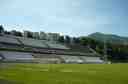
전용 페이지 열기 →To spot the Stadion pod Bijelim Brijegom, look for the large, bowl-shaped stadium with banks of empty white seats stretching out in front of you, flanked by tall floodlights, and…더 보기간략히 보기
To spot the Stadion pod Bijelim Brijegom, look for the large, bowl-shaped stadium with banks of empty white seats stretching out in front of you, flanked by tall floodlights, and set beneath the leafy hills and apartment blocks of central Mostar. Now, as you stand at the legendary Stadion pod Bijelim Brijegom, imagine the roar of nearly 9,000 fans packed into the stands on a game day, flags waving and chants echoing across the city. This isn’t just a football pitch-it’s a living, breathing symbol of Mostar’s spirit. Built in 1958, this stadium rose up with the sweat and teamwork of locals, especially ambitious students, who traded books for bricks to create a home for football lovers. Back then, it was the pride of FK Velež Mostar, whose red shirts raced towards glory in legendary Yugoslav Cup battles, and even dared to dream big in Europe by reaching the quarter-finals of the UEFA Cup. But during the dark days of the Bosnian War, the stadium’s cheers turned to silence as the city itself split along the Neretva River-west to the Croats, east to the Bosniaks. The ground suffered scars, and the tension spilled over into the fate of this very field. FK Velež was forced out, and since then, HŠK Zrinjski Mostar made the stadium their fortress, their fans giving the stands a new pulse and the city’s old wounds a reminder with every match. Today, those stands are getting a facelift-with shiny new seats to welcome even more supporters. Yet, through all the noise and history, the biggest legend here might be the wish of Velež’s faithful to return one day. Until then, every kickoff at Bijeli Brijeg carries the story of a city divided and united by football-where passions run as deep as the river nearby. Now, who’s up for a penalty kick contest?
전용 페이지 열기 →

자주 묻는 질문
투어는 어떻게 시작하나요?
구매 후 AudaTours 앱을 다운로드하고 교환 코드를 입력하세요. 투어를 바로 시작할 수 있습니다 - 재생을 탭하고 GPS 안내 경로를 따라가시면 됩니다.
투어 중 인터넷이 필요한가요?
아닙니다! 시작 전에 투어를 다운로드하면 완전히 오프라인으로 즐길 수 있습니다. 채팅 기능만 인터넷이 필요합니다. 모바일 데이터 절약을 위해 WiFi에서 다운로드하시는 것을 권장합니다.
이것은 가이드가 안내하는 단체 투어인가요?
아닙니다 - 이것은 셀프 가이드 오디오 투어입니다. 폰을 통해 오디오 나레이션을 들으며 나만의 속도로 독립적으로 탐험합니다. 투어 가이드도, 단체도, 일정도 없습니다.
투어는 얼마나 걸리나요?
대부분의 투어는 60-90분이 소요되지만, 속도는 전적으로 본인이 조절합니다. 원할 때 언제든지 일시정지하거나, 정류장을 건너뛰거나, 휴식을 취하세요.
오늘 투어를 끝낼 수 없으면 어떻게 하나요?
괜찮습니다! 투어는 평생 이용이 가능합니다. 원할 때 언제든지 일시정지하고 다시 시작하세요 - 내일, 다음 주, 또는 내년에도. 진행 상황이 저장됩니다.
어떤 언어를 이용할 수 있나요?
모든 투어는 50개 이상의 언어로 이용 가능합니다. 코드를 교환할 때 원하는 언어를 선택하세요. 참고: 투어 생성 후에는 언어를 변경할 수 없습니다.
구매 후 투어는 어디에서 이용하나요?
App Store 또는 Google Play에서 무료 AudaTours 앱을 다운로드하세요. 교환 코드(이메일로 전송됨)를 입력하면 라이브러리에 투어가 나타나며, 다운로드하여 시작할 수 있습니다.
투어가 마음에 들지 않으시면 환불해 드립니다. 문의: [email protected]
안전한 결제 


