
エディンバラ音声ツアー:旧市街の伝説と路地
エディンバラ旧市街の石畳は、グラスマーケットで絞首刑の音が響き渡り、その後に訪れた静寂を今も覚えています。絵葉書のような景色の裏には、この街のあらゆる路地や中庭を形作った反乱、スキャンダル、政治的闘争が隠されています。 このセルフガイド音声ツアーは、グラスマーケットからグレイフライアーズ・ボビーの噴水、そしてその先へと旧市街を巡り、ほとんどの観光客が見過ごしてしまう物語を解き明かします。 街が冷酷になったとき、ここで誰が追われ、公衆の面前でどのような代償が払われたのか。 忠実な犬と静かな墓地の傍らで囁かれる、グレイフライアーズに秘められた悲しみとは何か。 なぜ特定の名前は銘板から消え去りながらも、一枚の彫刻された石や酒場の領収書の中に生き残っているのか。 陽光降り注ぐ広場から影の路地へと進みましょう。権力の緊張、裏切りの痛み、そして真のエディンバラを発見するスリルを感じてください。 再生ボタンを押して、石畳に語らせましょう。
ツアーのプレビュー
このツアーについて
- schedule所要時間 30–50 mins自分のペースで進める
- straightenウォーキングルート 0.4kmガイド付きパスに沿って進む
- location_on
- wifi_offオフライン対応一度のダウンロードでどこでも使える
- all_inclusive無期限アクセスいつでも、ずっと再生可能
- location_onグレイフライアーズ・ボビーの噴水から開始
このツアーのスポット
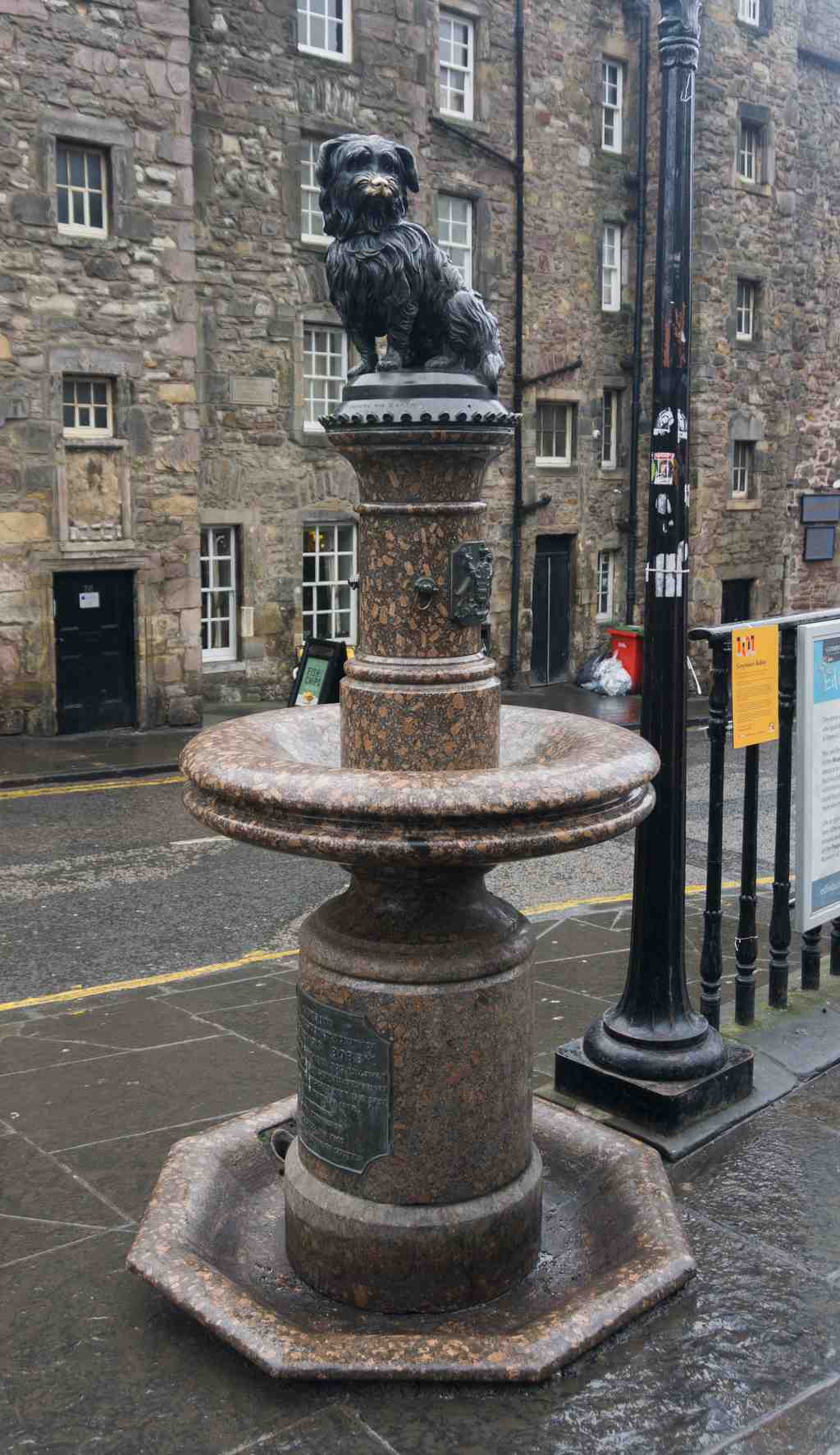
Look for the small granite fountain by the curb with a life-size bronze little dog perched on top, staring out like he’s on permanent guard duty. This is the Greyfriars Bobby…もっと読む折りたたむ
Look for the small granite fountain by the curb with a life-size bronze little dog perched on top, staring out like he’s on permanent guard duty. This is the Greyfriars Bobby Fountain... a polished granite column and bowl with bronze plaques, topped by Bobby, a Skye Terrier turned local legend. The story goes that after his owner, John Gray, died, Bobby kept watch over the grave for 14 years-through Edinburgh rain, wind, and the general Victorian urge to be dramatic-until Bobby himself died on January 14, 1872. The memorial was commissioned by Lady Burdett-Coutts of the RSPCA, and sculpted “from life” by William Brodie-who, at the same time, was busy making figures for the Scott Monument. It was unveiled in 1873, later became a top-tier listed monument... and is reputed to be Edinburgh’s smallest listed building. The water was shut off in 1957, then the fountain got some TLC in 1985. And that shiny nose? Please don’t rub it-“lucky” is not a conservation strategy. When you’re set, Grassmarket is a 5-minute walk heading south.
専用ページを開く →

よくある質問
ツアーはどうやって始めますか?
購入後、AudaToursアプリをダウンロードして引き換えコードを入力してください。ツアーはすぐに開始できます。再生ボタンをタップして、GPSガイド付きルートに従うだけです。
ツアー中にインターネットは必要ですか?
いいえ!開始前にツアーをダウンロードしておけば、完全にオフラインで楽しめます。チャット機能のみインターネットが必要です。モバイルデータを節約するため、WiFi環境でのダウンロードをお勧めします。
これは団体ツアーですか?
いいえ、これはセルフガイド式のオーディオツアーです。ガイドや団体、決まったスケジュールに縛られることなく、スマホから流れるナレーションを聴きながら自分のペースで自由に探索できます。
ツアーの所要時間は?
ほとんどのツアーは60〜90分で完了しますが、ペースは完全に自由です。好きな時に一時停止したり、スポットを飛ばしたり、休憩を取ったりできます。
今日中にツアーを終えられない場合は?
問題ありません!ツアーには無期限でアクセスできます。明日、来週、あるいは来年でも、好きな時に再開できます。進行状況は保存されます。
どの言語が利用可能ですか?
すべてのツアーが50以上の言語に対応しています。コードを引き換える際にお好みの言語を選択してください。注意:ツアー生成後に言語を変更することはできません。
購入後、どこからツアーにアクセスできますか?
App StoreまたはGoogle Playから無料のAudaToursアプリをダウンロードしてください。メールで届いた引き換えコードを入力すると、ライブラリにツアーが表示され、ダウンロードして開始できるようになります。
もしツアーを楽しめなかった場合は、返金いたします。お問い合わせ先: [email protected]
以下の決済で安全にチェックアウト 


