
ジョグジャカルタ・オーディオツアー:ジョグジャカルタの遺産と見どころオーディオツアー
夜明けに黄金の頂を持つ記念碑がそびえ立ち、かつて革命と陰謀が響き渡った通りをきらめかせます。ジョグジャカルタの物語は、その雄大なトゥグに刻まれ、マリオボロ通りの活気ある一帯にささやかれ、フレデブルク要塞の風化した壁の中に封じ込められ、人目につく場所に隠されています。 このセルフガイド・オーディオツアーでは、普通の旅行者が見過ごしてしまうような活気ある物語や秘密の場所を発見できます。宮殿の権力は、植民地の野望とどこで激しく衝突したのでしょうか?フレデブルクの独房の影には、どんな未解決の謎が残されているのでしょうか?そして、どの騒々しい真夜中の祭りがマリオボロを永遠に変えかけたのでしょうか? 古代のアーチと賑やかなナイトマーケットの下で、時を超えて旅をしましょう。一歩ごとに、反逆者、王族、芸術家、そして普通の夢追い人の亡霊が呼び起こされるのを感じてください。旅の終わりには、ドラマと隠された驚きに満ちた、これまでにないジョグジャカルタの姿を目にすることでしょう。 次の章は、トゥグの輝く黄金の下で待っています。今すぐ再生して、その秘密を解き明かしましょう。
ツアーのプレビュー
このツアーについて
- schedule所要時間 30–50 mins自分のペースで進める
- straightenウォーキングルート 4.1kmガイド付きパスに沿って進む
- location_on
- wifi_offオフライン対応一度のダウンロードでどこでも使える
- all_inclusive無期限アクセスいつでも、ずっと再生可能
- location_onトゥグ・ジョグジャカルタから開始
このツアーのスポット
Tugu Yogyakarta was built way back in 1755 by Sri Sultan Hamengkubuwono I. Originally known as Tugu Golong-Gilig, it was a round-topped monument symbolizing unity. The monument…もっと読む折りたたむ
Tugu Yogyakarta was built way back in 1755 by Sri Sultan Hamengkubuwono I. Originally known as Tugu Golong-Gilig, it was a round-topped monument symbolizing unity. The monument was quite the tall one, standing proud at 25 meters. That’s like stacking about 14 of those cartoonishly tall top hats on top of each other! Now, one day the earth decided to do a little dance-also known as an earthquake-in 1867, and down the mighty monument toppled. But don’t worry, like a phoenix rising from the ashes (or more like a monument rising from the rubble), it was rebuilt by the Dutch colonial government in 1889. They gave it a makeover, changing its shape and reducing its height to 15 meters. Think of it as Tugu Yogyakarta 2.0! One quirky feature is that the monument was originally aligned with the southern sea, the Yogyakarta palace, and Mount Merapi. It’s like the Sultan had his own GPS system! Speaking of meditation, legend has it that the Sultan used the monument to get his Zen on while facing Mount Merapi. Talk about having a majestic meditation spot! In 2012, the monument got another snazzy update with 22-carat gold ornamental paintings. Bling, bling! Now, it’s more than just a monument; it’s a symbol of history, unity, and resilience. Feel free to snap some pictures, and don’t forget to give a nod to its golden top. Shall we march on to our next stop? Let's head over to Jalan Malioboro!
専用ページを開く →Running north-south, this street connects the Kraton (royal palace) to Mount Merapi, which aligns with local beliefs and traditions. It's like the Yogyakarta version of a…もっと読む折りたたむ
Running north-south, this street connects the Kraton (royal palace) to Mount Merapi, which aligns with local beliefs and traditions. It's like the Yogyakarta version of a perfectly aligned selfie! Why? Because everything happens here! From hotels to restaurants to shops, Jalan Malioboro is a hub of bustling activity. The sidewalks are buzzing with small stalls selling everything from batik clothes to quirky souvenirs. If your suitcase was looking a little empty when you arrived, it won't be by the end of your stroll. And it gets even better in the evening! Prepare your taste buds for a treat with the open-air street restaurants called "lesehan." Picture yourself sitting on mats, enjoying local food under the stars. Trust me, the atmosphere is magical. Also, keep your eyes and ears open for street performers. Musicians, painters, and performers turn this street into their stage. You might just catch the next big star before they become famous. On the northern end, you'll find the historic Hotel Garuda, now known as the Grand Inna Malioboro. It's like staying where history hangs out. And for those who love a bit of historical irony, back in the day, the street had an advertisement that played on the name 'Malioboro' and 'Marlboro'-how’s that for a cheeky bit of marketing? Lastly, don’t miss the side streets and alleys branching off, as they hold as much charm and importance as the main street itself. And if you’re around for the Malioboro Night Festival, well, lucky you! It's a vibrant circus of live music, traditional arts, and yes, even fashion shows. Fun fact, there are three bus stops along Jalan Malioboro, so if you ever get lost, just remember: every bus stop is a step closer to another adventure! So go on, explore, shop till you drop, and remember, the magic of Yogyakarta truly starts here. Enjoy your stroll down Jalan Malioboro, where every corner tells a story!
専用ページを開く →Originally built in 1760 at the request of Dutch governor Nicolaas Harting, the fort was constructed on land provided by Sultan Hamengkubuwono I. The initial fort was a relatively…もっと読む折りたたむ
Originally built in 1760 at the request of Dutch governor Nicolaas Harting, the fort was constructed on land provided by Sultan Hamengkubuwono I. The initial fort was a relatively simple structure made of wood, with four bastions, or, in simpler terms, four corners where they could look out and say, “Hey, who's that approaching?” Fast forward to 1767, and the wooden fort gets a major makeover, becoming a more permanent structure supervised by Dutch architect Frans Haak. Then in 1787, it got a new name: Fort Rustenburg, meaning "resting fort," which sounds almost like a spa for soldiers! But hold your horses (or cannons)! In 1867, an earthquake decided the fort needed another makeover and completely destroyed it. When it was rebuilt, it was renamed Fort Vredeburg, or "peace fort," which given its history, may have been a bit optimistic! During World War II, the Japanese took over the fort, turning it into a headquarters and prison. After Indonesia declared independence in 1945, the fortress served as a military post, barracks, and later, a prison for suspected communists. In 1947, a pivotal event occurred here honoring the 40th anniversary of Budi Utomo. Ki Hadjar Dewantara suggested converting the fortress into a cultural institution. The fort then embarked on another chapter as major renovations were completed in 1982. By 1992, it officially opened as a museum chronicling Indonesia's struggle for independence. Now, Fort Vredeburg Museum boasts an impressive collection of old photographs, historical artifacts, and dioramas. These dioramas turn history into three-dimensional scenes that immerse you in events from the capture of Pangeran Diponegoro in 1830 to Sukarno's return in 1949. So, whether you’re a history buff or just here for the Instagram shots, Fort Vredeburg has something for everyone. Ready to march on to the next stop? Onward!
専用ページを開く →

さらに3件のスポットを表示表示するスポットを減らすexpand_moreexpand_less
Built way back in 1755-1756 by Sultan Hamengkubuwono I, this place has seen it all. From the Treaty of Giyanti to battles with the British (who, by the way, left after realizing…もっと読む折りたたむ
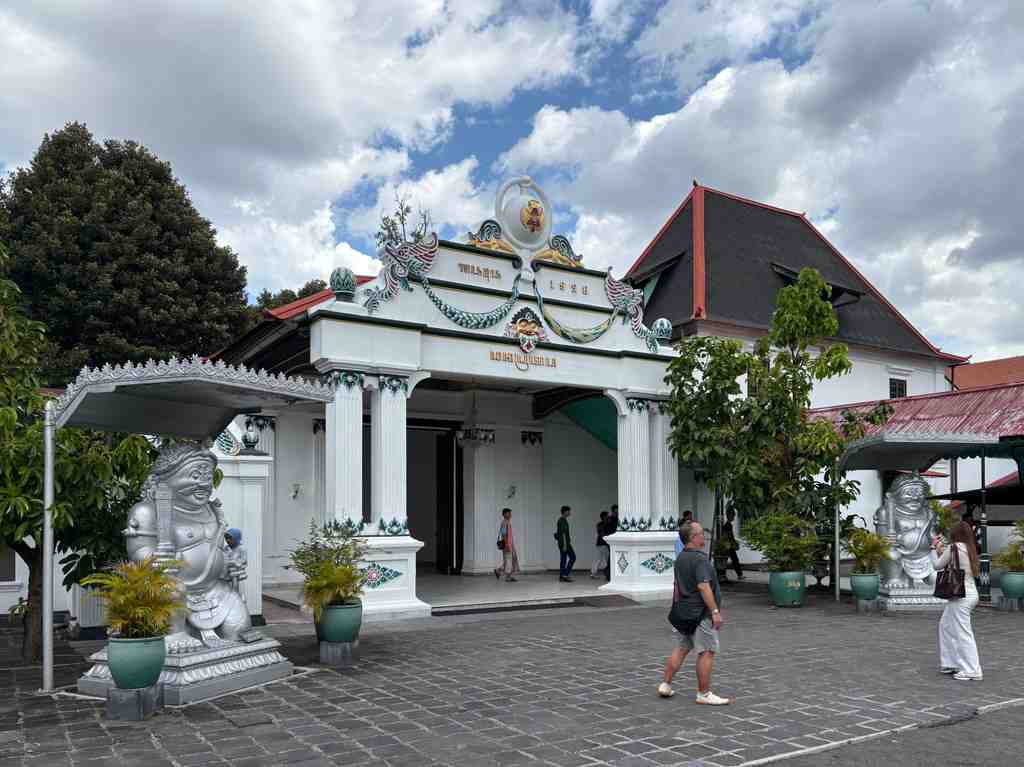
Built way back in 1755-1756 by Sultan Hamengkubuwono I, this place has seen it all. From the Treaty of Giyanti to battles with the British (who, by the way, left after realizing they were more suited to tea times than ruling a Sultanate), this palace is a testament to resilience and grandeur. Think of it as Yogyakarta's very own royal soap opera, with a few earthquakes and rebuilds thrown in just to keep things interesting. The Kraton isn’t just a place where the Sultan and his family live; it’s a living, breathing center of Javanese culture. It even has its very own museum showcasing royal artifacts that scream “regal flair.” You might even get inspired to redecorate your living room! You’ll notice the architecture is a harmonious blend of traditional Javanese styles with a sprinkle of Portuguese, Dutch, and Chinese influences. It's like a multicultural architectural potluck! The buildings are mostly Joglo-style, which means they have trapezoidal roofs supported by central pillars, often in dark green or black adorned with gold highlights. A fashion statement that Madonna would be jealous of. The main courtyard is covered with sand from the south coast-talk about bringing the beach vibes home! And those sturdy walls? They're not just for show. They incorporate the Semar Tinandu style and even have insulating walls (Renteng or Baturono) with unique traditional ornaments. Don't miss out on the pillars and wooden elements, which are basically the palace's way of flaunting its royal bling. They match in color and are usually decked out with motifs of flora, fauna, or natural elements. And if you think the exterior is something, wait till you see the interior tiles or marble floors-it's like walking on a piece of art. Interestingly, the road leading up to the palace is lined with Tamarind and Spanish cherry trees, making it a grand entrance fit for a Sultan! Fun fact, Tugu Yogyakarta, which we saw earlier, symbolizes the unity between the Sultan and the people. It's like a big royal hug that brings everyone together. So, take it all in, and remember, you're not just visiting a palace; you're stepping into centuries of history, culture, and a bit of royal extravagance. Enjoy your royal stroll!
専用ページを開く →Imagine this: over 200 years ago, you'd find a complex of four main areas. One part had a large artificial lake with islands and pavilions in the west, another had a bathing…もっと読む折りたたむ
Imagine this: over 200 years ago, you'd find a complex of four main areas. One part had a large artificial lake with islands and pavilions in the west, another had a bathing complex in the center, a set of pavilions and pools in the south, and a smaller lake in the east. Today, only the central bathing complex remains preserved. The rest has been taken over by the Kampung Taman settlement. Here's a fun fact: the name Taman Sari comes from Javanese words meaning 'beautiful garden'. And yes, it was as pretty as it sounds-filled with vibrant flowers and lush greenery. The Dutch even called it a "water castle" because, by shutting the water gates, the gardens could become immersed, transforming the area into a magnificent aquatic fortress. The construction began during the reign of Sultan Hamengkubuwono I and saw its completion under Sultan Hamengkubuwono II. The place was masterfully designed with European influences-thanks to Tumenggung Mangundipura's trips to Batavia (modern-day Jakarta) to study European architecture. The British invasion in 1812 caused significant damage to the structure, but don't let that dampen your spirits! The remaining buildings still reflect the beauty and grandeur of a time when the Sultan would come here to relax and meditate after a hectic war-filled life. You can almost imagine Sultan Hamengkubuwono I saying, "I need a break," and thus Taman Sari was born-a royal retreat for relaxation, with a dash of defense and a sprinkle of meditation. The relaxing pools, which once were maintained with intricate hydraulic works, are a beautiful reminder of the past. So, take a breath, imagine the splendor of bygone eras, and maybe splash a bit of imaginary water as you walk around. And remember, it's not just a water castle-it's a testament to royal ingenuity and a place where history floats beautifully! Yearning to grasp further insights on the etymology, buildings or the around taman sari? Dive into the chat section below and ask away.
専用ページを開く →


レビュー
よくある質問
ツアーはどうやって始めますか?
購入後、AudaToursアプリをダウンロードして引き換えコードを入力してください。ツアーはすぐに開始できます。再生ボタンをタップして、GPSガイド付きルートに従うだけです。
ツアー中にインターネットは必要ですか?
いいえ!開始前にツアーをダウンロードしておけば、完全にオフラインで楽しめます。チャット機能のみインターネットが必要です。モバイルデータを節約するため、WiFi環境でのダウンロードをお勧めします。
これは団体ツアーですか?
いいえ、これはセルフガイド式のオーディオツアーです。ガイドや団体、決まったスケジュールに縛られることなく、スマホから流れるナレーションを聴きながら自分のペースで自由に探索できます。
ツアーの所要時間は?
ほとんどのツアーは60〜90分で完了しますが、ペースは完全に自由です。好きな時に一時停止したり、スポットを飛ばしたり、休憩を取ったりできます。
今日中にツアーを終えられない場合は?
問題ありません!ツアーには無期限でアクセスできます。明日、来週、あるいは来年でも、好きな時に再開できます。進行状況は保存されます。
どの言語が利用可能ですか?
すべてのツアーが50以上の言語に対応しています。コードを引き換える際にお好みの言語を選択してください。注意:ツアー生成後に言語を変更することはできません。
購入後、どこからツアーにアクセスできますか?
App StoreまたはGoogle Playから無料のAudaToursアプリをダウンロードしてください。メールで届いた引き換えコードを入力すると、ライブラリにツアーが表示され、ダウンロードして開始できるようになります。
もしツアーを楽しめなかった場合は、返金いたします。お問い合わせ先: [email protected]
以下の決済で安全にチェックアウト 


