
Tour Audio di Spokane: Icone, Canestri e Gemme Nascoste del Centro
Un tunnel segreto un tempo correva sotto il più grandioso hotel di Spokane, intessendo scandali nelle sale di marmo. La storia della città è scritta non solo nei mattoni, ma nei sussurri lungo le rive del fiume e nelle ombre proiettate da arene imponenti. Rivelate il passato stratificato di Spokane con questo tour audio autoguidato attraverso il centro. Ascoltate storie mai raccontate e vedete luoghi famosi sotto una nuova luce, con storie nascoste appena sotto la superficie. Quale acceso dibattito politico al The Davenport Hotel quasi divise il potere nel Nord-Ovest? Quale reliquia dimenticata si nasconde ancora accanto a una cascata del Riverfront Park? Perché la Spokane Arena fu un tempo circondata da una bufera di marshmallow volanti? Camminate oltre torri di vetro e attraverso parchi lussureggianti dove ambizione, intrighi e ribellione hanno lasciato il loro segno. Lasciate che ogni angolo storico pulsi di nuovo significato mentre Spokane rivela segreti che solo chi guarda più da vicino può trovare. La vostra avventura vi aspetta. Iniziate dove il marmo incontra il mistero.
Anteprima del tour
Informazioni su questo tour
- scheduleDurata 40–60 minsVai al tuo ritmo
- straighten4.2 km di percorso a piediSegui il percorso guidato
- location_onPosizioneSpokane, Stati Uniti
- wifi_offFunziona offlineScarica una volta, usa ovunque
- all_inclusiveAccesso a vitaRiascolta quando vuoi, per sempre
- location_onParte da Parkade Plaza
Tappe di questo tour
If you’re looking for Parkade Plaza, look for a tall, white, futuristic concrete structure with vertical columns and a dramatic tower, right on Main Street between Howard and…Leggi di piùMostra meno
If you’re looking for Parkade Plaza, look for a tall, white, futuristic concrete structure with vertical columns and a dramatic tower, right on Main Street between Howard and Stevens-the one that kind of looks like it could be blast off for a spaceship parking lot! Alright, you’ve made it to a local legend-Parkade Plaza! Now, don’t let those rows of cars fool you; this isn’t just a parking garage. Imagine yourself standing here in the swinging late 1960s. Downtown Spokane was at a crossroads. This very site was once filled with old, creaky buildings, including the grand Pantages Theater-later called The Orpheum-where music, drama, and dreams echoed every night. By the late 1950s, though, the theater closed. The curtain fell, the lights faded, and by 1967, the only drama left was the daily hunt for a parking spot. Enter Parkade Plaza, a concrete marvel with a flair for the dramatic and a determination to save downtown Spokane from what civic leaders called “creeping blight.” Instead of letting the city be swallowed by crumbling buildings and empty storefronts, a group called Spokane Unlimited-imagine the city’s business superheroes-decided to radicalize parking. They wanted a showstopping structure that would draw people, shoppers, and maybe even a bit of optimism back to the city center. According to them, you don’t just stop downtown decline with speeches. Nope, you need a place to stash every car in Spokane, stylishly! This was where architect Warren C. Heylman stepped into the spotlight. With a great big grin (I can only assume), Heylman designed this 11-level spectacular, crowned by a 175-foot sculptured tower-part elevator shaft, part glowing beacon. And let me tell you, it stands out. Heylman believed every inch of Parkade Plaza lived for the people. The Skywalk circles the building-a futuristic way for rain-soaked pedestrians to swoosh right into the shops on the second level. And the roof! One of the first modern garages to have one, so your car can snooze dry through Spokane’s infamous weather. But if you think “parking garage” sounds boring, think again. When Parkade opened, there was more than just parking here. The second level was buzzing with ice cream shops, art galleries, interior design studios, a radio and TV store-even a newsstand and a city ticket booth with bright umbrellas, where you could imagine yourself sipping coffee and feeling like the king or queen of downtown. The day before Christmas in 1969, this place packed 3,878 cars-four times what it was built for! Now that’s a crowd! Parkade Plaza captured enough imaginations to win an award for “excellence in the use of concrete.” Yes, concrete can win prizes-who knew? And if those walls could talk, they’d tell you stories of bustling downtown days, shifting traffic patterns, and a city that refused to fade away. The latest chapter? In 2020, Parkade got a facelift-stronger supports, new lights, fresh paint, energy-saving equipment, all ready for the next wave of visitors, dreamers, and, well, parkers. So next time someone tells you parking garages can’t be exciting, you tell them to stand right here and look up. They might just spot the future... hiding in plain sight, right above Spokane’s Main Street.
Apri pagina dedicata →To spot The Davenport Hotel, just look straight ahead for a tall, stately red brick building with a bright white stone base, intricate details along its lower floors, and a…Leggi di piùMostra meno
To spot The Davenport Hotel, just look straight ahead for a tall, stately red brick building with a bright white stone base, intricate details along its lower floors, and a classic black and gold canopy above its entrance. Take a moment to soak in this incredible sight, because you’re standing in front of one of Spokane’s most storied survivors: The Davenport Hotel! Let your imagination step back to 1889, when a young Louis Davenport arrives fresh from San Francisco-just as a massive fire roars through Spokane Falls, reducing the city to ashes. Picture smoke, rubble, and a 20-year-old Louis, rolling up his sleeves. Instead of heading for home, he grabs a tent, some salvaged dishes, and opens a “Waffle Foundry” right here in the heart of the rebuilding city. Fast forward a few years, and his little eatery becomes the “finest thing of the kind in the country,” famous for elegant feasts and, rumor has it, one of the first ever Crab Louis salads-a dish so good they named it after the man himself. Meanwhile, the city is booming with timber, mines, and the railroad. Spokane needs a gathering place, something grand. So, with local businessmen pooling their fortunes, they convince Louis to lend his name and architect Kirtland Cutter his genius. By 1914, after an epic construction marathon filled with horse carts and steam jacks (not a hard hat in sight, yet miraculously not one worker injured), the Davenport Hotel opens its ornate doors. From the outside, Cutter followed strict instructions: don’t spend a penny more than necessary on decoration. But inside? That’s a different world. Marble columns, soaring ceilings with colorful faux-wood beams, art glass skylights-the lobby is so dazzling it’s nicknamed “Spokane’s Living Room.” You can almost hear the clatter of silverware on linen-draped tables and the steady hum of excited conversation. The fireplace in the lobby was lit on opening day, 1914, and it’s burned ever since-year-round, rain or snow, in a tradition of hospitality. Louis had an eye for style, mixing Italian, French, English, and Spanish touches, and filling these halls with griffins, dolphins, and even painted medallions-nearly royal, even if the only actual king who ever visited was just a little less famous than the ten U.S. presidents who stayed here. President Taft, for instance, called this place “home”-and let’s be honest, any hotel that keeps Taft happy probably has very comfortable chairs. Over the years, celebrities like Bing Crosby, Mary Pickford, Betty White, and even Babe Ruth wandered these corridors. Radio history was made from a tower on the roof when KHQ brought music and voices-sometimes young Bing himself-out across the Northwest. Poets scribbled verse by the fireplace, and in classic hotel fashion, legends grew wild: stories that Mahatma Gandhi stayed here (spoiler: he didn’t), and that Dashiell Hammett’s Sam Spade interrogated suspects right in this very lobby. But fortunes rise and fall-by the 1960s, the Davenport was turned into a motel, and as time ticked on, it slipped into disrepair. By the 1980s, this beautiful building was almost rubble. An entire block, ready to fall in just twenty seconds-except nobody could afford to take out the asbestos, so the poor grand old place just waited. But Spokane wasn’t letting go that easily. Citizens rallied, fundraisers were held, dreams of restoration flickered like a stubborn ember. Finally, Walt and Karen Worthy swooped in, spending millions to peel away the grime, restore gold leaf, and save even the fabulously named Hall of Doges by lifting it out with a crane. When The Davenport Hotel reopened in 2002, bells rang in victory, and Spokane had her “living room” back. Today, the Historic Davenport dazzles guests with nearly 300 rooms, two grand restaurants, a spa, and enough stories to fill a novel-or maybe several. So, step a little closer to those heavy doors. Can you feel the echoes of laughter, clinking glasses, and the secrets of over a century swirling around? That’s The Davenport: Spokane’s palace of dreams-where history is always on the house. Fascinated by the facilities, notable guests and residents or the gallery? Let's chat about it
Apri pagina dedicata →Look to your left and straight ahead for a big, brick-red building with five stories, a bold black sign that reads “Hotel Indigo,” and a zig-zagging metal fire escape clinging to…Leggi di piùMostra meno
Look to your left and straight ahead for a big, brick-red building with five stories, a bold black sign that reads “Hotel Indigo,” and a zig-zagging metal fire escape clinging to its side-you can’t miss it on the corner! Alright, you’re standing in front of what might look like just another handsome old hotel, but don’t be fooled-this place is a true survivor, a champion at “changing outfits,” and a living scrapbook of Spokane’s ever-changing downtown spirit! Meet the Otis Hotel, or as its current fans know it, the Hotel Indigo Spokane Downtown. Imagine Spokane in 1911: train whistles, the clang and dust of construction, wagons rattling down First Avenue. A young, ambitious Dr. Joseph Gandy-yes, doctor and city mover-and-shaker-commissioned this very building, fresh out of his role as president of the Spokane City Council. He wanted a place for the crowds of migrant workers fueling Spokane’s big building boom, and chose the talented architect duo Arthur Cowley and Archibald Rigg. Rigg, by the way, was a bit like the Beyoncé of Northwestern architecture-everyone wanted to work with him. They created a sturdy, stylish Commercial Style structure clad in red brick, rising five stories on a concrete foundation, tall and serious as a schoolteacher. The Willard Hotel, as it was first called, quickly filled up with hard-working travelers. Back then, First Avenue was the neon spine of Spokane, lined with hotels just like this one, each a pit stop for people building the American West by day (and possibly snoring loudly by night-thin walls, you know). Now, the Otis Hotel had more personality changes than a sitcom character. After Dr. Gandy, hotelier Victor Dessert took the reins in 1921, and with a sweep of his hand, dubbed it the Atlantic Hotel-his way of balancing out another nearby hotel named the Pacific. A bit dramatic, but hey, who’s judging? The 1930s rolled in with the Great Depression, tough times across America, and suddenly cheap rooms like these were gold. Locals and newcomers alike crowded in, resting their heads for as little as a dollar a night. As the decades hustled by, the building cycled through names faster than a spy on the run: from the Milner to the Earle, and finally Otis Hotel-this name stuck like paint. The river of guests changed too. By mid-century, wave goodbye to the young laborers; now the Otis was home to older, low-income residents, and people who needed an affordable roof overhead for more than just a few nights. But the city was changing, sometimes not for the better. By the late 1900s, the Otis Hotel stood in what some newspapers, quite gloomily, called the “most dangerous” part of downtown-a spot where you might find more empty bottles than tourists. Despite that, the Otis never lost its good bones. Its brick walls stood firm, windows neatly lined, still marked with the decorative stripes of that original gray concrete. You can feel it now-stand close and touch the brick! You’re touching more than a century of downtown comings and goings. By the 1990s, the Otis became a symbol of pride and struggle: over 400 people lived here, sometimes paying just $140 a month for the same rooms that once hosted swanky trainmen and businessmen. Then, as the 21st century dawned, the old hotel shuttered up and went silent; for over a decade, it stood empty, just a sleeping giant overlooking First Avenue. Enter Curtis Rystadt, a dreamer with deep pockets and courage, who bought the place in 2017. After a gorgeous $15 million glow-up-think new everything, but with all that old charm saved for you to see-it roared back to life in 2020 as the Hotel Indigo Spokane. Yes, the sign is new, but the brick, the history, and the mischievous whispers of a hundred years are all still here. So go ahead-peek up at the fire escape, feel the breeze wrap around the corner, and listen closely. You might just hear echoes of Spokane’s pioneers, rowdy workers, and every curious traveler who ever passed through. Welcome to the Otis Hotel: a Spokane time machine, still open for business!
Apri pagina dedicata →
Mostra altre 10 tappeMostra meno tappeexpand_moreexpand_less
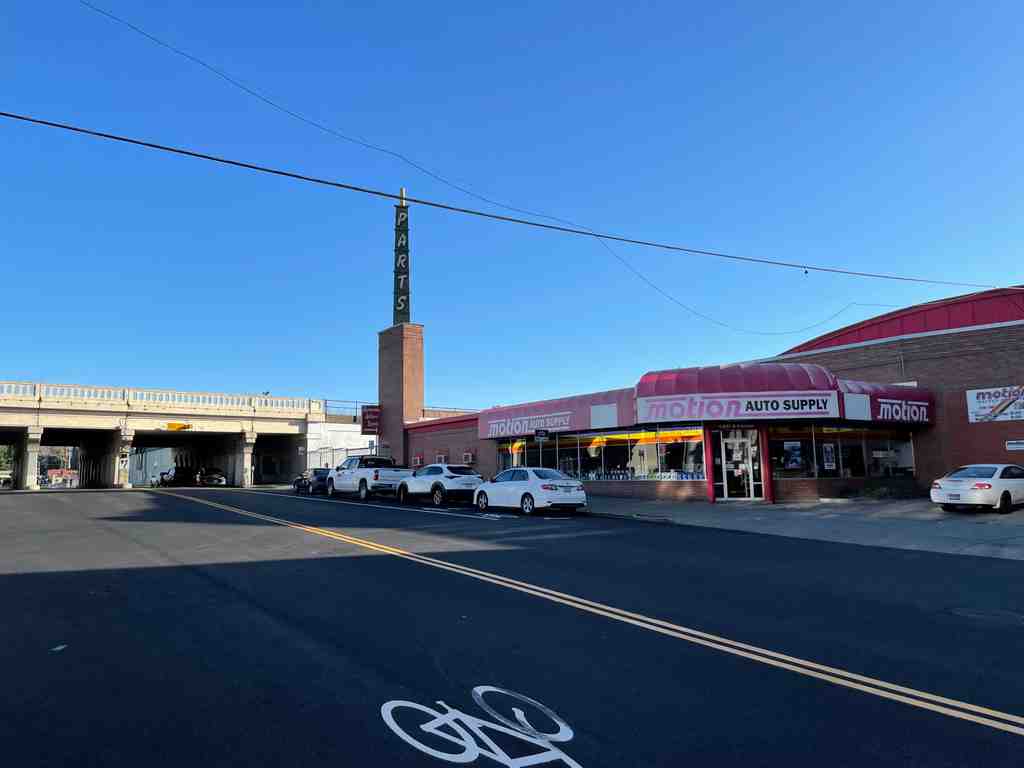
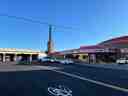
Looking ahead, you’ll spot low-rise red brick buildings with big windows and a tall vertical “PARTS” sign marking the auto supply shop on your right, just next to a raised…Leggi di piùMostra meno
Looking ahead, you’ll spot low-rise red brick buildings with big windows and a tall vertical “PARTS” sign marking the auto supply shop on your right, just next to a raised concrete railroad bridge-the West Downtown Historic Transportation Corridor stretches along both sides of the street right here, between the railroad and the bustling avenue. Alright, traveler! Welcome to a slice of Spokane’s past, where the hum of engines and the clack of train wheels once wrote the city’s soundtrack. Imagine standing here in the early 1900s: the scent of fresh-cut timber and hot railroad steel in the air, hotel lights flickering from every window, and travelers bustling in and out of auto showrooms and train platforms. Back then, this place wasn’t just brick and mortar; it was the engine room of Spokane’s dreams. In those days, the railroad was king. The ground beneath your feet rumbled every time a mighty locomotive passed overhead. Spokane was the link connecting the Northwest to the rest of America, with goods rolling in and out through warehouses that still stand with their proud red bricks today. The arrival of the Northern Pacific Railroad in 1881 turned this area, platted as the “Railroad Addition,” into the beating heart of commerce-and by 1900, a whopping nine major railroads all converged here. This corner of town became a magnet for single men seeking work, and hotel after hotel sprang up, offering a home for a night or maybe a year. But times change-and in 1908, city leaders decided enough was enough with the messy train crossings, so they hoisted those tracks 12 feet up into the air on massive concrete embankments. You can still see and hear the trains rumbling above your head, almost a century and a quarter later! It helped traffic, sure, but led to a few businesses being literally walled off from the street. Imagine being a shop owner here and waking up to find your front door now faces a concrete cliff-talk about a retail nightmare. The corridor adapted, and as cars rolled into style in the 1920s, First Avenue herself became a showroom row for new-fangled automobiles. “Auto row” lit up the street with neon signs for the hottest rides, and in the 1930s, Route 10 funneled adventurous drivers straight through, their engines echoing between these warehouses. Yet with the march of time comes new roads-and when Interstate 90 arrived in the 1960s, suddenly, everyone could speed right past. The neighborhood lost its magic touch; buildings emptied out and windows grew dusty. By the 1990s, things had gotten so rough that even the local pigeons seemed to look over their shoulders! Turf wars, boarded-up windows, and headlines calling it “headquarters for vagrants and pigeons”-not exactly a brochure, right? But Spokanites don’t give up easy. The late ‘90s sparked a comeback: artists and dreamers moved in, fixing the old bones of hotels like the Montvale and Otis, and welcoming new life into steam-heated wonders like Steam Plant Square. Picture it now-giant smokestacks glow at night, breweries bubbling away in spaces where trainmen once counted crates, and streetfront cafés where you can still hear echoes of the past-if you order your coffee just right. Today, the district is bursting with boutiques, breweries, and more restaurants than a hungry hiker could handle. The neighborhood’s got character to spare, a living museum of brick and hope, where history is never more than a step away. You might even catch the distant hiss of a bus or a train above, a final salute to the engines that once powered this place. So as you stroll these streets, take a second to listen: sometimes, if you’re quiet, you can almost hear the stories of all who passed through-each echoing through Spokane’s transportation time machine. Now, don’t dawdle too long-there are more discoveries ahead! Onward to the next stop!
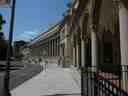
Apri pagina dedicata →To spot the Riverside Avenue Historic District, just look for that sweeping, tree-lined stretch of grand old stone buildings with rows of stately columns curving along…Leggi di piùMostra meno
To spot the Riverside Avenue Historic District, just look for that sweeping, tree-lined stretch of grand old stone buildings with rows of stately columns curving along Riverside-right across the street, their classic facades practically parade down the block. Now, let me set the scene for you: imagine you’re here in the early 1900s-spit-shined shoes, elegant hats, and that smell of fresh-cut grass from the parkway running right down the middle of Riverside Avenue. You’re standing at the heart of what locals once proudly called the Civic Center-a five-block stage of drama, ambition, and civic pride atop the bluff, high above the Spokane River, which you can practically feel tumbling away just a block to the north. This place is like Spokane’s answer to Broadway, but instead of musical theaters you'd find monumental stone, swooping colonnades, and so many architectural flourishes it feels like the city hired every builder with a cape and a flair for drama. Between 1,860 and 1,880 feet above sea level, Spokane’s best architects competed to impress, and-plot twist-the city itself was their client, swept up in the City Beautiful movement. Everyone here wanted a touch of ancient Rome… or maybe just better parking. Check out the Spokane Club-built in 1910, dripping with Georgian Revival elegance and boasting three basements stacked towards the steep riverside drop, as if it’s clinging to the cliff by its brick fingernails. Not to be outdone, the Civic Building (now The Philanthropy Center) stands just down the block-a Renaissance Revival beauty with a loggia so grand you feel underdressed just walking by. And oh, the Masonic Temple. At 222 feet long and dressed in Corinthian columns, it curves with the avenue like a parade float, every right angle politely packed away. Teddy Roosevelt himself-yes, the president and a proud Mason-showed up to break ground here, shovel in hand. Inside: cryptic Egyptian motifs, a secretive Blue Room plush with the same swanky carpet as the Davenport Hotel, and a floating ballroom floor that literally springs under the dancers’ feet. Word is, folks in the auditorium would hush at night, hoping to catch the mysterious footsteps of past Masons echoing in the horseshoe balconies. Don’t miss the Elks Temple, with its Renaissance frills and Ionic colonnade, once pulsing with club members-nearly 8,000 strong! Imagine that: a sea of antler hats and not a single smartphone in sight. And if you’ve ever wanted to visit a funeral home and a posh apartment block in one building, the Smith Funeral Home proved everyone in Spokane in 1921 had an eye for multitasking architecture. The district’s crown jewel in height is Our Lady of Lourdes Cathedral. Its twin towers rise above everything-second only to one other church in all Spokane-and those doors? Bronze, heavy enough to make even the toughest gym-goer sweat. In the sunlight, the stained glass windows cast vibrant colors onto the faces of worshippers and wanderers alike. The neighborhood didn’t stop at grand facades-a wedge-shaped marvel called the San Marco Apartments ties two streets together with a Renaissance wink, and the old Carnegie Library at Cedar Street keeps its quiet dignity, even after a century of change and a few years abandoned to dust and ghosts. While the old library’s doors once opened for every curious child in town, now it holds the secrets of design firms-though sometimes, if you listen carefully, you might still hear the shuffling of books. But progress comes knocking-even here. In 1973, the Riverfalls Tower crashed the party, a shiny high-rise rising 11 stories over the old district, with enough glass and steel to make even the classical facades peek over in curiosity. Some folks thought it didn’t fit in, but Spokane eventually welcomed it onto its own register of historic places, like a slightly awkward cousin at a family reunion. Today, as you walk these blocks, you’re not just strolling through beautiful buildings-you’re drifting through a century of triumphs, close calls, fancy dances, and maybe even a presidential handshake or two. You can almost hear the echoes from every era: carriages rattling over the brick, club members cheering, distant bells chiming from the cathedral’s towers-reminders that every stone here once rang with life, and still does, every time footsteps like yours walk by.
Apri pagina dedicata →Take a look around you-River Park Square might seem like just a modern shopping destination, but the plaza you’re standing in front of has a story as layered as a department store…Leggi di piùMostra meno
Take a look around you-River Park Square might seem like just a modern shopping destination, but the plaza you’re standing in front of has a story as layered as a department store sale rack. Close your eyes for a second-imagine crisp spring air and a lively buzz of excitement back in 1974. Spokane is about to host Expo ’74, the city’s world’s fair. At this very spot, hundreds have gathered. The Governor himself, Daniel J. Evans, and Nordstrom executives are ready with the big scissors for the grand opening. River Park Square opened up with a bang, its timing perfect to catch all those world’s fair visitors. But the fun wasn’t over after the ribbon was cut. Only four years later, the mall doubled down-adding a second floor and two skywalks, which made it feel like something out of a futuristic movie. People rushed across those skywalks between The Crescent, JCPenney, and Nordstrom-imagine the clatter of heels and the shuffle of shopping bags floating overhead as people chased deals. Then in 1984, another skywalk was added, this time connecting to The Bon Marché, adding even more shopping floor to explore. Yet, like a mall-makeover reality show, not everything stayed glamorous. There were tough times: from Osco Drug’s closure-after decades serving downtown since 1942-to anchor stores like JCPenney packing up and moving to trendier locations. It was almost as if the mall’s stiletto had lost its sparkle. But this is Spokane, where people don’t give up easily. In the ‘90s, facing decline, the city and private owners decided to join forces. With $110 million in bold redevelopment, the center rose again in 1999-Nordstrom got a fancy new home, new retail space blossomed, and crowds of about 2,000 people flooded in at the ribbon cutting. The shopping center didn’t stop evolving. In the 2010s, Urban Outfitters moved in, and the historic Macy’s across the street was transformed from a shuttered department store into luxury apartments with sleek new shops below. The dining area called “The Landing” opened for those wanting to snack while people watching, and tenants like Nike and Flatstick Pub set up shop. By 2023, LEGO opened their eastern Washington flagship here, to the delight of every brick-builder in town. Now, River Park Square isn’t just where you go for Nordstrom, Apple, or Anthropologie. Its parking garage (sometimes the real hotspot on a holiday weekend) and proximity to Riverfront Park and delicious eateries keep this place alive and bustling, no matter what’s happening elsewhere. So, as you stand here, picture yourself in the center of Spokane’s downtown story-a place that’s outsmarted the odds, changed with the times, and still rings with the sounds of shoppers, dreamers, and the next adventure.
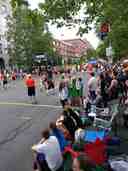
Apri pagina dedicata →To spot Spokane Hoopfest in front of you, look for a busy stretch of blocked-off downtown street loaded with crowds, rows of portable basketball hoops, cheering fans on both…Leggi di piùMostra meno
To spot Spokane Hoopfest in front of you, look for a busy stretch of blocked-off downtown street loaded with crowds, rows of portable basketball hoops, cheering fans on both sides, colorful jerseys everywhere, and, if you listen closely, the constant thump of bouncing basketballs all around. Welcome to the world-famous Spokane Hoopfest! As you stand right here, just imagine the energy in the air during the last weekend of June when the streets around you transform into a wild, bustling basketball festival. It’s like someone took a slice of March Madness, sprinkled it with summer sun, and set it loose across 45 city blocks. More than 6,000 teams-yes, that’s thousands-show up to play on 450 makeshift courts. You’ve got everybody from fierce high school rivals to grandmas who still have a killer hook shot. And it’s not just basketball-there’s food, music, shopping, and a river of fans swirling through downtown. Hoopfest didn’t start this big. Flashback to 1990: most people in Spokane probably thought 3-on-3 was just a basketball drill, and the city wasn’t sure about shutting down all its streets for two days. Picture volunteers going door-to-door, arguing, “Come on, just let us play ball outside-what could go wrong?” Eventually, enough folks came around, a permit was granted, and the first-ever Hoopfest tipped off with just thirty-six courts taped down and a couple thousand players hustling through their first tournaments. It was such a hit, they decided to do it all again the next summer… and the next… and, well, now you’re standing in the middle of basketball history. Over the decades, Hoopfest has become its own legend-a festival so big even the NBA comes calling. In 2017, imagine turning around to see none other than Kevin Durant showing up, towering over the crowd, lacing up at Nike Center Court and weaving through a 3-on-3 game. And just up the block, famous faces from Gonzaga-Rui Hachimura, Corey Kispert, Josh Perkins-judging slam dunk contests that make the crowd roar. Speaking of, that dunk contest is like a circus with sneakers. NBA icons like Gary Payton have even dropped by just to call out the high-flyers. Spokane’s adopted nickname, Hooptown USA, isn’t just for show-it’s earned with every bounce. Don’t let the party fool you, though. This festival is serious business, with over 25,000 athletes and crowds so huge that, in recent years, attendance has been bursting past 250,000. Teams come from Hawaii, Georgia, Kansas-chasing the dream of a paper champion’s bracket and maybe, just maybe, a little Hoopfest glory to take home. And the impact on the city? Massive. Back in 2006, they figured Hoopfest pumped $39 million into the local economy each year. That’s a lot of sneakers and snacks! Plus, the tournament’s overseers have put more than $1.6 million into area charities, helping everything from the Special Olympics to building outdoor courts for neighborhood kids to shoot like the pros. Each team’s allowed four players, but only three can play at once. Divisions line up by age, height, and skill, with kids using shorter hoops. The rules may sound a bit strict-no jewelry, no dunking (outside the contest, anyway), and don’t you dare try to sneak in a fourth player when the refs aren’t looking! Games fly by-if you can’t hit 20 points in the time limit, whoever’s up wins, and ties go straight to sudden-death thrills. What’s really wild? The sheer volume of bumps, bruises, and epic face-plants out here. In 2024 alone, over a thousand injuries were treated-everything from fractures to good old-fashioned pavement scrapes. Medical tents dot the festival like little life rafts, ready with bandages and ice packs to keep the games rolling. Hoopfest’s fame reaches all the way to the Olympic stage. Jimmer Fredette, suiting up for Team USA 3x3 in Paris, credits Hoopfest for fueling America’s love of streetball. WNBA star Hailey Van Lith played here as a kid and says the crackling energy helped launch her career-by her side, future college and pro stars Paige Bueckers and Aliyah Boston hustling for every bucket. With that kind of talent in town, no wonder NBA scouts lurk at the sidelines every summer. And yet, through all the wins, laugh-out-loud moments, and epic comebacks, the best part about Hoopfest is simple: nobody cares how tall you are, where you’re from, or if your jump shot looks a little… creative. Out here, it’s about celebrating Spokane, coming together, and maybe sinking a buzzer-beater basket right in the shadow of downtown’s tallest trees. To expand your understanding of the tournament structure, notable appearances or the impact on 3x3 basketball, feel free to engage with me in the chat section below.
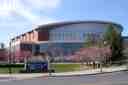
Apri pagina dedicata →To spot Spokane Arena, just look ahead for the impressive, modern building with its curved silver roof and sleek glass front, sitting boldly on the corner surrounded by trees and…Leggi di piùMostra meno
To spot Spokane Arena, just look ahead for the impressive, modern building with its curved silver roof and sleek glass front, sitting boldly on the corner surrounded by trees and a big sign that says “Spokane Veterans Memorial Arena.” Now that you’re standing right here, let me tell you a tale of local determination, drama, and a dash of sports magic! Imagine Spokane in the late 1980s: folks were ready to retire the old Spokane Coliseum-a place so undersized that even standing-room tickets had people sharing elbow space with hot dog vendors. The dream? A top-tier arena built right here, smack in the heart of downtown, and big enough to actually fit the crowds who loved their entertainment loud, proud, and, honestly, a little more comfortably! But Spokane’s dreams met some pretty stubborn reality-voters rejected the idea four times in just six years. Picture the scene: city council meetings packed with passionate debates, neighbors arguing over taxes while the Spokane Chiefs wished for a fresher home on ice. After what seemed like endless public votes, you might have thought the arena had accidentally become the region’s favorite soap opera-Will they or won’t they build it?! Finally, in 1991, after enough ballots to wallpaper an entire Zamboni, voters gave the green light. Property taxes, sales tax increases, even a 2% hotel room tax-everyone chipped in to gather a whopping $44.8 million. Cue the construction crew and their hard hats-on March 5, 1993, the ground was officially broken. After two and a half years, in September 1995, Spokane Arena opened its shiny doors. Inside, the arena is a wonder: up to 12,638 rabid fans at concerts, and over 12,000 for center-stage shows-there’s even a plan for future expansion, in case the Spokane Chiefs suddenly turn hockey into an even bigger hit than sliced bread. And the tech? It’s got a massive LED video board-so crisp you can see the sweat on a hockey player’s brow from the bathroom line. Add in a 350° ribbon board and a sound system so clear, you’d think you were front row at a rock concert even if you’re up in the “nosebleed” seats. The Spokane Arena quickly became a legend in its own right, hosting not only Spokane Chiefs games, but also everything from electrifying Gonzaga and Washington State basketball matchups to epic concerts and even bull riding events. In 1999, the Professional Bull Riders brought thousands of fans stomping and cheering as world champion Cody Hart took the show by storm. Sports? There’s barely room here to list them all. Spokane Arena was there for historical basketball face-offs-Gonzaga vs. Washington State’s fierce battles, NCAA tournament games that sent crowds into frenzies, and state high school tournaments where local legends were born. Even the West Coast Conference tournament never made it to Spokane until newer arenas arrived, because every spring, basketball was king here. If you’re more of a music fan, the Star Theatre configuration inside brings Broadway and top-tier concerts. Beyoncé strutted her stuff, Taylor Swift spun her stories, and even Paul McCartney kicked off his Got Back Tour right here-if these walls could talk, they’d probably be a bit starstruck. On ice, the Spokane Chiefs have set the rink ablaze, even hosting the 1998 Memorial Cup and two NHL pre-season games. Figure skating championships have broken attendance records-Spokane just loves drawing people together, whether it’s for triple axels or triple salchows (and if you can tell the difference, you’re way ahead of me!). The place isn’t just about what’s inside, either-expansions and renovations have made it a modern marvel, from luxury suites to backstage dressing rooms fit for stars and athletes alike. In 2023, renovations brought even more seat upgrades, new lighting, and locker room improvements, just to keep the arena sparkling for the next generation of memories. Standing here today, you can almost hear echoes from decades of cheers, the slap of a hockey puck, the chords of a rock ballad, and the distant moo of a championship bull. Spokane Arena is where Spokane comes together-for the thrill, the spectacle, and sometimes... just for a hot dog and a laugh. So soak it in-and maybe, flash your best victory dance-you’re standing next to a Spokane legend!
Apri pagina dedicata →To spot The Podium, just look ahead and slightly to your left-it's the big, modern, angular building with striking orange accents perched above the playground and rocky…Leggi di piùMostra meno
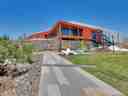
To spot The Podium, just look ahead and slightly to your left-it's the big, modern, angular building with striking orange accents perched above the playground and rocky landscaping, standing tall on a basalt outcrop. Alright, sports fans-or sport-walkers, since you’re on a tour-welcome to The Podium Powered by STCU! Imagine, right now, you’re standing at the foot of a building that looks ready to host an Olympic medal ceremony at any second. And that’s no happy accident: that dramatic perch-the building towers over the North Bank, like it’s keeping an eye on all of Spokane-was designed to evoke exactly that winner’s podium feeling. Pretty inspiring stuff, huh? But let me take you back in time for a moment. Imagine you’re in the early 2000s, and Spokane is buzzing with the dream of expanding its place in the sporting world. Back then, Spokane’s sports tourism was more of a sideline-good, but not quite championship material. There were whispers, then voices, and finally a chorus of people dreaming up something bold: a massive indoor sportsplex that could reel in athletes and fans from near and far. It took a while for that dream to get traction. By 2014, they had something more than dreams-a real plan. Thanks to a helpful report from Gonzaga University, everyone found out that a place like this could bring a staggering $33 million in tourism spending to the region each year. I’m guessing that report was read with a LOT of coffee and a few excited high-fives. But it was still a gamble, so the Spokane Public Facilities District-the folks who’d likely be in charge-commissioned a whole study to see if it was actually possible. The verdict? More than $101 million in impact in just five years! That’s enough zeros to make even an accountant run a victory lap. With all those numbers adding up, the next big challenge was, well, finding the money-and wow, did that lead to some twists and turns. Construction companies competed for the job, but the contract wasn’t actually awarded until 2018, mostly because of dollar signs and doubts. Eventually, the team of Lydig Construction and Integrus Architecture got the call-cue the sound of blueprints unrolling everywhere. Picture 2019: demolition crews moved in, Cataldo Avenue got a makeover, and the city got ready for the giant to rise. But in true underdog fashion, labor and materials shot up in price. Just when it seemed the project might be benched by rising costs, Spokane rallied-selling more bonds and pooling resources from city departments and even Spokane Parks to get the job done. Construction steamed ahead even as the world hit pause during the pandemic. Turns out, The Podium was classified as essential, both for its future as a mass care center and because commitments for major athletic events had already been inked in permanent marker. But wait! There’s a twist. Originally, this place was supposed to have an ice rink-can you picture a Zamboni cruising through here?-but that plan melted away because it needed more than just one rink to work financially. So they doubled down on versatility: 135,000 square feet, with 75,000 of that specifically as competition space. We’re talking a hydraulically banked 200-meter track, room for 16 volleyball courts, 9 basketball courts, and 21 wrestling mats all under one roof. Naming time was another leap. After being known as the Spokane Regional Sportsplex, the team found just the right inspiration from the medal ceremony and those basalt rocks… and “The Podium” was born! By 2022, Spokane Teachers Credit Union joined the team as the naming sponsor. Now, The Podium is true Spokane celebrity status-it’s hosted national championships in track, wrestling, handball, judo, badminton, and karate. No wonder SportsTravel magazine declared it one of America’s top sports venues to watch, and the “Best New or Renovated Venue” of 2022 across the entire country! So while you’re standing here, just imagine the roar of crowds, the excitement of athletes chasing their dreams, and the way this place turned Spokane’s sporting hopes into a real, living legend. Now, go ahead and imagine yourself at the finish line-you made it to The Podium!
Apri pagina dedicata →

Domande frequenti
Come inizio il tour?
Dopo l'acquisto, scarica l'app AudaTours e inserisci il tuo codice di riscatto. Il tour sarà pronto per partire immediatamente – tocca play e segui il percorso guidato dal GPS.
Ho bisogno di internet durante il tour?
No! Scarica il tour prima di iniziare e goditelo completamente offline. Solo la funzione chat richiede internet. Ti consigliamo di scaricare tramite WiFi per risparmiare dati mobili.
È un tour guidato di gruppo?
No – è un tour audio autoguidato. Esplori in autonomia al tuo ritmo, con la narrazione audio riprodotta dal tuo telefono. Nessuna guida, nessun gruppo, nessun orario.
Quanto dura il tour?
La maggior parte dei tour richiede 60–90 minuti, ma sei tu a controllare il ritmo. Metti in pausa, salta le tappe o fai pause quando vuoi.
E se non riesco a finire il tour oggi?
Nessun problema! I tour hanno accesso a vita. Metti in pausa e riprendi quando vuoi – domani, la prossima settimana o il prossimo anno. I tuoi progressi vengono salvati.
Quali lingue sono disponibili?
Tutti i tour sono disponibili in oltre 50 lingue. Seleziona la lingua preferita quando riscatti il codice. Nota: la lingua non può essere cambiata dopo la generazione del tour.
Dove accedo al tour dopo l'acquisto?
Scarica l'app gratuita AudaTours dall'App Store o Google Play. Inserisci il codice di riscatto (inviato via email) e il tour apparirà nella tua libreria, pronto per essere scaricato e avviato.
Se il tour non ti piace, ti rimborseremo l'acquisto. Contattaci a [email protected]
Pagamento sicuro con 


