
Tour audio di Saratoga Springs: Fantasmi, leggende e punti di riferimento svelati
Un tempo una ruota della roulette girava sotto lampadari di cristallo a Saratoga Springs, mentre i politici sussurravano accordi appena oltre i lussureggianti prati vittoriani della città. C'è più di quanto pensi nascosto sotto questi tranquilli sentieri. Con questo tour audio autoguidato, scopri la storia segreta di Saratoga al tuo ritmo. Scopri il dramma e l'intrigo che la maggior parte dei visitatori non vede mai, dalle sale dorate agli angoli tranquilli dove le fortune sono cambiate. Quale scandalo scoppiò dietro le tende di velluto del Canfield Casino, scuotendo l'élite di New York? Quali leggende delle corse infami infestano le sacre gallerie del National Museum of Racing? Chi ha lasciato intagli criptici nella muratura lungo il West Side Historic District, e perché rimangono irrisolti? Vaga tra querce ombrose e monumenti di marmo. Attraversa secoli di rivalità e glamour. Senti il battito della vecchia Saratoga mentre i sussurri si diffondono da scandali dimenticati e epici scontri. Pronto a scoprire le vere storie sotto la facciata senza tempo di Saratoga? Il tuo viaggio inizia qui.
Anteprima del tour
Informazioni su questo tour
- scheduleDurata 30–50 minsVai al tuo ritmo
- straighten3.8 km di percorso a piediSegui il percorso guidato
- location_onPosizioneSaratoga, Stati Uniti
- wifi_offFunziona offlineScarica una volta, usa ovunque
- all_inclusiveAccesso a vitaRiascolta quando vuoi, per sempre
- location_onParte da Cimitero di Gideon Putnam
Tappe di questo tour
To spot the Gideon Putnam Burying Ground, look for a patch of green lawn dotted with old headstones, and a big rectangular stone wall with striking white obelisks poking up from…Leggi di piùMostra meno
To spot the Gideon Putnam Burying Ground, look for a patch of green lawn dotted with old headstones, and a big rectangular stone wall with striking white obelisks poking up from inside-right across from the houses along South Franklin Street. Welcome to one of the oldest, most storied corners of Saratoga Springs-the Gideon Putnam Burying Ground. Take in that sight: a gentle hill, old marble and granite headstones scattered in no particular order, and right at the center, a stone-walled family plot crowned with tall white obelisks, looking as regal as a band of marble chess pieces waiting for their next move. Over 150 souls rest here, each one with a story, but let’s talk about the man who started it all-Gideon Putnam. He wasn’t just any local. Picture Saratoga Springs in the late 1700s: wild, wooded, and full of possibility. Gideon was a risk-taker with an eye for opportunity. He built the first resort hotel here, Putnam’s Tavern, and it was such a hit that even the springs themselves seemed to throw a party. He saw a future city where others saw only trees, and laid out a neat grid plan that would shape the town’s future. Now, this very acre was meant to be a public resting place for all, a kind of peace treaty between the living and the departed. But fate, as always, had other plans: Gideon had a fatal run-in with gravity, falling from scaffolding while building another grand hotel. He was buried here in 1812, making him not just the founder of Saratoga Springs but its first permanent resident-eternally. His family plot, enclosed in that imposing fieldstone wall with a classic iron gate, is all that’s left of the Putnam legacy in town, marked by those proud obelisks. Here’s where the plot thickens-since plans for a larger cemetery fizzled, the Putnam family kept the privilege of burying neighbors here, but let’s just say the waiting list wasn’t getting shorter. In the 1800s, the area bustled with more burials as the town grew, but by mid-century people were lured to a newer, shinier cemetery nearby. The ground was left lonely, and with each year, weeds crept up, stones toppled, and the stories got lost. There was even a time when most of these markers vanished under brambles and time’s mischief; by the 1920s, hardly anyone could read the inscriptions anymore! But in the 1980s, the burying ground received a much-needed makeover, recovering its dignity and rescuing 161 graves for memory. Today, the Gideon Putnam Burying Ground stands right on the edge of a cozy neighborhood-a peaceful slice of history sandwiched between houses and modern life, reminding us that, in Saratoga Springs, you can change the world and still end up just across from Oak Street. And hey, maybe the real secret to a long life is not falling off scaffolding!
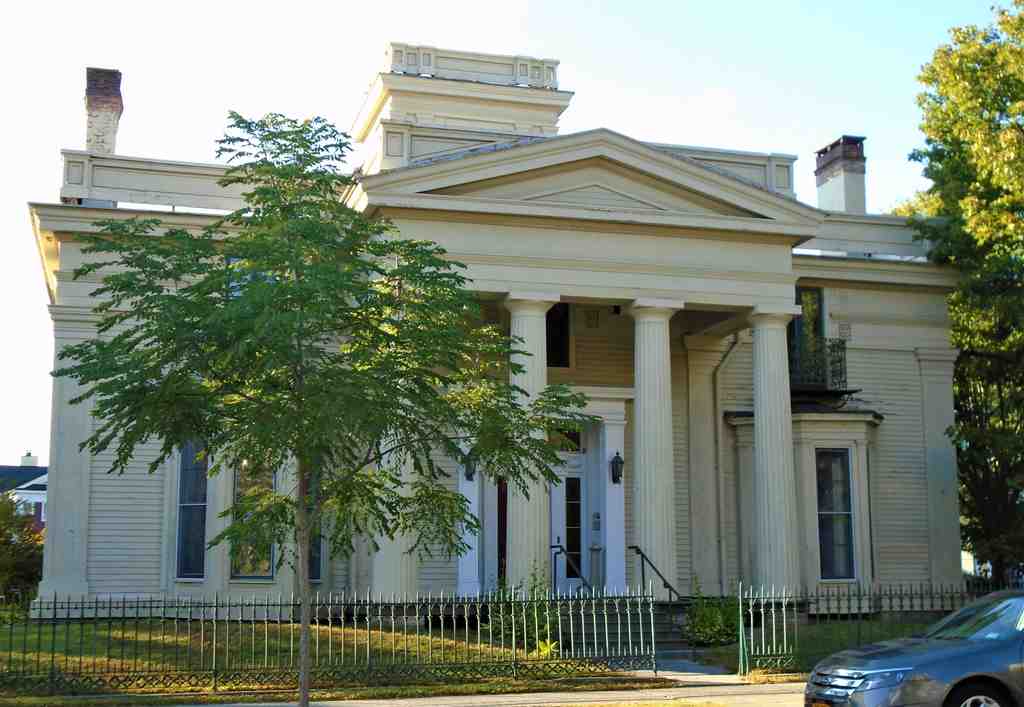
Apri pagina dedicata →Right in front of you, you'll spot the Hiram Charles Todd House by its grand four-columned portico and pale clapboard exterior, behind an iron fence on the corner where Franklin…Leggi di piùMostra meno
Right in front of you, you'll spot the Hiram Charles Todd House by its grand four-columned portico and pale clapboard exterior, behind an iron fence on the corner where Franklin Square’s big trees shade the sidewalk. Let’s picture Saratoga Springs in the 1830s: the air is scented with pine from the big shady trees, and you might just hear the clatter and clop of horses pulling wagons over the dusty road. Now, standing tall before you is this remarkable Greek Revival house-a bit like the Parthenon, if the Parthenon had bay windows and hosted some wild dinner parties! It was built by Thomas Marvin, nephew to the grand hotelier behind the United States Hotel, and conveniently located so he could keep a close eye on the backdoor shenanigans of his famous family hotel right across the square. When Marvin was building his dream home, he caught wind of a new railroad coming to town. Always a man with an eye for opportunity, he struck a deal with the railroad company, selling them a slice of land so trains could chug right past his front yard and onto the heart of Saratoga. Suddenly, this house became one of the first things newcomers saw rolling into town-imagine making your entrance with a train whistle and this fine structure looming in greeting! For a century, the house bustled with family gatherings and political debates. There’s a certain irony here: Marvin’s son-in-law, Congressman William A. Sackett, probably plotted his next campaign from the grand drawing room, and you just know that when Hiram Charles Todd-U.S. Attorney and friend of presidents-took ownership in 1927, those elegant French doors got some serious use during smoky meetings and piano recitals in the music room. Now take a look at those six chimneys and try to count the porches-five in total! The front portico isn’t the only place someone could have lounged with a lemonade, watching the world go by. Through all these years, the house has barely changed. It stood proud through railroad booms, political handshakes, and now even office networking sessions. Listed on the National Register of Historic Places in 1972, it earned the distinction of being Saratoga Springs’ first entry ever-just picture the neighbors bragging about that. So if the house seems a bit proud, it should be. From hosting railroad deals to courtroom tales and council meetings, the Hiram Charles Todd House has seen just about every chapter of Saratoga’s story-no wonder the surrounding streets feel grander just having it here.
Apri pagina dedicata →In front of you, you’ll see rows of charming, colorful wooden houses nestled close together on narrow lots, their porches and steep gabled roofs creating an almost storybook…Leggi di piùMostra meno
In front of you, you’ll see rows of charming, colorful wooden houses nestled close together on narrow lots, their porches and steep gabled roofs creating an almost storybook neighborhood scene-just look across the street and you’ll catch them standing shoulder to shoulder like old friends sharing the latest town gossip. Now, take a deep breath and let yourself imagine the layers of history swirling around you here in the West Side Historic District. If these old houses could talk, what tales they’d tell! Picture yourself here not in 2024, but back in the 1800s, when Saratoga Springs was a booming resort town and this very neighborhood was alive with the clatter of horse-drawn wagons, the smell of wood smoke, and the busy sounds of working-class families going about their day. This district first began to form after an epic real estate drama-a land patent dispute, stretching all the way back to 1708! By the late 1700s, lots were being divided and sold. Henry Walton, one of the early landowners, dreamed big and built a country estate called Wood Lawn. He was soon in heated competition with Gideon Putnam, who was developing hotels near sparkling mineral springs just to the south. Both men were buying up land, selling lots, and attracting settlers-so many, in fact, that by 1813 the first city map showed new streets like Church and Van Dam. Can you hear the creak of wagon wheels on those fresh dirt lanes? The district really found its identity when the Saratoga and Schenectady Railroad barreled into town in 1833. The tracks ran just west of Broadway, pulling travelers and workers right into these blocks. Not everyone prospered equally-while the wealthy built grand summer homes on the city’s east side, the West Side became the home of workers who powered the hotels, spas, and railroads. Irish and Italian immigrants poured in, adding layers of culture and a little chaos-earning parts of the area the nickname “Dublin.” You’d hear children laughing, the clang of hammers as new cottages went up, and neighbors calling hellos from open porches. Franklin Square became the most fashionable address here, drawing larger, fancier Greek Revival homes, but just a block away you could find humble worker cottages: cozy, wooden buildings with simple porches, many barely decorated, their little yards filled with vegetable gardens (and probably some chickens on the loose). By 1880, the city’s population had more than tripled, and most of those new faces settled right here. But times change. When gambling was outlawed in 1907, Saratoga’s golden age faded fast. The fancy casino became a city park, and later, urban renewal swept away some of the older, worn-down buildings where railroad tracks once ran. Skidmore College eventually moved into the northern edge of this land, and part of the old Woodlawn estate became a retirement community. The feeling, though-the spirit of the neighborhood-still lingers. Thanks to the city’s Design Review Commission, the historic look of these old homes is protected. From the upscale townhouses of Franklin Square to the compact, hardworking cottages on State and Van Dam, each house is a window back in time. Look closely and you’ll spot all kinds of tales in their details: the fancy porch railings of a house meant to impress, the plain clapboard siding of one built just to shelter a family. So, as you stand beneath these porches and lean against these old fences (don’t worry, I won’t tell the neighbors), take a moment to listen. There’s a whole city’s worth of stories in these streets, just waiting for you to discover the next chapter. For a more comprehensive understanding of the geography, architecture or the significant contributing properties, engage with me in the chat section below.
Apri pagina dedicata →

Mostra altre 8 tappeMostra meno tappeexpand_moreexpand_less
Sackatoga isn’t a regular old stable. It’s a syndicate, which means you or I could pony up for a slice of ownership in a racing champion-or at least enough to impress your friends…Leggi di piùMostra meno
Sackatoga isn’t a regular old stable. It’s a syndicate, which means you or I could pony up for a slice of ownership in a racing champion-or at least enough to impress your friends at dinner parties! The stable’s name, Sackatoga, is a mashup of Sackets Harbor-where Jack Knowlton, the head honcho, grew up-and Saratoga Springs, his adopted hometown. So, right here is the fusion point of small-town roots and big-time dreams. Now, here’s where things get legendary. In 2003, Jack Knowlton teamed up with trainer Barclay Tagg and a remarkable group to buy a $75,000 gelding named Funny Cide-a horse so ordinary-looking, some might have called him the "class clown" of the track. But of course, the joke was on everyone else, because that funny horse charged through the field to win the Kentucky Derby and the Preakness. Not bad for an underdog! If hearts could win races, Funny Cide would have lapped the field twice. Fast forward to 2020, and Sackatoga’s magic strikes again with Tiz the Law, a New York-bred who thundered down the stretch to win the Belmont Stakes-the first from New York State to do it in over a century! It was like lightning had struck the stable twice, and who says that never happens? The stable’s not just about glory, though. Behind the scenes, they believe in training young horses-yearlings and two-year-olds-giving them a good start at the New Episode Center in Florida before sending them to Tagg for racing. It’s a true team effort-like a relay race but with more hay and less running for the humans. So, as you take in the scene, remember: Sackatoga Stable is proof that big dreams and big wins can come from the most unexpected places-sometimes, all it takes is a funny horse and a little faith!
Apri pagina dedicata →To spot the United States Post Office, look for a stately, one-story yellow brick building set back from the street with a grand arched entrance flanked by tall, veined marble…Leggi di piùMostra meno
To spot the United States Post Office, look for a stately, one-story yellow brick building set back from the street with a grand arched entrance flanked by tall, veined marble columns, granite steps, and “POST OFFICE” carved above the doors. Now, picture yourself right here in Saratoga Springs-right at the busy crossroads of Broadway and Church Street, just as carriages and motor cars would have rattled by over a century ago. Take a look at the post office’s formidable facade: the crisp yellow Roman bricks, the marble columns glowing in the sun, and the stately granite steps inviting you up. You’re not just staring at a place to buy stamps; you’re looking at a building that’s been watching Saratoga’s stories unfold since 1910. Imagine that first day, a chilly morning perhaps, when the double bronze doors swung open for the very first time, and Saratoga’s residents stepped inside, maybe stuffing the odd love letter or tax form into envelopes as they marveled at the lobby’s sparkling glass skylight. Designed by James Knox Taylor-who wasn’t just a fan of columns, he was practically obsessed-this post office wears its grandeur proudly. Taylor was the federal government’s go-to guy for making buildings look like miniature temples, and he poured his creative energy into these veined marble columns and the gorgeous, frieze-banded roofline. The grandeur doesn’t stop at the door: originally, the lobby was so fancy it could make even a letter to the IRS feel special. Imagine sunlight filtering through leaded glass, bouncing off green marble wainscoting and a ceiling soaring up fourteen feet, dotted with floral details, and a whiff of ink and paper curling through the air. Here’s a little drama-this post office was considered “top of the line” upon opening, with a lobby so elaborate it put others to shame. The design team spent almost $125,000 back then-millions in today’s money!-just for the land. Stamps must have been cheaper, though. And what an address: it sits on a corner with not just any neighbors, but the city’s Italianate city hall flexing its fancy roofline across Broadway and the marble-adorned bank building right across Church Street. Fancy must have been contagious at this intersection. And there’s more! In the thick of the 1930s, when America needed a little cheer during those hard times, two dazzling murals appeared inside the lobby, thanks to the Treasury Relief Art Project. Painted by Guy Pène du Bois, they bring to life scenes from Saratoga’s famous racetrack-so if you ever felt your heart race getting your mail, maybe that’s why. Letters, horses, and history all in one lobby! Even after some changes-like swapping original light fixtures and the addition of a loading dock in the ‘60s-enough of Taylor’s original vision stands strong that in 1989, this place made it onto the National Register of Historic Places. Walking along the sidewalk today, you’re joining a parade of locals across generations-everyone from resort guests of the early 1900s, to postmasters in crisp uniforms, to quick-footed modern pizza delivery folks hoping their box fits in the mail slot. Even though modern aluminum doors have taken over the heavy bronze ones (so much more polite to your fingers in winter), the Greek key design and proud lettering above the entrance make sure this spot hasn’t lost its postal swagger. So as you look up at this grand old building-letters, marble, murals, and all-imagine all the whispers of history drifting through the breeze, right here at the crossroads of Saratoga Springs. And if you mailed a letter from here, well, your envelope would probably straighten its corners out of sheer pride!
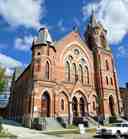
Apri pagina dedicata →To spot the Universal Preservation Hall, look ahead for a striking, rose-brick Gothic building with tall pointed arches, ornate windows, and two eye-catching towers that rise high…Leggi di piùMostra meno
To spot the Universal Preservation Hall, look ahead for a striking, rose-brick Gothic building with tall pointed arches, ornate windows, and two eye-catching towers that rise high above the street-you can’t miss its dramatic, cathedral-like front. Imagine yourself in 1871, standing at this very spot as Saratoga’s newest marvel rises before your eyes: bands of soft, rosy brick and pale Ohio sandstone swirling together, Gothic arches stretching toward the sky like two hands waving for attention. Architects Elbridge Boyden & Son really pulled out all the stops here, borrowing some of the best ideas from Gothic masterpieces in Germany and Italy, but giving them their own twist. Look up and you’ll see a steeple towering forty-five feet above you-still the tallest thing around in Saratoga Springs. And if you were lucky enough to be standing nearby at just the right time, you’d hear the deep toll of the mighty 3,000-pound Meneely bell in the tower. Inside, two grand staircases made of walnut and ash curl gracefully upward, leading to a balcony that wraps around most of the theater like a VIP box at the fanciest opera. Gorgeous stained glass windows, inspired by Tiffany designs, catch the sun and scatter jewel colors across arches so perfectly pointed you’d think they were drawn with a ruler and a dream. The place was originally built for the Methodists, who brought the big names of their day-Frederick Douglass, President Taft, and William Jennings Bryan, to name-drop just a few. If these walls could talk, they’d brag about the debates, sermons, and roaring applause echoing through their beams. By the late 1900s, though, the hall had seen better days. After a stint as the Universal Baptist Church, the building fell on hard times-condemned and nearly collapsing as the roof sprang more leaks than a colander in a rainstorm. But the community wouldn’t give up on this grand old site. It took a heroic effort, new steel bones, and a heap of elbow grease to rescue it, thanks to passionate locals and a who’s-who of supporters, from the State of New York to the city itself. At one point, over two tons of debris were cleared out-imagine the sound of scraping shovels and rubble tumbling down. Now, Universal Preservation Hall is alive with music, laughter, and drama again. Whether you’re here for a wedding, a rocking concert, or to hear the church choir sing, you’re standing in a place that’s been built, abandoned, nearly lost, and loved back to life-proof that even the grandest halls can have a few dramatic plot twists. And hey, if you ever feel an extra chill or tingle on your walk here, maybe it’s just Frederick Douglass sneaking in for an encore.
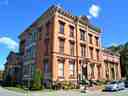
Apri pagina dedicata →Directly in front of you, you’ll see a grand three-story brick building with ornate window frames and a dramatic flat roofline trimmed by a decorative cornice-just look for the…Leggi di piùMostra meno
Directly in front of you, you’ll see a grand three-story brick building with ornate window frames and a dramatic flat roofline trimmed by a decorative cornice-just look for the stately structure with intricate stonework near the entry and a historical vibe that practically shouts, “Ask me about my past adventures!” Now, picture this: It’s the late 1800s, and you’re strolling past horse-drawn carriages and fancy-dressed visitors while the gentle sound of glasses clinking drifts from within the towering Canfield Casino. The dazzling building before you was once the playground of America’s rich, bold, and occasionally scandalous. The air would’ve been thick with the perfume of high society and a whiff of competition-right where you stand, some of the world’s most famous gamblers, entrepreneurs, and even entertainers gathered to test their luck and hobnob with the elite. And yes, only the best for Saratoga-after all, Canfield Casino was the crown jewel of a 17-acre park that attracted more than just fortune-seekers; it was the place to see and be seen. Originally, this land hosted the Congress Hotel and a bustling bottling plant that shipped “miraculous” spring water all over the world. But when reformers finally ended gambling here in 1907, Saratoga Springs’ rollicking glory days slowed down. Still, this haven remained special: Look around and you’ll see that Congress Park, which envelops the casino, is more than just green lawns and old trees. It’s an artwork in itself, designed by the legendary Frederick Law Olmsted. And hiding amongst the foliage and fountains are treasures-like a statue crafted by Daniel Chester French (the guy behind the Lincoln Memorial, no less). Drift past Italian gardens, sparkling ponds, and pavilions built in a style that might make even the ancient Greeks jealous. Imagine the drama! In the main casino, guests swept up grand staircases, mingling in elegant dining rooms showcasing stained glass horses and clever 19th-century air conditioning. Private gambling parlors buzzed above, high-rollers laying bets beneath ornate ceilings. And when the racetrack opened nearby, this spot exploded with star power: the Whitneys, Vanderbilts, J.P. Morgan and notorious gamblers like Diamond Jim Brady all tried their luck here. Rumor has it, you could sometimes spot a glittering Broadway star or a showbiz impresario sneaking into a private salon. Meanwhile, outside the casino, people sipped on Saratoga’s famous mineral water: some believed it could cure just about anything except, perhaps, a streak of bad luck at the tables. The pavilions you see today were originally built right over springs-one even pipes in water from a surviving source, in case you need a nip of “liquid fortune” yourself. The park even boasts an antique carousel with hand-carved horses, rescued from near extinction and restored by determined townsfolk. If you catch it on a summer day, you might spot kids whirling around, the very picture of old-fashioned delight. This whole site-casino and park-was so legendary it made its way to the National Register of Historic Places, and in 1987, the title of National Historic Landmark became the winning hand. Over the years, festivals, galas, and even over-the-top racing-season parties have kept the spirit of fun alive. But perhaps my favorite detail is this: After all that high-rolling action, today the building houses the Saratoga Springs History Museum, where you can peek at relics from the city’s wildest eras or dip into stories of fortunes made and lost. So next time you’re feeling lucky, remember: while you can no longer bet your last dollar in this casino, you’re always a winner just for being here, in the heart of Saratoga Springs’ storied oasis! If you're curious about the geography, property or the gallery, the chat section below is the perfect place to seek clarification.
Apri pagina dedicata →To spot the Saratoga Springs Public Library, just look ahead for a large, three-story red brick building with a modern, angular roof and giant windows reflecting the street-right…Leggi di piùMostra meno
To spot the Saratoga Springs Public Library, just look ahead for a large, three-story red brick building with a modern, angular roof and giant windows reflecting the street-right above the entrance you’ll see its name etched into the stone. Alright, welcome to the Saratoga Springs Public Library-don’t worry, there won’t be any pop quizzes! Picture yourself standing outside this inviting building, sunlight gleaming off those towering windows. It’s hard to believe, but in 1885, if you wanted to borrow a book here, you’d need a group of friends with deep pockets and a taste for adventure-they called themselves the Saratoga Athenaeum! Back then, the library perched itself on the corner of Broadway and Caroline Street, quietly collecting tales and secrets from the bustling city. Move forward to 1950, when Saratoga’s own book brigade-students from the school district-carried the library’s treasures down Broadway like characters from an epic quest, delivering every single book by hand to its shiny new building downtown. Now, the library sits here on Henry Street in a three-story home that opened in 1995, looking modern and wise at the same time, thanks to some clever architects from Troy and Saratoga Springs. But this isn’t just a house of books! Imagine the electric hush of students tapping away on public computers, WiFi whirling through the air, 3D printers pulling shapes out of thin air. Got a burning question? You could ask a librarian standing nearby, phone in a question, or even use their online “Ask-A-Librarian” service-like having a trivia expert right in your pocket. Off in a quiet corner lies the Saratoga Room, which feels almost magical. Step inside and you’ll discover rare maps, funny manuscripts, heartfelt pamphlets, and the legendary Frank Sullivan Collection, stuffed with witty scribbles and personal books from the area’s own humorist. You’ll find the history of Saratoga's springs, the political drama of hydrotherapy-and trust me, those politicians knew how to make a splash! Families gather here for story time, book groups giggle over mysteries, therapy dogs listen patiently to nervous readers, and the smell of fresh coffee wafts from the coffee shop. Sometimes it feels more like a community living room than a library! Just watch out for summer parking rules-Saratoga’s city makes sure to keep you on your toes with permit-only spots and meters during the warmest months. So, whether you’re chasing down old legends in the Saratoga Room, grabbing a gently used paperback from the Friends Book Shop, or just soaking in the vibrant local energy, the Saratoga Springs Public Library is more than bricks and books-it’s a living, breathing celebration of curious minds and bold ideas.
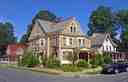
Apri pagina dedicata →To spot the East Side Historic District, just look for grand old houses with steep gabled roofs, fancy woodwork, and cozy front porches lining both sides of the tree-shaded street…Leggi di piùMostra meno
To spot the East Side Historic District, just look for grand old houses with steep gabled roofs, fancy woodwork, and cozy front porches lining both sides of the tree-shaded street ahead of you-right at the intersection of Regent and Caroline Streets. Welcome to Saratoga Springs’ East Side Historic District-don’t worry, you don’t have to be a millionaire to take a stroll here, but in the 1800s, a thick wallet definitely helped! Imagine yourself here around 1890. The street is alive with elegant horse-drawn carriages trotting past, the clip-clop echoing against beautiful buildings wrapped in crisp white or brick-red clapboard. Ladies in long, swishing skirts and gentlemen with tall hats stroll by, their eyes scanning the grand houses-home to the owners of the city’s most fashionable stores and spas. Back in those days, Saratoga Springs was one of America’s hottest resort towns-a place where the word “vacation” meant mingling with the country’s glitterati. The wealthiest families of the era flocked here each summer. Of course, if you couldn’t snag a mansion on North Broadway, the East Side was the next best thing. These homes bloom in all sorts of popular 19th and 20th-century styles: Queen Anne, Gothic Revival, and sturdy Bungalows. Picture the ornate R. Newton Brezee House at 119 Caroline Street-the architect’s own pride and joy-with its layered angles and sun-catching windows. Even local architects like Brezee wanted their piece of the East Side story. The neighborhood is like a living museum, with over 370 historic buildings, and only a handful of more modern oddballs sneaking in. Some might say the vibe here is “old money with a twist of historic drama.” If you follow the winding lines and alleys, you’ll notice the district stretches irregularly, like a patchwork quilt, nearly touching the Saratoga Race Course and wrapping around the edges of Congress Park. Locals will joke that the boundaries are so twisty, you might need breadcrumbs just to get back to where you started! Almost every house has a tale, but the streets themselves, with their narrow lanes and hidden alleyways in a nearly perfect grid, whisper stories all day long. Speaking of stories, let’s jump to 1902 and meet someone who shook things up: Lucy Skidmore Scribner, who founded the Young Women’s Industrial Club. That tongue-twister soon became the Skidmore School of the Arts and by 1922, Skidmore College. Imagine rooms buzzing with creative energy-future artists and teachers hurrying through the leafy, sunlit campus. The Regent Street Theatre, with its shingled facade, was the first building ever made just for the college, way back in 1903. By 1931, the campus spanned a whopping 34 acres of the East Side, bustling with 82 buildings. When Skidmore moved north in 1976, the echoes of student laughter and theater applause lingered in the old classrooms. The neighborhood isn’t just about grand houses-it’s also home to institutions that add a dash of local flavor: the old armory on Lake Avenue, the neighborhood church, a fire station, and an elementary school. These buildings, mixed in with homes, create a place where every corner is steeped in history. Today, you can thank Saratoga Springs’ trusty Design Review Commission for keeping the charm intact. That’s right, any plans for signs or paint jobs here are carefully reviewed. The same way a strict grandmother keeps a family portrait just right, Saratoga’s seven-member commission preserves every porch column and window frame with pride. So as you stand here, take a deep breath and imagine the East Side’s roll call: the shouts of children playing on the sidewalk, the distant neigh from the racetrack, and the soft hum of breezes through century-old trees. Not bad for a neighborhood that started as Saratoga’s answer to “keeping up with the Joneses”-and ended up as one of New York’s most amazing time machines. Ready to step back into the golden age of Saratoga?
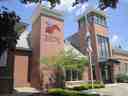
Apri pagina dedicata →To spot the National Museum of Racing and Hall of Fame, look for the modern red-brick building up ahead with two tall, square towers, big glass windows, and a waving American flag…Leggi di piùMostra meno
To spot the National Museum of Racing and Hall of Fame, look for the modern red-brick building up ahead with two tall, square towers, big glass windows, and a waving American flag right in front, plus a bright red and blue sign of a thoroughbred horse on the side. Alright, racing fans-here we are at the legendary National Museum of Racing and Hall of Fame, where every inch of brick and glass practically hums with stories of glorious hoofbeats and historic showdowns. Take a moment and picture it’s Derby Day right here on Union Avenue: the air’s warm, brimming with excitement, and you’re across from the Saratoga Race Course, watching the sunlight bounce off the flagpole and those huge pictorial windows. This museum galloped onto the scene back in 1950 thanks to some racing-obsessed folks led by Cornelius Vanderbilt Whitney. Their first “stable” wasn’t nearly as grand-just a single room inside the Canfield Casino, filled with early treasures like a horseshoe from the mighty Lexington. It’s said the casino got quieter at night after people started whispering about the luck that horseshoe could bring. Maybe that’s why so many racing fans started showing up? Eventually, the museum got a shiny new home right here in 1955, upgraded with a full-fledged Hall of Fame that honors the fastest, bravest, and cleverest in thoroughbred racing-horses, jockeys, trainers, and even the “pillars of the turf,” those leaders who shaped the sport. Picture the Hall of Fame committee each year, probably fueled by a hefty dose of Saratoga’s finest coffee, scanning through lists of four-legged and two-legged legends-some with stories more complicated than a tricky photo finish. And the voting? That’s a race all its own! Since 2010, they’ve made it a little less stressful: now voters can pick more than one candidate in a category. So, in 2016, racing queens Rachel Alexandra and Zenyatta both took their place in the Hall together-no need for a tie-breaker! Announcements of new inductees arrive every spring, right on cue for Kentucky Derby Week, and the grand inductions roll around every August, when this city is thick with the smell of sunscreen, hot dogs, and anticipation. Horses need to be retired at least five years before making the ballot. Of course, there are famous exceptions-Secretariat and Ruffian were whisked into the Hall about as fast as they left the track, thanks to their legendary status and a little rule bending. The museum even has a Review Committee, swapping stories and votes about horses, trainers, and jockeys from every era, always after that next moment of thunderous applause. Inside, the air changes. You’ll find paintings by famous artists, glittering trophies (including Kelso’s five Jockey Club Gold Cups), and even all three Triple Crown trophies won by Count Fleet. There are whole galleries dedicated to horse racing’s different eras-Colonial times, the wild post-Civil War growth, and those up-and-down years when gambling nearly put the industry out to pasture. There’s a Sculpture Gallery filled with bronzes so lifelike you’d swear the horses might leap off their mounts if the sun hit them just right, plus the Anatomy Room, if you want to get into the nuts and bolts (or bones and muscles, really) of thoroughbreds. Every year, this place fills with laughter, awe, and maybe a few groans-especially if visitors attempt to sit on any display saddles and discover they’re more artwork than furniture. So whether you’re a casual fan, a trivia expert, or a dreamer chasing hoofprints, this museum invites you to trot through the ages and meet the legends-both human and equine-who made history right here in Saratoga Springs. And remember, the next time you see a horse give a little extra kick at the finish, maybe they’re just hoping for a spot in this very Hall of Fame someday. Intrigued by the horses in the hall of fame, jockeys in the hall of fame or the trainers in the hall of fame? Explore further by joining me in the chat section below.
Apri pagina dedicata →


Domande frequenti
Come inizio il tour?
Dopo l'acquisto, scarica l'app AudaTours e inserisci il tuo codice di riscatto. Il tour sarà pronto per partire immediatamente – tocca play e segui il percorso guidato dal GPS.
Ho bisogno di internet durante il tour?
No! Scarica il tour prima di iniziare e goditelo completamente offline. Solo la funzione chat richiede internet. Ti consigliamo di scaricare tramite WiFi per risparmiare dati mobili.
È un tour guidato di gruppo?
No – è un tour audio autoguidato. Esplori in autonomia al tuo ritmo, con la narrazione audio riprodotta dal tuo telefono. Nessuna guida, nessun gruppo, nessun orario.
Quanto dura il tour?
La maggior parte dei tour richiede 60–90 minuti, ma sei tu a controllare il ritmo. Metti in pausa, salta le tappe o fai pause quando vuoi.
E se non riesco a finire il tour oggi?
Nessun problema! I tour hanno accesso a vita. Metti in pausa e riprendi quando vuoi – domani, la prossima settimana o il prossimo anno. I tuoi progressi vengono salvati.
Quali lingue sono disponibili?
Tutti i tour sono disponibili in oltre 50 lingue. Seleziona la lingua preferita quando riscatti il codice. Nota: la lingua non può essere cambiata dopo la generazione del tour.
Dove accedo al tour dopo l'acquisto?
Scarica l'app gratuita AudaTours dall'App Store o Google Play. Inserisci il codice di riscatto (inviato via email) e il tour apparirà nella tua libreria, pronto per essere scaricato e avviato.
Se il tour non ti piace, ti rimborseremo l'acquisto. Contattaci a [email protected]
Pagamento sicuro con 


