
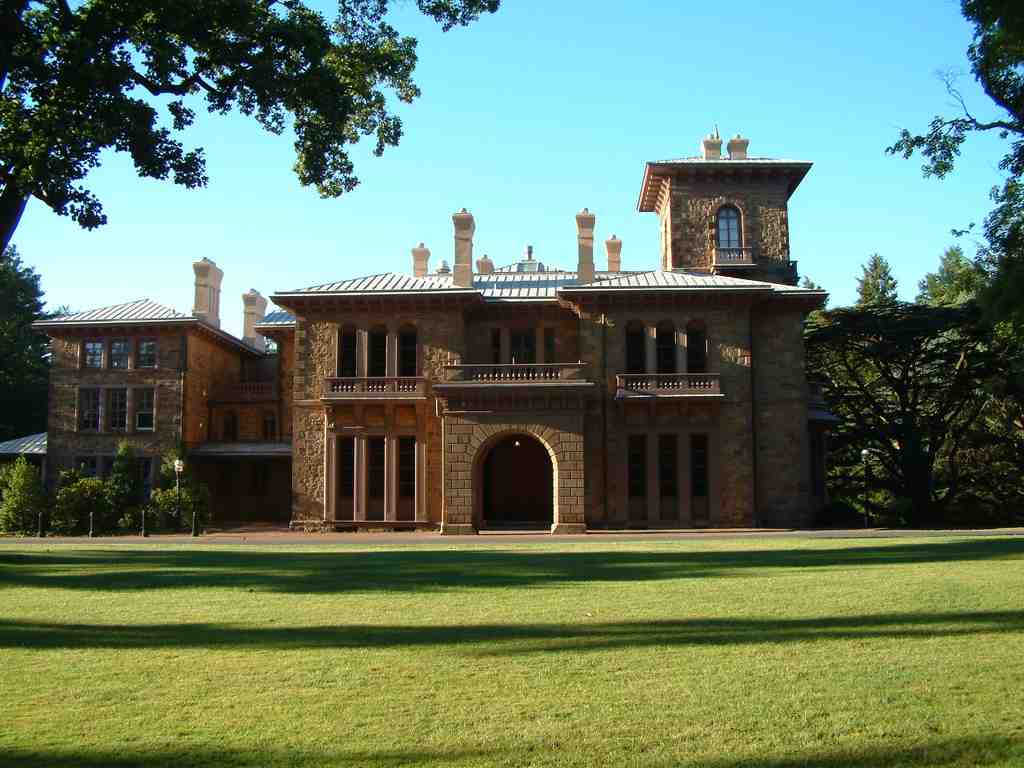
Tour Audio di Princeton: Echi d'Edera e Misteri di Palazzi
Viale dopo viale, le società segrete di Princeton si stagliano dietro antiche querce, ogni facciata in pietra nasconde più di quanto sembri. Qui si trova un mondo di dibattiti accesi, feste leggendarie e momenti che hanno cambiato per sempre la cultura americana, se sai dove guardare. Intraprendi un tour audio autoguidato attraverso il famoso Charter Club di Princeton, il misterioso Cloister Inn, il leggendario Cap and Gown e oltre. Scopri storie drammatiche e scandali che la maggior parte dei visitatori non sente mai. Quale famigerata iniziazione di club mandò metà della squadra di football in ospedale? Quale silenziosa targa ricorda giovani eroi persi nelle guerre mondiali? Perché un capo dei pompieri dichiarò una clubhouse quasi indistruttibile dopo che un disastro colpì? Muoviti tra archi gotici e palazzi signorili mentre ribellioni dimenticate, misteri curiosi e leggende notturne tornano in vita ad ogni passo. Sei pronto a scoprire il battito cardiaco nascosto di Princeton? Segui il percorso e vedi se queste mura sussurrano i loro segreti solo per te.
Anteprima del tour
Informazioni su questo tour
- scheduleDurata 60–80 minsVai al tuo ritmo
- straighten5.6 km di percorso a piediSegui il percorso guidato
- location_onPosizionePrinceton, Stati Uniti
- wifi_offFunziona offlineScarica una volta, usa ovunque
- all_inclusiveAccesso a vitaRiascolta quando vuoi, per sempre
- location_onParte da Princeton Charter Club
Tappe di questo tour
Look for a large, stately brick mansion with a slate roof, diamond brick trim, and tall chimneys, right in front of you at 61 Prospect Avenue, nestled between leafy trees and…Leggi di piùMostra meno
Look for a large, stately brick mansion with a slate roof, diamond brick trim, and tall chimneys, right in front of you at 61 Prospect Avenue, nestled between leafy trees and hanging quietly among the other clubs. Welcome to the Cap and Gown Club, or simply “Cap” if you want to sound like a true Princetonian! If this building looks timeless, that’s because Cap has never changed its address since 1891-though the actual house has had more makeovers than a reality TV star. Imagine students in bowler hats and long dresses, stepping up to the very spot you’re standing more than a century ago, hoping to be picked for the big adventure inside. Cap isn’t just any club-it’s one of the famous “Big Four,” along with Ivy, Cottage, and Tiger Inn. They say if Princeton eating clubs were superheroes, Cap would be the one with the shiniest cape. Back in the day, “bicker” season-when hopefuls try to get in-was about as nerve-wracking as waiting for your Hogwarts letter. And since 2013, Cap has reigned as the most selective, with lines of hopefuls around the block year after year. It hasn’t always been easy, though! After outgrowing its original home, Cap literally moved across the street (imagine seeing a house roll by your window) and brought in celebrated architects to create even bigger, grander houses until the current beauty was set in stone in 1906. Inside these walls, you’d find debates about politics and grand plans scribbled on napkins-after all, even F. Scott Fitzgerald called Cap a “powerful” place. Plus, it was a trailblazer, being the first selective eating club to welcome women. Is there a whiff of mystery? Sure-Cap’s members have gone on to become actors, politicians, and even brain surgeons! And just in case you’re worried about the bill, as of 2020, any student on financial aid gets a grant to cover costs. In true Cap fashion, the doors are open a little wider-so dream big, and maybe one day, you’ll be part of the illustrious history too. Alright, onward-no bickering, just walking!
Apri pagina dedicata →

Mostra altre 17 tappeMostra meno tappeexpand_moreexpand_less
Right in front of you, the University Cottage Club stands out with its grand two-and-a-half-story brick façade, gleaming white trim, and stately Georgian Revival design, set just…Leggi di piùMostra meno
Right in front of you, the University Cottage Club stands out with its grand two-and-a-half-story brick façade, gleaming white trim, and stately Georgian Revival design, set just behind a classic brick wall-look for the proud American flag waving above the arched front entrance. Welcome to the University Cottage Club-think of it as one of the most exclusive addresses on Prospect Avenue, where stories echo almost as loudly as the laughter inside. If you listen closely, you might just hear the echoes of its founders, a group of cheeky freshmen in 1884, who called themselves the “Seven Wise Men of Grease.” No, they didn’t have a secret handshake involving a butter churn, but they did like their meals private, starting out in a tiny restaurant room on Nassau Street. Their search for top-secret dining continued to a hotel, and finally to a quaint little house nicknamed “The University Cottage.” You could almost picture them there: hungry, clever, possibly a bit mischievous, always trading jokes and tall tales over their soup. By 1890, this band of merry eaters-and their friends!-decided it was time for something grander. Imagine their excitement as they built a shingle-covered Victorian clubhouse right on this very avenue. But as Cottage’s popularity grew, so did their appetite for elegance. “We need more room for stories…and dessert!” they probably declared, and so the building you see today arose in 1906, designed by Charles Follen McKim, whose name was almost as long as the club’s member list. If you ever get inside, check out the upstairs library-it’s inspired by a medieval Oxford library and manages to make even overdue homework feel important. It’s also where F. Scott Fitzgerald, legendary for both his prose and his parties, began writing “This Side of Paradise.” Imagine him, scribbling late into the night, maybe pausing for a midnight snack. Cottage Club wasn’t just about literary cool-it was part of Princeton’s famous “Big Four” eating clubs, so you’d need both luck and charm to make the cut. And here’s a plot twist: in the 1980s, the club found itself at the center of a dramatic lawsuit when Sally Frank, a determined Princeton grad, fought for women’s right to join. It's a story of conflict, change, and, finally, a vote to welcome women in 1986-proving even the grandest traditions can evolve. Today, the club still dazzles with elegant parties, lively debates, and tasty dinners, all while showing off its beautiful historic bones. So as you stand here, picture a place that blends old-school secrets, joyful noise, and the idea that, “Where there are friends, there are riches”-which, let’s be honest, is the best kind of treasure to find at Princeton!
Apri pagina dedicata →To spot the Ivy Club, just look ahead for a large, stately brick mansion trimmed in dark brown, with tall chimneys and an arched main entrance, framed by leafy trees and a low…Leggi di piùMostra meno
To spot the Ivy Club, just look ahead for a large, stately brick mansion trimmed in dark brown, with tall chimneys and an arched main entrance, framed by leafy trees and a low stone wall along the street. Imagine you’re back in the late 1800s, when horse-drawn carriages clattered down a dusty Prospect Avenue, and the smell of fresh ink wafted from new books-because right in front of you stands the legendary Ivy Club, a place where Princeton tradition feels almost alive. This isn’t just any brick building, oh no. In 1879, a young Arthur Hawley Scribner-a book-lover and future publishing magnate-helped bring the Ivy Club to life, making it the very first eating club at Princeton. If you listen closely, you can almost hear the distant rustle of crisp white linens being laid out for lunch. Now, the Ivy Club quickly gained a reputation-and not the kind you earn from telling the best jokes at dinner. F. Scott Fitzgerald once wrote that it was “detached and breathlessly aristocratic.” Picture students gliding across the grand hall, tuxedoed and talking in hushed voices, a sea of silver candelabra glowing on long dining tables, even at high noon when sunlight pours through the tall windows. The air inside is tinged with old books, roasted meats, and the gentle chime of Sheffield silverware. It’s a scene fit for a novel-or a very exclusive dinner party. But this club didn’t just serve meals. Getting in was an event of its own: you had to survive ten screening interviews, where hopeful juniors tried their wit and charm against eagle-eyed members. Only a few would make it through these famous “bicker” sessions, and, if you think job interviews are tough, imagine your whole future riding on what you say over dessert. For many, Ivy became a rarefied home-a place to meet future politicians, writers, and even the occasional Olympian. The Ivy Clubhouse also has a story worthy of a time-traveling adventure. The original home wasn’t even here! It began as Ivy Hall on Mercer Street, built to house the Princeton Law School. Spoiler: the school lasted just five years, and the building morphed into the heart of Ivy’s activities. By 1883, with Prospect Avenue still a quiet dirt road, Ivy made its bold move, building a shingled clubhouse right where Colonial Club now stands. Then, in true Princeton fashion, Ivy outgrew its old skin and leapt across the street for a third and even grander home-right where you’re standing now. Designed in 1897 by the storied firm Cope & Stewardson, Ivy’s current look feels straight out of an English countryside manor. Fast-forward to 2009, when the club had its most dramatic makeover. An entire new wing rose up, adding a Great Hall tall enough for echoes and a mysterious crypt below for quiet study-a perfect spot for a secret meeting or a midnight ghost story. Of course, stories aren’t built on bricks alone-they’re made by people. Ivy has an alumni list that would make a Hollywood producer jealous: Olympic gold medalist Joey Cheek, “Moneyball” author Michael Lewis, three generations of the Lee family who ruled Maryland politics, plus a Supreme Court justice, diplomats, publishers, and-believe it or not-the actor Ellie Kemper from The Office. You may have even heard that Woodrow Wilson himself was associated with Ivy (no pressure on your next exam). But it wasn’t always tradition and toast-sometimes, change came with a bang. Imagine the spring of 1991, as the club faced a lawsuit by Sally Frank and her determined lawyer, finally opening its doors to women after more than a century. That decision didn’t just reshape the club-it echoed through all of Princeton. So, as you stand beneath these tall chimneys, think of all the whispered secrets, glittering dinners, and bold debates that wound through these walls. Ivy is a club where history, mystery, and a dash of drama are always on the menu. And who knows-maybe one day, your own story might be told here too. Eager to learn more about the club culture, membership or the clubhouse? Simply drop your inquiries in the chat section and I'll provide the details you need.
Apri pagina dedicata →To spot Tiger Inn, look for a striking timber-framed Tudor-style house right in front of you, with a stone base and half-timbered upper walls that give it the feel of a cozy…Leggi di piùMostra meno
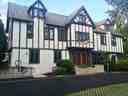
To spot Tiger Inn, look for a striking timber-framed Tudor-style house right in front of you, with a stone base and half-timbered upper walls that give it the feel of a cozy English inn. Welcome to the legendary Tiger Inn, or as loyal members fondly call it, “The Glorious Tiger Inn.” Imagine the scene back in 1895: Princeton was a swirl of young energy, the streets buzzing with rivalry, and here, the club’s first members-just 30 at the start-were getting ready to move into their new clubhouse modeled after a classic old inn in Chelsea, England. The smell of fresh timber and stone filled the air as craftsmen hammered the last beams into place. The very design was special, dreamed up by G. Howard Chamberlain, but Princeton myths might have you believe it was the handiwork of Howard Crosby Butler, the club’s architect member and the university’s first professor of architectural history. Step closer and let your imagination drift into the central hall, thick with the creak of massive antique furniture donated by Mrs. Thomas Harrison Garrett. Those were more than just couches and tables-they were gifts from a family whose three sons became some of Princeton’s brightest stars. The Garretts also helped fund the very walls you see, ensuring the club had a cushy start-and a solid foundation to survive the roaring twenties and even the Great Depression. Tiger Inn’s fortunes have always been tied to change. In the 1920s, clinking dishes and laughter sometimes spilled into the street as the club expanded-rooms were added, spaces remodeled, and the kitchen migrated south to feed an ever-growing crowd. One year, members had to eat at rival clubs while their beloved clubhouse went under the saw and chisel! Yet every change was about keeping the spirit alive, and by 1928, Tiger Inn was ready for anything-maybe even a football tackle or two if you took a wrong step. Today, the inn is busier than ever, with over 150 students calling it home at any moment, and more than 2,000 alumni stretching all over the world. The place has been continually improved, most recently through a sweeping twenty-first-century renovation. Funded entirely by devoted alumni, the new dining halls buzz with conversation, and social rooms come alive for every gathering-big or small. Tiger Inn isn’t just a building; it’s a feast of tradition and achievement. Fancy Olympic heroes? TI’s original members put Princeton on the global stage at the very first modern Olympic Games in 1896. Imagine the triumph-three TI athletes among four Princetonians bringing home seven medals, punctuated by Robert Garrett’s dramatic discus win. Decades later, another member, Maia Mei Weintraub, fenced her way to Olympic gold in 2024, making club history yet again. But it’s not all sports-oh no, Tiger Inn has sent its members out into the world as Nobel Prize winners, professors, playwrights, and even polar explorers. Jesse Williams nabbed the first Pulitzer Prize in Drama, while others led the Metropolitan Museum of Art, wrote bestselling novels, or braved five expeditions into the frozen Arctic. Of course, in a story stretching this long, there’s a little controversy. Gender debates roared across campus as women won the right to join the club in 1991 after landmark court cases. Today, TI is as much home to female leaders as to male, and in 2015, history was made when women filled half the undergraduate officer positions. There are moments when tradition wrestled with progress, when the old guard worried-and sometimes grumbled-about the shape of the club to come. Spend a moment here and sense the echoes-spirited bicker competitions, legendary card games in an upstairs room meant for anything but cards, the laughter of students from decades past, and the footprints of soldiers, artists, and politicians. Every inch of the inn is a living scrapbook-ask the portraits in the Library upstairs, and they just might wink back at you. So, welcome to Tiger Inn, where history is thick in the air, tradition has a mischievous twinkle, and every day promises a new page in the story. And who knows? The next great chapter could start right when you step through that sturdy door. Curious about the the tiger inn clubhouse, membership or the controversies? Don't hesitate to reach out in the chat section for additional details.
Apri pagina dedicata →You’re looking for a huge, red-brick mansion just across the street from Prospect Avenue, easily spotted by its grand entryway and four towering white columns in classic Colonial…Leggi di piùMostra meno
You’re looking for a huge, red-brick mansion just across the street from Prospect Avenue, easily spotted by its grand entryway and four towering white columns in classic Colonial style. Alright, picture yourself standing in front of the Colonial Club-a place that’s seen more plot twists than a soap opera and glows on Friday nights under those very columns you see now. Take a deep breath-smell that early morning grass and hear the soft as students hurry past the massive portico. Dating back to 1891, this club started with just 13 Princeton juniors who called themselves the “Plug and Ulster Club”-if that doesn’t sound like a name for a secret society, I don’t know what does! Back then, the college president tried to stop them from settling so close to Evelyn College, Princeton’s women’s college. Negotiations finally led to the founding of Colonial, first in a rickety old Virginian house. Imagine those early meetings-guys in heavy coats, huddled on the porch, plotting the club’s future with more ambition than a squirrel with a secret nut stash. But life at Colonial has never been dull. During World War I, the campus shifted dramatically. Most men left for military service, leaving the club so empty you might’ve heard a pin drop through the dining hall. The club nearly closed, but in classic Princeton fashion, it bounced back after the war. One of the heroes of this revival was Harvey Firestone Jr.-yep, from the tire company family! Even in the darkest times, Colonial members gathered for formal dinners in New York, and that tradition still lives on in glass-clinking alumni reunions. In the roaring twenties and thirties, Colonial swelled with life. Fancy parties with orchestras, billiards rooms humming with laughter, and students sipping sodas by the library. But pep soon turned to tension-when World War II struck, Colonial again emptied, with 18 members lost to the conflict. Yet after each trial, the club seemed to reinvent itself. By the fifties, buffet dinners replaced white tablecloths, and the vibe had shifted from stiff formality to a new sense of freedom (and probably a few more laughs). Let’s fast-forward to the swinging sixties. Colonial made history as the first Princeton eating club to admit women and do away with the selective “bicker” process-opening its doors to all students willing to join in 1969. Rival clubs across the street weren’t so quick, but Colonial set the tone-a pioneering move that filled this house with a wider, more spirited crowd, big and small parties alike. Occasionally, tough times hit again-at one point, the club was so low on members, you could probably fit them all in one billiards room! More than once, alumni and students teamed up, raising hundreds of thousands of dollars with a “never give up” attitude to keep Colonial afloat. Inside these walls, history’s thrummed to the rhythm of club events-game nights, trivia battles, outdoor BBQs, wild spring house parties, even medieval feasts that’d make King Arthur jealous. Some Friday nights, the big white columns flicker with light, drawing students from across campus for another evening at Princeton’s most welcoming mansion. Did I mention their obsession with flu shots? After losing nearly all their members in the 1918 pandemic, Colonial became Princeton’s flu vaccine champion-so if you’re feeling sniffly, you’re in good company! And the alumni-oh, what a cast! From the third man on the Moon, Pete Conrad, who carried a Princeton flag all the way up there (and brought it back for Colonial-at least until it got lost in a wild pyrotechnics night!), to Google’s Eric Schmidt, Texas Senator Ted Cruz, and more. Even two-time Pulitzer-winning novelist Booth Tarkington, founder of the Princeton Triangle Club, was a Colonial man. Each left a story embedded in the club’s woodwork and photographs. Today, under that impressive facade, Colonial Club still buzzes with breakfast chatter, lecture debates, and the clink of pool cues. Like a cat with nine lives, it keeps coming back-open to all, proud of its past, and always ready for the next chapter. Even if you never eat a panini here, you’re now part of its long, colorful story, just for having stopped and listened. Eager to learn more about the clubhouse, club culture or the notable alumni? Simply drop your inquiries in the chat section and I'll provide the details you need.
Apri pagina dedicata →Look straight ahead for a stately two-story brick building with white shutters, a sky-blue door framed by elegant Georgian columns, and a wide pathway leading up through tidy…Leggi di piùMostra meno
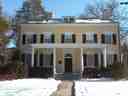
Look straight ahead for a stately two-story brick building with white shutters, a sky-blue door framed by elegant Georgian columns, and a wide pathway leading up through tidy gardens-if you spot the picnic bench to the right, you’re in the right place! Welcome to the Quadrangle Club-affectionately known as “Quad”-where the walls might not talk, but if they could, you’d hear stories of famous concerts, legendary personalities, and more pizza orders than you can possibly imagine. Founded way back in 1896, Quad got its start moving from house to house so often that you’d think it was training for a relay race. But finally, in 1916, it settled into this charming brick building designed by Henry Milliken, a Princeton grad with a nose for fine architecture. Just imagine the sound of hurried footsteps from 100 years ago as students brought their laughter and late-night snacks inside. This place is more than just a pretty face on Prospect Avenue-it’s where history and openness go arm in arm. In 1970, when groovy tunes played on the radio and tie-dye shirts were all the rage, Quad became one of the first eating clubs at Princeton to welcome women, just as the University itself opened its doors to female students. Years before other clubs caught up, this spot was already buzzing with fresh voices and new ideas. But wait-did you know F. Scott Fitzgerald, the legendary author, once described the club as “Literary Quadrangle” in his novel This Side of Paradise? It’s true! He said he might have felt more at home here, swapping stories with fellow writers like John Peale Bishop, rather than rubbing elbows with the high society types. So, if you feel like a poet or a dreamer today, you’re in good company. Now, if you hear music in your imagination, you’re picking up the real spirit of Quad. Over the years, this place has shaken and rattled with some of Princeton’s most epic concerts. Picture crowds on the front lawn, half the university swinging along as Barenaked Ladies rocked the stage in 1993, Maroon 5 crooned in 2004, Rihanna dazzled in 2006, and T-Pain got everyone dancing in 2013. The bass thumped right to the street! Who knows-the next superstar could be tuning up right inside! And when you look around, you might wonder: who passed through these doors? Well, how about Jeff Bezos, founder of Amazon; Jerome Powell, Chair of the Federal Reserve; Robert Venturi, superstar architect; and even Adlai Stevenson, the man who ran for president… twice! You’re brushing shoulders with history every time you step up this walkway. Today, Quad is famous for being a “sign-in” club, meaning it’s open to any sophomore, junior, or senior who wants to join. That welcoming vibe-alive in the open chatter, the music, the laughter-has made this spot one of the beating hearts of Princeton. So linger a moment. Breathe in the spirit of change, tradition, and a little bit of rock and roll!
Apri pagina dedicata →To spot the Tower Club, look for a stately brick mansion with steep slate rooftops, tall chimneys, cream-framed windows, and a large wooden door beneath an arched stone entryway…Leggi di piùMostra meno
To spot the Tower Club, look for a stately brick mansion with steep slate rooftops, tall chimneys, cream-framed windows, and a large wooden door beneath an arched stone entryway right ahead of you on Prospect Avenue. Ah, you’ve found the legendary Tower Club! Right now, you’re standing in front of a building with deep Princeton roots, and if these brick walls could talk, they’d probably spill more secrets than a freshman during bicker season. But don’t worry-I’ll do the storytelling instead, and I promise not to quiz you at the end! Imagine the spring of 1902: the campus is buzzing, and five bold Princeton students-John Lee, Henry Pogue, Otto Wolff, Conway Shearer, and Frank Little-gather in a stuffy old club on University Place. Between them, they’ve scraped together about $400, determined to start a new eating club, a place where friendships would blossom and debates would rage like wildfires. That very next year, Tower Club was officially born! Their journey to this spot was anything but simple. The original club moved from the old Monastery Club to a rather humble Gulick House, then to land bought from the Cottage Club-complete with hot-air heating that probably felt like luxury for those chilly New Jersey nights. Then, they temporarily bunked at the old Quadrangle Club building. Imagine dragging your books, tennis rackets, and the hope of hot food from one house to the next, always searching for that perfect home. Finally, in 1917, Tower Club settled at 13 Prospect Avenue. It was a huge leap-a new structure, designed by Princeton alum Roderic E. Barnes, and a shiny $25,000 plot of land. But not all was smooth sailing. In 1921, a fire roared through the third-floor sleeping quarters, leaving quite a mess. Repairs came fast, though-the heartbeat of the club never skipped. During World War II, membership dropped to just 15, but those 15 kept the lights on-every single one a ROTC officer, keeping watch not only over dinner conversation but also perhaps the fate of the world. In 1971, Tower was one of the trailblazers, welcoming women into its fold. The place was more open, lively, and interesting than ever. Tower isn’t just about tradition; it’s been a little bit rebellious too! In the 1970s, they debated changing the bicker system, though they kept it in the end. Sometimes the club found itself in a pickle-like that awkward moment in 2003 when the president had to step down, or in 2008 when a slip-up leaked alumni social security numbers (bet that made for some awkward reunions). Today, Tower is famous for three things: its phenomenal food (no exaggeration-almost legendary), its vibrant community of artistic and politically engaged members, and its powerful role in campus politics. In fact, it’s said that if you want to lead anything big at Princeton, Tower is the place to plot your rise over dessert. And with membership rates always fluctuating, each year’s bicker feels like opening a mystery box filled with future campus leaders-and, of course, the odd aspiring chef. So, standing here, you’re soaking up more than 120 years of ambition, laughter, and maybe even the faint smell of waffles wafting from the dining hall. Next time you pass by, salute the club that’s equal parts tradition and rebellion. Just don’t expect them to share their food recipes-it’s the best-kept secret in Princeton!
Apri pagina dedicata →To spot Campus Club, look straight ahead for a stately brick mansion with tall chimneys, stone-trimmed windows, and a prominent entrance surrounded by neatly trimmed shrubbery-it…Leggi di piùMostra meno
To spot Campus Club, look straight ahead for a stately brick mansion with tall chimneys, stone-trimmed windows, and a prominent entrance surrounded by neatly trimmed shrubbery-it sits proudly at the corner of Washington Road and Prospect Avenue. Alright, adventurer, you’ve arrived at Campus Club! Picture yourself in the early 1900s, when a bunch of spirited Princeton students from the Yama and Ovando Clubs were on the hunt for a place to call their own. They found a little house on Olden Street, lovingly named it “The Incubator,” and squeezed in for a cozy-if not slightly cramped-start. But Princeton dreams are never small! By 1901, these determined students eyed the stately house of Professor Andrew Fleming West right here on this very corner. Legend has it, they rallied support and sold about $45,000 worth of “Campus Club Bonds” to turn this aspiration into reality. If you listen closely, you might imagine the clink of coins and rustle of papers as the bonds changed hands. The real transformation came in 1909, when the group decided to build big-literally! The West house was rolled away (hopefully without any unexpected bumps) and the current mansion, designed by famed architect Raleigh C. Gildersleeve, began to take shape just in time for the 1910 graduation. Can you picture the excitement as the first students stepped through these doors? Campus Club became famous for its welcoming spirit-it was one of the first to ditch the highly selective “bicker” process in favor of letting anyone sign up. For two decades, anyone with an appetite and a sense of adventure could join the fun here. Imagine laughter, debates, and the aroma of food floating out those windows. But don’t get too comfortable, because Campus Club’s story is full of drama. In 1951, disaster struck! Flames ripped through the third floor, sending smoke curling over the rooftops. The rebuilding that followed stitched the club back together-everyone pulled through, and Campus pressed on. Fast forward to 2005, and declining membership made things rocky again. Eventually, the club closed, but its story didn’t end there. Alumni banded together and handed the mansion over to the University, as long as it would always serve as a gathering place for students. After a few years of renovation magic, the mansion reopened in 2009-not as an exclusive club, but as the campus clubhouse you stand before now. Some say if you listen carefully, you might still hear echoes of old debates and friendly toasts. Ready to move on? The next chapter awaits!
Apri pagina dedicata →To spot the Terrace Club, look for a stately Tudor-style building with striking dark wooden beams and creamy white walls, right on Washington Road-its bicycling-friendly vibe and…Leggi di piùMostra meno
To spot the Terrace Club, look for a stately Tudor-style building with striking dark wooden beams and creamy white walls, right on Washington Road-its bicycling-friendly vibe and welcoming front steps will help you know you’re in the right place. Alright, time to feast your eyes-er, ears-on the epic story of Terrace Club, the most offbeat and legendary of all Princeton’s eating clubs! Imagine you’re standing here at 62 Washington Road, surrounded by the gentle rustle of leafy trees and maybe the strains of a guitar from an open upstairs window. If walls could talk, this house would sing in every genre. Back in 1904, a band of hungry Princeton students dreamed up Terrace Club, and like many new eating clubs, they started life in a humble spot called “The Incubator.” This building shuffled around campus and, despite the grand name, was about as small and cozy as you’d expect-not much bigger than a pumpkin after Halloween! But ambition was on the menu. By 1906, they’d moved to this spot, taking over the home of a professor, and by the 1920s, the place was transformed by architect Frederick Stone into the Tudor-style clubhouse you see now. Can’t you picture students, decades ago, bustling up those very steps, plotting revolutions-or maybe just what’s for dinner? But Terrace Club didn’t just build a house-it built a history of being different. It’s the only Princeton club that’s not tucked away on Prospect Avenue, and it loves being a little offbeat. In 1967, while other clubs clung to a stressful, competitive selection process called “bicker,” Terrace became the first to throw open its doors to everyone through a nonselective lottery sign-in. It said, “Come as you are. Food=Love!” Let’s be honest, any club whose motto reads like a warm hug in algebraic form can’t be bad. And that wasn’t the only way Terrace led the charge. It welcomed Jewish, African-American, and female members before other clubs, shaking up the old ways like a rock band crashing a silent auction. Picture the sixties and seventies: bold colors, protests, and music blaring from open windows. Terrace became known as the “most alternative” club on campus, attracting free spirits and creative souls. Imagine long-haired students at a 1936 tea party here, inventing future wars to poke fun at politics! But even Terrace couldn’t escape tough times. By the 1980s, membership was dropping and the threat of closing loomed like a thundercloud. In stepped chef Larry Frazer, serving up vegetarian food when that idea was as wild as avocado toast at breakfast in those days. His cooking and camaraderie kept the club alive, and he even got married within these walls, serenaded by jazz guitarist-and future Terrace legend-Stanley Jordan. And then, there was Barton R. Rouse, ushering in an era of office parties, creative recipes, and joyful noise. It was Rouse who coined the club’s famous motto and orchestrated themed meals that sometimes left the dishware blushing with excitement. Today, Terrace Club is a hub for music lovers, foodies, and just about anyone who wants to enjoy a drag ball, indie concert, or simply a vegetarian feast. The club stage has seen future stars before they became famous-can you imagine stumbling into a small gig here only to realize you’re dancing to the next Modest Mouse, Vampire Weekend, or The Flaming Lips? And every October or November, Terrace practically glows with excitement for the Queer Radicals’ Annual Drag Ball-think feathers, sequins, and music pounding through the rafters. Over the decades, Terrace has produced a roster of alumni as eclectic as its menu: from jazz legends to Emmy-winning producers, mayors to poets, fashion icons to skydivers. You might say the most important tradition here is simply being yourself… and maybe getting a second helping. So as you stand outside this quirky, welcoming Tudor house, inhale that heady mix of history, music, and the faint whiff of something delicious wafting from the kitchen. You’re at the edge of a Princeton legend, where the only rule that matters is that food really does equal love. Ready for the next stop? Let’s keep moving-there’s always more magic down the road!
Apri pagina dedicata →To spot the President’s House, also known as Maclean House, look straight ahead for a pale yellow, boxy house with black shutters, tall white columns, and a welcoming porch right…Leggi di piùMostra meno
To spot the President’s House, also known as Maclean House, look straight ahead for a pale yellow, boxy house with black shutters, tall white columns, and a welcoming porch right in front of you. Now, take a moment and breathe in the crisp Princeton air-imagine it’s 1756, this house brand new, its pale walls gleaming, and expectant silence hanging in the winter sky. Behind these black shuttered windows, history wasn’t just made; it was lived. The creak of the front steps might have once echoed with the footfalls of John Witherspoon, the only college president brave (or perhaps stubborn?) enough to sign the Declaration of Independence. Imagine arguing with your boss about tuition while secretly plotting the birth of a new nation-talk about work-life balance! But let's add a twist, because Maclean House wasn’t just a home to presidents. During the dark cold of January 1777, while musket fire boomed nearby, George Washington himself made this place his command post. Picture the general, mud on his boots, paper maps scattered across the very rooms in front of you. Yet, not all tales here are proud. For over half a century, enslaved people lived and worked at the President’s House, their lives marked by forced labor and sorrow. If you peek just behind the main building, imagine separate cramped quarters-the “Kitchen House,” a world apart but heartbreakingly near. In 1766, after President Samuel Finley died, a heartbreaking auction took place right out front; enslaved men, women, and children were listed alongside livestock, furniture, and books, their lives measured in dollars. Today, the house is home to Princeton’s Alumni Association, alive with laughter and stories old and new. Before you go, pause at Titus Kaphar’s gripping sculpture, Impressions of Liberty, on the front lawn-a face in bronze, shadowed and sharp, surrounded by the silhouettes of those once sold here. Maclean House isn’t just a building; it’s a layered story of triumph, struggle, and the hopes of all who walked these halls. If only these columns could talk, imagine the tales they’d share!
Apri pagina dedicata →Right ahead, you’ll see Palmer Square with its row of charming brick and cream-colored shops and homes framed by classic black lampposts and crisp white trim-just look for a…Leggi di piùMostra meno
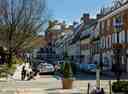
Right ahead, you’ll see Palmer Square with its row of charming brick and cream-colored shops and homes framed by classic black lampposts and crisp white trim-just look for a bustling scene filled with people, cheerful shop windows, and tidy sidewalks, all nestled across from Princeton’s famed Nassau Street. Welcome to Palmer Square, the vibrant heart of Princeton, where the past and present come together like a perfectly blended cup of coffee-though here, you might have to choose between Halo Pub’s ice cream and a steaming espresso first! Take a breath and soak in the atmosphere: the elegant Colonial Revival buildings, the gentle hum of conversation from the sidewalk cafes, and the sweet smell of chocolate wafting out of Lindt or The Bent Spoon. But rewind your imagination to the late 1930s, when this very spot was transformed by Edgar Palmer, the visionary who wanted more than just a beautiful square-he wanted to build hope during the darkest days of the Great Depression. With a fortune from New Jersey Zinc jingling in his pocket and architect Thomas Stapleton by his side, Palmer dreamed up these streets to mirror the stateliness of Colonial Williamsburg, complete with specialty woodwork and elegant Ludowici tiles-he definitely wasn’t playing around with cookie-cutter design! It wasn’t all smooth sailing, though. Palmer’s big plans started with the removal of Baker Street in 1929, which had been home to Princeton’s original African-American neighborhood. Houses and families were shifted to Birch Avenue, and what had been a lively, close-knit community had to start anew, a chapter of history that adds a bittersweet note to Palmer Square’s beginnings. Imagine those old streets, now replaced by the crisp façade of modern Palmer Square, and feel the blend of stories beneath your feet. The showpiece of this grand plan was the Nassau Inn, which once stood directly on Nassau Street. Picture fancy travelers arriving with rolling suitcases (the old-fashioned, noisy kind!), and later, local families gathering in winter to gaze up at the gigantic Christmas tree, twinkling just in front of the Inn. There’s even a bronze tiger not far from here, napping nobly between the park and Nassau Street-a true Princeton sentinel! Palmer Square’s post office is another star, with its stately New Deal-era architecture and a larger-than-life mural inside, “Columbia Under the Palm.” It’s hard not to wonder at the brushstrokes, though the mural’s vision of history has sparked some debate. It shows settlers bringing “enlightenment” to this land-a perspective that today, lets us reflect a bit on whose stories get told in public places. Through the decades, the square kept growing-slowly at first, with plans stalling during tough economic times and construction finishing in fits and starts. By the 1980s, the square pushed beyond Hulfish Street, and the Nassau Inn itself got a face-lift. New stores and restaurants soon popped up, as if Palmer’s dream was picking up speed with every passing year. Today, Palmer Square is Princeton’s favorite backdrop for everything from spontaneous lunch dates to epic seasonal events on The Green-picture it now, alive with music and laughter! And the dream didn’t stop with shops and treats: in recent years, the Residences at Palmer Square have brought sleek condos and townhomes into the mix, their designers working hard to echo that Colonial Revival style. Apparently, even the real estate in Palmer Square is determined to keep history alive-the planning board made sure every detail fit the spirit, and now its walkability has even earned a whopping 95% on walkscore.com. So if your step counter is happy, you know who to thank. Oh, and for a little commercial flavor, you’ll spot everything from J. Crew and Ralph Lauren to the beloved Princeton Corkscrew Wine Shop, local bookstores, mysteries, and delicious treats-think of it as Princeton’s answer to Willy Wonka’s factory, only with more boutique shopping and fewer golden tickets. Whether you’re here to mail a letter, twirl under the Christmas lights, or grab that sweet treat, Palmer Square is more than a shopping plaza-it’s a layered storybook, where every window hides a tale and every step echoes with a piece of Princeton history. Now, take a look around: which shop or eatery tempts you most? Or do you hear the siren call of the bronze tiger, just waiting for a selfie?
Apri pagina dedicata →To spot Westland Mansion, look for a large, elegant yellow house with green shutters, white trim, a distinctive dark metal roof, and tall white columns framing the front door,…Leggi di piùMostra meno
To spot Westland Mansion, look for a large, elegant yellow house with green shutters, white trim, a distinctive dark metal roof, and tall white columns framing the front door, standing proudly behind a manicured lawn and just a touch of American flag flair by the entry. Welcome to Westland Mansion, where the echoes of American history mix with the chirping of birds and-if you listen closely-the ghostly click of a billiard ball! Picture yourself back in the late 1800s as you admire this stately home. The air is fresh with the scent of pine from those towering trees shading the grounds, and somewhere in the distance, children might be laughing, or perhaps a well-dressed gentleman-none other than Grover Cleveland, former president-tips his hat as he strolls by the pear and cherry orchards lining his backyard. This mansion was built in 1856 by Robert F. Stockton, a naval commodore who could tell you stories of the high seas and the battle for California during the Mexican-American War. Stockton was a man with politics in his blood; his own grandfather, Judge Richard Stockton, signed the Declaration of Independence. No pressure to keep up family tradition, right? The mansion he built was meant to impress: spacious rooms with high ceilings, elegant marble mantelpieces, twin parlors perfect for sipping tea-or perhaps for arguing about politics late into the night. Surrounding the house, well-tended paths wound through broad lawns and under those enormous pines, and if you ventured out back, you’d stumble upon an orchard alive with pears, cherries, and maybe a few doves fluttering around the dovecote. Fast-forward to 1897-Grover Cleveland, that famous mustachioed leader who served as America’s 22nd and 24th president (the only one to do it non-consecutively, offering quiz-night fodder forever), retires to Princeton and sets his sights on this mansion. With the help of his friend, Andrew Fleming West-the home’s namesake-Cleveland settles in, bringing new life to the house. He adds a billiard room, because every ex-president needs a good place to practice bank shots, and gives the front a cosmetic makeover in the Italianate style-just for a bit of presidential flair. During Cleveland’s years here, the mansion is anything but a quiet retirement spot. Princeton students adored him. On his birthday, you might’ve seen a crowd in bowler hats serenading him outside these windows, or after winning a football game, a raucous parade of students leading their cheers right up to his very doorstep. Cleveland himself wasn’t content to simply retire; he served on Princeton’s Board of Trustees, chaired committees, and even delivered a series of lectures that packed the halls. When he wasn’t being an academic titan, he filled his days with billiards and card games with his friends-the self-mockingly named Poverty Club-occasionally pausing their games to debate world affairs. After Cleveland passed away here in 1908, his widow Frances stayed on, keeping the mansion’s halls full of stories and laughter for many more years. Today, Westland remains a private residence-no tours inside, I’m afraid, unless you’re sneaky with a disguise-but the echoes of history linger in every stone. Whether you imagine it under gaslight or hear a student choir from Princeton drifting in on an autumn breeze, this is a place where American stories live on in yellow walls and shaded lawns.
Apri pagina dedicata →Take a look ahead and you’ll spot Morven: it’s a stately, white brick mansion with green shutters, two wings stretching out on either side, and a welcoming Greek Revival porch…Leggi di piùMostra meno
Take a look ahead and you’ll spot Morven: it’s a stately, white brick mansion with green shutters, two wings stretching out on either side, and a welcoming Greek Revival porch right in the center-just look past the trees for those inviting rocking chairs on the front steps. Now, imagine yourself stepping back in time to the 1700s, when the air was thick with the scent of woodsmoke and wildflowers, and the land was owned by none other than Richard Stockton-a man who was literally granted thousands of acres here by William Penn. Picture old Richard’s grandson, also named Richard (this family loved the name), picking the absolute best spot to build this striking home. He was so inspired, his wife named it Morven, after a legendary Gaelic kingdom-giving a little Irish magic to central New Jersey. As you stand in front of Morven today, you’re looking at a place where the echoes of history have never faded. Let’s fast forward through generations of Stocktons, each one with their own quirks, dramas, and-let’s be honest-probably a secret or two. One Stockton was a signer of the Declaration of Independence, bravely scribbling his name on a document that could’ve gotten him in a lot of hot water. Who knows-maybe as he relaxed on the porch out front, he rehearsed what he’d say if anyone asked, “So, Richard, feeling independent today?” Morven didn’t just host the Stocktons; it swung open its doors to commodores, governors, and even Robert Wood Johnson II of Johnson & Johnson. I guess if you invented Band-Aids, you deserved a mansion every now and then! During the 20th century, when Bayard Stockton died, the home was leased to Johnson, and then Governor Walter E. Edge bought it-under one strict condition: when Edge moved on, Morven would go to the State of New Jersey. Oh, the tension-imagine bureaucrats pacing the floors, worried about all these extra rooms, knowing someday this beautiful house would house not just family, but a whole chapter of state history. For nearly forty years, this was the governor’s mansion, its hallways echoing with political secrets, laughter, and probably a few lost keys. After its time as a gubernatorial residence, Morven became a museum-a jewel of Princeton, and a storyteller all on its own. Every brick, every creak in the floorboards, whispers the stories of revolution, courage, and the art of really good porch-sitting. So, soak it in and maybe even imagine a Founding Father or two drifting by-you know they’d have some stories to share!
Apri pagina dedicata →Look straight ahead across the broad green lawn-you'll spot an enormous, white mansion with a grand entrance supported by six towering columns and rows of large windows framed by…Leggi di piùMostra meno
Look straight ahead across the broad green lawn-you'll spot an enormous, white mansion with a grand entrance supported by six towering columns and rows of large windows framed by deep green shutters. Welcome to Drumthwacket! If you think that name sounds like it belongs in a fairy tale, you’re not wrong-legend says it’s borrowed from a Scottish novel, and apparently means “wooded hill.” Now, take a breath and soak in the sight of New Jersey’s official governor’s mansion, standing tall and grand since way back in 1835. Let your eyes travel across those gleaming white walls and imagine the stories those columns could tell if they could talk. Long before this stately home claimed its patch of Princeton, the land belonged to William Penn-yes, the William Penn who founded Pennsylvania. Generations later, Charles Smith Olden was born right here in a humble white farmhouse. Picture the young Charles working in far-off Philadelphia, then New Orleans, gaining a fortune and dreaming of something grander. When he returned, he built the first version of Drumthwacket, and I bet he sometimes strolled up these steps thinking, “Olden, you’ve done well!” But Charles wasn’t just a gentleman farmer-he dabbled in politics, even becoming governor in 1860, the very first to live in this house. Now, at that time, the mansion was a bit more modest: just a central hall with cozy rooms on each side and that dramatic portico you see today. Let’s fast-forward to 1893. Along came Moses Taylor Pyne, a man with pockets as deep as his love for building things bigger and better. Pyne snapped up Drumthwacket, then hired architect Raleigh C. Gildersleeve to stretch the mansion out with two grand new wings. Imagine the hammers banging and saws buzzing as the home grew-and with it, so did the gardens: rolling lawns, elegant Italianate flowerbeds, and paths just begging for a horse and carriage. For decades, Drumthwacket echoed with the footsteps of tycoons, politicians, and even inventors-like Abram Spanel, who, along with his staff and a flurry of patented Playtex ideas, filled the mansion’s rooms with creative energy in the 1940s. In 1966, with the span of the estate etched into Princeton’s history, it passed into the hands of New Jersey itself. From then on, Drumthwacket was destined for something bigger: a symbol and residence for the governor, though, funny enough, it took 15 years (and a lot of fundraising by the ever-determined New Jersey Historical Society) for it to really become a home for New Jersey’s leaders. The mansion certainly needed a little TLC-imagine walking in and facing mismatched, hand-me-down couches for hosting ambassadors! First Lady Deborah Kean swept in, founding the Drumthwacket Foundation and setting the stage with antique furniture more fit for a state showpiece. Still, even she and Governor Kean chose the comforts of their own home in Livingston over this mansion. It wasn’t until 1990 that Drumthwacket finally gained full-time residents: Governor Jim Florio and Lucinda Florio. They set about modernizing everything-new plumbing, updated drinking water, and yes, even added closets to bedrooms (because, historically, where else would you hide your shoes?). Lucinda also breathed life back into those magical Italian gardens, restoring them to their former, flower-filled glory with the help of private donations. And the fun didn’t stop there. Drumthwacket has seen everything from musical inventions in its parlor to small wedding celebrations-Lucinda Florio even hosted her father’s wedding reception right here. Each governor since has had their own “unique” relationship with the mansion-some just popping by for dinner, some hosting full-time, and some, like Chris Christie, only showing up for the state’s famous Sunday dinners. (Apparently, the invitation was hard to refuse.) Today, you can imagine the laughter and conversations that echo through its public rooms-the solarium, the parlor, the library, and more. Public tours on most Wednesdays let visitors like yourself peek inside the halls of power. And if you visit during the holidays, don’t miss the garden club’s extravagant festive displays. You might even spot a souvenir waiting in the Olden House gift shop. So give the mansion one last look, with its stately presence, grand gardens, and centuries of stories. It’s not just a home-it’s a vivid chapter of New Jersey history, and now you’re part of its long, winding tale.
Apri pagina dedicata →






Domande frequenti
Come inizio il tour?
Dopo l'acquisto, scarica l'app AudaTours e inserisci il tuo codice di riscatto. Il tour sarà pronto per partire immediatamente – tocca play e segui il percorso guidato dal GPS.
Ho bisogno di internet durante il tour?
No! Scarica il tour prima di iniziare e goditelo completamente offline. Solo la funzione chat richiede internet. Ti consigliamo di scaricare tramite WiFi per risparmiare dati mobili.
È un tour guidato di gruppo?
No – è un tour audio autoguidato. Esplori in autonomia al tuo ritmo, con la narrazione audio riprodotta dal tuo telefono. Nessuna guida, nessun gruppo, nessun orario.
Quanto dura il tour?
La maggior parte dei tour richiede 60–90 minuti, ma sei tu a controllare il ritmo. Metti in pausa, salta le tappe o fai pause quando vuoi.
E se non riesco a finire il tour oggi?
Nessun problema! I tour hanno accesso a vita. Metti in pausa e riprendi quando vuoi – domani, la prossima settimana o il prossimo anno. I tuoi progressi vengono salvati.
Quali lingue sono disponibili?
Tutti i tour sono disponibili in oltre 50 lingue. Seleziona la lingua preferita quando riscatti il codice. Nota: la lingua non può essere cambiata dopo la generazione del tour.
Dove accedo al tour dopo l'acquisto?
Scarica l'app gratuita AudaTours dall'App Store o Google Play. Inserisci il codice di riscatto (inviato via email) e il tour apparirà nella tua libreria, pronto per essere scaricato e avviato.
Se il tour non ti piace, ti rimborseremo l'acquisto. Contattaci a [email protected]
Pagamento sicuro con 


