
Tour Audio di New York City: Resilienza e Riflessioni nel Distretto Finanziario
All'ombra della Liberty Tower, dove giganti di vetro sorgono da strade più antiche della nazione stessa, i segreti si annidano sotto ogni marciapiede e pietra. Questo tour audio autoguidato svela la storia nascosta del Distretto Finanziario, rivelando vicoli e storie trascurate dalla folla frettolosa. Lascia che leggende sussurrate e verità sepolte trasformino il tuo viaggio in un'avventura che solo gli addetti ai lavori della città conoscono. Quale catastrofe al Memoriale e Museo Nazionale dell'11 Settembre influenza ancora le decisioni prese negli uffici più alti? Quale atto ribelle scatenò il panico nelle sale riunioni ed echeggia all'interno di antichi vicoli? E perché una normale pausa pranzo scatenò uno scandalo che quasi fece crollare una fortuna? Senti il battito di New York mentre i passi conducono da sacre piscine commemorative a grattacieli che sono sopravvissuti a battaglie e tradimenti. Ogni svolta porta scoperte audaci e drammi indimenticabili. Sei pronto a camminare dove le leggende non dormono mai? Inizia la storia sotto le torri svettanti.
Anteprima del tour
Informazioni su questo tour
- scheduleDurata 30–50 minsVai al tuo ritmo
- straighten0.5 km di percorso a piediSegui il percorso guidato
- location_onPosizioneNew York, Stati Uniti
- wifi_offFunziona offlineScarica una volta, usa ovunque
- all_inclusiveAccesso a vitaRiascolta quando vuoi, per sempre
- location_onParte da Liberty Tower
Tappe di questo tour
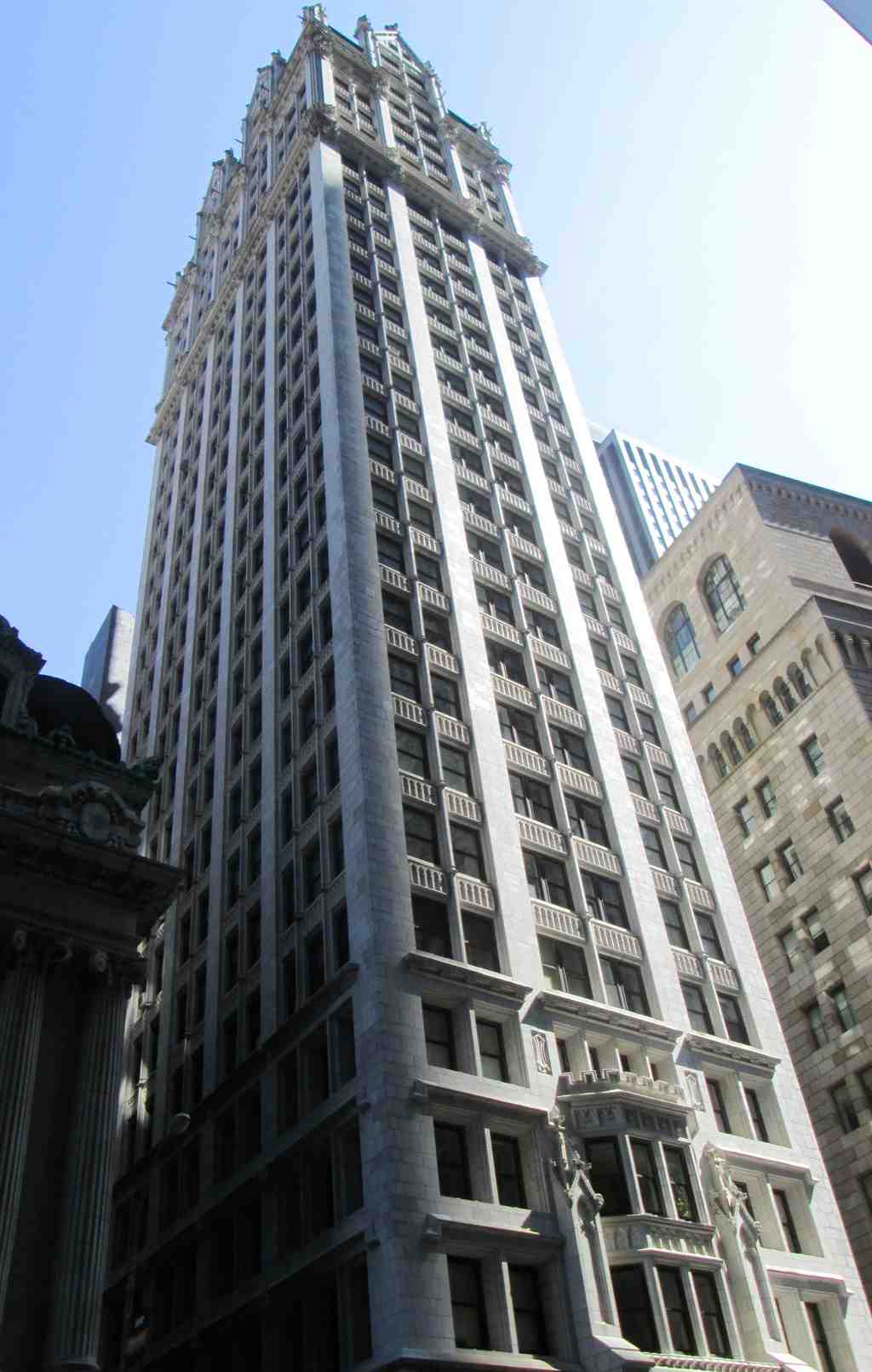
If you look upwards toward Nassau and Liberty Streets, you’ll spot a slender, bright white tower covered in intricate terracotta details-gargoyles, birds, and fanciful creatures…Leggi di piùMostra meno
If you look upwards toward Nassau and Liberty Streets, you’ll spot a slender, bright white tower covered in intricate terracotta details-gargoyles, birds, and fanciful creatures guarding a Gothic crown high above the clustered Financial District. Here you are, right at the foot of the Liberty Tower. It rises like a storybook castle, squeezed into a tiny plot but stretching a dizzying 33 stories above these bustling streets, its white terracotta gleaming in the sun-no matter how crowded the city feels, this building dares you to look up and catch its ambitious personality. Imagine the year is 1910: suffocating with excitement and the steam of progress, Manhattan is booming. Henry Ives Cobb, an architect with wild ideas from Chicago and Paris, is hired to craft something bold, something that almost pokes the clouds-he chooses English Gothic. Not for a cathedral, but for an unapologetic office tower, clad from foot to rooftop in terracotta. Over 3,000 blocks of it, filled with quirks and characters carved into the walls. You could search for hours spotting alligators and creatures peering down at you! What made the Liberty Tower extraordinary wasn’t just its lacework of ornament but its insane proportions. The floor area ratio was over 30 to 1, making it the slimmest skyscraper in the world when it was finished. The whole thing rises on a plot of land that’s just 5,200 square feet. Its foundations sink down a remarkable 94 feet, built into soggy, treacherous ground with caissons so deep they were second only in the entire city. It was a gamble. The construction even triggered a series of mortgages, defaults, and legal struggles-nearly leaving the building unfinished before tenants even moved in. Inside, the marble lobby was once covered with lively murals-a tribute to the ambitions and fleeting youth of New York, and even the legendary William Cullen Bryant, whose “China Tower” newspaper office stood here before all this steel and terracotta. The tenants of Liberty Tower were fittingly ambitious: one of the first was the law office of Franklin D. Roosevelt, practicing here in his pre-presidential days, along with major insurance companies, brokers, and, rather secretly, German spies during the feverish days leading up to World War I. Then came Sinclair Oil, snapping up the entire building right after WWI. The place was buzzing with negotiations, and even the notorious Teapot Dome scandal was cooked up here-oil deals, bribery-a juicy slice of American history, played out in these narrow offices. When oil moved uptown, so did Sinclair, and the Rockefeller family took over before passing it through a carousel of owners. By the late 1970s, things were gloomy. The neighborhood was half-abandoned, and Liberty Tower stood almost empty-almost ready for a big sleep. Instead, Joseph Pell Lombardi stepped in, betting everything, with just $25,000 down, that New Yorkers would soon crave city living again. He stripped away the dusty cubicles and reimagined the place for homes, making this the Financial District’s first major office-to-residential conversion. It wasn’t easy-moving day for new residents meant raw, unfinished spaces and kitchens and bathrooms yet to be built. Still, the building sparked a trend, inviting life back into this part of the city. Of course, Liberty Tower has endured more than its share of trouble: battered by the collapse of the World Trade Center nearby in 2001, followed by years of costly repairs-residents pitched in to restore thousands of terracotta sculptures on its ornate exterior. But time and again it’s survived, returned, and now stands tall, crowned and proud, as both a city landmark and a symbol of rebirth-one that hides wild stories and wild creatures in plain sight, still keeping watch from its Gothic perch. As the traffic rushes by, pause and let your mind fill those old offices with the ambitions, secrets, and dramas of a century of New Yorkers. Fascinated by the site, architecture or the critical reception? Let's chat about it
Apri pagina dedicata →
Domande frequenti
Come inizio il tour?
Dopo l'acquisto, scarica l'app AudaTours e inserisci il tuo codice di riscatto. Il tour sarà pronto per partire immediatamente – tocca play e segui il percorso guidato dal GPS.
Ho bisogno di internet durante il tour?
No! Scarica il tour prima di iniziare e goditelo completamente offline. Solo la funzione chat richiede internet. Ti consigliamo di scaricare tramite WiFi per risparmiare dati mobili.
È un tour guidato di gruppo?
No – è un tour audio autoguidato. Esplori in autonomia al tuo ritmo, con la narrazione audio riprodotta dal tuo telefono. Nessuna guida, nessun gruppo, nessun orario.
Quanto dura il tour?
La maggior parte dei tour richiede 60–90 minuti, ma sei tu a controllare il ritmo. Metti in pausa, salta le tappe o fai pause quando vuoi.
E se non riesco a finire il tour oggi?
Nessun problema! I tour hanno accesso a vita. Metti in pausa e riprendi quando vuoi – domani, la prossima settimana o il prossimo anno. I tuoi progressi vengono salvati.
Quali lingue sono disponibili?
Tutti i tour sono disponibili in oltre 50 lingue. Seleziona la lingua preferita quando riscatti il codice. Nota: la lingua non può essere cambiata dopo la generazione del tour.
Dove accedo al tour dopo l'acquisto?
Scarica l'app gratuita AudaTours dall'App Store o Google Play. Inserisci il codice di riscatto (inviato via email) e il tour apparirà nella tua libreria, pronto per essere scaricato e avviato.
Se il tour non ti piace, ti rimborseremo l'acquisto. Contattaci a [email protected]
Pagamento sicuro con 


