
Tour Audio di Eugene: Leggende del Campus, Ritmi del Mercato e Campi Storici
Un tunnel segreto un tempo collegava il cuore storico di Eugene a storie sussurrate nelle aule universitarie e sotto le luci dello stadio. Questo tour audio autoguidato ti invita a scoprire la città oltre la cartolina: capitoli inaspettati scritti nei suoi angoli iconici e in vicoli trascurati che la maggior parte dei visitatori ignora. Quale svolta nel passato del tribunale ha cambiato il destino della giustizia nazionale da un giorno all'altro? Perché l'eredità di Hayward Field suscita quasi tanta suspense quanto le sue gare da record? C'è davvero un simbolo nascosto intessuto nella facciata ornata della Knight Library? Muoviti tra pietra e storia, passando dal marmo silenzioso alle fragorose arene atletiche, seguendo le ombre del dramma, della ribellione e delle voci. Guarda Eugene scambiare la sua pelle familiare con una vibrante mappa di segreti e sorprese mentre cammini. Inizia il viaggio e scopri cosa si nasconde appena sotto la superficie di Eugene. Il tunnel è solo l'inizio.
Anteprima del tour
Informazioni su questo tour
- scheduleDurata 40–60 minsVai al tuo ritmo
- straighten4.6 km di percorso a piediSegui il percorso guidato
- location_onPosizioneEugene, Stati Uniti
- wifi_offFunziona offlineScarica una volta, usa ovunque
- all_inclusiveAccesso a vitaRiascolta quando vuoi, per sempre
- location_onParte da Mercato del Sabato di Eugene
Tappe di questo tour
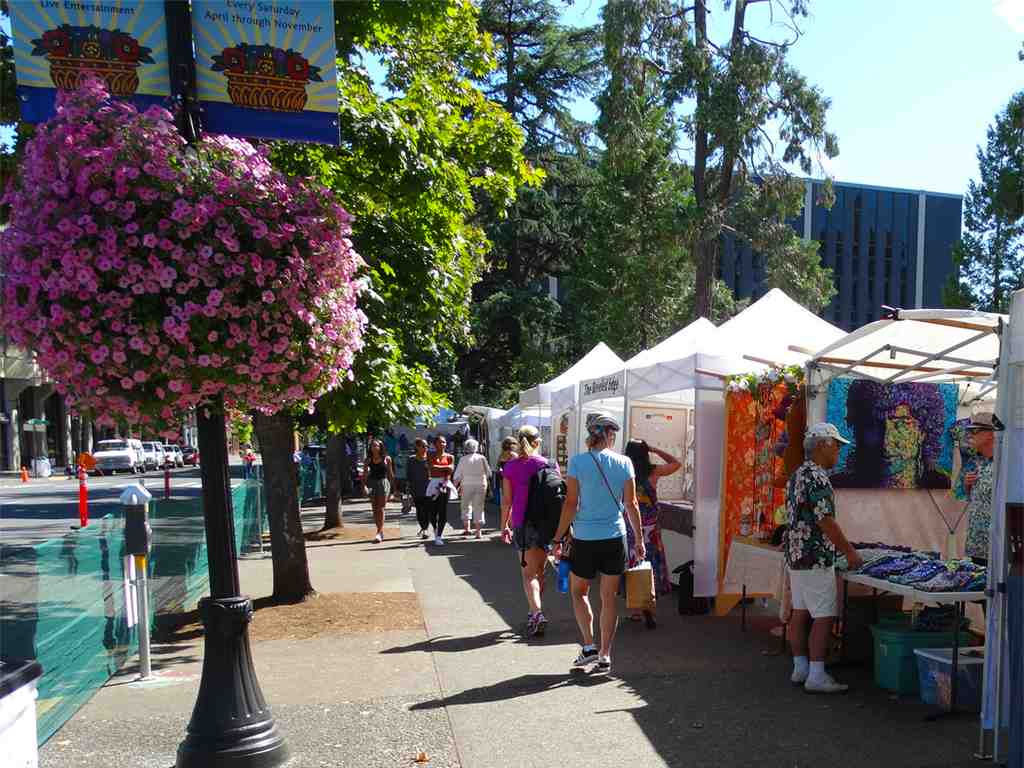
To spot the Eugene Saturday Market, just look for a row of bright white tents lined up along the sidewalk, filled with colorful artwork, bustling vendors, and crowds drifting past…Leggi di piùMostra meno
To spot the Eugene Saturday Market, just look for a row of bright white tents lined up along the sidewalk, filled with colorful artwork, bustling vendors, and crowds drifting past hanging baskets of pink flowers. Picture yourself here on a Saturday morning under the shade of towering trees, surrounded by the hum of excited voices, laughter, and live music wafting on the breeze. The Eugene Saturday Market is no ordinary marketplace-it’s a weekly festival, the heartbeat of Eugene’s creative spirit and, believe it or not, the oldest open-air crafts market operating continuously in the whole country. It all began back in 1970, when artist and ever-optimist Lotte Streisinger, who was known for her boundless community energy, had a bold idea: Why not create a place where anyone could come sell their handmade goods? That very first day, only 29 vendors showed up, clutching their dollar to pay the vendor fee-and in true Pacific Northwest fashion, it rained all day. Instead of dampening their spirits, the rain just seemed to bond everyone together, shoppers and sellers ducking beneath each other’s canvas canopies, sharing a laugh over dripping art or slightly soggy bread. Even the city council was charmed, allowing these “hippies,” as the local businesses called them, to keep using the site. As the holidays approached, more and more joined-so many, in fact, that by Christmas, one hundred creative souls packed into the lot, their stalls overflowing with crafts, homemade jams, and bright wool hats. But not everyone was enchanted. Some of the neighboring shop owners started a campaign to have the market moved or closed. Imagine the tension in the air as petitions circled and council meetings got heated! When the dust settled, Lane County helped out, offering the Park Blocks in front of the courthouse to the growing market, with just one condition: they had to incorporate and get insurance. And so, the Eugene Saturday Market became official, shifting between the sunny Park Blocks in good weather and the quirky “butterfly lot”-the upper level of a parking garage-when fall’s first chill set in. The “butterfly lot” earned its reputation for being, well, drafty, lonely, and not the kind of spot you'd brag about, so the hunt for a new, happier home continued. By 1983, the market finally landed in this vibrant park area at Oak and 8th, and from then on, the market blossomed. Picture a scene with up to 125 bright tents, a burbling fountain, and enough space for hundreds of artists, bakers, and musicians to mingle. A master plan later sealed the market as a permanent fixture in the cultural life of Eugene-now, it’s one of the city’s proudest traditions, even inspiring the Portland Saturday Market. But crafts weren’t the only thing on the agenda. In the late ‘70s, the market branched out with an open-air farmers market right next door, so locals could stock up on not just funky jewelry and vibrant scarves, but also fresh carrots, honey, and homemade bread straight from the hands that grew or baked them. The farmers market, though never quite as bustling as its craft cousin, still flourishes each April through November-after all, Eugene takes its vegetables seriously. Now, on any Saturday from spring to late fall, you’ll find the market humming with energy. No ticket needed-just wander in and follow the scents of Afghani rice next to the sizzle of Thai stir-fry, or naan from the Indian booth side-by-side with chili and cornbread. Over a thousand performers take the stage here every year; you might stumble on a kid-friendly act and smiling children spinning to the music, or a magician causing shrieks of delight. Vendors, more than 300 each week, display their work-everything here is handmade by the person selling it, and every booth bursts with creativity: bold ceramics, dreamcatchers, woodwork, jams, hats, and jewelry. Each vendor pays a small annual fee and a bit of their sales-but the big payoff isn’t just the income. It’s the sense of community, the rhythm of generations returning again and again, and the awards racked up over the years, from best family outing to recognition by the city’s artists’ alliance for keeping Eugene quirky and connected. Who keeps this whole wild, colorful show running? Just a handful of dedicated employees, watched over by an elected board and a committee that sets the ground rules-making sure, for instance, that yes, everyone’s cupcakes pass the health inspection, and no, you can’t buy your crafts on the internet and pretend you whittled them in your garage. Want a final fun fact before you drift into the crowd? Every year, folks spend around $2.5 million here on crafts and food. That’s a lot of candles, paintings, bagels and memories made in the heart of Eugene! Now, step in and soak up the joyful chaos-there’s no market quite like this anywhere else on earth. Intrigued by the farmers market, marketplace or the awards? Explore further by joining me in the chat section below.
Apri pagina dedicata →To spot The Shedd Institute, just look for a stately red-brick building with grand white columns and tall arched windows right at the corner-it’s hard to miss, almost as if it's…Leggi di piùMostra meno
To spot The Shedd Institute, just look for a stately red-brick building with grand white columns and tall arched windows right at the corner-it’s hard to miss, almost as if it's waiting to host a big city secret inside! Now, let’s step into the story of The Shedd Institute-where every brick has a beat and every window might just play jazz. Imagine you’re standing here in the early days of Eugene, when this grand building wasn’t echoing with applause, but sermons and hymns! Long before it became the musical powerhouse it is today, this site was actually the First Baptist Church. Then, in 2002, the space was given new life-more high notes, less hymnals-and transformed into The John G. Shedd Institute for the Arts. And if you’re wondering who John G. Shedd was, well, imagine a man whose generosity and vision for the arts stretched all the way from early 20th-century Chicago to right here in Eugene. Now that’s some reach! But the Shedd’s story starts before the move. Back in 1991, a group of music lovers said, “Why not stir things up a bit?” So they launched the Oregon Festival of American Music-an annual summer pops festival with Marin Alsop, who would one day become world-famous, at the baton. Their goal was simple: get people humming along to American classical music. And let’s face it, who can resist a catchy tune, right? By 1993, The Shedd was already turning heads at the Hult Center, and two years later, they threw open their doors to music students of all ages, creating a vibrant community music school. Pretty soon, a single summer just wasn’t enough! In 1997, the music played on year-round, with sparkling new performance series popping up like popcorn. The American Composers Series, led by James Paul, dove into the treasures of post-1900 Western Hemisphere music, while the Emerald City Jazz Kings, a toe-tapping, finger-snapping ensemble, dusted off old jazz, swing, and big band classics. Picture evenings filled with the sounds of Gershwin, swinging trumpets, and maybe a few folks cutting a rug in the aisles. Even jazz legend Dick Hyman got in on the fun, becoming the festival's jazz advisor and later leading a world premiere performance of Sidney Bechet’s ballet “La colline du delta”-talk about a musical plot twist! By the time the Shedd moved into this building, it had evolved into a beehive of creativity. Today, it buzzes with seven different concert series-from theatrical productions to quirky variety shows like The Magical Moombah. At The Shedd, every note tells a story, every event is a celebration, and, rumor has it, even the walls lean in to listen.
Apri pagina dedicata →You’re looking for a striking, modern structure of shimmering steel and glass-just ahead, spot the sweeping curves and metal ribbons glinting in the sunlight, set above grand…Leggi di piùMostra meno
You’re looking for a striking, modern structure of shimmering steel and glass-just ahead, spot the sweeping curves and metal ribbons glinting in the sunlight, set above grand stairs and surrounded by simple greenery. Alright, imagine you’re standing not just at the doors of a courthouse, but at the gateway to a whole new chapter for Eugene’s downtown. It’s 2004, and a crowd gathers as shovels break ground on land that once held nothing but the hum of a busy cannery and the scent of river air. They were about to see something radically different rise-a building that would become not just a center for justice, but a showcase for architecture, sustainability, and even a little compromise. This futuristic façade in front of you is the Wayne Lyman Morse United States Courthouse, opened officially in late 2006 and named for Oregon’s legendary Senator Wayne Morse-a man so persistent they called him “the Tiger of the Senate.” For 24 years, Morse championed Oregonians in Washington, DC, his spirit echoing now in these steel walls. And those walls? They almost started a courtroom battle of their own! The federal judge wanted old-school grandeur-white columns and solemn tradition-the kind of place where you might expect to see a toga or two. But the architect, Thom Mayne, dreamed big and bold: glass, light, and sweeping steel curls, like a fortress designed for the future and not just the past. Sounds tense, right? They clashed, they compromised, and after 25 versions-yes, 25-they finally blended vision and tradition in the building you see. Look up: notice how the lower floors of glass let sunlight pour in, while the top floors are sheathed in gleaming steel, curving and looping inward. Walk toward the main entrance and you’ll climb a wide set of stairs designed not only for drama but for security-no runaway vehicles making grand entrances here! Step inside (or at least imagine it), and light floods in from an 85-foot-tall atrium, echoing the open principles justice is meant to serve. Now, I’d love to say there’s a rooftop pool for reflecting on your legal woes, but budget cuts stole that scene-so you’ll just have to daydream about it instead! But what’s truly remarkable is the building’s green heart. This is the first federal courthouse in the nation to score LEED Gold certification-a poster child for eco-friendly design. Almost 90% of the construction waste was kept out of landfills. The building sips water gently, uses radiant heating and cooling under the floor, and basks in as much daylight as possible. Even the plants are local-no thirsty, showy lawns here! The carpets, paints, and adhesives are all cleaned up for the environment, and you’ll find drought-resistant species all over the landscape to keep irrigation at a minimum. Now, onto the truly creative part-artwork! Commissioned pieces inside feature lenticular glass and shifting images, while outside in the courtyard, a gleaming metal sculpture mimics the shape of the Willamette River’s watershed. Spheres map tributaries, connecting Eugene’s modern core back to the ever-flowing waters nearby. The building itself seems to ripple and bend, as if justice was literally being sculpted out of metal and light. Inside these shimmering walls, you’ll find more than just courtrooms-though there are six, housed in the upper pavilions, ribboned with cherry wood and walnut. The jury boxes tuck away quietly, not like any court drama you’ve seen on TV. Offices on the lower floors buzz with activity: the U.S. Marshals, attorneys, Oregon’s senators, and representatives-yes, you could bump into a lawmaker on the elevator! Remember, every inch of this place pulses with the energy of renewal and rebirth-rising up on the site of a cannery, anchoring hope for Eugene’s riverside, and reminding visitors that justice, like architecture, is always evolving. This is a courthouse that once took center stage at the Venice Biennale of Architecture and scooped up awards that made other buildings in Oregon green with envy. Not bad for a building named after a senator who liked to argue with presidents! All this, with the Willamette River gliding just beyond the windows-and a city, quite literally, reflecting on where it’s been and where it goes next. So, the next time you hear the phrase “justice is blind,” remember: sometimes, justice can also be stunning, sustainable, and just a little bit daring. Onward to the next stop!
Apri pagina dedicata →


Mostra altre 11 tappeMostra meno tappeexpand_moreexpand_less
To spot the Chi Psi Fraternity House, look for the large, white stucco building with its steep, shingled roof, tall chimneys, and a sign reading “Lodge” tucked partly behind a…Leggi di piùMostra meno
To spot the Chi Psi Fraternity House, look for the large, white stucco building with its steep, shingled roof, tall chimneys, and a sign reading “Lodge” tucked partly behind a lush canopy of trees. Now that you’re standing in front of this storybook Tudor house, let’s step back in time together-don’t worry, you won’t need a time machine, just a bit of imagination and maybe a sense of adventure! Picture 1935: The world’s in flux, but here in Eugene, a group of enterprising young men from the University of Oregon are rolling up their sleeves to help build more than just a house-they’re building a legacy. The Chi Psi Fraternity’s Eta Delta chapter, born from S-Maralda in 1919, had finally scraped together $20,000-a dizzying fortune back then-to erect their dream home right here by the Mill Race. The adventure began when a local architect named Richard Sundeleaf, who was inspired by enchanted English cottages and the comfort of hunting lodges, drew up plans that fused tradition with a dash of whimsy. There’s a rumor he designed these hipped gables and dormers so you’d feel as if you’d stumbled into an old English tale-watch out for the Big Bad Wolf, but I hear the squirrels and owls on the wood carvings above the fireplace are on our side! Brick steps still lead you to an entrance tucked toward the south, framed by heavy timber; above, you might notice a multi-pane window and a wrought iron lamp that looks like it might glow with secrets after midnight. Arched French doors spill open to the living and dining rooms, and inside, the cozy Georgian-inspired living space still holds echoes of laughter and the occasional late-night debate about who’s washing dishes. Here’s where things get a bit dramatic. In 1945, a fiery mishap threatened the Lodge, leaving singed memories and a story to share at every reunion. But Chi Psi’s spirit proved pure oak-the house was restored and even expanded, with more bedrooms and a social space added in 1968, adapting through the years to keep up with modern demands. Take a breath and look around. You’re standing in a living memory, with iron balconies that once might have served as lookouts for upcoming pranks, and terraces leading right to the water’s edge-perfect for boat landings or just a quiet escape. The latest renovation even brought in reclaimed oak flooring from a fellow fraternity in Washington, proving that a bit of brotherhood and a lot of craftsmanship can turn a simple house into a legend. It’s not just mortar and timber; it’s the sound of old friends, whispers of river breezes, and the stubborn echo of tradition that makes this Lodge more than a home.
Apri pagina dedicata →To spot the Old Beta Theta Pi Fraternity House, look for a big, light-colored two-story house with a broad front porch supported by round columns, a shallow-hipped roof topped…Leggi di piùMostra meno
To spot the Old Beta Theta Pi Fraternity House, look for a big, light-colored two-story house with a broad front porch supported by round columns, a shallow-hipped roof topped with a dormer window, and blooming bushes flanking the steps right at the front. Picture yourself standing here in 1907, on a sunny Eugene afternoon, the scent of fresh paint mixing with the spring air, when a group of young students-eager, probably a bit nervous-step into the grand new home built just for them. This American Foursquare beauty, with its welcoming Craftsman touches, cost a whopping $7,500 to build back then (now that’s over $250,000 if your piggy bank’s been keeping up!). John Kronebusch, a local businessman, constructed it for Delta Alpha, a just-formed fraternity at the University of Oregon. Imagine those early meetings, laughter echoing from the big fireplace in the parlor, the bay windows flooding the rooms with golden Oregon sunlight while students hurried between the kitchen and the library, books in arms and perhaps a secret or two whispered along the staircases. Now, Delta Alpha soon transformed into Beta Theta Pi’s Beta Rho chapter, and the house quickly became the hub of student life. They never quite managed to buy it outright-each member pledged $100, after all, students haven’t changed too much, have they?-but they called it home until 1922. Then, with a swish of history’s brush, the Omega chapter of Delta Zeta moved in. Picture the space now filled with the clatter of sorority life, tea parties in the parlor, and the familiar tug between study and fun. But, as with many great homes, life twisted unexpectedly. When the Great Depression swept in, the chapter closed its doors, leaving the house to become a place for boarders, then a residence for families like the Perkins and the Chases, and even, for a while, Dr. George Hurley and his crew, who added a whole garage out back. By 1936, the Old Beta Theta Pi Fraternity House had turned into apartments-imagine the walls lining with stories of new arrivals every September, suitcases thumping up the stairs, each tenant bringing change. Even with all these changes, most of the original beauty survived: thick wooden walls, the solid porch, the same Douglas fir front door. And today, although the grand staircase is hidden and the rooms divided, the spirit of student adventure and homegrown ambition still lingers in the air. Quite the crowd of ghosts, if you ask me-a fraternity man, a sorority sister, a kindly family, a busy doctor, and generations of dreamers, all watching from the windows as you walk by!
Apri pagina dedicata →To spot the Charles H. Lundquist College of Business, look for a striking building with a huge glass front and an enormous yellow “O” right in the center, framed by brick wings…Leggi di piùMostra meno
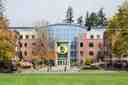
To spot the Charles H. Lundquist College of Business, look for a striking building with a huge glass front and an enormous yellow “O” right in the center, framed by brick wings and nestled behind a green lawn. Ah, welcome to the heart of Duck business! You’re standing before the Charles H. Lundquist College of Business-where deals are dreamed up, empires are imagined, and, yes, where someone once probably calculated just how many food trucks you could park on the campus quad. Imagine the buzz here when the doors swing open every morning: footsteps echo across the pavement, voices spill out of the glass atrium, and the Oregon rain sometimes taps at the windows like it wants in on a lecture. This isn’t just any college; this place has been cooking up the next generation of business minds since 1914! From humble beginnings, it’s now a buzzing hive of thinkers studying everything from how to count beans (also known as accounting) to building billion-dollar brands. It’s become one of the university’s true gems, nestled right inside the Lillis Business Complex-famous for a jaw-dropping glass front and, believe it or not, a state-of-the-art lighting system so cool it made the Wall Street Journal. Bet you didn’t think a bunch of light bulbs would get their own five minutes of fame, did you? But it’s not just about shiny gadgets or sleek architecture. Only about 5% of business schools worldwide get the gold star of AACSB accreditation, and Lundquist has been proudly waving its badge for its undergraduate and graduate programs for decades. The people here don’t just learn in classrooms-they roll up their sleeves with hands-on experience thanks to four creative “centers of excellence.” Ever heard of the Warsaw Sports Business Center? Lundquist had that up and running before most places even knew sports business was a thing! It’s now one of the top sports programs on the planet. You can practically feel the competitive energy wafting through the corridors-maybe mixed in with a blown whistle or two. The magic here comes from blending Oregon’s spirit of innovation-picture eco-friendly ideas, outdoorsy lifestyles, and the sense that anything is possible-with global business smarts, especially from the Pacific Rim. The dean, Bruce Blonigen, keeps the ship sailing smoothly, guiding programs like the Oregon MBA, which is so celebrated for sustainability it’s been called the “Green MBA.” Students from all over the world pack into its classrooms-some here for an MBA, others for a one-of-a-kind master’s in Sports Product Management, which, of course, you can also do from Portland or even online while juggling your career. There’s a one-year master’s in accounting, a fast-track master’s in finance, a practical program for non-business students, and even a doctoral program for those who want to think as deeply about business as one might overthink their pizza toppings. One of the highlights of the year is the New Venture Championship-a fierce startup competition where grad students pitch their wildest ideas, all for a shot at investment money and, let’s not lie, some serious bragging rights. And if you’re wondering just how high the ceiling is for an aspiring Duck business student, you’d do well to look at the alumni wall: we’re talking the likes of Phil Knight and Bill Bowerman-yes, Nike’s co-founders were Ducks! Plus intel presidents, fashion moguls, and sports execs who got their big break right under this glass roof. It’s not all Wall Street talk or caffeine-powered crunching of numbers, though. There’s plenty of mystery and a dash of quirky fun. For instance, before anyone can officially major in business or accounting, they have to complete the “Pre-Business” gauntlet-four essential business courses, 75 credits, and a perfect GPA. It’s a bit like finding the secret passage behind the bookcase, but with more spreadsheets. If you listen closely, you can almost hear the rustle of case notes, the buzz of business pitches, and maybe, just maybe, the clink of a celebratory coffee mug from the café inside. Now, if business deals were all sealed with a handshake and a donut, I’d be first in line! But that’s the kind of creative, collaborative, and forward-thinking energy you’ll find at the Charles H. Lundquist College of Business-where every day, there’s another story waiting to unfold. Exploring the realm of the about, programs or the organization and research? Feel free to consult the chat section for additional information.
Apri pagina dedicata →To spot The Pioneer, just look up and ahead for a tall bronze figure of a rugged, bearded man in old-fashioned frontier clothing, standing proudly atop a big rock, surrounded by…Leggi di piùMostra meno
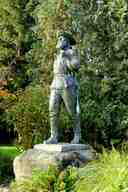
To spot The Pioneer, just look up and ahead for a tall bronze figure of a rugged, bearded man in old-fashioned frontier clothing, standing proudly atop a big rock, surrounded by lush greenery. Alright, traveler-imagine yourself standing in front of a legend cast in bronze, the figure’s chin held high, his rifle slung over one shoulder, and his coat rippling with the unseen wind that might’ve driven countless pioneers through this very valley. The Pioneer stands about thirteen feet tall-making many folks in Eugene feel like hobbits by comparison-and he once watched over the University of Oregon campus, right here between the trees and the thrill of campus life. The story of this statue starts with a wild hunt for “the real spirit of the West.” The artist, Alexander Phimister Proctor, didn’t want some Hollywood cowboy; he wanted the grit, the beard, the stained boots of a true pioneer. So, after searching for ten years (that’s right, ten years!) Proctor found his model in J.C. Cravens, an old trapper whose unruly hair and buckskin coat practically screamed “I’ve wrestled a bear for my breakfast.” Old Cravens was the inspiration for the statue you’re looking at-though, don’t worry, you’re not in any danger of surprise bear wrestling right now. This artwork has seen plenty of drama. When it was finally unveiled in 1919, the scene was bustling-students, settlers, even important folks from all over Oregon crowded around. The mood was electric. The statue was covered in canvas, and as T.G. Hendricks and his granddaughter pulled it away, for a shining moment, everyone held their breath. You could practically feel the tension in the air, the sense of history in the making. Now, Proctor and his friend Joseph Nathan Teal, who commissioned the statue, wanted this to be more than just a pretty face. The Pioneer was meant as a tribute to all settlers-men, women, families-who braved untold hardships coming to Oregon’s “paradise” where the Willamette and McKenzie rivers meet. The statue’s pose, fists clenched and head up, shows a determined wanderer ready for anything, set on a stone base chosen to look as weathered and tough as a pioneer’s own soul. Right from the start, the statue’s location was the result of high-level planning. It was placed facing south, so sunlight would always shine directly on the pioneer’s proud face and chest, and surrounded by Oregon fir trees. But if you think campus life is all peace and contemplation, think again. Over the years, the statue saw its share of student pranks and rowdy rivalries. Picture Halloween night, 1963: the “Pioneer Father”-as people started calling him after a companion Pioneer Mother statue was planned-wakes up decorated with arrows sticking out like a pincushion and a tomahawk jammed in his head. Talk about wild school spirit. And don’t even get me started on the tense moments before big football games. Students from rival schools would slink around at night, aiming to cover the Pioneer with orange paint or who knows what, sparking campus-wide cleaning frenzies that probably made the janitors nostalgic for quieter days. As times changed, the Pioneer became a lightning rod for controversy. To some, he represented the triumph and adventure of Oregon’s founding families. To others, the statue came to symbolize the darker side of westward expansion-settlers moving in where Native peoples already lived, and the hardships and harms that followed. By 2019, voices grew louder. Protests filled this space, especially from students in the Native American Students Union, who marked the hundredth anniversary by calling for the statue’s removal. Tensions rose as questions of representation, memory, and justice swirled in campus air along with the spring pollen. On a fateful June day in 2020, after a protest rally, a group pulled the statue down themselves, dragging it to Johnson Hall. Not long after, both the Pioneer and the Pioneer Mother statues were packed up and rolled into storage, leaving a patch of empty grass and the echoes of all those strong feelings. So as you stand here today, you’re looking at a little slice of Oregon’s soul-proud, complicated, and full of stories that refuse to stay buried. The Pioneer watched almost a century of history, pranks, protests, and everything in between. Whether you’re inspired by his courage or questioning his place in the story, one thing’s for sure: he’s never been just another face in the crowd. Now-how about we keep rolling through Eugene? The next legend is waiting just ahead. Curious about the creation and design, location or the naming? Don't hesitate to reach out in the chat section for additional details.
Apri pagina dedicata →To spot the Jordan Schnitzer Museum of Art, look for a striking brick building with detailed geometric patterns and an ornate arched doorway-right in front of you, topped with…Leggi di piùMostra meno
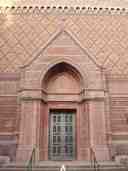
To spot the Jordan Schnitzer Museum of Art, look for a striking brick building with detailed geometric patterns and an ornate arched doorway-right in front of you, topped with carved faces and thoughtful inscriptions. Now, let’s step back in time-imagine it’s 1933, and people are flocking to this very doorway, buzzing with excitement to see something truly extraordinary: Eugene’s brand-new Museum of Art. Designed by the legendary Ellis F. Lawrence, the dean of Architecture & Allied Arts, this building was much more than just a pile of bricks. It was crafted as a crown jewel for the University of Oregon, nestled into its celebrated “main university quadrangle”-though let’s call it the Memorial Quadrangle today. Now look for a bit of practical magic: back then, the museum showed off state-of-the-art climate control, perfect for keeping all those priceless works of art comfy-even in Oregon’s infamous drizzle! But the real star was Gertrude Bass Warner, the museum’s first director and a total whirlwind of energy and vision. She wasn’t just a collector-she was a passionate ambassador of Asian art, determined to build bridges between cultures. She transformed a treasure trove of more than 3,700 pieces-mostly Asian art-into what she hoped would be a blessing for Eugene. Picture classrooms filled with students learning about Japanese screens, Chinese scrolls, and ceramics, all thanks to Warner’s dreams. Her wish was that these collections would teach not only about art, but about kindness, peace, and friendship-values you can practically feel humming around the courtyard. The museum didn’t stand still. Between 2002 and 2005, it got a major makeover, thanks in part to Jordan D. Schnitzer, whose support gave the museum its current name and a new lease on life. So if you’re feeling inspired, you’re not alone! The museum’s mission is to spark curiosity for visitors of every age, background, and learning style-a true choose-your-own-art adventure. Step closer and check out those inscriptions on the west facade-quotations from Proverbs above the door, Plato chiming in on one end, Lao Tzu smiling on the other, and a heartfelt passage from Psalms in the cornerstone. Inside, the walls are alive with art from across the globe, from vintage Cuban photography to contemporary voices tackling modern movements. You’re standing at one of the most culture-packed doorways in Eugene, thanks to a vision that’s been almost a century in the making. The next big idea-or surprise-could be just inside those doors! Interested in knowing more about the branches, exhibits or the inscriptions
Apri pagina dedicata →To spot the Knight Library, look for a long, ornate brick building with tall windows and stone faces peering down from above each window, plus Latin words carved just beneath the…Leggi di piùMostra meno
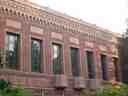
To spot the Knight Library, look for a long, ornate brick building with tall windows and stone faces peering down from above each window, plus Latin words carved just beneath the roofline. Alright, bibliophiles and campus explorers, you’ve just arrived at the heart of intellectual adventure: the Knight Library! Standing before you now, picture yourself back in 1937. The air is buzzing-not just with the excitement of a brand-new building, but with the dull thud of hammers and the boom of construction. You’re witnessing the birth of a masterpiece: a marvel of Art Deco architecture topped with bands of mysterious human faces, each one quietly guarding the knowledge inside. This isn’t just any library. Its grand design shapes the very soul of the University of Oregon campus, thanks to genius architect Ellis F. Lawrence-the same Lawrence who dreamed up so much of the university’s look and who was the very first Dean of the School of Architecture and Allied Arts. He didn’t want a boring box full of books. No, sir! He gave you seven huge windows etched with Latin-Philosophia, Historia, Religio, Ars, Natura, Societas, Litterae-each a window into a major realm of human learning. Step a little closer and you’ll also spot inscriptions above the doors promising you, "Ye shall know the truth,” and, “the truth shall make you free.” Now that’s setting the academic bar pretty high. Let’s fast-forward a bit. Time marches on and the Knight Library keeps growing. By the 1950s and ’60s, the student body is booming, and so is the collection. What began with a few shelves soon balloons to over 3 million volumes, plus rare manuscripts, photographs, and even architectural drawings in the Special Collections and University Archives. You can almost hear the sound of pages turning and ideas colliding inside. By the 1990s, the library faces another pivotal moment-imagine the commotion as renovations worth $27 million transform this space, adding a whopping 132,000 square feet. And who chips in? None other than Phil Knight, the legendary co-founder of Nike. But get this-a common myth says he paid for everything, but really, the state government covered most of the bill. Sorry, sneakerheads! It isn’t always sunshine and quiet reading, though. In 2020, the Knight Library makes headlines for controversy over a mural and heated debates about campus history and values. Staff take action to cover parts of the mural, proving that even a grand old library like this can be at the center of big, important conversations. Today, Knight Library isn’t just bricks, windows, and ancient statues. It’s a living, breathing hub for more than 20,000 students, a safe haven during finals, and a treasure chest of quirky facts and stories. So, as you stand here, take in the sweep of history, think about everyone who ever came here searching for answers, and remember-“Who asks, finds.” That means, if you don’t know where the bathrooms are, just ask someone inside! Interested in knowing more about the collections, architecture and inscriptions or the national register of historic places
Apri pagina dedicata →To spot McArthur Court, look ahead for a tall, beige, fortress-like building with many vertical windows and big exposed steel beams arching over the roof, sitting right behind a…Leggi di piùMostra meno
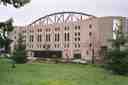
To spot McArthur Court, look ahead for a tall, beige, fortress-like building with many vertical windows and big exposed steel beams arching over the roof, sitting right behind a patch of grass and a few trees. Alright, take a deep breath and let your eyes drink in the sight of this historic giant: McArthur Court, the old “Pit”-a name that fits because the energy inside could swallow you whole! Imagine it’s game night in the late 1970s. The rain’s drumming on your jacket. Students in green and yellow are lined up outside, buzzing like bees. As you step inside, the scent of popcorn and hardwood fills the air. You head up narrow stairs as the roar from above rumbles through your bones-because here, the stands are almost stacked right on top of the court. The floor is maple and actually bounces beneath you, thumping under the weight of students stomping and chanting. Sporting News once called this the “best gym in America,” and writer Bill Kintner said just standing here would give you chills, even if no one’s playing. The arena’s personality is bigger than life, almost like it’s daring you to try and play cool-here, the air crackled every time the Ducks ran onto the court, especially when they faced #1 UCLA and sent them packing, not just once, but in two epic upsets in the ‘70s, and again in 2007. There’s history oozing from every wooden inch-this is where Ron Lee, Fred Jones, Luke Ridnour, and so many Duck legends became part of the Oregon lore. But “Mac Court” is more than basketball. Picture it: 1976, Elvis Presley shakes the rafters with his hips. Two years later, the Grateful Dead jam here, and you might swear the floor bounced extra high that night. Even the Clash showed up in ’84-no wonder the building seems to hum with secrets. And don’t forget the OSAA high school state tournaments-year after year, the stage for hardwood dreams. You want hard numbers? Try 116 points scored, 77 rebounds grabbed, and one time, 68 fouls called in a single game. Those walls have seen the drama: shouts of victory, groans of defeat, and a never-ending thump-thump of basketballs echoing down the decades. Why is it named McArthur Court? It honors Clifton “Pat” McArthur, a congressman, a duck, and the school’s first student body president. And the building was paid for by a $15 student fee-when the debt was all gone, they held a ceremony burning the mortgage papers right on site. Now, teams have moved to the Matthew Knight Arena, but if you close your eyes and listen, maybe you’ll still hear echoes from those wild nights: sneakers squeaking, fans thundering, legends being made.
Apri pagina dedicata →To spot Jane Sanders Stadium, just look for the big, modern structure with a dramatic V-shaped roof supported by bold yellow beams and the words “JANE SANDERS STADIUM” in large…Leggi di piùMostra meno
To spot Jane Sanders Stadium, just look for the big, modern structure with a dramatic V-shaped roof supported by bold yellow beams and the words “JANE SANDERS STADIUM” in large gold letters above the stands-if you see a crowd with green and yellow, and the distinct outline of a softball diamond, you’ve found it! Now, let’s step up to the plate for a story that smacks of love, legacy, and a whole lot of Ducks spirit. This isn’t just any softball stadium-this is “The Jane,” the gleaming heart of Ducks softball, built right where decades of University of Oregon history took root. Imagine standing on ground where echoes of cheers and crackling bats stretch back to the days before color television, or even “Duck Dynasty” reruns. This stadium’s story actually starts long before 2016. Let’s rewind to a scrappier era: Howe Field, a rough-and-ready diamond built in 1935 with a tidy $10,000 grant from the Works Progress Administration. For most of its life, Howe Field was more “backyard barbecue” than “state-of-the-art ballpark.” No dugouts, no bathrooms, a press box smaller than most Portland coffee shops, and players mowing the outfield grass themselves. If the ghosts of past Ducks ballplayers are still hovering, they’re probably looking on in awe-and relief-that they no longer have to make bathroom runs during the third inning! For years, the Ducks’ women’s softball program nomadically hopped from spot to spot-Amazon Park, green patches near Pioneer Cemetery, and eventually a rough patch south of Hayward Field. By the late ‘80s, just as big hair and neon windbreakers were peaking, the team finally landed at Howe Field. There, with portable toilets for locker rooms and a streak of Duck grit, they transformed a humble field into a little Fenway of the Northwest-running on heart, hustle, and the occasional well-placed extension cord for the TV lights. But the winds of change came swirling in, and standing in the center was Bob Sanders-a former Ducks football player and Eugene alum with sawdust in his veins (courtesy of a thriving lumber business) and a whole lot of love for his late wife, Jane Sanders. Jane was a Ducks superfan, a Pi Beta Phi at UO, a cheerleader, and, according to local legend, probably the loudest high-fiver at every game she attended, grandkids in tow. When Jane passed, Bob decided to turn his love and their Ducks spirit into something lasting. He kicked off the stadium fund with a dazzling $10 million donation, eventually topping it up so that this field could become one of the premier venues in all of college softball. In 2016, after years of anticipation, Jane Sanders Stadium opened with fanfare, drawing praise from ESPN and Ducks fans alike. It wasn’t just a transformation-it was a total reinvention. Suddenly, there were permanent seats (1,500 strong at first, then up to 2,500), a grandstand shaded by that signature canopy, luxury suites, indoor training facilities, sparkling restrooms, and a videoboard so big it could play epic highlight reels visible from a mile away. Even the outfield got a makeover: artificial turf to survive those legendary Eugene rain showers, paired with a clay infield for tradition’s sake. But this place is more than steel, turf, and a killer sound system. Bob Sanders, continuing his tribute, popped in a “grand slam” donation so they could build “The Bob”-a permanent outfield seating section, bathrooms, and another snack stand, because cheering for the Ducks works up an appetite! Hidden in the present-day sparkle, the historic cast-iron gates from Howe Field still stand here, silent bouncers watching every new hero step up to the plate. Close your eyes and you might hear the ghosts of old games, the thumping feet of Jane Sanders herself running up the steps, grandkids tugging at her coat, and the ever-present chorus of “Go Ducks!” Jane Sanders Stadium isn’t just a venue-it’s an enduring love letter to grit, family, and the simple power of softball to bring people together. So take a breath, look around, and let the spirit of “The Jane” work its magic-you’re standing in the heart of Ducks country, where every pitch tells a piece of Oregon’s story.
Apri pagina dedicata →

Domande frequenti
Come inizio il tour?
Dopo l'acquisto, scarica l'app AudaTours e inserisci il tuo codice di riscatto. Il tour sarà pronto per partire immediatamente – tocca play e segui il percorso guidato dal GPS.
Ho bisogno di internet durante il tour?
No! Scarica il tour prima di iniziare e goditelo completamente offline. Solo la funzione chat richiede internet. Ti consigliamo di scaricare tramite WiFi per risparmiare dati mobili.
È un tour guidato di gruppo?
No – è un tour audio autoguidato. Esplori in autonomia al tuo ritmo, con la narrazione audio riprodotta dal tuo telefono. Nessuna guida, nessun gruppo, nessun orario.
Quanto dura il tour?
La maggior parte dei tour richiede 60–90 minuti, ma sei tu a controllare il ritmo. Metti in pausa, salta le tappe o fai pause quando vuoi.
E se non riesco a finire il tour oggi?
Nessun problema! I tour hanno accesso a vita. Metti in pausa e riprendi quando vuoi – domani, la prossima settimana o il prossimo anno. I tuoi progressi vengono salvati.
Quali lingue sono disponibili?
Tutti i tour sono disponibili in oltre 50 lingue. Seleziona la lingua preferita quando riscatti il codice. Nota: la lingua non può essere cambiata dopo la generazione del tour.
Dove accedo al tour dopo l'acquisto?
Scarica l'app gratuita AudaTours dall'App Store o Google Play. Inserisci il codice di riscatto (inviato via email) e il tour apparirà nella tua libreria, pronto per essere scaricato e avviato.
Se il tour non ti piace, ti rimborseremo l'acquisto. Contattaci a [email protected]
Pagamento sicuro con 


