
Audioguida di Spalato: Un'Odissea Sacra e Culturale
Un imperatore un tempo si nascose dai suoi suoi nemici dietro mura di pietra ora brulicanti di segreti sotto il sole mediterraneo di Spalato. Antichi cancelli scricchiolano aprendosi a storie sepolte nel marmo e sussurrate lungo vicoli ombrosi. Questo tour audio autoguidato conduce in profondità a Spalato, oltre le folle di turisti, svelando storie al Palazzo di Diocleziano, al monastero benedettino di Sant'Arnira, al Salon Galić e ad angoli nascosti trascurati dalla maggior parte. Ogni tappa svela strati di intrighi, ribellioni e gloria svanita. Le porte di ferro del palazzo proteggevano un tempo una fuga disperata? Quali chiostri silenziosi furono testimoni di voti proibiti avvolti nel mistero? Quale dipinto incompiuto all'interno del Salon Galić scatenò uno scandalo locale di cui nessuno parla? Attraversa vicoli dove gli echi di antiche lotte di potere si scontrano con la vita quotidiana. Supera mosaici e pilastri nel cuore di Spalato, per sempre alterato da segreti pronti per essere svelati. Svela le profondità nascoste della città. Il tuo viaggio nell'anima drammatica di Spalato inizia ora.
Anteprima del tour
Informazioni su questo tour
- scheduleDurata 40–60 minsVai al tuo ritmo
- straighten1.9 km di percorso a piediSegui il percorso guidato
- location_on
- wifi_offFunziona offlineScarica una volta, usa ovunque
- all_inclusiveAccesso a vitaRiascolta quando vuoi, per sempre
- location_onParte da La chiesa e il monastero di Santa Caterina (San Domenico) a Spalato
Tappe di questo tour
You’ll spot the church by its solid rectangular stone walls and simple entrance, with a cross perched right on top-just look for the building with tall, narrow windows at the edge…Leggi di piùMostra meno
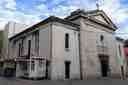
You’ll spot the church by its solid rectangular stone walls and simple entrance, with a cross perched right on top-just look for the building with tall, narrow windows at the edge of the city market. Welcome! You’re standing at the very edge of Split’s lively marketplace, but not just in any old spot-you’re beside the Church and Monastery of St. Catherine, also known as St. Dominic. Now, imagine this spot way back in the medieval days, when monks shuffled quietly through the corridors and bells chimed through the morning air. The original church was actually here even earlier, all the way back in the 5th or 6th century! Sadly, that church got knocked down during the city’s fortifications in the Great Kandian War. But never fear, Split is a city that simply refuses to give up-after the war, from 1666 to 1682, the church and monastery were reborn in grand Baroque style, rising up even more elegant than before. The look you see now, though, is thanks to some ambitious renovations in the 1930s-so the old bell tower had to say goodbye. During World War II, the monastery suffered damage from bombing raids, but locals patched it up and brought back its gentle charm. If you take a peek inside, you’ll spot Baroque altars and vibrant paintings by famous artists like Matija Ponzoni and Sebastiano Devita. The church and monastery are considered such treasures that they’re officially protected as cultural heritage-think of it as Split’s VIP list for historic buildings!
Apri pagina dedicata →To spot the Bronze Gate in front of you, look for a small arched entrance built into the pale, ancient stone wall, squeezed between pastel-colored buildings right at street…Leggi di piùMostra meno
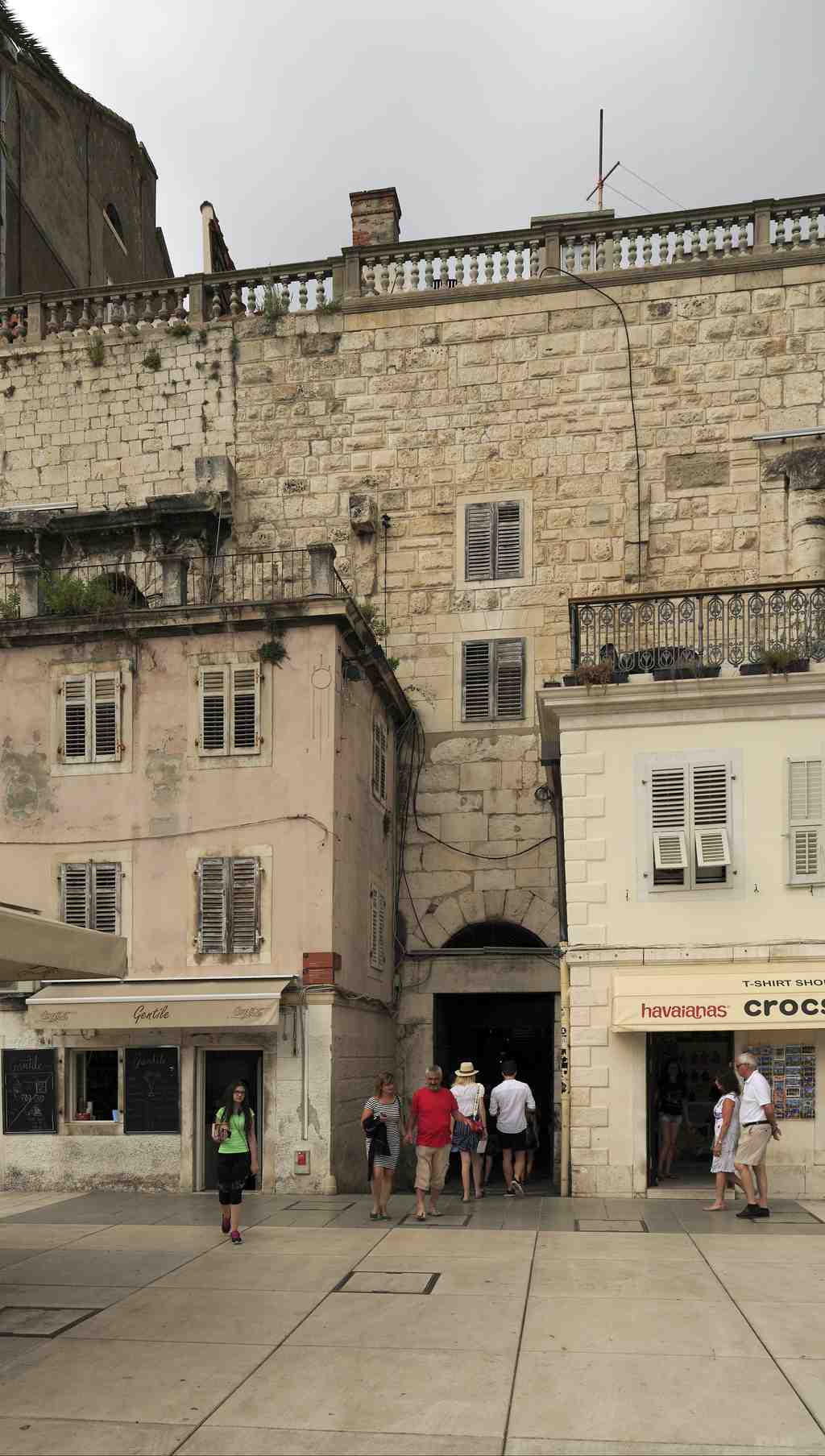
To spot the Bronze Gate in front of you, look for a small arched entrance built into the pale, ancient stone wall, squeezed between pastel-colored buildings right at street level. Alright, friend, welcome to the Bronze Gate, the secret back door of Diocletian’s Palace - or, as I like to call it, the VIP sea entrance! Imagine standing here nearly 2,000 years ago, when instead of a busy promenade behind you, the salty sea waves would’ve lapped right up to these very stones. Picture ships gliding across the water, Roman sailors shouting out in Latin, and-most importantly-the emperor himself arriving in style by boat, cape billowing and sandals probably a bit damp. This gate was his private walkway, connecting straight from the docks into his imperial home. I always say, if you need to sneak off for a royal midday snack, the Bronze Gate was your best bet! Back then, Split didn’t have today’s lively Riva; it just had the endless, blue Adriatic right outside. The basement rooms you see above this arched gate? They weren’t storing old Christmas decorations-they acted like the palace’s secret tunnels, letting the emperor and his closest folks slip right in and out. No guards, no fanfare, just a dash of Roman mystery. Fast forward to the Middle Ages, and this gate earned its nickname “Security Gate.” If you were trapped inside the fortress during a siege, this tiny arch was your escape hatch-straight to your waiting boat, no dramatic movie music required. Talk about an emergency exit with a view! These days, the Bronze Gate has shed its secrecy and is Split’s busiest entrance. Tour groups pour through, the Riva hovers just behind, and the salty air still lingers. So, as you pass under its modest arch-look up, take a breath, and let the atmosphere of all those centuries soak in. Just remember: if you suddenly feel like an emperor, you’re not the only one! Now, ready to step into the palace proper?
Apri pagina dedicata →
Mostra altre 10 tappeMostra meno tappeexpand_moreexpand_less
To spot the Split Synagogue, look down the narrow Židovski Prolaz-Jewish Lane-where you’ll find a modest stone building tucked between ancient palace walls, its entrance simple…Leggi di piùMostra meno
To spot the Split Synagogue, look down the narrow Židovski Prolaz-Jewish Lane-where you’ll find a modest stone building tucked between ancient palace walls, its entrance simple and easy to miss unless you’re really peeking into those nooks and crannies. Now, as you stand in this quiet little alley, close your eyes for a second and imagine the sounds of footsteps echoing off stone, whispers of secret stories brushed along the centuries-old walls. You’re standing in front of one of the oldest Sephardic synagogues still in use today, built back in the early 1500s by Jews who had just arrived from Spain and Portugal, desperate to find a safe home as the Inquisition swept through their homelands. Their courage, hope, and faith are all tucked into these stones, quite literally-because this synagogue was carefully built right into the mighty western wall of Diocletian’s Palace, hiding in plain sight. Picture Split 500 years ago: the bustling city outside, but here in this lane, Jewish families quietly building a life. The year is 1507 when their first synagogue burns down in a fire-talk about a trial by fire-and the community comes together to build this very synagogue. The city’s Jewish population was a patchwork quilt by then: Ponentine Jews from Spain and Italy, Levantine Jews from further east. And all of them carving out a new chapter inside these palace walls. You might chuckle, but one of Split’s most famous Jewish residents was Daniel Rodriguez, who created a warehouse empire moving goods from the Orient to Venice. Not bad for a man who started with nothing but a suitcase, a dream, and probably a very sturdy pair of sandals. But not all the history here is peaceful. In World War II, this synagogue witnessed its darkest days. Italian Fascists stormed in, burning precious scrolls and books right in the main square, erasing lifetimes of memories in one awful flash. The Nazis and Ustaše followed, deporting most of Split’s Jews. Over half would not make it back. After the war, though, the synagogue was restored, and amazingly, the spirit of the community never faded. Inside these walls today, you’ll find not just a place of prayer but the heart of Split’s Jewish community. And if you wander up Marjan Hill, you’ll find the old Jewish cemetery-700 tombstones telling stories with Hebrew, Italian, and Croatian letters, each one a memory set in stone. So, standing here, take a moment-listen for echoes of prayers, laughter, and maybe the distant clatter of ancient traders’ carts. The synagogue has stood through flame, sorrow, celebration, and survival. That’s one well-built legacy, wouldn’t you say?
Apri pagina dedicata →To spot the Jesuit Monastery and Church of the Sacred Heart of Jesus, look for a large stone building with a red-tiled roof, surrounded by a low stone wall and a garden, right…Leggi di piùMostra meno
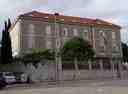
To spot the Jesuit Monastery and Church of the Sacred Heart of Jesus, look for a large stone building with a red-tiled roof, surrounded by a low stone wall and a garden, right across from the street with a Croatian flag fluttering out front. Standing before this stately neostyle building, you’re looking at more than a century of Split’s hidden spiritual heart. Built in 1898, architect Josip Slade designed it to resemble a grand U-shaped embrace-it’s as if the building itself wants to welcome you with open arms. Imagine the busy sounds of carriages clattering along Manuška poljana in the late 1800s, and the gentle as townsfolk stepped into the peaceful garden. The church once boasted a sprawling backyard, perfect for reflection, though a bit of it has been nibbed away by new buildings over the years. Peek through the window shutters and picture the vaulted ceilings and sparkling chapel treasures inside-a secret jewel still lovingly cared for. Fun fact: the building is so cherished, it’s protected as a piece of Croatia’s sacred heritage. Sometimes people joke that if you listen very carefully, you can still hear the whisper of prayers echoing from the chapel, bouncing around those thick stone walls. Even if you’re not looking for miracles, you’ll find a little serenity right here.
Apri pagina dedicata →To spot the Dobri Primary School, look for a large, solid two-story cream-colored building with a flat roof, rows of tall windows with brown shutters, and a Croatian flag waving…Leggi di piùMostra meno
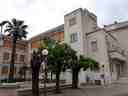
To spot the Dobri Primary School, look for a large, solid two-story cream-colored building with a flat roof, rows of tall windows with brown shutters, and a Croatian flag waving near the main entrance, right next to palm trees and playful lamp posts. Here in front of you stands the Dobri Primary School, the pride of Kliškoj Street! Imagine the year is 1930-dust still swirls from construction work, and you’re surrounded by the energetic shouts of children, lined up by the gate, eager to fill new classrooms. This building isn’t just any school; this was a bold experiment in modern design by architect Josip Kodl. Back then, the concept was revolutionary: two separate wings-one buzzing with boys, the other ringed with the laughter and secrets of girls. At the heart was a grand gymnasium, perfect for whizzing basketballs and (let’s be honest) the occasional mischievous prank. The structure itself might not look fancy, but it’s a masterclass in international modernism-practical, bright, and strong, built to last for generations. It’s made of reinforced concrete, which was high-tech back in the day. The wooden windows, big and geometric, let in streams of sun while every corridor buzzed with new ideas. The headmasters even had their own private apartments tucked away, letting them keep an ever-watchful eye-no sneaking out lessons from here! Today, Dobri Primary School is a protected cultural monument, a “profane” bit of architectural heritage that’s witnessed almost a century of schoolyard games, tearful first days, and the steady march of eager young minds. If buildings could talk, just imagine the stories this one would tell-although, it might start with, “No running in the halls!”
Apri pagina dedicata →Just ahead on your left, look for a sleek, modern facade with large glass windows and a crisp white sign above the entrance reading Salon Galić-it’s right at 3 Marmont Street,…Leggi di piùMostra meno
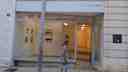
Just ahead on your left, look for a sleek, modern facade with large glass windows and a crisp white sign above the entrance reading Salon Galić-it’s right at 3 Marmont Street, blending art and architecture amidst the classic stone walls of Split. Alright, take a deep breath and imagine the gentle hum of Marmont Street behind you. You’re now standing at the very heart of Split’s artistic soul-Salon Galić, the city’s oldest and most cherished exhibition space. It might look quiet from the outside, but oh, if these walls could talk! Established way back in May 1924 by the enterprising Ivan Galić, who hailed from Hrvace, Salon Galić was once the only beacon of the arts in Split during those uncertain years between World War I and II. Imagine a time when artists had to display their precious creations in shop windows, theatre foyers, or even the odd room in the Bishop’s Palace-not exactly your dream gallery, right? But Ivan Galić saw Split’s need for something more. On its grand opening day, May 31st, 1924, locals flocked here to see works by Angjeo Uvodić and Emanuel Vidović-paintings and playful caricatures lighting up the modest gallery. The street outside was likely filled with the chatter of hopeful artists and curious townsfolk, many of whom, in an era when literacy was rare and cash was tight, still managed to dig deep to support their fellow creative spirits. Back then, the ground floor you see here didn’t exist yet. In 1925, the gallery found its home in this very spot, squeezed between the stately Prokurative high-rise and the fancy Duplančić house-an Art Nouveau neighbor that gave Galić an extra corner for his Salon. There have been many facelifts over the years: first a brick façade, then, in 1940, these wide welcoming windows emerged, offering passersby tantalizing views of art that begged to be admired. In 1963, under the eye of architect Berislav Kalogjera, the whole place was reinforced with modern touches-a little nod to post-war optimism with a sleek, recessed entrance you just walked up to. Step closer and picture the crowds of the past: the legendary poet Tin Ujević, who once crowned Galić as “the chef of taste,” artists smoking and trading stories, ambitious young men and women determined to shake up the Croatian art world. Through the roaring twenties, thirties, and beyond, the Salon showcased soon-to-be heavyweights like Ivan Meštrović, Antun Motika, and the revolutionary Earth Group. Imagine the whispers of excitement and maybe a touch of scandal as bold political commentary and wild new art burst from these walls. When the Oblik group arrived from Belgrade in 1930, with their French-inspired canvasses, the town’s mayor was so impressed he bought entire collections on the spot! Even when times got tough, like during World War II, the gallery was a survivor. It paused, yes, but artist spirit always returns; by summer 1945, the Salon’s doors reopened, and the tradition of dazzling exhibitions continued. From 1946 to 1949, every May 1st was marked by major shows that kept hope and creativity alive. As the decades rolled by, the torch was passed to the Croatian Association of Visual Artists. Since 1961, they’ve turned Salon Galić into a global hotspot, hosting not just Croatian maestros but artists from Norway, Japan, Spain, and beyond. With more than a thousand exhibitions under its belt and international events like the Splitgraphic Biennial lighting up its calendar, this little spot keeps making big waves. If you listen closely, maybe you’ll hear the echoes of art auctions raising money for children in local hospitals, or the playful arguments of critics at one of the Radoslav Putar Award nights-the kind of banter only artists can pull off! And talk about being a trendsetter: even before Split’s Fine Arts Gallery was up and running, Salon Galić was already the place where artist dreams came true, launching luminaries and introducing the city to masterpieces like France Kralj’s “Jajčarice”-a painting so ahead of its time, it got a heroic comeback for the gallery’s latest centennial retrospective. Celebrating its 100th birthday in 2024, the gallery shone even brighter thanks to the creative minds of Sandi Bulimbašić and Jasminka Babić. So next time you walk by, let your imagination fill these glass walls: think of inspired painters, colorful caricatures, poets with wild hair and even wilder ideas, plus fans streaming in for a peek at the next big thing. After all, as any artist will tell you, a true gallery isn’t just a room full of pictures-it’s an ever-bursting cauldron of possibility, mischief, and a little taste of magic.
Apri pagina dedicata →To spot the Croatian House, just lift your eyes to this elegant building with grand cream-colored columns and decorative faces above the windows-standing tall right in front of…Leggi di piùMostra meno
To spot the Croatian House, just lift your eyes to this elegant building with grand cream-colored columns and decorative faces above the windows-standing tall right in front of you on Kamilo Tončić-Sorinj street. Now, standing in front of this eye-catching Art Nouveau masterpiece, close your eyes for a moment and imagine Split bubbling with energy at the turn of the 20th century. The year is 1908, and the Croatian House bursts onto the scene, designed by Kamilo Tončić pl. Sorinj, whose name is still written on this very street. When this building opened, some people loved its daring curves and whimsical faces, and others thought, “Are we in Vienna now?” But no matter which side they took, everyone agreed: this was something new for Split. The Croatian House was born out of a dream shared by the town’s most passionate thinkers, gymnasts, readers, and even firefighters! The local Croatian Falcon group-think of them as athletic nationalists in feathers, if falcons wore tights-launched the idea back in 1896. The plan: create a true gathering hub for all the city’s Croatian cultural and sports societies. The goal was bold, too: unite Dalmatia with the rest of Croatia, make the Croatian language the heart of town, and foster a spirit of national pride. Can you picture the lively debates echoing through the newly finished halls? The shuffle of papers, the stomping of determined boots, and plenty of singing, too. The Croatian House quickly became the main stage for the city’s rising artists, ambitious musicians, and those ever-eager gymnasts. Before the din of World War I swept over Europe, the building was alive with the sounds of orchestras, choirs, and even the First Dalmatian Art Exhibition-a shimmering moment that fueled the founding of the Croatian Artistic Society Medulić and planted the seeds for a grand Gallery of Fine Arts. Oh, and don’t forget: just a few years later, in 1911, the iconic football club HNK Hajduk was born right here! Not to be outdone, the rowers of VK Gusar and sailors of JK Jadran also called this place their birthplace-a real sporting triple threat. But the world would change, and so would Croatian House. After World War I, the air around here began to feel heavy. New rulers, new rules, and national groups were thrown off balance. In 1929, under a new dictatorship, all clubs with “Croatian” in their name suddenly found themselves persona non grata. The Croatian Sokol? Gone, with a last proud group photo and a rousing performance of the Croatian national anthem. After that, the halls echoed with the voices of Sokol groups loyal to the new Yugoslav state. They even set up a puppet theater in 1933-imagine, on this very stage, wooden marionettes putting on shows for awestruck post-war children! World War II tossed another wrench into the works. During the 1942 Italian occupation, the elaborate Art Nouveau decorations-masks, garlands, and flourishes-were stripped from the façade and great hall. After the dust settled, the former Croatian House became the “Home of Youth.” It was a bit like musical chairs in the decades that followed. Ballerinas rehearsed upstairs, blind associations met in cozy rooms, football legends trained for winter matches, and high-spirited students clattered through the building. For a while, the mighty “Partizan” athletic club made the big hall their headquarters. But Split never forgets its roots. In 2005, inspired artists and city officials launched an ambitious plan to return the Croatian House to its full Art Nouveau glory. Restoration began in 2017, and by 2019, that stunning façade you see now was ready to dazzle the city again. By December 2020, music soared once more from these elegant halls as the Croatian House reopened, brighter and prouder than ever-a grand reopening nearly 120 years in the making! So as you look up at those ornate faces and stately columns, realize you’re standing in front of a building that’s not just a landmark, but a living, breathing piece of Split’s soul. When you walk by, let history whisper in your ear-and maybe give a little wave to the ghosts of artists, athletes, and dreamers past!
Apri pagina dedicata →You’re looking for a grand, sunny-yellow building right ahead, topped with statues and classic columns, with three big arched windows and a row of small white stone balusters…Leggi di piùMostra meno
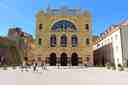
You’re looking for a grand, sunny-yellow building right ahead, topped with statues and classic columns, with three big arched windows and a row of small white stone balusters running across its balcony-just look for the most theatrical façade in the neighborhood! Now, picture yourself here in Split, sometime back in 1893-the city was buzzing, a fresh new theatre was about to open its doors. You can almost hear the swish of silk skirts and the excited chatter of people gathering by this very building-back then, this theatre could seat a thousand, when Split had only sixteen thousand souls in total! It was designed by two local architects, Vecchietti and Bezić, who seemed determined to outdo every other theatre in Southeast Europe. At the time it opened, this place was not just big-it was the biggest in the region, a true giant by local standards! If you stood here in those days, you might have caught a whiff of freshly cut wood or wet paint coming from inside, the place alive with anticipation, its fancy interior decorated by a trio of renowned artists: Scomparini, Cozzi, and Varvodić. In its early days, it wasn’t local actors gracing the stage, but traveling troupes-most of them Italian-filling the air with song, laughter, and the occasional dramatic gasp. Imagine people marveling at the performances, the applause bouncing off the grand walls. Almost thirty years passed before Split earned its own professional troupe. In 1920, the theatre was revamped and renamed the Dalmatian National Theatre, ready to become something the entire city could call its own. Now, the script gets dramatic! In 1928, the theatre was merged with Sarajevo’s National Theatre under a cumbersome new title-and as if the paperwork wasn’t enough excitement, the authorities decided to disband the actors’ ensemble. Cue a dramatic silence-and then, the music swells! Artist Ivo Tijardović and his friends simply refused to let the show end. They formed their own society, singing opera and operettas well into the 1930s, making sure creativity flourished even without official approval. That’s real Dalmatian spirit for you! But wait, there was even more drama ahead. In 1940, the theatre was reborn yet again-this time, not just as a venue for drama, but also for opera and ballet. The city could finally feel proud: Split now had a true cultural powerhouse. But war has a knack for interrupting things just when they get good. In 1941, during World War II, the theatre fell silent as Split found itself under Italian occupation. The beautiful building closed its doors, its halls echoing with memories of music and applause. Still, like any good story, this one had a triumphant comeback. When the war ended, the theatre sprang back into life-on July 1st, 1945, the people of Split watched its rebirth, their hearts likely pounding as the stage lights flickered on again. But even then, fate wasn’t quite done. In 1970, fire swept through the building-imagine flames licking up those yellow walls, the smell of smoke on the breeze, the city holding its breath. Performers scattered to other venues, but the spirit of the theatre refused to die. After a long ten-year wait-and I mean, even Croatian grandmothers were probably counting the days-the rebuilt theatre finally opened again in 1980! Today, standing here, you might still catch that contagious energy-every year, HNK Split puts on some 300 performances and welcomes 120,000 theatre lovers. Between the famous Splitsko ljeto-a summer festival that turns the city into a stage-and the Marulićevi dani, which celebrates Croatia’s greatest playwrights, this yellow beauty is where Split goes when it wants to dream, to laugh, and to remember it is always, at heart, a city of performers. Now, shall we take our seats? The show must go on!
Apri pagina dedicata →

Domande frequenti
Come inizio il tour?
Dopo l'acquisto, scarica l'app AudaTours e inserisci il tuo codice di riscatto. Il tour sarà pronto per partire immediatamente – tocca play e segui il percorso guidato dal GPS.
Ho bisogno di internet durante il tour?
No! Scarica il tour prima di iniziare e goditelo completamente offline. Solo la funzione chat richiede internet. Ti consigliamo di scaricare tramite WiFi per risparmiare dati mobili.
È un tour guidato di gruppo?
No – è un tour audio autoguidato. Esplori in autonomia al tuo ritmo, con la narrazione audio riprodotta dal tuo telefono. Nessuna guida, nessun gruppo, nessun orario.
Quanto dura il tour?
La maggior parte dei tour richiede 60–90 minuti, ma sei tu a controllare il ritmo. Metti in pausa, salta le tappe o fai pause quando vuoi.
E se non riesco a finire il tour oggi?
Nessun problema! I tour hanno accesso a vita. Metti in pausa e riprendi quando vuoi – domani, la prossima settimana o il prossimo anno. I tuoi progressi vengono salvati.
Quali lingue sono disponibili?
Tutti i tour sono disponibili in oltre 50 lingue. Seleziona la lingua preferita quando riscatti il codice. Nota: la lingua non può essere cambiata dopo la generazione del tour.
Dove accedo al tour dopo l'acquisto?
Scarica l'app gratuita AudaTours dall'App Store o Google Play. Inserisci il codice di riscatto (inviato via email) e il tour apparirà nella tua libreria, pronto per essere scaricato e avviato.
Se il tour non ti piace, ti rimborseremo l'acquisto. Contattaci a [email protected]
Pagamento sicuro con 


