
सेंट जॉर्ज ऑडियो टूर: ऐतिहासिक डाउनटाउन में पायनियर्स की गूँज
एक शहर जो कभी रेगिस्तानी सपनों और अप्रत्याशित विद्रोह से घिरा था, सेंट जॉर्ज का डाउनटाउन हर बलुआ पत्थर की दीवार के पीछे रहस्य छिपाए हुए है। इस स्व-निर्देशित ऑडियो टूर को अनलॉक करें और उन कहानियों को खोजें जो आपको यात्रा ब्रोशर में कभी नहीं मिलेंगी, राजनीतिक साज़िशों से लेकर ऐतिहासिक हॉलों में गूँजती भूतिया किंवदंतियों तक। किस एकेडमी बिल्डिंग के क्लासरूम ने एक ऐसा घोटाला भड़काया जिसने रातोंरात शहर का भविष्य बदल दिया? वुडवर्ड स्कूल की छाया में रहस्यमय परिस्थितियों में कौन गायब हो गया, जिसे फिर कभी नहीं देखा गया? और ब्रिगहम यंग का विंटर होम एक लापता बहीखाते को लेकर एक अजीब विद्रोह का मुख्यालय क्यों बन गया? घुमावदार सड़कों और धूप से सने आँगनों का अनुसरण करें, फुसफुसाते सौदों, खोए हुए भाग्य और उन दुर्लभ क्षणों की दुनिया में जहाँ छोटे शहर की शांति अचानक अराजकता में टूट गई। हर कदम नाटक और रहस्योद्घाटन की एक और परत खोलता है। सेंट जॉर्ज के छिपे हुए इतिहास की नब्ज को महसूस करें—प्ले दबाएं और सतह के नीचे कदम रखें जहाँ रहस्य अभी भी कायम हैं।
टूर पूर्वावलोकन
इस टूर के बारे में
- scheduleअवधि 30–50 minsअपनी गति से चलें
- straighten1.9 किमी पैदल मार्गगाइडेड पथ का पालन करें
- location_onस्थानवाशिंगटन, संयुक्त राज्य
- wifi_offऑफ़लाइन काम करता हैएक बार डाउनलोड करें, कहीं भी उपयोग करें
- all_inclusiveलाइफ़टाइम एक्सेसकभी भी, हमेशा के लिए फिर सुनें
- location_onएकेडमी बिल्डिंग से शुरू होता है
इस टूर के स्टॉप
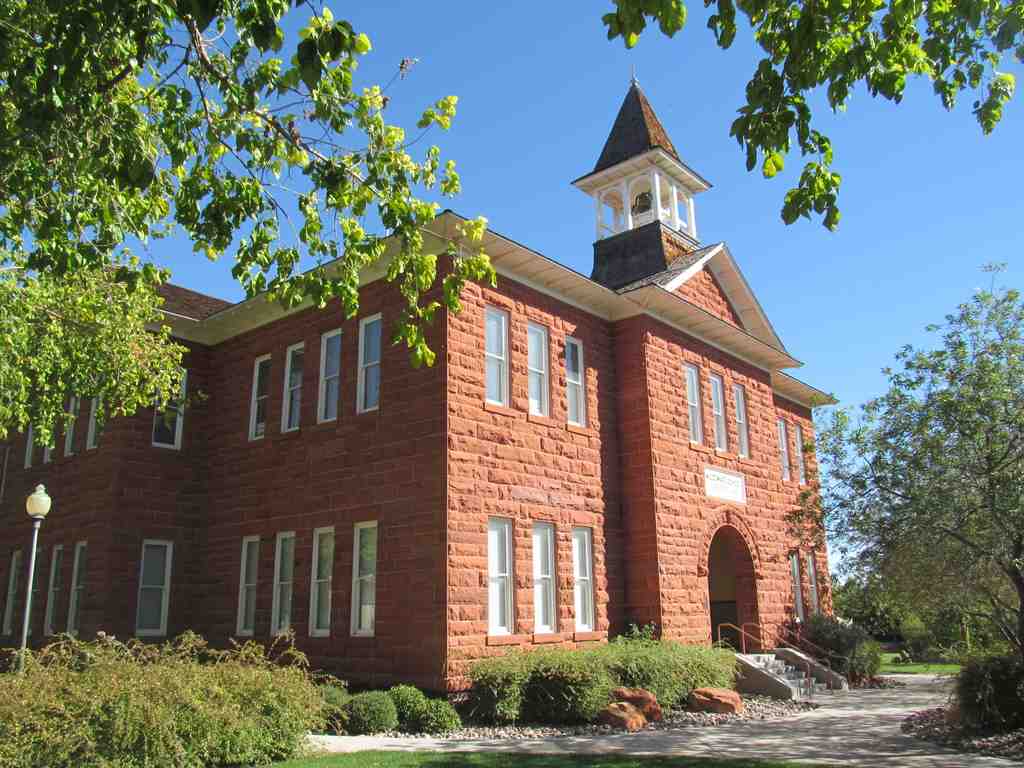
To spot the Academy Building, just look for a stately, three-story structure made of pinkish sandstone with tall windows, two big chimneys on each side, and a white picket fence…और पढ़ेंकम दिखाएँ
To spot the Academy Building, just look for a stately, three-story structure made of pinkish sandstone with tall windows, two big chimneys on each side, and a white picket fence out front, sitting right on the corner and easy to spot near Town Square. Take a deep breath as you stand here-the same spot where generations of hopeful young students once rushed to school! Imagine it’s the early 1900s: the dusty Utah heat, the clang and scrape of stone being hauled and set, and the determined faces of townsfolk eager to make this dream real. In those days, having a full-fledged high school was as rare as rain in the desert, but the people of St. George wanted the best for their kids. They started with classes held anywhere they could fit-a tent here, a church basement there. But that wasn’t enough, so with help and donations from near and far, and after years of stops, starts, and a stone or two left unstacked, the Academy Building finally opened in 1911. Back then, word of the “Dixie Academy”-named for the region’s nickname-spread fast. Imagine the excitement when students from all over southern Utah and Nevada showed up, ready to learn everything from algebra to agriculture. This place first welcomed high schoolers and soon was offering college-level classes. It even became known as Dixie Normal College (and nobody could agree if “normal” meant the students or the teachers, but let’s not start that debate now). The walls that surround you are made from rare pink Chinle sandstone, a striking color compared to the city’s famous red rocks. Each stone was quarried by hand, hauled for miles-sometimes on wagons rocking over bumpy trails. The foundation? Tough volcanic rock, because after all, you want your dreams built to last! When they finally finished, folks threw a huge dance to celebrate. You can almost hear the laughter echoing down from the windows above. Over generations, the Academy Building saw everything. It was the distant ancestor to both Dixie High School and what’s now Utah Tech University. Through good times and tough ones-like the Great Depression and World War II-this building adapted. Sometimes it was home to high schoolers, sometimes college students, sometimes both. There were even years, believe it or not, when saving this building and its programs took a tug-of-war between local leaders, state politicians, and even the governor who only gave his blessing if the bills didn’t show up until later. When the education world moved east in the ‘60s and shiny new campuses beckoned, the old Academy Building could have faded away. Instead, it became a home for art, with paintbrushes replacing textbooks and music echoing through the halls. It’s even served as temporary classrooms for other schools bursting at the seams, and the third floor was recently restored to its original ballroom glory. Just don’t ask if you can take your prom photos on the roof-health and safety rules have changed a lot since the 1910s! Today, you’ll find the St. George Children's Museum inside, filling its rooms with laughter, curiosity, and a fresh kind of learning-maybe not algebra, but plenty of hands-on wonder. The stories of the past are still layered in every stone-stories of hope, hard work, and a little bit of classic St. George stubbornness. So, while its students may have changed, the Academy Building remains at the heart of the town-a symbol of ambition, pride, and the magic that happens when a whole community comes together for something bigger than themselves. And if you’re quiet, you might just hear echoes from all those years ago-a teacher’s bell, a student’s joke, or the cheer of a community that built its own castle of knowledge in the desert.
समर्पित पेज खोलें →You’re standing in front of one of St. George’s most iconic sights - the St. George Tabernacle, also known as the “jewel of the desert.” Take a deep breath and imagine yourself in…और पढ़ेंकम दिखाएँ
You’re standing in front of one of St. George’s most iconic sights - the St. George Tabernacle, also known as the “jewel of the desert.” Take a deep breath and imagine yourself in the 1860s. Red sandstone cliffs gleam in the sunshine. The town is buzzing, but life isn’t easy here in Utah’s Dixie. It’s hot, dry, and farmers are sweating buckets just to coax a cotton plant from the stubborn desert soil. Over the commotion, you might hear the clink of chisels on stone as locals hack thick blocks of red sandstone, determined their new building should match the color of their rocky surroundings. When Brigham Young sent his people here, he wanted them to grow everything they needed - no quick trips to Walmart in those days! But with the economy struggling, he had a plan: build something the community could rally around. So, in 1863, construction on the Tabernacle began. All tithes south of Beaver went straight into those sturdy, almost bunker-like walls - three feet thick in the basement in case anyone doubted their dedication…or their need for insulation! The design came from Miles Romney, yes, part of that Romney family - turns out, they build tabernacles as well as political dynasties. Picture folks bustling in and out for court hearings one day and church services the next. The main clock and bell tower, soaring 140 feet into the sky, became the town’s favorite timepiece - nobody was late for supper anymore! Inside, awe-inspiring 29-foot ceilings and twenty mighty columns frame a grand gallery with two spiral staircases. Those staircases just beg for a dramatic entrance, don’t they? And if you listen closely, perhaps you can still hear echoes of the organ, installed back in 1878, or a booming voice from one of its 1,200 seats. Over the years, the Tabernacle hosted everything from fiery sermons to lively public concerts. After a careful restoration in 1993, it now gleams as brightly as it did in 1876, the day it was dedicated with a grand celebration attended by Brigham Young, Jr. So the next time you check your watch, just remember - St. George’s Tabernacle had everyone covered long before smartphones!
समर्पित पेज खोलें →

6 और स्टॉप दिखाएँकम स्टॉप दिखाएँexpand_moreexpand_less
Look for a charming, pale stone house with a wooden balcony and crisp white trim, tucked just behind a pretty garden with a bubbling little waterfall-it's right in front of…और पढ़ेंकम दिखाएँ
Look for a charming, pale stone house with a wooden balcony and crisp white trim, tucked just behind a pretty garden with a bubbling little waterfall-it's right in front of you! Now, picture yourself in the hot, dusty St. George of the late 1800s, where a young Thomas Judd-fresh from rainy England-built this very home in 1876. He probably thought the Utah sun was playing a practical joke on him! Thomas was a man of many hats: after trading his English countryside for the wild west, he became the Southern Utah Tithing Office clerk and teamed up with friends Woolley and Lund to start a business. But adventure called, and off he went-back to England on a church mission, leaving his new house behind. He’d soon return as bishop of the St. George First Ward, guiding locals for almost two decades. The house changed hands to another English immigrant, George Miles, in 1900. By the 1980s though, this sturdy villa faced its scariest tale yet: the wrecking ball! In a twist fit for a mystery novel, the house was cut into pieces and moved, only to be lovingly restored in 1991. Today, standing here, you’re seeing a survivor-now called Green Hedge Manor-whose walls have witnessed more drama than a soap opera!
समर्पित पेज खोलें →To spot the Woodward School, look straight ahead for a sturdy two-story building made of rough red sandstone with a pointed bell tower above its main entrance-its late Victorian…और पढ़ेंकम दिखाएँ
To spot the Woodward School, look straight ahead for a sturdy two-story building made of rough red sandstone with a pointed bell tower above its main entrance-its late Victorian flair really stands out among the trees and sunshine. Alright, let’s step back in time together-imagine the year is 1901, and what you see before you is the pride of St. George: a brand-new school built from stone quarried for a project that never happened-so you could say this school was actually Plan B! Before Woodward School, learning in St. George was a little…let’s say rustic. Picture classes squeezed into tents or simple willow huts, where the chalk dust mixed with desert sand, and the only thing less sturdy than the desks was maybe the roof when the wind picked up. When things got a bit more settled, each ward had its own little school, run pretty much like clubhouse meetings-a teacher, a gaggle of kids, and lots of Mormon pie. Then came the 1890 Free Public School Act-suddenly, the town needed a real school! People voted, taxes were raised (insert wallet groaning here), and workers started pounding gravel and volcanic rock into the soft ground, trying to make a foundation that wouldn’t sink every time someone sneezed. The hero of this story? George Woodward, a local philanthropist, quietly turned stacks of cash into a proper foundation, a heating plant (so the students could shiver slightly less), and even a shiny new piano. When the Woodward School opened in September 1901, kids from all across the city ran in-grades one through eight at first, but soon enough, even the older kids wanted in. A decade later, the St. George Stake Academy joined the block, claiming the older students, but Woodward’s halls still echoed with busy footsteps and laughter. If you listen closely, maybe you can imagine the clamor of recess-boots clomping on the stairs, lunch pails thumping, and the old bell ringing out across the dusty yards. You’d see students bundled up against the desert winds in winter, scurrying into their sandstone fortress beneath the watchful bell tower-a design borrowed from the grand Richardsonian Romanesque style, which means it’s both sturdy enough to survive a century and fancy enough to make kids feel important going to class. Over the decades, Woodward School changed roles more often than a substitute teacher. By 1936, when the new elementary opened across the street, Woodward transformed into Dixie Junior High, then Woodward Junior High, and even Woodward Junior-Senior High. The students kept growing and the school kept adapting-even when new buildings popped up as gymnasiums, or as that 'Annex' across the way. At one point, Woodward’s neighbors included a gym that got rattled by the 1992 earthquake, and an annex that wasn’t too fond of rainstorms. As St. George boomed and bussed, the old school escaped demolitions, when the community rallied-honestly, some folks probably would’ve chained themselves to the doors to protect it! In the late 1990s, it became a Sixth Grade Center, and there was a big celebration in 1996 when, for the first time in years, the building’s old bell rang to mark 100 years of Utah’s statehood. When age finally caught up with the complex and students moved on, the community set out to restore the heart of their history. A rededication in 2004 came with a big blue ribbon, lots of applause, and, of course, the bell with its shiny new clapper. Today, Woodward School stands red and proud, serving as a home for Southwest Adult High School, but also as a monument to the generations who passed through its halls. Standing here, you’re not just looking at stone and mortar-you’re seeing the layered story of a town that believed every child (and a few lucky grown-ups) deserved a place to learn, laugh, and ring the bell for another century. Let’s keep moving, before the next group of time travellers gets here!
समर्पित पेज खोलें →Look just ahead for a stately two-story home with a long white-railed balcony and a shady garden-framed perfectly by tall trees and a neat iron fence. Now, let’s imagine it’s…और पढ़ेंकम दिखाएँ
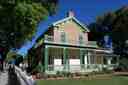
Look just ahead for a stately two-story home with a long white-railed balcony and a shady garden-framed perfectly by tall trees and a neat iron fence. Now, let’s imagine it’s 1862 and this grand house isn’t humming with modern-day tourists, but with the busy footsteps of Orson Pratt himself, deep in thought over a tricky math problem. Pratt was no ordinary settler; he was a mathematician with a brain so sharp, he might have measured these desert sunsets with a protractor! As one of the original members of the Quorum of the Twelve Apostles, Orson didn’t just help found the town-he made it his mission to solve problems, whether they were spiritual, scientific, or practical. This house, with its elegant balcony and sturdy design, must have felt like a fortress against the wild unknown of pioneer Utah. Picture sturdy wagons rolling by and the dry air buzzing with plans for irrigation and new beginnings. In 1864, Richard Bentley took ownership, adding his own chapter to the tale-proof that the home has always attracted folks with big dreams. Named to the National Register of Historic Places in 1983, the Orson Pratt House now stands as a monument to minds that dared to count stars even in the harsh red desert.
समर्पित पेज खोलें →Look ahead for a stately, two-story red-brick building sitting proudly behind a white picket fence, with bold white columns out front and a distinctive cupola perched on…और पढ़ेंकम दिखाएँ
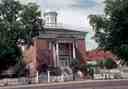
Look ahead for a stately, two-story red-brick building sitting proudly behind a white picket fence, with bold white columns out front and a distinctive cupola perched on top-pretty hard to miss when you see those thick, fortress-like walls and its grand, old-fashioned style! Now, step back in time and imagine the year is 1876-horses clop by, the desert wind kicks up red dust, and townsfolk in heavy coats march up these steps with heads full of hope or dread, depending on what the judge might say! This old courthouse was the heartbeat of Washington County justice, with walls stacked so thick that even the loudest courtroom drama probably echoed down to the basalt rock foundation. See that tall cupola? It’s like the cherry on top, giving the building a watchful look over the whole city, as if it’s ready to dispense justice (or maybe just keep an eye on who’s stealing pies). Designed by someone who might’ve also dreamed up Salt Lake City’s grand halls, it soon became a town icon. From 1876 right up to the swinging sixties, the fate of cowboys, outlaws, and city folk alike echoed in its storied courtrooms. These days, it’s a bit more sedate, home to business offices and lively lectures, but if you listen closely, you might just hear a gavel striking or whispers of cases long forgotten-a true treasure on the National Register of Historic Places!
समर्पित पेज खोलें →To spot the Brigham Young Winter Home and Office, just look for the sturdy two-story adobe house with its light beige brick and eye-catching moss-green trim, nestled behind a…और पढ़ेंकम दिखाएँ
To spot the Brigham Young Winter Home and Office, just look for the sturdy two-story adobe house with its light beige brick and eye-catching moss-green trim, nestled behind a white picket fence and shaded by tall leafy trees-it's right ahead of you. Welcome to the Brigham Young Winter Home and Office! Take a moment to imagine this corner of St. George in the 1870s: warm sunlight, a gentle desert breeze, and an air of purpose as townsfolk hurry by on errands. This house, with its cool adobe walls and wide porches, was the winter refuge of Brigham Young, a leader who could definitely use a break, thanks to some very grumpy arthritis. Why St. George? Let’s just say, after years of enduring mountain snow and stiff joints up in Salt Lake City, Brigham Young must have thought moving south was the best prescription ever written-sunshine, dry air, and local peaches included! Brigham Young wasn’t just here for the weather, of course. After leading the Mormon pioneers west in that massive, life-or-death migration from Illinois in 1847, founding Salt Lake City, and basically being assigned the job of building entire towns out of sagebrush, Young saw St. George as a vital community for the future of the LDS Church. The area’s warmth earned it the nickname “Utah’s Dixie,” and Brigham charged settlers with making it the region’s cotton-growing capital. When Young rolled into town each winter between 1873 and 1877, rumor has it everyone worked harder-and not just to win his approval. His presence inspired completion of major projects, like the St. George Temple, which finally opened its doors in 1877, the same year Brigham Young bid farewell to this world. Picture walking up to this house on a cold desert morning in 1874-frost still lingering on the ground-and catching a whiff of hot coals from one of the four fireplaces inside. Young’s house was cleverly built by Miles Romney and his son Miles Park Romney, and inside you’d find red sandstone fireplaces, hand-crafted furniture, and a roof full of shingles cut from the nearby wilderness. Just next door is Brigham’s office, with its thick stucco walls and sandstone chimney, where visitors might have heard the creak of the front door as neighbors dropped by. After Young passed away, the story doesn’t end-far from it. The house became home to St. George’s very first dentist, Dr. Jedediah Gates, who, let’s hope, never accidentally practiced his drilling in the living room. The Young Family Association bought the home in the 1950s, but preserving the place proved harder than expected. Enter the state of Utah! With careful restoration in the 1960s, they put doors and stairways back where they belonged, and even painted the woodwork a delightful moss green-because, as legend goes, the paint originally meant for the nearby temple arrived in this accidental color, and no true pioneer was about to let good paint go to waste. The LDS Church eventually took over the home’s care in the 1970s. Since then, this spot has been renovated and earthquake-proofed, even reopening after major repairs in 2003 to show off its historic charm. The missionaries here are ready to spin more tales and offer free tours, so don’t be shy. While you stand here, notice how the lush yard, the shadows from old trees, and the handmade details all reflect both persistence and ingenuity-qualities that echo through the streets of St. George. Whether you’re a history buff or just a fan of a good paint mix-up, the Brigham Young Winter Home and Office holds stories of people who built, led, and sometimes limped, but always managed to leave behind something worth discovering.
समर्पित पेज खोलें →

अक्सर पूछे जाने वाले प्रश्न
मैं टूर कैसे शुरू करूँ?
ख़रीदारी के बाद, AudaTours ऐप डाउनलोड करें और अपना रिडेम्पशन कोड दर्ज करें। टूर तुरंत शुरू करने के लिए तैयार होगा - बस प्ले टैप करें और GPS-गाइडेड रूट का पालन करें।
क्या टूर के दौरान मुझे इंटरनेट चाहिए?
नहीं! शुरू करने से पहले टूर डाउनलोड करें और पूरी तरह ऑफ़लाइन इसका आनंद लें। केवल चैट फ़ीचर को इंटरनेट की ज़रूरत है। मोबाइल डेटा बचाने के लिए WiFi पर डाउनलोड करने की सिफ़ारिश है।
क्या यह एक गाइडेड ग्रुप टूर है?
नहीं - यह एक सेल्फ-गाइडेड ऑडियो टूर है। आप अपनी गति से स्वतंत्र रूप से खोजते हैं, आपके फ़ोन से ऑडियो कथन बजता है। कोई टूर गाइड नहीं, कोई ग्रुप नहीं, कोई शेड्यूल नहीं।
टूर में कितना समय लगता है?
अधिकांश टूर पूरा करने में 60-90 मिनट लगते हैं, लेकिन गति पूरी तरह आपके नियंत्रण में है। जब चाहें रुकें, स्टॉप छोड़ें, या ब्रेक लें।
अगर मैं आज टूर पूरा नहीं कर सकता/सकती तो?
कोई समस्या नहीं! टूर की लाइफ़टाइम एक्सेस है। जब चाहें रोकें और फिर शुरू करें - कल, अगले हफ़्ते, या अगले साल। आपकी प्रगति सेव रहती है।
कौन सी भाषाएँ उपलब्ध हैं?
सभी टूर 50+ भाषाओं में उपलब्ध हैं। अपना कोड रिडीम करते समय अपनी पसंदीदा भाषा चुनें। नोट: टूर जेनरेट होने के बाद भाषा बदली नहीं जा सकती।
ख़रीदारी के बाद मैं टूर कहाँ एक्सेस करूँ?
App Store या Google Play से मुफ़्त AudaTours ऐप डाउनलोड करें। अपना रिडेम्पशन कोड (ईमेल द्वारा भेजा गया) दर्ज करें और टूर आपकी लाइब्रेरी में दिखेगा, डाउनलोड और शुरू करने के लिए तैयार।
अगर आपको टूर पसंद नहीं आया, तो हम आपकी ख़रीदारी वापस करेंगे। हमसे संपर्क करें [email protected]
सुरक्षित चेकआउट 


