

पेंसाकोला ऑडियो टूर: साम्राज्य की गूँज और तटरेखा की कहानियाँ
एक समय पेंसाकोला के खाड़ी तट पर एक तोप गरजती थी, जिसकी गूँज उन दीवारों से टकराती थी जिन्होंने साम्राज्यों को बनते और बिगड़ते देखा था। यहाँ, पथरीली गलियाँ राष्ट्र से भी पुराने रहस्य छिपाती हैं और एकाकी ओक के पेड़ फ्लोरिडा के सूरज के नीचे विद्रोह की फुसफुसाहट करते हैं। अपने हेडफ़ोन लें और शहर के दिल में एक स्व-निर्देशित ऑडियो यात्रा पर निकल पड़ें। उन कहानियों और कोनों को अनलॉक करें जिन्हें अधिकांश आगंतुक चूक जाते हैं, प्लाजा फर्डिनेंड VII से ब्लू वाहूस स्टेडियम की गड़गड़ाहट भरी जयकारों तक और उससे आगे के रास्तों का पता लगाएं। उस दिन क्या हुआ था जब एक विदेशी झंडे ने शहर को ठप कर दिया था? ऐतिहासिक जिले में किस साहसी कार्य ने आज भी महसूस होने वाला निशान छोड़ा? और कुछ स्थानीय लोग बैठने से पहले बॉलपार्क की सीटों को दो बार जांचने पर क्यों जोर देते हैं? राजनीतिक साज़िश, खोई हुई किंवदंतियों और अप्रत्याशित रोमांच की परतों से गुज़रें। पेंसाकोला को अपने पैरों के नीचे साहस, गोपनीयता और परिवर्तन की एक जीवित कहानी के रूप में खुलते हुए देखें। अपना साहसिक कार्य वहाँ शुरू करें जहाँ इतिहास कभी नहीं सोता।
टूर पूर्वावलोकन
इस टूर के बारे में
- scheduleअवधि 30–50 minsअपनी गति से चलें
- straighten3.5 किमी पैदल मार्गगाइडेड पथ का पालन करें
- location_onस्थानपेंसाकोला, संयुक्त राज्य
- wifi_offऑफ़लाइन काम करता हैएक बार डाउनलोड करें, कहीं भी उपयोग करें
- all_inclusiveलाइफ़टाइम एक्सेसकभी भी, हमेशा के लिए फिर सुनें
- location_onसेंट जोसेफ कैथोलिक चर्च से शुरू होता है
इस टूर के स्टॉप
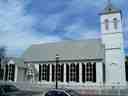
Look directly in front of you at this stunning cream-colored stucco building, defined by its tall square bell tower and that striking metallic pyramidal roof reaching up toward…और पढ़ेंकम दिखाएँ
समर्पित पेज खोलें →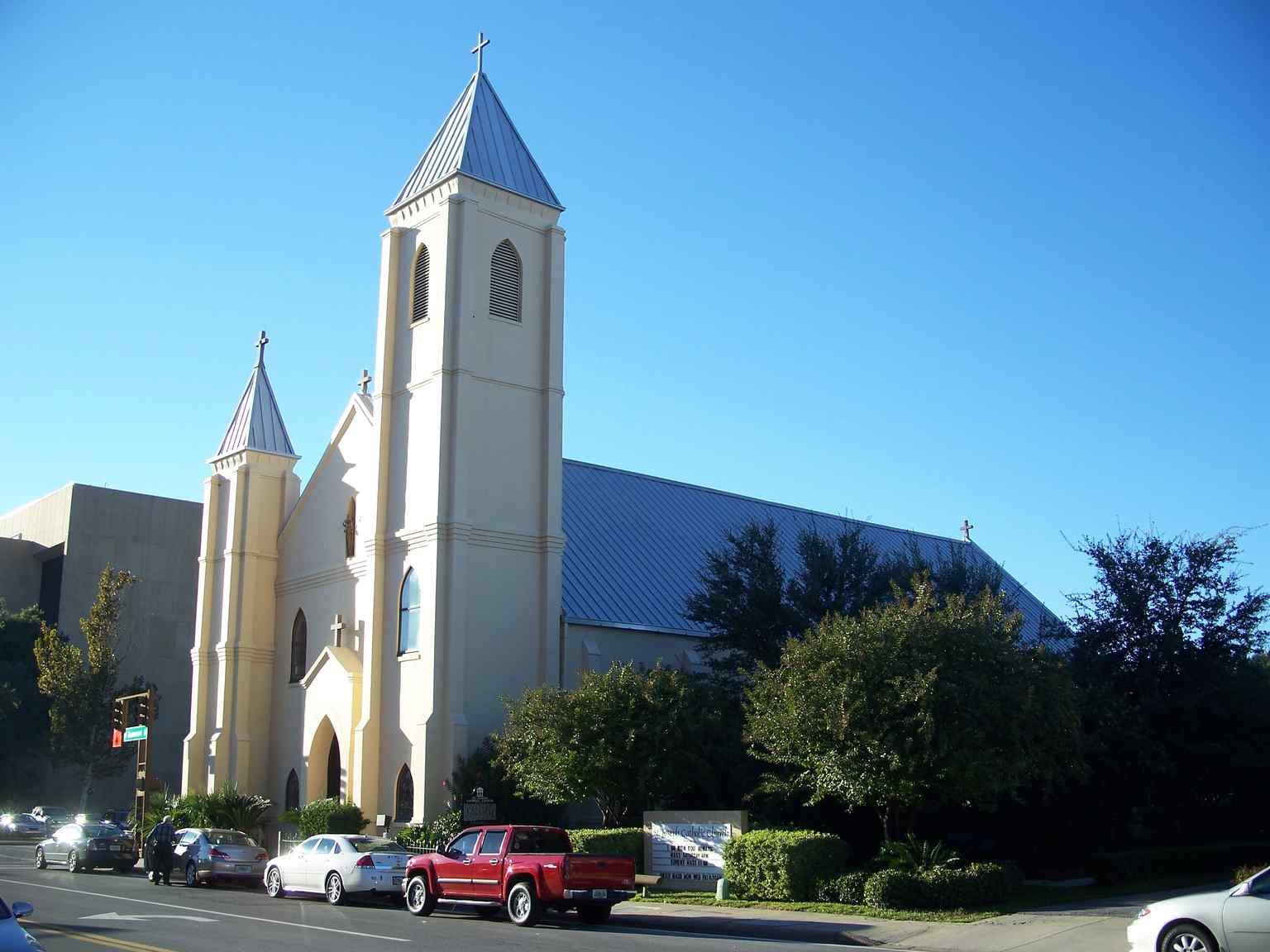
Pensacola St Josephs Church01Photo: Ebyabe, Wikimedia Commons, CC BY-SA 3.0. Cropped & resized. Look to your left, and you will spot Blue wah-hooz Stadium, a sweeping multi-level venue with a cream and brick-red facade, topped by a broad flat roof and marked by towering…और पढ़ेंकम दिखाएँ
Look to your left, and you will spot Blue wah-hooz Stadium, a sweeping multi-level venue with a cream and brick-red facade, topped by a broad flat roof and marked by towering metal light poles reaching into the sky. I am absolutely obsessed with this spot! Standing here looking out at Pensacola Bay, it feels like pure paradise. But do not let this gorgeous, state-of-the-art facility fool you, because the story of how it got here is delightfully messy. You know how big civic projects always have a little behind-the-scenes drama? Well, this one had a lot. In two thousand seven, a key board member for the park project, Reverend Hugh King, was unexpectedly arrested for cocaine possession. Believe it or not, he actually refused to step down at first, claiming he needed time to decide if his effectiveness was compromised, which forced the board into a ridiculously tense eleven to one vote just to officially oust him. And the chaos definitely did not stop there. The University of West Florida originally held the land leases right here, planning to build a massive maritime museum and research center. But following the two thousand eight financial collapse, the park board abruptly revoked the university's leases to pursue more lucrative commercial development. This sparked a bitter, highly public dispute that ultimately forced the university to severely downsize their museum concept. It was a classic clash of preserving history versus chasing progress, tearing up old plans to reinvent the waterfront. Even the original champions of the park, Admiral Jack Fetterman and Mayor Vince Whibbs Senior, tragically passed away just months apart in two thousand six, never seeing their dream built. But against all odds, the stadium opened in two thousand twelve. Getting the team here was a wildly complex puzzle. Local healthcare consultant Quint stoo-der had to orchestrate a massive franchise shuffle, buying a Double-A team... which, by the way, is the second-highest level of minor league baseball, just one step below the major leagues. stoo-der even had to pay two million dollars to a neighboring team in moh-beel just to waive their territorial rights! The crazy part? The stadium only seats about five thousand people, which technically falls short of the league's minimum requirement. But minor league officials waived the rule the second they saw this jaw-dropping location. The water is just fifteen to twenty feet beyond the left-field fence, meaning big hitters frequently launch home runs that splash directly into the bay! This place just keeps reinventing itself. When Hurricane Sally severely flooded the stadium in twenty twenty, the team refused to lay off staff. Instead, they completely pivoted and listed the stadium on Airbnb for fans to rent, while the staff went out and helped the community rebuild. They even honor ancient history here, occasionally playing as the Pensacola Pok-Ta-Pok to celebrate a Mayan game that is the first known ball sport in the Americas. Now, let us keep walking toward Plaza Ferdinand the Seventh, which is about a twelve minute walk away. Get ready, because I am going to show you a monument to a deeply controversial historical figure.
समर्पित पेज खोलें →Straight ahead stands a towering pale stone obelisk, a tall four-sided monument that tapers to a pyramid at the top, anchored proudly at the center of a grassy brick-ringed plaza.…और पढ़ेंकम दिखाएँ
समर्पित पेज खोलें →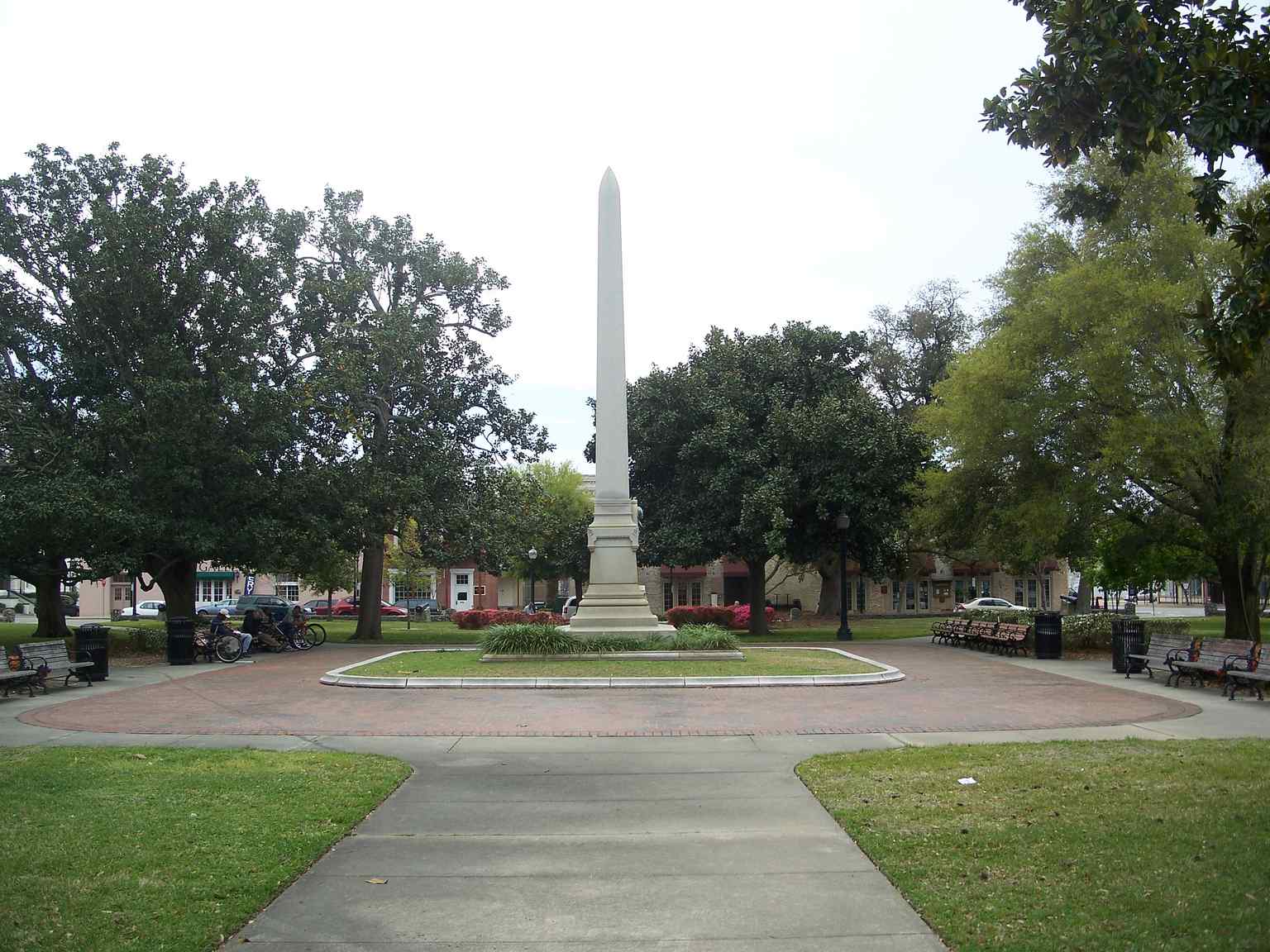
A serene view of Plaza Ferdinand VII from 2008, showcasing the grassy park that serves as a historic centerpiece for Pensacola.Photo: Ebyabe, Wikimedia Commons, CC BY-SA 3.0. Cropped & resized. Straight ahead stands a towering pale stone obelisk, a tall four-sided monument that tapers to a pyramid at the top, anchored proudly at the center of a grassy brick-ringed plaza. Welcome to Plaza Ferdinand VII, a piece of land that perfectly captures how Pensacola constantly overwrites its own past. Originally, this ground was the centerpiece of a colonial street plan drawn up by the British in 1765. But empires rise and fall, and when the Spanish took control, they subdivided and sold off huge chunks of the park in 1802. The dirt you are looking at is quite literally built on the buried foundations of the British colony, which archaeologists only rediscovered during excavations in 2002. They dug down and found the physical evidence of a forgotten era completely buried by the next generation.
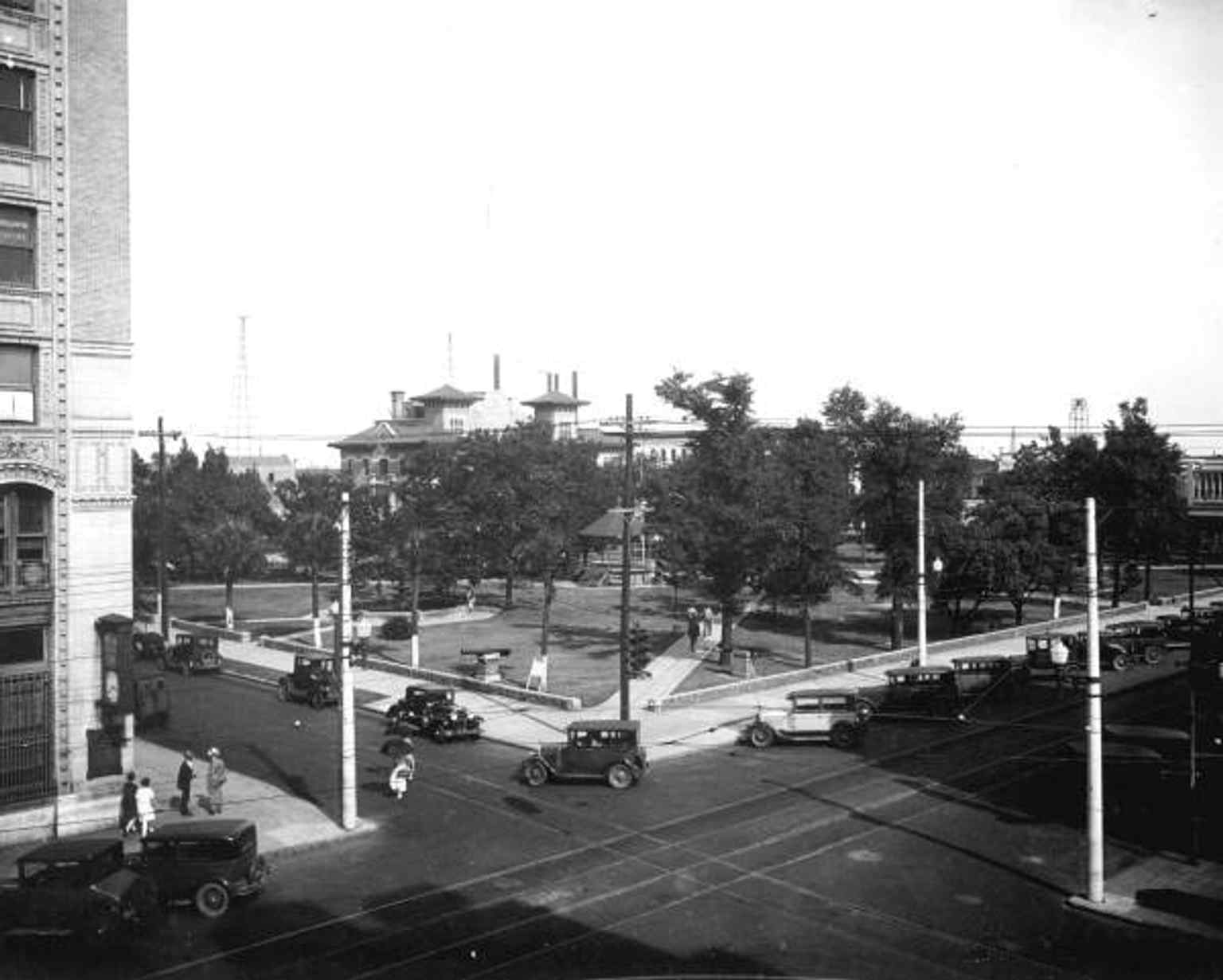
A captivating 1929 bird's-eye view revealing the sprawling layout of Plaza Ferdinand and the evolving cityscape around it.Photo: Charles Thomas Cottrell, Wikimedia Commons, Public domain. Cropped & resized. And that brings us to the most commanding feature of the park, that central stone obelisk. It was erected by the townspeople in the late nineteenth century to honor William Dudley Chipley. Let me tell you about Mr. Chipley. He was a celebrated Pensacola mayor and a railroad tycoon who revolutionized the city's industry, but he was also a man with a dark past. Despite his glowing legacy in stone, his life was deeply entangled with the city's history of hidden scandals. After the Civil War, Chipley was implicated in the infamous Ashburn affair, accused by the federal government of a high-profile political assassination. The government actually offered him a secret deal to walk free because they lacked evidence. Chipley refused the offer. He insisted on going to trial simply to force a not guilty verdict and publicly clear his name. He was a man obsessed with his own myth, and he almost rode that ambition to the United States Senate, losing his bid in 1896 by a single agonizing vote. This plaza has always been a stage for power and dramatic transitions. In 1821, Andrew Jackson stood right here as the Spanish flag was lowered and the American flag was raised, officially transferring Florida to the United States. His wife, Rachel Jackson, wrote letters describing this exact spot as a perfect plain with soil nearly as white as flour. She found it amusing that the locals had completely neglected their lush gardens of peaches and figs, too distracted by the incoming regime change to bother with pulling weeds.
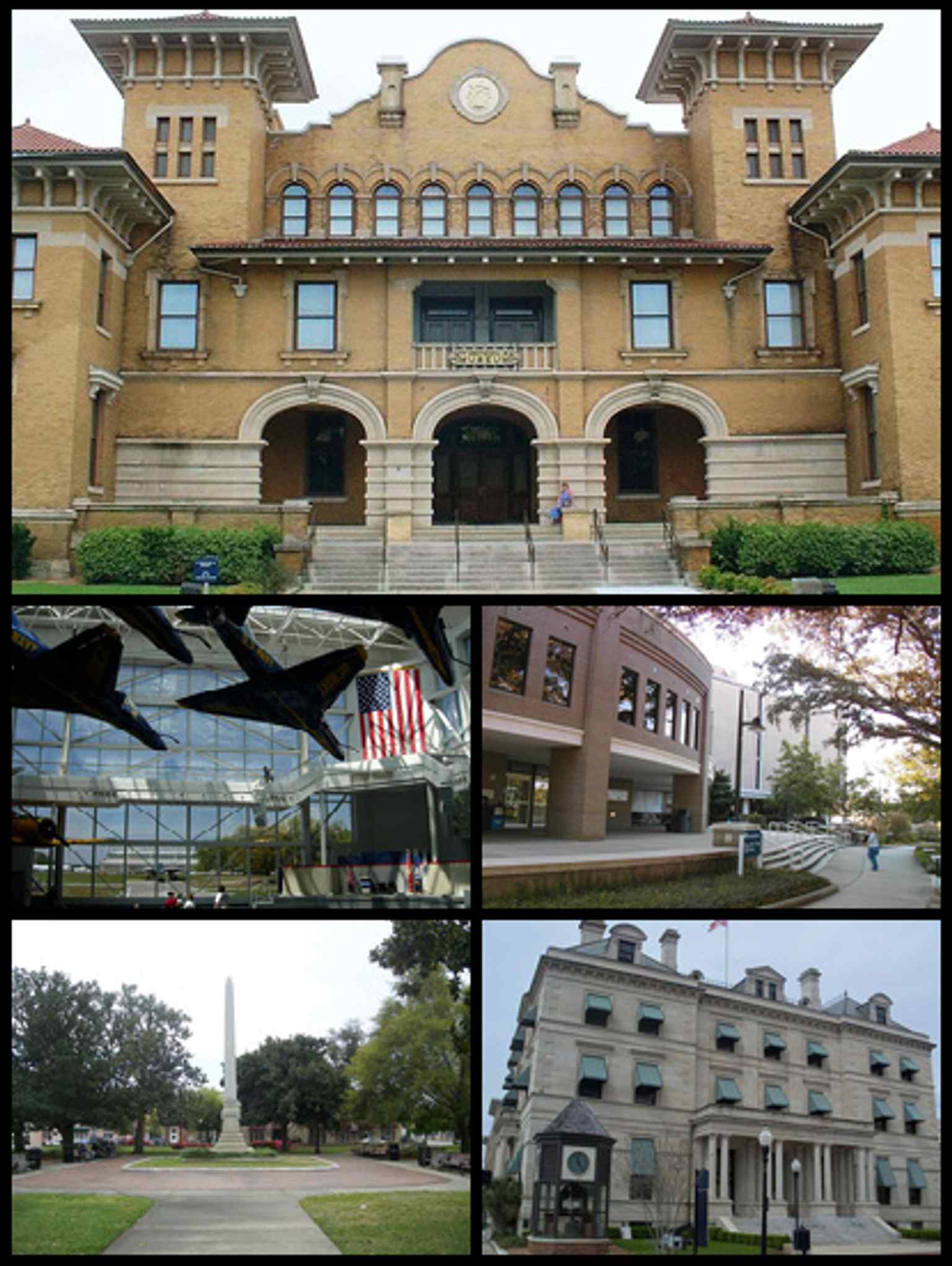
A 2011 collection of Pensacola photographs, highlighting the beautiful architectural facades that often hide the city's dramatic historical transitions.Photo: Ebyabe (Photos of the Customhouse and Plaza Ferdinand Only), Thomas Baxter (Photo of library at UWF), Naval Air Museum & TT Wentworth (Public Domain), Wikimedia Commons, Public domain. Cropped & resized. Every inch of this park represents how Pensacola tears down the old, builds up the new, and guards its messy secrets behind beautiful facades. It makes you wonder who gets to write the history books, and who gets a monument. Speaking of how power dynamics shape the city, we are going to explore that even further at our next stop. We are heading over to the United States Customs House and Post Office, which is just a short two minute walk away. And just so you know, the plaza is open to the public from six in the morning until eleven at night every day of the week.
7 और स्टॉप दिखाएँकम स्टॉप दिखाएँexpand_moreexpand_less
To your left sits a monumental four-story limestone building with a flat roof, easily recognizable by its colonnaded portico, which is a grand porch supported by classical…और पढ़ेंकम दिखाएँ
समर्पित पेज खोलें →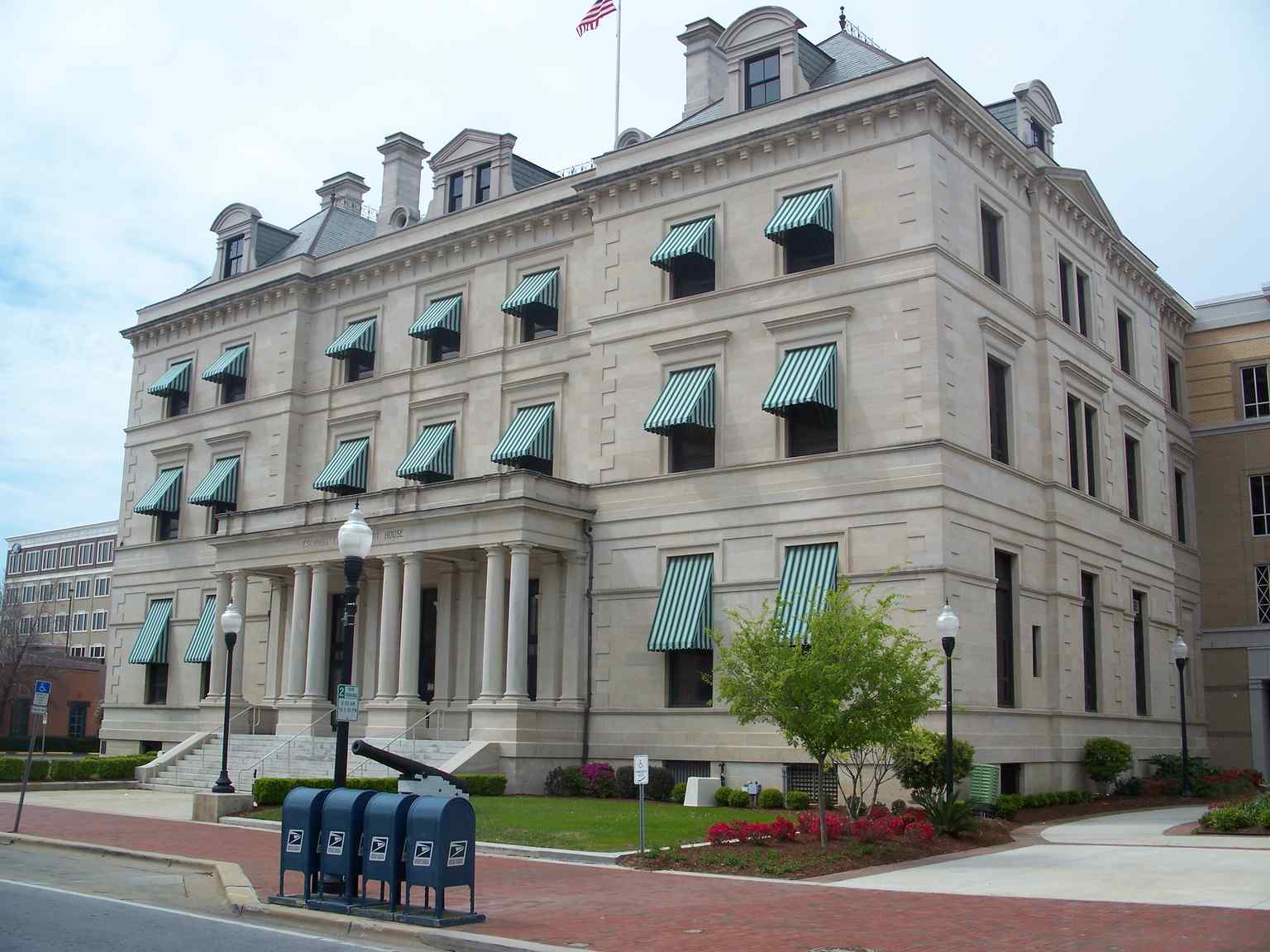
Pensacola Customshouse01Photo: Ebyabe, Wikimedia Commons, CC BY-SA 3.0. Cropped & resized. To your left sits a monumental four-story limestone building with a flat roof, easily recognizable by its colonnaded portico, which is a grand porch supported by classical columns, and those striking green and white striped awnings shading the windows. This is the United States Customs House and Post Office. It stands as a beautiful testament to how this city constantly tears down and rebuilds its identity, but civic expansion usually comes with a real human cost. Back in the early 1850s, long before this stone structure existed, a local merchant named William Kaiser ran a bustling department store right on this very spot. The federal government realized this land was perfectly close to the city wharfs and decided they wanted it for a new federal hub. Kaiser refused to back down. He actually took the United States government to court to save his livelihood! Sadly, he lost everything because he could not prove he held the legal title against the government. His store was promptly razed to the dirt. In its place, the government built a wooden custom house in 1854 for $60,000, which is over two million dollars today. The locals absolutely hated it. They thought it was overpriced and incredibly ugly. So, when that unpopular wooden building completely burned to the ground in an 1880 fire, local newspapers bluntly noted that few mourned its loss. The push to build the Victorian Renaissance Revival beauty you see now, an architectural style famous for its imposing scale and classical symmetry, brought fresh drama. After the original architect resigned amid a massive fraud scandal, M. E. Bell took over. He secured a $200,000 budget, about six and a half million dollars today, but hit a literal snag. During excavation, his masonry team struck a massive underground water flow. The entire foundation was at risk of sinking into the mud! In a stroke of desperate genius, Bell ordered hundreds of giant cotton bales to be dropped directly into the flooded trench to absorb the moisture. It worked flawlessly. To this day, those 19th-century cotton bales remain buried right beneath this colossal stone structure. This landmark perfectly captures the practical magic of our town. In 1937, when Escambia County desperately needed more space, they simply swapped buildings with the federal government, who needed land for a new courthouse elsewhere. It was a huge logistical headache, leaving county officials operating out of temporary offices nearby, but it was a brilliantly pragmatic approach to managing urban progress. It makes you wonder what other deep roots are buried beneath our feet here. Let us keep unearthing them as we leave the plaza behind us and take a quick two-minute walk toward our next stop, the Palafox Historic District.
Notice the row of buildings on your right, defined by their classic red brick facades, varied rooflines, and striking metal balconies draped with bright red awnings. The story of…और पढ़ेंकम दिखाएँ
समर्पित पेज खोलें →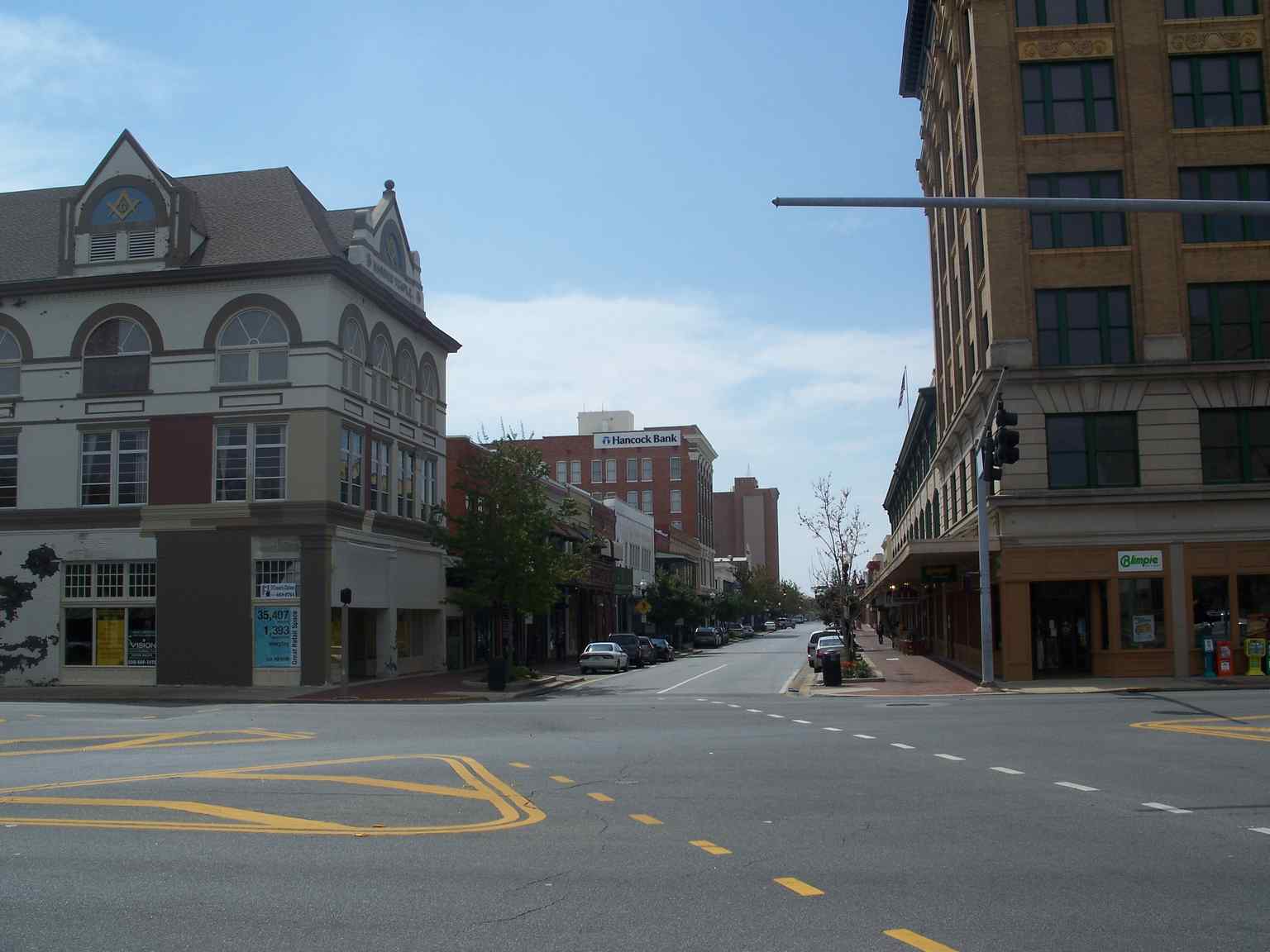
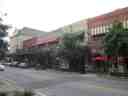
Take a look down the classic Palafox Historic District, a true architectural timeline of North America's oldest colony (2008).Photo: Ebyabe, Wikimedia Commons, CC BY-SA 3.0. Cropped & resized. Notice the row of buildings on your right, defined by their classic red brick facades, varied rooflines, and striking metal balconies draped with bright red awnings. The story of this street is really the grand story of North America's first European colony! It began way back in 1559, when Spanish explorer Don Tristan de Luna y Arellano arrived with eleven ships and fifteen hundred people to settle here. But after a massive hurricane obliterated their ships and supplies, the desperate colonists only managed to hang on for two years before fleeing back to Mexico. That early disaster set the stage for a dramatic, centuries long tug of war over this highly coveted deep water port. Over nearly five hundred years, a dizzying parade of shifting empires claimed this land, and five different flags have flown over the city. Spain, France, Great Britain, the United States, and the Confederate States of America all left their mark. The result is a vibrant, multicultural patina that runs right through the architecture you are looking at today. Fast forward to the turn of the twentieth century, when ambitious locals wanted to turn Palafox Street into a cosmopolitan hub. In 1901, a Danish immigrant named Christen Thiesen built Pensacola's very first skyscraper right here. It was a total marvel, boasting the city's first elevator and steam heating system. When it opened on April first, 1902, Thiesen threw a massive cornet band concert on the roof garden, proudly raising both the American and Danish flags.
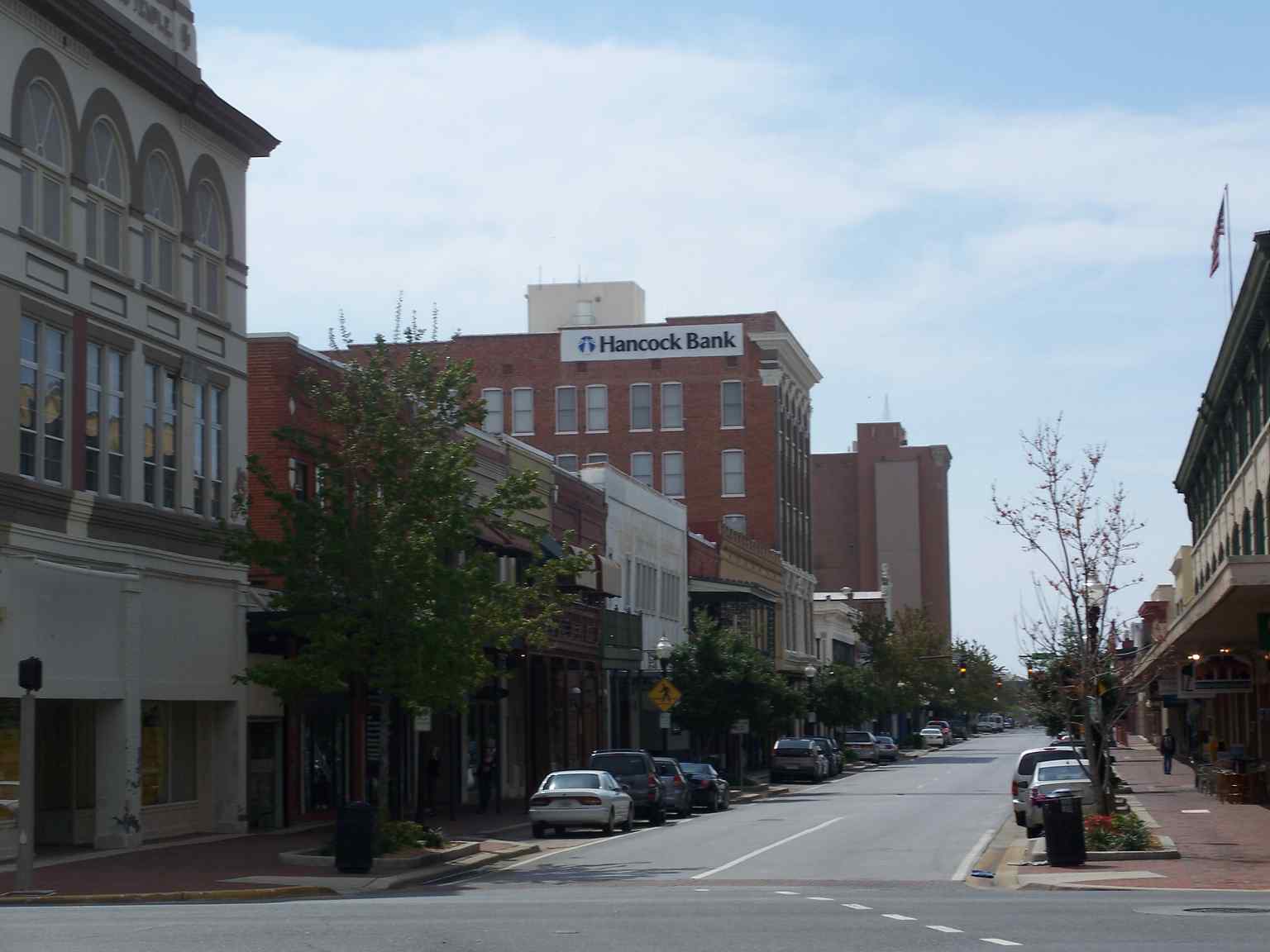
Beautifully preserved details of the Palafox Historic District, officially protected to save the city's remaining architectural treasures (2008).Photo: Ebyabe, Wikimedia Commons, CC BY-SA 3.0. Cropped & resized. But progress here never comes easy. On a dark night in 1905, a devastating fire roared through the west side of South Palafox Street. The raging flames completely destroyed an entire commercial block, causing three hundred thousand dollars in damage, which is over seven million dollars today! Yet from those literal ashes, the city rebuilt. They erected the magnificent San Carlos Hotel in 1910 for half a million dollars, an opulent seven story structure complete with its own rooftop water purification system. Known affectionately as the Gray Lady of Palafox, it hosted legends from John Wayne to Liberace. Sadly, the Gray Lady fell victim to the rise of highway motels, sitting completely vacant for a decade. Despite being added to the National Register of Historic Places, the official federal list of historic sites worthy of preservation, refurbishing the decaying structure was estimated at over fifteen million dollars. City officials made the heartbreaking choice to demolish it in 1993. Thankfully, the loss of the San Carlos sparked a fierce fight to save what was left. In 2011, a graduate student named Cynthia Catellier spent weeks physically walking these blocks, digging through local infrastructure records to prove this district was an overlooked cultural treasure. Her relentless work paid off in 2016 when the Palafox Historic District was officially protected, saving architectural gems like the Saenger Theatre, built in the ornate, dramatic Spanish Baroque style, from the wrecking ball. One of the greatest examples of what rose from the ashes of that Halloween fire is our next destination. Let's make the seven minute walk to the Blount Building, where another massive disaster forever reshaped the Pensacola skyline.
To your left is the blunt Building, a seven story rectangular tower made of tan brick with a heavily decorated roofline ledge, known as a cornice, jutting out at the very top.…और पढ़ेंकम दिखाएँ
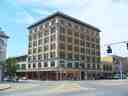
समर्पित पेज खोलें →To your left is the Blount Building, a seven story rectangular tower made of tan brick with a heavily decorated roofline ledge, known as a cornice, jutting out at the very top.
On Halloween night in 1905, a devastating blaze tore through this exact spot. It started at a nearby club and completely wiped out the entire block, causing about two hundred and fifty thousand dollars in damage, which is roughly eight point five million dollars today.
From those literal ashes, prominent corporate attorney William Alexander Blount, whose immense wealth came from representing the Louisville and Nashville Railroad, demanded a thoroughly modern, fireproof headquarters. The result is this towering office building, designed with a steel structural skeleton and concrete floors to prevent another tragedy. But there is a bit of a local mystery behind its creation. While historical records credit builder Charles Hill Turner, local whispers claim Blount actually handed the architectural design duties to his own son, Fernando. This dispute highlights just how frantic and poorly documented the city's rapid reconstruction was during that massive building boom.
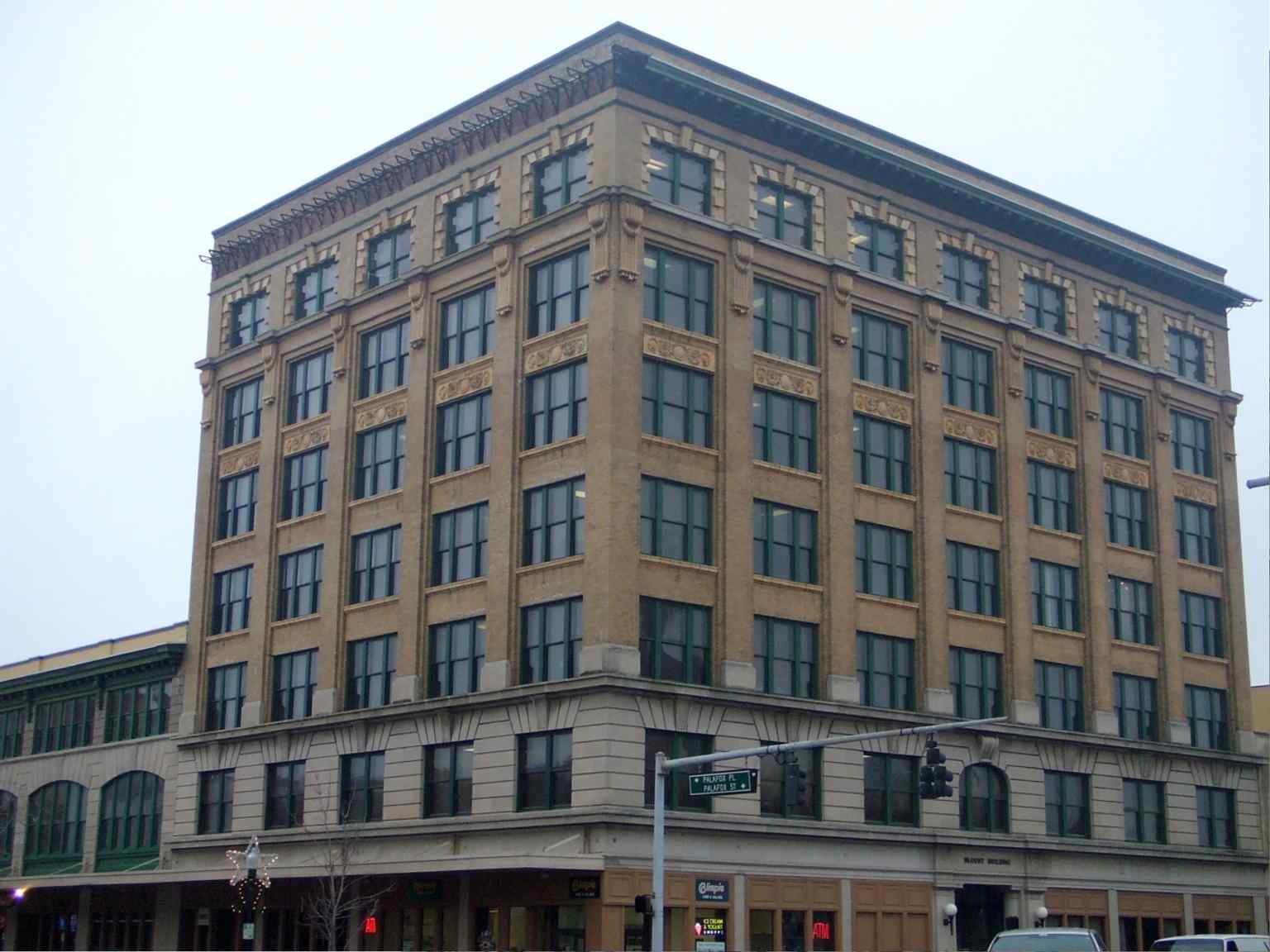
A closer look at the Blount Building's tan brick facade, standing as a testament to Pensacola's rapid reconstruction and civil rights history. (2007)Photo: [1], Wikimedia Commons, Public domain. Cropped & resized. The app has a neat side by side showing what this place looked like back in 1906. If you tap the image, you can slide between how the ambitious steel skeleton looked during construction and the finished building we see today.
Take a look at the exterior. It is cleverly designed to mimic a classical column. The bottom two floors act as the sturdy base, the middle floors are the long vertical shaft, and the top floor is the decorative capital. Blount himself was such a commanding figure that when he passed away, the Florida East Coast Railway stopped all their trains for two full minutes in an overwhelming show of respect.
Decades later, this same address became a pivotal site for a totally different kind of progress. The ground floor Woolworths store maintained a strictly segregated lunch counter, until local teenagers launched a peaceful sit in campaign. The community backed them with a massive boycott that cost downtown stores eighty percent of their business, finally forcing integration in 1962. It is incredible how a single city block can burn to the ground, rise up as a railroad tycoon's fortress, and eventually become a battleground for civil rights. Just so you know, the building is open Monday through Friday from eight AM to five PM. We are now taking a twelve minute walk over to the Lavalle House to see a rare surviving structure from an entirely earlier era.
Over on your left is the luh-val House, a raised cottage featuring a wide front porch with red wooden railings, dark shuttered doors, and a steeply pitched shingle roof. This 1805…और पढ़ेंकम दिखाएँ
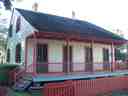
समर्पित पेज खोलें →Over on your left is the Lavalle House, a raised cottage featuring a wide front porch with red wooden railings, dark shuttered doors, and a steeply pitched shingle roof. This 1805 French Creole style building was likely introduced to the Gulf Coast by refugees fleeing Santo Domingo. What makes it truly fascinating are the architectural quirks hidden right in the walls. The builders used a highly unusual technique called brick nogging. That means they filled the empty spaces between the wooden framing entirely with masonry bricks to insulate and strengthen the structure. That was extremely rare for wood frame houses back then, but it made perfect sense because the owners also owned a brickyard. The bricks were even stamped with the initial of the brilliant woman who ran the operation, Mariana Bonifay.
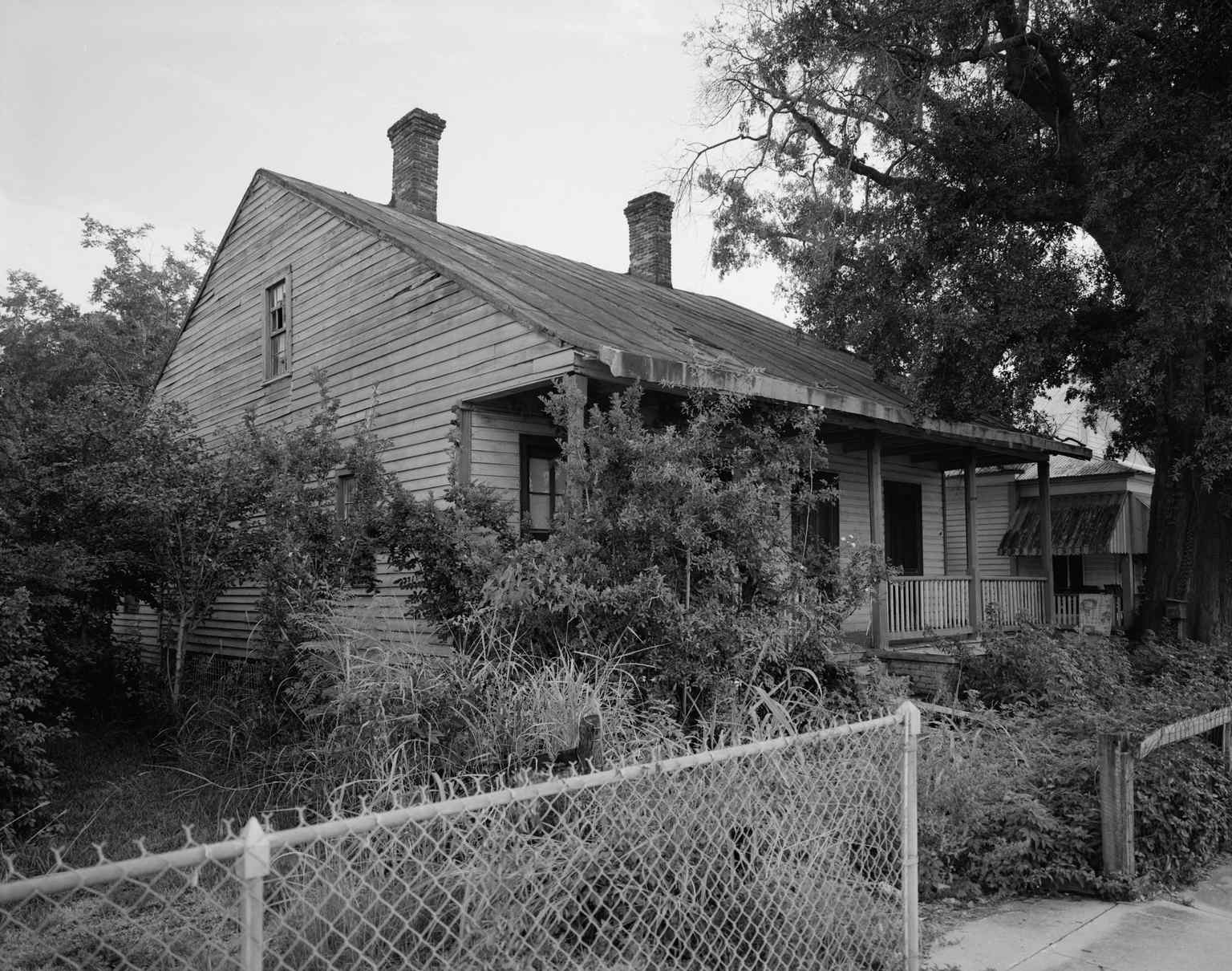
Charles Lavalle HousePhoto: Ray Malinowski, Wikimedia Commons, Public domain. Cropped & resized. Charles Lavalle is the namesake, but Mariana was the mastermind. Her Spanish soldier husband went missing and his pay abruptly stopped in 1801, so she assumed he had died and teamed up with Lavalle, a younger neighbor and carpenter. Together, they bought empty lots, built homes, and flipped them for profit. Their partnership was romantic, too... they had four children together. But Mariana fiercely refused to marry him. Under the laws of the era, marrying Lavalle would mean giving him legal control of all her property. By choosing to remain a legally recognized widow, she kept total independent control of her massive real estate empire. Originally, this was a two unit duplex with a completely detached kitchen out back, a clever design to prevent cooking fires from destroying the main living space. Pensacola constantly tore itself down and rebuilt anew over the centuries, but this house survived the constant churn. In 1968, preservationists physically moved the entire building to prevent its demolition. The app has a photo slider showing what this place looked like back in 1968. When they restored it, they uncovered a piece of hidden history. Preservationists found remnants of the original nineteenth century paint tucked safely underneath a boxed in roof eave. That discovery revealed the house was initially painted an earthy brownish red, which is exactly the trim color it wears today. Let us head toward the L and N Marine Terminal Building, just a three minute walk away... another incredible structure that had to be physically moved to survive.
To your left sits a two story wooden building with a prominent wraparound balcony and a massive black ship anchor resting on the front lawn. That is the L and N Marine Terminal…और पढ़ेंकम दिखाएँ
समर्पित पेज खोलें →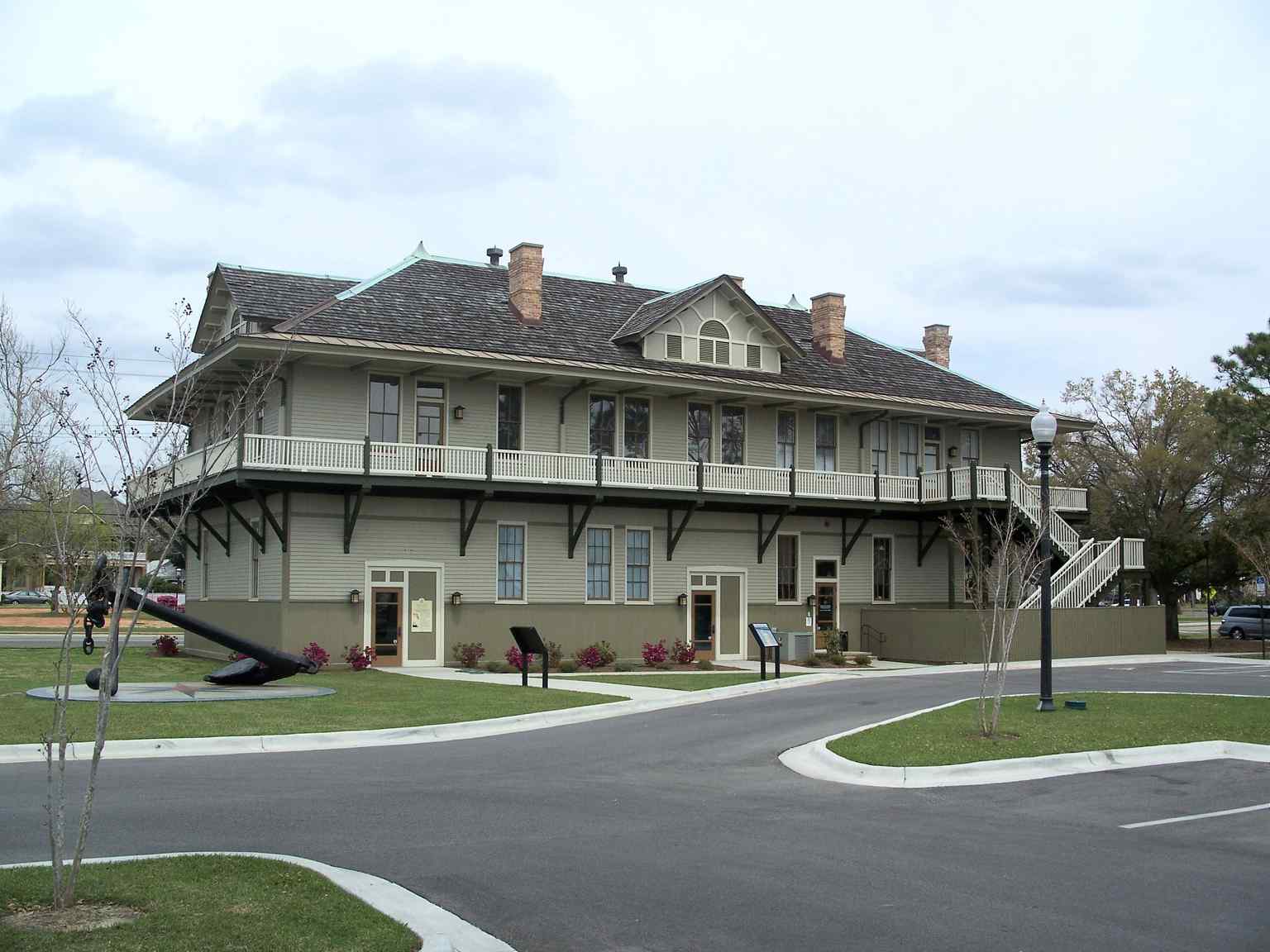
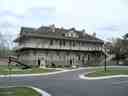
Pensacola L&N Term bldg01Photo: Ebyabe, Wikimedia Commons, CC BY-SA 3.0. Cropped & resized. To your left sits a two story wooden building with a prominent wraparound balcony and a massive black ship anchor resting on the front lawn. That is the L and N Marine Terminal Building! Built in 1902 for about eleven thousand five hundred dollars, which is roughly three hundred ninety thousand dollars today, this structure was a marvel of industrial efficiency. It served as the bustling nerve center for the Louisville and Nashville Railroad. Inside, it housed stevedores, the dock workers who physically loaded the cargo, alongside clerks and wharf masters managing a massive flow of lumber to the Caribbean and Europe. In December 1945, a captured German submarine, the U 505, was tied up right at the terminal's original wharf location. Pensacola was struggling to meet its Victory Bond fundraising goals, so local leaders hatched a clever scheme. You could only board the infamous submarine if you bought an eighteen dollar and seventy five cent bond, about three hundred dollars today. It worked perfectly. Over eight thousand tickets were sold, pushing the city past its quota of over a million dollars, the equivalent of nearly nineteen million now. But by 1959, the waterfront was changing rapidly. Looming waterfront redevelopment threatened to completely demolish this historic structure to make way for modern facilities. The wrecking ball was practically swinging. It was a tense battle, but a local builder named Theophalis May meticulously disassembled the entire terminal stick by stick starting in 1969. He saved it from absolute destruction and painstakingly reassembled it right here. It has faced disaster since, including severe damage from Hurricane Ivan in 2004, but it was lovingly restored yet again. It is a perfect example of a community refusing to let its physical memory be permanently erased. If you want to peek inside, they are open weekdays from eight to five and Saturdays until three. For now, let us walk about two minutes into the Pensacola Historic District, where the city's oldest secrets were finally unearthed.
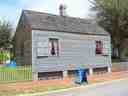
On your right is a small, rectangular wooden cottage with a weathered shingle roof, resting elevated on short brick piers, and marked by a bright blue historical sign out front.…और पढ़ेंकम दिखाएँ
समर्पित पेज खोलें →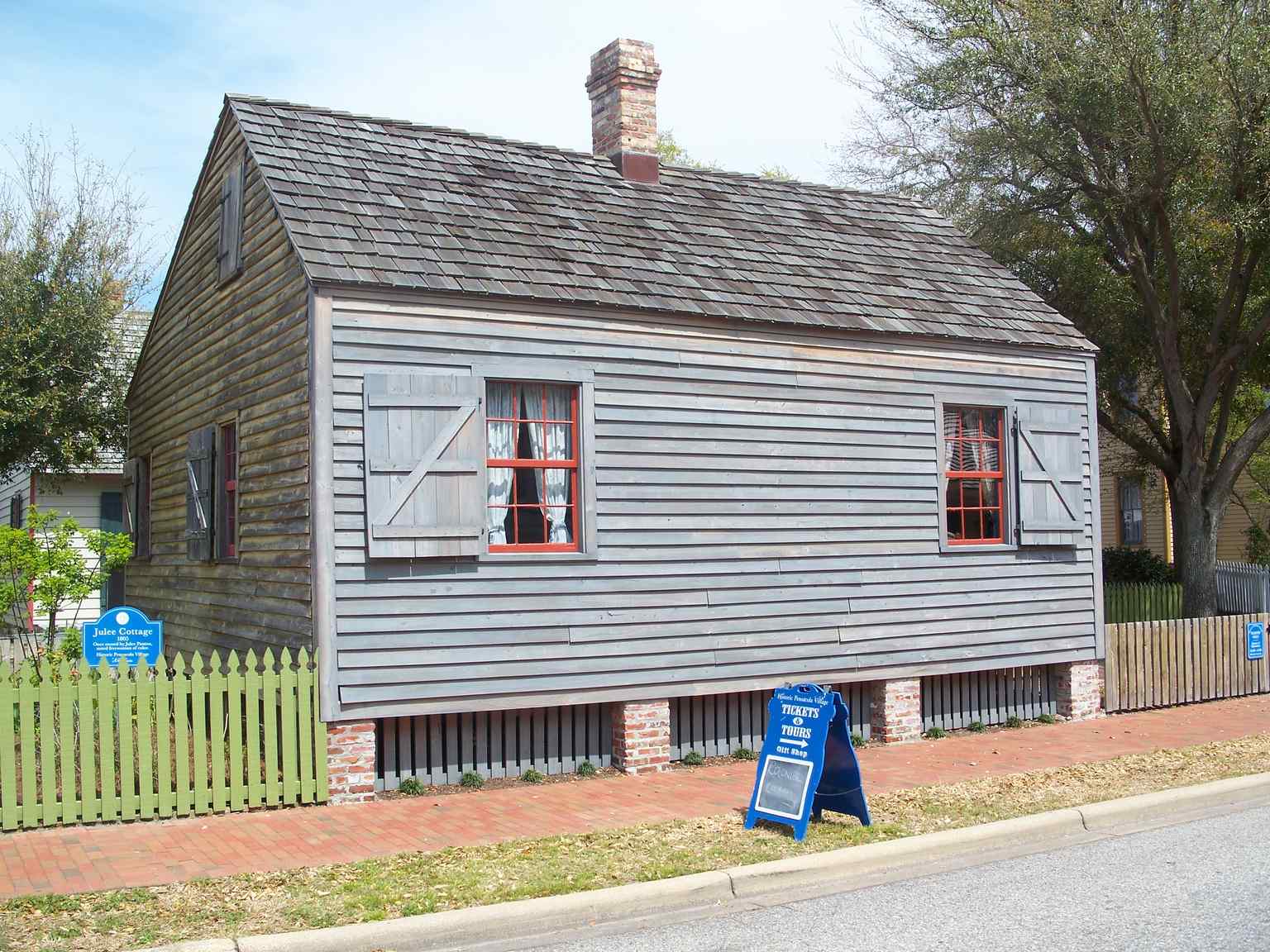
Pensacola HD Julee01Photo: Ebyabe, Wikimedia Commons, CC BY-SA 3.0. Cropped & resized. On your right is a small, rectangular wooden cottage with a weathered shingle roof, resting elevated on short brick piers, and marked by a bright blue historical sign out front. Welcome to the Pensacola Historic District! As we leave the industrial waterfront behind us, just take a moment to absorb these brick pathways and historic timber homes. This neighborhood is the ultimate testament to the shifting empires and the fierce battles to keep the past alive. The ground we are walking on holds some of the deepest secrets in North America. You might remember the doomed 1559 expedition led by Tristan de Luna that we discussed earlier. After a massive hurricane wiped out their fleet, the desperate survivors faced terrible famine and eventually abandoned the site. For centuries, the exact location of this doomed Spanish colony took on a mythical status, completely lost to time. That is, until late 2015. A former archaeology student spotted some unusual artifacts in a cleared lot where a modern house had just been torn down in a nearby residential neighborhood. Subsequent excavations in the yards of private homeowners uncovered large garbage pits containing deer antlers, oyster shells, and iron barrel straps. Tristan de Luna's mythical settlement had finally been found, hidden in plain sight right under people's front yards for over four centuries! But we almost lost the more recent history standing right in front of us. By the 1960s, this entire district was deeply neglected. It was saved by the grassroots efforts of a visionary local woman named Mary Turner Rule Reed. She and her friends formed the Pensacola Heritage Foundation, bought an aging historic home, and restored it with their own hands. To convince skeptical locals that this blighted neighborhood was worth saving, they threw a massive Victorian picnic in the park called An Evening in Old Seville Square. Her relentless fight against the bulldozers of progress is the only reason this district survives today. Because of those preservationists, we still have the very building you are looking at, the Julee Cottage. This simple Creole cottage was purchased around 1805 by Julee Panton, a free woman of color living under Spanish occupation. She bought it for three hundred dollars, which is roughly seven thousand five hundred dollars today. She made her living selling candles and pastries, but local legend holds that she used her hard earned wealth to purchase the freedom of enslaved African Americans, helping them start new lives. From devastating storms that wiped the slate clean, to the incredible locals who rebuilt and protected these streets, this city never stops fighting for its soul. By the way, if you want to explore the interiors of these historic museum buildings, they are open Tuesday through Saturday from 10 AM to 4 PM. Now, let us take a short one minute walk to our very final stop, Old Christ Church, to see the ultimate symbol of Pensacola's endurance.
Straight ahead is that stately brick building with its steep metal roof and the tall square tower rising on the right side. Leaving the Historic District just a minute ago, we…और पढ़ेंकम दिखाएँ
समर्पित पेज खोलें →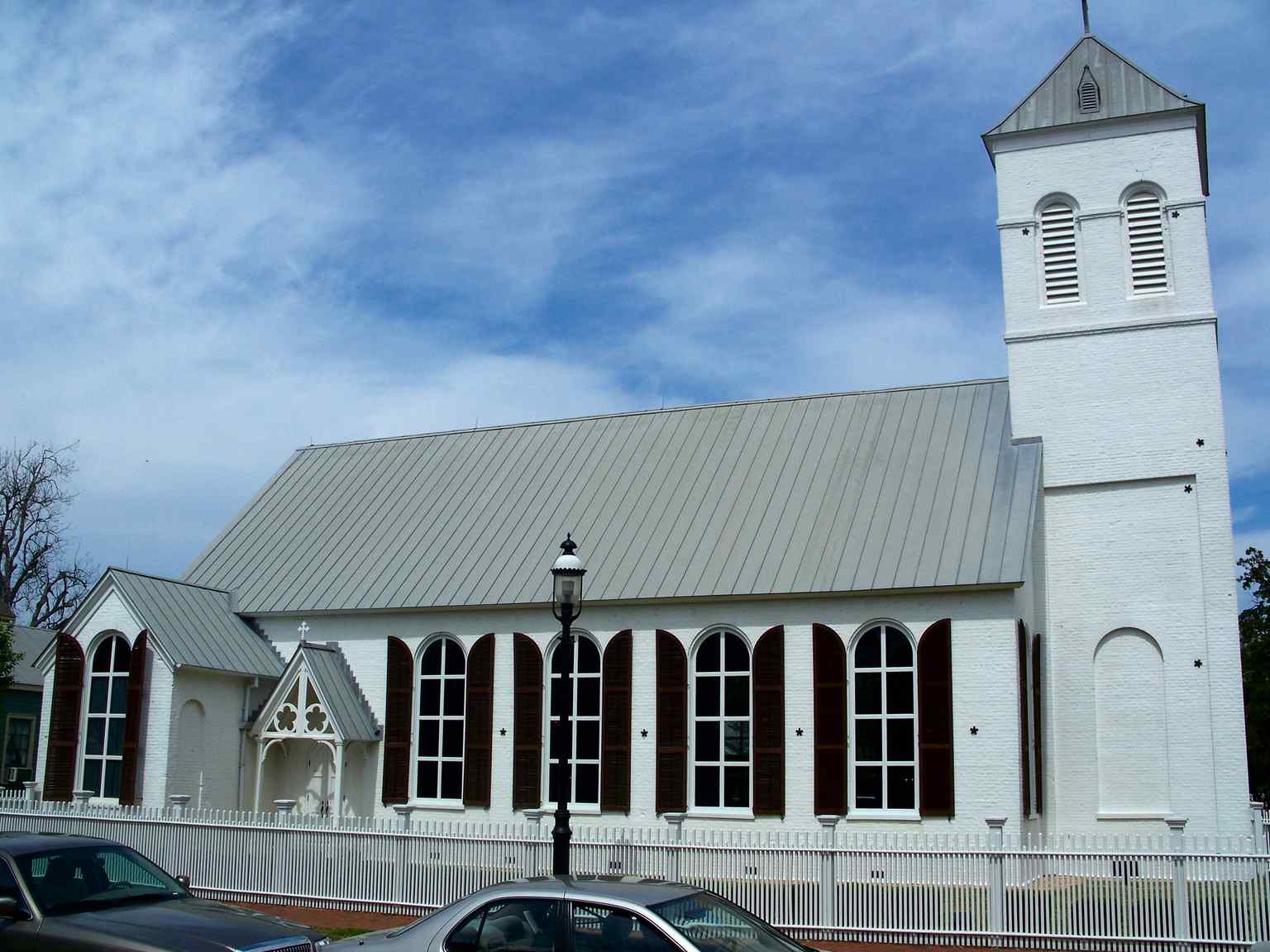
Exterior view of the stately Old Christ Church in Pensacola, standing strong since 1832 (2008).Photo: Ebyabe, Wikimedia Commons, CC BY-SA 3.0. Cropped & resized. Straight ahead is that stately brick building with its steep metal roof and the tall square tower rising on the right side. Leaving the Historic District just a minute ago, we arrive at the perfect final chapter to our journey, Old Christ Church, standing here since 1832. Remember how shifting empires shaped this region? When the United States acquired Florida in 1822, it brought a massive wave of Protestant missionaries into this heavily Catholic town. By 1827, an Episcopal priest named Ralph Williston realized the small Protestant minority desperately needed a home. He rallied a completely mixed group of believers. Twelve Episcopalians, ten Methodists, two Presbyterians, two Baptists, and a famous Navy commodore banded together just to build this place. And speaking of hidden history, they constructed this striking Norman Gothic structure, an architectural style known for its solid, heavy appearance and rounded arches, but the actual architect remains a complete mystery. Some say it was inspired by Boston Old North Church, but we may never know for sure. The church faced incredible hardship. When the Civil War broke out and Confederate forces evacuated, occupying Union troops marched right into this sacred space. They turned the nave, the central hall where the congregation sat, into a military hospital and even a stable for their horses. They looted the building entirely. Though incredibly, a church Bible stolen by a soldier was mailed back to the parish forty years later. After surviving the war and briefly housing a black Episcopal congregation named Saint Cyprian, the building suffered severe neglect. Yet, the community refused to let it fall. Instead of tearing it down, the city transformed the sanctuary into the very first public library of Pensacola in 1937, with shelves of books saving the brick walls from ruin until 1957. But the most haunting chapter came to light in 1988. For over a century, church officials suspected Union troops had desecrated the graves of three early priests buried under the original vestry, a side room where clergy kept their robes. Historians had entirely dismissed this claim. But archaeologists excavated the site and proved the congregation right. The remains of Reverends Saunders, Peake, and Flower were respectfully reinterred beneath the floor. According to local legend, during the funeral procession, three barefoot men in long black robes were seen walking beside the living clergy before vanishing into thin air. Today, visitors often report hearing phantom hymns echoing from the pews. Through war, neglect, and reinvention, Old Christ Church remains resolute, a peaceful survivor of everything history threw at it. It has been an absolute joy sharing this city with you, safe travels on your onward journey.
अक्सर पूछे जाने वाले प्रश्न
मैं टूर कैसे शुरू करूँ?
ख़रीदारी के बाद, AudaTours ऐप डाउनलोड करें और अपना रिडेम्पशन कोड दर्ज करें। टूर तुरंत शुरू करने के लिए तैयार होगा - बस प्ले टैप करें और GPS-गाइडेड रूट का पालन करें।
क्या टूर के दौरान मुझे इंटरनेट चाहिए?
नहीं! शुरू करने से पहले टूर डाउनलोड करें और पूरी तरह ऑफ़लाइन इसका आनंद लें। केवल चैट फ़ीचर को इंटरनेट की ज़रूरत है। मोबाइल डेटा बचाने के लिए WiFi पर डाउनलोड करने की सिफ़ारिश है।
क्या यह एक गाइडेड ग्रुप टूर है?
नहीं - यह एक सेल्फ-गाइडेड ऑडियो टूर है। आप अपनी गति से स्वतंत्र रूप से खोजते हैं, आपके फ़ोन से ऑडियो कथन बजता है। कोई टूर गाइड नहीं, कोई ग्रुप नहीं, कोई शेड्यूल नहीं।
टूर में कितना समय लगता है?
अधिकांश टूर पूरा करने में 60-90 मिनट लगते हैं, लेकिन गति पूरी तरह आपके नियंत्रण में है। जब चाहें रुकें, स्टॉप छोड़ें, या ब्रेक लें।
अगर मैं आज टूर पूरा नहीं कर सकता/सकती तो?
कोई समस्या नहीं! टूर की लाइफ़टाइम एक्सेस है। जब चाहें रोकें और फिर शुरू करें - कल, अगले हफ़्ते, या अगले साल। आपकी प्रगति सेव रहती है।
कौन सी भाषाएँ उपलब्ध हैं?
सभी टूर 50+ भाषाओं में उपलब्ध हैं। अपना कोड रिडीम करते समय अपनी पसंदीदा भाषा चुनें। नोट: टूर जेनरेट होने के बाद भाषा बदली नहीं जा सकती।
ख़रीदारी के बाद मैं टूर कहाँ एक्सेस करूँ?
App Store या Google Play से मुफ़्त AudaTours ऐप डाउनलोड करें। अपना रिडेम्पशन कोड (ईमेल द्वारा भेजा गया) दर्ज करें और टूर आपकी लाइब्रेरी में दिखेगा, डाउनलोड और शुरू करने के लिए तैयार।
अगर आपको टूर पसंद नहीं आया, तो हम आपकी ख़रीदारी वापस करेंगे। हमसे संपर्क करें [email protected]
सुरक्षित चेकआउट 


