AudaTours logoAudaTours

बोर्डो ऑडियो टूर: समय और विरासत के माध्यम से एक यात्रा

ऑडियो गाइड15 स्टॉप

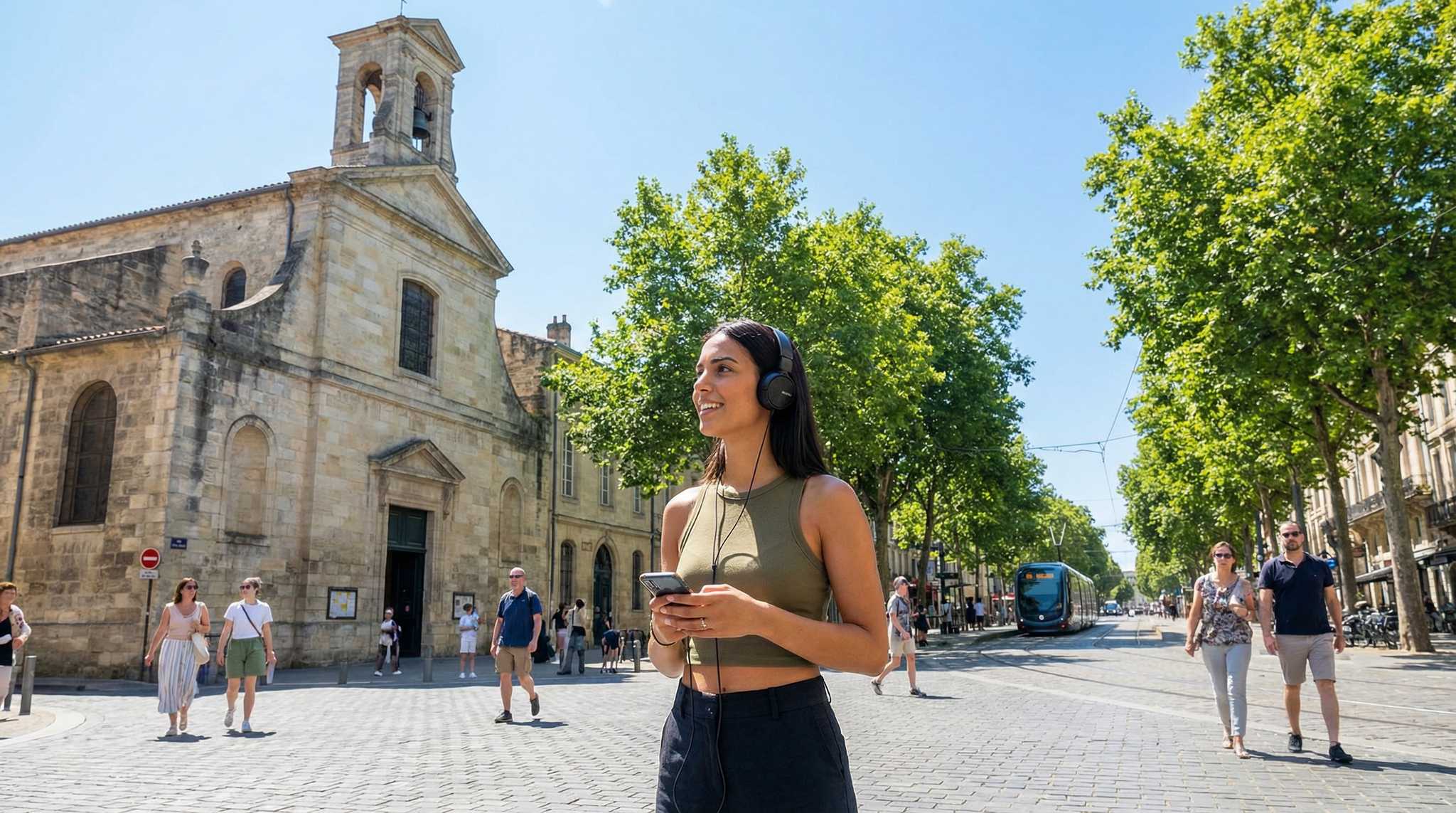
बोर्डो के सुनहरे अग्रभागों से पत्थर के चेहरे झपकते हैं और क्रांति की गूँज आपके पैरों के नीचे फैल जाती है। यहाँ, सुंदरता रहस्यों को छिपाती है और हर सुरुचिपूर्ण मेहराब आधी रात के शराब तहखानों से भी गहरी कहानियाँ समेटे हुए है। एक स्व-निर्देशित ऑडियो टूर पर बोर्डो को अनलॉक करें जो स्पष्ट बातों से परे जाकर राजनीतिक साज़िशों, छिपे हुए घोटालों और सदियों पुराने रहस्यों को उजागर करता है जिन्हें अधिकांश आगंतुक कभी नहीं देख पाते। जब प्लेस गैम्बेटा एक बगीचे के कब्रिस्तान से गिलोटिन के मंच में बदल गया तो वास्तव में क्या हुआ? उन ऊँची कैथेड्रल मीनारों के नीचे विधर्मियों का सामना करने के लिए प्राचीन बिशपों ने सब कुछ क्यों दांव पर लगा दिया? क्या शहर के मुखौटे वाले मस्कारोन अभी देख रहे हैं—और हँस रहे हैं—? जीवंत चौकों, धूप से सराबोर बुलेवार्डों और शांत कैथेड्रल गलियारों से होकर यात्रा करें। अपने चारों ओर इतिहास को उमड़ते हुए महसूस करें जैसे क्रांतिकारी इकट्ठा होते हैं, संत चमत्कार करते हैं, और भूले हुए क्षण सतह पर आते हैं जहाँ अब कैफे जाने वाले रुकते हैं। बोर्डो को नई आँखों से देखें: स्तरित, नाटकीय, अंतहीन रूप से जीवंत। हर पत्थर में छिपे सुरागों का पालन करने के लिए तैयार हैं? आपका साहसिक कार्य यहीं से शुरू होता है—शहर के छिपे हुए दिल में कदम रखने की हिम्मत करें।

टूर पूर्वावलोकन

map

इस टूर के बारे में

  • schedule
    अवधि 40–60 minsअपनी गति से चलें
  • straighten
    3.9 किमी पैदल मार्गगाइडेड पथ का पालन करें
  • location_on
  • wifi_off
    ऑफ़लाइन काम करता हैएक बार डाउनलोड करें, कहीं भी उपयोग करें
  • all_inclusive
    लाइफ़टाइम एक्सेसकभी भी, हमेशा के लिए फिर सुनें
  • location_on
    प्लेस गैम्बेटा से शुरू होता है

इस टूर के स्टॉप

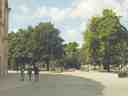
  1. Take a look around you now-Place Gambetta is easy to spot if you follow the light gray paving under your feet, leading you to a wide open square bordered by handsome stone…और पढ़ेंकम दिखाएँ

    Take a look around you now-Place Gambetta is easy to spot if you follow the light gray paving under your feet, leading you to a wide open square bordered by handsome stone buildings. Look for the lush, leafy trees that fill the middle of the square and the beautifully lined facades curving around both sides. The left side is graced by French classical stonework-the kind that makes you want to straighten your posture and say “ooh là là!” You’ll see shops at street level, with tall, rectangular windows above, and mansard roofs peeking over the treetops. Imagine yourself here in the 1700s, before there were even city walls-this spot was outside Bordeaux! Back then, only gardens, tiny shops, and a cemetery dotted the land. The Marquis de Tourny had a big idea: to turn this area into a grand square. The work took a while-about as long as it takes me to read a long French wine list-finally finishing in 1770. On opening day, people probably strolled by, admiring the elegant arches and the mascarons-those little stone faces that decorate each arch. Some say at night, if you look closely, you might even catch a mascaron winking at you. The place changed names nearly as often as someone changes their shoes. It started as Place Dauphine, then Place Nationale, and today, it carries the name Place Gambetta, after politician Léon Gambetta. But this pretty, peaceful scene also hides some dark secrets from the French Revolution. Picture the sound of the crowds gathering with nervous energy, as the guillotine stood ready in the middle of the square-yikes, not your usual market day! But don’t worry-you’re far more likely these days to be run over by a bus than by revolutionary history. Now, buses quietly glide around, and people come here for shopping or to stretch out in the sunshine. Soak up the buzz, snap a photo with the majestic facades, and remember-if those old mascarons could talk, they’d definitely have stories to tell. Maybe even a few jokes, if you listen closely enough! Yearning to grasp further insights on the location and access, description or the central garden? Dive into the chat section below and ask away.

    समर्पित पेज खोलें →
  2. Look ahead and feast your eyes on the breathtaking scene in front of you - a gigantic crescent-shaped square, with two grand buildings standing on either side like royal guards,…और पढ़ेंकम दिखाएँ

    Look ahead and feast your eyes on the breathtaking scene in front of you - a gigantic crescent-shaped square, with two grand buildings standing on either side like royal guards, all glowing with warm golden light, reflected perfectly in the water at your feet. That’s right, you’ve reached the heart of Bordeaux! If you ever wondered what a fairytale city looks like at night, this is it. Now, let’s dive in - but don’t worry, I won’t actually push you into the water mirror, even if it would make a good story! Bordeaux, my friend, isn’t just a city; it’s a living, breathing history lesson. Once upon a time, it was the jewel of the Roman Empire, the powerful capital of Aquitaine, and even had a whole chapter ruled by the English before becoming a crown of France. Does that mean Bordeaux has a British accent? Only in its love for tea and good manners, I assure you. Today, Bordeaux stands proud as one of Europe’s great cities, and with more than a million people in its embrace, it feels as vibrant as a buzzing café on a sunny French morning. The city’s secret? Its perfect spot: hugging the Garonne River, close to the wild Atlantic, wrapped in endless vineyards and forests. Bordeaux is so famous for wine that even its city air might have a hint of merlot in it - but don’t try breathing too deeply, or you’ll look tipsy. Trade and culture have pulsed through these streets for centuries. In the Middle Ages and during the Age of Enlightenment, Bordeaux was France’s busiest port, importing ideas as eagerly as it exported barrels of wine. Imagine sailing ships, philosophers, merchants, and maybe even a cheeky pirate or two. Famous thinkers like Montesquieu roamed these boulevards - and I bet they’d approve of your taste in travel. When you look around, know that the beauty isn’t just skin deep. These golden facades and elegant buildings, with their playful shadows and twinkling windows, have helped Bordeaux become a UNESCO World Heritage site. It’s the largest city area under protection in the world. Yes, the world! Take that, Paris! And if you’re wondering where all the energy comes from, well, it’s got a touch of rocket fuel too - Bordeaux is a hub for aviation, space, and brainy students. Over 100,000 students learn and dream here, so there’s always a spark in the air. So, as the city glows around you and the water mirror makes everything feel twice as magical, remember: Bordeaux isn’t just something you visit. It’s something you feel. And right now, you’re smack dab in the middle of its heart. Ready for the next adventure? Let’s go - although, if you see any ghosts from the Age of Enlightenment, just smile and wave. They’re friendly. Usually. If you're keen on discovering more about the geography, town planning or the toponymy, head down to the chat section and engage with me.

    समर्पित पेज खोलें →
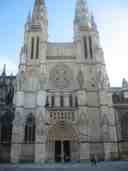
  3. Look ahead and you’ll spot a truly majestic sight-two tall spires reaching into the sky, framing a grand arched entrance. The stonework is pale, almost glowing in the daylight,…और पढ़ेंकम दिखाएँ

    Look ahead and you’ll spot a truly majestic sight-two tall spires reaching into the sky, framing a grand arched entrance. The stonework is pale, almost glowing in the daylight, carved with rows of arches and intricate statues staring down. Right above the entrance, you can’t miss the huge circular window: like a rose made of stone and glass. If you listen closely, you might even catch the faint echoes of church bells from beyond those doors. Standing here in front of the Roman Catholic Archdiocese of Bordeaux, you’re at the heart of a story nearly as old as the city itself. This place has survived revolutions, kings, emperors and maybe even a pigeon invasion or two-seriously, those arches look inviting if you’re a bird! Now, imagine yourself way back in the first century. Picture a time when legends say Saint Martial showed up, smashed down an old temple, and replaced it with a church dedicated to Saint Stephen. It’s said he even brought along Saint Veronica and performed miracles on the coast, like a medieval superhero. The city’s first known bishop, Orientalis, showed up in the history books back in 314-yes, that’s how old Bordeaux’s Christian roots run! And here’s where things get really dramatic: By the end of the fourth century, right behind these walls, arguing bishops gathered to fight the spread of mysterious heresies that sent ripples through town. Imagine torches flickering, voices rising, the tension almost thick enough to cut with a sword. In medieval days, the archdiocese grew so important that even Charlemagne himself felt the need to visit. Local rumors claimed that Christ had personally consecrated the old cemetery, giving it an air of holy mystery. Villagers whispered about relics-like Roland’s mighty horn-being left on altars right here. In the sixth century, Bishop Leontius, a real-life community builder, used his fortune to create churches and clear wild lands, proving that even churchmen got their hands dirty (well, maybe not literally, but you get the idea!). So as you glance up at those soaring towers and all the history packed into stone, remember: this place was-and still is-a crossroads for epic legends, holy relics and some very dedicated bishops. Let your imagination wander, and maybe you’ll catch the distant echo of a medieval choir in the air.

    समर्पित पेज खोलें →
12 और स्टॉप दिखाएँकम स्टॉप दिखाएँexpand_moreexpand_less
  1. You’re just about to spot one of Bordeaux’s most beloved book-filled corners: the Mollat Bookstore! As you walk along rue Porte-Dijeaux, look ahead for a row of elegant old…और पढ़ेंकम दिखाएँ

    You’re just about to spot one of Bordeaux’s most beloved book-filled corners: the Mollat Bookstore! As you walk along rue Porte-Dijeaux, look ahead for a row of elegant old buildings with striking blue awnings and big glass windows-those are the doors to literary heaven. The bookstore stretches across several historic facades, so keep your eyes open for the long line of “Librairie Mollat” signs above the entrance. You can’t miss it. Now, step up and take a breath-the scent coming from inside is pure magic: books, old paper, and perhaps a hint of adventure. Mollat isn't just a shop. It’s a living slice of history, run by the same family for five generations-since 1896! That’s long enough for even the dust to have a family tree. Today, Mollat is the largest independent bookstore in France. Imagine: a space as big as 2,500 square meters, packed with books, music, and the echoes of centuries past. Here, you’re standing on the very spot where Montesquieu-the famous philosopher-lived his last days, probably with a well-loved book in hand. Since then, the Mollat family has seen the store through wars, renovations, and a growing crowd of book lovers. In the early days, Albert Mollat sold leather goods and religious items alongside books. Over time, the store swelled, knocked down walls, and even opened secret underground rooms-great for plotting your next reading adventure or, possibly, the odd escape from a French rainstorm. Imagine it: 70 staff moving across aisles, recommending books or helping people find just the right novel. There’s a space for every kind of curiosity-history, art, children’s tales, travel, even music. There are conference rooms for literary debates and late-night launches, and sometimes the energy of an event fills the street outside with excited chattering. Even the Latin poet Ausone gets a nod here in the modern conference hall called Station Ausone, a spot for public readings and secret musings underground. Of course, every great bookshop needs a little drama, right? In 2020, the legendary manager Denis Mollat was described by a newspaper as making his employees tremble-a little like a wizard with a very strong coffee in the morning. But it’s all part of the story. Today, more than 55 staff keep the literary magic alive, smiling and ready to lead you down an aisle that could change your afternoon-or your whole life. So, take a slow walk past the front windows. Glance in, and you might just see someone falling in love...with a good story. Ready to keep exploring? Intrigued by the history and evolution of the company, the manager or the presentation of the library? Make your way to the chat section and I'll be happy to provide further details.

    समर्पित पेज खोलें →
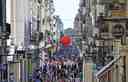
  2. Look straight ahead and you’ll spot Sainte-Catherine Street by the river of people flowing between the tall French stone buildings. The shops’ signs hang over your head, and the…और पढ़ेंकम दिखाएँ

    Look straight ahead and you’ll spot Sainte-Catherine Street by the river of people flowing between the tall French stone buildings. The shops’ signs hang over your head, and the balconies run like ribbons along each side. In the distance, you can see a grand building closing off the far end, like bookends on a shelf. Over your head, a bright splash of red-one of the decorations that sometimes floats above the crowd-lets you know you’re in the right place. Take a deep breath-do you feel the buzz? Sainte-Catherine Street is one of Bordeaux’s loudest, liveliest arteries. The sound of shoes tapping on stone mixes with laughter, chatter, and the distant rolling of shop shutters preparing for another busy day. This isn’t just a street-it’s a legend, stretching out for 1,250 meters and holding the title of Europe’s longest shopping street! Once, it was the main road through ancient Burdigala, the Roman city that became modern Bordeaux. Imagine knights on horseback, market ladies balancing baskets, and-if you really use your imagination-maybe the odd merchant trying to dodge a puddle in the mud before the first stones were laid. Every step you take here is a step through history and mystery. Centuries ago, great religious processions would stop at the old Gothic cross in Saint-Projet square, where people came to pray, gossip, and perhaps hope for a miracle or two. During the countless battles of history, the street echoed to the stomp of boots, and sometimes, shouts and clashing steel. In one dramatic moment during the days of the Fronde rebellion, 400 people lost their lives here in a struggle for power. Let’s just say you wouldn’t want to be wearing your best shoes back then! Check out the shopfronts-you’ll spot over 250 different boutiques, from fashion to tech, pastries to sports gear. If you’re lucky, you might hear the echoing sound of a tram rolling nearby, reminding you that high-speed travel isn’t just a modern thing here in Bordeaux. And if you wander down one of the side streets, you might find the legendary Galerie Bordelaise, or even stumble across old stones from ancient churches. Once, there was a chapel here named Sainte-Catherine-one of Bordeaux’s oldest-standing bravely in muddy waters before it was lost to time. Spoiler alert: they sold some of the chapel’s furniture to pay for new paving stones. Now that’s what you call “recycling.” So, anything you need, day or night, you’ll find it here. But be careful-legend has it, no one walks the entire street without stopping to buy something. Don’t fight it: give in to the spirit of Sainte-Catherine! Interested in knowing more about the location and access, origin of the name or the historical

    समर्पित पेज खोलें →
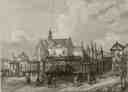
  3. Take a look ahead-you’ll spot the Parliament of Bordeaux by its striking medieval presence. It’s a grand stone building with dramatic rooftops rising behind half-timbered houses,…और पढ़ेंकम दिखाएँ

    Take a look ahead-you’ll spot the Parliament of Bordeaux by its striking medieval presence. It’s a grand stone building with dramatic rooftops rising behind half-timbered houses, and you’ll notice pointy towers gathered on one side like a gathering of chess pieces ready for their next move. The mix of stone and timber, all clustered around an open square, gives it the feeling of an ancient stage set-so keep your eyes peeled just past the bustle of the plaza and look for the highest rooftops, which used to watch over centuries of whispered schemes. Now, close your eyes for a moment, and imagine the noise of a busy square-horses’ hooves clopping, townsfolk talking, and the shuffle of rich robes and important papers. Right in front of you stands what was, for centuries, the heart of power and justice in Bordeaux: the Parliament. Kings and queens may have ruled France from Paris, but here in Bordeaux, the real drama happened inside these thick walls. Created in 1451 by King Charles VII, the Parliament was like Bordeaux’s very own “Game of Thrones”-disagreements, heated debates, and once, even a full-on revolt against the king himself! Just picture it: magistrates in plush robes shuffling up and down the steps, townspeople anxiously awaiting justice, and sometimes, a judge who probably ate too much garlic at lunch, waving legal documents in the air. This wasn’t just any old courthouse. For centuries, the Parliament of Bordeaux stood its ground, refusing to blindly follow orders from the king in far-off Paris. They set their own rules, dug their heels in, and even refused royal treaties from time to time. It’s the kind of stubbornness Bordeaux is famous for-if you’ve ever tried telling a Bordelais how to drink their wine, you know what I mean! And although the whispers and footsteps in these halls eventually faded when the Revolution swept away the old world, Bordeaux’s sense of independence never truly vanished. While you stand here, imagine the echo of voices rising up-each one hoping for justice, change, or maybe just a little more wine at dinner.

    समर्पित पेज खोलें →
  4. Straight ahead of you, you’ll see an open square with a charming, creamy stone fountain right at the center. The space is surrounded by tall, elegant buildings made from golden…और पढ़ेंकम दिखाएँ

    Straight ahead of you, you’ll see an open square with a charming, creamy stone fountain right at the center. The space is surrounded by tall, elegant buildings made from golden limestone, with big windows and beautiful black iron balconies lining each floor. The ground under your feet is paved with wide, flat stones, and around you are narrow streets leading off in all directions. If you look for delicate carvings along the building fronts and the striking balustrades up high, you’ll know you’ve found the Place du Parlement. Now, take a deep breath and imagine yourself in the heart of old Bordeaux. This isn’t just any square-it’s been the stage for centuries of stories! Back in 1760, folks called this spot the “Marché-Royal” and bustled here for the market. During the French Revolution, it had a new name-Place de la Liberté, which sounds very grand, don’t you think? Then, it returned to the Place du Parlement, a name that harks back to the Parliament of Bordeaux, set up way back in 1451. They ran things here until 1790, but don’t worry-no one's going to ask you for your royalty papers. Look down at your feet. These golden paving stones were laid in 1980, but they shimmer with layers of history. The buildings that tower over you? They date from the first half of the 1700s, and each one is decorated with carvings and masks called “mascarons,” peeking out above the windows. It’s almost as if someone’s always keeping watch-so mind your step! But the real centerpiece here is the fountain, set on big slabs of stone and created in 1865 by the architect Louis-Michel Garros. He was quite the artistic multitasker-he also designed the grand Exshaw Hotel nearby. The fountain’s swirling, ornate stonework makes it look like something that might magically bubble over with history, or perhaps just some very posh water. People have gathered here for coffee, stories, and plans for hundreds of years, just like you are now. If you listen carefully, you might just hear the echoes of market traders, local mothers fussing over children, or a stray secret from an old parliament whispering through the square. Don’t worry, I won’t tell anyone if you make a wish at the fountain-it’s kind of a local tradition. Welcome to the living heart of Bordeaux’s past!

    समर्पित पेज खोलें →
  5. Right in front of you is one of Bordeaux’s most stunning sights-Port de la Lune. Take a look toward the wide curve of the river, where the water glistens in the sunlight and you…और पढ़ेंकम दिखाएँ

    Right in front of you is one of Bordeaux’s most stunning sights-Port de la Lune. Take a look toward the wide curve of the river, where the water glistens in the sunlight and you see the skyline stretching out on the other side. See the reflection of the tall spire in the water? That serene, smooth bend in the river forms a shape just like a crescent moon if you look at it from above-that’s where it gets its name, “Port of the Moon.” Alright, ready for a slice of medieval mystery? Imagine it’s the Middle Ages. Merchants rush about, goods pile high, and the river is alive with wooden ships-all drawn to this very crescent in the Garonne. The shape was so distinct, they even put a crescent moon on the city’s coat of arms. Hey, if your city looked this good from space, you’d want a badge of honor too! Today, you’re standing where history buzzes beneath the surface. Most of the old cargo traffic has moved downriver to other towns, but Port de la Lune is now the beating heart of Bordeaux’s beauty and tourism. Have a look at the grand facades along the waterfront-they’re like the city’s smile, thanks to a massive cleaning and lighting project from the 1990s, which turned Bordeaux’s attention back to its river. Since 2007, Port de la Lune, along with a huge slice of Bordeaux, became a UNESCO World Heritage wonder-1,800 hectares packed with more than 350 historic monuments! The river, the majestic stone buildings, and cleverly planned squares all tell tales from the days of Enlightenment and colonial ambitions. For a bit of drama, picture those centuries-old facades after a wild storm, shining gold against the blue sky as the Garonne glides by, whispering stories of explorers, wine merchants, and a few secret midnight meetings.

    समर्पित पेज खोलें →
  6. Take a look just ahead of you! To spot the Église Saint-Paul-Saint-François-Xavier, look for a tall, creamy stone church rising up from the corner of the street, with its…और पढ़ेंकम दिखाएँ

    Take a look just ahead of you! To spot the Église Saint-Paul-Saint-François-Xavier, look for a tall, creamy stone church rising up from the corner of the street, with its impressive baroque façade. You’ll see a tall bell tower stretching up on the left, and the main entrance glows with detailed carvings and arched windows. The building stands out like a piece of wedding cake, all pale stone and elegant lines, right in the heart of Bordeaux’s city buzz. As you stand here, imagine what this spot must have felt like in the 1600s: the smell of fresh stone dust, the sound of hammers echoing as the Jesuits were hard at work, and maybe a few college students sneaking out of what was once a bustling Jesuit college next door. This church isn't just your average old building-it’s Saint Paul’s, or as the locals call it, “Saint-Paul.” She’s been here since the 17th century, watching over Bordeaux’s center, a survivor of centuries and a masterwork of baroque style. Imagine its architects in a cloud of chalky dust, scratching out plans for arches and chapels, dreaming big-hoping even to build a grand dome right overhead! But, ah… running out of money, they had to leave that dream behind. No dome, but plenty of drama remains. This church has a bit of a rebellious streak, too. When revolutionaries swept through during the French Revolution, the beautiful high altar was at risk of being smashed. But the clever townsfolk gave Saint François Xavier a makeover-adding a moustache, a funny red cap, even arming him with a hatchet. He looked so ridiculous, no one could recognize the saint, and the altar was saved by laughter! Inside, the vibe is just as riveting. The massive metal and glass chandelier hanging where the dome was supposed to go now glows with changing colors, like a disco ball set for holy days. It’s a marvel of old and new, light and shadow. So, take it all in for a moment. Notice the deep details of the carvings, the worn stones under your feet, the gentle hush that still lingers from centuries of prayers and schoolchildren’s whispers. Saints, sculptors, sneaky pranksters-Saint-Paul has room for them all. Would you have been brave enough to give the altar a moustache? I’d say, for art’s sake, absolutely!

    समर्पित पेज खोलें →
  7. To spot the Institute of the Good Shepherd, look for a classic emblem above the entryway-a round seal with a gentle shepherd holding a lamb on his shoulders, staff in hand,…और पढ़ेंकम दिखाएँ

    To spot the Institute of the Good Shepherd, look for a classic emblem above the entryway-a round seal with a gentle shepherd holding a lamb on his shoulders, staff in hand, surrounded by peaceful sheep and leafy trees. The soft brown outlines stand out against the light background. If you’re walking along the street, focus your eyes up for churchy architecture and that distinct emblem: a reassuring shepherd in the very middle framed by the Latin words “Institutum a Bono Pastore.” It’s an image that almost feels like it could start mooing or baaing if you look at it long enough-don’t be startled if you feel as if you’ve wandered into a pastoral countryside scene right here in the heart of Bordeaux! Now, while you’re standing here, let’s go back in time and imagine the echo of footsteps on old stone floors. This place is much more than a peaceful spot with a shepherd and his sheep-it’s at the center of a story filled with stubbornness, hope, and just a pinch of dramatic rebellion. The Institute of the Good Shepherd was founded by a group of priests who-like our shepherd here-weren’t afraid to look after their flock in the old-fashioned way. Instead of going with the flow, these priests held tightly to the ancient Tridentine Mass, the Latin chants, and the rituals that echo through big, echoey churches. They’re known for doing things in the traditional style-no guitar masses here, just the sound of incense swishing and Latin prayers echoing up to the painted ceilings. But here’s where it gets spicy: the founders, including Father Paul Aulagnier and Father Philippe Laguérie, faced expulsion from another Catholic community for refusing to budge on their beliefs. Imagine them packing up their cassocks, whispering last prayers, and heading off into the unknown, determined to create a new place where old ways could survive. They were so determined that a French court even had to get involved with all the drama! When you look at that emblem again, imagine it as almost a badge of honor for courage and tradition. Today, the Institute’s priests and seminarians-who come from twelve different countries-continue their mission in over ten countries, sharing their way of worship and ensuring the music of the old Latin Mass still rings out. So as you stand outside this landmark, let yourself listen for the whisper of tradition, the stubborn shuffle of priestly shoes, and the timeless call of a shepherd who won’t ever leave his flock behind. If that’s not dedication, I don’t know what is! Interested in knowing more about the background, foundation or the agreement with the holy see

    समर्पित पेज खोलें →
  8. As you approach this spot, look straight ahead-you can’t miss it! The Grosse Cloche towers proudly above the street, squeezed between classic Bordeaux stone buildings. Its two…और पढ़ेंकम दिखाएँ

    As you approach this spot, look straight ahead-you can’t miss it! The Grosse Cloche towers proudly above the street, squeezed between classic Bordeaux stone buildings. Its two round towers rise up like cones, each with pointy slate roofs, and in the center, there's a giant bell sitting beneath a clock framed by golden trim. Above it all, a little golden leopard stands on the very top, catching the sun. If you squint, you might just spot the grinning gargoyles peeking at you from above the archway. The arch underneath the clock was once the main entrance to the old city. Now, take a breath and imagine the sound echoing through the narrow medieval streets. That’s the sound that once controlled the very heartbeat of Bordeaux! You're looking at the famous Grosse Cloche, one of the city’s proudest symbols. Built in the 15th century on top of an even older gate, it was once part of Bordeaux’s medieval walls-and a bit like medieval security: if you didn’t have permission, you weren’t getting in! It’s also had more names than a secret agent. People call it the Saint-Eloi Gate, after the church right next to it, or Saint-James Gate because this was the way pilgrims started their long, foot-sore journey to Santiago de Compostela. Back in the day, Bordeaux’s mayors used this enormous bell as their very own megaphone. They’d ring it to announce the grape harvest, warn about fires, or let everyone know when there was danger. The bell became such a part of everyday life that the city even put it on its coat of arms! The townsfolk loved this bell-maybe a little too much. Whenever the king got annoyed with Bordeaux (for getting a bit rebellious, as Bordelais do), he would take the bell away. Suddenly, everyone became very, very well-behaved. In 1548, after a big rebellion, the bell was taken and broken. It only came back many years later, making the whole city cheer. If you look up, you’ll see two big round towers-once it used to be four! At the very top, after a fire in the 1700s, they crowned it with the cone-shaped roofs and the leopard statue. Peek at the ironwork under the bell and you’ll spy the city’s arms, with some stone gargoyles from the 1400s pulling faces at passersby. There are even marble inscriptions dating back to 1592. This bell is not just a lightweight-she weighs in at 7,800 kilos and stands two meters tall. Cast in 1775, she’s only rung for special moments in modern times: big celebrations like New Year’s, national holidays, and when Bordeaux was liberated in 1944. For many centuries, though, those deep, echoing chimes were the sound of home. Nowadays, if you’re here on the first Sunday of the month, you might just hear her again. And one fun last fact: underneath the clock is a solar equation dial, a very fancy way for old Bordeaux to always know if they were running late! So, as you stand here next to centuries of history and perhaps a slightly grumpy gargoyle or two, imagine the excitement and drama that echoed through this gate. And don't worry-the bell won't be taken away today, so the city is safe to keep having fun… for now!

    समर्पित पेज खोलें →
  9. Right in front of you is Republic Square - or, as the locals say, Place de la République. To spot it, just look for the wide open space with plane trees standing guard like…और पढ़ेंकम दिखाएँ

    Right in front of you is Republic Square - or, as the locals say, Place de la République. To spot it, just look for the wide open space with plane trees standing guard like silent, leafless sentinels. The centerpiece is impossible to miss: a large, dramatic bronze statue perched on a stone base. There's a winged horse rearing up, carrying a brave rider - as if about to soar off right in front of you. The square is bordered by handsome 19th-century buildings, so you’re surrounded by Bordeaux's history wherever you turn. Take a moment here to imagine the echo of heavy boots and the crisp command of officers - because before it was called Republic Square, this place was known as the “Place d’Armes.” Soldiers marched, cannons rolled, and the whole square rang with the clang and clatter of military drills. This was the main stage for military maneuvers, a real-life parade ground. Just ahead, you’ll notice the imposing building of the old Saint-André Hospital, built by Jean Burguet between 1825 and 1830. And if you look directly opposite, you’ll see the elegant Palais Thiac staring back. Two neighbors, face to face, with plenty of old Bordeaux drama in between. But what really draws your eyes is that monument. It commemorates those who gave their lives during the war of 1870. Sculptor J. Achard added a touch of heroism to the city with this bronze. Look closer - on the base, you might spot a bronze relief marking the courage and loss of Commandant Arnould, who was killed in battle in 1871, leading his men bravely at the front. You can almost hear the quickening hearts and nervous whispers of the soldiers about to march into the unknown. And here’s a twist: beneath your feet once stood the old fort du Hâ, replaced by the striking Palais de Justice between 1839 and 1846. Justice now reigns where once the stone walls hid secrets and knights. Republic Square has changed its name and its purpose, but if you close your eyes for a second, maybe you can feel the energy of all those who once crossed this very spot. If the horse statue ever flaps its wings and takes off, well, you’ll be the first to know! When you’re ready, we’ll set off to the next stop on our journey through Bordeaux.

    समर्पित पेज खोलें →
  10. Alright, look straight ahead-you’ll spot the Temple of Ha by its grand, creamy stone façade, topped with a triangular roof. See those three round windows and big blue double doors…और पढ़ेंकम दिखाएँ

    Alright, look straight ahead-you’ll spot the Temple of Ha by its grand, creamy stone façade, topped with a triangular roof. See those three round windows and big blue double doors right in the center? That’s your target. The facade looks like a three-part composition, with swirly stone curves and a certain calm dignity-like a wise old friend waiting for a chat. If you’re standing on rue du Hâ, you can’t miss it, framed tightly between two buildings and nearly glowing in the daylight. Now, imagine yourself in the bustling streets of Bordeaux in the early 1600s. This building wasn’t always a Protestant church. It started as a chapel for Catholic sisters-built from 1625 to 1638, by an architect named Henri Roche. The sisters’ mission? To educate young girls, especially those whisked away from their Protestant families. Could you imagine the hushed voices, the sound of students’ footsteps, the air full of chalk dust and the scent of old wooden benches? Jeanne de Lestonnac-the founder-had an impressive family tree. Her uncle was none other than Michel de Montaigne, the philosopher and once-mayor of Bordeaux. Fun fact: the family gatherings probably had more debates than desert! The earth beneath your feet here even quaked in 1751, forcing a rebuild of the main hall. Then came the French Revolution-out went the religious items, in came… hay! Yes, this chapel turned into a forage store for the army. Hay there-imagine that aroma! In 1803, after things calmed down, Napoleon handed this place to the city’s Calvinist Protestants. From that point, it became the Temple of Ha, its name borrowed from the nearby Fort du Hâ. On December 1, 1805, Pastor Martin led the first Protestant service here-probably with a nervous gulp and a proud smile. Peek inside through the windows, and picture sturdy benches, a simple pulpit at the front, and the Bible resting on the communion table. There’s even an organ built in 1883, with its music echoing in the sober, baroque interior. Outside, life continued-by the 1860s, a nearby Protestant school bustled with children’s laughter. The building now hosts cultural events and supports communities in need. So, as you stand here, let the stone walls and blue doors remind you: if a chapel can go from sisters to hay bales to Protestants, anything’s possible in Bordeaux. And remember, wherever there’s a mysterious door, there’s a story just waiting to be heard. Ready to see what’s next?

    समर्पित पेज खोलें →
  11. If you look straight ahead, you can’t miss it-the Saint Andrew Cathedral towers above everything nearby. You’ll spot two dramatic spires reaching for the sky, every inch decorated…और पढ़ेंकम दिखाएँ

    If you look straight ahead, you can’t miss it-the Saint Andrew Cathedral towers above everything nearby. You’ll spot two dramatic spires reaching for the sky, every inch decorated with sharp angles and delicate stonework. The front is richly detailed, with a massive rose window in the middle that almost looks like lace carved from stone. To find it, just look for the tallest twin towers and the grand arched doorways-if you feel dwarfed by your surroundings, you’re in the right place! Alright, take in the view, because you’re standing in front of the most impressive place of worship in all of Bordeaux. Imagine the square bustling around you, the echo of your footsteps on ancient stones. This cathedral has roots that go all the way back to the third century-seriously, if these walls could talk, they’d have some wild stories! Way back in 1096, the Pope himself showed up to bless this place. Can you picture the excitement and maybe a touch of panic as the townsfolk rushed to clean up for the papal visit? Over the years, this cathedral has seen it all: royal weddings, fires, lightning strikes, even a wobble from an earthquake. Don’t worry, it’s standing strong now-though you might want to step away from the nearest gargoyle, just in case! Look up at the grand towers-these are nearly 81 meters high. If you feel a tiny bit dizzy, you’re getting the same effect medieval visitors did, so you’re in good company. All the way through the Middle Ages, new kings, queens, and bishops never stopped adding and rebuilding. The whole building seems to grow upwards and outwards with each new era. Now, don’t be surprised if you sense a little tension in the air-throughout Bordeaux’s rough history, the cathedral was attacked and even partially demolished by invading armies, like the Visigoths and the Sarrasins. But each time, the people of Bordeaux rebuilt it grander than before. There was even a famous power struggle here: an archbishop from Bordeaux went on to become Pope Clement V, and he moved the entire papal court to Avignon-talk about taking your work home with you! After disasters like fires and storms, the townspeople came back again and again to patch things up. And, because Bordeaux never does things halfway, they decided to add flying buttresses, royal chapels, and one of the grandest rose windows you’ll see outside Paris. Take one last look up before following me onward. Whether you’re here for the history, the breathtaking architecture, or just to try and spot a ghost or two, Saint Andrew Cathedral stands as proof: Bordeaux doesn’t just survive-it soars. If you're keen on discovering more about the historical, heritage recognition or the architecture, head down to the chat section and engage with me.

    समर्पित पेज खोलें →
  12. Look straight ahead and just a little to your right-see those tall, dramatic stone spires poking up above a sea of green trees? That’s your clue you’ve made it to Place…और पढ़ेंकम दिखाएँ

    Look straight ahead and just a little to your right-see those tall, dramatic stone spires poking up above a sea of green trees? That’s your clue you’ve made it to Place Pey-Berland. The tram moves right along this square, and the grand cathedral’s towers seem to touch the sky. As you get closer, you’ll hear the everyday hum of the city, but if you listen carefully, maybe you’ll catch a whisper from the past along the old stones. Now, as you stand here, let’s talk about what makes this spot so special. Place Pey-Berland isn’t just any city square-it’s the heart of Bordeaux’s old stories and real-life mysteries. This place got its name from Pey Berland, the guy who became archbishop of Bordeaux way back in 1430. Imagine the ground beneath your feet: it once held parts of Roman walls, and, believe it or not, underground cellars from houses that used to pack the square much tighter than today! Every step you take here is like walking across layers of history. In 2021, during some work to plant trees here-yes, even city squares need a little shade-workers uncovered more secrets hiding just below the surface: ancient cellars from old houses. It’s almost like the earth itself wants visitors to discover its secrets. Look around-the towering Saint-André Cathedral and the famous Pey-Berland Tower are right next to you. The grand Palais Rohan, which houses city hall, is nearby, and there’s even a huge statue of Jacques Chaban-Delmas, a mayor who led the city for years (and whose statue is definitely hard to miss-it's more than three meters high and weighs as much as a small car). If you’re standing on the tram tracks, don’t worry, the city’s oldest and newest history crisscross right beneath your feet. Oh, and here’s a fun bit: artists have loved this square too. There’s a painting called “¿Que tal? Don Francisco à Bordeaux,” specially made for an exhibition celebrating the friendship between Bordeaux and Lima. The mayor at the time said the painting was a special tribute to the city. So take a breath-do you smell the fresh leaves and hear the faint tram bell? Maybe your imagination can transport you back to a time when the square was packed with medieval houses, or even further, when Roman troops stomped through here. Every inch of Place Pey-Berland is alive with centuries of stories, and now, you’re a part of them too!

    समर्पित पेज खोलें →

अक्सर पूछे जाने वाले प्रश्न

मैं टूर कैसे शुरू करूँ?

ख़रीदारी के बाद, AudaTours ऐप डाउनलोड करें और अपना रिडेम्पशन कोड दर्ज करें। टूर तुरंत शुरू करने के लिए तैयार होगा - बस प्ले टैप करें और GPS-गाइडेड रूट का पालन करें।

क्या टूर के दौरान मुझे इंटरनेट चाहिए?

नहीं! शुरू करने से पहले टूर डाउनलोड करें और पूरी तरह ऑफ़लाइन इसका आनंद लें। केवल चैट फ़ीचर को इंटरनेट की ज़रूरत है। मोबाइल डेटा बचाने के लिए WiFi पर डाउनलोड करने की सिफ़ारिश है।

क्या यह एक गाइडेड ग्रुप टूर है?

नहीं - यह एक सेल्फ-गाइडेड ऑडियो टूर है। आप अपनी गति से स्वतंत्र रूप से खोजते हैं, आपके फ़ोन से ऑडियो कथन बजता है। कोई टूर गाइड नहीं, कोई ग्रुप नहीं, कोई शेड्यूल नहीं।

टूर में कितना समय लगता है?

अधिकांश टूर पूरा करने में 60-90 मिनट लगते हैं, लेकिन गति पूरी तरह आपके नियंत्रण में है। जब चाहें रुकें, स्टॉप छोड़ें, या ब्रेक लें।

अगर मैं आज टूर पूरा नहीं कर सकता/सकती तो?

कोई समस्या नहीं! टूर की लाइफ़टाइम एक्सेस है। जब चाहें रोकें और फिर शुरू करें - कल, अगले हफ़्ते, या अगले साल। आपकी प्रगति सेव रहती है।

कौन सी भाषाएँ उपलब्ध हैं?

सभी टूर 50+ भाषाओं में उपलब्ध हैं। अपना कोड रिडीम करते समय अपनी पसंदीदा भाषा चुनें। नोट: टूर जेनरेट होने के बाद भाषा बदली नहीं जा सकती।

ख़रीदारी के बाद मैं टूर कहाँ एक्सेस करूँ?

App Store या Google Play से मुफ़्त AudaTours ऐप डाउनलोड करें। अपना रिडेम्पशन कोड (ईमेल द्वारा भेजा गया) दर्ज करें और टूर आपकी लाइब्रेरी में दिखेगा, डाउनलोड और शुरू करने के लिए तैयार।

verified_user
संतुष्टि गारंटी

अगर आपको टूर पसंद नहीं आया, तो हम आपकी ख़रीदारी वापस करेंगे। हमसे संपर्क करें [email protected]

सुरक्षित चेकआउट

Apple PayGoogle PayVisaMastercardPayPal

AudaTours: ऑडियो टूर

मनोरंजक, किफ़ायती, सेल्फ-गाइडेड वॉकिंग टूर

ऐप आज़माएँ arrow_forward

दुनिया भर के यात्रियों द्वारा पसंद

format_quote शहर को देखने का यह बहुत अच्छा तरीका था। कहानियाँ रोचक थीं बिना ज़्यादा स्क्रिप्टेड लगे, और मुझे अपनी गति से खोजने का बहुत मज़ा आया।
Jess
Jess
starstarstarstarstar
Tbilisi टूर arrow_forward
format_quote बिना पर्यटक जैसा महसूस किए Brighton को जानने का यह एक शानदार तरीका था। कथन में गहराई और संदर्भ था, लेकिन ज़रूरत से ज़्यादा नहीं।
Christoph
Christoph
starstarstarstarstar
Brighton टूर arrow_forward
format_quote इस टूर की शुरुआत एक हाथ में क्रोसॉन्ट और शून्य उम्मीदों के साथ की। ऐप बस आपके साथ बहता है, कोई दबाव नहीं, बस आप, आपके हेडफ़ोन, और कुछ बढ़िया कहानियाँ।
John
John
starstarstarstarstar
Marseille टूर arrow_forward

अनलिमिटेड ऑडियो टूर

दुनिया भर के हर टूर तक पहुँच अनलॉक करें

0 टूर·0 शहर·0 देश
all_inclusive अनलिमिटेड खोजें