50+ languages

 Bordeaux · France
 Bordeaux Audio Tours
Discover Bordeaux with self-guided audio walking tours
headphones
2 tours
pin_drop
20 landmarks
translate
Top landmarks
The Bordeaux everyone knows.
The landmarks in every guidebook — and the tours that tell you what guidebooks don't.
A few words on Bordeaux
Port of the moon, bottle of the world.
The Romans named Bordeaux's curve of the Garonne River the 'Port of the Moon,' and standing on the Quais at dusk with the 18th-century limestone facades reflected in the Miroir d'eau, the name still makes sense. The Miroir d'eau is the world's largest reflecting pool, 3,450 square meters of a few millimeters of water on a flat granite surface that alternately mirrors the Place de la Bourse and fills with fountains every 23 minutes. It has been photographed more than any other thing in Bordeaux since it was installed in 2006, which is somewhat predictable, and also entirely justified.
Bordeaux made its money over seven centuries selling wine to Britain, and the architectural confidence of the 18th-century city center is directly proportional to how much claret passed through its docks.
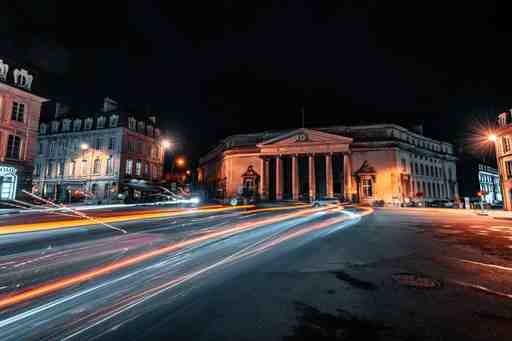
The entire historic center was inscribed as a UNESCO World Heritage Site in 2007, covering 1,810 hectares of nearly continuous classical and neo-classical architecture, one of the largest such urban protected zones in France. The Grand Theatre, built in 1780 with a peristyle of 12 Corinthian columns, anchors the Place de la Comedie in a way that makes it obvious what this city thought of itself.
Bordeaux
Bordeaux FAQ
Before you walk.
Every Bordeaux tour, in your language.
All 50+ languages, included with every booking.
🇬🇧 English🇫🇷 Français🇪🇸 Español🇩🇪 Deutsch🇮🇹 Italiano🇯🇵 日本語🇨🇳 中文🇰🇷 한국어+ 41 more
star AudaTours Unlimited
Visiting more than one city? Subscribe.
Unlock every Bordeaux tour — plus thousands more worldwide. Cancel any time.
$4.99/week · Cancel anytime


Loved by travellersThousands of tours started.
Thousands of tours started.
Plenty of opinions.
4.8 across the App Store and Google Play. Here's a few we keep coming back to.
starstarstarstarstar
This tour was such a great way to see the city. The stories were interesting without feeling too scripted, and I loved being able to explore at my own pace.

Jess
Tbilisi Tourstarstarstarstarstar
This was a solid way to get to know Brighton without feeling like a tourist. The narration had depth and context, but didn't overdo it.

Christoph
Brighton Tourstarstarstarstarstar
Started this tour with a croissant in one hand and zero expectations. The app just vibes with you, no pressure, just you, your headphones, and some cool stories.

John
Marseille Tourdownload Get the app Pop your headphones in.


Pop your headphones in.
Step outside.
Free to download. Tours in every city. Start in 60 seconds — no account, no card.

headphones
~ 4 min until your first tour starts
public
1,000+ cities worldwide
all_inclusive
AudaTours
Unlimited
Every tour. Every city. One subscription.
3096 tours2272 cities138 countries50+ languages
$39 /year
all_inclusive Explore Unlimited