
Visite audio de New York : Résilience et Réflexion dans le quartier financier
Sous la flèche imposante de la Liberty Tower et les bassins silencieux du Mémorial du 11 Septembre, le quartier financier de Manhattan recèle des histoires de luttes de pouvoir, d'accords secrets et de bravoure stupéfiante qui ont façonné le monde. Cette visite audio autoguidée vous ouvre les rues que la plupart des voyageurs voient mais ne connaissent jamais vraiment, vous livrant des récits d'initiés et des coins méconnus à votre propre rythme. Quel message codé a paralysé Wall Street en un seul après-midi ? Quel monument disparu a autrefois déclenché un soulèvement dans toute la ville en quelques minutes ? Qui a transporté la feuille de papier la plus précieuse jamais perdue parmi ces gratte-ciel ? Passez des ombres de la tragédie aux sommets de l'ambition, retraçant des récits de perte, de survie et de transformation. Chaque pas révèle des couches sous l'acier et la pierre de la ville, dévoilant le cœur de Manhattan en mouvement à travers le drame, la loyauté et l'espoir. Commencez votre voyage maintenant et découvrez ce que l'histoire cache juste au-delà du prochain coin de rue.
Aperçu du tour
À propos de ce tour
- scheduleDurée 30–50 minsAllez à votre propre rythme
- straightenParcours à pied de 0.5 kmSuivez le sentier guidé
- location_onEmplacementNew York, États-Unis
- wifi_offFonctionne hors ligneTéléchargez une fois, utilisez n'importe où
- all_inclusiveAccès à vieRéécoutez n'importe quand, pour toujours
- location_onCommence à Liberty Tower
Arrêts de ce tour
To spot Liberty Tower, look for a tall, slender white building with ornate, castle-like decoration and pointed roof features, rising sharply above the narrow streets at the corner…Lire plusAfficher moins
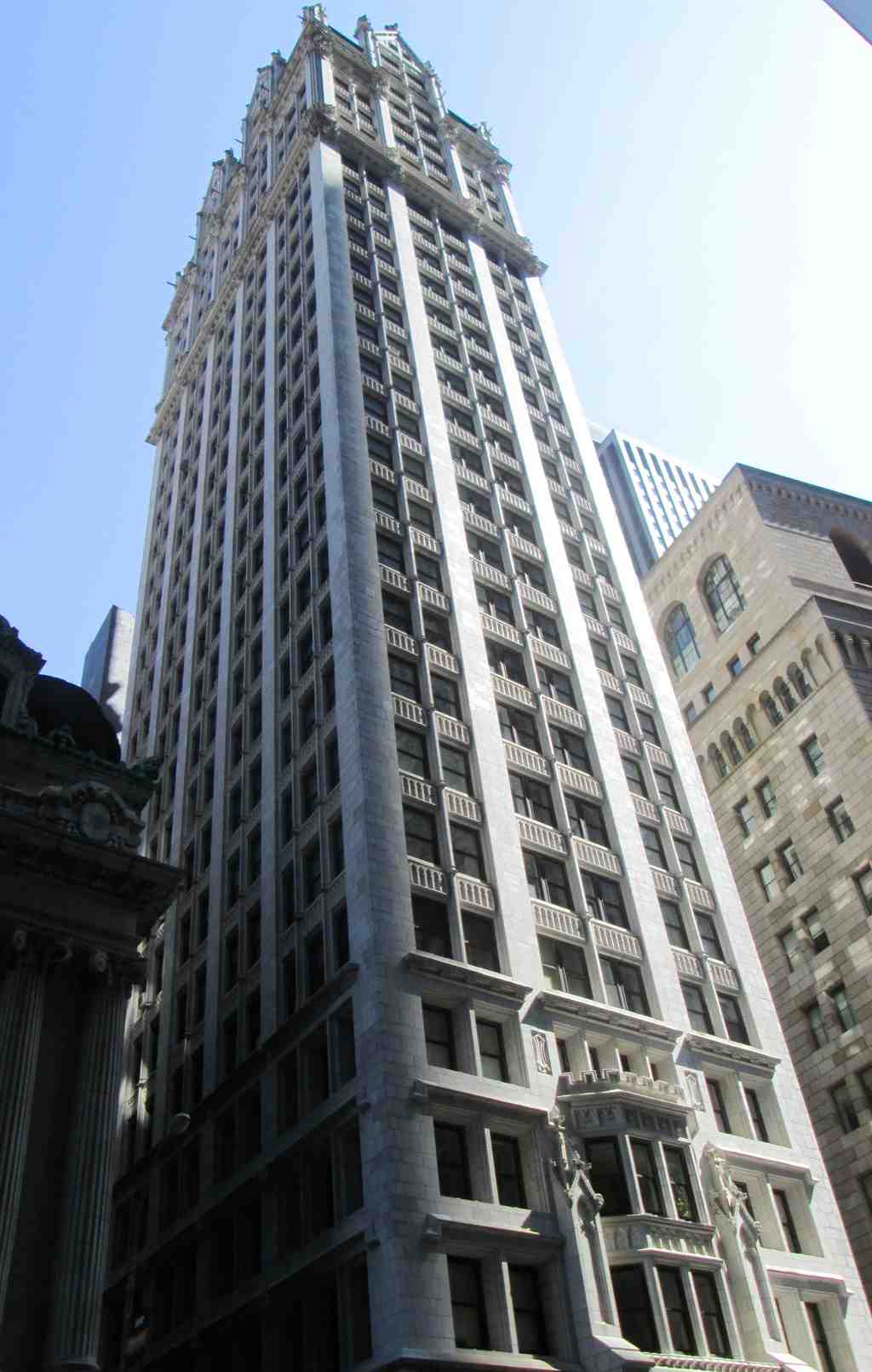
To spot Liberty Tower, look for a tall, slender white building with ornate, castle-like decoration and pointed roof features, rising sharply above the narrow streets at the corner of Liberty Street and Nassau Street. As you stand here outside the Liberty Tower, you can almost feel the layers of history pressing in from all sides. The narrow streets of Manhattan’s Financial District are dwarfed by this 33-story giant, once known as the Sinclair Oil Building, now gleaming with a white terracotta facade that’s richly decorated with fanciful creatures. If you look closely, you may spot gargoyles, birds, and even alligators peering down at the city below-remnants of a time when architects loved to surprise and delight, and when the skyline was more about artistry than sheer height. It’s 1909. Horse-drawn carts still rattle along Liberty Street. Men in fedoras shout the latest headlines from street corners. Into this bustling world, Henry Ives Cobb, a determined architect familiar with Gothic grandeur and the new steel skeletons of skyscrapers, brings his vision to life. The Liberty Tower grows on an odd-shaped plot where the influential New York Evening Post once stood, its very ground whispering stories of journalists, editors, and the city’s daily drama. Cobb’s design is ambitious: three distinct sections-like the column of an ancient temple-rise from a solid stone base through a tall, elegant shaft to an ornate crown. When finished, it’s the slimmest tower in the world, with an almost unbelievable floor area ratio of 30 to 1. People flock here just to marvel at how this narrow pillar doesn’t topple. To anchor the building, workers sink caissons so deep-94 feet into the earth-that, at the time, only one building in New York goes deeper. Early tenants sense the building’s promise. In a small law office on the second floor sits a young Franklin Delano Roosevelt, future president of the United States, dreaming of what’s possible. Other floors bustle with insurance agents, lawyers, and the hum of America’s growing economy. But behind the scenes, developers struggle-defaults, foreclosures, transfers of ownership follow each other in rapid succession, the whole thing teetering on the edge like the city itself during these turbulent years. The Roaring Twenties arrive, and so do bigger players. Sinclair Oil buys up the whole building, splashes its name across the doors, and soon the tower’s offices are the backdrop to secrets and scandals. Here, deals are struck that tie into the infamous Teapot Dome affair, one of the greatest political scandals of its age. Even spies operate here for a time; in 1917, German agents use an office in this tower as they hatch plots to shape the world outside, their activities lurking in the shadows just above the crowded sidewalks. Decades roll by. Oil barons and real estate magnates come and go. After World War II, the Sinclair name fades, and the tower quietly waits for its next chapter. By the late 1970s, the Financial District is changing, emptying out at night, and suddenly an architect named Joseph Pell Lombardi sees potential where others see only problems. He transforms its offices into apartments-the first big office-to-residence conversion south of Canal Street-and breathes new life into Liberty Tower just as the city’s fortunes wane and rise again. This building has survived more than a century of change, from newspaper presses to presidential ambitions, from wartime spies to scandal, and even the shattering events of September 11, 2001, when damage threatened its bones but not its spirit. Today, as you look up at its lace-like terracotta and copper roof, know that you are gazing at a survivor-one that continues to adapt and endure, just like New York itself. Ready to delve deeper into the site, architecture or the critical reception? Join me in the chat section for an enriching discussion.
Ouvrir la page dédiée →
Foire aux questions
Comment commencer le tour ?
Après l'achat, téléchargez l'application AudaTours et entrez votre code de réduction. Le tour sera prêt à commencer immédiatement - il suffit d'appuyer sur lecture et de suivre l'itinéraire guidé par GPS.
Ai-je besoin d'Internet pendant le tour ?
Non ! Téléchargez le tour avant de commencer et profitez-en pleinement hors ligne. Seule la fonction de chat nécessite Internet. Nous recommandons de télécharger en WiFi pour économiser vos données mobiles.
S'agit-il d'une visite de groupe guidée ?
Non - il s'agit d'un audioguide en autonomie. Vous explorez indépendamment à votre propre rythme, avec une narration audio diffusée par votre téléphone. Pas de guide, pas de groupe, pas d'horaire.
Combien de temps dure le tour ?
La plupart des tours durent entre 60 et 90 minutes, mais vous contrôlez totalement le rythme. Faites des pauses, sautez des arrêts ou arrêtez-vous quand vous le voulez.
Et si je ne peux pas finir le tour aujourd'hui ?
Pas de problème ! Les tours disposent d'un accès à vie. Faites une pause et reprenez quand vous le souhaitez - demain, la semaine prochaine ou l'année prochaine. Votre progression est sauvegardée.
Quelles sont les langues disponibles ?
Tous les tours sont disponibles dans plus de 50 langues. Sélectionnez votre langue préférée lors de l'utilisation de votre code. Note : la langue ne peut pas être changée après la génération du tour.
Où accéder au tour après l'achat ?
Téléchargez l'application gratuite AudaTours sur l'App Store ou Google Play. Entrez votre code de réduction (envoyé par e-mail) et le tour apparaîtra dans votre bibliothèque, prêt à être téléchargé et commencé.
Si vous n'appréciez pas le tour, nous vous rembourserons votre achat. Contactez-nous à [email protected]
Paiement sécurisé avec 


