
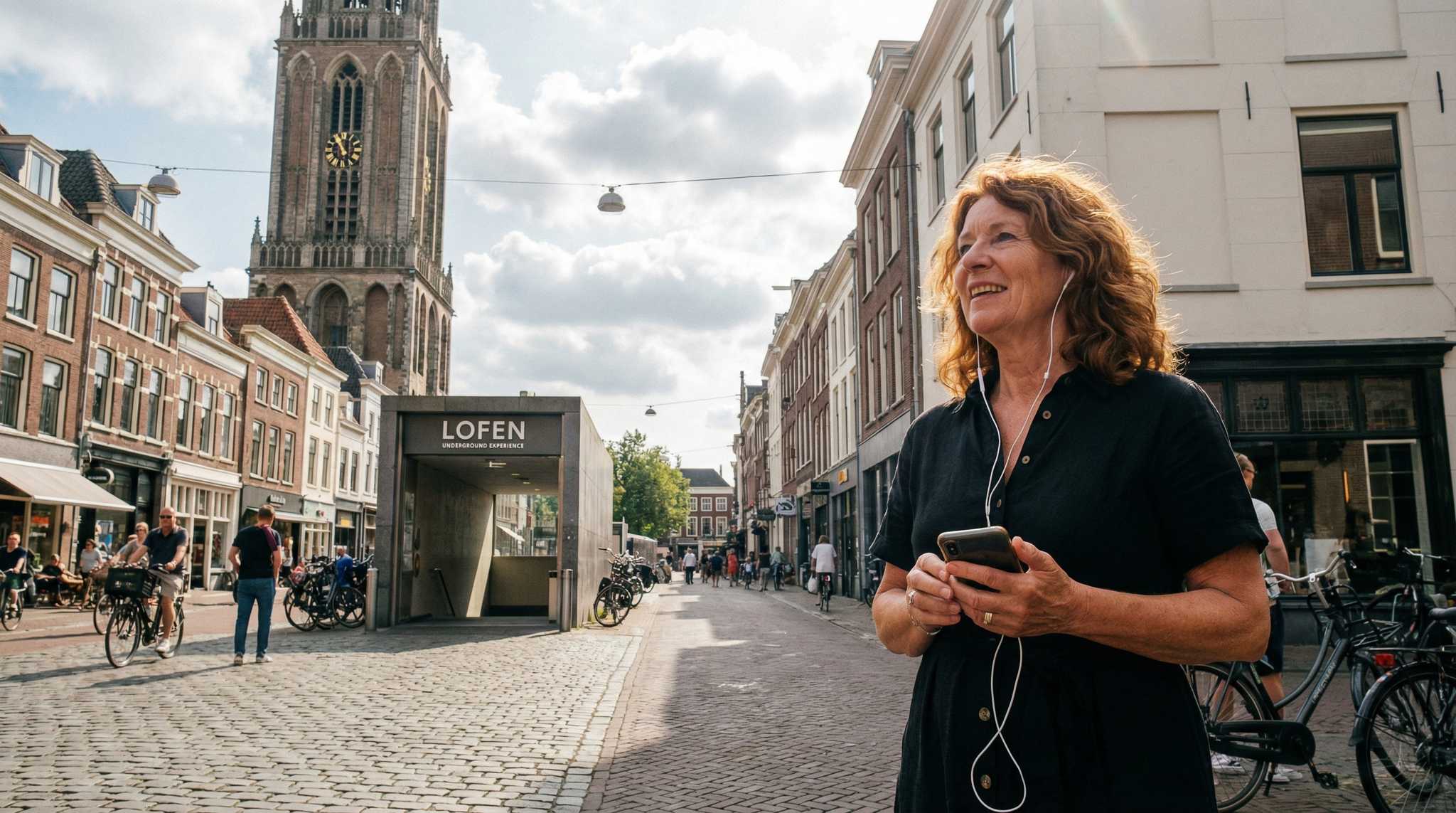
Visite audio d'Utrecht : Cathédrales, cours intérieures et légendes dévoilées
Sous les rues animées et les flèches imposantes d'Utrecht, des secrets millénaires scintillent juste hors de vue. Cette visite audio autoguidée vous mène sur un chemin à travers la place Vredenburg, le palais disparu de Lofen et la majesté solitaire de la Tour du Dôme. Chaque pas dévoile des histoires que la plupart des visiteurs ignorent – des aperçus de complots politiques, d'incendies oubliés, de rébellions audacieuses et de mystères inouïs gravés dans la pierre. Quel signal a déclenché la destruction d'une forteresse impériale ? Quelles reliques anciennes sont cachées sous une simple ruelle ? Pourquoi des vents fulgurants ont-ils fendu une puissante cathédrale en deux – et qui sonne ses célèbres cloches aujourd'hui ? Passez d'un monde à l'autre en traversant de grandes places, en vous faufilant dans des ruelles sombres et en levant les yeux vers le plus audacieux survivant de l'histoire. Laissez l'écho des moines, des rebelles, des empereurs et des légendes transformer Utrecht à jamais à vos yeux. Votre aventure commence maintenant – tenez-vous là où le pouvoir a changé de mains et laissez le véritable drame d'Utrecht se dérouler à vos pieds.
Aperçu du tour
À propos de ce tour
- scheduleDurée 40–60 minsAllez à votre propre rythme
- straightenParcours à pied de 4.5 kmSuivez le sentier guidé
- location_on
- wifi_offFonctionne hors ligneTéléchargez une fois, utilisez n'importe où
- all_inclusiveAccès à vieRéécoutez n'importe quand, pour toujours
- location_onCommence à Vredenburg
Arrêts de ce tour
Right now, you’re standing in Vredenburg Square-just look for the big open plaza lined with market stalls, surrounded by modern buildings, and bustling with people, especially if…Lire plusAfficher moins
Right now, you’re standing in Vredenburg Square-just look for the big open plaza lined with market stalls, surrounded by modern buildings, and bustling with people, especially if you see that striking glass-and-steel music center at the far end! Imagine taking a step back in time, right where you’re standing now-but this spot was definitely not just for shopping and grabbing a snack! In the hazy early morning of the 12th century, the ground beneath your feet wasn’t filled with voices and footsteps, but with the chants of monks from a nearby Johanniter monastery, dedicated to the strong-willed Saint Catherine. Back then, this was called the Catharijneveld, framed by medieval walls and mysteries that make Hogwarts look like amateur hour. Soon enough, the winds of change began to blow-even if, unlike now, you wouldn’t have heard the rumbling buses or the cheerful calls of market sellers. In 1529, all quiet was shattered when the mighty Kasteel Vredenburg was built here, under the stern eye of Emperor Charles V. Picture a towering stone fortress with soldiers watching your every move; trust me, you wouldn’t want to sneak a pastry then! This castle wasn’t a fairytale home but a “dwangburcht”-basically a very unfriendly way to remind Utrecht who was boss. But oh, things really heated up during the 80 Years’ War. In 1577, the people of Utrecht had enough of their not-so-charming castle neighbor. Here’s where the story gets dramatic: legend has it, Trijn van Leemput, a woman with nerves of steel (and possibly the original “girl power” banner), led a brigade of women straight to the castle after a brutal siege. She didn't come with cupcakes-she gave the signal to tear it down! Over time, the last bits of the fortress were pulled apart, brick by stubborn brick. If you look closely, a tiny remnant of that medieval stronghold still exists, waiting for sharp-eyed explorers to spot it. As the dust settled and the castle ruins faded, Vredenburg slowly became a massive open square-perfect for all sorts of drama. Cattle markets, fruit halls, grand theatres, and roaring cinemas popped up, each adding a sprinkle of excitement (and probably more noise) to the square. Imagine it: market day clamor, the clatter of hooves, the sweet smell of apples from the Fruithal, and the distant buzz of bioscopen-old movie theaters-lighting up the 20th-century nights. Fast forward to modern times: Vredenburg is the engine of the shopping district and a crossroads for travelers, shoppers, and anyone craving a good stroopwafel. See that gleaming music center? That’s TivoliVredenburg, echoing the festive spirit back into the square-and if you’re here on a Wednesday, Friday, or Saturday, the market is full of colors, scents, and the best people-watching in the city. And let’s play “spot the monument!” Around you are historic gems like the grand Bellevue café-restaurant with its playful Jugendstil façade, elegant 18th-century homes, and noble buildings that have seen revolutions, rebirth, and a Monopoly game or two (yes, the Dutch version of Monopoly calls this square the “Vreeburg”). One last bit of mystery: did you know in 1595, suspected witches were burned right on this square? Not exactly a tourist brochure highlight, but it does give you shivers, doesn’t it? So take a deep breath-who knows who might have stood in your very spot: monks, merchants, rebels, queens, and dreamers. Vredenburg has been all their stage, and today, it’s yours too! Now, off we go to the next stop, where even more stories are waiting to be uncovered.
Ouvrir la page dédiée →To spot Lofen, look just above head height for an iron archway squeezed between two narrow, shadowy brick walls, topped with a rather regal crown and the name “Paleis Lofen” in…Lire plusAfficher moins
To spot Lofen, look just above head height for an iron archway squeezed between two narrow, shadowy brick walls, topped with a rather regal crown and the name “Paleis Lofen” in bold, purple-red letters. Welcome to Lofen! Now, while today you see only a humble alley and a crowned sign, a thousand years ago this spot sizzled with the drama and pomp of imperial power. Imagine yourself standing at the very edge of history: it’s the early 1000s, and just here was the great palace-one fit for emperors, not just tour guides! In those days, things were a bit less selfie-friendly and a lot more “Game of Thrones.” This palace, called Lofen, was built around 1020 as the Emperor’s residence in Utrecht, right between what’s now the Domplein and the Oudegracht. Back then, the area buzzed with armored knights, clinking cups, and the smell of roasting meat wafting from great feasts. The palace-a solid structure built from volcanic tuff stone, with elegant sand-colored columns running down its middle-stood proud in the northwest corner of the mighty Trecht fortress. It even had a secret shortcut: a covered walkway snaking over to the Romanesque Dom Church. Just in case the emperor needed a quick dash between politics and prayers! But here’s where the suspense thickens! People didn’t just use Lofen for decoration. No, the emperor himself traveled from palace to palace, and Utrecht was one of his most important stops. On special days-think church festivals or “bring your crown to work” parades-the ruler processed out in full royal regalia, glittering with jewels, and everyone gathered in the palace hall for feasts so big, not even the city’s pigeons could finish the crumbs. And here’s a highlight: in 1122, Emperor Henry V stood right here and, with some very official fanfare, gave Utrecht its city rights-a historical “Congrats, you’re a city!” certificate, signed inside the walls of Lofen. Life here wasn’t always jolly, though. In 1253, disaster struck: a terrible citywide fire raged for nine days. Flames licked at roofs across Utrecht and, like a villain in a fairytale, probably gobbled up Lofen itself-along with the grand old Dom Church. After the ashes cooled, the land was handed over to the cathedral chapter, and the grand palace was parceled out into new houses. Only its sturdy basement survived, pressed beneath new floors and-many centuries later-rediscovered by curious archaeologists. Fast forward to the 1930s, when fires struck again (let’s all agree Utrecht has had enough with fires!), and the ancient beams below Domplein 16 had to be replaced with modern concrete. But through all these centuries, in the cellars and dusty corners beneath your feet, fragments of Lofen’s old columns and Roman stone walls were found. Hidden deep beneath today’s bustling streets, these relics whisper the stories of emperors, lost feasts, and a city born from palace splendor. So as you gaze at that crown above the alley, picture the echo of royal footsteps and grand celebrations, all tucked behind a simple sign. And remember: you’re standing on one of Utrecht’s greatest secrets-palace intrigue, disaster, survival, and the making of a city, all layered beneath your shoes!
Ouvrir la page dédiée →To spot the Dom Tower, just look up-it’s the tallest, most commanding Gothic tower in Utrecht’s skyline, with massive arched windows and a pointed spire that rises dramatically…Lire plusAfficher moins
To spot the Dom Tower, just look up-it’s the tallest, most commanding Gothic tower in Utrecht’s skyline, with massive arched windows and a pointed spire that rises dramatically above the rooftops right in front of you. Now, as you stand here gazing up at the mighty Dom Tower, let your mind time travel almost 700 years into the past. Imagine the din of chisels, stone dust swirling, and the sometimes frustrated shouts of masons as this great giant was raised from the ground between 1321 and 1382. At over 112 meters tall-that’s about as high as a 37-story building-the Dom Tower didn’t just want to touch the sky, it wanted to give the clouds a gentle poke! Utrecht’s skyline has never been the same since. But here’s where things get dramatic: the Dom Tower was once part of a grand cathedral, Saint Martin’s, meant to be the pride of the city. But, in classic medieval fashion, they ran out of money and-plot twist-the nave was never finished. So, for a while, you had this half-complete church with Utrecht’s own skyscraper rising at its edge. Then, in 1674, disaster struck-a raging summer tornado swept through town. Picture the wind howling, thunder rumbling, roof tiles flying -and boom, the unsteady, unfinished nave came crashing down, separating the proud tower from the church forever. Today, it stands alone and unconnected, like the world’s most dramatic piece of misplaced furniture. If you look down at the stones under your feet between tower and church, you might notice a colorful pattern in the paving. That’s no ordinary art-it’s actually the outline of where the nave used to be. For a brief moment in 2004, scaffolding marked the missing link, as if Utrecht was playing “cathedral Tetris” but could never quite drop in the last piece. Now, listen closely. Do you hear those haunting notes drifting from above? The Dom Tower is much more than a silent stone giant-inside, its famous carillon rings out across the city. The bells have stories almost as old as the tower itself! In the year 1505, Geert van Wou, the Beyoncé of medieval bell-making, cast thirteen melodic bells-imagine them weighing more than three elephants, and if you’re wondering how many notes you’d get ringing with that many bells, the answer is: a lot of happy (and perhaps slightly startled) townsfolk. Today, fourteen bronze bells together weigh a jaw-dropping 32 tonnes. The biggest, the Salvator, clocks in at a whopping 8,200 kilograms-the size of a really ambitious family car. And here’s another fun fact: the bells are still rung by hand, thanks to the mighty arms of the Utrecht Bellringers Guild. Talk about a gym workout! Since the 16th century, carillonneurs-those who play the bells-have kept Utrecht entertained, rain or shine. One of the most famous was Jacob van Eyck, who had a knack for making the city’s pigeons dance. Let’s not forget the RonDom visitor centre-no, that’s not a typo, it’s a play on ‘rondom,’ meaning around. Here’s where you can start your climb of 465 steps to the top. Yes, 465. But hey, at least you’ll earn your spritz and apple pie! On a crystal-clear day, you can even see all the way to Amsterdam and Rotterdam. At one point, it was city law that no building could ever be taller than the Dom Tower. That’s right-Utrecht didn’t want any copycats upstaging their medieval masterpiece. Although, in true modern style, plans were once drawn for a 262 meter skyscraper in the suburbs, but those crashed and burned faster than you can say “financial crisis of 2008.” Throughout its long life, the Dom Tower has survived storms, angry preachers who thought it too grand (and maybe a little too flashy), and debates about whether Utrecht needed all that height. In fact, in 1836, storm damage was so bad that some folks suggested knocking the whole thing down! Thankfully, instead, they patched it up, and in recent years-2019 to 2024-the tower got a fresh face with restoration work on its exteriors. Think this is impressive? People in Japan thought so too. There’s a replica of the Dom Tower in a Dutch-themed amusement park there! Now that’s global fame. So take a deep breath, savor the echoes of history here at the city’s very birthplace, and when those bells chime, remember-you’re listening to a concert centuries in the making. Who says old towers can’t rock? For a more comprehensive understanding of the design and construction, bells or the storm damage, engage with me in the chat section below.
Ouvrir la page dédiée →
Afficher 12 arrêts de plusAfficher moins d'arrêtsexpand_moreexpand_less
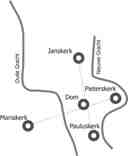
To spot the Kerkenkruis, look for a map-like diagram with five large dots arranged in the shape of a cross, each labeled with church names such as Dom, Janskerk, Pieterskerk,…Lire plusAfficher moins
To spot the Kerkenkruis, look for a map-like diagram with five large dots arranged in the shape of a cross, each labeled with church names such as Dom, Janskerk, Pieterskerk, Pauluskerk, and Mariakerk-just picture these points as if they’re dotted across a treasure map. Now, as you stand here, let your imagination transport you almost a thousand years into the past, when the air around Utrecht buzzed with church bells and the click-clack of wooden carts. The “Kerkenkruis” you’re gazing at isn’t a building or statue-it's a hidden story on the very streets beneath your feet. Some say Emperor Henry III, a medieval ruler with more ambition than a cat chasing two mice, dreamed it all up. After his father, Emperor Conrad II, died right here in Utrecht in 1039, Henry wanted to honor him with something astounding-a tribute of stone, faith, and geometry. Legend has it, he imagined a cross of churches, five in all, with the mighty Dom at the centre, a place that would hold not just prayers, but his father's mortal remains. Bishop Bernold, something of a local hero and master planner, took this wild vision and got to work. Picture dusty builders and tired stonemasons sweating over blocks of stone to raise the Pieterskerk in 1039, the Janskerk in 1042, and Paulo’s Abbey in 1050. The Mariakerk took a little longer-everyone knows good things need time to rise, just like Utrecht’s famous bread. If you walk around the city with a bird’s-eye view, you’d spot the Dom in the middle. Each of the other four churches sits at a corner, joining in crisscrossed glory: Pieterskerk, Janskerk, Pauluskerk, and Mariakerk. But here’s the mystery: Was this cross really planned, or just a happy accident of medieval city planning? The old books don’t say. Some clever folks point out that Utrecht’s rivers and roads might have decided the churches’ spots more than any emperor’s grand idea. Still, it’s fun to wonder how these churches lined up so neatly-the kind of secret puzzle that would make any treasure hunter’s heart race. Today, only three of the original five still stand, while the others linger as scattered ruins and ancient cloisters, hiding in plain sight. The story of Utrecht’s Kerkenkruis is a blend of fact and fable, honor and mystery-almost as if the city itself is winking and daring you to connect the dots. So, if you feel a tiny shiver run up your spine, don’t worry; it’s just the past leaning in to whisper, “Can you crack the code?”
Ouvrir la page dédiée →Look up at the grand entrance before you-this is where centuries of power, drama, and faith have collided under one remarkable roof! Welcome to the seat of the Roman Catholic…Lire plusAfficher moins
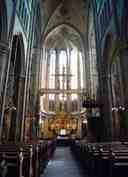
Look up at the grand entrance before you-this is where centuries of power, drama, and faith have collided under one remarkable roof! Welcome to the seat of the Roman Catholic Archdiocese of Utrecht, one of the oldest spiritual powerhouses in the Netherlands. If you can almost smell the incense and hear the echo of grand choirs, you’re not imagining things-Utrecht’s religious past is echoing all around you. Let’s hit rewind. Picture the year 695. Instead of smartphones, people carried wooden crosses and even the idea of traffic jams was just a herd of sheep on a muddy road. It was then that the Diocese of Utrecht was founded, planting its roots deep in this city. The bishop back then? Well, he had a job description that went way beyond Sunday sermons! In the Middle Ages, bishops of Utrecht weren’t just church leaders-they were prince-bishops. That meant he wore both a bishop’s miter and a metaphorical crown, holding spiritual power over a huge area and political power over a smaller, special domain called the Prince-Bishopric. Imagine being your town’s mayor and spiritual coach-talk about double duty! But hold onto your hat-here comes the plot twist. The Reformation thundered in like a storm in the 1500s, turning the religious scene upside down. In 1580, the diocese was suppressed; Protestants took over Saint Martin’s Cathedral and the seat of the archdiocese moved to Saint Catherine’s Cathedral. For almost three centuries, Catholics here practiced their faith in secret, whispering prayers behind closed doors. Picture candlelit rooms, intense secrecy, and a game of religious hide-and-seek! Then, like a phoenix, the archdiocese was officially reborn in 1853-cue the trumpets and a big sigh of relief. Since then, Utrecht’s archbishops have led the way. Names like Zwijsen, De Jong, and Eijk might not be household favorites today, but these men have carried forward Utrecht’s spiritual legacy, some even earning the fancy title of cardinal. The archdiocese now stands at the head of six dioceses across this part of the Netherlands. So as you stand here, listening to the city’s heartbeat, imagine the centuries of clergy, cardinals, and ordinary believers whose hopes, conflicts, and celebrations have unfolded on this very spot. And remember: in Utrecht, the past is never far away-sometimes it’s just one whispered prayer or ringing church bell behind you. Ready for our next adventure? Let’s keep this historical party going!
Ouvrir la page dédiée →To spot the University Museum Utrecht, look for a shiny glass facade with a big yellow vertical sign that reads "Universiteitsmuseum Utrecht" right at the lively edge of Lange…Lire plusAfficher moins
To spot the University Museum Utrecht, look for a shiny glass facade with a big yellow vertical sign that reads "Universiteitsmuseum Utrecht" right at the lively edge of Lange Nieuwstraat. Welcome to the University Museum of Utrecht, where history doesn’t just sit in glass cabinets-it leaps, twirls, and sometimes even buzzes in your imagination! Picture yourself back in 1918, long before electric scooters zoomed by; someone poking around a dusty university attic discovered a treasure trove of quirky old objects. Instead of putting them on eBay (which didn’t exist), the city opened its very own museum of wonders. They say it started with a thousand scientific devices from between 1650 and 1850-microscopes that could unlock secrets of invisible worlds, or gadgets that would make even a modern engineer scratch their head. As you stand here on the street, listen for echoes of the stories inside: students from long ago huddled over whirring contraptions, scientists gazing wide-eyed through a Van Leeuwenhoek microscope, maybe even a professor or two trying not to spill their coffee on valuable zoological specimens! Over the years, the collection swelled-bringing roomfuls of oddities from biology, geology, medical history, and even the mysterious world of dentistry and eye medicine. Want a shiver down your spine? Imagine peering at medical preparations made by Jan Bleuland, a notorious professor with a passion for preserving the unpreservable. And the adventure is not just indoors-the building backs onto the Oude Hortus, a magical botanical garden first dug in 1723. Out there, you might spot a Japanese Ginkgo tree that’s been enjoying the Utrecht weather since around 1750, plus healing herbs and wild stories of plant hunters. The garden’s greenhouses and centuries-old orangery are so treasured, they’re deemed national monuments. Oh, and after several years of renovations worthy of a TV makeover show, the museum burst back open in September 2023. So go on-step through those glass doors. Who knows what wild secret or scientific marvel will surprise you next?
Ouvrir la page dédiée →If you’re trying to spot the Oude Hortus, look for a peaceful garden oasis with lush green trees, old glasshouses, colorful flower beds, and a classic brick building in the…Lire plusAfficher moins
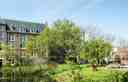
If you’re trying to spot the Oude Hortus, look for a peaceful garden oasis with lush green trees, old glasshouses, colorful flower beds, and a classic brick building in the background-it sits right between the Lange Nieuwstraat and the Nieuwegracht, with wooden benches and ponds that hint at its botanical past. Take a deep breath, because you’ve just stepped into a secret patchwork of nature and history right here in the city-the Oude Hortus! Just imagine yourself back in the bustling 1600s. The year is 1639, the University of Utrecht is still a toddler, and the city council has an odd but brilliant idea: let’s turn a city fortress into a garden full of healing plants to train new doctors. The first scientific gardener, Henricus Regius, was so proud of his “hortus medicus” that he made a giant garden catalog, listing nearly 700 types of herbs. Who knew scientists had time for scrapbooking? Now fast forward to the 1700s, when things go from earthy herb garden to blooming botanic beauty. The garden moves to its current spot, tucked between Lange Nieuwstraat and Nieuwegracht, and gets snazzy new neighbors: a grand house called “De Roos,” and-because botanists are always thinking ahead-two fancy orangeries, built for their precious potted plants and tropical friends. One of those buildings still stands, and if the sun is shining just right, you might see a flash of orange as someone sneaks out a tiny citrus tree for some fresh air. Oh, and look around-the grand old Japanese ginkgo tree? That’s possibly the oldest one you’ll find in all of Europe! You might say it’s “leafing” through history. But gardens grow with the times, don’t they? By the 1800s, the place is prouder than ever, designed to look like a little slice of the English countryside. Thanks to Professor Miquel (a man with plant hair, probably), the central garden now rolls with gentle lawns and meandering paths-just like a miniature park for wandering poets. You’d find scientists quietly collecting leaves, then suddenly arguing over the best way to sort plants. (Botanists have plant drama, too. Try not to leaf them out.) As the 1900s roll in, times-and temperatures-are changing. The gardeners build impressive new greenhouses, so they can fiddle with the climate and get even pickier about where their plants come from. Picture scientists running from a hot, damp hothouse to a chilly alpine corner, all in the same garden. That must have made for some pretty wild science experiments-and maybe some foggy glasses. Now, don’t get too relaxed, because change is always just around the leafy bend. By the 1920s, the university’s botanical collection moves to Baarn and then to the edge of Utrecht, and the old garden here is almost forgotten, nearly turned into a parking lot. But the neighborhood rallies like heroes in a gardening tale, and in the 1990s, local friends, volunteers, and even the Rotary Club save the Oude Hortus from vanishing. You can thank them for all the flowers and shady spots you’re enjoying now. The garden isn’t just a stroll down memory lane, though-it’s alive with stories. Throughout the year, you’ll find guided walks, school trips, and curious explorers peeking into corners once reserved for world-famous botanists, like Carl Linnaeus, who visited back in the 1700s. Maybe you’ll catch a whiff of something spicy from the cottagetuin (that’s fancy Dutch for “alpine garden”), or a breeze rolling through the grass where students used to study the secret life of roots. And if you’re feeling peckish, pop into the museum café in the old zaadhuis, or seed house, recently restored and renamed Ginkgo. It’s the perfect spot to toast to plant power with a cup of coffee. So as you wander through the Oude Hortus, remember: you’re walking through 350 years of leafy learning, science, close escapes from extinction, and blooming good luck. Not a bad place to let your thoughts grow wild for a moment, right?
Ouvrir la page dédiée →To spot the Nicolaïkerk, just look ahead for a large, sturdy church with two towers-one with a striking square look and a unique top dome-rising above the leafy trees to your…Lire plusAfficher moins
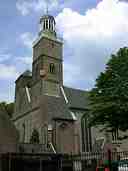
To spot the Nicolaïkerk, just look ahead for a large, sturdy church with two towers-one with a striking square look and a unique top dome-rising above the leafy trees to your right, with the brickwork and roof lines forming a distinctive profile against the sky. Welcome to the Nicolaïkerk, one of Utrecht’s oldest and most intriguing churches! Take a moment to listen to the quiet hum of the city around you as you stand before its stone walls. If you’d been here more than 900 years ago, you’d have seen masons in wooden clogs bustling around, carrying heavy stones and ringing hammers echoing through the early morning air. In the early twelfth century, this church became the second parish church of Utrecht-Buurkerk was the first-built to serve a huge area, even spreading its influence out to the villages of De Bilt and Vechten. The church is dedicated to Saint Nicholas, the saint who always looks out for travelers, fishermen, and sailors. Back in the day, you might have bumped into all sorts of river folk in this part of town, sharing news from across the water, and perhaps praying for smooth sailing on the River Vecht. But here’s something curious: most parish churches got one tower, but Nicolaïkerk got two! In the Middle Ages, having two towers was a big deal. That was usually reserved for grand cathedrals and fancy monastery churches, so nobody’s quite sure who the church was trying to impress. Maybe Saint Nicholas himself had a soft spot for architectural drama-or perhaps the builders just wanted to keep up with the van der Doms across town! Of the original Romanesque church, only the two-tower front survives on the outside. The rest of what you see-the tall windows, the soaring space-arrived later, when the church was transformed into a beautiful Gothic hall in the fifteenth century. But if you go inside, keep an eye out: there are still hints of the Romanesque style hiding in plain sight, just waiting to be found. The Nicolaïkerk has lived through some truly wild centuries. In 1529, it became a monastery church, swapping hands from the Carmelites to the Knights of St. John when the city’s politics got especially spicy. Then, in the summer of 1674, an infamous tornado swept through Utrecht. The wind was so wild it actually tore the spire off one of the towers! That same storm collapsed the nave of the Domkerk. To this day, the south tower still stands at about 40 meters, topped with a carillon added in 1586. Step even closer and you’ll notice music is woven right into the fabric of Nicolaïkerk’s story. Some say this was the first church in the whole country to host an organ. As early as 1120, there are records of a portable organ filling the halls with music-though the evidence is a bit wobbly, so imagine a medieval game of telephone with the church records! What’s certain is that by 1430, the church boasted an old organ, and in the late fifteenth century, the famous Peter Gerritsz organ was built here. Pieces of that incredible instrument now rest, like a sleeping dragon, in vaults across the country-future plans to restore it are always buzzing in the background. Modern music lovers know Nicolaïkerk for its magnificent Marcussen organs. The grand main organ from 1956 even inspired a whole generation of Dutch organ builders, and its smaller sibling arrived from Hilversum, carried all the way just so more people could enjoy its melodious voice. Every year, the stone walls vibrate with the sounds of the Nicolaïconcerten, a glorious concert series that kicks off with great fanfare-fifty years of music celebrated in 2006 with a ten-day festival! Before you go, take a look above the southern exit. You’ll spot a Latin phrase carved into the wall: “Da tua dum tua sunt post mortem tunc tua non sunt.” That’s a fancy way of saying, “Give what you can while you still have it, because, well, you can’t take it with you.” Wise words, whether you’re carrying gold or a sturdy pair of walking shoes! Whether you love ancient history, musical marvels, or stories about tornadoes and towers, Nicolaïkerk is a place where every stone seems to whisper a secret. And if you hear the carillon chime as you leave, imagine Saint Nicholas giving you a gentle, musical send-off on your journey through Utrecht.
Ouvrir la page dédiée →If you look ahead, you’ll see a lush and winding stretch of greenery on both sides of the canal, with tall leafy trees and a tranquil walking path beside the water-welcome to…Lire plusAfficher moins
If you look ahead, you’ll see a lush and winding stretch of greenery on both sides of the canal, with tall leafy trees and a tranquil walking path beside the water-welcome to Zocherpark! Now, take a deep breath-smell that? It's a blend of history, nature, and perhaps a hint of fresh grass (or possibly a jogger’s aftershave). You’re standing at the edge of the beautiful and storied Zocherpark, a green ribbon that wraps around part of Utrecht’s old city like a cozy, leafy scarf. But believe it or not, where you see peaceful benches and gently swaying trees today, there were once huge walls and moats-a fortress meant to keep out invaders rather than welcome picnickers. Let’s tumble back in time for a moment. Picture this area, from the year 1122 right until deep into the 1500s, packed with impressive walls, guarded gates, and sturdy towers. Soldiers kept watch, keeping Utrecht safe behind thick fortifications. But by the 1600s, these old walls became too polite for war-cannons and new technologies made them nearly useless as defenses. Instead, the space between the city and its fortifications became irresistible for fancy strolls, gardens, and even adorable tea pavilions. Utrecht’s upper-class residents-let’s call them the “castle-crashers”-enjoyed wandering here, showing off their fanciest hats and canes. Fast forward to the 1800s. The city’s protective layer was looking a little worse for wear, but still stubbornly standing. Then, like a storm sweeping away the old, a new era began. Utrecht’s leaders decided to trade in those crumbling walls and start beautifying the city. So, they called in Jan David Zocher Jr., a landscape architect with such grand ideas that I imagine even his dreams had walking paths. Zocher brought with him a vision inspired by the English landscape style-think meandering lines, soft curves, and scenic bridges all woven around the canal, which he insisted on keeping as a winding, watery “ribbon.” No stuffy symmetry here! Work began in 1830 near the north side. Imagine the noise and excitement as the old Begijnebolwerk wall started coming down while townsfolk peered over walls and wondered, “Will we really have a park here someday?” (Spoiler alert: Yes, and you’re standing in it!) The green wave rolled south, transforming fortifications into gentle slopes, ditches into dreamy waterways, and rough ground into leafy lawns. The process took over forty years-now that’s what I call slow gardening! Bastions like Sterrenburg were partly made into sailing routes, and soon children and grown-ups alike could wander for kilometers through this narrow green oasis. Around 1850, Zocher’s son Louis Paul Zocher joined him on the project-turns out, landscape architecture can run in the family! Together they shaped a park that, if it could talk, would tell thousands of stories-and maybe gossip about the hats of passing visitors. By the time they were done, over a kilometer of city park wrapped the old city center, decked out with benches, grand open spaces, sweeping views, and planted with row after row of proud trees. There’s real magic here: over 250 of the original trees still stand, and more than 600 are older than the average grandparent! Each one is a living witness to writers, musicians, daydreamers, and maybe even a sneaky dog or two playing fetch. Of course, the park has changed. Not all of Zocher’s grand plans came true (urban development is a tough nut to crack), and in the 20th century, some green was lost to roads and parking. But here’s a twist: in the 21st century, Utrecht began lovingly restoring the park, uncovering its old English style again-and guaranteeing that locals and visitors alike can keep playing, relaxing, and making memories under these ancient leafy boughs. So, as you walk along the water and listen to the soft rustle of leaves overhead, remember: you’re not just in a park, you’re in one of the oldest public parks in the Netherlands-an official national monument! You’re surrounded by centuries of stories, a touch of British flair, and, if you’re lucky, the cheerful sound of a concert or festival echoing through the open air. Enjoy your stroll-just watch out for low-hanging branches; history can be a little bit sneaky!
Ouvrir la page dédiée →You’re looking for a sturdy, long brick building with steeply pitched roofs and tall, arched windows-keep your eyes to the left behind the row of bikes, and you can’t miss the…Lire plusAfficher moins
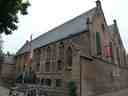
You’re looking for a sturdy, long brick building with steeply pitched roofs and tall, arched windows-keep your eyes to the left behind the row of bikes, and you can’t miss the impressive, fortress-like appearance of the Leeuwenbergh Gasthuis. Standing here in front of the Leeuwenbergh Gasthuis, imagine Utrecht centuries ago, when people were a bit more concerned with the bubonic plague than with bicycle traffic. In 1567, next to the bustling eastern city wall, Agnes van Leeuwenberch left her fortune for a special cause: the building of a pest house, ready to care for those stricken by the dreaded plague. Now don’t worry-you’re safe! The only thing contagious here these days is beautiful music. But back then, the place would have been filled with the muffled voices of caretakers and the heavy hush of worry. Not long after it was built, strange as it sounds, there weren’t enough plague victims to fill these vast, echoing halls, so the city changed the building’s role-it became a guest house, then, over the years, it was reborn again and again. Imagine it swarming with soldiers as a barracks, buzzing with academic debate as a university building, and even humming with the odd experiment as a laboratory! For a time, it sheltered aspiring pharmacists-talk about a place with a prescription for change. Fast forward to 1930. The building gets another new life-this time with a fresh coat of spiritual energy, as the Dutch Protestant Union transforms it into a church under the careful eye of architect G.W. van Heukelom. You can just picture the hammers and saws as it’s renovated for worship, then echoes to the sound of hymns and organ pipes. Speaking of organs, there’s a twist worthy of a detective novel! The gorgeous Flentrop organ, with its elegant pipes and grand presence, was installed in 1954-but was whisked away in 2018, leading to a dramatic standoff between local heritage lovers and the city. Was the organ part of the historic identity? Should it be returned? The debate, as fiery as a Bach toccata, even reached the halls of government. By 2020, while the argument about the organ lingers, there’s one thing everyone agrees on-the Leeuwenbergh Gasthuis is now a home for music once more. Whether it’s chamber concerts or acoustically pure recordings, the only thing you’ll catch here is a touch of inspiration. So take a deep breath, look up at those ancient brick walls, and let your imagination play as wildly as the music that once filled this space.
Ouvrir la page dédiée →To spot the Railway Museum, look straight ahead for a grand, light-pink building with tall arched windows, ornate columns, a stately crest at the top, and Dutch flags draped over…Lire plusAfficher moins
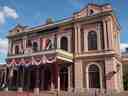
To spot the Railway Museum, look straight ahead for a grand, light-pink building with tall arched windows, ornate columns, a stately crest at the top, and Dutch flags draped over a clock above the entrance. All right, traveler, take a deep breath of that fresh Utrecht air and imagine the gentle rumble of a train approaching-not the modern, whisper-quiet electric ones, but the proud clatter and hiss of a steam engine. You’re standing at the magnificent old Maliebaan station, home to the Railway Museum-the ultimate playground for anyone who’s ever held up a toy train and gone “choo-choo!” (Don’t worry, I won’t ask if you still do). Now, this isn’t just any museum. Picture it: The year is 1927. The Dutch national railway wanted to save the stories of their iron giants, and back then, it was just some photos, dusty maps, and curious little gadgets tucked away in Utrecht’s main railway office. It might have seemed like a scrapbook club for trainspotters at first, but soon, the ambition grew-a real mission to rescue, cherish, and show off the trains that had zipped families, lovers, soldiers, and daydreamers across the country. Trouble rolled in with World War II, and much of that early collection was lost-gone like smoke on the wind. But the dream of preserving railway history survived (like a stubborn steam engine chugging uphill). Some artifacts hid out in the Rijksmuseum in Amsterdam for a while, but Maliebaan-the gorgeous Victorian station you see before you-was waiting quietly for a second chance. In 1954, it finally reawakened, its halls echoing again with footsteps, laughter, and stories as the Railway Museum made its new home here. Walk closer and imagine the old station bustling: ticket sellers calling out, velvet-clad travelers fussing with their hats, porters hauling trunks through a fog of steam and coal dust. This wasn’t just a functional building; it was a gateway to adventure. The museum has grown and shape-shifted along with the railways themselves-slowly, then all at once-expanding and innovating with every decade. In the 1960s, it got so stuffed with actual trains that they had engines sitting on the plaza outside, weathering the Dutch rain like stoic metal sentinels. Somebody finally realized, “Hey, let’s build a roof!” and by the late '70s, there was a bridge, more exhibit space, and the beginning of a true indoor wonderland for railway buffs. If you’d walked into the right wing in the ‘80s, you’d find yourself among relics of historic rail-delicate bridge models, paintings, and even a few ghosts (not literal ones…unless the cleaning crew is keeping secrets). The left wing celebrated sleek modernity-featuring the nose of a “Sprinter” train, so you could finally see what one looked like up close, without running alongside the tracks waving your arms. By the late 1980s, the museum shape-shifted again: the “railway landscape” out back let folks take rides on both models and real trains-yes, there’s nothing quite like the thrill of pretending to be a 19th-century railway tycoon for a day. More treasures arrived: a signal box, a crossing house, even one of the Netherlands’ original railway bridges. Oh, and they finally set up that most important of connections: a little rail service from Utrecht Centraal straight to the museum’s front door. No excuses now! Jump to the 2000s, and the museum underwent a top-to-bottom glow-up. Interiors were restored to their 19th-century grandeur, complete with the sparkling “Royal waiting room,” which came over from the old Staatsspoor station in The Hague. (Imagine waiting for your train in there and hoping your carriage isn’t delayed-you might run into a Dutch royal in search of a snack!) But the real magic is in the stories tucked everywhere: the first Dutch steam engine, carriages from legendary trains like the Orient Express, and hulking monsters like Indonesia’s CC50, which looks as if it could pull half of Utrecht behind it. There are sleek electric beauties, diesel workhorses, and even a tram or two still hanging around like old friends. Whether you love the hypnotic rhythm of steel wheels or you’re just here for the fun, the Railway Museum at Maliebaan is living, rolling proof that you don’t need a time machine-just a ticket and a little imagination. So, ready to board? The next adventure departs any time you like. Interested in knowing more about the maliebaan station, expansion and renovation or the 2003 remodeling
Ouvrir la page dédiée →To spot Paushuize, look for the splendid red-brick building with pale horizontal stripes and a striking stepped gable adorned with a statue, standing right on the corner where the…Lire plusAfficher moins
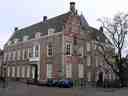
To spot Paushuize, look for the splendid red-brick building with pale horizontal stripes and a striking stepped gable adorned with a statue, standing right on the corner where the street bends near the row of parked cars. Time to step back in history-welcome to the Paushuize! Imagine standing here in the early 1500s, the air filled with the echo of stonemasons at work, as this proud house rose from the ground. The special pattern of red bricks and lighter stone stripes, with that iconic stepped gable, would make anyone feel like they’ve walked straight into the Renaissance. Look up; between the windows, see the statue of Christ Salvator, a reminder that this was once the dream home of a man with ambitions that reached all the way to the Vatican. The name “Paushuize” means “Pope’s House,” and that’s not just a fancy nickname-this house was actually built for Adrianus VI, the only Dutchman ever to become pope. Back in 1517, Adrianus was still plain Adriaan Floriszoon Boeyens, with ties to the mighty Emperor Charles V over in Spain. He dreamed of coming home to Utrecht, perhaps to rest his scholarly head right here. But fate had a bigger adventure in store: in 1522, he was whisked off to Rome and crowned pope. As if that twist wasn’t dramatic enough, Adrianus died just a year later and never got to live in his house. Talk about paying a mortgage for a place you never get to move into! That’s got to sting. Originally, this spot was tucked along the border of the old immunity of Sint-Pieter-a kind of medieval VIP area. The first Paushuize was a chunky rectangular structure with two spiral stair towers, perfect for impressing guests or maybe making a hasty escape if dinner got awkward. Only the tower on the Kromme Nieuwegracht side survives. After the Reformation, with centuries rolling by and new owners moving in, the house just kept growing and changing. The 1630s saw a grand new wing and an elegant stone gate with its own little bridge-imagine the click of hooves as noble carriages pulled up outside. In 1714, a new entrance was added, and little by little, the interior grew even more impressive. One owner, Daniël d'Ablaing, added a stone relief of a Roman soldier (ready to throw a cannonball, no less) above the back gate, along with the cheeky Latin motto, “Non omne quod minatur ferit”-which means, “Not everything that threatens actually strikes.” Considering d'Ablaing was often in trouble for naughty behavior, that’s probably the most polite warning sign Utrecht has ever seen. As the decades spun on, the Paushuize wore many hats-luxury hotel, royal residence, and even government headquarters. In the early 1800s, Madame Hortense, queen-in-exile and wife of King Louis Napoleon, spent a night here, and apparently liked it so much she let the owner advertise it as the “Hotel of the Queen of Holland.” Not long after, her husband Louis Napoleon himself bought the place and hung out here before moving to his grand palace. From 1815 until the 1950s, the grand rooms became both office and home for Utrecht’s provincial governor. In 1830, architect Christiaan Kramm waved his magic wand and added the pièce de résistance: the shimmering “mirror hall.” Originally painted to imitate marble, then later brushed all white with real mirrors added, it was finally restored in recent years to its unique, dark red neo-Pompeian style-think ancient Roman chic by way of 19th-century Utrecht. As you stand here, imagine grand weddings, political meetings, and perhaps a ghost or two from its lively past. Funny enough, Paushuize is still the life of the party-these days, it’s a chic events venue, hosting everything from ceremonies to celebrations. And the statue in the wall? It still watches over the comings and goings-a silent, stony witness to centuries of Utrecht’s colorful stories. Before you head on, take a last look up and imagine the parties and intrigues echoing from these grand rooms-after all, every brick here has a story to tell.
Ouvrir la page dédiée →Look for a towering, richly decorated brick church in classic Neo-Gothic style, right along Minrebroederstraat-the narrow side street makes it soar even higher above the buildings…Lire plusAfficher moins
Look for a towering, richly decorated brick church in classic Neo-Gothic style, right along Minrebroederstraat-the narrow side street makes it soar even higher above the buildings around it. Welcome, traveler, to the majestic Sint-Willibrord church! Take in this Neo-Gothic beauty-she looks tall and narrow because, honestly, she didn’t have much room to stretch out-hemmed in by the city’s older walls and houses. If you listen closely now, you might imagine the echoing tap of footsteps on stone tiles as the first worshippers entered here in 1877, the year the church was blessed by Archbishop Schaepman. But the story of Sint-Willibrord starts long before those magnificent stained glass windows and elaborate carvings appeared. Back in the 1600s, Catholics in Utrecht had to hide their faith, gathering in a secret “schuilkerk,” or hidden church, tucked away from unfriendly eyes. By 1842, they’d managed to build a humble “Silokerk”-a makeshift church-just until better times arrived. Imagine slipping down shadowy alleyways just to pray! At last, those better times arrived along with a little architectural daring. Alfred Tepe, a man with a serious eye for grandeur, took on the challenge of a cramped plot surrounded by other buildings. His solution? If you can’t go out, go up! That’s why Sint-Willibrord reaches so dramatically toward the heavens, with dizzying pillars and ornate ribbed vaults. The small cloister on the Minrebroederstraat side offered a quiet place for reflection. The remarkable look of the church is thanks to the St. Bernulphus Guild, a club of priests and artists who wanted to show how glorious the Dutch Gothic tradition could be. Their motto was basically “If you’re going Gothic, don’t hold back!” So they covered nearly every surface with color, sculpture, and light. There’s woodwork by the talented hand of Friedrich Wilhelm Mengelberg, sparkling glass from Heinrich Geuer, ironwork by Utrecht’s own Brom family, and rainbow-bright polychrome painting by Chrétien Lindsen. Even the tabernacle-sort of like the church’s masterpiece jewelry box for sacred objects-was created especially for this place by Jacob Ydema in 1939. Strangely enough, while the 1960s and 70s saw many “old-fashioned” churches gutted, remodeled, or even demolished, Saint Willibrord was almost lost too. She was on the chopping block, considered doomed. But-plot twist!-a group of devoted laypeople and the determined Father Winand Kotte stepped in, buying the church and preserving it in all its intricate glory. Thanks to them, this is now one of the best-preserved Neo-Gothic interiors in the Netherlands-a place that transports you straight back to a more mysterious era. But being a glorious church wasn’t always peaceful. In the 1970s, the Willibrord was the epicenter of what you might call “church drama”-heated debates about how to celebrate Mass, who got to use the building, and the volatile relationship with the larger Archdiocese. At one point, the church lost official recognition and almost lost its standing entirely. But in typical Willibrord fashion, just when it seemed the doors might close forever, a new agreement was struck. The church got a second, then third, then maybe fourth wind-always bouncing back after times of tension. Fast forward to the 21st century, and yet more twists awaited. In 2014, a theatrical performance took place inside. This wasn’t your ordinary church event-actors portrayed funerals in such detail that it stirred outrage among the congregation. The Apostolate, the group in charge, declared the church “deconsecrated”-closed for worship. The diocese was willing to re-bless it, but only if the drama-literally and figuratively-ended. After some negotiation, a new spiritual chapter unfolded. The Willibrord Foundation invited the Priestly Fraternity of St. Pius X (FSSPX) to lead traditional Latin Masses, complete with soaring choral music and centuries-old prayers. And, in 2017, the Willibrord officially became their home base. Coincidentally, the city government signed off too-which means you’re standing outside a monument not just to faith, but to resilience. Today, despite all its ups, downs, and side alleys, Sint-Willibrord church is open for visitors, music, and even the occasional guided tour. Step inside-or just peek through the doors-and you’ll be surrounded by a sea of color, shadow, and shimmering gold. It’s more than a building. It’s a survivor, a storyteller, and-just maybe-the city’s most stubbornly elegant address. Alright, let’s keep marching. Our next stop is Kerkenkruis, and trust me-you won’t want to miss what’s next!
Ouvrir la page dédiée →To spot Janskerkhof, look for the old, tall, brown-brick church with big arched windows and a tiny clock tower poking out above the slanted roofs just ahead of you, surrounded by…Lire plusAfficher moins
To spot Janskerkhof, look for the old, tall, brown-brick church with big arched windows and a tiny clock tower poking out above the slanted roofs just ahead of you, surrounded by leafy trees. Welcome to the Janskerkhof! Imagine you’re standing at the heart of a square that has been buzzing with stories for nearly a thousand years. Today it’s peaceful-maybe you hear the faint clatter of coffee cups from nearby cafés, but long ago, this spot was closed off from everyone except a few important church folks, surrounded by towering walls and locked gates. If you were just a regular medieval passerby, you'd only get as far as the edge, peering in with curiosity or maybe a little envy at all the secrets hiding inside. The centerpiece is the Janskerk, the great church right in front of you, once the beating heart of a powerful religious chapter. In the shadow of its walls grew a little world: a northern cloister garden blooming quietly, and, to the south, a graveyard-the ground here holding generations of stories. When workmen dug here for a bus lane in the year 2000, they found ancient coffins and the bones of people buried centuries ago. Imagine the surprise-one man almost dropped his sandwich! And yet, this square isn’t just about churches and mysteries. The old cloister walls came down after the Reformation, making room for laughter, music, and a bit of theater-no, really, the Utrecht University law faculty calls this their home, and even actors-in-training rehearse here! There's even a large flower and plant market here every Saturday, so imagine a riot of bright tulips and the scent of fresh greenery swirling in the air. Look around for statues: the legendary Willibrord sits heroically on horseback; young Bacchus grins from the lawn; and there’s the powerful presence of Anne Frank, reminding all who pass. Oh, and if you’re wondering about the sun, find the analemmatic sundial near the church’s front-you can tell the time with your own shadow. Plus, a beautiful tile tableau nearby shows the old square as painted by Isaac Ouwater, a window into centuries past. So here you are: a place where history, flowers, food, and art all mingle in the open air. Next time you’re here, watch out-if you linger too long, you might end up in a statue yourself! Onward to Paushuize!
Ouvrir la page dédiée →


Foire aux questions
Comment commencer le tour ?
Après l'achat, téléchargez l'application AudaTours et entrez votre code de réduction. Le tour sera prêt à commencer immédiatement - il suffit d'appuyer sur lecture et de suivre l'itinéraire guidé par GPS.
Ai-je besoin d'Internet pendant le tour ?
Non ! Téléchargez le tour avant de commencer et profitez-en pleinement hors ligne. Seule la fonction de chat nécessite Internet. Nous recommandons de télécharger en WiFi pour économiser vos données mobiles.
S'agit-il d'une visite de groupe guidée ?
Non - il s'agit d'un audioguide en autonomie. Vous explorez indépendamment à votre propre rythme, avec une narration audio diffusée par votre téléphone. Pas de guide, pas de groupe, pas d'horaire.
Combien de temps dure le tour ?
La plupart des tours durent entre 60 et 90 minutes, mais vous contrôlez totalement le rythme. Faites des pauses, sautez des arrêts ou arrêtez-vous quand vous le voulez.
Et si je ne peux pas finir le tour aujourd'hui ?
Pas de problème ! Les tours disposent d'un accès à vie. Faites une pause et reprenez quand vous le souhaitez - demain, la semaine prochaine ou l'année prochaine. Votre progression est sauvegardée.
Quelles sont les langues disponibles ?
Tous les tours sont disponibles dans plus de 50 langues. Sélectionnez votre langue préférée lors de l'utilisation de votre code. Note : la langue ne peut pas être changée après la génération du tour.
Où accéder au tour après l'achat ?
Téléchargez l'application gratuite AudaTours sur l'App Store ou Google Play. Entrez votre code de réduction (envoyé par e-mail) et le tour apparaîtra dans votre bibliothèque, prêt à être téléchargé et commencé.
Si vous n'appréciez pas le tour, nous vous rembourserons votre achat. Contactez-nous à [email protected]
Paiement sécurisé avec 


