AudaTours logoAudaTours

Visite audio d'Antigua Guatemala : Légendes et autels du cœur d'El Calvario

Guide audio17 arrêts

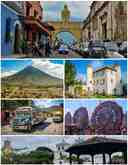
Sous la lueur dorée de l'arche légendaire d'Antigua et l'ombre des volcans qui ont à la fois gardé et menacé la ville pendant des siècles, se trouve un labyrinthe de secrets attendant d'être découverts. Cette visite audio autoguidée lève le voile, vous guidant à travers les places, les couvents et les collines animées où les histoires persistent dans chaque pierre. Quel ordre chuchoté a forcé treize prêtres jésuites à quitter leur cloître juste avant l'aube ? Qui a vraiment défendu les reliques abîmées d'Antigua après la catastrophe – les politiciens ou les habitants déterminés ? Pourquoi les nonnes risquaient-elles des traversées secrètes au-dessus de la foule tandis que la vie quotidienne continuait en bas ? Passez des anciennes collines herbeuses mayas aux salles de couvent résonnantes. Sentez les tremblements sous vos pieds en revivant scandales et scandales, rébellions et résilience. Chaque pas révèle une nouvelle couche de drame sur fond de vues à couper le souffle et de ruelles oubliées. Laissez Antigua révéler son cœur caché – avancez et déverrouillez ses histoires les plus audacieuses.

Aperçu du tour

map

À propos de ce tour

  • schedule
    Durée 50–70 minsAllez à votre propre rythme
  • straighten
    Parcours à pied de 7.2 kmSuivez le sentier guidé
  • location_on
  • wifi_off
    Fonctionne hors ligneTéléchargez une fois, utilisez n'importe où
  • all_inclusive
    Accès à vieRéécoutez n'importe quand, pour toujours
  • location_on
    Commence à Département de Sacatepéquez

Arrêts de ce tour

  1. To spot the Sacatepéquez Department, look out over the sweeping, lush hills and valleys near Antigua Guatemala-especially those with impressive volcanoes standing proud in the…Lire plusAfficher moins

    To spot the Sacatepéquez Department, look out over the sweeping, lush hills and valleys near Antigua Guatemala-especially those with impressive volcanoes standing proud in the distance, like giants keeping watch. Welcome to Sacatepéquez, a land where the hills wear crowns of grass and the air seems to hum with stories old and new. Close your eyes for a second and imagine the gentle breeze brushing your cheeks, carrying scents of fresh maize, coffee, and perhaps a hint of something sweet from the bustling market at San Lucas Sacatepéquez. The very name Sacatepéquez comes from the Nahuatl word meaning “grasshill”-fitting, right? But trust me, these aren’t just any hills. In the background, you might see the smoking peaks of Volcán de Fuego or the beautiful, slumbering Volcán de Agua. Once, the mighty Chajoma people called this land home. They were Kaqchikel-speaking Maya and knew the secrets of the land, moving their capital from Mixco Viejo to what became Ciudad Vieja, right here in the heart of Sacatepéquez. You might find it hard to believe, but long ago, in 1542, the city of Sacatepéquez officially became a department-only to be rocked almost out of existence by a monstrous earthquake in 1773! Today, more than 330,000 people call this place home, nearly half identifying as Maya, keeping their traditions alive with vibrant markets, soulful music, and art that fills even the air with color. Take a breath, feel the history beneath your feet, and remember: the Sacatepéquez landscape isn’t just a feast for your eyes or taste buds, it’s a stage for legends-where volcanoes, ancient peoples, and modern traditions continue to dance together. And hey, if you spot a jocote fruit along the way, let’s call it bonus points-locals say it’s the taste of Sacatepéquez in a bite!

    Ouvrir la page dédiée →
  2. Look ahead for a grand, weathered stone façade, marked by towering columns and an arched entryway with intricate Baroque details-if you spot a spacious plaza and a sense of time…Lire plusAfficher moins

    Look ahead for a grand, weathered stone façade, marked by towering columns and an arched entryway with intricate Baroque details-if you spot a spacious plaza and a sense of time standing still, you’re staring at the Iglesia y Convento de la Compañía de Jesús. Alright, let’s wander back a few centuries-close your eyes if you dare, and imagine Antigua in the late 1600s. The city buzzes with carriages clattering on cobbles, silk dresses swishing past, and the heady scent of incense wafting through the warm air. Right where you stand now, the block would have been alive with the promise of new beginnings-but, of course, also with the sound of construction as stone masons, bricklayers, and tile makers huffed and puffed to create this immense complex for the Society of Jesus. Imagine the dust swirling as the foundation was being set, laid upon land that once belonged to the family of Bernal Díaz del Castillo, a chronicler famous for his tales of conquest. Now, let’s slow the pace-picture just thirteen Jesuit priests calling this giant place home at any moment, their black robes swishing past sunlit courtyards as they choreographed lessons for both fellow Jesuits and bright young students. The halls echoed with laughter and learning, for the San Lucas School, nestled inside, was the educational crown jewel of colonial Guatemala. It drew not just hopeful priests, but the sons of city elites who went on to fill the highest offices-one could say this was Antigua’s version of a top Ivy League university, minus the exorbitant student loans and questionable cafeteria food. But nothing in colonial Latin America was ever straightforward-history here is a little bit like a telenovela, filled with unexpected plot twists, earthquakes, royal decrees, and more than a dash of drama. Just as the complex flourished, disaster struck: the San Miguel earthquake in 1717 shattered the school, leaving the main gate cracked and the tower dangerously unstable. Residents’ hearts must have jumped every time the ground rumbled after that. But, showing that Guatemalan spirit, master builder Diego de Porres hustled to restore the complex, and soon everyone agreed: it looked even finer than before. But the earth, as it turns out, wasn’t quite finished with its tantrums. In 1751, the San Casimiro earthquake brought the church roof crashing down. Imagine standing here then and hearing the thud of giant stones, the startled shouts, the city’s main church once again swaddled in scaffolding. And yet, each time, with astonishing resilience, the people of Antigua chipped in, and the Jesuits brought the church right back-grand, golden, Baroque, and a point of pride. Things calmed down enough that the neighborhood even got tap water-fancy, right?-and the city built a splendid new City Hall and a gleaming plaza in front of the Jesuit church. The aroma of roasting corn, the chatter of locals, and the ringing of church bells would have mingled into a lively daily soundtrack. But the real drama came in 1767, when Spain’s King Carlos III-uneasy about the influence and brains of the Jesuits-decided he’d had enough. He sent an order: expel every last Jesuit from his American colonies. Picture the pre-dawn quiet suddenly broken as officials banged on the doors, dragging sleepy priests from their beds and herding them out to the Gulf of Honduras, where a ship waited to send them far away. Their school was shuttered, their possessions auctioned off (though I doubt anyone wanted their stack of Latin grammar books), and the place used for all sorts of things-seminaries, schools, even a hospital at one point. As if to underline the upheaval, the infamous Santa Marta earthquake of 1773 smashed up the church once again, leaving towers at odd angles and cloisters in pieces. Soon after, the Spanish crown gave the people no choice: move the city to what was called the “Virgin valley,” carting away stones from the old churches as construction material for the new capital. Except, curiously, neighbors here stood firm, refusing to let the Jesuit church be torn down-they thought it could still be saved. Time rolled on, and the church’s fortunes rose and fell with each new ruler. It was a market, a mill using steam power (which must have made quite the racket), and even a thread factory-not bad for a building born from hopes of scholarly glory! Occasionally, the Jesuits flirted with coming back, but political chaos or stubborn liberals always intervened. In the artsy hustle of 20th-century Antigua, the legendary church stood patiently, waiting. Finally, in 1979, it earned a spot among UNESCO’s World Heritage treasures, cementing its place in history. And, after hosting a colorful handcraft market, it was lovingly restored by Spanish cooperation in the 1990s. So as you stand facing this silent giant, remember: its stones have survived earthquakes, royal edicts, and centuries of change. If these walls could talk, imagine the tales they’d whisper on a breezy Antigua night. Maybe even a joke or two-after all, thirteen Jesuits in a giant monastery? Either they were really good at hide-and-seek... or just preferred their own rooms!

    Ouvrir la page dédiée →
  3. Directly ahead, you’ll spot a bold, bright yellow arch stretching across the street with a large white clock sitting right on top-you can’t miss it! Imagine you’re standing on…Lire plusAfficher moins

    Directly ahead, you’ll spot a bold, bright yellow arch stretching across the street with a large white clock sitting right on top-you can’t miss it! Imagine you’re standing on 5th Avenue North, the sun warm on your face and cobblestones beneath your feet. Towering above you is the Santa Catalina Arch-a splash of yellow against the crisp blue sky. But this isn’t just any arch! Back in the 17th century, the arch was built for a group of nuns who lived in the Santa Catalina convent on one side of the street. Their way of life was strict-they weren't allowed to step outside into the bustling world. So, the arch was cleverly built as a secret passageway, letting the nuns cross to the school on the other side without anyone seeing. Picture the mysterious, cloaked figures gliding above you, hidden from sight, all the while the street carried on with markets, chatter, and horse-drawn carts. It wasn’t until the 1830s-when the clock was added during the Central American Federation-that this yellow beauty got its famous face. If you glance around, you might notice echoes of its design-it was so iconic, the Post Office Building in Guatemala City copied its style! So, next time you hear a bell ring from above, imagine a nun dashing through on an important mission... and smile, knowing you’ve just walked under one of Antigua’s most whimsical secrets!

    Ouvrir la page dédiée →
Afficher 14 arrêts de plusAfficher moins d'arrêtsexpand_moreexpand_less
  1. To spot La Merced Church, just look for the bright yellow building with all the intricate white stucco designs and its two bell towers rising on either side-if you see a facade…Lire plusAfficher moins

    To spot La Merced Church, just look for the bright yellow building with all the intricate white stucco designs and its two bell towers rising on either side-if you see a facade packed with detailed sculptures and a cross out front, you’re in the right place! Now, as you stand before this dazzling church, let me whisk you back in time-don’t worry, you won’t need a time machine, just a little bit of imagination! Picture Antigua in the 18th century, buzzing with the sound of hammers and the swirl of dust as master architect Juan de Dios Estrada and his team brought this stunning structure to life. Construction began in 1749 and, after years of hard work, La Merced finally opened her doors in 1767. And just in time, too-as if she knew trouble was coming, La Merced was practically brand new when the massive Santa Marta earthquakes hit in 1773. While much of the city crumbled, this church stood firm, looking almost smug in her resilience, showing off the clever new building techniques the Spanish brought to the New World. The style you see in front of you is called Guatemalan Churrigueresque, which is basically Baroque turned up to eleven-bright, bold, and bursting with detail. The facade is like an open-air museum. Look up and you’ll spot St. Peter Nolasco, the founder of the Mercedarian Order, gazing serenely down from the top. Beneath him are the Virgin of Mercy and the grand Mercedarian shield. The saints standing guard-St. Raymond Nonnatus and St. Pedro Armengol to your left; St. Peter Pascual and St. Mary de Cervellione, the first Mercedarian nun, to your right-all seem ready to leap down and greet visitors. It’s quite the heavenly lineup! But don’t just look up-look out into the courtyard to see the “Fountain of los Pescados,” a water lily-shaped marvel that measures a whopping twenty-seven meters across. It’s one of the largest colonial fountains in Latin America-and if you’re wondering why the architects picked a water lily, here’s a little Mayan mystery for you: in local mythology, the water lily is tied to creation itself. They believed the first gods rose from the blossom, making this fountain not just a decoration, but a symbol of divine beginnings. La Merced’s story is packed with nearly as much drama as its facade. The Mercedarians arrived with the earliest Spanish settlers, led by the adventurous Friar Marcos Dardón, who trekked through places like Chiapas and the dangerous valleys around Antigua. They settled first in Almolonga, but when the nearby volcano let loose with a landslide, the order packed up and moved to the safer, lush Panchoy Valley-right here where you stand today. In those days, friars weren’t just praying; they were building schools for local children, running sugar mills, and riding out to the distant mountains to bring their faith (and sometimes their sweet tooth) to far-off towns in San Marcos, Huehuetenango, and Quetzaltenango. La Merced wasn’t just a religious center-it was practically a headquarters for the region. But then along came the Bourbon Reforms: the Spanish Crown’s attempt to flex new royal muscles in the colonies. These reforms rearranged the whole administration, gave the king more power, and-gasp!-even tried to cut the church’s influence. Imagine priests suddenly having to hand over their parishes and a city grappling with new rules about tobacco, booze, and playing cards. No wonder the locals were a bit tense! Then came the earthquakes-nature’s way of keeping everyone on their toes. When the city was devastated, the authorities decided to haul the most treasured religious image, Jesús Nazareno de la Merced, all the way to the new capital, hoping the faithful would follow. I can just picture the scene: heartbroken villagers clinging to their traditions and weeping as the sacred statue left town, parading out with much more emotion than any ancient king could command. But the spirit of La Merced never really left. When a new Nazarene statue arrived, it quickly became the star of Antigua’s legendary Holy Week processions, drawing crowds and filling the city with the scents of incense and flowers each year-a tradition that continues even today. So here you are, standing where centuries of history, faith, and drama have all left their mark. If these yellow walls could talk, they might just sigh and say, “Earthquakes, kings, and even bureaucrats couldn’t shake me!” And with that, La Merced is still here-proud, bright, and full of stories, welcoming pilgrims and wanderers alike to experience a living piece of Antigua’s soul. Wondering about the description, tourism or the holy week? Feel free to discuss it further in the chat section below.

    Ouvrir la page dédiée →
  2. To spot the La Recolección Architectural Complex, look ahead toward the sprawling green park, where you'll see massive stone ruins rising from the grass beneath a canopy of…Lire plusAfficher moins

    To spot the La Recolección Architectural Complex, look ahead toward the sprawling green park, where you'll see massive stone ruins rising from the grass beneath a canopy of trees-like a forgotten palace slowly being reclaimed by nature. Alright, take a good look at the remnants before you-crumbling stone arches, broken walls, and huge blocks of masonry scattered across the bright green grass. Imagine, just for a moment, the year is 1701. Antigua is buzzing with the chatter of friars and townspeople. The Order of the Recollects is fairly new here, and after a bit of convincing (okay, more like persistent asking!), they finally got royal permission to build their monastery. Picture monks in brown robes bustling about, laying the first stones while the library and cloisters start to take shape. By 1717, the grand church is ready for its big debut! But, of course, Antigua has a flair for the dramatic: just months after the grand opening, the earth itself throws a tantrum. The 1717 earthquakes rattle the city, cracking the walls and shaking everyone’s nerves-including the friars, who probably had to recite a few extra prayers that night! The friars fixed what they could, but trouble kept coming. More earthquakes battered the complex, and the massive Santa Marta earthquakes of 1773 finally did it in, toppling walls and leaving most of the grand church a beautiful ruin. Over the years, the site was used as everything from a stable to a soap factory-imagine the ghosts of monks and soapy bubbles floating side by side! Even a sports complex popped up here for a while; who knew ruins could have so many careers? Today, as you stroll among these silent giants, listen closely. The cloisters and library might whisper secrets while the sun paints patterns on the old stones. Big chunks of masonry are still heaped inside, but the peaceful parkland outside invites dreamers and wanderers like you. And just a little trivia-some scenes from the Jack Nicholson movie "The Border" were filmed right here! So, if you feel a dramatic breeze, don’t be surprised-it might be history and Hollywood teaming up to keep the story alive.

    Ouvrir la page dédiée →
  3. To spot the Parish of San Sebastián, look for an ancient, crumbling facade of rosy brick and stone, with ornate columns and an arched entryway still standing among ruins, right…Lire plusAfficher moins

    To spot the Parish of San Sebastián, look for an ancient, crumbling facade of rosy brick and stone, with ornate columns and an arched entryway still standing among ruins, right beside the street, as if stubbornly clinging to the past. Welcome to the Parish of San Sebastián! If these battered walls could talk, oh, the stories they would tell-though with all the earthquakes, they might stutter a bit! Picture yourself in the bustling Antigua Guatemala, centuries ago, when this church was just a humble hermitage founded back in 1565 up on Cerro de San Felipe. You’d hear the soft chants of villagers and the tolling of church bells floating through the valley, calling the faithful to their sanctuary at the foot of the Cerro del Manchén. San Sebastián soon grew, and by 1582, with a little help from the determined Juan de Cuéllar, it moved down to this very spot, where it became the heartbeat of the La Joya neighborhood. But, let’s be honest-living here was never boring. Antigua was a city that danced with volcanoes and lived in constant flirtation with earthquakes. In 1631, one mighty tremor nearly toppled the church. Imagine the street, packed with anxious faces, some holding tight to their hats and others to their prayers. It wasn’t until almost 60 years later, in 1689, that the church regained its full parish status-talk about perseverance. Disaster struck hard in 1717, when the fierce Volcán de Fuego erupted. Picture residents glancing nervously at the churning volcano, as a strange darkness settled over the city. People cried out for protection from the heavens, rushing saints and the Virgin in dramatic processions. Priests’ voices echoed, bells tolled, and the ground trembled beneath their feet. The night didn’t offer much comfort either; a powerful earthquake struck just as dusk turned to darkness, driving everyone from their homes. The city shook, creaked, and groaned, but the faithful clung to hope. Then, in 1773, came the infamous Santa Marta earthquakes-so destructive that even the government packed their bags and moved the capital to a new, safer spot. The city was left nearly abandoned, its grand churches, including San Sebastián, reduced to shadows of their former glory. But Antigua’s people, ever the optimists, didn’t just give up. For decades, they scraped together what art and artifacts they could rescue, using these ruined churches as temporary shelters for their treasured religious art. The 19th century brought more chaos. In 1874, another earthquake hit with such force that one witness claimed the ground moved in waves, rising up almost a foot off the ground. People ran, the city echoed with the sound of falling stones and frightened prayers. The once-proud Parish of San Sebastián was abandoned. For a while afterward, only its imposing facade stood, like a stern old guardian over a city now called “ruined Guatemala.” And about that facade-it nearly made it to modern days, battered but still beautiful with its columns and careful Baroque details. That is, until 1976, when yet another quake-let's just call it “The Big One”-brought much of it tumbling down, almost as if the earth couldn’t help but rearrange Antigua’s skyline one last time. Through all this, the church found itself mixed up in other odd moments-like the creation of the Templo de Minerva in the early 20th century. Imagine the people of Antigua, scratching their heads as their new Greek-style temple with its chunky Doric columns rose up next to the battered old Baroque parish. They must have wondered if ancient Athens got lost and ended up in Guatemala for the fiestas Minervalias! As soon as the celebrations ended, the flashy temple just sat there, unused, and by the 1920s, it too was gone, leaving the ghosts of both Baroque prayers and pagan festivities drifting over this corner of the city. As you stand here, take a moment. Run your eyes over the bricks-some from the 16th century, others added after countless quakes, patched in with more hope than mortar. Listen in your imagination for the soft music of processions gone by, the urgent footsteps during trembling ground, and a thousand whispered prayers for deliverance and for new beginnings. The Parish of San Sebastián is more than stone and ruin; it’s a testament to the stubborn spirit of Antigua itself-forever battered, forever beautiful, and always ready for the next chapter.

    Ouvrir la page dédiée →
  4. To spot Cerro de la Cruz, just look straight ahead for a tall stone cross standing on a round pedestal, perfectly framed against the sweeping view of Antigua and the towering Agua…Lire plusAfficher moins

    To spot Cerro de la Cruz, just look straight ahead for a tall stone cross standing on a round pedestal, perfectly framed against the sweeping view of Antigua and the towering Agua Volcano in the background. Alright, take a deep breath-the air is a little thinner up here, but that’s just because you’re standing on Cerro de la Cruz, one of Antigua’s most legendary viewpoints. Imagine you’re not just gazing at the city, but you’re standing on what locals once called the Hill of Manchen, a place once covered in wild forest where quiet whispers of old legends still drift through the trees. Don’t be surprised if you hear the wind rustling through the leaves -nature likes to provide the perfect soundtrack! The star of this hill is the grand cross itself, watching over the city like a patient guardian since 1930. The original cross was carved from sturdy wood, but over the years, it was replaced by the stone one you see now-designed to withstand whatever the volcano might throw its way. And yes, some say the cross keeps a careful eye out for cheeky tourists trying to take the perfect selfie. What makes this place truly magical isn’t just the view (though, admit it, your jaw might already be on the floor), but the history behind it. For generations, people in Antigua have climbed this hill every Ascension Thursday-that's 40 days after Easter-to remember the day Jesus said his goodbyes and headed up to the clouds. On that day, locals and visitors picnic with traditional snacks, laughter filling the air, while vendors tempt everyone with mouthwatering treats. So perched up here, surrounded by forest and shaded benches, it’s easy to imagine both a grand celebration and a moment of peaceful reflection. And if you listen closely, you might just hear the echoes of old footsteps on the path below, as photographers and dreamers capture every color of this colonial wonder. Now go ahead-soak it all in, because this is the view that has left travelers breathless for generations!

    Ouvrir la page dédiée →
  5. To spot the Church of Candelaria, look straight ahead for the tall, crumbling stone walls with ornate details peeking out from behind wild greenery-the ruins rise up dramatically,…Lire plusAfficher moins

    To spot the Church of Candelaria, look straight ahead for the tall, crumbling stone walls with ornate details peeking out from behind wild greenery-the ruins rise up dramatically, with broken arches and plants growing where a roof once was. Now, let’s take an adventure back through the centuries as you stand before these haunting remains. Imagine the year is 1548: the city is alive with the buzz of villagers as Bishop Francisco Marroquín orders the construction of a humble hermitage on this very spot, right in the northwestern corner of old Santiago de los Caballeros. At first, people called it the “Hermita de los Dolores del Cerro,” but word spread quickly that something special was happening here. People traveled on dirt paths through the fields, eager to attend mass-sometimes even in the indigenous Pipil language, filling the air with harmony from voices that echoed through the wooden rafters. The little neighborhood around it, once called Santo Domingo or Málaga, was so influenced by the church that it soon became known as the Barrio de Nuestra Señora de La Candelaria. Time marched on, and with the new century came repairs-and a bit of churchly bling, thanks to Captain General Peraza Ayala who, in 1615, ordered a brand new altar. But life here was never quiet for long. The Volcán de Fuego smoldered in 1717, and as the eruption rattled windows, the people of Antigua took to the streets, comforting each other and praying to the saints for safety. That’s when the earthquakes of San Miguel hit. The ground quaked so hard that neighbors stumbled out of their homes in a frenzy, yelling prayers and confessions into the early morning darkness. Inside the church, the shaking was unrelenting, and when the dawn came, Candelaria’s walls were rubble. Somehow, faith and a little bit of stubbornness refused to give in-thanks to friar Francisco Ximénez, the church was rebuilt with a dash of floral-stucco glamour and a sprinkle of mudéjar flair. Just imagine this: the rebuilt church with spiral columns, leafy decorations, and stone walls so thick you’d think even an earthquake would hesitate. But as fate would have it, 1751 brought another shake, though this time, the sturdy old Candelaria survived with a few cracks and bruises. By 1754, the church was a full-fledged parish, bustling with ceremonies and celebrations. Sadly, all good things must face a test, and in 1773, the infamous Santa Marta earthquakes didn’t just shake, they shattered. The beautiful barrio of Candelaria and the mighty convents nearby were battered so fiercely that by morning, the streets and walls were tangled together, mixed with the sorrow of the community’s loss. It was so bad that authorities finally decided: enough-let’s move the capital. So, the survivors gathered what sacred objects they could-like cherished paintings and miraculous statues-and set off on a journey to the shiny new city of Nueva Guatemala. It took them months, dodging mud and bandits, but when they arrived, bells rang in celebration. Back in Antigua, the ruins stood silent-at least, until the next earthquakes came knocking, like uninvited guests. In 1874, the New York Times even covered the disaster, marveling at waves of earth lifting the ground, and crowds fleeing from toppled towns. Bandits tried to take advantage, but the police caught them and, let's just say, they didn't stick around for tea. Yet, life in Antigua has a stubborn spark. By the late 1700s, the city-sometimes called “ruined Guatemala”-was officially resettled. Old, battered parishes like Candelaria were brought together under a new church. For a time, Candelaria’s holy relics, including a famous Señor del Descendimiento statue, found a new home and a new congregation. As you stand here, try to see the centuries layered before you: the overgrown walls, the whisper of lost prayers, the memory of bells-and the stubborn hope of a community that, no matter how many times the ground shifted, refused to forget its roots. If you listen closely, maybe you’ll hear echoes of voices-ancient and persistent-reminding us that even among the ruins, a little faith and a few good stories can stand the test of time.

    Ouvrir la page dédiée →
  6. If you look just ahead, you’ll spot a low, weathered stone structure full of arches and columns surrounding a quiet courtyard, with striking purple and pink flowers blooming by an…Lire plusAfficher moins

    If you look just ahead, you’ll spot a low, weathered stone structure full of arches and columns surrounding a quiet courtyard, with striking purple and pink flowers blooming by an old stone fountain in the center-this is the Iglesia y Convento de las Capuchinas. Welcome to one of Antigua’s most intriguing sites! Imagine the year is 1736, and you’re standing outside the brand-new Convent and Church of Our Lady of Zaragoza, which would soon become famous throughout the city. Back then, the air was filled with the sounds of soft footsteps echoing off the stone walls as a group of Capuchin nuns arrived, eager to embrace a life of discipline, poverty, and devotion. Here, for the first time in this city, you didn’t have to come from a rich family to join the convent. All you needed was your determination-and maybe a strong appetite for fasting, because let’s just say their meals were a bit on the humble side! Whispers floated around Antigua about the two kinds of nuns who lived here: the discalced, who swore off shoes and walked the cold stone floors barefoot, and the more urban nuns, who might sneak a pair or two when no one was looking. They followed strict rules, surviving only on tithes and living in simple, round cells built around a curious circular chamber. Picture a giant wheel of monastic life, with each nun tucked inside her little “spoke.” It wasn’t uncommon to hear giggles late at night, as the nuns navigated the dark, maze-like passageways that ran beneath the convent-secret tunnels that added a sprinkle of mystery to their otherwise quiet days. The earthquakes of 1751 and 1773 shook these ancient stones, sending clouds of dust swirling into the cloisters. Eventually, the building was abandoned by the Captain General’s order, leaving behind echoes of whispered prayers and the sweet scent of blooming flowers. Still, the beauty and secrets of Las Capuchinas live on, inviting explorers like you to imagine the cloaked figures and hidden stories that once filled this magical place. Would you have made it as a barefoot nun here? Maybe-if you didn’t mind all the fasting and the occasional friendly ghost in the corridors!

    Ouvrir la page dédiée →
  7. Look for a striking colonial house at the southwest corner of 1a Avenida Sur and 5a Calle Oriente, where a large cypress tree stands proudly at the center of a lush courtyard…Lire plusAfficher moins

    Look for a striking colonial house at the southwest corner of 1a Avenida Sur and 5a Calle Oriente, where a large cypress tree stands proudly at the center of a lush courtyard surrounded by bright flowers and a tiled roof. Welcome to Casa Popenoe, a place that’s worn more hats than a fashionable chicken at a royal wedding! Imagine standing here in the 1500s-this corner belonged to Jacomé de Piña, a wealthy landowner who may have dreamt of turning dust into gold. Over a century, the property changed hands faster than a hot, fresh tortilla. By the late 1600s, the Estrada sisters lived here for decades; their story filled the air with everyday laughter and a touch of sadness when, after their passing, the home needed to be sold off-so they ordered that the profits fund prayers for their souls. Not a bad afterlife plan, eh? Legend has it that after the devastating earthquake of 1717, houses in this neighborhood were a bit like wobbly jelly-cracked, battered, and in desperate need of care. Still, families kept buying, selling, and patching up the place. For a while, it was home to presbyters, doctors, capellans, and even the occasional wealthy widow, like Manuela de Ayala, who traded her cattle for these walls. Imagine the sound of bustling trade and market deals at this very corner. Now, let’s step into the 18th century. In 1762, Venancia López, a woman who clearly believed “go big or go home,” decided to merge two tired houses into one grand residence. She and her husband, Andrés Guerra, literally stitched together centuries of history and gave this home its heart-the vast patio and those elegant arched hallways you might spot through the garden. The house became known for its unique mixtilinear arches, inspired by the nearby University of San Carlos, so it’s like this place was trying to keep up with the academic times. Venancia had a green thumb too, planting the cypress tree that still rules over the courtyard, silent and dignified-a living witness to all the whispered conversations and secret dreams. But the earthquakes weren’t finished yet! In 1773, the land shook again-plates rattling and walls threatening to crumble as the city’s fate trembled. The family moved to new lands, leaving these walls to face the ravages of time, invaders, and even some sneaky squatters in the 19th century. Casa Popenoe was wounded but never truly broken. Fast forward to the 20th century, and like a plot twist in a good telenovela, Frederick Wilson Popenoe, an American agronomist, bought the neglected house from Ciriaco Peralta in 1930. He and his first wife, Dorothy Hughes, poured sweat and heart into restoring the home’s original colors and soul. After Dorothy’s passing, his second wife, Helen Barsaloux, added the final touches. Together, they unearthed hidden secrets in faded tiles and crumbling walls-helped, of course, by that ever-watchful cypress. The home gained fame as the “Casa del Capuchino” because of a distinct cypress in its main patio. The place rang with new stories, family dinners, and the hum of restoration work-like history shaking off the dust for a grand reopening. And just when you thought the story was over, in 2007, Marion Popenoe, Wilson’s daughter, gifted Casa Popenoe to the Universidad Francisco Marroquín. Now scholars, students, and travelers like you can marvel at its architecture and the echoes of all those who lived, loved, and sometimes lost within these walls. Take a deep breath and imagine the centuries unfolding around you. This is not just a house; it’s a living museum of the shifting fortunes, wild hopes, and courageous rebuilds that shaped Antigua Guatemala’s heart. Funny enough, if these walls could talk, they’d probably ask you to mind your step-and maybe share a recipe or two for cypress tea!

    Ouvrir la page dédiée →
  8. To spot Iglesia de San Francisco, just look ahead for a grand, weathered white facade with bold twisted columns and arched windows-its sturdy, slightly timeworn front stands out…Lire plusAfficher moins

    To spot Iglesia de San Francisco, just look ahead for a grand, weathered white facade with bold twisted columns and arched windows-its sturdy, slightly timeworn front stands out against the sky and draws the eye with statues tucked in little niches. Now, let’s step back in time and feel the heartbeat of Antigua right from this spot! Imagine you’re standing where Franciscan friars first arrived all the way from Spain in the 1530s, bringing with them not only their faith, but a hopeful spark for something extraordinary to grow in this valley. They were entrusted with 120 villages-talk about a hefty to-do list for a handful of monks! Their very first chapel was built not far from here, but Antigua’s earthquakes quickly reminded everyone who’s boss. You’re now at the site of the grander replacement they started in 1579, just two blocks away-and remarkably, some stones from the old 16th-century chapel still stand guard at the side of today’s sanctuary, quietly whispering tales from four centuries ago. As Antigua blossomed, San Francisco el Grande wasn’t just a church-it became the beating cultural heart of the whole region. Imagine elegant classrooms within these walls, where young minds learned not only theology, but law, physics, mathematics, and philosophy. This was where revolutionary artists like Cristóbal de Villalpando and Thomas de Merlo would bring their colonial masterpieces to life, filling the altars with vibrant colors and hopeful dreams. But Antigua is nothing if not dramatic-earthquakes have shaken this city over and over! In the 17th and 18th centuries, San Francisco was expanded and reinforced, but the earth’s relentless tremors in 1717, 1751, and then the devastating 1773 quake left scars, with much of the original church left in romantic ruin. Even in 1976, the main altar’s statue of the Virgin Mary took a tumble during another powerful quake. If you hear a faint clatter inside, maybe she’s just warning you to tread softly! Take a good look at the church’s facade-see those twisted, baroque columns and the sixteen arched niches filled with saints and friars? Each has its own story, from the Virgin Mary to San Diego de Alcalá, forming a stone cast of characters watching over the city. And if you wander toward the monastery entrance, you might spot eerie yet fascinating murals-Franciscan friars standing beside a painted skeleton, perhaps a cheeky reminder to seize the day! San Francisco’s most beloved resident, though, is Peter of Saint Joseph Betancur-Santo Hermano Pedro-a humble missionary whose shrine inside draws thousands each year. People from all walks of life come hoping for a miracle or a bit of guidance, journeying for both faith and curiosity. And here’s a quirky twist: in 1935, these haunting ruins became a film set! The New Adventures of Tarzan was shot right here-imagine Tarzan swinging through Antigua rather than the jungle. If you listen closely, maybe you’ll hear the echo of distant drums or a monkey’s giggle (or was that just another earthquake?). So feel the cool shadow of history here, with walls that have withstood centuries of prayer, art, learning, disaster, resilience, and even a little movie magic-San Francisco el Grande stands as one of Antigua’s greatest storytellers, inviting you to become part of its next chapter.

    Ouvrir la page dédiée →
  9. To spot the Church School of Christ, just look ahead for a grand, sturdy stone building with two white bell towers rising from a perfectly symmetrical facade and a simple archway…Lire plusAfficher moins

    To spot the Church School of Christ, just look ahead for a grand, sturdy stone building with two white bell towers rising from a perfectly symmetrical facade and a simple archway entry behind a low stone wall. All right, traveler, take in this solid stone structure in front of you-no need for fancy decorations here! The Church School of Christ stands proudly, almost as if it’s daring the earthquakes to try and knock it down. Built with big, rough-hewn stones and boasting two no-nonsense white bell towers, this church is living proof that elegance and strength can go hand-in-hand… and that sometimes, Mother Nature can be a little too generous with her “shakes”! Let’s rewind to 1664, when a Franciscan friar named Bernardino de Obregón and Obando had an ambitious vision and got approval from Pope Innocent XI for a project inside the humble Hermitage of Vera Cruz. They called it the School of Christ-no homework required, just a lot of prayers! As the years passed, this spot transformed into the prestigious Congregation of San Felipe de Neri, earning more recognition with a papal nod in 1704. But just as the congregation was getting comfortable-bam!-here come the San Miguel earthquakes of 1717, shaking the building like a maraca. The city was in quite a mess: cracked walls everywhere, people abandoning their homes, and even the mighty Royal Palace got a bit rattled. Thankfully, the Captain General at the time, Francisco Rodríguez de Rivas, stepped in with his wallet and his heart, donating his own money to help patch up this church and keep the community together. By 1730, with the help of the famed architect Diego de Porres, the church was rebuilt, and let me tell you, they didn’t skimp on strength this time. The design here is simple-no fancy stucco, just solid stonework, straightforward symmetry, and those stark white bell towers. Legend has it the church was so different from the others in Antigua that even the stones liked to brag! As you stand here, imagine the drama of the 1773 Santa Marta earthquakes. Rebuilding seemed a never-ending job in this town. Houses, churches-one by one, they all danced to the tremors. The city’s rulers got so tired of these earthquakes that they actually moved the entire capital. But dedicated, stubborn folks like the parishioners here refused to let this place sink into history. The church’s valuables, precious images, and even processional traditions were carefully moved or preserved, sticking around like stubborn stains on your best white shirt. Now, it wasn’t just the building that had all the adventure-the church became famous for its images, too. The most celebrated of the bunch, “Jesús Nazareno de las Tres Potencias,” was sculpted back in 1667 but later had to get a move on to the new capital. Then there’s the tale of the “Señor Sepultado”-a reclining Christ with clever little joints in his arms and neck so he could take part in Good Friday rituals. Even the business of paying for the statues brought more drama than an episode of your favorite soap opera, with stubborn priests and a sculptor demanding his due. By the 1800s, Antigua had changed its name a few times-people called it “ruined Guatemala” for a while-and the locals clung to old traditions like a comfort blanket. Despite more earthquakes and the kind of administrative headaches that could drive anyone mad, they kept the ancient rituals alive: processions on Palm Sunday, parishes coming together, and every Good Friday, the image of the Señor Sepultado would take one more slow, solemn journey out onto these very streets. Today, the church is still in great shape-open to visitors with its thick walls and crisp bell towers gleaming. And if you listen close, you just might hear echoes of solemn processions and the whispered prayers of the faithful, centuries in the making. So, take a moment to imagine the people who stood on this same spot, clinging to hope, faith, and maybe a little bit of stubbornness-because a good story, like a good church, is built to last!

    Ouvrir la page dédiée →
  10. To spot the Church of San Pedro Apóstol, look for a striking yellow and white Baroque façade with ornate columns, a high central tower, and a right-angle bend where the church…Lire plusAfficher moins

    To spot the Church of San Pedro Apóstol, look for a striking yellow and white Baroque façade with ornate columns, a high central tower, and a right-angle bend where the church meets the long hospital building, all sitting right at the street corner. Now, let’s travel back in time-imagine 1654 Antigua, when life was a bit less Instagram and a lot more earthquake! In front of you stands not just a church, but also a hero’s sanctuary, built alongside a hospital thanks to Bishop Bartolomé González Soltero, who bought this very land with big dreams and maybe even bigger pockets. The hospital opened its doors in 1648, so picture the first echoes of hopeful footsteps and the faint clink of healing tools. Architect Joseph de Porres oversaw the construction of the church, with its dramatic Baroque style-higher in the middle, lower on the sides, and an impressive bell tower perched up top behind elegant ironwork. Oh, and those four empty niches in the portal? Don’t worry, you didn’t miss the statues; they’ve always been empty! Locals say they’re waiting for saints who know how to pose for selfies. For a while, this church was the city’s temporary cathedral-imagine grand ceremonies and joyful crowds filling the atrium, until 1680, when the title passed to the parish of San José. But drama wasn’t done with San Pedro. The 1773 earthquakes hit Antigua hard, and if you listen closely on a windy day, you might feel the walls shiver as if they remember those tremors. Step inside and you’ll discover a bell-a gift all the way from the Canary Islands, ringing in honor of the sainted Pedro de San José de Betancur, and maybe startling a few sleepy pigeons in the rafters. You’ll also see a mural by Rosamaría Pascual de Gámez, showing Pedro’s acts of charity that inspired this whole enterprise. So, whether you’re standing for a quick photo or reflecting on centuries of care, trust me, the spirit of kindness here is louder than any earthquake-or hungry tourist’s stomach!

    Ouvrir la page dédiée →
  11. Standing right in front of you is the Antigua Guatemala Cathedral, a large white-stone building that rises majestically behind a lush park plaza-with arched doorways, carved…Lire plusAfficher moins

    Standing right in front of you is the Antigua Guatemala Cathedral, a large white-stone building that rises majestically behind a lush park plaza-with arched doorways, carved statues, and a grand facade that looks like it’s wearing its Sunday best, just waiting to impress. Now, get ready, because this isn’t just any old church-it’s a survivor worthy of its own action movie! The story of the Antigua Guatemala Cathedral, also called the Parish of San José, goes all the way back to 1545 when its first stones were hauled in from a destroyed settlement across the valley. Imagine that: people back then probably never thought they’d be building something that would become a legend. Of course, the region had its own plans and seemed to test the cathedral at every chance, sending earthquakes to give the builders a real headache. The original structure was knocked down, only for a grander second sanctuary to rise up in 1680-a bit like a phoenix from the rubble, thanks to the can-do spirit of folks like Juan Pascual and José de Porres. They brought in some real artistic firepower too, including a Spanish engineer who was also a master image-maker. Step inside with your imagination: back then, the main altar stood under a glowing dome, held up by sixteen incredible columns-each one lined with shimmering tortoiseshell and decorated with bronze medallions. There were ivory figures of the Virgin and the Apostles, perched above and watching over everyone. By 1745, the cathedral reached superstar status and was declared Metropolitan, kicking off a celebration that put today’s fireworks shows to shame. The festivities were epic-people lined the streets, the bells rang from dawn, rockets burst in the sky, and there were banquets, bullfights, and even gunpowder castles lighting up the main square. Can you picture it? The kind of party where you’d need a week to recover! But hold onto your hat, because in 1773, the Santa Marta earthquake crashed the party with a force that left two chapels in ruins and forced everyone back to the drawing board. The devastation was so incredible that part of the city had to pack up and move to what is now Guatemala City. Yet, the heartbeat of the old cathedral refused to quit. Beneath its feet, mysterious tunnels and crypts hint at secrets history has yet to reveal. That’s right-you’re standing over silent passages whose purpose is still a riddle. Even after the main church functions moved away, this landmark wouldn’t let go of its legacy. By 1804, the Parish of San José came to life inside these battered walls, inheriting precious relics and centuries of stories. Through the 1800s, priests and workers tackled repairs, sometimes with only a little more than hope, and by the 1830s, the old cathedral had a second wind as the heart of the parish. But drama was never far behind! In 1874, another massive earthquake hit and the cathedral lost its mighty bell towers. According to a writer in the late 1800s, nature started to creep in-tree roots snaked through the cracks, the air was thick and damp, and the shadowy corners gathered bats and night birds, turning the ruins into something straight out of a haunted tale. Into the 20th century, explorers and curious travelers like Herbert J. Spinden made their way through the ruined nave, marveling at carved angels and climbing-sometimes nervously-across rooftop beams taken over by plants. The place was battered but beautiful, a bit like an old favorite jacket you just can’t throw away. And there’s still more! Hidden inside, the remains of the conquistador Pedro de Alvarado found shelter here. His bones have traveled quite a bit-moved out during turbulent times, stored all over town, and finally returned in 2007 to rest in their original niche. These old walls have watched centuries roll by, embracing grandeur and disaster, music and mystery, faith and endurance. So as you stand here today, with sunlight bright on the stone, remember: you’re looking at a true survivor, a cathedral that wears every scratch like a badge of honor. If these walls could talk, imagine the stories they’d tell-of glory, of parties, of earthquakes, and of the stubborn spirit of Guatemala itself. That’s the Antigua Guatemala Cathedral: battered, brilliant, and unforgettable.

    Ouvrir la page dédiée →
  12. To spot the Royal Audiencia of Guatemala, look for a long, grand building with two levels of elegant arches supported by tall columns and draped here and there in purple…Lire plusAfficher moins

    To spot the Royal Audiencia of Guatemala, look for a long, grand building with two levels of elegant arches supported by tall columns and draped here and there in purple banners-it stretches along the cobblestone street right in front of you! Imagine the clatter of horses’ hooves and the low murmur of voices as you stand before these grand arches-this is where, for centuries, the most powerful decisions in all of Central America echoed through the halls! Back in the mid-1500s, this wasn’t just any government building; it was the very nerve center of the Spanish Empire in the Americas, known as the Royal Audiencia of Guatemala-or, if we’re being dramatic, the “Audiencia of Confines.” Now, they didn’t just pick the name to sound impressive. This tribunal ruled over a truly vast kingdom-imagine a map that stretches from the jungles of Chiapas and the sunny shores of Belize, all the way to the volcanoes of Costa Rica and the rivers of Nicaragua! It all began with a royal decree in 1542. Spain, determined to keep its new lands under tight control, needed the sharpest minds to rule this sprawling territory, so four highly educated “oidores”-that really is what they were called, the “Hearers”-were given their fancy court. But getting settled wasn’t so easy. At first, they tried to set up shop here in Santiago de Guatemala, but they were told by the king’s council, “Pack your bags-you’re heading to Valladolid de Comayagua!” Off they went, only to be moved again and again, like royal chess pieces. I bet their horses got tired before they did! There was drama aplenty. Just picture it: a court so powerful their decisions could never be appealed-not even the king’s cousin could get them to change their minds! Some called them the “Alcaldes of Crime”-what a title, right? They could decide criminal cases from start to finish, while also keeping an eye on taxes, running hospitals, censoring books, and even making sure the pharmacies weren’t selling snake oil. Quite the to-do list! Now, not everyone played by the rules. Enter Juan Núñez de Landecho, the first-ever governor and president of the audiencia. He loved power (maybe a bit too much). The king sent in Francisco Briceño, undercover, to check up on him. Briceño arrived in disguise, hiding out with the local monks-sounds like the start of a swashbuckling adventure! When Briceño revealed himself, he wasted no time: Landecho was put under house arrest and fined a whopping 30,000 pesos. Landecho tried to escape, but rumor has it, his ship went down off the coast, its fate lost to the deep blue sea. For a while, the audiencia was shipped off to Panama, and suddenly, Guatemala’s grand government was just another province. The folks here weren’t happy; imagine the gossip in the plazas! After some heavy petitioning, including help from Bartolomé de las Casas, the king eventually packed the audience’s bags once more: “Back to Guatemala with you!” In 1570, the judges, now as grand as ever, returned here, with a big parade and all, bells clamoring and crowds cheering. This was no ordinary court-it was known as a “pretorian audiencia,” which means it reported straight to Spain’s king, not through Mexico or Lima like others did. That independence made it especially important, especially when pirates or rival empires threatened the Caribbean. Over the years, regions were shuffled like a deck of cards-Yucatán went to Mexico, Soconusco came here, then went back, then here again-no wonder the judges needed all those extra cups of coffee! By the late 1600s and 1700s, this building saw everything from political snooping to elaborate ceremonies. Judges, now addressed as His Lordship, earned hefty salaries and enjoyed special privileges-one even had troops guarding his door every day! The sound of paperwork, stamping seals, and the creak of heavy boots once filled these corridors. They ran lotteries, approved books, watched over orphan’s estates, and called themselves “The Council of His Majesty.” If anyone was more powerful in all these lands, well, good luck finding them! So here you are, standing where secrets were whispered, destinies decided, and Latin American history was shaped-behind these arches, echoes of justice and intrigue linger. And if your phone battery ever needs “royal judgment,” just blame it on all those old oidores-they kept everyone here busy! Intrigued by the territory, functioning of the hearing or the see also? Make your way to the chat section and I'll be happy to provide further details.

    Ouvrir la page dédiée →
  13. Right in front of you, you'll spot a grand two-story building with long arches stacked neatly one above the other and stately white columns - it stretches along the southeast side…Lire plusAfficher moins

    Right in front of you, you'll spot a grand two-story building with long arches stacked neatly one above the other and stately white columns - it stretches along the southeast side of Central Square, proudly flying the Guatemalan flag from its roof. Now let’s step back in time and imagine the scene: It’s the 1500s, and you’re standing before the very heart of Spanish power in Central America - the magnificent Palacio de los Capitanes Generales. Picture this imposing building shimmering in the sun, its stone arches casting cool shadows while horses neigh in the stables behind its walls and important officials hurry up and down the corridors, their boots loud on the wooden floors. In the beginning, this was the cutting-edge center of colonial rule for all of Guatemala. Government, administration, the military-even the jail-were all here. And if you think your boss has it good, just wait: the Captain General who ruled from here enjoyed the best life luxury could offer! Fine meals for his family, gatherings with friends, and maybe, just maybe, a little plotting in between all those parties. Inside, the air would buzz with official decrees, rumors, and the clang of the blacksmith from the Army stables. The dynamism of the city pulsed through these walls. Construction of this grand residence kicked off in 1558, making it the very first two-story building in town. But Antigua has never been the quiet type. Oh no-she has a dramatic streak. The palace endured the mighty San Miguel earthquake that left rooms and walls cracked and people rattled. The destruction was so bad that the bigwigs started whispering, “Should we move the whole city somewhere safer?” Well, the locals weren’t having any of that. They stormed the palace-imagine an angry crowd with pitchforks, shaking their fists at the mighty columns, absolutely refusing to go anywhere! It took a small army to calm things down, and repairs began almost immediately, finally wrapping up in 1720. But earthquakes weren’t done yet. Like bad houseguests, they kept returning. The San Casimiro quakes of 1751 nearly flattened the palace’s fine façade, but through determination (and maybe a little stubbornness), locals rebuilt the sturdy arches and columns by 1764. Then, in 1773, the infamous Santa Marta earthquake burst onto the scene. Crack! Walls crumbled, lightning flashed, and torrential rain poured as the earth shook for a whole minute. Just when you thought things couldn’t get worse, another rumble hit the city, and it felt like the very world was ending. Food lines disappeared as those who provided supplies ran for the hills, and the exhausted survivors met here in the palace under flickering candlelight to decide what to do next. Ultimately, the verdict was in: after centuries of defending their beautiful but trembling city, Antigua’s leaders finally agreed with the king-they would move the capital to the safer Ermita Valley. And so, the city’s heart began to fade. The palace, once full of life, was left alone. Over the years, it was stripped for parts-doors, windows, even ironwork was hauled away to build the new capital. Imagine the hollow echo when the wind rattled through empty halls where soldiers once marched and parties once danced. But the story doesn’t end there! As the 1800s rolled on, families returned to beautiful Antigua. Slowly, life crept back to the old palace. A new façade was put together from columns that had sat waiting, like grumpy old gentlemen, in warehouses for nearly a hundred years. It wasn’t perfect, but soon there were jails, offices, and even a museum again within those ancient walls. Antigua just can’t catch a break, though-another enormous earthquake came in 1976, shaking the palace and damaging its eastern face for good! But someone must have been looking out for this place, because just three years later, UNESCO declared the entire city a world heritage site, ensuring the palace would be cherished and protected. Today, as you stand outside, look up at those arches and imagine centuries of rulers, rebels, partygoers, and townsfolk. The building might seem calm, but its walls have danced through disaster, drama, and dazzling history. And hey, if you listen closely, maybe you’ll hear the echo of boots on old wooden floors or the whispers of secrets shared in the candlelit halls-though probably not the sound of another earthquake. That would really shake up your sightseeing day!

    Ouvrir la page dédiée →
  14. In front of you, Antigua Guatemala stretches out with colorful colonial buildings, cobblestone streets, and breathtaking volcanoes rising high in the background-just look for the…Lire plusAfficher moins

    In front of you, Antigua Guatemala stretches out with colorful colonial buildings, cobblestone streets, and breathtaking volcanoes rising high in the background-just look for the bustle of the central plaza and the classic, low-rise baroque architecture that stands out amid the scenic landscape. Welcome, traveler! You’re now standing in the heart of one of the most storied cities in the Americas-Antigua Guatemala, known by locals as simply “La Antigua.” Take a deep breath-you’re a few centuries deep in history! The city rests quietly in a broad valley, ringed by three colossal volcanoes looming like ancient silent guardians. The air is crisp, tinged with the rich aroma of coffee drifting from nearby cafes, and if you listen closely, you might even catch the echo of horse hooves clopping along the cobblestones from a bygone era. But Antigua hasn’t always been the peaceful place you see today. Way back in 1543, after two previous capitals were destroyed-first by restless Maya uprisings, then by a fierce river of mud unleashed by the Volcano of Water-the Spanish decided to try again, this time in the Panchoy Valley. They named their city Santiago de los Caballeros, “Saint James of the Knights.” Legend has it the city’s patron saint, Santiago himself, might have needed a nap after all the moving around! The city was carefully planned, streets arranged in a perfect grid, grand churches and government buildings placed ceremoniously around the main plaza-right where you’re standing, or maybe even daydreaming about tamales. For over 200 years, this was the crown jewel of Central America. It was the political, cultural, and religious hub not just for Guatemala, but for the entire region stretching from southern Mexico through present-day Belize, El Salvador, Honduras, Nicaragua, and Costa Rica! Their motto was “Very Noble and Very Loyal”-but “Very Shaky” could have been equally accurate. Earthquakes, like unruly guests at a wedding, rarely missed an appearance. It’s said that even the best architects, like Diego de Porres, eventually developed a nervous twitch every time the ground rumbled. This was a city of scholars and saints. The mighty University of San Carlos Borromeo educated future leaders and thinkers in everything from medicine to languages. And the legendary Hermano Pedro-imagine a kind-hearted superhero in a brown robe-cared for the poor, taught reading and writing, and even invented new ways to treat the sick. He was so beloved that people still talk about his miracles today. The Franciscans built grand chapels and hospitals, while Jesuits opened elite schools where nobles got schooled in literature and grammar. Talk about social studies! Yet, life here wasn’t always scholarly debates and processions. In 1773, a series of crushing earthquakes brought the city quite literally to its knees. Roofs caved in, domes tumbled down, and the Royal Palace barely managed to stand up straight afterward. After much hand-wringing (and probably a few dramatic sighs), the Spanish Crown called it quits and ordered everyone to pack up and move to a (hopefully) safer spot-where Guatemala City stands today. Those who stayed behind saw their beautiful Antigua become “La Antigua”-the Old Guatemala. For generations, the ruins stood silent, home to grazing mules and families who carved new lives among the shattered domes. But Antigua is nothing if not resilient! The 20th century saw visitors like Swedish princes and plucky filmmakers navigate its bumpy roads and broken churches, amazed by both ruin and beauty. Slowly, restoration began. By 1979, UNESCO declared Antigua a World Heritage Site, recognizing the city’s remarkable baroque architecture, centuries-old churches, and timeworn streets. Today, it’s a vibrant, cosmopolitan city filled with art, bustling markets, and chocolate so good people might start singing in the streets. Walk a little toward the Parque Central to see artists selling their paintings, children playing by the fountain, and hear the soft hum of a hundred different languages as language school students try out their Spanish with real Guatemalans. During Holy Week, Antigua’s streets become a river of color, with carpets made from flowers and sawdust, and solemn processions filling the air with incense and music. And if you ever wonder where to find the best beans in town, remember Antigua’s coffee is famous around the world-strong enough to wake even a drowsy volcano. So, as you stand surrounded by these pastel facades and the watchful gaze of Agua, Fuego, and Acatenango, let yourself feel the spirit of a city that’s known triumph, tragedy, and rebirth, more times than most people can say “quesadilla.” Antigua isn’t just a city; it’s a living, breathing time capsule-one that welcomes the world with open arms and just a hint of mischief. Ready to explore? Interested in knowing more about the population, antigua guatemala in the 21st century or the economy

    Ouvrir la page dédiée →

Foire aux questions

Comment commencer le tour ?

Après l'achat, téléchargez l'application AudaTours et entrez votre code de réduction. Le tour sera prêt à commencer immédiatement - il suffit d'appuyer sur lecture et de suivre l'itinéraire guidé par GPS.

Ai-je besoin d'Internet pendant le tour ?

Non ! Téléchargez le tour avant de commencer et profitez-en pleinement hors ligne. Seule la fonction de chat nécessite Internet. Nous recommandons de télécharger en WiFi pour économiser vos données mobiles.

S'agit-il d'une visite de groupe guidée ?

Non - il s'agit d'un audioguide en autonomie. Vous explorez indépendamment à votre propre rythme, avec une narration audio diffusée par votre téléphone. Pas de guide, pas de groupe, pas d'horaire.

Combien de temps dure le tour ?

La plupart des tours durent entre 60 et 90 minutes, mais vous contrôlez totalement le rythme. Faites des pauses, sautez des arrêts ou arrêtez-vous quand vous le voulez.

Et si je ne peux pas finir le tour aujourd'hui ?

Pas de problème ! Les tours disposent d'un accès à vie. Faites une pause et reprenez quand vous le souhaitez - demain, la semaine prochaine ou l'année prochaine. Votre progression est sauvegardée.

Quelles sont les langues disponibles ?

Tous les tours sont disponibles dans plus de 50 langues. Sélectionnez votre langue préférée lors de l'utilisation de votre code. Note : la langue ne peut pas être changée après la génération du tour.

Où accéder au tour après l'achat ?

Téléchargez l'application gratuite AudaTours sur l'App Store ou Google Play. Entrez votre code de réduction (envoyé par e-mail) et le tour apparaîtra dans votre bibliothèque, prêt à être téléchargé et commencé.

verified_user
Satisfaction garantie

Si vous n'appréciez pas le tour, nous vous rembourserons votre achat. Contactez-nous à [email protected]

Paiement sécurisé avec

Apple PayGoogle PayVisaMastercardPayPal

AudaTours : Audioguides

Des tours à pied en autonomie, divertissants et économiques

Essayer l'application arrow_forward

Adoré par les voyageurs du monde entier

format_quote Ce tour était un excellent moyen de voir la ville. Les histoires étaient intéressantes sans paraître trop scénarisées, et j'ai adoré pouvoir explorer à mon propre rythme.
Jess
Jess
starstarstarstarstar
Tour de Tbilissi arrow_forward
format_quote C'était un bon moyen de découvrir Brighton sans se sentir comme un touriste. La narration était profonde et contextuelle, sans en faire trop.
Christoph
Christoph
starstarstarstarstar
Tour de Brighton arrow_forward
format_quote J'ai commencé ce tour avec un croissant dans une main et zéro attente. L'application vibre tout simplement avec vous, pas de pression, juste vous, vos écouteurs et quelques histoires sympas.
John
John
starstarstarstarstar
Tour de Marseille arrow_forward

Audioguides illimités

Débloquez l'accès à TOUS les tours du monde

0 tours·0 villes·0 pays
all_inclusive Explorer Unlimited